

Synopsis
Covers the whole plot, including the ending.
- Difficulty
- Medium
- Pacing
- Moderate
- Mood
- Atmospheric, Mysterious, Romantic, Melancholy
- Read it if
- You enjoy atmospheric historical mysteries with a touch of romance and a strong sense of place, reminiscent of Daphne du Maurier.
- Skip it if
- You prefer fast-paced thrillers or stories without a significant historical element.
The House Between Tides Plot Summary
Covers the whole plot, including the ending.
A Reluctant Inheritance
Hetty Deveraux, dealing with recent family deaths and her failing marriage to Alistair, inherits Muirlan, a crumbling estate on the isolated Scottish island of Tanera. She first plans to sell the property but is drawn to the wild beauty of the landscape and the house's charm. She meets local solicitor Mr. Macleod, who handles her family's affairs, and learns about the house's history and the local community's quietness. The disrepair at Muirlan, along with its remote location, is a challenge, but Hetty finds herself captivated, deciding to stay and oversee its restoration rather than selling it right away.
Whispers of the Past
As Hetty begins the hard work of clearing and repairing Muirlan, she finds a hidden box containing old photographs, letters, and a diary. These belonged to her great-aunt, Isabella Macdonald, who lived at Muirlan a century before. The documents show a passionate affair between Isabella and a local artist named William Sutherland, and William's later disappearance. The locals say little, offering vague, superstitious explanations or avoiding the topic when Hetty asks about Isabella and William. This discovery makes Hetty's visit a historical investigation, as she feels a growing connection to Isabella's untold story.
The Artist's Legacy
Following clues in Isabella's diary, Hetty explores Muirlan more thoroughly. She finds a hidden studio in one of the outbuildings. Inside, she sees William Sutherland's unfinished paintings and sketches, many of Isabella. The portraits show Isabella in different moods, from happy to troubled, hinting at her complex relationship with William and her emotional struggles. The studio feels frozen in time, making William's disappearance more mysterious. Hetty feels William's presence and becomes sure the house holds the key to what happened to him and Isabella.
A Local's Distrust
Hetty's questions about Isabella and William are met with politeness and hostility from some long-time island residents. Hamish, a gruff but knowledgeable local helping Hetty with repairs, seems helpful at first but becomes more guarded when Hetty asks about the past. He warns her not to dig too deeply, hinting at old problems and the islanders' wish to let things be. Hetty senses a deep fear or loyalty among the community, suggesting the truth about William's disappearance is not just forgotten, but actively hidden, perhaps to protect someone.
A New Connection
Amid her investigation, Hetty finds support in Ewan, a local boatman and fisherman. Ewan, also an islander, is more willing to discuss the past, though carefully. He shares local legends and a better understanding of the island's close-knit community and its relationship with outsiders. Their shared appreciation for Tanera's wild beauty and the sea creates a growing connection between them. Ewan helps Hetty practically and emotionally, offering a new perspective that helps her understand the island's social dynamics and history.
The Storm and the Revelation
A violent storm hits Tanera, damaging Muirlan and eroding parts of the coastline. After the storm, Hetty finds a partially exposed grave near the cliffs, containing human remains. This discovery strongly suggests William Sutherland did not just disappear but died tragically. The grave's location, close to Muirlan, points to someone connected to the house. This physical evidence changes the historical mystery into a crime, strengthening Hetty's resolve to uncover the full story and bring closure to Isabella's century-old heartbreak.
Confronting the Past
With the grave found, Hetty confronts Hamish and Mr. Macleod, showing them the evidence from Isabella's diary, William's studio, and the remains. The proof makes the islanders finally speak. Hamish reveals his own grandfather was involved in hiding the truth. He recounts the long-held secret: William Sutherland was murdered, not by accident, and the community, out of loyalty and fear of scandal, covered it up. They buried him in a shallow grave and maintained the lie for generations.
The Unveiling of the Killer
The full truth of William Sutherland's murder is revealed. Isabella's brother, Ian Macdonald, was the killer. Ian, very protective of his sister and the family's reputation, disliked Isabella's passionate affair with William, an artist he thought was beneath her. In a fit of rage, Ian confronted William, leading to a fatal struggle. The family, especially Isabella's father, then covered it up to protect Ian and prevent a scandal that would ruin their standing on the island. Isabella, heartbroken and complicit by silence, carried this secret for the rest of her life, leaving behind the clues Hetty later found.
Isabella's Legacy
Hetty fully understands Isabella Macdonald's tragic life. She realizes Isabella was not just a victim of circumstance, but a woman trapped by societal expectations, family loyalty, and a devastating secret. The diary entries, once unclear, now show Isabella's grief, guilt, and emotional imprisonment. Hetty feels a deep connection to Isabella, understanding the weight of unspoken truths and how the past can affect future generations. This revelation brings closure, not just for William, but for Isabella, whose story can now be told.
Reconciliation and New Beginnings
With the century-old mystery solved, Hetty feels a sense of release. The resolution of Isabella's story helps her deal with her own grief and the end of her marriage. She realizes her initial flight to Tanera was an escape, but her journey into the past has allowed her to face her own present. Hetty decides to stay on Tanera, committed to restoring Muirlan and building a new life. Her relationship with Ewan deepens, offering a supportive partnership. She embraces the island's wild beauty and its close community, ready to make her own future, free from the past's shadows.
The House Between Tides Characters
Hetty Deveraux
Protagonist
A woman escaping a failing marriage who uncovers a century-old mystery at her ancestral home.
Hetty is a woman in her late thirties, intelligent but initially adrift, having recently lost her mother and grandmother and facing the collapse of her marriage to Alistair. She is observant, empathetic, and possesses a strong sense of curiosity that drives her to uncover the secrets of Muirlan. While initially seeking an escape, she finds purpose and strength in unraveling the past, transforming from a passive inheritor to an active investigator. She is resilient and determined, capable of confronting uncomfortable truths.
Relationships: Alistair (Estranged husband); Isabella Macdonald (Great-aunt, whose story Hetty uncovers); Ewan (Developing romantic interest and confidant)
Isabella Macdonald
Central Figure (historical)
Hetty's great-aunt, whose tragic love story and disappearance form the core of the mystery.
Isabella was a passionate, artistic woman living at Muirlan a century before Hetty. She fell deeply in love with William Sutherland, an artist, but their relationship was deemed unsuitable by her family. Her diary entries reveal her intelligence, emotional depth, and the profound sorrow and guilt she carried after William's disappearance and the subsequent cover-up. She represents the constraints placed upon women in her era and the lasting impact of family secrets. She is both a victim and a silent witness to a crime.
Relationships: William Sutherland (Lover); Ian Macdonald (Brother and killer of William); Hetty Deveraux (Great-niece who seeks to understand her story)
William Sutherland
Victim (historical)
A talented artist and Isabella's lover, whose disappearance is the central mystery.
William was a gifted artist who came to Tanera and fell in love with Isabella. He is portrayed through Isabella's diary and his own artwork as passionate, free-spirited, and deeply devoted to Isabella. He was an outsider in the conservative island community, making him vulnerable to the Macdonald family's disapproval. His sudden disappearance and the subsequent cover-up are the catalyst for the entire plot, his memory haunting Muirlan for generations.
Relationships: Isabella Macdonald (Lover)
Ewan
Supporting
A local boatman who becomes Hetty's confidant and romantic interest.
Ewan is a rugged, kind, and observant islander. He is a fisherman and boatman, deeply connected to the sea and the rhythms of Tanera. Unlike some of the older, more guarded locals, Ewan is more open-minded and provides Hetty with invaluable practical assistance and emotional support. He represents a sense of groundedness and local wisdom, offering Hetty a connection to the present and future of the island. He is patient and understanding, allowing Hetty space to uncover the past while gently guiding her.
Relationships: Hetty Deveraux (Developing romantic interest)
Hamish
Supporting
A gruff but knowledgeable local who initially guards the island's secrets.
Hamish is an older, experienced islander who assists Hetty with the repairs at Muirlan. He is initially taciturn and evasive when Hetty asks about the past, embodying the islanders' collective silence. His gruff exterior hides a deep loyalty to the island and its history, as well as a personal connection to the century-old secret through his own family. He is a gatekeeper of the past, eventually revealing crucial information when confronted with irrefutable evidence. He represents the ingrained cultural memory and protective nature of the tight-knit community.
Relationships: Hetty Deveraux (Employee/Employer, eventually a reluctant informant)
Mr. Macleod
Supporting
The local solicitor who manages the Deveraux family's affairs.
Mr. Macleod is the island's solicitor, a respectable and outwardly helpful figure. He represents the official face of the island's establishment. While he provides Hetty with practical information about the estate, he is also complicit in the long-standing silence surrounding William's disappearance, perhaps out of a sense of duty to the community or a desire to avoid scandal. He is cautious and measured, embodying the layers of secrecy that Hetty must peel back.
Relationships: Hetty Deveraux (Legal counsel)
Ian Macdonald
Antagonist (historical)
Isabella's brother and the true killer of William Sutherland.
Ian was Isabella's older brother, a proud and fiercely protective man, deeply concerned with the family's reputation and social standing. He viewed William Sutherland as an unsuitable match for his sister, leading to a fatal confrontation. He embodies the rigid social conventions and patriarchal attitudes of the era, willing to commit violence and orchestrate a cover-up to preserve the family's honor. His actions set in motion the century-long mystery.
Relationships: Isabella Macdonald (Sister); William Sutherland (Victim, rival for Isabella's affection)
Alistair
Mentioned
Hetty's estranged husband, whose strained relationship prompts her escape to Tanera.
Alistair is Hetty's husband, whose failing marriage is the catalyst for her journey to Tanera. He represents the life Hetty is trying to leave behind – a life of stifled emotions and unfulfilled expectations. While not physically present for most of the story, his influence is felt in Hetty's reflections on her past and her desire for a different future. He serves as a contrast to the freedom and authenticity Hetty finds on the island.
Relationships: Hetty Deveraux (Estranged husband)
The House Between Tides Themes
The Power of the Past
The novel shows how historical events and unresolved secrets still influence the present. The century-old murder of William Sutherland and its cover-up affect Muirlan and its community, even generations later. Hetty's wish to escape her own past is resolved by facing the house's past, showing that true healing often comes from acknowledging and understanding what came before. Isabella's diary and William's studio are concrete examples of this theme, as they directly lead Hetty to the truth.
“The past was not a quiet, settled thing here, but a living, breathing presence that whispered from the stones and the sea.”
Secrets and Silence
The novel explores how secrets, both personal and communal, cause harm. The Tanera island community kept William Sutherland's disappearance a secret for a hundred years, driven by loyalty, fear of scandal, and a desire to protect their own. This silence created tension and distrust, affecting how islanders interact with outsiders and each other. Isabella's own silence, from grief and complicity, trapped her in sorrow. Hetty's journey is about breaking these silences, revealing the truth, and showing the freeing power of transparency, even when painful.
“The island held its secrets close, like a hand pressed tight over a mouth.”
Belonging and Identity
Hetty arrives at Tanera feeling disconnected and unsure of herself, made worse by her failing marriage and recent losses. Muirlan, her ancestral home, first seems like a burden. But as she restores it and uncovers its history, she begins to feel a sense of belonging. Understanding Isabella's life helps Hetty make sense of her own, allowing her to build a new identity rooted in the place and its past. Her growing connection with Ewan and the island community further strengthens her new sense of self, changing her from an outsider to a part of Tanera's future.
“She had come seeking escape, but found, instead, a place to finally land.”
The Wildness of Nature
The rugged, wild landscape of the Scottish island of Tanera is not just a background but an active force in the story. The wild beauty of the sea, the harsh weather, and the isolated environment reflect and heighten the emotional turmoil and secrets within Muirlan. The storm that uncovers William's grave is an example of nature's role in revealing hidden truths. The island's wildness also mirrors the passionate love between Isabella and William, and the raw emotions that led to William's murder. Nature offers both comfort and challenge for Hetty, helping her connect to a deeper, more authentic self.
“The sea, a constant, restless presence, mirrored the turmoil that had once engulfed this house.”
Plot Devices & Literary Techniques
The Ancestral Home (Muirlan)
A crumbling estate that serves as both setting and a repository of secrets.
Muirlan is more than just a house; it's a character in itself, embodying the weight of the past. Its dilapidated state reflects the decay of the family's secrets and the emotional state of Hetty. As Hetty restores the house, she metaphorically restores the family's history. The house contains hidden clues – Isabella's diary, William's studio, and eventually William's grave – making it the central hub for the mystery's unraveling. It acts as a physical manifestation of the unresolved past, demanding attention and resolution.
The Found Diary
A century-old journal that provides direct access to the historical mystery.
Isabella Macdonald's diary serves as a crucial plot device, offering Hetty direct, first-person insight into the past. Its cryptic entries and emotional confessions provide the initial breadcrumbs that guide Hetty's investigation, fueling her curiosity and helping her piece together the tragic love story. The diary is a window into Isabella's mind, allowing Hetty to empathize with her great-aunt and understand the profound impact of the secrets on her life. It's a classic device for revealing historical plot points and building suspense.
The Storm
A natural event that dramatically uncovers a vital piece of evidence.
The fierce storm that hits Tanera is a powerful plot device, serving both thematic and practical functions. Thematically, it mirrors the emotional upheaval and the breaking of long-held secrets. Practically, it acts as a deus ex machina, directly leading to the discovery of William Sutherland's grave. This external force provides a dramatic turning point, moving the investigation from historical speculation to concrete evidence, thereby accelerating the plot towards its resolution and forcing the islanders to confront the truth.
The Isolated Island Setting
A remote location that amplifies themes of secrecy, community, and personal transformation.
The island of Tanera is a critical plot device. Its isolation creates a tightly knit community where secrets are easily kept and outsiders are viewed with suspicion, intensifying the mystery and the resistance Hetty faces. The remote setting also forces Hetty to confront herself and her past, stripping away urban distractions. The dramatic, wild landscape reflects the untamed emotions and hidden depths of the story, while also offering a sense of escape and renewal for Hetty, making it a place of profound personal change.
The House Between Tides Quotes
“The past is a stubborn thing. It clings to places, to objects, to people, whether you want it to or not.”
“Sometimes you have to leave a place to truly understand what it means to you.”
“The sea gives and the sea takes away, and sometimes it gives back what it has taken, but never in the same form.”
“There are some secrets that the land itself seems to hold, buried deep beneath the earth and the years.”
“Love, like the tide, can be both gentle and relentless, carving new paths where none existed before.”
“A house isn't just wood and stone; it's the echoes of lives lived within its walls, the whispers of joy and sorrow.”
“Fear can make you do strange things, can twist your perception until you can no longer tell truth from shadow.”
“The island was a character in itself, shaping those who lived on it as much as they shaped it.”
“History isn't just dates and names; it's the ripple effect of human choices, extending through generations.”
“Sometimes the greatest treasures are not those found in the earth, but those uncovered in the heart.”
“Grief is a peculiar companion. It never truly leaves, but it learns to sit quietly, sometimes even offering unexpected comfort.”
“The truth has a way of surfacing, no matter how deep it's buried, like a body rising from the seabed.”
“To truly know a place, you must know its ghosts, for they are as much a part of its fabric as the living.”
“A promise made in haste can bind you tighter than any chain, for honor's sake.”
Quiz
10 questions on the plot and the characters. Each answer comes with a short explanation.
Question 1
What is the primary reason Hetty Deveraux travels to Scotland at the beginning of the story?
- To escape a scandal in London.
- To claim her inheritance, an ancestral home.
- To search for a long-lost relative.
- To start a new business venture.
Show answer
B. To claim her inheritance, an ancestral home. Hetty travels to Scotland after the deaths of her last living relatives to inspect and claim her ancestral home, which she has inherited.
Question 2
What is the general condition of Hetty's ancestral home when she first arrives?
- Well-maintained but empty.
- Recently renovated and ready for occupancy.
- In ruins and in need of extensive repairs.
- A modern, newly built structure.
Show answer
C. In ruins and in need of extensive repairs. The description explicitly states Hetty's ancestral home is 'now in ruins' when she arrives, indicating it requires significant work.
Question 3
What kind of personal situation does Hetty leave behind in London?
- A successful career.
- A strained marriage.
- A close-knit family.
- A vibrant social life.
Show answer
B. A strained marriage. The synopsis states Hetty 'leaves her strained marriage behind in London' before journeying to Scotland.
Question 4
What kind of information does Hetty primarily rely on to uncover the house's century-old secret?
- Detailed family journals and diaries.
- Whispered rumors from villagers and a few leads.
- Official police reports from the past.
- Interviews with direct witnesses.
Show answer
B. Whispered rumors from villagers and a few leads. The text mentions Hetty has 'only whispered rumours circulating among the local villagers and a handful of leads to guide her' in her investigation.
Question 5
What literary work is mentioned as a comparison or inspiration for 'The House Between Tides'?
- Wuthering Heights by Emily Brontë
- Jane Eyre by Charlotte Brontë
- Rebecca by Daphne du Maurier
- The Woman in White by Wilkie Collins
Show answer
C. Rebecca by Daphne du Maurier The synopsis explicitly states, 'With a nod to Daphne du Maurier's Rebecca,' indicating a thematic or stylistic comparison.
Question 6
What is the primary genre blend of 'The House Between Tides'?
- Science Fiction, Thriller, Fantasy
- Historical Fiction, Mystery, Romance
- Contemporary Fiction, Drama, Comedy
- Literary Fiction, Philosophy, Satire
Show answer
B. Historical Fiction, Mystery, Romance The provided book description clearly lists the genres as 'Historical Fiction, Mystery, Romance.'
Question 7
How long has the secret protected by the house been hidden?
- Fifty years.
- A decade.
- A hundred years.
- Several centuries.
Show answer
C. A hundred years. The synopsis states Hetty 'discovers a shocking secret protected by the house for a hundred years.'
Question 8
What is the central theme concerning the past and present in Hetty's journey?
- The past is irrelevant to present-day problems.
- The past can only be understood through academic study.
- The power of the past continues to affect her present.
- The present is solely determined by individual choices, not history.
Show answer
C. The power of the past continues to affect her present. The text highlights this theme: 'Hetty finds the power of the past is still affecting her present in startling ways.'
Question 9
What specific action does Hetty take regarding the dilapidated house?
- She immediately sells it to a developer.
- She ignores its condition, focusing on other matters.
- She dives headfirst into its repairs.
- She hires a team of historians to study it.
Show answer
C. She dives headfirst into its repairs. The synopsis indicates Hetty 'dives headfirst into the repairs' of her ancestral home, showing her active involvement in its restoration.
Question 10
The setting of the story is described as 'the wilds of Scotland.' What does this suggest about the atmosphere Hetty encounters?
- A bustling urban environment with many amenities.
- A serene, well-populated rural area.
- An isolated, untamed, and potentially remote environment.
- A tropical, lush landscape.
Show answer
C. An isolated, untamed, and potentially remote environment. 'The wilds of Scotland' implies a remote, untamed, and rugged landscape, contributing to a sense of isolation and mystery.
The House Between Tides FAQ
What prompts Hetty Deveraux to travel to Scotland and take possession of Muirlan?
Hetty travels to Scotland after the deaths of her last living relatives. This inheritance, her ancestral home Muirlan, offers an escape from her strained marriage in London, providing a new focus and a chance to rebuild something meaningful in her life.
What is the primary mystery Hetty uncovers at Muirlan, and how far back does it date?
Hetty uncovers a century-old secret surrounding the disappearance of Beatrice, a young woman from the past. This mystery is deeply intertwined with the history of Muirlan and the Deveraux family, dating back to the early 20th century.
How does the setting of Muirlan, a crumbling estate in the Scottish wilds, contribute to the novel's atmosphere?
The isolated, decaying estate of Muirlan in the remote Scottish landscape creates a pervasive atmosphere of mystery, melancholy, and wild beauty. Its physical state mirrors the secrets and forgotten histories hidden within its walls and the Deveraux family line.
Who is Beatrice, and what is her significance to the central mystery?
Beatrice is a key figure from Muirlan's past, a young woman whose mysterious disappearance a hundred years prior forms the core of the novel's central enigma. Her story, slowly pieced together by Hetty, reveals a tragic romance and a dark secret that has haunted the estate.
What role do the local villagers play in Hetty's investigation of the past?
The local villagers are repositories of whispered rumors, fragmented memories, and long-held suspicions regarding Muirlan's history and Beatrice's fate. While their information is often incomplete or colored by folklore, their anecdotes provide crucial leads and context for Hetty's discoveries.
Are there any specific objects or artifacts Hetty finds that are crucial to unlocking the past?
Hetty discovers various artifacts within Muirlan, such as old letters, diaries, photographs, and possibly hidden compartments, that serve as tangible links to Beatrice and the events of a century ago. These items are vital in piecing together the fragmented narrative.
How does the novel subtly connect Hetty's personal struggles with her strained marriage to the historical romance of Beatrice?
The novel draws parallels between Hetty's contemporary marital dissatisfaction and Beatrice's complex romantic entanglements and societal pressures. Both women experience forms of confinement or unfulfillment, making Hetty's discovery of Beatrice's story resonate deeply with her own life.
Is there a specific 'house between tides' location within Muirlan, or is the title more metaphorical?
The title 'The House Between Tides' likely refers both to Muirlan's literal coastal location, subject to the ebb and flow of the sea, and metaphorically to its liminal state between past and present, revealing secrets as the metaphorical 'tides' of time recede.
How does Hetty's dedication to restoring Muirlan reflect her own psychological state and journey?
Hetty's immersive project of restoring Muirlan is a therapeutic act, a way to rebuild her own sense of self and purpose after her marriage's collapse. The physical act of repair mirrors her internal process of healing and confronting her own past and future.
What psychological impact does uncovering Beatrice's tragic story have on Hetty?
Uncovering Beatrice's story has a profound psychological impact on Hetty, evoking empathy and a sense of connection across time. It forces Hetty to confront themes of love, loss, betrayal, and resilience, which in turn helps her process her own emotional landscape and make decisions about her future.
How does the isolation of Muirlan influence Hetty's psychological state during her time there?
The isolation of Muirlan initially amplifies Hetty's feelings of loneliness and detachment from her old life. However, it also fosters introspection and deep focus, allowing her to fully immerse herself in the estate's history and her own emotional journey without external distractions.
How does the novel's 'nod to Daphne du Maurier's Rebecca' manifest in its psychological themes?
Similar to 'Rebecca,' 'The House Between Tides' explores themes of a past woman's lingering presence, a crumbling grand house, and a female protagonist grappling with identity and secrets. It delves into the psychological weight of history and the power of a prior life to influence the present.
Is Beatrice a sympathetic character, or is her portrayal more ambiguous?
Beatrice is generally portrayed as a sympathetic character, a young woman caught in complex circumstances. While her actions might be subject to interpretation, the narrative largely frames her as a victim of societal constraints and personal betrayals, making her fate tragic.
What is the ultimate resolution of Beatrice's mystery? Is it a clear-cut answer or open to some interpretation?
The novel strives to provide a satisfying resolution to Beatrice's disappearance, revealing the truth behind her fate. While the main facts are clarified, some emotional nuances or the full motivations of all characters involved might still leave room for personal interpretation.
How does the novel use the Scottish landscape to mirror or enhance the emotional journey of its characters?
The wild, rugged, and often melancholic Scottish landscape acts as a powerful backdrop, mirroring the emotional turmoil, isolation, and resilience of the characters. The unpredictable weather and dramatic scenery often reflect the internal storms and moments of clarity experienced by Hetty and those in the past.
Does Hetty's journey at Muirlan offer a definitive path forward for her personally, or is her future left somewhat ambiguous?
Hetty's journey at Muirlan provides her with significant clarity and strength, allowing her to make crucial decisions about her future and her marriage. While specific details of her subsequent life might not be exhaustively laid out, the novel offers a sense of emotional resolution and a clear direction for her personal growth.
Similar books
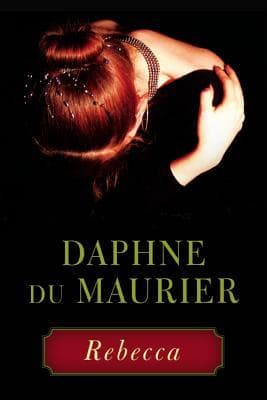
- Rebecca
Daphne du Maurier
4.2 (450k) average on GoodreadsThrillerFeatures a mysterious old house, a lingering past, and a new woman uncovering secrets.
- The Seven Husbands of Evelyn Hugo
Taylor Jenkins Reid
4.3 (222k) average on GoodreadsHistorical FictionA modern woman uncovers the secrets of a glamorous, historical female figure.
- The Forgotten Garden
Kate Morton
4.1 (191k) average on GoodreadsHistorical FictionExplores a contemporary woman uncovering long-buried family secrets tied to an old estate.
- The House at Riverton
Kate Morton
3.9 (103k) average on GoodreadsHistorical FictionBoth novels feature a grand, old house and a past mystery revealed through a narrator. However, Maine's novel distinguishes itself with a stronger focus on tangible archaeological investigation and the rugged isolation of the Scottish islands, whereas Morton often emphasizes family secrets and social strata within an English estate context. Maine's mystery is more rooted in physical evidence and artistic legacy, while Morton's is often more about interpersonal drama and hidden desires.
- To Kill a Mockingbird
Harper Lee
4.3 (4.5M) average on GoodreadsHistorical FictionIn the 1930s Jim Crow South, Harper Lee writes about racial injustice, moral growth, and the quiet courage of a lawyer father, Atticus Finch, as seen through his young daughter's eyes.
- The Great Gatsby
F. Scott Fitzgerald
3.9 (3.8M) average on GoodreadsHistorical FictionIn the opulent Roaring Twenties, a mysterious millionaire's lavish parties hide his desperate, tragic pursuit of a lost love, exposing the emptiness within the American Dream.




Enjoyed the summary?
A summary gives you the shape of the book. The book itself has the detail, the examples and the voice.
Find The House Between Tides on AmazonAs an Amazon Associate, BookBrief earns from qualifying purchases. How we're funded