
Synopsis
Covers the whole plot, including the ending.
- Difficulty
- Easy
- Pacing
- Moderate
- Mood
- Whimsical, Melancholy, Hopeful, Adventurous
- Read it if
- You love whimsical, heartfelt fantasy stories about finding your place in the world, filled with unique magical elements and emotional depth.
- Skip it if
- You prefer fast-paced action-adventure or stories without a strong focus on themes of grief and acceptance.
The House with Chicken Legs Plot Summary
Covers the whole plot, including the ending.
A Lonely Existence with a Wandering House
Marinka, a twelve-year-old girl, lives an isolated life with her grandmother, Baba Yaga, in a house that moves on giant chicken legs. Her grandmother is a Yaga, a guardian who guides the dead through the Gate to the afterlife. Marinka trains to follow her, which means she cannot form lasting friendships with the living. The house is a companion, but Marinka wants a human friend. She often watches her grandmother's brief meetings with the living, especially a family near a well, and dreams of a normal life where she can stay in one place and have friends.
A Forbidden Friendship and a Broken Rule
Despite her grandmother's warnings, Marinka wants a friend. One day, while the house is stopped near a village, she meets a boy named Benjamin. Happy to have someone her age, Marinka secretly meets with Benjamin, playing games and sharing stories. She tells herself that as long as she does not tell him about her Yaga life or the house, it does not count as breaking rules. Their friendship grows, and Marinka feels a sense of normalcy and belonging she has always wanted, strengthening her desire to avoid her destiny as a Yaga.
The House Refuses to Move and Baba Yaga's Disappearance
The night after Marinka's last secret meeting with Benjamin, the house, usually ready to move, refuses to budge. Baba Yaga becomes worried by the house's inaction. During a ritual to open the Gate for the dead, a storm starts. Marinka, feeling guilty and sensing something is wrong, sees a flash of light and hears a scream. The next morning, Baba Yaga is gone, leaving only her Yaga skull lantern. Marinka is left alone with the still house and the growing realization that her rule-breaking, especially her friendship with Benjamin, caused her grandmother's disappearance.
An Unwilling Journey to the Afterlife
Overwhelmed by grief and guilt, Marinka decides to find Baba Yaga. The house, sensing Marinka's distress, finally moves, but in an unusual direction. Guided by the house and Baba Yaga's skull lantern, Marinka goes on a journey that leads her to the boundary between the living and the dead. She realizes she must follow her grandmother's path, into the afterlife, a place she has only seen from afar. This journey is dangerous, as Marinka is not yet a trained Yaga and is entering a place where she does not belong.
Encounters with the Dead and a Mysterious Gatekeeper
As Marinka travels through the land of the dead, she meets many spirits, some helpful, some lost. She learns more about the afterlife and the Yaga's role in guiding souls. She meets a gatekeeper named Jack, who guards a passage. Jack speaks in riddles and gives warnings about the dangers of her quest and the importance of understanding her destiny. He tests Marinka's resolve and knowledge, hinting at the true nature of her grandmother's disappearance and the effects of Marinka's past actions. Marinka starts to understand the weight of her Yaga responsibilities.
The Truth About Baba Yaga's Fate
Following clues and solving riddles, Marinka discovers the truth. Her friendship with Benjamin, and her desire to avoid her Yaga destiny, had made a tear between the living and dead worlds, causing chaos and danger. To prevent disaster and protect Marinka, Baba Yaga sacrificed herself, using her life force to seal the tear and ensure the safe passage of souls. This revelation deeply affects Marinka, making her understand the impact of her selfish desires and the love her grandmother had for her.
Marinka's Choice and the Path Forward
Faced with her grandmother's sacrifice, Marinka changes. She realizes that her longing for a 'normal' life kept her from seeing the importance and beauty of her destiny. She chooses to fully embrace her role as a Yaga, understanding that it is not a burden but a duty to guide the dead. With new purpose, Marinka begins to take on the responsibilities her grandmother once held, learning to open the Gate and help the spirits, accepting the solitude that comes with it, but finding a new kind of connection in her work.
A New Beginning with a Familiar Face
Marinka, now a Yaga, continues her journey with the house, guiding the dead. While she has accepted her destiny, she remembers Benjamin. One day, the house stops near a familiar well, and Marinka sees Benjamin again, older and wiser. They share a moment of understanding, an acknowledgment of their past and the paths they have taken. Marinka realizes that while her life is different, she does not have to be entirely alone. She finds a way to connect with the living world, not by breaking rules, but by understanding the balance between her two worlds, finding a way to bridge them.
Principal Figures
Marinka
Protagonist
A twelve-year-old girl destined to become a Yaga, grappling with loneliness and longing for a normal life.
Marinka is a spirited and curious twelve-year-old girl who yearns for friendship and a stable home. She resents her nomadic life and the solitude imposed by her Yaga destiny. Driven by a desire for connection, she often defies her grandmother's rules, leading to significant consequences. Throughout the story, she matures from a self-centered child into a responsible Yaga, understanding the importance of duty and sacrifice. Her journey is one of self-discovery, learning to embrace her unique identity.
Relationships: Baba Yaga (Granddaughter, apprentice); Benjamin (Forbidden friend, crush); The House (Sentient companion, protector)
Baba Yaga
Supporting
Marinka's grandmother, a wise and powerful Yaga who guides the dead and tries to prepare Marinka for her destiny.
Baba Yaga is Marinka's stern yet loving grandmother, a seasoned Yaga who has dedicated her life to guiding the dead through the Gate. She is deeply committed to her duty and her lineage, often appearing harsh in her attempts to prepare Marinka for her future. Despite her strictness, her actions are driven by profound love and a desire to protect Marinka. Her wisdom and sacrifice ultimately guide Marinka's transformation. She embodies the ancient traditions and responsibilities of the Yaga.
Relationships: Marinka (Grandmother, mentor); The House (Master, companion)
The House
Supporting
A sentient house with chicken legs, a loyal companion and protector to the Yaga.
The House is a magical, sentient entity with giant chicken legs, serving as both home and companion to the Yaga. It has its own personality, expressing emotions through its movements, creaks, and willingness (or unwillingness) to travel. It is fiercely loyal to its Yaga, acting as a protector and guide. The House plays a crucial role in Marinka's journey, leading her to the afterlife and assisting her in her quest to find Baba Yaga, often reflecting the emotional state of its inhabitants.
Relationships: Marinka (Companion, protector); Baba Yaga (Companion, protector)
Benjamin
Supporting
A boy Marinka befriends, representing her longing for a normal life and the catalyst for significant plot developments.
Benjamin is a kind and curious boy who lives in a village where the House briefly stops. He becomes Marinka's first human friend, offering her a glimpse into a 'normal' life and fulfilling her deep desire for connection. Their friendship, though innocent, inadvertently leads to the disruption of the balance between worlds and Baba Yaga's disappearance. Benjamin represents the allure of the ordinary world that Marinka yearns for, and his presence highlights the conflict between her personal desires and her Yaga destiny.
Relationships: Marinka (Friend, brief romantic interest)
Jack
Supporting
A mysterious gatekeeper in the land of the dead, who offers riddles and guidance to Marinka.
Jack is a cryptic and ancient figure Marinka encounters in the land of the dead. He serves as a gatekeeper, guarding crucial passages and offering enigmatic advice. He speaks in riddles and challenges Marinka's understanding of her Yaga heritage and her grandmother's sacrifice. Jack represents the wisdom and ancient knowledge of the afterlife, pushing Marinka to think deeply about her purpose and the consequences of her actions. He helps her piece together the truth about Baba Yaga's fate.
Relationships: Marinka (Guide, mentor in the afterlife)
Yaga-Marinka
Mentioned
An ancestral Yaga, whose story is intertwined with the Yaga lineage.
Yaga-Marinka is an ancestral Yaga, whose story is recounted by Baba Yaga. She is a figure of the past, illustrating the challenges and sacrifices inherent in the Yaga's role. Her story serves as a cautionary tale and a source of wisdom, emphasizing the importance of understanding one's destiny and the potential for disruption if a Yaga deviates from their path. Her experiences resonate with Marinka's own struggles and ultimately contribute to Marinka's understanding of her heritage.
Relationships: Marinka (Ancestor, role model/warning)
The Dead
Supporting
Various spirits Marinka encounters, representing the souls she is destined to guide.
The Dead are the numerous spirits Marinka encounters in the afterlife, ranging from confused and lost souls to those who are ready to pass through the Gate. They are not individual characters with distinct arcs but collectively represent the Yaga's fundamental duty. Through her interactions with them, Marinka learns empathy, responsibility, and the profound significance of her role in helping them find peace. They serve as a constant reminder of the purpose of the Yaga's existence.
Relationships: Marinka (Souls to be guided); Baba Yaga (Souls guided in the past)
Themes & Insights
Identity and Destiny vs. Free Will
Marinka struggles with her destiny as a Yaga, a role that requires isolation and sacrifice, which conflicts with her desire for a 'normal' life and human connection. Her struggle shows the tension between accepting an inherited path and making one's own. The story explores whether destiny is fate or a choice made with understanding and purpose. Ultimately, Marinka chooses to be a Yaga, but on her own terms, finding agency within her inherited role.
“My life isn’t my own. It belongs to the dead.”
Loneliness and the Search for Connection
A main theme is Marinka's loneliness living with her wandering house and the constant presence of the dead. Her desire for a real friend drives many of her actions, including breaking Yaga rules to befriend Benjamin. The story explores the human need for connection and belonging, and how far one might go to get it. It also shows how true connection can be found not just in traditional friendships but in fulfilling one's purpose and understanding one's place, even if it is a solitary one.
“All I wanted was a friend. A real, human friend.”
Sacrifice and Love
The theme of sacrifice is shown by Baba Yaga, who gives her life to protect Marinka and keep the balance between worlds. This act of love makes Marinka face the results of her actions and understand her grandmother's care. Marinka's own journey involves learning to sacrifice her desires for the good of her Yaga duty, changing her understanding of love from selfish longing to selfless commitment.
“A Yaga’s love is not a soft thing. It is fierce. It is protective. It is sacrifice.”
Acceptance and Responsibility
Marinka's journey is about learning to accept her role and its responsibilities. Initially resentful, she eventually understands the importance of the Yaga's work in guiding the dead and keeping cosmic balance. Her growth involves moving past self-pity and embracing the power and purpose of her heritage. This theme shows that maturity comes from acknowledging one's place and helping something larger than oneself, even when it is difficult.
“The Gate doesn’t open for those who wish to escape. It opens for those who understand their purpose.”
The Nature of Life and Death
The book explores the cycle of life and death, showing the afterlife not as a scary void but as a place of transition and memory. It looks at the Yaga's role as guardians who help this natural process, ensuring peace for the dead. This theme encourages an understanding of death as part of existence, and shows the importance of remembrance and letting go. The interactions with various spirits offer different views on what it means to live and to die.
“Death is not an ending. It is a journey. And the Yaga are its guides.”
Plot Devices & Literary Techniques
The House with Chicken Legs
A sentient, mobile dwelling that reflects the Yaga's nomadic life and emotional state.
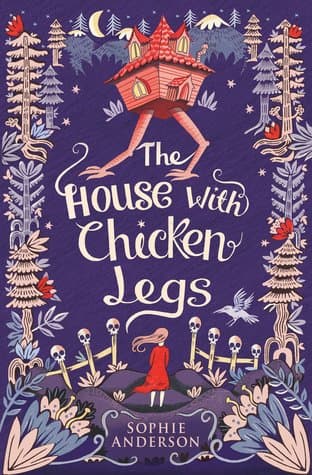
The House is a central symbolic and literal plot device. Its ability to move on chicken legs dictates Marinka's transient lifestyle and her inability to form lasting connections. As a sentient being, it acts as a companion and a protector, often reflecting the emotional state of its Yaga. Its refusal to move after Marinka breaks the rules is a direct consequence of her actions, propelling the plot forward and emphasizing the magical repercussions of her choices. It embodies the Yaga's unique existence and serves as a constant reminder of Marinka's destiny.
The Gate
A magical portal to the afterlife, central to the Yaga's duty.
The Gate is the mystical portal through which the Yaga guide the dead into the afterlife. It is the core of the Yaga's purpose and a powerful symbol of the boundary between life and death. The stability of the Gate is directly linked to the Yaga's adherence to their rules, and its disruption (caused by Marinka's actions) is the catalyst for Baba Yaga's sacrifice and Marinka's quest. Learning to open and close the Gate is the ultimate test of Marinka's readiness to become a Yaga, representing her acceptance of her destiny.
Baba Yaga's Skull Lantern
A magical artifact that serves as a guide and a symbol of Yaga lineage.
The skull lantern is a crucial magical artifact passed down through the Yaga line. After Baba Yaga's disappearance, it becomes Marinka's primary guide, emitting light and sometimes subtly indicating direction. It symbolizes Baba Yaga's continued presence and guidance, even in her absence, and represents the weight of the Yaga lineage and the responsibilities that come with it. The lantern's diminishing light also signals the urgency of Marinka's quest and the fading hope of finding her grandmother.
Riddles and Prophecies
Cryptic messages that guide Marinka and reveal deeper truths.
Riddles and prophecies, particularly those spoken by Jack and hinted at by Baba Yaga, serve as a narrative device to propel Marinka's understanding and guide her through the afterlife. They force Marinka to think critically about her situation, her grandmother's actions, and her own destiny. Rather than simply giving her answers, these enigmatic clues challenge her to interpret meaning and connect disparate pieces of information, reflecting her journey of self-discovery and the complex nature of the Yaga world.
The House with Chicken Legs Quotes
“The house with chicken legs is not a prison; it's a home that moves when it's time to move on.”
“Stories are the bones of the world. They hold everything together.”
“Sometimes the hardest thing is to stay still when all you want to do is run.”
“You don't choose your family, but you can choose your friends.”
“The dead are not gone as long as we remember them.”
“Fear is just a story you tell yourself. Change the story, change the fear.”
“Every ending is a beginning in disguise.”
“A home isn't a place; it's the people who make you feel you belong.”
“The stars are the eyes of the ancestors, watching over us.”
“You can't guide others if you're lost yourself.”
“Magic is not in the wand, but in the will to make a difference.”
“The wind carries whispers of all the stories ever told.”
“To be a Yaga is to walk between worlds, but never truly belong to either.”
Quiz
10 questions on the plot and the characters. Each answer comes with a short explanation.
Question 1
What is the primary reason Marinka struggles to make lasting friends?
- She is homeschooled and doesn't attend regular school.
- Her house constantly moves, preventing long-term relationships.
- She is shy and has difficulty talking to people.
- Her grandmother forbids her from interacting with others.
Show answer
B. Her house constantly moves, preventing long-term relationships. Marinka's house has chicken legs and wanders the world, so she never stays in one place long enough to form lasting friendships with humans, which is a central conflict in the book.
Question 2
What role does Marinka's grandmother serve in the story?
- She is a teacher who educates Marinka at home.
- She is a Yaga who guides the dead into the afterlife.
- She is a chef who cooks meals for the house.
- She is a traveler who explores the world with Marinka.
Show answer
B. She is a Yaga who guides the dead into the afterlife. Marinka's grandmother is a Yaga, a guardian responsible for helping souls transition to the afterlife, which defines their nomadic lifestyle and Marinka's training.
Question 3
What unusual ability does Marinka's house have?
- It can fly through the air like a bird.
- It has chicken legs that allow it to walk and move around.
- It can talk and have conversations with Marinka.
- It changes colors based on the weather.
Show answer
B. It has chicken legs that allow it to walk and move around. The house has chicken legs, enabling it to wander the world, which is a key fantastical element that drives the plot and Marinka's isolation.
Question 4
What major event occurs after Marinka breaks the rules to make a friend?
- The house stops moving and settles in one place.
- Marinka gains magical powers from her new friend.
- Her grandmother mysteriously disappears.
- Marinka is punished by being grounded in the house.
Show answer
C. Her grandmother mysteriously disappears. Marinka's actions lead to her grandmother's disappearance, which sets off the main adventure as Marinka must journey to find her.
Question 5
Why is Marinka being trained to become a Yaga?
- It is a family tradition passed down through generations.
- She chose it herself to gain magical abilities.
- Her grandmother forces her to learn against her will.
- It is required by law in their magical community.
Show answer
A. It is a family tradition passed down through generations. Being a Yaga is a hereditary role, and Marinka is expected to follow in her grandmother's footsteps, which contributes to her feelings of confinement and desire for friendship.
Question 6
What does Marinka long for most throughout the story?
- To explore the world and have adventures.
- To learn powerful magic from her grandmother.
- A real human friend to connect with.
- To escape her responsibilities as a future Yaga.
Show answer
C. A real human friend to connect with. Marinka's deepest desire is for a genuine human friend, which motivates her actions and drives the central conflict of the book.
Question 7
How does the house interact with Marinka, according to the description?
- It cooks meals and cleans for her.
- It plays games like tag and hide-and-seek with her.
- It tells her stories about the afterlife.
- It protects her from dangerous spirits.
Show answer
B. It plays games like tag and hide-and-seek with her. The house can play games, but this isn't enough for Marinka, highlighting her loneliness and need for human companionship.
Question 8
What must Marinka do after her grandmother disappears?
- Take over her grandmother's duties as a Yaga immediately.
- Make a dangerous journey to the afterlife to find her.
- Ask the house to help locate her grandmother.
- Find a new guardian to train her in magic.
Show answer
B. Make a dangerous journey to the afterlife to find her. Marinka embarks on a perilous quest to the afterlife to rescue her grandmother, which forms the climax of the adventure.
Question 9
Which theme is most prominently explored through Marinka's desire for friendship?
- The importance of following rules and traditions.
- The conflict between duty and personal desires.
- The dangers of magical creatures in fantasy worlds.
- The benefits of a nomadic lifestyle for children.
Show answer
B. The conflict between duty and personal desires. Marinka's longing for friendship clashes with her responsibilities as a future Yaga, exploring themes of duty versus personal fulfillment.
Question 10
What consequence does Marinka face due to her nomadic life as a Yaga-in-training?
- She misses out on school, parties, and lasting playmates.
- She becomes physically weak from constant travel.
- She develops a fear of the dead and afterlife.
- She loses her ability to communicate with the house.
Show answer
A. She misses out on school, parties, and lasting playmates. Marinka's life lacks normal childhood experiences like school and stable friendships, emphasizing the sacrifices of her destined role.
The House with Chicken Legs FAQ
What is 'The House with Chicken Legs' about?
The story follows 12-year-old Marinka, a girl being trained to become a Yaga like her grandmother, Baba. Yagas are guardians who guide the dead into the afterlife, living in a magical house with chicken legs that wanders the world. Marinka longs for a human friend, but her isolated life makes this impossible until she breaks the rules, leading to her grandmother's disappearance and a perilous journey to the afterlife to rescue her.
Why should I read 'The House with Chicken Legs'?
This book offers a unique blend of Slavic folklore, whimsical fantasy, and heartfelt themes about friendship, loss, and finding one's place. With its imaginative setting—a wandering house with chicken legs—and Marinka's relatable desire for connection, it balances adventure with emotional depth, making it engaging for both children and adults.
What is the background/setting of 'The House with Chicken Legs'?
The setting is a fantastical world inspired by Slavic mythology, where Yagas live in sentient houses with chicken legs that move across landscapes. Marinka's house travels to various locations to guide the dead through the Gate to the afterlife, creating a nomadic and mystical backdrop that blends everyday elements with magical realism.
What are the most memorable quotes?
Key quotes include Marinka's reflection, 'All I want is a friend. A real friend,' highlighting her loneliness, and Baba's wisdom, 'The dead need guiding, but the living need remembering,' which underscores the book's themes of memory and duty. Another is, 'A house with chicken legs is not a home without love,' emphasizing the importance of emotional bonds over physical places.
What writing style does the author use?
Sophie Anderson employs a lyrical and accessible style, blending whimsical descriptions with emotional depth. The narrative is told from Marinka's first-person perspective, using vivid imagery to bring the magical elements to life while maintaining a childlike tone that captures her innocence and yearning.
What minor details add significant meaning?
Small details like the house's chicken legs scratching the ground when anxious or the way Marinka's red scarf symbolizes her connection to her grandmother add layers of meaning. The house's playful games of tag and hide-and-seek subtly highlight its sentience and Marinka's isolation, making it more than just a setting.
What are some subtle foreshadowing moments?
Early scenes where Baba warns Marinka about the dangers of breaking Yaga rules foreshadow her later disobedience and its consequences. The house's occasional restlessness hints at its role in Baba's disappearance, and Marinka's fascination with the living world subtly sets up her desire to escape her destiny.
What unexpected character connections exist?
Unexpected connections include the bond between Marinka and the house, which acts as a surrogate friend and guardian. Later, Marinka discovers that some spirits in the afterlife have ties to her family's past, revealing hidden links between the living and dead that deepen the story's emotional resonance.
What are unspoken character motivations?
Marinka's desire for friendship stems from a deeper need to belong and define herself outside her Yaga destiny. Baba's strictness hides her fear of losing Marinka to the dangers of the afterlife, while the house's loyalty is driven by a silent wish to protect Marinka from loneliness and harm.
What psychological complexities do characters exhibit?
Marinka grapples with conflicting loyalties—to her duty as a future Yaga and her yearning for a normal life. Baba embodies the tension between love and responsibility, often masking her affection with rigidity. The house displays childlike emotions, reflecting Marinka's inner world and adding a layer of psychological depth to the non-human character.
What are the major emotional turning points?
Key emotional moments include Marinka's first real friendship with a living boy, which leads to her rule-breaking; Baba's disappearance, which triggers Marinka's guilt and determination; and her journey through the afterlife, where she confronts loss and learns about sacrifice, culminating in a reunion that redefines her understanding of family and duty.
How do relationship dynamics evolve?
Marinka's relationship with Baba shifts from one of rebellion and frustration to mutual understanding and respect after her journey. Her bond with the house deepens from seeing it as a mere companion to recognizing it as a vital part of her family. Interactions with spirits in the afterlife teach her about empathy and the interconnectedness of all beings.
Which parts remain ambiguous or open-ended?
The exact mechanics of the afterlife and the full extent of the Yagas' powers are left ambiguous, allowing readers to imagine the magical elements. The story also leaves some aspects of Marinka's future as a Yaga open-ended, focusing more on her personal growth than a rigid destiny, inviting interpretation about her continued journey.
What are controversial scenes or decisions?
Marinka's decision to break Yaga rules by seeking a human friend is controversial, as it leads to Baba's disappearance and endangers both the living and dead. Some readers might debate whether her actions are selfish or a natural response to isolation, highlighting themes of responsibility versus personal desire.
'The House with Chicken Legs' ending explained: how it ends & what it means
The ending sees Marinka rescuing Baba from the afterlife and returning home, having learned to balance her Yaga duties with her need for connection. It signifies that home is not just a place but the love and bonds shared, with Marinka embracing her role while maintaining her individuality, suggesting that growth comes from integrating tradition with personal truth.
Similar books
- Harry Potter and the Sorcerer's Stone
J.K. Rowling
4.5 (7M) average on GoodreadsFantasyRescued from a miserable life under the stairs, an orphaned boy discovers he's a wizard destined for a magical school, where he uncovers a dangerous secret tied to the dark wizard who murdered his parents.
- The Hunger Games
Suzanne Collins
4.3 (6.4M) average on GoodreadsFantasyIn a future where children fight to the death on live television, Katniss Everdeen volunteers for the arena, turning a death sentence into a fight for survival and a spark of rebellion.
- 1984
George Orwell
4.2 (3.1M) average on GoodreadsPoliticsIn a future where surveillance and thought control are absolute, a man's search for truth clashes with the Party, showing that hope can be a form of rebellion.
- Divergent
Veronica Roth
4.2 (2.9M) average on GoodreadsFantasyIn a society divided by virtues, a sixteen-year-old's difference from the norm starts a rebellion that threatens her world.
- The Hobbit, or There and Back Again
J.R.R. Tolkien
4.3 (2.9M) average on GoodreadsFantasyA comfort-loving hobbit named Bilbo Baggins is whisked away by a mischievous wizard and a band of dwarves on an unexpected journey to reclaim stolen treasure from a fearsome dragon, discovering courage and a magical ring along the way.
- Animal Farm
George Orwell
4.0 (2.7M) average on GoodreadsPoliticsA farm animals' rebellion against humans turns into a pig-led dictatorship, showing how power corrupts and revolutionary ideals are betrayed.






Enjoyed the summary?
A summary gives you the shape of the book. The book itself has the detail, the examples and the voice.
Find The House with Chicken Legs on AmazonAs an Amazon Associate, BookBrief earns from qualifying purchases. How we're funded