
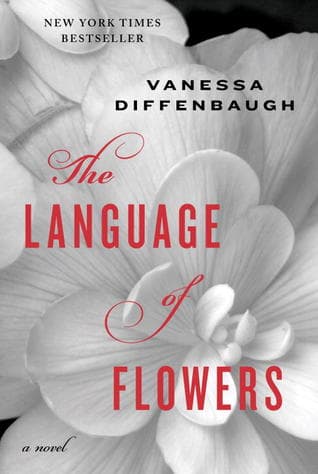
Synopsis
Covers the whole plot, including the ending.
- Difficulty
- Medium
- Pacing
- Moderate
- Mood
- Melancholy, Hopeful, Romantic, Reflective
- Read it if
- You enjoy emotionally resonant stories about healing from trauma, the power of unconventional communication, and finding love against all odds. Perfect for those who appreciate a unique blend of romance and profound character development.
- Skip it if
- You prefer fast-paced plots with minimal introspection or find stories centered on childhood trauma and its long-term effects too heavy.
The Language of Flowers Plot Summary
Covers the whole plot, including the ending.
Emancipation and a New Beginning (of Sorts)
Victoria Jones, eighteen, becomes independent from the foster care system, which has been her only constant since she was a baby. With no family or stable home, she is homeless, sleeping in a park and looking for food. Her knowledge of the Victorian language of flowers, from a book given by a foster mother, is her only comfort and way to understand the world. She uses flowers to communicate, often showing her deep mistrust and loneliness. She avoids people, marked by a childhood of abandonment and temporary homes, which has left her unable to form lasting bonds or trust. Her first days of freedom are a desperate struggle for survival and extreme loneliness.
A Chance Encounter and a Mysterious Gift
While sleeping in a park, Victoria is found by Renata, who owns a small flower shop. Renata sees a desperate soul and offers Victoria a job and a place to stay in the back of her shop. Victoria, at first hesitant and suspicious, slowly accepts. Her extensive knowledge of flowers and their meanings, along with an understanding of people's unspoken feelings, lets her create very meaningful arrangements for customers. Renata is impressed by Victoria's talent, which seems almost magical in its ability to connect with people, despite Victoria's social awkwardness and reluctance to talk directly.
The Return of a Ghost from the Past
One day, while getting flowers at a wholesale market, Victoria meets Grant, who sells unusual and rare flower types from his truck. They feel an immediate, unspoken connection and a sense of familiarity that deeply bothers Victoria. Grant seems to know more about her than he lets on. The flowers he offers, especially rare ones like 'Crown Imperial' (meaning majesty, but also 'hatred'), suggest a shared, painful past. Victoria is both drawn to and scared of Grant, as he might connect her to a past she has tried to forget. She learns he works with his aunt, a lavender farmer.
Unraveling the Past: Elizabeth's Garden
The story includes flashbacks to Victoria's time with Elizabeth, a kind and unusual foster mother who lived in a remote vineyard. Elizabeth was the first person to truly connect with Victoria, patiently teaching her the language of flowers and helping her connect with nature. Elizabeth's garden became Victoria's safe place, and flowers a way for Victoria to express herself when she couldn't use words. These flashbacks show a time of real love and belonging, a sharp contrast to Victoria's other foster homes. Elizabeth tried to adopt Victoria, but the legal system and Victoria's own ingrained distrust were big obstacles.
A Blooming Romance and Lingering Secrets
Despite her fear, Victoria feels increasingly drawn to Grant. Their shared love for flowers and their quiet understanding of floriography create a unique bond. They spend time together, and Grant's gentle persistence starts to break down Victoria's strong defenses. However, Victoria's deep issues with trust and intimacy, from her traumatic childhood, constantly threaten to ruin their growing romance. She struggles to show her true feelings and pushes Grant away, fearing abandonment and the pain of attachment. The secret of their shared past creates an unspoken tension between them.
The Truth About Grant's Identity
The truth about Grant is finally revealed: he is Elizabeth's nephew. He was a young boy living with Elizabeth when Victoria was fostered there. Victoria remembers him as a source of both comfort and confusion, a boy who was kind but then seemed to abandon her. The full weight of their shared history hits Victoria. She realizes that Grant's presence is not a coincidence; he has been looking for her, trying to fix a past hurt. However, Victoria sees his reappearance as a reminder of betrayal, believing he helped remove her from Elizabeth's care.
Confronting the Past and a Painful Revelation
Victoria confronts Grant, her anger and hurt overflowing. She accuses him of abandoning her, of being part of the system that took her from Elizabeth. Grant, in turn, tells his side and the painful truth: Elizabeth had tried to adopt Victoria, but the social worker, because of Victoria's behavior and Elizabeth's age, decided it was not a good placement. He also says that Elizabeth had sent Victoria letters, filled with flowers and their meanings, which Victoria never received. This revelation shatters Victoria's long-held belief that Elizabeth had given up on her, shifting her anger to the system that separated them.
A New Chapter and an Unexpected Pregnancy
Overwhelmed by the painful revelations and her inability to make up with Grant, Victoria pushes him away for good. She leaves Renata's shop, once again alone and without direction. She tries to build a life for herself, using her flower knowledge to make small, meaningful arrangements for people, but her heart remains broken. During this time of loneliness and emotional trouble, Victoria discovers she is pregnant with Grant's child. This news causes a new crisis, as she deals with the idea of motherhood, fearing she will repeat the cycle of abandonment and emotional neglect she experienced.
Motherhood and the Weight of Choice
Victoria deals with the implications of her pregnancy. Her own childhood, marked by many foster homes and a lack of consistent love, makes her question her ability to be a good mother. She fears continuing the cycle of trauma and abandonment. She considers putting the baby up for adoption, believing it would be a more responsible choice than exposing her child to her own emotional instability. This internal conflict is difficult, showing her deep insecurities and her struggle to break free from her past patterns.
A Message of Hope and Forgiveness
During her pregnancy, Victoria returns to Elizabeth's old property, seeking closure and a connection to her past. There, she finds hidden letters Elizabeth had written to her, filled with flowers and their meanings, which the social worker never delivered. The last letter, written shortly before Elizabeth's death, contains a message of unconditional love, forgiveness, and encouragement for Victoria to find happiness and connection. Elizabeth's words, through the language of flowers, finally reach Victoria, bringing a deep sense of peace and a path towards healing. This discovery is a turning point, allowing Victoria to start forgiving herself and others.
Reconciliation and a Future Embraced
With Elizabeth's last message and new hope, Victoria seeks out Grant. She finally opens up to him, expressing her fears and her love. Grant, who has always loved her, is very happy. Together, they face their past and agree to build a future. Victoria, having processed her trauma and found a way to forgive, decides to keep her baby. The novel ends with Victoria, Grant, and their newborn daughter, Iris (meaning 'message'), starting their new life together. They have found a way to communicate their love and trust through the language of flowers, breaking the cycle of abandonment and building a loving family.
Principal Figures
Victoria Jones
Protagonist
A young woman traumatized by the foster system, who communicates through the language of flowers.
Victoria is an eighteen-year-old woman, recently emancipated from the foster care system, carrying deep emotional scars from a childhood of abandonment and instability. She is fiercely independent, guarded, and struggles with intimacy and trust. Her primary mode of communication and understanding the world is through the Victorian language of flowers, a skill she learned from Elizabeth. She has a remarkable, almost intuitive, talent for creating flower arrangements that perfectly convey unspoken emotions. Her journey is one of learning to open up, forgive, and embrace love and connection, ultimately breaking the cycle of her past.
Relationships: Elizabeth (Foster mother, mentor, and the source of Victoria's knowledge of flowers); Grant (Love interest and Elizabeth's nephew, with whom Victoria shares a complicated past); Renata (Employer and supportive friend, who offers Victoria a chance at stability)
Elizabeth
Supporting
Victoria's most influential foster mother, who teaches her the language of flowers.
Elizabeth is a kind, wise, and eccentric woman who fosters Victoria during a pivotal period in her childhood. She lives on a vineyard and possesses an extensive knowledge of plants and their meanings. Elizabeth is the first person to truly connect with Victoria, patiently nurturing her and teaching her the Victorian language of flowers, which becomes Victoria's primary coping mechanism and means of expression. She genuinely loves Victoria and attempts to adopt her, fighting against the limitations of the foster system. Her enduring love and wisdom, even after her death, guide Victoria towards healing.
Relationships: Victoria Jones (Foster daughter, whom she deeply loves and mentors); Grant (Nephew, whom she also cares for)
Grant
Love Interest
Elizabeth's nephew and a mysterious flower vendor who shares a complicated past with Victoria.
Grant is a quiet, observant young man who sells rare and unusual flowers from his truck. He is Elizabeth's nephew and lived with her during the same time Victoria was fostered there. He carries his own pain from their shared past, feeling responsible for Victoria's eventual removal from Elizabeth's care. Grant is persistent and gentle in his pursuit of Victoria, understanding her through her use of flowers. He represents a chance for Victoria to confront her past and embrace a future built on trust and love, despite her initial resistance and accusations.
Relationships: Victoria Jones (Love interest and the father of her child); Elizabeth (Aunt, whom he deeply respects and lived with); Iris (Daughter)
Renata
Supporting
Owner of a flower shop who gives Victoria a job and a place to live.
Renata is a practical, no-nonsense woman who owns a small flower shop. She takes Victoria in after finding her sleeping in a park, offering her a job and a room above the shop. Renata, though initially wary of Victoria's aloofness, recognizes her extraordinary talent with flowers and provides a stable environment, albeit with firm boundaries. She acts as a surrogate mentor and a source of stability for Victoria, offering a glimpse of a functional, independent life. Renata's shop becomes a temporary sanctuary where Victoria can hone her unique skills.
Relationships: Victoria Jones (Employer and supportive friend)
Catherine
Supporting
Victoria's social worker who plays a role in her separation from Elizabeth.
Catherine is Victoria's social worker, a figure who represents the impersonal and often frustrating nature of the foster care system. While she likely believes she is acting in Victoria's best interest, her decisions, particularly regarding Victoria's adoption by Elizabeth and the withholding of Elizabeth's letters, contribute significantly to Victoria's trauma and mistrust. She embodies the systemic failures that often harm children in care, despite potentially good intentions. Her actions highlight the bureaucratic barriers to genuine connection and family formation.
Relationships: Victoria Jones (Social worker responsible for her care)
Iris
Mentioned
Victoria and Grant's daughter, symbolizing new beginnings and hope.
Iris is Victoria and Grant's daughter, born at the end of the novel. Her name, meaning 'message' in the language of flowers, perfectly encapsulates the themes of communication, hope, and new beginnings that define Victoria's journey. Iris represents the breaking of the cycle of abandonment and the culmination of Victoria's efforts to embrace love and create a family. Her birth signifies Victoria's full acceptance of motherhood and her ability to give and receive unconditional love, something she never experienced as a child.
Relationships: Victoria Jones (Daughter); Grant (Daughter)
The Judge
Mentioned
The legal figure who ultimately decides Victoria's fate in the foster system.
The Judge is a largely unseen but impactful figure in Victoria's past, responsible for the legal decisions concerning her foster care placements and, crucially, the denial of Elizabeth's adoption request. This character represents the ultimate authority of the system that dictates the lives of foster children, often making decisions based on legalities rather than emotional needs. The Judge's ruling to deny Elizabeth's adoption is a pivotal moment that profoundly shapes Victoria's future, contributing to her feelings of powerlessness and abandonment.
Relationships: Victoria Jones (Legal arbiter of her foster care status)
Beth
Supporting
A fellow foster child Victoria encounters, highlighting the struggles of the system.
Beth is a younger foster child Victoria briefly encounters during her time with Elizabeth. Beth is quieter and more withdrawn than Victoria, representing another facet of the trauma experienced by children in the foster system. Her presence underscores Victoria's own struggles and the widespread impact of instability. Victoria initially tries to protect Beth, but her own deep-seated issues prevent her from forming a lasting bond, further illustrating Victoria's difficulty with attachment before her journey of healing.
Relationships: Victoria Jones (Fellow foster child, briefly connected)
Themes & Insights
Identity and Self-Discovery
Victoria's journey is about finding her identity beyond the foster system. She first defines herself by her trauma and her unique flower communication, using them as a shield. As the story goes on, she learns to accept her past, use her talent, and define herself not by what she lost, but by her ability to love and her potential as a mother. The novel explores how one's past shapes, but does not fully control, who they become, as Victoria works to create a new self.
“I used to think that the flowers had the power to change anything. But they don't. They only have the power to help you understand.”
The Power of Language and Communication
The Victorian language of flowers is central to the novel, acting as both a refuge and a barrier for Victoria. It lets her express complex emotions she cannot say verbally because of her trauma, and connect with others on a deeper, non-verbal level. However, relying on it also isolates her, as real intimacy needs direct, vulnerable communication. The theme explores the limits and strengths of different forms of language, showing that Victoria eventually needs to speak her truth and bridge the gap between symbolic and verbal expression to achieve true connection.
“I had always used flowers to express myself, but I had never thought about what they were saying to me.”
Trauma, Trust, and Forgiveness
Victoria's life is deeply affected by the trauma of abandonment and the instability of the foster care system, leading to deep trust issues. Her inability to form lasting bonds and her fear of intimacy come directly from her past. The novel shows her struggle to overcome these problems, first by learning to trust Renata and then, more deeply, Grant. Forgiveness, especially of herself and the system that failed her, is a step in her healing, allowing her to break her past patterns and embrace a future with love.
“For years I had let my past define me, let it dictate how I behaved and who I was. But I didn't have to anymore.”
Motherhood and Family
The theme of motherhood is explored through Victoria's complex relationship with her absent mother, her foster mothers (especially Elizabeth), and her decision to become a mother herself. Her fears of repeating the cycle of abandonment are central to her internal conflict. The novel looks at what it means to be a 'good' mother beyond biology, focusing on love, stability, and presence. Victoria's journey ends with her becoming a mother, choosing to create a loving family for her daughter, and redefining what family means for her.
“I knew what it felt like to be abandoned, and I vowed that my child would never feel that way.”
Plot Devices & Literary Techniques
Fleurioography (The Language of Flowers)
A symbolic communication system used by Victoria to express emotions.
This is the central plot device and a major thematic element. Victoria uses the Victorian language of flowers to communicate her deepest feelings, fears, and hopes, as she struggles with verbal expression due to her traumatic past. Each flower mentioned in the book carries specific symbolic weight, often foreshadowing events, revealing character emotions, or providing insight into Victoria's internal state. It acts as both a shield and a bridge, allowing her to connect with the world on her own terms, but also highlighting her isolation from conventional interaction. It is the foundation of her talent and her connection with Grant and Elizabeth.
Dual Timeline/Flashbacks
Alternating narratives between Victoria's present and her past in the foster system.
The novel employs a dual timeline structure, alternating between Victoria's present-day life (emancipated, working at Renata's shop, meeting Grant) and flashbacks to her childhood in the foster care system, particularly her time with Elizabeth. This device slowly reveals the origins of Victoria's trauma, her unique connection to flowers, and the circumstances that led to her deep-seated mistrust. The past narrative provides crucial context for her present actions and emotional struggles, building suspense around the 'secret' of her past and the true nature of her relationship with Grant.
Symbolism of Specific Flowers
Individual flowers carrying specific meanings that mirror plot points or character emotions.
Beyond the general concept of floriography, specific flowers are used as powerful symbols throughout the narrative. For example, 'Thistle' (misanthropy) often represents Victoria's initial guarded nature, 'Lavender' (distrust) hints at Grant's connection to his aunt's farm and the historical betrayal, and 'Iris' (message) is chosen for her daughter's name, symbolizing hope and communication. These individual flower meanings are not just decorative; they are integral to understanding character motivations, foreshadowing events, and subtly conveying emotional truths that Victoria herself cannot articulate.
The Secret/Unspoken Past
An undisclosed event from Victoria's childhood that impacts her present relationships.
A significant 'secret' from Victoria's past, particularly concerning her time with Elizabeth and the reasons for her removal from Elizabeth's care, drives much of the narrative tension. Victoria's fragmented memories and her interpretation of events lead to her deep mistrust and her initial rejection of Grant. The slow revelation of this past, including the truth about Elizabeth's adoption attempts and the social worker's actions, serves as a major plot engine, forcing Victoria to confront her preconceived notions and ultimately find forgiveness and understanding.
The Language of Flowers Quotes
“I used the same language to communicate that I was done with him, that our relationship was over, and that he should forget about me forever.”
“For eight years, I dreamed of fire. Trees ignited as I passed them; oceans burned. The sugary smell of caramelizing apples, the scent of my unconscious childhood, mingled with the smoke of the blaze.”
“I had spent my life learning to care for plants, but I had never learned to care for people.”
“The marigold, for grief; the red rose, for love; the rosemary, for remembrance; the daffodil, for new beginnings.”
“I was a weed, unwanted and unloved, growing in the cracks of the sidewalk.”
“It was easier to let people believe what they wanted to believe. It was easier, and it was safer.”
“The language of flowers was the only language I could trust. It never lied.”
“I had been given a second chance, and I was determined not to waste it.”
“Love, I had learned, was something you built, like a garden, with patience and care.”
“The flowers told a story that words never could.”
“I had spent so long building walls that I forgot how to let someone in.”
“In the garden, I found a place where I could be myself, without fear or judgment.”
“Sometimes the most beautiful flowers grow from the darkest soil.”
“I had to learn that not all endings are tragedies; some are just new beginnings in disguise.”
Quiz
10 questions on the plot and the characters. Each answer comes with a short explanation.
Question 1
What is the primary reason Victoria Jones struggles to form close relationships as an adult?
- She has a physical disability that isolates her
- She was raised in the foster-care system and experienced trauma
- She moved frequently due to her parents' jobs
- She prefers the company of plants over people
Show answer
B. She was raised in the foster-care system and experienced trauma Victoria's childhood in the foster-care system left her with deep emotional scars, making it difficult for her to trust and connect with others, which is central to her character development throughout the book.
Question 2
What does Victoria realize she has a gift for after becoming emancipated from the foster-care system?
- Painting floral arrangements
- Helping others through the flowers she chooses for them
- Writing poetry about nature
- Teaching children gardening skills
Show answer
B. Helping others through the flowers she chooses for them Victoria uses her deep knowledge of the Victorian language of flowers to select meaningful blooms that help people communicate emotions and heal, which becomes a key part of her journey toward connection.
Question 3
According to the Victorian language of flowers as mentioned in the book, what do red roses symbolize?
- Patience
- Devotion
- Love
- Mistrust
Show answer
C. Love Red roses traditionally symbolize love in the Victorian language of flowers, which contrasts with how Victoria often uses flowers to express negative emotions like mistrust and solitude early in the story.
Question 4
What event causes Victoria to question what has been missing in her life?
- Receiving a large inheritance
- An unexpected encounter with a mysterious stranger
- Winning a flower-arranging competition
- Reconnecting with her biological parents
Show answer
B. An unexpected encounter with a mysterious stranger The mysterious stranger's appearance disrupts Victoria's isolated life, prompting her to reflect on her lack of personal connections and sparking her emotional growth.
Question 5
How does Victoria primarily use the language of flowers early in the book, as opposed to its traditional romantic purpose?
- To communicate mistrust and solitude
- To start a floral business
- To teach history lessons
- To decorate her home
Show answer
A. To communicate mistrust and solitude Due to her traumatic past, Victoria initially uses flowers to express negative emotions like mistrust and solitude, subverting the traditional romantic connotations of the Victorian language.
Question 6
What must Victoria decide when forced to confront a painful secret from her past?
- Whether to move to a new city
- Whether it's worth risking everything for a second chance at happiness
- Whether to give up her flower business
- Whether to reveal the secret publicly
Show answer
B. Whether it's worth risking everything for a second chance at happiness This decision represents the climax of Victoria's character arc, as she weighs the vulnerability of opening up against the potential for healing and happiness, tying into the book's themes of redemption and love.
Question 7
Which flower is associated with devotion in the Victorian language of flowers as mentioned in the book's description?
- Asters
- Honeysuckle
- Red roses
- Daisies
Show answer
B. Honeysuckle Honeysuckle symbolizes devotion, while asters represent patience and red roses signify love, highlighting how specific flowers carry distinct emotional meanings that Victoria navigates throughout the story.
Question 8
What broader theme does Victoria's journey from using flowers for mistrust to helping others with them best illustrate?
- The economic potential of horticulture
- The healing power of communication and human connection
- The decline of traditional customs
- The importance of formal education
Show answer
B. The healing power of communication and human connection Victoria's evolution shows how the language of flowers becomes a tool for emotional expression and healing, emphasizing the novel's focus on overcoming isolation through meaningful connections.
Question 9
Why is Victoria's age of eighteen significant in the context of the plot?
- It is when she inherits a flower shop
- It marks her emancipation from the foster-care system with nowhere to go
- It is the legal age for marriage in her state
- It is when she discovers her talent for flower arranging
Show answer
B. It marks her emancipation from the foster-care system with nowhere to go At eighteen, Victoria ages out of the foster-care system, leaving her homeless and forcing her to rely on her knowledge of flowers to survive, which sets the stage for her personal and professional development.
Question 10
How does the Victorian language of flowers serve as a metaphor throughout the book?
- It represents the complexity of botanical science
- It symbolizes the unspoken emotions and barriers in human relationships
- It illustrates the historical accuracy of the setting
- It acts as a plot device for romantic subplots only
Show answer
B. It symbolizes the unspoken emotions and barriers in human relationships The language of flowers mirrors Victoria's internal struggles and growth, as she moves from using it to express isolation to facilitating communication and intimacy, reflecting the novel's exploration of emotional vulnerability and connection.
The Language of Flowers FAQ
What is 'The Language of Flowers' about?
The novel follows Victoria Jones, an 18-year-old who ages out of the foster care system with deep emotional scars. Using the Victorian language of flowers as her only means of communication, she builds a new life as a florist while confronting a painful secret from her past involving a flower farmer named Grant and a devastating betrayal.
Why should I read 'The Language of Flowers'?
This book offers a unique blend of emotional depth and botanical symbolism, exploring themes of trauma, redemption, and human connection through the lens of flower meanings. Victoria's journey from isolation to vulnerability is both heartbreaking and hopeful, with the flower language serving as a beautiful metaphor for unspoken emotions.
What is the background/setting of 'The Language of Flowers'?
The story alternates between present-day San Francisco, where Victoria struggles as a homeless young adult working in a flower market, and flashbacks to her teenage years in a foster home with Elizabeth, a vineyard owner who teaches her the language of flowers. The Northern California flower farms provide a lush, symbolic backdrop.
What are the most memorable quotes from the book?
Key quotes include: 'I used the same language she'd used with me, the only one I had ever known: the language of flowers.' and 'Honeysuckle: devotion. Bonds of love.' These lines capture Victoria's emotional journey and the central role flower symbolism plays in her relationships.
What writing style does Vanessa Diffenbaugh use?
Diffenbaugh employs a dual timeline narrative, alternating between Victoria's present struggles and her past with Elizabeth. The prose is lyrical yet grounded, with detailed botanical descriptions that serve as emotional metaphors rather than mere decoration.
What minor details add significant meaning in the story?
The specific flower choices Victoria makes for customers—like marigolds for grief or basil for hatred—subtly reveal her emotional state and judgments. Her habit of stealing single blooms represents her inability to accept gifts or connection from others.
What are some subtle foreshadowing moments?
Early scenes where Victoria gives Elizabeth foxglove (insincerity) flowers foreshadow their eventual rupture. Grant's initial appearance at the flower market with a handful of moss (maternal love) subtly hints at his connection to Victoria's past before it's fully revealed.
What unexpected character connections exist?
Grant, the mysterious flower vendor Victoria meets, is revealed to be the nephew of Elizabeth, Victoria's former foster mother. This connection ties together Victoria's past trauma and present chance at redemption through their shared knowledge of flower language.
How does the flower dictionary structure enhance the narrative?
The interspersed flower definitions (like rhododendron for danger or lavender for distrust) provide a parallel emotional vocabulary that deepens character motivations. They allow readers to understand Victoria's unspoken feelings when she cannot express them verbally.
What are Victoria's unspoken motivations?
Beneath her defensive hostility, Victoria desperately wants connection but fears abandonment above all else. Her floral gifts—often expressing negative emotions—are both a test of others' understanding and a way to push people away before they can reject her.
What psychological complexities do the characters exhibit?
Victoria exhibits attachment disorder from childhood trauma, expressing love through hostile acts. Elizabeth shows obsessive perfectionism in parenting as compensation for her own losses. Grant demonstrates patient resilience, understanding Victoria's flower language as a trauma response rather than mere eccentricity.
What are the major emotional turning points?
Key moments include: Victoria choosing to keep her baby despite her fears, her confrontation with Elizabeth about the adoption betrayal, and her final gift to Grant of red roses (love) instead of her usual negative floral messages, signaling her emotional breakthrough.
How do Victoria's relationship dynamics evolve?
With Elizabeth, Victoria moves from guarded student to betrayed daughter to eventual reconciliation. With Grant, she progresses from mistrustful encounters to tentative partnership to committed love. With her own daughter, she cycles through the same fears she experienced but ultimately breaks the cycle.
Which parts remain ambiguous or open-ended?
The novel leaves ambiguous whether Victoria will fully overcome her trauma or simply manage it. Her future with Grant isn't depicted as a perfect fairytale, but as a continued effort. Elizabeth's ultimate fate after their reconciliation is also left somewhat open.
What are controversial scenes or decisions in the book?
Victoria's initial rejection of her newborn daughter is controversial, as is Elizabeth's decision to secretly arrange an adoption without Victoria's consent. Some readers debate whether Victoria's floral cruelty to customers is justified as self-protection or simply cruel.
How does the ending of 'The Language of Flowers' resolve?
Victoria reconciles with Elizabeth, accepts Grant's love, and commits to raising her daughter. The ending shows her arranging flowers for her own wedding—a symbolic full circle from using flowers as weapons to using them as expressions of genuine connection and hope.
What does the ending mean for Victoria's character arc?
The ending signifies Victoria's transformation from someone who communicates only mistrust through flowers to someone who can risk vulnerability. Her wedding flowers represent her hard-won ability to both give and receive love, breaking the cycle of abandonment that defined her childhood.
How does the foster care system portrayal impact the story?
The realistic depiction of 'aging out' without support systems highlights systemic failures. Victoria's homelessness and employment struggles show how trauma extends beyond childhood, making her eventual healing through flower symbolism and human connection particularly meaningful.
About the author

Vanessa Diffenbaugh is an American author known for her fiction, particularly her debut novel, The Language of Flowers, which explores themes of love, loss, and the significance of flowers in human relationships. Her work often delves into emotional and social issues, resonating with readers through its poignant storytelling.
Similar books
- Where the Crawdads Sing
Delia Owens
4.5 (975k) average on GoodreadsHistorical FictionFeatures a solitary female protagonist deeply connected to nature, overcoming a difficult past.
- Eleanor Oliphant Is Completely Fine
Gail Honeyman
4.3 (708k) average on GoodreadsLiterary FictionExplores a socially awkward protagonist with a traumatic past learning to connect with others.
- Garden Spells
Sarah Addison Allen
4.1 (87k) average on GoodreadsFantasyBlends magical realism with a focus on family, food, and the secret language of plants/flowers.
- My Sister's Keeper
Jodi Picoult
4.1 (1.1M) average on GoodreadsYoung AdultWhile both novels explore complex familial relationships, Diffenbaugh's focuses more intensely on the internal psychological recovery of a single protagonist using a unique historical metaphor, whereas Picoult's strength lies in intricate plotting and ethical dilemmas surrounding contemporary issues.
- The Hunger Games
Suzanne Collins
4.3 (6.4M) average on GoodreadsFantasyIn a future where children fight to the death on live television, Katniss Everdeen volunteers for the arena, turning a death sentence into a fight for survival and a spark of rebellion.
- The Great Gatsby
F. Scott Fitzgerald
3.9 (3.8M) average on GoodreadsHistorical FictionIn the opulent Roaring Twenties, a mysterious millionaire's lavish parties hide his desperate, tragic pursuit of a lost love, exposing the emptiness within the American Dream.




Enjoyed the summary?
A summary gives you the shape of the book. The book itself has the detail, the examples and the voice.
Find The Language of Flowers on AmazonAs an Amazon Associate, BookBrief earns from qualifying purchases. How we're funded