

Synopsis
Covers the whole plot, including the ending.
- Difficulty
- Medium
- Pacing
- Slow
- Mood
- Melancholy, Nostalgic, Gritty, Reflective
- Read it if
- You appreciate stark, character-driven literary fiction exploring themes of lost innocence, small-town decay, and the complexities of human relationships.
- Skip it if
- You prefer fast-paced plots, optimistic narratives, or stories with clear moral heroes.
The Last Picture Show Plot Summary
Covers the whole plot, including the ending.
The Last Picture Show
The novel begins in Thalia, Texas, a desolate town in the early 1950s. The only entertainment left is the pool hall, the cafe, and the old picture show. Sonny Crawford and Duane Moore, best friends and football co-captains, are seniors with little hope for life outside Thalia. They spend their days cruising empty streets, playing pool, and awkwardly chasing girls. Sonny's home life is bleak, living with his distant father and sick mother. Their small-town life is marked by boredom, a sense of loss, and stagnation, reflecting the town's slow death. The boys focus on football and the promise of sex, often discussed with Sam the Lion, who owns the pool hall and picture show.
Sam the Lion's Influence
Sam the Lion, an aging, wise, and somewhat sad figure, is important in Sonny and Duane's lives. He owns the pool hall, picture show, and cafe, making him a center of the community. Sam often shares his thoughts and old stories with the boys, giving them a glimpse beyond Thalia, though his own life shows quiet acceptance. He represents a sense of dignity and a link to a more authentic Texas past that is quickly fading. His presence contrasts with the aimlessness of the younger generation, and his death is a major turning point, symbolizing the final decay of the town's spirit and its last meaningful past.
Sonny's Affair with Ruth Popper
Sonny, feeling more and more isolated and wanting connection, starts a secret affair with Ruth Popper, the middle-aged wife of his high school football coach. Ruth is a quiet, overlooked woman, living a life of unfulfilled desires and emotional neglect. Their relationship begins slowly, driven by mutual loneliness and a desperate need for intimacy. For Sonny, it is a step into adulthood and a source of emotional comfort he lacks elsewhere. For Ruth, it is a brief return of passion and an escape from her dull life. Their affair is a secret, adding tension and risk to Sonny's already complicated life, and showing the widespread desperation for connection in Thalia.
Duane and Jacy's Tumultuous Relationship
Duane Moore is deeply involved with Jacy Farrow, the town's most beautiful girl, from a wealthier family. Their relationship has strong physical attraction, frequent fights, and Jacy's manipulative ways. Jacy, bored in Thalia, uses her beauty and social standing to control Duane and other boys. She constantly seeks excitement and attention, often leading Duane on only to push him away. Their relationship shows the social classes in the small town, with Duane's working-class background clashing with Jacy's privileged, but stifling, upbringing. Their unstable romance reflects the wider frustrations and limited choices for young people in Thalia.
The Mexican Trip and its Aftermath
In a desperate attempt for excitement and to lose their virginity, Sonny, Duane, and a few other boys, including Billy, a mentally challenged boy, drive to Mexico. The trip is a failure, marked by cheap tequila, tawdry prostitutes, and disappointment. Duane and Sonny have a big fight after Duane, drunk and angry, hurts Billy. The experience leaves them feeling emptier, showing that escape from Thalia's boredom is hard to find. This bad trip further strains the tense friendship between Sonny and Duane, revealing their frustrations and the limits of their small-town world, while also showing their immaturity.
Jacy's Sexual Awakening and Exploitation
Jacy Farrow, increasingly bored with Duane and her small-town life, actively seeks sexual experiences. She manipulates a rich oilman, Abilene, into taking her to a motel, hoping to lose her virginity, but he refuses, seeing her as too young. Later, at a pool party, she encourages a group of boys to undress her, a humiliating experience that leaves her emotionally hurt. These events show Jacy's desperate attempts to assert herself and find excitement, even if it means putting herself in vulnerable situations. Her experiences reflect the limited ways for self-discovery and the dangers in a society that objectifies young women, especially where opportunities are few.
Sam the Lion's Death and the Picture Show's Closing
Sam the Lion's death is a deep loss for Thalia and for Sonny and Duane, who saw him as a father figure and source of wisdom. His passing symbolizes the final decline of the town's spirit and the end of a way of life. After Sam's death, his will says the picture show must close, as he believes movies are no longer worth watching. The closing of the picture show, the last public entertainment, is a strong metaphor for the town's decay and its loss of connection to the wider world. It leaves the young people with even fewer options and reinforces the bleak future in Thalia.
Sonny and Charlene's Marriage
After Sam the Lion's death and a period of growing aimlessness, Sonny impulsively marries Charlene Duggs, a quiet girl from his class. The marriage is driven more by a desire for stability and belonging than by real love. It is a quick decision, made without much thought, and quickly proves to be a mistake. Charlene is sweet but uninspiring, and Sonny soon realizes that marriage does not provide the escape or fulfillment he wanted. This decision further complicates Sonny's life and shows his struggle to find meaning in a town that offers so little. The marriage quickly becomes another burden, not a solution.
Duane Leaves Thalia
Duane, increasingly restless and unhappy with Thalia and his relationship with Jacy, decides to join the army. This choice is his attempt to break free from the stagnant town and find a future beyond its limited horizons. His departure is important, as it cuts his ties with Jacy and ends his close friendship with Sonny. Duane's leaving symbolizes young people leaving Thalia, seeking opportunities and a different life elsewhere, even if it means facing the uncertainties of military service. His departure leaves Sonny even more isolated in the dying town.
Billy's Death
Billy, the gentle, mentally challenged boy who often cleans the pool hall, is accidentally hit and killed by a truck on the highway. His death is a tragic and meaningless event that further shows the bleakness and indifference of life in Thalia. Billy was an innocent figure, often a silent observer of the town's dramas, and his death affects Sonny deeply. It is another strong symbol of the loss of innocence and the widespread decay that haunts the town. For Sonny, Billy's death is a sad reminder of how fragile life is and how pointless their struggles are in a place that seems to be slowly destroying itself.
Sonny's Return to Ruth
After his failed marriage to Charlene and Duane's departure, Sonny feels increasingly lost. He seeks comfort and stability by returning to Ruth Popper. Their affair restarts, marked by a renewed sense of shared loneliness and a desperate need for connection. For Sonny, Ruth represents a familiar intimacy and a refuge from the chaos of his young life. For Ruth, Sonny's return offers a brief break from her isolated existence. Their renewed relationship shows the repeating nature of their desires and the lasting power of their bond, even amid the town's decay. It suggests that despite their attempts to move on, they are drawn back to what is familiar and comforting.
The Final Scene at the Picture Show
In the novel's sad final scene, Sonny sits alone in the deserted, dusty picture show, which has been closed for some time. He thinks about his life, his friendships, his relationships, and the changes that have swept through Thalia. He thinks about Duane, Jacy, Sam the Lion, and Ruth Popper, recognizing their impact on him. The silence and emptiness of the old theater reflect the state of the town and his own feelings of loss and uncertainty. The "last picture show" itself symbolizes the end of an era, the fading of dreams, and the harsh reality of a future with little promise for those who remain in Thalia. Sonny's quiet thoughts capture the novel's themes of growing up amid decay and the bittersweet nature of memory.
The Last Picture Show Characters
Sonny Crawford
Protagonist
A reflective and somewhat aimless teenager grappling with adulthood and loss in Thalia.
Sonny is one of the central figures, a high school senior who is intelligent and observant but lacks direction. He is sensitive and often melancholic, struggling with a bleak home life and the pervasive sense of stagnation in Thalia. He seeks connection and meaning through his friendships, his affair with Ruth Popper, and his observations of the town's decline. He is often passive, reacting to events rather than initiating them, but possesses an underlying decency and a capacity for genuine feeling.
Relationships: Duane Moore (Best friend, complex and often strained); Ruth Popper (Lover, source of comfort and intimacy); Jacy Farrow (Object of unrequited desire and later, pity); Sam the Lion (Mentor, father figure)
Duane Moore
Protagonist/Supporting
Sonny's best friend, a handsome and restless football star eager to escape Thalia.
Duane is Sonny's best friend, the more outwardly confident and impulsive of the two. He is a talented football player, popular, and physically attractive, but equally frustrated by the limitations of Thalia. His relationship with Jacy Farrow is intense and volatile, reflecting his desire for excitement and his struggle with her manipulative nature. Duane is more proactive in his desire to leave Thalia, eventually joining the army, symbolizing the impulse to escape the suffocating small-town life.
Relationships: Sonny Crawford (Best friend, complex and often strained); Jacy Farrow (Turbulent, passionate, and ultimately broken romantic relationship)
Jacy Farrow
Supporting/Antagonist
The town's beautiful and manipulative debutante, desperate for excitement and a way out.
Jacy is the most beautiful and sought-after girl in Thalia, from a wealthier family than Sonny or Duane. She is bored, restless, and deeply unhappy with her limited prospects. Jacy is manipulative and uses her beauty to exert control over the boys around her, particularly Duane. She actively seeks out sexual experiences and attention, often leading to humiliating or dangerous situations. Her character embodies the destructive effects of privilege and boredom in a suffocating environment, and her journey is one of a desperate search for identity and escape.
Relationships: Duane Moore (Turbulent, passionate, and ultimately broken romantic relationship); Sonny Crawford (Brief, unrequited interest from Sonny; Jacy is largely indifferent to him)
Ruth Popper
Supporting
The lonely, middle-aged football coach's wife who finds solace in an affair with Sonny.
Ruth Popper is the quiet, overlooked wife of Coach Popper. She is middle-aged, emotionally neglected, and deeply lonely, living a life of quiet desperation. Her affair with Sonny begins out of a mutual need for intimacy and connection, providing her with a brief rekindling of passion and a sense of being desired. Ruth is kind, gentle, and vulnerable, representing the hidden sorrows and unfulfilled lives of many adults in Thalia. She offers Sonny a maternal comfort as well as sexual experience, becoming a significant emotional anchor for him.
Relationships: Sonny Crawford (Lover, source of comfort and intimacy); Coach Popper (Husband, distant and neglectful)
Sam the Lion
Supporting
The wise, aging owner of the pool hall, picture show, and cafe, a mentor to the boys.
Sam the Lion is an older, dignified figure who owns the main establishments in Thalia: the pool hall, the picture show, and the cafe. He serves as a mentor and a surrogate father figure to Sonny and Duane, offering them advice, philosophical insights, and stories of a bygone era. Sam embodies a quiet stoicism and a connection to a more authentic, rugged Texas past that is rapidly fading. His death is a pivotal event, symbolizing the final decay of Thalia's spirit and the loss of its last vestiges of meaningful tradition. He represents a moral compass and a link to a fading world.
Relationships: Sonny Crawford (Mentor, father figure); Duane Moore (Mentor, respected elder)
Billy
Supporting
A mentally challenged boy who works at the pool hall, an innocent victim of Thalia's decay.
Billy is a mentally challenged boy who is often seen sweeping the pool hall. He is gentle, innocent, and largely silent, observing the goings-on in Thalia with a childlike wonder. He is often a target for casual cruelty or thoughtlessness from the older boys, particularly Duane. Billy represents the vulnerability and fragility of innocence in a harsh, indifferent world. His accidental death is a poignant and senseless tragedy that further underscores the bleakness and pervasive sense of loss that defines Thalia.
Relationships: Sonny Crawford (Casual acquaintance, Sonny feels protective of him); Duane Moore (Casual acquaintance, sometimes thoughtlessly cruel to him)
Genevieve
Supporting
The manager of the cafe, a kind and pragmatic woman.
Genevieve works at the cafe owned by Sam the Lion. She is a practical, kind, and observant woman who offers a steady presence in the boys' lives. She often provides food and a listening ear, serving as a quiet, maternal figure. Genevieve represents the resilient, working-class women of Thalia who keep the town functioning despite its decline. She is a witness to the unfolding dramas and a source of quiet stability in a world of shifting allegiances and fleeting desires.
Relationships: Sam the Lion (Employer/employee, respectful); Sonny Crawford (Friendly, provides comfort and food)
Coach Popper
Supporting
Thalia's football coach and Ruth Popper's neglectful husband.
Coach Popper is Sonny and Duane's high school football coach and Ruth Popper's husband. He is portrayed as largely oblivious to his wife's loneliness and their marital problems. His focus is primarily on football, which is one of the few remaining sources of pride in Thalia. He represents the limited emotional landscape of many of the adult men in the town, often detached and self-absorbed. His unawareness of his wife's affair highlights the emotional void within his marriage and the broader societal neglect of women's needs in the town.
Relationships: Ruth Popper (Husband, distant and neglectful); Sonny Crawford (Coach/player, formal)
Charlene Duggs
Supporting
A quiet girl who briefly marries Sonny.
Charlene is a quiet, unassuming girl from Sonny's class whom he impulsively marries. She is sweet and somewhat naive, representing a conventional path that Sonny briefly attempts to take. Their marriage is short-lived, as Sonny quickly realizes it was a mistake, driven more by a desire for stability than genuine love. Charlene serves to highlight Sonny's immaturity and his desperate search for meaning, as well as the limited options available for young people in Thalia who try to conform to societal expectations.
Relationships: Sonny Crawford (Brief, failed marriage)
The Last Picture Show Themes
The Death of the American Small Town
The novel clearly shows the decline of Thalia, a fictional Texas town. This theme appears through the closing of the picture show, the only remaining entertainment, and the general lack of economic and social options. Young people, especially Sonny and Duane, feel trapped by the town's stagnation; many eventually leave or accept a bleak future. The dust, empty streets, and crumbling buildings create an atmosphere of obsolescence and forgotten dreams, symbolizing the end of a way of life in post-World War II America. Sam the Lion's death and the picture show's closing directly highlight this theme, marking the definitive end of Thalia's cultural heart.
“Nothing ever changes in Thalia. Except the people.”
Loss of Innocence and Coming-of-Age
At its core, the novel is a sad coming-of-age story set against a background of decline. Sonny, Duane, and Jacy all deal with the move from adolescence to adulthood, marked by their first sexual experiences, the realization of life's harshness, and the disappointment that comes with maturity. Sonny's affair with Ruth Popper, Jacy's manipulative pursuit of sex, and the boys' bad trip to Mexico all contribute to their loss of innocence. The death of Billy, the mentally challenged boy, is a particularly stark and tragic symbol of this theme, representing the vulnerability of innocence in a world that often seems uncaring. The characters learn that adult life in Thalia offers few easy answers or real fulfillments.
“When you're a kid, you think you'll live forever. Then you grow up and you realize you won't.”
Loneliness and the Search for Connection
A strong sense of loneliness affects nearly every character in Thalia. Sonny feels isolated from his distant father and sick mother, and later, from his friends as they drift apart. Ruth Popper lives a life of deep emotional neglect from her husband, leading her to seek intimacy with Sonny. Even Jacy, despite her popularity, is very lonely and desperate for attention. The characters' sexual encounters are often driven more by a desperate need for connection than by real love. The barren landscape of Thalia reflects the emotional emptiness many characters feel, showing their longing for understanding and belonging in a desolate place.
“There was nothing to do in Thalia but drink beer and make love, and there was hardly anybody left to do either.”
The Illusion of Escape
Many characters in 'The Last Picture Show' dream of escaping Thalia, but these dreams often turn out to be false. Duane eventually leaves for the army, but his future is uncertain. Jacy manages to leave, but her journey is full of manipulation and emotional harm. Sonny, despite his attempts at marriage and his affair, stays rooted in the dying town, seemingly unable to break free. The boys' failed trip to Mexico, meant as an adventure and sexual experience, only results in disappointment and more conflict. This theme suggests that while physical escape is possible for some, the emotional and psychological scars of Thalia are harder to remove, and true escape from one's circumstances is a complex, often impossible, goal.
“It was just a town, but it was their town, and they couldn't get out of it.”
Plot Devices & Literary Techniques
The Picture Show
A central symbol of the town's dying culture and connection to a wider world.
The picture show, and its eventual closing, is the most prominent symbolic plot device. It represents the last vestiges of entertainment, imagination, and connection to the outside world in Thalia. Its decay mirrors the town's own decline, and its eventual closure after Sam the Lion's death signifies the definitive end of an era and the final severing of Thalia's ties to any vibrant culture. It serves as a physical location for the boys' youthful experiences and a powerful metaphor for lost dreams and the bleak future.
Sam the Lion's Pool Hall and Cafe
Gathering places that represent community, mentorship, and a fading past.
Like the picture show, Sam the Lion's pool hall and cafe are more than just locations; they are the social hubs of Thalia. They are places where the community gathers, where the boys receive life lessons from Sam, and where the town's gossip and dramas unfold. These establishments represent a sense of tradition, community, and mentorship that is slowly eroding. Their continued existence, even in a state of disrepair, initially offers a faint hope, but their eventual fate is tied to the town's overall decline.
The Texas Landscape
The dusty, desolate environment reflecting the emotional barrenness of the town.
The harsh, dusty, and desolate Texas landscape is a pervasive plot device that acts as a mirror to the emotional and economic barrenness of Thalia. The endless, wind-swept plains and the lack of greenery contribute to a sense of isolation, stagnation, and hopelessness. This setting amplifies the characters' feelings of being trapped and their yearning for something more. The physical environment underscores the themes of decay and the limited prospects available to the inhabitants, making the town itself a character in the story.
Football
A fleeting source of local pride and a temporary escape from Thalia's ennui.
High school football serves as a significant, albeit temporary, plot device. For Sonny and Duane, it's a source of identity, local pride, and a brief reprieve from the overwhelming boredom and lack of opportunity in Thalia. It offers a structured activity and a sense of purpose during their senior year. However, once the season ends, the boys are left with nothing, highlighting the superficiality of this 'escape' and the stark reality of their limited futures beyond the gridiron. It underscores the fleeting nature of youthful glory in a dying town.
The Last Picture Show Quotes
“Everything was flat and dry and gray; a dusty wind blew from the south.”
“Nothing ever changed in Anarene, except the seasons.”
“A lot of things had died in this part of the country, and been buried, and left their ghosts behind.”
“You can't go home again, they say, and maybe it's true.”
“The last picture show, they called it, and it was the last alright.”
“If I'd known how much trouble you were gonna be, I'd have stayed in bed.”
“A person has to take what comes. You can't spend your life wishing things were different.”
“It was as if all the joy had drained out of him, leaving only the memory of it.”
“There wasn't much to do in Anarene, Texas, except to get into trouble.”
“The wind was always blowing, picking up dust and carrying it across the flat land.”
“It was a good place to be young, if you didn't mind the boredom.”
“Pretty soon you'll be wanting to get out of this town, just like everyone else.”
“Life just goes on, whether you want it to or not.”
“He felt a sudden, sharp ache of loneliness, a feeling that had become familiar to him.”
Quiz
10 questions on the plot and the characters. Each answer comes with a short explanation.
Question 1
What is the name of the small Texas town where the story is set?
- Thalia
- Lonesome Dove
- Anarene
- Archer City
Show answer
A. Thalia The story takes place in the fictional, dusty town of Thalia, Texas.
Question 2
Who owns the pool hall and the movie theater, and acts as a mentor figure to Sonny?
- Coach Popper
- Sam the Lion
- Gene Farrow
- Billy
Show answer
B. Sam the Lion Sam the Lion is the owner of the pool hall and movie theater, and serves as a wise, if gruff, mentor to Sonny and Duane.
Question 3
What significant event marks the decline of the town and is referenced in the title?
- The closing of the high school football stadium
- The final showing at the local movie theater
- The last town picnic
- The demolition of the old diner
Show answer
B. The final showing at the local movie theater The title refers to the closing of the picture show, symbolizing the end of an era and the decline of the small town.
Question 4
What is the relationship between Sonny and Ruth Popper?
- They are distant cousins.
- She is his high school English teacher and they have an affair.
- She is the town librarian and offers him advice.
- She is Duane's mother and disapproves of Sonny.
Show answer
B. She is his high school English teacher and they have an affair. Ruth Popper is Sonny's high school English teacher, and they begin a secret affair that explores themes of loneliness and forbidden love.
Question 5
Why does Jacy Farrow initially pursue Sonny and then Duane?
- She genuinely loves both of them equally.
- She is seeking attention and escape from the boredom of her small-town life.
- Her parents arrange for her to date them to fit in.
- She is trying to make her current boyfriend jealous.
Show answer
B. She is seeking attention and escape from the boredom of her small-town life. Jacy's relationships are often driven by a desire for attention, excitement, and an escape from the stagnation of Thalia, rather than deep affection.
Question 6
What is the ultimate fate of Billy, the mentally challenged boy who often helps around the pool hall?
- He leaves Thalia to find work in a bigger city.
- He is accidentally run over by a truck.
- He marries a local girl and settles down.
- He inherits Sam the Lion's businesses.
Show answer
B. He is accidentally run over by a truck. Billy's death, being accidentally run over by a truck, is a tragic event that further highlights the bleakness and loss within the town.
Question 7
What does the empty, desolate landscape of Thalia symbolize throughout the novel?
- The promise of future development and growth.
- The characters' inner feelings of emptiness, stagnation, and lack of opportunity.
- The vast freedom and independence of rural life.
- The beauty and tranquility of nature.
Show answer
B. The characters' inner feelings of emptiness, stagnation, and lack of opportunity. The bleak, decaying landscape of Thalia mirrors the internal despair and limited futures of its inhabitants, particularly the young protagonists.
Question 8
How does the author use the motif of water (or lack thereof) to reflect the town's condition and the characters' emotional states?
- The frequent rainstorms symbolize cleansing and new beginnings.
- The town's arid, dusty environment and the dry tank symbolize a spiritual and emotional drought.
- The characters often swim to escape their problems, representing freedom.
- The presence of a large river brings prosperity to the town.
Show answer
B. The town's arid, dusty environment and the dry tank symbolize a spiritual and emotional drought. The pervasive dryness and lack of water in Thalia serve as a powerful metaphor for the emotional and spiritual aridity experienced by the characters and the town itself.
Question 9
What is the significance of the recurring dream that Sonny has about Sam the Lion's ranch?
- It represents Sonny's desire to become a rancher himself.
- It symbolizes a lost innocence, a simpler past, and a connection to a fading way of life.
- It foretells a future where Thalia becomes a thriving agricultural center.
- It is a literal memory of a happy childhood event that actually occurred.
Show answer
B. It symbolizes a lost innocence, a simpler past, and a connection to a fading way of life. Sonny's dream of Sam the Lion's ranch, particularly the image of the tank and the trees, represents a yearning for a lost, idealized past and a sense of belonging that is absent in his present reality.
Question 10
By the end of the novel, what is the primary emotional state conveyed regarding the futures of Sonny, Duane, and Jacy?
- Optimism for new opportunities in bigger cities.
- A sense of resignation, entrapment, and a continuation of the town's cycle of despair.
- Excitement about returning to their hometown after experiencing the world.
- Joy and fulfillment found in their romantic relationships.
Show answer
B. A sense of resignation, entrapment, and a continuation of the town's cycle of despair. The novel concludes with a pervasive sense of bleakness and resignation, suggesting that despite their youthful desires, the protagonists are largely trapped by their circumstances and the decline of their town.
The Last Picture Show FAQ
What is the central premise of 'The Last Picture Show'?
The novel chronicles the lives of three high school seniors, Sonny Crawford, Duane Moore, and Jacy Farrow, in the declining, isolated town of Thalia, Texas, during the early 1950s. Their aimless existence is marked by football, pool, casual sex, and a pervasive sense of boredom and impending loss as the town's last picture show and pool hall prepare to close.
Who are the main protagonists and what are their primary struggles?
Sonny Crawford grapples with unrequited love for Jacy and a longing for meaning beyond Thalia's confines. Duane Moore is Sonny's best friend, a more stoic and aggressive character, whose relationship with Jacy is tumultuous. Jacy Farrow, the town beauty, struggles with her burgeoning sexuality and a desire to escape Thalia, often using her allure to manipulate those around her.
What role does the setting of Thalia, Texas, play in the story?
Thalia is more than just a backdrop; it's a character itself, a dying, dusty town that mirrors the characters' own stagnation and limited futures. Its economic decline, symbolized by the closing of the picture show and pool hall, reinforces the themes of lost innocence and the end of an era, trapping its inhabitants in a cycle of despair.
What significant events mark the transition from adolescence to adulthood for the characters?
The characters' transition is marked by their sexual awakenings and the often-disappointing realities of love and relationships. Sonny's affair with Ruth Popper, Jacy's exploration of her sexuality with various men, and the overall disillusionment with their small-town lives force them to confront the harshness of adulthood without much guidance.
How does the closing of the picture show and the pool hall symbolize deeper themes?
The closure of these two central social hubs symbolizes the death of innocence, the end of an era, and the lack of future prospects for the town's youth. The picture show represented a window to a larger world and shared experiences, while the pool hall was a masculine refuge; their disappearance leaves a void, emphasizing the town's desolation and the characters' dwindling hopes.
What is the significance of Sam the Lion's character and his philosophy?
Sam the Lion serves as a wise, melancholic mentor figure, a relic of a more honorable past. His stories and observations about life, particularly his advice to Sonny about cherishing what one has, provide a moral compass in a world lacking one. His death marks a profound loss of wisdom and stability for Sonny and the community.
Are there any subtle foreshadowing elements regarding the characters' fates?
The pervasive sense of boredom and the characters' repeated cycles of making bad decisions subtly foreshadow their limited futures within Thalia. Duane's eventual enlistment and departure, and Sonny's continued aimlessness, are hinted at through their restlessness and dissatisfaction with their lives, suggesting that escape or change will be difficult to achieve.
How does Jacy Farrow's relationship with her mother, Lois, influence her behavior?
Jacy's relationship with Lois is strained and competitive, with Lois often projecting her own unfulfilled desires and cynicism onto her daughter. Lois's casual attitude towards sex and her own affairs provide a dysfunctional model for Jacy, contributing to Jacy's manipulative tendencies and her superficial approach to relationships, as she seeks validation outside her home.
Analyze Sonny Crawford's attraction to older women, specifically Ruth Popper.
Sonny's attraction to Ruth Popper, his football coach's lonely wife, stems from a deep need for emotional connection and maternal comfort that he lacks elsewhere. Ruth offers him genuine affection, understanding, and sexual intimacy without the pretense and gamesmanship he experiences with Jacy, providing a brief but significant period of emotional stability.
What psychological impact does the pervasive boredom and lack of opportunity have on the teenagers?
The pervasive boredom and lack of opportunity in Thalia lead to feelings of despair, apathy, and a desperate search for stimulation, often in destructive ways. This environment fosters a cycle of impulsive decisions, casual sex, and emotional detachment, as the teenagers struggle to find meaning and purpose in a world that offers them little.
How does the novel explore the concept of masculinity in a small Texas town?
Masculinity in Thalia is often defined by physical prowess (football), sexual conquest, and a stoic, often aggressive demeanor, as exemplified by Duane and even Sonny to some extent. However, the novel also subtly critiques this narrow definition through Sam the Lion's quiet strength and Sonny's emotional vulnerability, suggesting a more nuanced understanding of what it means to be a man.
Is 'The Last Picture Show' ultimately a story of hope or despair?
While tinged with melancholic despair due to the characters' limited futures and the town's decline, the novel also contains fleeting moments of hope and genuine connection, particularly in Sonny's relationship with Ruth. However, the overarching tone leans towards a poignant acceptance of life's disappointments and the difficulty of escaping one's circumstances.
How does the novel portray the role of women in Thalia?
Women in Thalia are often depicted as either trapped by their circumstances, like Ruth Popper and Lois Farrow, or desperately trying to escape, like Jacy. Their roles are largely defined by their relationships with men and their physical attractiveness, highlighting the limited agency and societal expectations placed upon them in this conservative environment.
What is the significance of the novel's title and its connection to the ending?
The title 'The Last Picture Show' literally refers to the closing of Thalia's movie theater, symbolizing the end of an era and the loss of innocence. It also metaphorically suggests that the characters are witnessing the 'last show' of their youth and the simple, if flawed, life they knew, before facing an uncertain and likely bleak future.
Does the novel offer any solutions or pathways for the characters to break free from their circumstances?
The novel offers very few clear solutions or pathways for escape. While Duane enlists in the army, suggesting a physical departure, the emotional and psychological traps of Thalia seem to persist. Sonny's ending suggests a continued cycle of aimlessness, reinforcing the novel's theme that breaking free from one's environment and ingrained patterns is incredibly difficult, if not impossible, for these characters.
How does the novel explore the theme of nostalgia and the past?
The novel is steeped in nostalgia, particularly through Sam the Lion's reminiscing about a bygone era of cowboys and open spaces. This longing for the past serves as a contrast to the bleak present, highlighting the loss of community, purpose, and a certain kind of integrity that the characters feel is missing from their lives in declining Thalia.
What is the lasting impact of Sam the Lion's death on Sonny?
Sam the Lion's death profoundly impacts Sonny, leaving him without his primary moral guide and a source of genuine wisdom. This loss accentuates Sonny's isolation and contributes to his aimlessness, as he struggles to find meaning and direction in a world that increasingly feels empty without Sam's presence and counsel.
How does the novel use dialogue to reveal character and setting?
McMurtry's dialogue is sparse, realistic, and often laced with a dry, understated humor or melancholic resignation, reflecting the characters' limited expressiveness and the town's general apathy. The conversations reveal the characters' boredom, their casual attitudes towards sex, and their underlying frustrations, while also painting a vivid picture of the small-town Texas vernacular.
About the author

Larry Jeff McMurtry was an American novelist, essayist, prominent book collector, bookseller and screenwriter whose work was predominantly set in either the Old West or contemporary Texas. His novels included Horseman, Pass By (1962), The Last Picture Show (1966), and Terms of Endearment (1975), which were adapted into films. Films adapted from McMurtry's works earned 34 Oscar nominations.
Similar books
- East of Eden
John Steinbeck
4.4 (429k) average on GoodreadsLiterary FictionA sprawling, character-focused narrative about family, desire, and the human condition in a specific American setting.
- Tender is the Night
F. Scott Fitzgerald
3.8 (114k) average on GoodreadsLiterary FictionExamines the complexities of love, disillusionment, and the pursuit of happiness amidst societal decline.
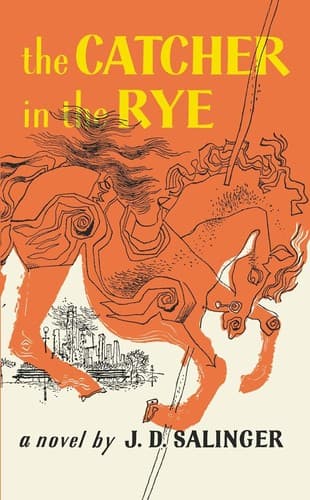
- The Catcher in the Rye
J.D. Salinger
3.8 (2.7M) average on GoodreadsYoung AdultWhile both novels are coming-of-age stories dealing with adolescent disillusionment, "The Catcher in the Rye" focuses on the highly interiorized, privileged perspective of Holden Caulfield in an urban setting, emphasizing his rebellion against phoniness. "The Last Picture Show," in contrast, grounds its characters in the harsh economic and social realities of rural Texas, with Sonny and Duane often victims of their circumstances rather than active rebels. McMurtry's work is less about individual angst and more about the collective decline of a community.
- To Kill a Mockingbird
Harper Lee
4.3 (4.5M) average on GoodreadsHistorical FictionBoth novels explore small-town American life and the loss of innocence. However, "To Kill a Mockingbird," despite its themes of prejudice and injustice, ultimately champions moral courage and hope through characters like Atticus Finch, viewed through the innocent yet discerning eyes of Scout. "The Last Picture Show" offers a far more pessimistic outlook, with its characters struggling in a morally ambiguous and largely unredemptive environment, where innocence is lost and rarely regained, and there are few figures of clear moral guidance like Atticus.
- The Old Man and the Sea
Ernest Hemingway
3.8 (831k) average on GoodreadsLiterary FictionA Cuban fisherman's long struggle with a giant marlin becomes a story of endurance and dignity, now retold for young adults with illustrations, phonetic guides, and writing prompts in Traditional Chinese.
- One Hundred Years of Solitude
Gabriel García Márquez
4.1 (753k) average on GoodreadsLiterary FictionThrough the multi-generational story of the Buendía family, a mythical town deals with the repeating patterns of time, love, and solitude, as the extraordinary mixes with the ordinary.





Enjoyed the summary?
A summary gives you the shape of the book. The book itself has the detail, the examples and the voice.
Find The Last Picture Show on AmazonAs an Amazon Associate, BookBrief earns from qualifying purchases. How we're funded