

Synopsis
Covers the whole plot, including the ending.
- Difficulty
- Medium
- Pacing
- Moderate
- Mood
- Atmospheric, Resilient, Reflective, Hopeful
- Read it if
- You enjoy character-driven historical fiction, particularly stories about the American Underground Railroad and the challenges faced by women in the 19th century.
- Skip it if
- You prefer fast-paced thrillers or are not interested in detailed historical settings and Quaker culture.
The Last Runaway Plot Summary
Covers the whole plot, including the ending.
A Treacherous Journey and a Sister's Loss
In 1850, Honor Bright, a young Quaker woman from Dorset, England, travels to America with her older sister, Grace, who is engaged to Quaker abolitionist Adam Cox in Faithwell, Ohio. Honor is getting over a broken engagement and feeling like a failure. The sea voyage is hard for Honor, who gets very seasick. When they arrive in America, they take a steamboat up the Ohio River. During this part of the trip, Grace gets sick with cholera and dies suddenly, leaving Honor heartbroken and alone. Honor, still weak and grieving, finishes the journey to Faithwell by herself, carrying the heavy weight of her sister's death and the difficult prospect of a new life without her. Her quilt is her only comfort, a link to home and family.
Arrival in Faithwell and a Reluctant Welcome
Honor arrives in Faithwell, Ohio, a Quaker settlement. Adam Cox, her deceased sister's fiancé, and his family meet her. Adam, a serious and quiet man, is clearly sad about Grace's death but stays calm. Honor feels like an unwanted guest, especially with Adam's mother, Judith, who is critical and suspicious of her. The Cox family, including Adam's younger brother, Abel, and his two children, give her a place to stay, but Honor struggles to get used to the simple, practical American way of life, which is very different from her more refined English upbringing. She finds comfort in her quilting, a skill she practices often, but she still feels isolated among the close-knit, yet reserved, Quaker community.
First Encounters with Runaways and the Underground Railroad
Soon after she arrives, Honor is drawn into the secret world of the Underground Railroad. One night, a young runaway slave named Liz is brought to the Cox farm. Honor is scared and overwhelmed at first, not used to such direct involvement in the struggles of enslaved people. She helps hide and care for Liz, seeing firsthand the brutality Liz suffered. This experience upsets Honor deeply, challenging her Quaker pacifist beliefs and her sheltered view of the world. She also meets Belle Mills, a free Black woman who leads the local Underground Railroad network, and Donovan, a 'slave catcher' or 'Black-birding' man who patrols the area looking for runaways, creating a strong sense of danger.
A Developing Connection and Growing Involvement
As weeks pass, Honor's relationship with Adam Cox slowly gets better. She notices his quiet kindness and his dedication to abolition. He appreciates her quilting skills and her gentle nature. Honor, in turn, finds herself more and more attracted to Adam, despite his reserved manner. She starts to help more actively with the Underground Railroad, guiding runaways, mending their clothes, and offering comfort. This involvement, though sometimes frightening, gives her a sense of purpose and connects her to the community in a new way. She learns the secret signals and safe houses, becoming a small but important part of the network, overcoming her initial shyness.
The Arrival of the Peases and a Moral Dilemma
The Pease family, also Quakers, arrives in Faithwell, disrupting the quiet routine. Mrs. Pease, in particular, is a strong woman with firm opinions. A new runaway, a young woman named May, arrives at the Cox farm, pregnant and desperate. May is very sick and needs medical attention right away, but getting it openly would risk her capture. Honor, feeling deep empathy for May, breaks some of the stricter rules of the Underground Railroad to make sure May gets care. This decision causes conflict with some community members, especially those who prioritize secrecy above all else, and shows the moral difficulties of their work. Honor's actions show her growing courage and her willingness to follow her conscience.
Confrontation and a Difficult Choice
Donovan, the slave catcher, becomes a greater threat in Faithwell, his suspicions growing about the Quaker community's activities. He often patrols the roads and questions residents. A local, less honest person named Brother Philemon, driven by greed, tells Donovan where a runaway named William is. William is captured and returned to slavery. Seeing the terrible effect of this betrayal and the constant threat from Donovan, Honor understands the extreme danger runaways face. When another runaway, a young boy named Daniel, arrives, Honor must make a difficult choice: she has to decide whether to send him to Canada, a longer and more dangerous journey, or risk him being caught in Ohio. She decides to send him north.
Love and Commitment Amidst Danger
Through shared experiences and quiet support, the unspoken affection between Honor and Adam grows deeper. Adam, seeing Honor's strength, compassion, and her commitment to the cause, proposes marriage. Honor, who has come to love Adam and feel at home in Faithwell, accepts. Their marriage shows Honor's full acceptance into the American Quaker community and her dedication to the abolitionist movement. She understands that marrying Adam means committing not only to him but also to the dangerous work of the Underground Railroad. This commitment completes her change from a timid English girl to a strong woman finding her purpose in a new land.
The Quilt of Freedom and a New Life
Honor starts to make a special quilt, not for her own wedding, but for a runaway slave, using specific patterns and colors that mean something for the journey to freedom. This quilt becomes a symbol of her change and her active part in the Underground Railroad. Each stitch shows her growing commitment and how her life is connected with the lives of those she helps. She designs it to be both practical for travel and a sign of hope. This act of creation confirms her new identity as a contributing member of the Faithwell community and someone who helps bring change, moving past her initial feelings of displacement and sadness.
A Close Call and a Community's Resolve
Donovan, having gathered enough information, plans a raid on Faithwell, specifically targeting the Cox farm, believing it to be a center for runaways. The community is in a panic. Honor, along with Adam and other Quakers, must quickly hide a group of runaways, including a mother and her child. The tension is high as Donovan and his men search the property. Honor uses her intelligence and knowledge of the farm to help hide them, showing great bravery under pressure. The raid fails to capture any runaways, thanks to the quick thinking and unity of the Quakers, but it reminds them of the constant danger they live under and strengthens their resolve to continue their work.
The Final Runaway and a Future Forged
Honor helps guide one final runaway, a young woman named Sarah, to the next safe house on her journey to Canada. This experience, though still dangerous, is met with a new sense of confidence and purpose by Honor. She has fully accepted her role within the Underground Railroad and found her voice in fighting for justice. With Adam by her side, Honor looks forward to their marriage and a future dedicated to their shared Quaker values and the ongoing fight against slavery. She has shed her past shyness and become a strong, compassionate woman, making a life for herself on her own terms in America.
The Last Runaway Characters
Honor Bright
Protagonist
A timid English Quaker who finds courage and purpose helping runaway slaves in Ohio.
Honor Bright is a young English Quaker who travels to America in 1850, seeking a new beginning after a broken engagement. Initially timid, naive, and overwhelmed by the harsh realities of frontier life and the death of her sister, Grace, Honor gradually transforms into a resilient and courageous woman. Her Quaker principles of equality and pacifism are tested and strengthened by her involvement with the Underground Railroad. She is a skilled quilter, finding solace and a means of expression in her craft. Her journey is one of self-discovery, where she learns to trust her instincts and stand up for her beliefs, ultimately finding love and purpose in Ohio.
Relationships: Grace Bright (Deceased older sister); Adam Cox (Husband, fellow Quaker, and abolitionist); Judith Cox (Adam's mother, initially critical but later accepting); Belle Mills (Free black woman, ally and friend in the Underground Railroad); Donovan (Antagonist, slave catcher)
Adam Cox
Supporting/Love Interest
A stern but principled Quaker abolitionist who takes Honor in and later marries her.
Adam Cox is a quiet, stoic Quaker abolitionist from Faithwell, Ohio, originally betrothed to Honor's deceased sister, Grace. He is a man of deep principles and unwavering commitment to the Underground Railroad, often putting himself at risk. Despite his reserved nature, he possesses a quiet kindness and integrity that Honor comes to admire. He is practical and hardworking, running his farm while secretly aiding runaways. His relationship with Honor develops slowly, based on mutual respect and shared values, eventually leading to marriage. He provides Honor with stability and a sense of belonging in her new, challenging environment.
Relationships: Honor Bright (Wife); Grace Bright (Deceased fiancée); Judith Cox (Mother); Abel Cox (Younger brother)
Belle Mills
Supporting
A pragmatic and courageous free black woman instrumental to the Underground Railroad.
Belle Mills is a free black woman living near Faithwell, Ohio, and a crucial, active participant in the Underground Railroad. She is pragmatic, resourceful, and possesses a keen understanding of the dangers involved in helping runaways. Belle is a strong, independent woman who challenges Honor's sheltered worldview and teaches her about the harsh realities of slavery and the practicalities of escape. She operates a vital waystation and provides much-needed guidance and support to the runaways and the Quakers who assist them. Belle represents the resilience and agency of the free black community in the fight against slavery.
Relationships: Honor Bright (Friend and ally); Adam Cox (Fellow abolitionist)
Donovan
Antagonist
A relentless and menacing slave catcher who poses a constant threat to runaways and their helpers.
Donovan is a 'slave catcher' or 'black-birder' who operates in the Ohio region, making his living by capturing runaway slaves and returning them to their owners for reward. He is depicted as cunning, relentless, and menacing, embodying the constant threat faced by those seeking freedom and the Quakers who aid them. Donovan is driven by profit and a lack of moral compunction regarding slavery. His presence creates palpable tension and fear throughout the story, as he continually attempts to infiltrate and disrupt the Underground Railroad network in Faithwell. He represents the institutional and individual forces opposing abolition.
Relationships: Honor Bright (Adversary); Adam Cox (Adversary)
Judith Cox
Supporting
Adam's stern and traditional Quaker mother, initially critical of Honor but eventually accepting.
Judith Cox is Adam's mother, a traditional and somewhat rigid Quaker woman. She is initially suspicious and critical of Honor, viewing her as an unwelcome burden and questioning her suitability for life in America. Judith is deeply rooted in Quaker traditions and practical living, often expressing her opinions bluntly. While she participates in the Underground Railroad, her focus is on the strict adherence to methods and the safety of her family. Over time, she comes to appreciate Honor's quiet strength, compassion, and her growing commitment to the community and the cause, eventually accepting her as a daughter-in-law.
Relationships: Adam Cox (Son); Honor Bright (Daughter-in-law (eventually)); Abel Cox (Son)
Grace Bright
Mentioned
Honor's older sister, whose death leaves Honor alone in America.
Grace Bright is Honor's older sister, whose intended marriage to Adam Cox is the original reason for their journey to America. She is depicted as more outgoing and confident than Honor. Grace succumbs to cholera during the journey up the Ohio River, leaving Honor to face a new country and an uncertain future alone. Although deceased early in the narrative, Grace's memory and the circumstances of her death profoundly impact Honor, shaping her initial grief and sense of isolation. Her absence is a constant reminder of Honor's loss and the challenges she must overcome.
Relationships: Honor Bright (Younger sister); Adam Cox (Deceased fiancée)
Abel Cox
Supporting
Adam's younger brother, who provides a contrast to Adam's seriousness.
Abel Cox is Adam's younger brother. He is less serious and more outwardly friendly than Adam, providing a lighter counterpoint to the generally somber atmosphere. Abel is also involved in the Underground Railroad, but perhaps with a slightly less rigid adherence to Quaker principles than his brother. He represents a different facet of the Quaker community and helps Honor feel more at ease, offering her a sense of camaraderie. His presence helps to illustrate the diverse personalities within the abolitionist movement.
Relationships: Adam Cox (Older brother); Honor Bright (Sister-in-law (eventually))
Brother Philemon
Supporting
A Quaker who betrays runaways for money, highlighting the moral complexities within the community.
Brother Philemon is a member of the Quaker community in Faithwell who, despite his religious affiliation, is driven by greed. He betrays runaways to slave catchers, specifically Donovan, for financial reward. Philemon represents the moral compromises and hypocrisies that could exist even within communities ostensibly dedicated to justice. His actions highlight the constant danger faced by runaways and the difficulty of trusting everyone, even those within one's own religious group. He serves as a stark reminder that not all who profess faith adhere to its highest ideals.
Relationships: Donovan (Accomplice in capturing runaways)
The Last Runaway Themes
Identity and Self-Discovery
Honor Bright's journey from a sheltered English girl to a courageous American woman is central to the novel. Initially defined by her family and a failed engagement, Honor loses these anchors when she arrives in Ohio. Her involvement with the Underground Railroad forces her to face her fears, question her ideas, and create a new identity based on her own beliefs and actions. She finds an inner strength and purpose she never knew she had, becoming an active agent of change rather than a passive observer. This theme shows in her growing confidence and her willingness to defy societal expectations and danger to do what she believes is right.
“She was no longer the frightened English girl, but a woman forged in the fires of a new land and a dangerous cause.”
Moral Courage and Conscience
The novel deeply explores moral courage, especially concerning the Underground Railroad. Honor, at first hesitant and afraid, slowly develops the courage to act on her Quaker principles of equality and justice, even when it means breaking laws and risking her safety. Characters like Adam Cox and Belle Mills show unwavering moral courage, constantly risking their lives for others' freedom. The story highlights the difficult choices and risks involved in standing up against a deeply rooted injustice like slavery, showing that true courage often means defying the norm and accepting personal sacrifice.
“It was not enough to believe in freedom; one had to fight for it, stitch by dangerous stitch.”
Belonging and Displacement
Honor's first experiences in America are marked by deep displacement and a struggle to fit in. She feels alienated by the unfamiliar customs, the harsh land, and the reserved nature of the Ohio Quakers. Her sister's death further isolates her. However, through her active participation in the Underground Railroad and her growing relationships, particularly with Adam and Belle, Honor slowly finds a new sense of belonging. She realizes that true belonging is not just about where she is or her family ties, but about shared purpose, values, and community, built through collective action and mutual support in a challenging environment.
“She had come to America seeking a new life; she had found it not in comfort, but in courage, and in the quiet, dangerous work of freedom.”
The Power of Community and Solidarity
The success of the Underground Railroad, as shown in the novel, relies heavily on community and solidarity. The Quaker network, despite its internal differences, works together to shelter, feed, and guide runaways. This collective effort shows how individuals, united by a common moral cause, can make significant change against great odds. The community provides not only practical help but also emotional support and a sense of shared purpose, which is important for Honor's integration and growth. The moments of collective action, such as hiding runaways during Donovan's raid, show the strength that comes from unity.
“Each secret hand, each whispered word, each hidden room was a stitch in the great quilt of freedom, holding them all together.”
The Practicalities and Perils of Abolition
The novel shows the dangerous and often morally complex practicalities of running the Underground Railroad. It moves beyond abstract ideals to show the logistical challenges of hiding, feeding, and transporting runaways, the constant threat of slave catchers like Donovan, and the need for secrecy and coded communication. The story does not avoid the difficult decisions, betrayals, and personal risks involved, such as the hard choice to send a runaway child on a longer, more dangerous route. This theme grounds the historical narrative in realistic detail, highlighting the immense courage and sacrifice required by those who participated.
“Freedom was not a gift; it was a path, forged in fear and faith, step by dangerous step.”
Plot Devices & Literary Techniques
Quilting as Metaphor and Symbol
Represents Honor's growth, connection to home, and the interconnectedness of the Underground Railroad.
Quilting serves as a powerful multi-layered device. Initially, Honor's quilt is a tangible link to her English home and a source of comfort. As she adapts to America, her quilting becomes a means of expression and a way to connect with her new community. The act of piecing together disparate fabrics mirrors her own process of integrating into a new life. Symbolically, the Underground Railroad itself can be seen as a 'quilt' of safe houses and routes, stitched together by courageous individuals. Honor's creation of a specific quilt for a runaway further solidifies its role as a symbol of freedom, hope, and the intricate network of support.
The Underground Railroad Network
The central plot driver, creating tension, moral dilemmas, and character development.
The Underground Railroad is not merely a historical setting but a dynamic plot device that propels the narrative. It introduces conflict through the constant threat of slave catchers, forces characters into moral dilemmas, and provides the framework for Honor's personal growth. Each runaway's story creates a mini-narrative within the larger plot, highlighting the individual stakes and the collective effort. The network's secrecy, coded language, and the constant danger it entails generate suspense and underscore the courage of its participants, making it the engine of the story's action and ethical exploration.
The Journey Motif
Represents Honor's physical and emotional transformation.
Honor's initial journey from England to Ohio is a literal one, fraught with illness and loss. This physical journey mirrors her emotional and psychological transformation. She embarks on a 'journey' of self-discovery, moving from timidity to courage, from displacement to belonging. The runaways' journeys to freedom also underscore this motif, highlighting the perilous nature of their quest and the transformative power of seeking a better life. The journey motif emphasizes the idea that profound change often requires venturing into the unknown and overcoming significant obstacles, both external and internal.
First-Person Perspective (Limited)
Allows intimate access to Honor's evolving thoughts and feelings.
While not strictly first-person, the narrative is tightly focused on Honor's perspective, offering an intimate window into her thoughts, fears, and gradual transformation. This limited perspective allows the reader to experience Honor's initial culture shock, her moral struggles, and her growing courage firsthand. It builds empathy for her plight and makes her journey of self-discovery more personal and impactful. The reader learns about the Underground Railroad and the American landscape as Honor does, making her adaptation and growing involvement feel authentic and immediate.
The Last Runaway Quotes
“A quilt is not just a blanket; it is a story, a history, a piece of a life.”
“In England, I was a shadow; here, I am a person.”
“Sometimes the hardest thing and the right thing are the same.”
“A needle is a small thing, but it can stitch together lives.”
“Home is not a place, but the people who make you feel you belong.”
“Fear is a cage, but kindness can pick the lock.”
“The land does not care who owns it; it only asks to be respected.”
“Silence can be as loud as a shout, if you know how to listen.”
“A true friend is one who sees the pain in your eyes when everyone else believes your smile.”
“We are all patchwork, made of pieces from the people we have loved and lost.”
“To stand by and do nothing is to choose the side of the oppressor.”
“The stars are the same here as in England, but they seem to shine brighter on freedom.”
“A woman's voice may be soft, but it can carry across oceans.”
“Love is not always a grand gesture; sometimes it is a quilt left on a fence.”
Quiz
10 questions on the plot and the characters. Each answer comes with a short explanation.
Question 1
What is the primary reason Honor Bright leaves England for Ohio in 1850?
- To escape religious persecution in England
- To join her sister who had already emigrated
- To participate in the Underground Railroad
- To find work as a seamstress in America
Show answer
B. To join her sister who had already emigrated Honor Bright travels to Ohio to join her sister Grace, who had already emigrated from England. This journey is prompted by personal circumstances rather than initial involvement with abolitionist activities.
Question 2
What religious community does Honor Bright belong to?
- Methodist
- Quaker
- Baptist
- Catholic
Show answer
B. Quaker Honor Bright is a Quaker, a religious community known for its commitment to peace, simplicity, and human equality, which becomes central to her moral conflicts in the story.
Question 3
What personal tragedy forces Honor to rely on strangers shortly after arriving in America?
- The death of her fiancé
- The death of her sister Grace
- Being robbed of all her possessions
- A serious illness that leaves her bedridden
Show answer
B. The death of her sister Grace Shortly after Honor arrives in Ohio, her sister Grace dies from yellow fever. This leaves Honor alone and dependent on the kindness of strangers in a foreign land.
Question 4
Which two women become Honor's unexpected allies in the Underground Railroad?
- Mrs. Reed and Abigail
- Belle Mills and Mrs. Reed
- Belle Mills and Donovan
- Belle Mills and Mrs. Reed
Show answer
D. Belle Mills and Mrs. Reed Honor befriends Belle Mills, a milliner who becomes her employer and confidante, and Mrs. Reed, a free black woman who actively helps runaway slaves. Both women embody defiance against slavery.
Question 5
What practical skill does Honor possess that becomes valuable in her new community?
- Teaching children
- Quilting and sewing
- Farming and agriculture
- Medical knowledge
Show answer
B. Quilting and sewing Honor is skilled at quilting and sewing, which helps her find employment with Belle Mills and integrate into the Ohio community. Her quilting also becomes symbolic in the story.
Question 6
Why does Honor experience conflict within her own Quaker community in Ohio?
- They disapprove of her marriage to a non-Quaker
- They are more focused on practicality than on actively opposing slavery
- They want her to return to England
- They accuse her of stealing from the community
Show answer
B. They are more focused on practicality than on actively opposing slavery Honor discovers that her Quaker community in Ohio, while theoretically committed to equality, is often more concerned with practical survival and avoiding conflict than with actively helping runaway slaves, creating moral tension for her.
Question 7
What significant realization does Honor have about 19th-century America that contrasts with her English upbringing?
- That it is more technologically advanced than England
- That it is practical, precarious, and unsentimental
- That it offers more religious freedom than England
- That it has better educational opportunities for women
Show answer
B. That it is practical, precarious, and unsentimental Honor learns that 19th-century America is 'practical, precarious, and unsentimental'—a harsh reality that differs from her expectations and forces her to adapt her principles to survive.
Question 8
What is the central moral dilemma Honor faces as she becomes involved with the Underground Railroad?
- Whether to return to England or stay in America
- Whether to prioritize her safety or act on her beliefs despite personal costs
- Whether to marry for love or for security
- Whether to reveal her Quaker faith to slave catchers
Show answer
B. Whether to prioritize her safety or act on her beliefs despite personal costs Honor must decide whether to act on her Quaker principles of equality by helping runaway slaves through the Underground Railroad, even though doing so puts her at significant personal risk in a hostile environment.
Question 9
How does the novel portray the tension between principle and practicality in the context of slavery?
- By showing that all characters consistently choose principle over practicality
- By depicting how even religious communities committed to equality sometimes compromise their principles for survival
- By arguing that practicality always triumphs over moral principles
- By suggesting that the Underground Railroad was entirely practical with no moral dimension
Show answer
B. By depicting how even religious communities committed to equality sometimes compromise their principles for survival The novel explores how characters, including those in Honor's Quaker community, often balance their anti-slavery principles with the practical realities of survival in 1850s Ohio, sometimes leading to moral compromise.
Question 10
What broader historical movement does Honor's personal journey illuminate in the novel?
- The Women's Suffrage Movement
- The Industrial Revolution in America
- The Underground Railroad and abolitionist movement
- The California Gold Rush
Show answer
C. The Underground Railroad and abolitionist movement Through Honor's experiences, the novel vividly engages with the Underground Railroad—the clandestine network that helped enslaved people escape to freedom—and the broader abolitionist movement in pre-Civil War America.
The Last Runaway FAQ
What is 'The Last Runaway' about?
The novel follows Honor Bright, a young English Quaker who immigrates to Ohio in 1850. After personal tragedy leaves her isolated, she becomes involved with the Underground Railroad, helping runaway slaves escape to freedom while navigating the harsh realities of 19th-century America and her own religious community's contradictions.
Why should I read 'The Last Runaway'?
This book offers a compelling, intimate perspective on the Underground Railroad through the eyes of an outsider. Chevalier masterfully explores themes of moral courage, cultural displacement, and the tension between religious principles and practical action during a pivotal moment in American history.
What is the background/setting of 'The Last Runaway'?
Set primarily in 1850s Ohio, the novel depicts the American frontier as practical, precarious, and scarred by slavery. The setting includes both the structured Quaker communities and the dangerous landscapes where runaway slaves traveled north toward freedom via the Underground Railroad network.
What are the most memorable quotes?
Key quotes include Honor's reflection 'Principles count for little' when facing her community's hypocrisy, and descriptions of the Underground Railroad as 'the remarkable power of defiance.' The novel's title itself becomes symbolic as Honor becomes 'the last runaway' in a metaphorical sense.
What writing style does Tracy Chevalier use?
Chevalier employs vivid, sensory historical fiction writing with careful attention to period detail. Her prose is accessible yet rich with emotional depth, using Honor's first-person perspective to create intimacy while maintaining the broader historical context of the slavery era.
What minor details add significant meaning?
Honor's quilting becomes a crucial symbolic detail - her English quilting style differs from American methods, representing her cultural displacement. The specific plants and landscapes of Ohio are described in ways that mirror Honor's growing understanding of her new home's moral complexities.
What are some subtle foreshadowing moments?
Honor's seasickness during her Atlantic crossing foreshadows her ongoing 'sickness' with America's acceptance of slavery. Early descriptions of Ohio's 'harsh, unfamiliar landscape' subtly predict the moral harshness she'll encounter in supposedly principled communities.
What unexpected character connections exist?
The two surprising women Honor befriends - one a free Black woman and another a pragmatic settler - form an unlikely alliance that crosses racial and social boundaries. These relationships challenge Honor's Quaker upbringing and become central to her Underground Railroad involvement.
What are unspoken character motivations?
Honor's initial motivation involves fleeing personal disappointment in England, but her deeper, unspoken drive is a search for purpose. Many Ohio settlers' acceptance of slavery stems from unspoken economic motivations that contradict their stated religious principles.
What psychological complexities do characters exhibit?
Honor experiences profound cognitive dissonance as her Quaker ideals clash with American realities. Secondary characters display complex moral negotiations - some help runaways while maintaining public neutrality, revealing the psychological toll of living dual lives in a slave-holding society.
What are the major emotional turning points?
Key emotional turns include the family tragedy that leaves Honor truly alone, her first direct encounter with a runaway slave, and moments when she must choose between community acceptance and moral action. Each decision carries increasing personal cost and emotional weight.
How do relationship dynamics evolve?
Honor's relationships transform from initial alienation to deep, dangerous bonds with her two female friends. Her connection to the Quaker community deteriorates as she recognizes their hypocrisy, while her ties to the Underground Railroad network strengthen through shared risk and purpose.
Which parts remain ambiguous or open-ended?
The novel leaves ambiguous whether Honor fully reconciles her English identity with her American life. Some characters' ultimate fates after their Underground Railroad involvement remain uncertain, reflecting the historical reality that many participants faced unknown consequences.
What are controversial scenes or decisions?
Honor's decision to actively participate in illegal Underground Railroad activities creates tension, as does her community's passive acceptance of slavery. Scenes depicting the brutality faced by runaways and the moral compromises of 'good' people generate ethical controversy within the narrative.
'The Last Runaway' ending explained: how it ends & what it means
The ending shows Honor fully committed to the Underground Railroad despite personal costs, having transformed from a displaced Englishwoman to an active participant in American history. The title suggests she becomes 'the last runaway' not literally, but as someone who has found her purpose in helping others achieve freedom.
How does Honor's Quaker background conflict with American realities?
As a Quaker, Honor believes in human equality, but discovers her American Quaker community often prioritizes economic stability and social peace over actively opposing slavery. This forces her to choose between religious community and individual moral action in ways her English upbringing didn't prepare her for.
What role do the two women Honor befriends play in her transformation?
These women - one representing practical survival in America, the other embodying direct resistance to slavery - become Honor's moral guides. They show her alternative ways of being principled in an unjust society, ultimately helping her move from passive disappointment to active defiance.
How does the novel portray the Underground Railroad's daily operations?
Through Honor's eyes, we see the Railroad as a dangerous, clandestine network requiring constant vigilance. Operations involve coded messages, hidden compartments, night travel, and trusting strangers - all depicted with historical accuracy that highlights both the courage and immense risk involved.
About the author

Tracy Chevalier is a British-American author known for her historical fiction. Her notable works include "Girl with a Pearl Earring," which explores the life of the painter Johannes Vermeer, and "Remarkable Creatures," centered on fossil hunters in the 19th century. Other significant titles include "The Last Runaway," "Falling Angels," and "At the Edge of the Orchard."
Similar books
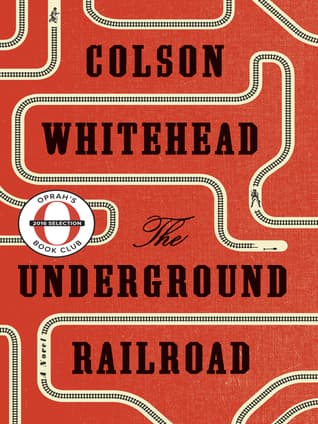
- The Underground Railroad
Colson Whitehead
4.0 (290k) average on GoodreadsLiterary FictionBoth books explore the harsh realities and heroism of the Underground Railroad, though Chevalier's focuses on a Quaker perspective.
- Girl with a Pearl Earring
Tracy Chevalier
3.9 (627k) average on GoodreadsHistorical FictionShares Chevalier's signature style of immersing the reader in a specific historical period through a compelling female protagonist.
- The Invention of Wings
Sue Monk Kidd
4.2 (264k) average on GoodreadsHistorical FictionFeatures strong female characters navigating the injustices of slavery and fighting for freedom in the American South.
- To Kill a Mockingbird
Harper Lee
4.3 (4.5M) average on GoodreadsHistorical FictionIn the 1930s Jim Crow South, Harper Lee writes about racial injustice, moral growth, and the quiet courage of a lawyer father, Atticus Finch, as seen through his young daughter's eyes.
- The Great Gatsby
F. Scott Fitzgerald
3.9 (3.8M) average on GoodreadsHistorical FictionIn the opulent Roaring Twenties, a mysterious millionaire's lavish parties hide his desperate, tragic pursuit of a lost love, exposing the emptiness within the American Dream.
- Pride and Prejudice
Jane Austen
4.3 (3M) average on GoodreadsHistorical FictionIn a society focused on status and money, Elizabeth Bennet navigates love and pride, challenging Mr. Darcy and social expectations to find true affection.





Enjoyed the summary?
A summary gives you the shape of the book. The book itself has the detail, the examples and the voice.
Find The Last Runaway on AmazonAs an Amazon Associate, BookBrief earns from qualifying purchases. How we're funded