

Synopsis
Covers the whole plot, including the ending.
- Difficulty
- Medium
- Pacing
- Variable
- Mood
- Melancholy, Darkly Comic, Reflective, Resilient, Stark
- Read it if
- You enjoy powerful, character-driven literary fiction that explores complex themes of identity, culture, and social issues with a blend of dark humor and profound insight.
- Skip it if
- You prefer linear narratives, are sensitive to heavy themes of addiction and poverty, or dislike collections of interconnected short stories.
The Lone Ranger and Tonto Fistfight in Heaven Plot Summary
Covers the whole plot, including the ending.
Every Little Hurricane
Nine-year-old Victor Joseph tells about a New Year's Eve party at his family's home on the Spokane Indian Reservation. The party quickly turns into a drunken fight between his father, Arnold Joseph, and his uncle, Adolph. The two men fight over old problems, fueled by alcohol, while the other adults mostly ignore or join in the chaos. Victor, looking for safety, crawls between his passed-out parents on the floor, hoping their alcoholic fumes might help him sleep. This scene shows the widespread presence of alcohol, violence, and a sense of hopelessness that often marks reservation life, seen through a child's eyes trying to understand his troubled world.
A Good Story
Thomas Builds-the-Fire, a constant storyteller, tells a story about his father, Samuel Builds-the-Fire, and a white woman who picked him up hitchhiking. The woman, who is wealthy and drives a Cadillac, takes Samuel to her home in Spokane. She offers him food and comfort, but the meeting shows a deep cultural and class difference. Thomas guesses about their relationship, suggesting a brief, almost business-like closeness that highlights the complex interactions and misunderstandings between Native Americans and white society. The story emphasizes Thomas's role as a keeper of oral tradition, even when his stories are met with doubt or indifference.
The Only Traffic Signal on the Reservation Doesn't Flash Red Anymore
Victor Joseph and his friend Adrian get ready to leave the Spokane Reservation for Seattle, looking for a new life away from familiar problems. Victor thinks about the meaning of the reservation's only, now broken, traffic signal, which used to be a source of both pride and frustration. He thinks about the tension between staying on the reservation, with its comfort and limits, and going into the unknown city world. The story shows the desire for escape and self-reinvention, while also acknowledging the deep ties to home and heritage that make such departures complicated. The traffic signal represents the stagnation and the possibility for change on the reservation.
Amusements
Victor Joseph and Adrian are at a carnival on the reservation when they meet a white woman named Sadie, who clearly wants an 'Indian' experience. She flirts with them, asking about their lives and showing a romanticized view of Native American culture. The meeting becomes a show for Sadie, as Victor and Adrian play into her stereotypes, making up stories and exaggerating their 'Indianness.' This interaction highlights how outsiders turn Native American identity into an object, and the complex ways reservation residents deal with these expectations, sometimes using them for their own amusement or gain.
This Is What It Means to Say Phoenix, Arizona
Victor Joseph learns his estranged father, Arnold Joseph, died in Phoenix, Arizona. Without money for the trip, Victor reluctantly accepts an offer from Thomas Builds-the-Fire to pay for their travel, if Thomas can go with him. During their journey, Thomas shares stories about Arnold, showing a different, more complex side of Victor's father than Victor remembered. The trip forces Victor to face his complicated feelings towards his father and to make peace with Thomas, whose storytelling Victor often dismisses. This story explores grief, reconciliation, and the power of shared history and stories in understanding family and community.
Indian Education
This story follows Victor Joseph's school experiences from first grade through high school graduation, detailing the challenges and prejudices he faces as a Native American student. In elementary school, teachers and white classmates often single him out or misunderstand him. As he gets older, he faces different levels of racism, from open insults to subtle biases, and struggles with his identity within the mostly white school system. He does well in basketball, finding a sense of belonging there, but ultimately feels a deep disconnect from the mainstream educational path. The story clearly shows the difficulties of navigating two different cultural worlds and the lasting impact of systemic prejudice on Native American youth.
Telephone Call From Spokane
Victor Joseph gets a phone call from his mother, telling him that his father, Arnold Joseph, has returned to the Spokane Reservation after being gone for a long time. This news throws Victor into a mix of emotions, as his relationship with his father is deeply strained and complicated by Arnold's alcoholism and abandonment. The call forces Victor to confront the lingering pain and resentment he feels, as well as a faint hope for reconciliation. The story highlights the lasting impact of family dynamics and the difficulty of forgiving past hurts, especially within the reservation's interconnected community.
The Approximate Size of My Favorite Tumor
Jimmy Many Horses, diagnosed with terminal cancer, deals with his coming death by writing sarcastic letters on stationery that says 'From the Death Bed of James Many Horses III,' though he writes them at his kitchen table. His wife, Norma, supports him with a calm, practical love. Jimmy's letters, full of dark humor and an honest look at his condition, are addressed to various people, including his doctor and the reservation's tribal council. This story shows the resilience, dark humor, and unique ways individuals and families on the reservation face hardship and death, finding dignity even when things are hopeless.
Imagining the Reservation
This piece is a series of short, connected scenes and thoughts that challenge romantic or stereotypical ideas of what it means to live on a Native American reservation. The narrator, often sounding like Victor Joseph, compares the perfect images outsiders might have with the harsh realities of poverty, alcoholism, and a struggle for identity. It emphasizes the internal complexities and contradictions of reservation life, highlighting the resilience, humor, and unique culture that exists despite the hardships. The story acts as a commentary on storytelling itself and the difficulty of accurately showing a place and its people.
Witnesses, Secret and Not
Victor Joseph remembers a childhood event where he, Thomas Builds-the-Fire, and another boy, Lester FallsApart, accidentally start a fire near the reservation's border. The boys see a mysterious old man who seems to appear and disappear, watching them without getting involved. This incident leaves a lasting impression on Victor, who sees it as a moment of both fear and a strange, almost spiritual connection to the land and its unseen forces. The story looks at the power of shared secrets, the complexities of guilt and innocence in childhood, and the lingering presence of myth and spirituality in the characters' daily lives.
The Only Living Indian at Taki Indian Bar
The narrator, a Spokane Indian, finds himself as the only Native American customer in a bar called 'Taki Indian Bar,' a place that ironically mostly serves white customers. He notices the cultural appropriation and casual racism around him, feeling alienated despite the bar's name. A white woman approaches him, expressing a fascination with his 'Indianness,' leading to an uncomfortable interaction. The story explores the challenges of keeping one's identity in a city, the burden of representing one's race, and the persistent stereotypes Native Americans face today.
Jesus Christ's Half-Brother is on the Family Farm
The story follows the thoughts of a man who believes he is Jesus Christ's half-brother, living on a family farm on the reservation. He struggles with his spiritual beliefs, which mix Christian doctrine and traditional Native American spirituality. His experiences on the reservation, including poverty and alcoholism, shape his unique religious view. He sees similarities between his own struggles and those of Jesus, trying to reconcile his faith with the harsh realities of his life and heritage. This story explores how religion, culture, and personal identity interact within the reservation.
A Train Is an Order of Islands
Victor Joseph and Thomas Builds-the-Fire are traveling by train, possibly after getting Victor's father's ashes or just on another journey. As they ride, they think about their shared history, the stories they carry, and the uncertain future. The train journey itself becomes a metaphor for time passing and the connection between their lives and their ancestors' lives. Thomas continues to tell stories, and Victor, though sometimes still resistant, shows a growing appreciation for these stories' power. The story emphasizes their lasting bond and the importance of memory and storytelling in keeping identity and community alive.
The Fun House
Victor Joseph clearly remembers a childhood experience in a fun house at a fair. The distorted mirrors, shifting floors, and confusing paths inside the fun house represent his own confused sense of self and the bewildering realities of life on the reservation. He struggles to find his way out, feeling fear and confusion, which mirrors his larger struggle to understand his identity and find a clear path in a world often full of distortions and challenges. The memory highlights the feeling of being trapped and the search for clarity amid chaos.
Family Portrait
This final story offers a combined 'family portrait' of the characters and the Spokane Reservation itself, connecting many of the themes and experiences shown throughout the collection. It reflects on the lasting bonds of family, both biological and communal, and the complex legacy passed down through generations – a mix of pain, resilience, love, and tradition. The story acknowledges the hardships but also celebrates the strength and humor that remain. It acts as a summary, suggesting that despite everything, the community and its stories continue, shaping the identities of those who belong to it.
The Lone Ranger and Tonto Fistfight in Heaven Characters
Victor Joseph
Protagonist
A young Spokane man grappling with his identity, family, and reservation life.
Victor is a central figure, often serving as the primary narrator or a key character in many stories. He is a young Spokane man, intelligent and observant, but also prone to cynicism and internal conflict. He struggles with the legacy of his alcoholic father, Arnold Joseph, and the pervasive poverty and despair on the reservation. Victor often tries to distance himself from the more traditional or 'Indian' aspects of his culture, particularly Thomas Builds-the-Fire's storytelling, yet he is deeply shaped by his upbringing and community. He plays basketball, a common outlet for young men on the reservation.
Relationships: Thomas Builds-the-Fire (Childhood friend, foil, spiritual guide, often exasperating); Arnold Joseph (Estranged, alcoholic father; source of pain and complex love); Adrian (Friend and basketball teammate); His Mother (Loving but often stoic figure, enduring hardship)
Thomas Builds-the-Fire
Supporting/Protagonist
The reservation's eccentric storyteller, keeper of oral traditions and history.
Thomas is a visionary and a persistent storyteller, often dismissed as strange or annoying by others, especially Victor. He possesses a deep connection to the Spokane people's history, myths, and spiritual traditions, often recounting stories that blend the past and present, the mundane and the magical. Despite being ostracized, he remains steadfast in his role, believing in the power of stories to heal, connect, and preserve culture. His stories often provide crucial context and alternative perspectives that challenge Victor's cynicism.
Relationships: Victor Joseph (Childhood friend, recipient of his stories, often dismissive but eventually receptive); Samuel Builds-the-Fire (His father, a figure in his stories)
Arnold Joseph
Supporting/Mentioned
Victor's absent and alcoholic father, a source of both pain and complex legacy.
Arnold Joseph is Victor's father, a figure who looms large in Victor's life despite his frequent absences and struggles with alcoholism. He is portrayed as a complicated man: capable of love and charm, but also prone to violence and self-destruction. His abandonment of the family and his eventual death in Phoenix force Victor to confront his unresolved feelings of anger, grief, and a longing for connection. Arnold represents the devastating impact of alcohol on reservation families and the difficulty of escaping cycles of pain.
Relationships: Victor Joseph (Son, estranged, complicated by love, anger, and abandonment); His Wife (Victor's mother) (Enduring relationship despite hardships); Thomas Builds-the-Fire (Known to Thomas, subject of his stories)
Adrian
Supporting
Victor's friend and basketball teammate, navigating reservation life alongside him.
Adrian is a close friend of Victor Joseph and often accompanies him in various adventures and reflections on reservation life. He shares Victor's experiences with basketball, girls, and the general struggles of growing up on the Spokane Reservation. Adrian provides a sense of camaraderie and shared experience, often acting as a sounding board for Victor's thoughts or participating in their joint schemes, such as their encounter with Sadie at the carnival. He represents the broader peer group of young men on the reservation, finding ways to cope and connect.
Relationships: Victor Joseph (Close friend, teammate)
Jimmy Many Horses
Supporting
A man facing terminal cancer with dark humor and resilience.
Jimmy Many Horses is a character who embodies the dark humor and stoic resilience often found on the reservation. Diagnosed with terminal cancer, he copes by writing letters from his 'death bed,' filled with sardonic observations about his illness, his life, and the people around him. His letters are a way of asserting control and dignity in the face of inevitable death. Jimmy's character highlights the individual ways people confront mortality and the importance of humor, however dark, as a coping mechanism within a challenging environment.
Relationships: Norma (His supportive wife)
Norma
Supporting
Jimmy Many Horses' stoic and practical wife.
Norma is Jimmy Many Horses' wife, a quiet but strong presence in his life. She supports him through his illness with a practical, no-nonsense love, enduring his dark humor and preparing for his eventual death. Norma represents the enduring strength and resilience of Native American women, who often bear the brunt of hardship with quiet dignity and unwavering support for their families. Her character provides a grounding force amidst Jimmy's more dramatic expressions of his illness.
Relationships: Jimmy Many Horses (Husband, whom she cares for during his illness)
Lester FallsApart
Supporting/Mentioned
A childhood friend of Victor and Thomas, often involved in their youthful escapades.
Lester FallsApart is a childhood friend of Victor and Thomas, appearing in stories that recall their youth on the reservation. He is often involved in their innocent mischief and shared experiences, like the accidental fire. His name, 'FallsApart,' subtly hints at the fragility and challenges faced by individuals on the reservation. While not as deeply developed as Victor or Thomas, he represents another facet of the communal childhood experience, sharing in the bonds and the struggles of growing up Spokane Indian.
Relationships: Victor Joseph (Childhood friend); Thomas Builds-the-Fire (Childhood friend)
Samuel Builds-the-Fire
Mentioned
Thomas Builds-the-Fire's father, a figure in his son's stories.
Samuel Builds-the-Fire is Thomas's father, primarily known through the stories Thomas tells about him. He appears as a figure who, despite facing hardships, has unique encounters that bridge the gap between reservation life and the outside world. Through Thomas's narratives, Samuel becomes a symbol of the complex interactions between Native Americans and white society, and a vehicle for exploring themes of identity and cultural exchange. He represents the previous generation, whose experiences inform the present.
Relationships: Thomas Builds-the-Fire (Father, subject of his stories)
The Lone Ranger and Tonto Fistfight in Heaven Themes
Identity and Belonging
The collection explores the complex and often broken sense of identity among Spokane Indians, especially for those living on or near the reservation. Characters like Victor Joseph deal with what it means to be 'Indian' in a modern world, caught between traditional heritage and contemporary American society. They struggle with stereotypes from outsiders (as seen in 'Amusements' and 'The Only Living Indian at Taki Indian Bar') and internal conflicts about loyalty to the reservation versus wanting an outside life ('The Only Traffic Signal...'). The search for belonging often connects with family, community, and the land itself, even with its difficulties.
“What did it mean to be an Indian in this world? It was a question Victor and Thomas had asked themselves a thousand times.”
The Power of Storytelling and Memory
Storytelling is a crucial act of cultural preservation, healing, and community building. Thomas Builds-the-Fire, though often made fun of, is the constant example of this theme, keeping the past alive through his stories. Stories, whether personal anecdotes or traditional myths, shape how characters understand themselves, their families, and their history. For example, Thomas's stories about Arnold Joseph in 'This Is What It Means to Say Phoenix, Arizona' help Victor rethink his estranged father. Memory, both individual and collective, is not just about facts but about creating meaning and staying connected to heritage when facing loss and assimilation.
“Survival was a story. Story was survival.”
Alcoholism and its Legacy
Alcoholism is a widespread and destructive force throughout the collection, shown not as a moral failing but as a systemic issue with deep effects across generations. Victor's father, Arnold Joseph, is a central figure in this theme; his addiction leads to family abandonment and deep emotional scars for Victor ('Every Little Hurricane', 'Telephone Call From Spokane'). The stories show how alcohol contributes to poverty, violence, and despair on the reservation, affecting families and individuals. However, the narrative avoids simple blame, instead exploring the complex reasons for addiction and how characters try to cope, resist, or give in to it.
“Victor crawled between his parents, hoping that the alcohol seeping through their skins might help him sleep.”
Reconciliation and Forgiveness
Many characters deal with the need for reconciliation, both with others and with their own pasts. Victor's trip to get his father's ashes with Thomas in 'This Is What It Means to Say Phoenix, Arizona' is a powerful look at coming to terms with a difficult parental relationship and forgiving past hurts. The collection suggests that reconciliation is not always about removing pain, but about finding a way to understand and include difficult experiences in one's life. This extends to reconciling with one's heritage and the complex history of Native Americans, finding strength and wisdom amid the trauma.
“How do we forgive our fathers? How do we forgive ourselves?”
The Absurdity and Resilience of Life on the Reservation
Despite the widespread hardships—poverty, racism, and addiction—the stories are full of dark, often surreal humor and a clear spirit of resilience. Characters find ways to laugh when things are hopeless, to create joy, and to endure. Jimmy Many Horses's sarcastic letters from his 'death bed' in 'The Approximate Size of My Favorite Tumor' show this dark humor. The collection highlights the unique ways Spokane Indians deal with their challenging realities, showing their strength, wit, and capacity for love, even when facing the absurdities and injustices of their lives. This theme emphasizes that life on the reservation is not just one thing; it is full of deep suffering and vibrant life.
“We are all dying. It's just a matter of time and how we get there.”
Plot Devices & Literary Techniques
Interconnected Short Stories
A collection of stories featuring recurring characters and themes, forming a larger narrative.
This collection uses an interconnected short story structure, where individual tales can stand alone but gain greater depth and meaning when read together. Characters like Victor Joseph and Thomas Builds-the-Fire reappear, allowing their relationships and personal histories to evolve and deepen across different narratives. This structure mirrors the oral tradition of storytelling, where individual tales contribute to a larger communal history and understanding. It allows Alexie to explore various facets of reservation life from multiple perspectives while building a cohesive world and character development over time.
First-Person Narration (Multiple Perspectives)
Stories often told from the subjective viewpoint of various Spokane characters.
Many stories are narrated in the first person, primarily by Victor Joseph, but also by other characters or an unnamed, communal 'we.' This device provides intimate access to the characters' thoughts, feelings, and experiences, immersing the reader directly into their internal and external worlds. The subjective nature of these narratives highlights individual struggles with identity, memory, and trauma, while also allowing for diverse voices and perspectives on shared experiences within the Spokane community. It creates a sense of authenticity and personal connection to the difficult realities presented.
Magical Realism/Mythic Elements
The blending of everyday reality with fantastical or mythological elements.
Alexie frequently incorporates elements of magical realism and traditional Native American myth into the otherwise starkly realistic portrayal of reservation life. Characters like Thomas Builds-the-Fire embody this, with his seemingly prophetic stories and deep connection to ancestral spirits. Events sometimes defy strict logical explanation, hinting at a spiritual dimension or the enduring power of ancient beliefs. This device enriches the narrative by suggesting that the mundane and the magical coexist, reflecting a worldview where the spiritual is intertwined with the everyday and providing a deeper cultural context for the characters' experiences.
Symbolism
The use of objects, places, or events to represent deeper meanings.
The collection is rich with symbolism, where seemingly ordinary elements carry significant metaphorical weight. The 'only traffic signal on the reservation' in one story symbolizes stagnation, hope, or the potential for change. Basketball often represents an escape, a source of pride, or a metaphor for the struggles of life. Fires can symbolize destruction, purification, or the spark of memory. These symbols deepen the thematic resonance of the stories, allowing Alexie to convey complex ideas and emotions about identity, resilience, and the challenges of reservation life without explicit exposition.
The Lone Ranger and Tonto Fistfight in Heaven Quotes
“Every time I go to a restaurant, I think, 'This is the place where I'm going to find my father.'”
“Survival is a daily task. Sometimes it's a minute-by-minute task.”
“We are all a little bit crazy, and we are all a little bit sad.”
“What do you do when you lose everything? You start over.”
“Love is like a reservation. It's a place where you're supposed to feel safe, but you never really do.”
“We are always leaving each other, even when we're standing side by side.”
“There are a lot of ways to be a warrior, you know. Not just with a rifle.”
“Grief is a house where the rooms are always changing.”
“Our parents, they were all alcoholics, but they were good people.”
“Every Indian in the world is a part of me, and I am a part of every Indian in the world.”
“Sometimes I think I'm the only Indian who ever felt good about himself.”
“The past is like a snake, always coiling around you, trying to bite.”
“Stories are like people. They change all the time.”
“We were supposed to be the new Indians, but we were still the same old Indians.”
Quiz
10 questions on the plot and the characters. Each answer comes with a short explanation.
Question 1
In the story 'Every Little Hurricane,' what significant event marks Victor's ninth birthday party?
- His parents give him a new bicycle.
- His uncles engage in a violent fistfight.
- He receives a traditional Spokane blessing.
- His family moves off the reservation.
Show answer
B. His uncles engage in a violent fistfight. Victor's ninth birthday party is memorable for the violent fight that breaks out between his uncles, a recurring theme of chaos and dysfunction in his family life.
Question 2
Which character is known for telling elaborate, often ignored stories, and sometimes serves as a foil or companion to Victor?
- Adrian
- Junior Polatkin
- Thomas Builds-the-Fire
- Jimmy Many Horses
Show answer
C. Thomas Builds-the-Fire Thomas Builds-the-Fire is the primary storyteller in the collection, often sharing traditional tales and personal anecdotes, even when others don't want to listen.
Question 3
What is the primary reason Victor and Thomas travel to Phoenix, Arizona, in 'This Is What It Means to Say Phoenix, Arizona'?
- To attend a basketball tournament.
- To visit relatives.
- To retrieve Victor's father's ashes and belongings.
- To escape the reservation for a new life.
Show answer
C. To retrieve Victor's father's ashes and belongings. Victor's father dies in Phoenix, and Victor reluctantly accepts Thomas's help to travel there to collect his father's remains and possessions.
Question 4
In 'The Only Traffic Signal on the Reservation Doesn't Flash Red Anymore,' what does the narrator imply about the relationship between reservation life and the concept of 'home'?
- Home is a place of comfort and unchanging tradition.
- Home is a place of inescapable poverty and despair.
- Home is complex, marked by both love and pain, memory and stagnation.
- Home is only truly found when one leaves the reservation.
Show answer
C. Home is complex, marked by both love and pain, memory and stagnation. The story, like many others, depicts the reservation as a place of deep connection and community, but also one fraught with difficulties, alcohol abuse, and a sense of being stuck, making 'home' a multifaceted and often contradictory concept.
Question 5
What recurring object or animal often symbolizes the struggles and resilience of the Spokane people in several stories?
- Wild horses
- Coyotes
- Salmon
- Basketball
Show answer
D. Basketball Basketball is a pervasive motif, representing not just a sport but also a source of pride, escape, community, and sometimes conflict for the characters on the reservation.
Question 6
In 'Indian Education,' what does Victor's experience in the first grade, where he is told to 'stay in your own lane,' foreshadow about his future and the experiences of many Native Americans?
- His eventual success in sports due to discipline.
- The imposition of restrictive societal boundaries and expectations.
- His struggle with learning disabilities.
- His desire to conform to mainstream culture.
Show answer
B. The imposition of restrictive societal boundaries and expectations. The instruction to 'stay in your own lane' immediately establishes a theme of racial and cultural segregation and the limitations placed upon Native Americans within a predominantly white system.
Question 7
Which detail about Jimmy Many Horses III's letters highlights the dark humor and stark reality of his situation?
- He writes them on traditional Spokane birch bark.
- He uses stationery that reads 'From the Death Bed of James Many Horses III' while actually writing from his kitchen table.
- He sends them to the President of the United States.
- He writes them in a language only he can understand.
Show answer
B. He uses stationery that reads 'From the Death Bed of James Many Horses III' while actually writing from his kitchen table. The grimly ironic detail of Jimmy Many Horses III using 'death bed' stationery while writing from his kitchen table encapsulates the collection's blend of dark humor and the harsh realities of illness and life on the reservation.
Question 8
The title story, 'The Lone Ranger and Tonto Fistfight in Heaven,' uses the iconic figures of the Lone Ranger and Tonto to explore what complex theme?
- The simple heroism of white saviors.
- The enduring friendship between different races.
- The problematic nature of Native American representation in popular culture and the internal conflict of identity.
- A literal retelling of their adventures on the reservation.
Show answer
C. The problematic nature of Native American representation in popular culture and the internal conflict of identity. The story critiques the stereotypical portrayal of Native Americans like Tonto and explores the complex, often conflicting, identities of modern Native people caught between traditional heritage and popular culture's misrepresentations.
Question 9
In 'Jesus Christ's Half-Brother Is an Indian,' what does the character of James, who believes he is Jesus's half-brother, represent in the context of the reservation community?
- A symbol of religious fanaticism.
- The impact of mental illness exacerbated by isolation and poverty.
- A figure of profound spiritual guidance.
- An example of successful cultural assimilation.
Show answer
B. The impact of mental illness exacerbated by isolation and poverty. James's delusion highlights the profound struggles with mental health, poverty, and a sense of displacement that afflict many on the reservation, often leading to tragic outcomes.
Question 10
How does the collection generally portray the relationship between modern Spokane Indians and their traditional past?
- As a seamless and unbroken continuity of cultural practices.
- As a completely lost and forgotten heritage.
- As a complex, often fractured connection, where traditions are remembered, reinterpreted, or struggled with amidst contemporary challenges.
- As a source of constant conflict and rejection by the younger generation.
Show answer
C. As a complex, often fractured connection, where traditions are remembered, reinterpreted, or struggled with amidst contemporary challenges. The collection explores the nuanced relationship, showing characters who remember myths and traditions, but also grapple with how these traditions fit into a modern world marked by poverty, assimilation, and cultural loss.
The Lone Ranger and Tonto Fistfight in Heaven FAQ
What is the overarching setting and atmosphere of 'The Lone Ranger and Tonto Fistfight in Heaven'?
The collection is primarily set on and around the Spokane Indian Reservation, depicting a world that is both bleak and vibrant. It's characterized by poverty, alcoholism, and a sense of marginalization, yet is also filled with resilience, humor, and deep familial bonds.
Who are Victor Joseph and Thomas Builds-the-Fire, and what is their relationship?
Victor Joseph and Thomas Builds-the-Fire are central recurring characters, representing contrasting approaches to life on the reservation. Victor is often cynical and pragmatic, while Thomas is a dreamer and storyteller, constantly trying to preserve and share the oral traditions of his people. Despite their differences, they share a complex, often strained, friendship rooted in shared history and community.
What role does storytelling play in the collection, particularly through Thomas Builds-the-Fire?
Storytelling is a vital thematic and structural element, personified by Thomas Builds-the-Fire, who narrates myths, personal anecdotes, and historical accounts even when others dismiss him. It serves as a means of cultural preservation, a way to process trauma, and a tool for creating identity and connection within the community, often bridging the past and present.
How does the book explore the impact of alcoholism on the Spokane Reservation community?
Alcoholism is a pervasive and destructive force throughout the stories, depicted as both a coping mechanism and a source of profound suffering. It is shown to break families, contribute to violence, and erode personal agency, as seen in Victor's parents and numerous other characters struggling with addiction and its consequences.
What are some of the key themes addressed in 'The Lone Ranger and Tonto Fistfight in Heaven'?
The collection explores themes of identity, cultural heritage, poverty, racism, alcoholism, friendship, family, loss, and resilience. It grapples with the legacy of colonialism and the challenges of maintaining traditional ways in a modern, often hostile, world, all while infused with dark humor and poetic language.
Are there specific recurring symbols or motifs that link the stories together beyond the characters?
Yes, basketball frequently appears as a symbol of aspiration, competition, and sometimes escape, linking several stories. Cars, particularly old beat-up ones, represent mobility, freedom, and often the fragility of life. The landscape itself, with its rivers, mountains, and dust, serves as a constant, enduring presence connecting the characters to their ancestral lands.
How do the 'Lone Ranger' and 'Tonto' references in the title relate to the collection's themes?
The title cleverly subverts the classic Western trope, using the iconic figures to highlight the complex and often fraught relationship between Indigenous and white cultures. It suggests a confrontation or reckoning with historical narratives and stereotypes, implying a more equal, if violent, interaction than typically portrayed, where traditional power dynamics are challenged or reversed.
What is the significance of the story 'This Is What It Means to Say Phoenix, Arizona' within the collection?
This story is crucial as it directly brings Victor and Thomas together on a journey to retrieve Victor's father's ashes, forcing them to confront their shared past and differing perspectives. It highlights themes of reconciliation, memory, and the complex bonds of community, revealing a deeper, albeit often unacknowledged, affection between the two men.
How does the collection explore the concept of Indigenous identity in a contemporary context?
It portrays Indigenous identity as complex and multifaceted, not monolithic. Characters grapple with balancing traditional Spokane ways with modern American influences, facing the challenges of living on a reservation versus in urban environments, and confronting stereotypes from both within and outside their community. Identity is shown as fluid, often painful, but deeply rooted in heritage.
Discuss Victor Joseph's emotional journey and his coping mechanisms throughout the stories.
Victor often appears emotionally guarded, using cynicism, sarcasm, and sometimes anger as defense mechanisms to cope with trauma, loss, and the harsh realities of reservation life. His journey involves a gradual, often reluctant, opening up, particularly in his interactions with Thomas, revealing a deeper vulnerability and capacity for care beneath his tough exterior.
How does the book's use of dark humor function psychologically for the characters and the reader?
Dark humor serves as a crucial coping mechanism for the characters, allowing them to process pain, grief, and the absurdities of their lives without being completely overwhelmed. For the reader, it softens the bleakness, making the difficult realities more accessible and highlighting the resilience and human spirit that persists even in dire circumstances.
What psychological impact does the constant struggle with poverty and systemic discrimination have on the characters?
The characters often exhibit symptoms of intergenerational trauma, including depression, anger, feelings of helplessness, and a sense of being trapped. Poverty and discrimination contribute to low self-esteem, limited opportunities, and a cycle of despair, yet also fuel a powerful, if sometimes defiant, sense of community and survival.
Is the collection ultimately hopeful or despairing in its depiction of life on the reservation?
The collection presents a complex blend, resisting a simple categorization. While it unflinchingly portrays despair, suffering, and loss, it is also infused with moments of profound connection, humor, and resilience. The enduring presence of storytelling, family bonds, and the characters' ability to find joy amid hardship suggests a nuanced hope, not for easy solutions, but for continued survival and cultural perseverance.
How does Alexie challenge or reinforce stereotypes about Native Americans in this collection?
Alexie actively challenges simplistic stereotypes by presenting complex, flawed, and deeply human Indigenous characters who defy easy categorization. While he doesn't shy away from depicting the harsh realities of reservation life (e.g., alcoholism, poverty), he ensures these are contextualized within systemic issues and balanced with portrayals of intelligence, humor, resilience, and rich cultural traditions, thus providing a more authentic and nuanced perspective.
What is the significance of the collection's structure as interlinked short stories rather than a novel?
The interlinked short story format allows Alexie to explore a wide range of characters and perspectives within the same community, showcasing the multifaceted nature of reservation life. It mimics oral storytelling traditions, where individual narratives contribute to a larger communal tapestry, providing glimpses into different lives without needing a single overarching plot, yet building a cohesive world through recurring characters and themes.
How does the theme of 'home' manifest and evolve throughout the collection?
Home on the reservation is depicted as both a source of comfort and constraint. It's where cultural roots are, and family resides, but also where poverty, addiction, and limited opportunities are pervasive. For some characters, like Victor, home is a place to escape from, while for others, like Thomas, it's a sacred space to preserve. The concept of home is constantly debated and redefined, often carrying the weight of history and expectation.
In what ways do the characters grapple with the legacy of their ancestors and historical trauma?
Characters frequently reference or are haunted by the past, whether through Thomas's stories of historical injustices or the lingering effects of colonialism on their present lives. They inherit a legacy of dispossession, cultural suppression, and intergenerational trauma, which manifests in their struggles with identity, mental health, and their relationship to traditional ways. The past is not simply history but an active force shaping their daily existence.
About the author
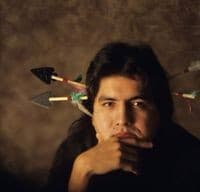
Sherman Alexie is a Native American author known for his contributions to contemporary literature. His notable works include "The Absolutely True Diary of a Part-Time Indian," which explores the life of a young Indian boy navigating between two worlds, and "Reservation Blues," a novel that intertwines music and Native American culture. Alexie's writing often addresses themes of identity, race, and the complexities of modern life on reservations.
Similar books
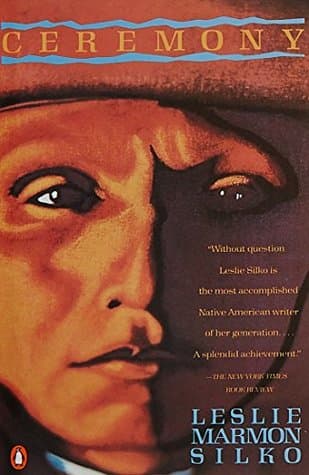
- Ceremony
Leslie Marmon Silko
3.8 (18k) average on GoodreadsLiterary FictionExplores Native American identity and trauma through a non-linear narrative.
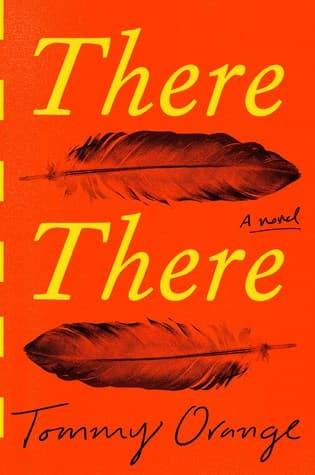
- There There
Tommy Orange
4.0 (112k) average on GoodreadsLiterary FictionFeatures interconnected Native American characters navigating urban life and cultural heritage.
- Love Medicine
Louise Erdrich
4.0 (22k) average on GoodreadsLiterary FictionErdrich's Love Medicine (1984), like Alexie's collection, uses interconnected stories and multiple narrators to paint a generational portrait of a fictional Ojibwe community. Both authors excel at developing complex characters and exploring themes of family, love, and loss. However, Erdrich's prose is often described as more lyrical and poetic, with a greater emphasis on the beauty and resilience of cultural traditions, even amidst hardship. Alexie's style is generally more direct, confrontational, and characterized by its sharp wit and often brutal honesty about the realities of poverty and addiction, sometimes with less overt romanticism than Erdrich's earlier works.
- The Old Man and the Sea
Ernest Hemingway
3.8 (831k) average on GoodreadsLiterary FictionA Cuban fisherman's long struggle with a giant marlin becomes a story of endurance and dignity, now retold for young adults with illustrations, phonetic guides, and writing prompts in Traditional Chinese.
- One Hundred Years of Solitude
Gabriel García Márquez
4.1 (753k) average on GoodreadsLiterary FictionThrough the multi-generational story of the Buendía family, a mythical town deals with the repeating patterns of time, love, and solitude, as the extraordinary mixes with the ordinary.
- The Goldfinch
Donna Tartt
3.9 (720k) average on GoodreadsLiterary FictionHaunted by a tragic explosion and clutching a stolen Dutch masterpiece, a young orphan navigates the opulent drawing rooms of New York and the gritty underbelly of the art world, desperately seeking connection and redemption amidst a life spiraling into crime and obsession.



Enjoyed the summary?
A summary gives you the shape of the book. The book itself has the detail, the examples and the voice.
Find The Lone Ranger and Tonto Fistfight in Heaven on AmazonAs an Amazon Associate, BookBrief earns from qualifying purchases. How we're funded