
Synopsis
Covers the whole plot, including the ending.
- Difficulty
- Medium
- Pacing
- Moderate
- Mood
- Heartwarming, Hopeful, Poignant, Resilient
- Read it if
- You want a poignant story about a child overcoming abuse and finding love and belonging, with themes of gardening and healing.
- Skip it if
- You prefer lighthearted stories without themes of child abuse or difficult pasts, or if you dislike children's literature with serious undertones.
The Lottery Rose Plot Summary
Covers the whole plot, including the ending.
A Desperate Escape
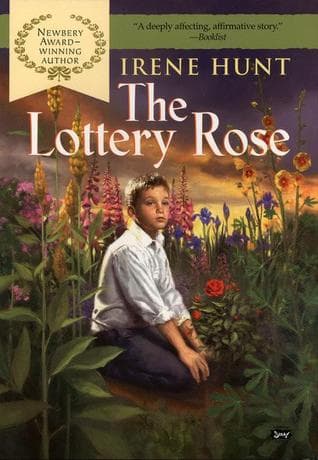
Georgie Burgess, a seven-year-old boy, lives in a dirty apartment with his alcoholic mother, Rennie, and her abusive boyfriend, Steve. He finds comfort in a library book with pictures of beautiful roses and dreams of his own garden. One evening, after Steve beats Rennie and then Georgie, the boy grabs a kitchen knife and stabs Steve in the shoulder. Terrified, Georgie runs away from his dangerous home.
The Lottery Rose
After running away, Georgie walks the streets, hungry and alone. He finds a small grocery store holding a lottery. With sudden hope, he enters and wins the grand prize: a small, thorny rosebush. This plant becomes very important to Georgie, a real symbol of beauty and a secret world he can care for. He holds it tightly, determined to protect it, even as he faces homelessness and fear.
A New Beginning at the Home
Authorities eventually find Georgie. After the incident with Steve comes out, the courts remove him from his mother's care. He is sent to a home for troubled boys run by Sister Mary Angela in rural Florida. Though initially scared, Georgie brings his cherished rosebush, seeing it as his only connection to something beautiful and his secret hope. The move is a forced but necessary new chapter, away from the immediate danger of his past.
First Encounters and Distrust
At the home, Georgie remains guarded. He is quiet, suspicious, and struggles to connect with the other boys, especially the loud and sometimes cruel Robin. He holds onto his rosebush, finding comfort in it. Sister Mary Angela and the other nuns try to make him feel welcome, but Georgie's past trauma makes him wary of kindness. He finds the structure and communal living difficult, often retreating into himself to protect his fragile inner world.
The Garden and Mrs. Harper
Sister Mary Angela sees Georgie's love for plants and assigns him to care for a neglected rose garden on the property. The garden belongs to an elderly, reclusive woman named Mrs. Harper. Mrs. Harper, though stern at first, watches Georgie's careful work with growing interest. Georgie pours all his bottled-up love and care into the garden, especially his lottery rose, slowly turning the desolate space into a blooming haven. This shared love for roses begins to create a connection between the boy and the old woman.
Unveiling Mrs. Harper's Past
As Georgie works in the garden, a bond slowly forms between him and Mrs. Harper. He learns she is a widow and her son, Walter, died many years ago as a young boy. Mrs. Harper's grief made her withdrawn and bitter. The garden, once a source of joy for her and Walter, became a painful reminder, which is why she let it fall apart. Georgie's innocent dedication to the roses begins to soften her heart, bringing back memories and emotions she had long hidden.
Georgie's Secret and Robin's Bullying
Despite Georgie's progress in the garden and with Mrs. Harper, he still struggles with the other boys, especially Robin, who is jealous of the attention Georgie receives and his special connection to Mrs. Harper. Robin often teases Georgie, calling him a 'baby' and trying to provoke him. Georgie's suppressed anger and fear from his past abuse often make him react violently or retreat, confirming Robin's view of him as weak. This bullying triggers Georgie's deep trauma, making it hard for him to trust and open up.
A Shared Vulnerability
One day, Georgie finds Mrs. Harper crying in the garden, overwhelmed by memories of Walter. Instead of retreating, Georgie, for the first time, offers real comfort. He sits with her, sharing his own unspoken pain and understanding her grief. This moment changes their relationship. Mrs. Harper sees beyond Georgie's rough exterior to the sensitive and empathetic boy within. It also marks a big step in Georgie's ability to express his emotions, rather than hiding them.
The Truth Revealed
Overcome by his secret, Georgie finally tells Mrs. Harper and Sister Mary Angela about stabbing Steve and running away. He fears he is a 'bad' boy and will never be truly loved. Both women listen with kindness, assuring him his actions were a desperate act to protect himself and that he is not defined by his past. This confession is a release for Georgie, allowing him to begin processing his trauma and accept their unconditional love and forgiveness.
Confronting Robin
Empowered by the love and acceptance he has received, Georgie finally confronts Robin, who has been teasing him. Instead of reacting with violence or withdrawal, Georgie calmly and firmly stands his ground, surprising both Robin and himself. This assertiveness calms the situation. Later, Georgie discovers Robin's own hidden vulnerability — a fear of being unloved. This shared moment of understanding begins to bridge the gap between them, hinting at a possible friendship.
The Gift of Family
As Georgie continues to thrive in the garden and at the home, Mrs. Harper realizes how much she cares for him. She sees in him the spirit of her lost son, Walter, and a chance to heal her own heart. She makes a decision: she asks Georgie to live with her permanently, to be her son. This offer of adoption gives Georgie the stable, loving family he has always wanted, a true home where he is cherished and safe. It is the end of his journey towards finding love and belonging.
A Future in Bloom
Georgie accepts Mrs. Harper's offer, and his life blossoms. He continues to care for the rose garden, now not just his refuge but a shared space of joy and memory. His relationship with Robin also improves, becoming a tentative friendship. Georgie has found not only a home but also a sense of self-worth and belonging. The lottery rose, once a solitary symbol of hope, now thrives in a garden full of life, reflecting Georgie's own growth and the love he has learned to give and receive.
Principal Figures
Georgie Burgess
Protagonist
A seven-year-old boy seeking love and a place to belong.
Georgie is a deeply traumatized yet resilient seven-year-old boy. Abused and neglected, he is initially withdrawn, suspicious, and prone to violent outbursts fueled by fear. He finds solace in the beauty of roses and dreams of a safe, loving environment. Despite his rough exterior and past actions, he possesses an innate sensitivity, a deep capacity for love, and a strong desire to care for living things. His journey is one of healing, learning to trust, and discovering his own worth.
Relationships: Rennie (Mother) (Abusive, neglectful, alcoholic mother.); Steve (Abusive boyfriend of Rennie.); Mrs. Harper (Initially reclusive benefactor, later adoptive mother figure.); Sister Mary Angela (Caring and supportive nun at the boys' home.); Robin (Initial bully, later a tentative friend.)
Mrs. Harper
Supporting/Adoptive Mother
A reclusive, grieving widow who finds healing through Georgie.
Mrs. Harper is an elderly, reclusive woman living on the property of the boys' home. She is initially stern and withdrawn, consumed by grief over the death of her young son, Walter, many years prior. Her once-beautiful rose garden became a painful reminder of her loss, leading to its neglect. Through Georgie's care for the garden and his innocent yet profound presence, she slowly begins to heal, reopening her heart to love and finding a new purpose in life.
Relationships: Georgie Burgess (Initially a charge, then a beloved adoptive son.); Walter (Son) (Deceased son, whose memory deeply affects her.)
Sister Mary Angela
Supporting
The compassionate head of the boys' home.
Sister Mary Angela is the kind and insightful nun who runs the boys' home where Georgie is placed. She is observant, patient, and deeply committed to the well-being of the children in her care. She recognizes Georgie's potential and his hidden sensitivity, assigning him to the garden and providing him with the structure and support he needs to begin healing. She acts as a guiding force, offering unconditional love and wisdom to Georgie and the other boys.
Relationships: Georgie Burgess (Caretaker and mentor.); Mrs. Harper (Neighbor and friend, facilitates their connection.)
Robin
Supporting/Antagonist (initially)
A troubled boy at the home who initially bullies Georgie.
Robin is one of the older boys at the home, initially serving as an antagonist to Georgie. He is boisterous, often cruel, and prone to bullying, particularly targeting Georgie. His behavior stems from his own insecurities and a deep-seated fear of being unloved and unwanted. Beneath his tough exterior, he is a vulnerable child seeking attention and acceptance, which he eventually begins to find through a surprising connection with Georgie.
Relationships: Georgie Burgess (Initial tormentor, later a friend.)
Rennie Burgess
Mentioned
Georgie's neglectful and abusive biological mother.
Rennie is Georgie's biological mother, a character primarily seen through Georgie's memories and the initial plot. She is an alcoholic who is neglectful and allows her abusive boyfriend, Steve, to harm both her and Georgie. Her inability to provide a safe or loving home is the catalyst for Georgie's removal and his subsequent journey. She represents the painful past Georgie must overcome.
Relationships: Georgie Burgess (Abusive mother-son relationship.); Steve (Abusive boyfriend.)
Steve
Mentioned
Rennie's abusive boyfriend.
Steve is Rennie's violent and abusive boyfriend, whose actions directly lead to Georgie's escape and subsequent placement in the boys' home. He represents the immediate danger and trauma Georgie experiences in his early life. His presence in the story is brief but impactful, serving as the catalyst for the entire plot.
Relationships: Rennie Burgess (Abusive boyfriend-girlfriend relationship.); Georgie Burgess (Abuser-victim relationship.)
Themes & Insights
The Healing Power of Love and Nurturing
This theme is central to Georgie's journey. His past is marked by a lack of love and constant abuse, leaving him emotionally scarred. The lottery rose, and later the entire garden, help him express and receive love. By caring for the roses, he begins to care for himself. Mrs. Harper's love, Sister Mary Angela's compassion, and even the hesitant friendship with Robin show how consistent, unconditional affection can heal deep wounds and transform a child's ability to connect and feel joy. This is clear in Georgie's gradual opening up, his ability to comfort Mrs. Harper, and his eventual acceptance of a new family.
“He knew what it was to love something, and he knew what it was to hurt. And the two things were strangely mixed up in his heart. But the roses, they just loved.”
The Search for Home and Belonging
Georgie's main goal is to find a safe, stable place where he is truly wanted. His first 'home' is a place of terror. The boys' home offers safety but not immediate belonging. He finds a true sense of 'home' in the neglected garden, and eventually with Mrs. Harper – a place where he is loved, understood, and can contribute. The garden's transformation mirrors Georgie's own journey from feeling like an unwanted weed to a cherished flower, ending with Mrs. Harper's adoption offer, which gives him the ultimate sense of belonging and family.
“He didn't have a home, but he had a rose. And the rose was more than a home; it was a promise.”
The Redemptive Power of Nature
Nature, especially the rose garden, is a powerful symbol of redemption and healing in the novel. For Georgie, the library book of roses is an escape from his harsh reality, and the lottery rose becomes his first real connection to beauty and hope. Tending the neglected garden allows him to channel his pain and love into something productive, seeing life and beauty emerge from decay. For Mrs. Harper, the revitalized garden, through Georgie's efforts, helps her overcome her grief and reconnect with joyful memories of her son. The garden is a sanctuary where both characters find comfort and connection.
“The roses seemed to understand. They were tough, and they hurt sometimes, but they grew toward the sun.”
Overcoming Trauma and Finding Voice
Georgie carries great trauma from his early childhood, shown as withdrawal, fear, and occasional violent outbursts. The story details his slow healing process. He learns to trust adults like Sister Mary Angela and Mrs. Harper, gradually talking about his past. His journey involves finding his 'voice' – not just speaking about his experiences, but asserting himself non-violently against Robin and expressing his emotions constructively. The acceptance he receives after confessing his past actions is important, helping him shed the burden of guilt and begin to define himself by his present actions and future potential, rather than his traumatic past.
“It was as if a great knot had been untied inside him, a knot of fear and shame and anger.”
Plot Devices & Literary Techniques
The Lottery Rose
A physical symbol of hope and Georgie's capacity for love.
The rosebush Georgie wins serves as a central symbol and plot device. It is his first tangible possession that represents beauty, hope, and the possibility of a better life. It becomes a focus for his suppressed love and nurturing instincts, a secret world he can control and cultivate. Its survival against odds mirrors Georgie's own resilience. It also acts as a bridge, connecting him to the larger rose garden and, by extension, to Mrs. Harper, facilitating their eventual bond.
The Neglected Rose Garden
A setting that mirrors the characters' emotional states and facilitates healing.
The neglected rose garden on Mrs. Harper's property is more than just a setting; it's a powerful metaphorical device. Its overgrown, thorny state reflects Mrs. Harper's grief and Georgie's own inner turmoil and past neglect. Georgie's task of restoring it directly parallels his own healing process and his efforts to bring beauty and order to his chaotic life. As the garden blooms, so too do the relationships within the story, particularly between Georgie and Mrs. Harper, symbolizing renewal and the triumph of life over despair.
Flashbacks and Memories
Brief, painful recollections that reveal Georgie's traumatic past.
The author uses subtle flashbacks and Georgie's internal memories of his mother and Steve to reveal the extent of his past abuse. These are not always explicit, but rather brief, sharp images or feelings that surface when Georgie is scared, angry, or triggered by similar situations (like Robin's bullying). This device effectively communicates the depth of Georgie's trauma without dwelling on graphic details, making the reader understand his guarded nature and his struggle to trust, while also pacing the revelation of his 'secret' confession.
Character Foil (Robin)
A character whose behavior highlights Georgie's struggles and growth.
Robin serves as a character foil to Georgie. His initial bullying and aggressive behavior highlight Georgie's own internal struggles with anger and his fear-induced reactions. Robin's jealousy of Georgie's connection with Mrs. Harper and the garden also underscores Georgie's unique capacity for love and nurturing. Later, when Robin's own vulnerabilities are revealed, he serves to show Georgie's growing empathy and ability to connect with others, demonstrating how both boys are products of their difficult pasts, but capable of change and connection.
The Lottery Rose Quotes
“Georgie didn't know what a mother was, but he knew what a witch was, and he knew that his mother was a witch.”
“The only good thing about the orphanage was that there were other children there.”
“He knew about hate. He had lived with it all his life.”
“The garden was his secret, his refuge, his only beautiful thing.”
“He had never had a friend before, not a real one.”
“It was as if the music opened up a place inside him he didn't know was there.”
“He had a secret, a wonderful, terrible secret.”
“A rose. It was like a miracle, a promise.”
“Love was a thing that grew, like a plant, and it needed care.”
“He wanted to be good. He really did.”
“Sometimes, when you wish for something very hard, it comes true in a different way.”
“The world was full of shadows, but there were lights too.”
“He was not alone anymore. He had a family, not of blood, but of heart.”
Quiz
10 questions on the plot and the characters. Each answer comes with a short explanation.
Question 1
What object does Georgie win in a grocery store lottery that becomes a significant symbol of his hope and ability to give love?
- A new toy car
- A small rosebush
- A book about gardening
- A box of chocolates
Show answer
B. A small rosebush Georgie wins a small rosebush in a grocery store lottery, which he then cares for, symbolizing his capacity for love and nurturing.
Question 2
Before being sent to the boys' home, where does Georgie find solace and escape from his abusive home life?
- At a friend's house
- In his school classroom
- In a secret world of beautiful gardens filled with roses, inspired by a library book
- At a local park
Show answer
C. In a secret world of beautiful gardens filled with roses, inspired by a library book Georgie withdraws into a secret world of beautiful rose gardens, mirroring images from a library book, to cope with his abuse.
Question 3
Who are the primary abusers of Georgie before he is placed in the boys' home?
- His school teachers
- His mother and her boyfriend
- Other children in his neighborhood
- His grandparents
Show answer
B. His mother and her boyfriend The story explicitly states that Georgie is abused by his mother and her boyfriend.
Question 4
What is the initial emotional state Georgie exhibits as a result of the abuse he suffers?
- Outward aggression and rebellion
- Open communication about his feelings
- He learns to hide his hurt and withdraws
- Excessive cheerfulness to mask his pain
Show answer
C. He learns to hide his hurt and withdraws The book states Georgie 'learns to hide his hurt' and 'withdraws into a safe and secret world' due to the abuse.
Question 5
What significant change occurs in Georgie's life when the courts intervene?
- He is sent to live with a distant relative.
- He is placed in a foster family.
- He is sent to a home for boys where he will be safe.
- He is enrolled in a new school with special programs.
Show answer
C. He is sent to a home for boys where he will be safe. The courts send Georgie to a 'home for boys where he will be safe,' which is a pivotal moment in his journey.
Question 6
The rosebush Georgie wins can be interpreted as a symbol of what theme in the story?
- The fleeting nature of happiness
- The importance of material possessions
- The potential for growth, beauty, and the ability to give and receive love even in difficult circumstances
- The dangers of trusting strangers
Show answer
C. The potential for growth, beauty, and the ability to give and receive love even in difficult circumstances Georgie gives the rosebush all the love and caring he's never had, and his life begins to open up, linking the rosebush to themes of love, growth, and hope.
Question 7
How does Georgie's journey at the boys' home affect his capacity for love?
- He becomes more cynical and distrustful of love.
- He learns to give and receive love, though not without pain.
- He only learns to give love, but struggles to receive it.
- He completely shuts himself off from all emotional connections.
Show answer
B. He learns to give and receive love, though not without pain. The summary states that 'Slowly, and not without pain, Georgie learns to give—and to receive—love…' at the boys' home.
Question 8
What is the primary internal conflict Georgie faces throughout the story?
- His struggle to excel academically in school.
- His battle with a physical illness.
- Overcoming the emotional scars of abuse and learning to trust and connect with others.
- His desire to return to his abusive home.
Show answer
C. Overcoming the emotional scars of abuse and learning to trust and connect with others. Georgie's journey is fundamentally about healing from abuse and learning to form healthy emotional bonds, which is a deep internal struggle.
Question 9
The title, 'The Lottery Rose,' holds significance beyond the literal winning of a rosebush. What deeper meaning does 'lottery' imply in Georgie's life?
- That his future is entirely dependent on chance and luck.
- That he won a metaphorical 'lottery' by being removed from his abusive home and given a chance at a better life.
- That he will eventually win a large sum of money.
- That life's rewards are only for the fortunate few.
Show answer
B. That he won a metaphorical 'lottery' by being removed from his abusive home and given a chance at a better life. The 'lottery' can symbolize the fortunate turn of events (like being sent to a safe home) that gives Georgie a chance at a new, healthier life, much like winning a prize.
Question 10
What key detail about the library book Georgie treasures is mentioned as influencing his imaginary world?
- It contained instructions on how to escape his home.
- It was about brave knights and dragons.
- It featured beautiful gardens filled with roses, inspiring his secret world.
- It was a book about a boy who also won a lottery.
Show answer
C. It featured beautiful gardens filled with roses, inspiring his secret world. The description states Georgie 'withdraws into a safe and secret world of beautiful gardens filled with roses—just like those in the library book he treasures.'
The Lottery Rose FAQ
What is the central conflict Georgie faces at the beginning of 'The Lottery Rose'?
At the story's outset, Georgie Burgess endures severe physical and emotional abuse from his mother and her boyfriend, resulting in deep psychological trauma and a profound inability to trust or connect with others. He copes by retreating into an elaborate fantasy world centered around beautiful rose gardens, inspired by a library book.
How does the 'lottery rose' itself become a significant symbol in Georgie's journey?
The small rosebush Georgie wins in a grocery store lottery becomes a tangible object onto which he projects all the love, care, and hope he has never received himself. Nurturing the rose allows him to practice giving and receiving affection in a safe, controlled way, mirroring his own slow process of healing and growth.
What prompts Georgie's removal from his abusive home and his placement in a new environment?
Georgie's severe abuse is discovered when his mother's boyfriend inflicts a particularly brutal injury, leading to Georgie being hospitalized. Child protective services and the courts intervene, recognizing the danger of his home environment and subsequently placing him in a boys' home for his safety and well-being.
Who are Sister Mary Angela and Mrs. Harper, and what roles do they play in Georgie's life?
Sister Mary Angela is the compassionate nun who runs the boys' home where Georgie is placed, providing a structured yet loving environment. Mrs. Harper is an elderly woman who lives nearby and becomes Georgie's mentor in gardening, helping him channel his passion for roses into a real-world skill and connection.
How does Georgie's relationship with the other boys at the home evolve throughout the story?
Initially, Georgie is isolated and distrustful, struggling to interact with the other boys due to his past trauma. Over time, through shared experiences, the boys' acceptance, and his own increasing confidence, he gradually forms friendships and learns to navigate social dynamics, breaking free from his solitary world.
What is the significance of the 'secret garden' Georgie imagines and eventually tries to create?
The 'secret garden' represents Georgie's internal sanctuary and his idealized vision of beauty, peace, and love, a stark contrast to his traumatic reality. His later attempt to physically create a garden with Mrs. Harper symbolizes his transition from fantasy to tangible hope and his desire to bring his inner world into reality.
Are there any subtle indications of Georgie's mother's own struggles or past that might partially explain her behavior?
While the book focuses on Georgie's perspective, there are subtle hints suggesting his mother might be trapped in a cycle of poverty and abuse herself, possibly a victim of her boyfriend's influence and her own limited resources. These details provide a glimpse into the systemic issues contributing to Georgie's plight, without excusing her actions.
How does the author use the motif of 'scars' beyond just physical marks in Georgie's story?
The author uses 'scars' to represent not only Georgie's visible physical injuries but also his deep emotional and psychological wounds, such as his inability to trust or express affection. The healing process depicted in the book shows how these internal scars gradually begin to fade as he learns to love and be loved.
What role does Georgie's vivid imagination play in his psychological coping mechanisms?
Georgie's extraordinary imagination allows him to escape the harsh realities of his abuse, creating a detailed fantasy world of beautiful rose gardens where he feels safe and loved. This mental refuge is a critical coping mechanism that protects his fragile psyche during his most traumatic experiences, though it also isolates him.
How does Georgie's initial inability to speak or express himself reflect his psychological state?
Georgie's initial silence and reluctance to communicate are direct manifestations of his trauma, indicative of extreme fear, learned helplessness, and a profound distrust of adults. His gradual ability to speak and share his thoughts signals a significant step in his psychological healing and his willingness to engage with the world.
Discuss the psychological impact of Georgie's attachment to the rosebush on his emotional development.
Georgie's attachment to the rosebush provides a safe, non-threatening outlet for his nascent capacity for love and care, allowing him to practice nurturing without fear of rejection or pain. This low-stakes relationship is crucial for rebuilding his emotional framework, enabling him to eventually extend that care to humans.
How does the theme of forgiveness manifest, both for Georgie and for his caregivers?
Forgiveness for Georgie is not about condoning his abusers' actions but about releasing the emotional burden of his past, allowing him to move forward and accept love. For caregivers like Sister Mary Angela, it involves understanding the complex circumstances of Georgie's family and offering unconditional love despite his initial challenging behavior.
Is 'The Lottery Rose' ultimately a story about overcoming adversity or about the power of nurture?
'The Lottery Rose' is profoundly about both. It showcases Georgie's incredible resilience in overcoming severe adversity, but it equally emphasizes the transformative power of consistent, unconditional nurture from Sister Mary Angela and Mrs. Harper. Without that external support, Georgie's internal strength might not have found its path to healing.
The book is often categorized for 'Young Adult.' What mature themes make it suitable for this audience, rather than just younger children?
While accessible, the book delves into mature themes such as child abuse, psychological trauma, the complexities of foster care, and the arduous process of emotional healing. These nuanced topics, along with Georgie's internal struggles and character development, resonate deeply with young adult readers exploring identity and resilience.
How does the ending of the book provide a sense of closure while still acknowledging the lasting impact of Georgie's past?
The ending offers a hopeful sense of closure, showing Georgie thriving in his new environment, forming bonds, and pursuing his passion for gardening. However, it implicitly acknowledges that the scars of his past will always be a part of him, suggesting that healing is an ongoing journey rather than a complete erasure of trauma, reinforcing the realism of his recovery.
Could Georgie's initial obsession with roses be interpreted as a form of escapism, and how does it evolve?
Initially, Georgie's obsession with roses is indeed a form of escapism, providing a beautiful, safe mental refuge from his abusive reality. As the story progresses, it evolves into a healthy passion, a source of connection with Mrs. Harper, and a tangible way for him to contribute beauty to the world, transforming from a coping mechanism to a source of genuine joy and growth.
What is the broader message about the importance of community and safe spaces that the book conveys?
The book powerfully conveys that healing from trauma is not a solitary journey but requires a supportive community and safe spaces. The boys' home, Sister Mary Angela, Mrs. Harper, and the other children collectively create an environment where Georgie can slowly learn to trust, belong, and ultimately thrive, highlighting the vital role of a caring network.
Similar books
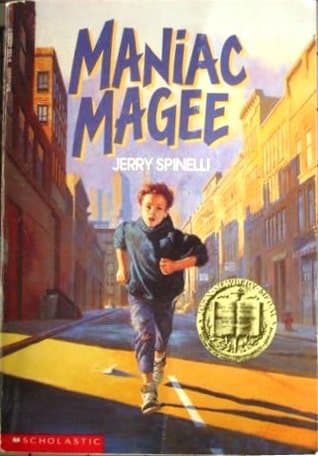
- Maniac Magee
Jerry Spinelli
3.9 (117k) average on GoodreadsChildren'sFeatures a resilient young boy navigating difficult circumstances and finding a place to belong.
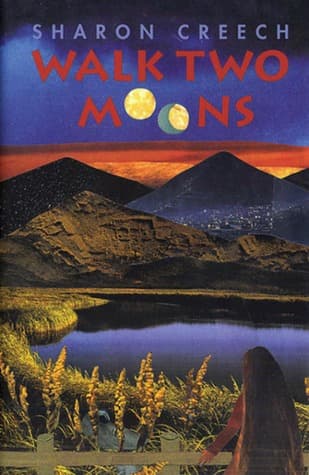
- Walk Two Moons
Sharon Creech
4.0 (151k) average on GoodreadsChildren'sExplores themes of family, loss, and self-discovery through a young protagonist's journey.
- Bridge to Terabithia
Katherine Paterson
4.0 (445k) average on GoodreadsFantasyDeals with themes of friendship, imagination, and coping with difficult realities in a sensitive way.
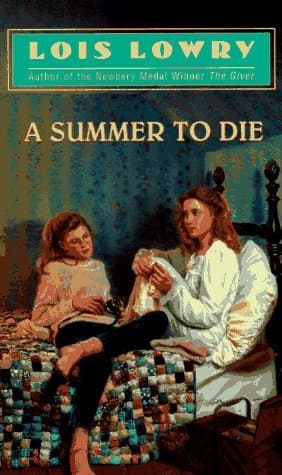
- A Summer to Die
Lois Lowry
4.0 (7k) average on GoodreadsChildren'sWhile both books address childhood trauma and resilience, Lowry's novel focuses on grief and loss within a family, offering a more psychologically realistic and less overtly redemptive exploration of coping mechanisms. Hunt's book emphasizes external sanctuary and spiritual healing, whereas Lowry's delves into internal family dynamics.
- Harry Potter and the Sorcerer's Stone
J.K. Rowling
4.5 (7M) average on GoodreadsFantasyRescued from a miserable life under the stairs, an orphaned boy discovers he's a wizard destined for a magical school, where he uncovers a dangerous secret tied to the dark wizard who murdered his parents.
- The Hobbit, or There and Back Again
J.R.R. Tolkien
4.3 (2.9M) average on GoodreadsFantasyA comfort-loving hobbit named Bilbo Baggins is whisked away by a mischievous wizard and a band of dwarves on an unexpected journey to reclaim stolen treasure from a fearsome dragon, discovering courage and a magical ring along the way.



Enjoyed the summary?
A summary gives you the shape of the book. The book itself has the detail, the examples and the voice.
Find The Lottery Rose on AmazonAs an Amazon Associate, BookBrief earns from qualifying purchases. How we're funded