
Synopsis
Covers the whole plot, including the ending.
- Difficulty
- Medium
- Pacing
- Moderate
- Mood
- Melancholy, Reflective, Spiritual, Dark, Philosophical
- Read it if
- You enjoy character studies of morally complex individuals grappling with faith, desire, and the consequences of their choices in a historical setting.
- Skip it if
- You prefer fast-paced plots, clear-cut heroes, or lighthearted narratives.
The Magician of Lublin Plot Summary
Covers the whole plot, including the ending.
The Magician's Return to Lublin
Yasha Mazur, the famous magician, returns to his hometown of Lublin after a successful tour. He is greeted by his devoted but barren wife, Esther, with whom he shares a simple, pious life. However, Yasha's return is complicated by his ongoing affair with Emilia, a beautiful, non-Jewish widow who lives nearby. Yasha is deeply involved with Emilia, promising her marriage and a new life in Warsaw, despite his marital vows and Jewish heritage. He feels suffocated by his religious community and his responsibilities, always seeking escape and novelty. His assistant, Zeftel, who is also his lover, travels with him, adding another layer to his complex personal life. Yasha's internal conflict between his worldly desires and his spiritual obligations is clear.
The Warsaw Temptation
Yasha travels to Warsaw for a series of performances, accompanied by Zeftel. His main intention, however, is to finalize his plans to elope with Emilia. He imagines a new life in the bustling city, leaving behind the provincialism of Lublin and the rules of his Jewish faith. In Warsaw, Yasha meets various figures who embody the secular, modern world he longs for, further fueling his desire for freedom and self-reinvention. He arranges for Emilia to join him, promising to secure their future together, even thinking about converting to Christianity to marry her. This journey is a critical point where Yasha seeks to fully embrace a life defined by his own desires, rather than by tradition or obligation.
A String of Deceptions
In Warsaw, Yasha's financial situation becomes a pressing concern for his plans with Emilia. He tries to borrow money from various acquaintances, including his former mistress, Magda, and a wealthy Jewish merchant, Mr. Koppel. His efforts are met with resistance and suspicion. Desperate, Yasha attempts to rob Mr. Koppel's safe, but his usually flawless skills fail him, and he is nearly caught. This humiliating failure shatters his self-perception as an infallible master of illusion and escape. The incident shows his moral decline and the consequences of his deceptive lifestyle, as his carefully constructed world of lies begins to unravel, leaving him vulnerable and exposed.
The Betrayal and the Breakup
Emilia arrives in Warsaw, full of hope for her future with Yasha. However, she soon learns of his financial problems and his past mistakes, including his relationship with Zeftel and his failed robbery attempt. The truth about Yasha's life, his multiple lovers, and his inability to provide for her shatters Emilia's idealized image of him. Distraught and disillusioned, she confronts him, leading to a bitter and definitive breakup. Emilia, feeling betrayed and used, leaves Yasha, abandoning their plans for a life together. This event is a significant turning point for Yasha, as his dreams of a new life with Emilia crumble, forcing him to confront the emptiness of his pursuit of worldly pleasures.
Zeftel's Despair
Following Yasha's break with Emilia and his general decline, Zeftel, his loyal assistant and lover, finds herself increasingly neglected and eventually abandoned by him. With no means of support and her hope in Yasha gone, Zeftel falls into a life of poverty and desperation in Warsaw. She is forced into prostitution to survive, experiencing the harsh realities of a woman without protection or status in society. Her descent into destitution reflects Yasha's own moral and spiritual decline, showing the collateral damage of his selfish pursuits. Zeftel's tragic fate is a reminder of the consequences of Yasha's irresponsible and exploitative behavior towards those who cared for him.
Magda's Suicide
During his time in Warsaw, Yasha reconnects with Magda, another of his former lovers. Magda, still deeply infatuated with him, hopes for a rekindling of their romance. However, Yasha, consumed by his own troubles and his pursuit of Emilia, cruelly rejects her advances. Devastated by his rejection and feeling utterly hopeless, Magda commits suicide. Her death is a shock to Yasha, forcing him to confront the devastating impact of his actions and his callous disregard for the feelings of others. Magda's tragic end is a symbol of the destruction Yasha leaves in his wake, intensifying his guilt and contributing to his growing spiritual crisis.
Spiritual Crisis and Return to Lublin
Following the successive failures in Warsaw – the failed robbery, Emilia's departure, Zeftel's ruin, and Magda's suicide – Yasha reaches a breaking point. He experiences a spiritual crisis, overwhelmed by guilt, despair, and the realization of the emptiness of his worldly pursuits. He sees his life as a series of deceptions and betrayals, a stark contrast to the piety and tradition of his Jewish upbringing. In a moment of intense introspection and self-loathing, Yasha decides to abandon his life as a magician and return to Lublin, seeking repentance and a path back to God. This marks a shift from his secular aspirations to a deep yearning for spiritual redemption.
The Act of Repentance
Upon his return to Lublin, Yasha is a changed man. He seeks forgiveness from his wife, Esther, and begins a radical transformation of his life. As an act of extreme repentance, Yasha decides to isolate himself from the world. He constructs a small, bricked-up cell in his backyard, with only a small opening for food and light. Inside this self-imposed prison, he dedicates himself to prayer, study, and asceticism, renouncing all worldly pleasures and connections. This extreme act symbolizes his desire to atone for his sins and to escape the temptations that led him astray, hoping to achieve spiritual purity and a deeper connection with God.
The Hermit of Lublin
Yasha lives for years in his bricked-up cell, becoming known as 'the Penitent of Lublin.' His extreme act of repentance earns him a reputation for holiness and wisdom among the local community, both Jewish and Gentile. People come from far and wide to seek his advice, blessings, and prayers, believing him to be a holy man. Despite his physical confinement, Yasha finds a new kind of freedom and purpose in his spiritual devotion. He is no longer the trickster magician but a figure of faith and humility, having truly escaped the prison of his own desires and deceptions, finding peace in his spiritual solitude and service to God.
A Final Visit
Years after their painful separation, Emilia, now a respectable married woman with children, visits Yasha in his cell. She has built a stable and conventional life for herself, something she once sought with Yasha. Their meeting is brief but significant. Emilia recounts her life, expressing a sense of peace and contentment, and Yasha, though physically confined, conveys a sense of spiritual peace. This encounter highlights the divergent paths their lives have taken and the transformation Yasha has undergone. It offers a sense of closure and demonstrates that both characters, in their own ways, have found a form of redemption and fulfillment, though through vastly different means.
Principal Figures
Yasha Mazur
Protagonist
A famed Jewish magician torn between his traditional life and secular desires.
Yasha is a charismatic and talented magician, known for his acrobatic feats and escape artistry. He is a man of contradictions: half-Jewish, half-Gentile in spirit, deeply rooted in Lublin but yearning for the wider world. Driven by an insatiable desire for novelty, freedom, and sensual pleasure, he juggles multiple lovers and a pious wife. He is a master of illusion, not just on stage but in his personal life, constantly deceiving others and himself about his true intentions and capabilities. His intelligence and charm are matched only by his profound spiritual restlessness and moral weakness.
Relationships: Esther (Devoted, pious wife whom he neglects and deceives); Emilia (Gentile lover in Warsaw, to whom he promises marriage and a new life); Zeftel (His assistant and lover, whom he eventually abandons); Magda (Former lover in Warsaw, whom he rejects, leading to her suicide)
Esther
Supporting
Yasha's loyal, pious, and long-suffering wife.
Esther is Yasha's devoted and traditional Jewish wife in Lublin. She is barren, which causes her quiet sorrow, but she remains steadfast in her love and faith. She represents the stability, piety, and traditional Jewish values that Yasha constantly tries to escape. Despite Yasha's frequent absences and infidelities, she remains loyal and hopeful for his return, embodying unconditional love and enduring faith. Her simple, unadorned life contrasts sharply with Yasha's flamboyant and deceptive existence, highlighting the spiritual path he ultimately embraces.
Relationships: Yasha Mazur (Her husband, whom she loves deeply despite his constant betrayals)
Emilia
Supporting
Yasha's sophisticated, non-Jewish lover in Lublin and Warsaw.
Emilia is a beautiful, intelligent, and sophisticated non-Jewish widow living in Lublin. She represents the allure of the secular world, modernity, and a life free from religious constraints for Yasha. She genuinely loves Yasha and desires a stable, respectable life with him, envisioning marriage and a future in Warsaw. However, she is also pragmatic and eventually disillusioned by Yasha's deceptions and financial instability. Her aspirations are for a conventional, bourgeois existence, contrasting with Yasha's more chaotic and ultimately spiritual quest.
Relationships: Yasha Mazur (His lover, whom she plans to marry but eventually leaves due to his deceptions)
Zeftel
Supporting
Yasha's young, loyal, and ultimately tragic assistant and lover.
Zeftel is Yasha's young, beautiful, and devoted assistant, who also serves as his lover while on tour. She is deeply loyal to Yasha, almost childlike in her adoration and dependence on him. She comes from a poor background and sees Yasha as her protector and provider. Her innocence and vulnerability make her a tragic figure, as she is ultimately abandoned and left to fend for herself in the harsh world of Warsaw, reflecting the devastating consequences of Yasha's irresponsibility and selfishness. She embodies the innocence corrupted by Yasha's worldly pursuits.
Relationships: Yasha Mazur (His assistant and lover, whom he abandons)
Magda
Supporting
A former lover of Yasha in Warsaw, driven to despair.
Magda is one of Yasha's former lovers in Warsaw. She is deeply emotionally attached to him and harbors lingering hopes for a rekindling of their relationship. Her character highlights Yasha's casual cruelty and his inability to truly connect with women beyond his own desires. Her desperation and vulnerability make her a tragic figure, as Yasha's ultimate rejection of her leads to her suicide. Magda serves as a stark warning of the destructive power of Yasha's self-centeredness and the emotional wreckage he leaves in his wake.
Relationships: Yasha Mazur (His former lover, whom he rejects, leading to her suicide)
Mr. Koppel
Mentioned
A wealthy Jewish merchant in Warsaw.
Mr. Koppel is a wealthy Jewish merchant in Warsaw whom Yasha attempts to rob. He represents the established, successful Jewish community that Yasha both admires and resents. His safe becomes the target of Yasha's desperate attempt to secure funds for his new life with Emilia, an act that marks Yasha's lowest point in his secular pursuits. Koppel serves as a symbol of the material world that Yasha seeks to exploit before his spiritual awakening.
Relationships: Yasha Mazur (Yasha attempts to rob him, highlighting his desperation)
The Rabbi of Lublin
Mentioned
A figure of religious authority and wisdom.
The Rabbi of Lublin, though not a prominent character, represents the spiritual authority and traditional wisdom of the Jewish community. He is mentioned as a figure of respect and guidance, embodying the religious path that Yasha initially rejects but eventually embraces. His presence, even in the background, reinforces the strong religious framework of Yasha's world and the ultimate direction of his spiritual journey.
Themes & Insights
The Conflict Between Worldly Desire and Spiritual Redemption
This is the central theme of the novel, seen in Yasha's struggle. He is constantly torn between his desire for freedom, sensual pleasure, and worldly acclaim as a magician (represented by his affairs with Emilia and Zeftel, and his ambition in Warsaw) and the call of his traditional Jewish faith and spiritual life (represented by Esther and his eventual repentance). The novel explores the consequences of unchecked worldly desires, leading to betrayal, despair, and death (Magda's suicide, Zeftel's ruin), before Yasha finds liberation through extreme spiritual asceticism and a return to God. His bricked-up cell symbolizes his final escape from the 'prison' of his own desires. For example, his failed robbery attempt in Warsaw is a low point, contrasting sharply with his later spiritual clarity.
“He wanted to escape. Escape from himself, from his body, from his desires.”
Deception and Illusion
Yasha is a master of illusion, both on stage and in his personal life. He deceives his wife, his lovers, and himself about his true intentions and capabilities. His magic acts, with their tricks and escapes, mirror the deceptions he weaves in his relationships and his attempts to escape his responsibilities. The novel suggests that while illusions can entertain, they ultimately lead to emptiness and pain when applied to real life. His inability to truly 'escape' his moral failings through trickery, as seen in the botched robbery, highlights the limits of his craft when faced with human and spiritual dilemmas.
“A magician is a liar by profession.”
Freedom vs. Confinement
Yasha's life is a constant pursuit of freedom, initially defined by breaking societal and religious conventions, traveling, and having multiple lovers. He feels confined by his marriage, his Jewish heritage, and the provincialism of Lublin. However, this pursuit of worldly freedom leads him to a different kind of confinement: a 'prison' of guilt, deception, and despair. Ironically, he finds true freedom and peace only when he chooses extreme physical confinement in his bricked-up cell, embracing a spiritual liberation from his desires. This paradox shows that true freedom is not external but internal, found in self-mastery and spiritual devotion rather than worldly escape.
“He had always dreamed of freedom, but now he understood that true freedom lay in chains.”
The Nature of Identity
Yasha struggles with a fragmented identity, being 'half-Jewish, half-Gentile' in spirit. He tries to shed his Jewish identity to embrace a modern, secular European persona, particularly through his relationship with Emilia and his aspirations in Warsaw. However, he finds that he cannot fully escape his roots or the moral framework instilled by his upbringing. His journey is a quest to reconcile these conflicting aspects of himself, ultimately leading him to reaffirm a profound, though unconventional, Jewish identity through repentance and spiritual devotion. His transformation from a flamboyant performer to a humble penitent illustrates the evolving nature of his self-perception.
“He was a Jew, but he felt like a Gentile. He was a Gentile, but he knew he was a Jew.”
Plot Devices & Literary Techniques
Foreshadowing
Hints at future events, especially Yasha's eventual downfall and repentance.
The novel employs subtle hints throughout Yasha's early life that suggest his eventual spiritual crisis and transformation. His constant restlessness, his dissatisfaction even with success, and his recurring guilt after his betrayals all foreshadow his eventual rejection of his worldly life. For instance, his early, fleeting moments of spiritual longing, even amidst his debauchery, hint at the path he will ultimately take. This device builds anticipation and makes Yasha's radical change feel earned rather than abrupt.
Symbolism of the Cell
The bricked-up cell represents both physical confinement and spiritual liberation.
Yasha's self-imposed, bricked-up cell is a potent symbol. Initially, it represents extreme physical confinement and an act of penance, a 'prison' for his sins. However, it paradoxically becomes a space of profound spiritual freedom and liberation for Yasha. By enclosing himself, he escapes the temptations and deceptions of the outside world and finds true peace, purpose, and connection with God. The small opening for food and light symbolizes his continued connection to the world, but on his own terms, having mastered his desires. This inversion of freedom and confinement is central to the novel's message.
Irony
The contrast between Yasha's perceived freedom and his eventual spiritual confinement.
The novel is rich in irony, particularly concerning Yasha's pursuit of freedom. He believes that by shedding his religious and marital obligations and embracing a secular, hedonistic life, he will achieve ultimate freedom. However, this path leads him to a 'prison' of guilt, despair, and moral degradation. The ultimate irony is that he finds true freedom and peace only when he chooses extreme physical confinement in his bricked-up cell, where he liberates himself from the tyranny of his own desires and the deceptions of the world. This stark contrast highlights the novel's philosophical core.
Parallel Lives
The contrasting lives of Yasha and Emilia, and Yasha and Esther.
The novel uses parallel lives to highlight Yasha's choices and their consequences. Emilia, who also seeks a new life, eventually finds stability and conventional happiness through marriage and family, a path Yasha initially promised but failed to deliver. Esther, Yasha's pious wife, remains steadfast in her traditional life, representing the spiritual anchor Yasha initially rejects but eventually returns to. These contrasting paths underscore the different forms of fulfillment and the consequences of the choices made by the characters, providing a foil for Yasha's radical transformation.
The Magician of Lublin Quotes
“The world was full of mysteries, and the greatest mystery was man himself.”
“Freedom meant nothing if one could not choose what was good.”
“A man's will is a fragile thing, easily broken by the body's demands.”
“God's truth is not always comfortable, but it is always true.”
“Every man is a magician, performing tricks for himself and for others, but ultimately deceiving only himself.”
“The greatest trick of all was to be truly invisible, to disappear from the world and its temptations.”
“Love was a great fire, burning both pure and impure, consuming everything in its path.”
“One could not escape one's past, no matter how far one traveled or how much one changed.”
“The world was a stage, and all the men and women merely players.”
“To be truly pious was to be constantly aware of one's own sinfulness.”
“Money was a necessary evil, a tool that could build or destroy, depending on the hand that wielded it.”
“There was no such thing as a small sin; every transgression opened the door to greater ones.”
“The human heart was a maze, full of secret passages and hidden chambers.”
“Even a magician, who could walk on ropes and unlock any door, could not escape himself.”
Quiz
10 questions on the plot and the characters. Each answer comes with a short explanation.
Question 1
What is Yasha Mazur's primary profession at the beginning of the novel?
- A traveling merchant
- A synagogue cantor
- A stage magician and acrobat
- A blacksmith
Show answer
C. A stage magician and acrobat Yasha Mazur is famed throughout Poland as a magician, acrobat, and escape artist, known for his Houdini-like skills.
Question 2
Which city is Yasha's primary residence and where his observant wife, Esther, lives?
- Warsaw
- Lublin
- Cracow
- Prague
Show answer
B. Lublin Yasha is known as 'The Magician of Lublin' because Lublin is his hometown and where his wife, Esther, resides.
Question 3
What is the name of Yasha's loyal assistant who travels with him on his performances?
- Magda
- Zeftel
- Emilia
- Elzbieta
Show answer
B. Zeftel Zeftel is Yasha's young, devoted assistant who accompanies him on his travels and is also one of his lovers.
Question 4
What significant act does Yasha attempt in Warsaw to secure funds and start a new life with Emilia?
- He tries to sell his magic props for a large sum.
- He attempts to rob a safe in Emilia's house.
- He plans a grand performance for the king.
- He tries to win a large sum gambling.
Show answer
B. He attempts to rob a safe in Emilia's house. Driven by his desire to marry Emilia and live a life of respectability, Yasha attempts to crack a safe in her house, leading to his moral crisis.
Question 5
What is the primary internal conflict Yasha faces throughout the novel?
- His struggle to master new magic tricks.
- His desire for financial success versus his love for his family.
- His struggle between religious observance and his secular, hedonistic lifestyle.
- His competition with other magicians in Poland.
Show answer
C. His struggle between religious observance and his secular, hedonistic lifestyle. Yasha, a 'free thinker' from a religious background, constantly grapples with his Jewish heritage, his spiritual yearnings, and his worldly desires and transgressions.
Question 6
Who is Emilia, the woman Yasha becomes deeply infatuated with in Warsaw?
- A fellow circus performer
- A wealthy, aristocratic widow
- A young, innocent admirer
- His estranged sister
Show answer
B. A wealthy, aristocratic widow Emilia is a sophisticated, wealthy widow in Warsaw with whom Yasha plans to elope and start a new life, driven by her social standing and his desire for a different existence.
Question 7
What is the ultimate 'escape' Yasha makes at the end of the novel?
- He successfully flees to America.
- He fakes his own death to avoid his responsibilities.
- He becomes a baal teshuva (a penitent) and walls himself into a small cell.
- He marries Emilia and lives a quiet life.
Show answer
C. He becomes a baal teshuva (a penitent) and walls himself into a small cell. Overwhelmed by guilt and seeking penance, Yasha builds a small cell in his yard and walls himself in, renouncing his worldly life to dedicate himself to God.
Question 8
What is the significance of Yasha's 'half Jewish, half Gentile' background?
- It explains his proficiency in magic tricks from both cultures.
- It allows him to travel freely between different social circles without prejudice.
- It symbolizes his internal division between religious tradition and secular freedom, a core theme.
- It is a literal description of his parentage, which is key to the plot.
Show answer
C. It symbolizes his internal division between religious tradition and secular freedom, a core theme. While 'half Jewish, half Gentile' might be a metaphorical description rather than literal parentage, it profoundly symbolizes Yasha's internal conflict and his ability to move between the observant Jewish world and the secular Polish world, embodying his moral dilemma.
Question 9
How does Zeftel's fate contrast with Yasha's eventual path?
- She also finds religious enlightenment and becomes devout.
- She returns to Lublin and marries a respectable man.
- She falls into prostitution and a life of despair, highlighting the consequences of Yasha's actions.
- She becomes a successful magician in her own right.
Show answer
C. She falls into prostitution and a life of despair, highlighting the consequences of Yasha's actions. Zeftel, abandoned and disillusioned by Yasha, falls into a life of poverty and prostitution, which serves as a stark consequence of Yasha's irresponsibility and contributes to his profound guilt.
Question 10
What is the significance of Yasha's skill as an escape artist in the context of the novel's themes?
- It showcases his physical prowess and strength.
- It symbolizes his constant attempts to escape moral responsibility and commitment, both to people and to faith.
- It is merely a plot device to create exciting performance scenes.
- It represents his ability to overcome any physical obstacle.
Show answer
B. It symbolizes his constant attempts to escape moral responsibility and commitment, both to people and to faith. Yasha's talent for physical escape mirrors his psychological and spiritual attempts to escape from his marriage, his lovers, his Jewish heritage, and ultimately, his own conscience and the consequences of his actions.
The Magician of Lublin FAQ
What is the central conflict Yasha faces throughout the novel?
Yasha struggles with the duality of his existence, torn between his Jewish heritage and the secular, hedonistic life of a traveling magician. He grapples with his desires for multiple women, his ambition for fame, and the lingering guilt and spiritual longing that pull him back towards his faith and his wife, ultimately creating an internal battle between freedom and responsibility, earthly pleasure and spiritual salvation.
Who are the primary romantic interests in Yasha's life, and what does each represent to him?
Yasha's wife, Esther, represents his Jewish roots, stability, and a life of traditional piety. Zeftel, his Gentile assistant, embodies his adventurous, sensual, and uncommitted lifestyle on the road. Emilia, a Polish aristocratic widow, symbolizes his aspiration for a higher social standing and a life of refined gentile luxury, while Magda, the maid, represents a simpler, more immediate carnal desire.
What is the significance of Yasha's magical abilities in the context of his personal struggles?
Yasha's skills as an escape artist and illusionist parallel his attempts to escape from his responsibilities, his Jewish identity, and the consequences of his actions. His ability to deceive audiences reflects his self-deception and his attempts to manipulate others, ultimately highlighting the illusionary nature of the freedom he seeks outside of moral and spiritual boundaries.
Where does the story primarily take place, and how does the setting influence Yasha's character?
The story primarily takes place in 19th-century Poland, specifically in Lublin and Warsaw. Lublin represents Yasha's roots, his observant Jewish community, and the constraints of tradition, while Warsaw symbolizes the modern, secular, and tempting world of Gentile society, offering him opportunities for fame, wealth, and illicit relationships, thereby intensifying his internal conflict between these two worlds.
How does Yasha's relationship with his wife, Esther, evolve throughout the narrative?
Initially, Yasha views Esther as a burden, a symbol of the life he wishes to escape. However, as his worldly pursuits bring him only misery and a sense of spiritual emptiness, his thoughts increasingly turn to Esther. By the end, he recognizes her unwavering loyalty and the quiet dignity of her piety, leading him to seek reconciliation and redemption through a return to her and their shared faith.
What is the deeper symbolism behind Yasha's final act of bricking himself into a small cell?
Yasha's self-imprisonment symbolizes his ultimate escape from the illusions of the material world and his previous life of sin and deception. It represents a radical act of repentance and self-mortification, a physical manifestation of his desire to atone for his transgressions and to find true freedom and spiritual purity within the confines of a disciplined, solitary existence dedicated to God.
Are there any subtle indications of Yasha's inherent spiritual inclination before his dramatic conversion?
Yes, Yasha often experiences moments of profound melancholy and existential questioning even amidst his worldly successes and pleasures. He frequently contemplates God, the meaning of life, and his own mortality, and occasionally feels pangs of guilt or a longing for a different kind of truth, suggesting an underlying spiritual sensitivity that foreshadows his eventual repentance.
How does the author use the motif of 'escape' in ways beyond Yasha's literal magic acts?
The motif of escape extends beyond Yasha's stage performances to his attempts to escape his marriage, his Jewish identity, financial difficulties, and the moral consequences of his actions. Ultimately, his final 'escape' into self-imprisonment is an escape from the world's temptations and his own flawed nature, an attempt to find true spiritual freedom within self-imposed confinement.
What role does the character of Herman play in highlighting Yasha's moral decline?
Herman, Yasha's former friend and a petty criminal, serves as a mirror reflecting Yasha's own potential for moral degradation. Herman's dishonest schemes and lack of scruples parallel Yasha's own deceptive practices and his willingness to compromise his integrity for personal gain, particularly during Yasha's ill-fated attempt at burglary in Warsaw.
Analyze Yasha's psychological motivation for his promiscuity and his inability to commit to one woman.
Yasha's promiscuity stems from a deep-seated restlessness and a search for fulfillment that he mistakenly believes can be found in physical pleasure and novelty. His inability to commit reflects his fear of being tied down, a desire for absolute freedom, and perhaps an unconscious attempt to fill a spiritual void with fleeting physical connections, leading to constant dissatisfaction.
How does Yasha's identity as 'half Jewish, half Gentile' contribute to his internal conflict and psychological fragmentation?
Yasha's mixed heritage creates a constant internal struggle, as he feels he belongs fully to neither world. This ambiguity fosters a sense of rootlessness and allows him to rationalize his transgressions, as he lacks a clear, unwavering moral compass. It leads to psychological fragmentation, where different parts of his identity are at war, preventing him from achieving inner peace.
Discuss the psychological impact of guilt and conscience on Yasha's decisions and mental state.
Guilt and conscience plague Yasha throughout his journey, subtly eroding his enjoyment of worldly pleasures and ultimately driving his dramatic conversion. His inability to fully escape the moral ramifications of his actions, especially his betrayals of Esther and the attempted burglary, leads to increasing anxiety, despair, and a profound sense of spiritual emptiness, pushing him towards repentance.
What psychological shift occurs in Yasha that allows him to embrace a life of asceticism?
Yasha undergoes a profound psychological transformation, moving from a life driven by external desires and ego to one motivated by internal spiritual longing and a desire for atonement. His repeated failures, the emptiness of his promiscuous life, and the realization that true freedom lies in surrendering to a higher power, rather than escaping responsibility, catalyze his embrace of asceticism as a path to inner peace.
Is Yasha's final act of repentance truly sincere, or is it another form of escape or a performance?
The sincerity of Yasha's repentance is a central interpretive question. While some might view it as an extreme escape from his problems or a final, grand performance, the depth of his despair, his prior spiritual yearning, and the radical, enduring nature of his self-imprisonment suggest a genuine, if desperate, transformation. Singer portrays it as a profound turning point, born of genuine remorse and a yearning for spiritual truth beyond illusion.
Does the novel ultimately endorse a specific religious path, or does it explore universal themes of sin and redemption?
While rooted in Jewish tradition, the novel transcends a specific religious endorsement to explore universal themes of sin, repentance, and the search for meaning. Yasha's journey, though culminating in a return to Jewish piety, speaks to the human condition of moral struggle, the emptiness of a purely material existence, and the profound need for spiritual connection and atonement, regardless of specific creed.
How does Singer use magical realism or supernatural elements in the narrative, if at all?
Singer employs a subtle form of spiritual realism rather than overt magical realism. While Yasha's feats are presented as skillful illusions, the narrative often hints at unseen forces, divine judgment, and the tangible presence of good and evil. Yasha's internal monologues and moments of spiritual anguish have a mystical quality, suggesting a world where the spiritual realm is deeply intertwined with the physical, without resorting to explicit supernatural events.
What is the author's stance on the conflict between tradition and modernity as depicted through Yasha's life?
Singer appears to critique the unbridled pursuit of modernity and secular freedom when it comes at the cost of spiritual and moral grounding. Through Yasha's suffering, the novel suggests that abandoning tradition and faith for transient pleasures leads to emptiness and despair. Ultimately, it implies that true fulfillment and peace are found not in escaping tradition, but in a meaningful engagement with one's spiritual heritage.
Could Yasha's eventual asceticism be seen as a form of self-punishment rather than true enlightenment?
It can be interpreted as both. While undeniably a severe form of self-punishment driven by immense guilt, Yasha's asceticism also serves as his chosen path to spiritual enlightenment. For him, the physical suffering and isolation are necessary steps to purify his soul, atone for past sins, and achieve a state of grace and inner peace that eluded him in the secular world, suggesting that for some, extreme discipline is a route to spiritual awakening.
About the author
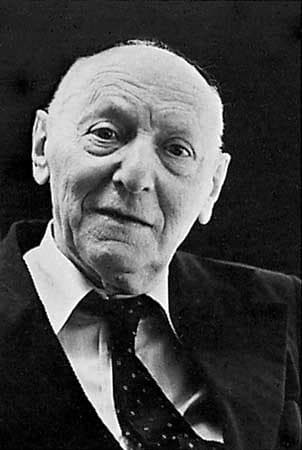
Isaac Bashevis Singer was a Polish-born Jewish-American novelist, short-story writer, memoirist, essayist, and translator. Some of his works were adapted for the theater. He wrote and published first in Yiddish and later translated his own works into English with the help of editors and collaborators. He was awarded the Nobel Prize for Literature in 1978. A leading figure in the Yiddish literary movement, he was awarded two U.S. National Book Awards, one in Children's Literature for his memoir A Day of Pleasure: Stories of a Boy Growing Up in Warsaw (1970) and one in Fiction for his collection A Crown of Feathers and Other Stories (1974).
Similar books
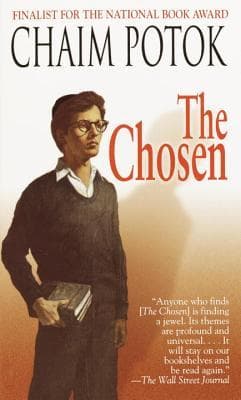
- The Chosen
Chaim Potok
3.9 (253) average on GoodreadsFantasyWhile both explore Jewish identity and religious conflict, Potok focuses more on intellectual and communal aspects of faith, particularly within Hasidic Judaism, whereas Singer delves into individual moral failings, temptation, and mystical repentance.
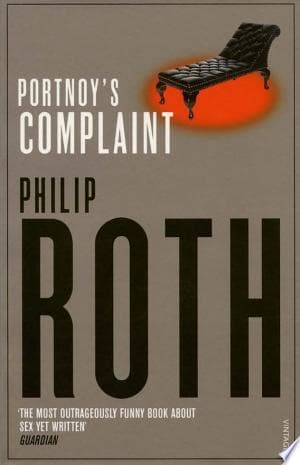
- Portnoy's Complaint
Philip Roth
3.7 (59k) average on GoodreadsLiterary FictionBoth deal with Jewish identity and sexual transgression. However, Roth approaches these themes with a satirical, irreverent, and often comedic tone, contrasting sharply with Singer's more somber, spiritually charged, and morally earnest exploration of sin and atonement.
- To Kill a Mockingbird
Harper Lee
4.3 (4.5M) average on GoodreadsHistorical FictionIn the 1930s Jim Crow South, Harper Lee writes about racial injustice, moral growth, and the quiet courage of a lawyer father, Atticus Finch, as seen through his young daughter's eyes.
- The Great Gatsby
F. Scott Fitzgerald
3.9 (3.8M) average on GoodreadsHistorical FictionIn the opulent Roaring Twenties, a mysterious millionaire's lavish parties hide his desperate, tragic pursuit of a lost love, exposing the emptiness within the American Dream.
- Pride and Prejudice
Jane Austen
4.3 (3M) average on GoodreadsHistorical FictionIn a society focused on status and money, Elizabeth Bennet navigates love and pride, challenging Mr. Darcy and social expectations to find true affection.
- Angels & Demons
Dan Brown
3.9 (2.7M) average on GoodreadsThrillerA Harvard symbologist races through Rome's ancient sites, deciphering cryptic clues to unmask the Illuminati and stop a vengeful plot to destroy the Vatican with a stolen antimatter weapon.




Enjoyed the summary?
A summary gives you the shape of the book. The book itself has the detail, the examples and the voice.
Find The Magician of Lublin on AmazonAs an Amazon Associate, BookBrief earns from qualifying purchases. How we're funded