

Synopsis
Covers the whole plot, including the ending.
- Difficulty
- Easy
- Pacing
- Slow
- Mood
- Melancholy, Reflective, Patriotic, Somber
- Read it if
- You're interested in American historical fiction with a strong moral message, or a poignant character study of regret and patriotism.
- Skip it if
- You prefer fast-paced action or stories with clear, external conflicts rather than internal character struggles.
The Man Without A Country Plot Summary
Covers the whole plot, including the ending.
The Framing Narrative and Introduction of Nolan
The story begins with a framing narrative. The unnamed narrator, an old naval officer, thinks about his long career and the people he has met. He remembers a strange case from his youth, a man named Philip Nolan, whose name was rarely spoken and whose story was kept secret. The narrator hints at a serious wrong committed by Nolan, which led to a unique and severe punishment. He explains that Nolan's story is not widely known because the government hid the details, hoping to bury the memory of such a shameful act. The narrator, however, feels he must share Nolan's tragic tale as a warning.
Nolan's Treason and Renunciation
The narrator describes Nolan's past, detailing his involvement with Aaron Burr's conspiracy in 1807. Philip Nolan, a young, ambitious, but misguided American Army Lieutenant, is implicated in Burr's plans against the United States. During his court-martial for treason, Nolan, in a moment of youthful arrogance and frustration, publicly declares, 'Damn the United States! I wish I may never hear of the United States again!' This impulsive statement, made without truly thinking about its seriousness, seals his fate. The court, shocked by his outburst, sees his words as a profound and unforgivable act of disloyalty, setting the stage for his unusual sentence.
The Unprecedented Sentence
After hearing Nolan's hasty renunciation, the judge, after talking with other officials, announces an unprecedented sentence. Taking Nolan at his word, the court condemns him to live the rest of his days at sea, on various naval vessels, with the explicit instruction that he should 'never hear of the United States again.' This means no one on board can speak of his native country, show him maps of it, or let him read any news or literature about America. The goal is to completely remove the United States from Nolan's life, making his wish a literal and permanent reality. This unique punishment begins immediately, isolating Nolan from the world he once knew.
Life Aboard Ship and Enforced Ignorance
Nolan's sentence begins immediately. He is moved from ship to ship, serving on various naval expeditions around the world. Each captain receives strict orders about his confinement: Nolan is to be treated with courtesy, but he cannot be given any information about the United States. Maps are kept from him, conversations about America stop when he is present, and he cannot read American newspapers or books. At first, Nolan might have seen this as a minor annoyance, but as years pass, the deep isolation and the constant, deliberate silence about his homeland begin to wear on his spirit. He becomes a living ghost, adrift in a world where a significant part of his identity is forbidden.
Nolan's Growing Remorse and Desperation
As years pass, Nolan's initial arrogance and indifference are replaced by deep and painful remorse. He begins to understand the true weight of his youthful curse. The constant, forced silence about the United States troubles him. He tries subtle ways to get information, asking indirect questions or trying to read the expressions of those around him, but the officers and crew are careful to follow their orders. Nolan's desperation grows, and he starts to show signs of mental and emotional distress, often withdrawing or showing a quiet, deep sadness. His punishment, first meant as a literal fulfillment of his wish, has become a cruel and relentless psychological torture.
A Glimpse of Home: The 'Lay of the Last Minstrel'
One moving incident the narrator describes involves Nolan overhearing a young officer reading aloud from Sir Walter Scott's 'Lay of the Last Minstrel.' The officer, unaware of the specific prohibition, reads a line that mentions America. Nolan's reaction is immediate and strong. He visibly trembles, his eyes wide with pain and longing. This brief, accidental exposure to a piece of his forbidden past deeply affects him, showing the depth of his hidden patriotism and the agony of his isolation. The incident reminds the crew of the severity of Nolan's sentence and the tragedy of his self-imposed exile.
The French Frigate Encounter
During a naval battle with a French frigate, Nolan, despite his unusual status, shows remarkable courage and strategic thinking. He advises the American captain on the best course of action, using his military knowledge and experience. His actions contribute significantly to the American victory. This display of bravery and loyalty, though not directly linked to his American identity, shows that a core sense of duty and belonging still exists within him. It is a moment where his inherent character shows, suggesting that beneath the 'man without a country,' there remains a man who, perhaps subconsciously, still identifies with the values and spirit of his homeland, even if he cannot speak its name.
The Kindness of Lieutenant Danforth
Over the decades, some officers, especially Lieutenant Danforth, feel deep pity for Nolan. Danforth, a kind and observant man, understands Nolan's psychological torment. He subtly tries to bring Nolan some comfort and connection, often by reading aloud from classical literature or history that does not directly mention the United States, but which might evoke a sense of shared human experience or the general principles of liberty and nationhood. Danforth also ensures Nolan has access to scientific instruments and books, letting him pursue intellectual interests and maintain his mental abilities, subtly acknowledging Nolan's humanity despite his unique punishment.
Nolan's Final Days and Request
Many years later, the narrator, now a senior officer, finds himself on the same ship as an aged and ill Nolan. Nolan, feeling his end is near, calls the narrator to his cabin. He makes a final, heartfelt request: to see a map of the United States. He explains that he has kept a small, tattered flag and an eagle emblem hidden for years, symbols of the country he so foolishly renounced. His cabin is filled with objects he has collected over his long exile, each a subtle, coded reminder of his lost homeland. This moment shows the depth of his repentance and his desperate yearning for reconciliation with the country he scorned.
The Revelation and Nolan's Death
The narrator, deeply moved by Nolan's plea, brings him a map of the United States. Nolan traces its outline with trembling fingers, his eyes filled with tears. He confesses his deep regret for his youthful outburst, repeating his love for his country. He reveals that his hidden flag and eagle were his only comfort, his secret connection to the land he was forbidden to acknowledge. Nolan dies shortly after, clutching the map and his symbols of patriotism. His final words are a quiet affirmation of his American identity, a poignant end to a life defined by a single, rash statement and decades of deep, self-inflicted exile. The narrator ensures Nolan is buried at sea, draped in an American flag.
Principal Figures
Philip Nolan
Protagonist
A U.S. Army Lieutenant condemned to live without a country.
Philip Nolan is a young, intelligent, and initially arrogant U.S. Army Lieutenant implicated in Aaron Burr's conspiracy. His defining characteristic is his impulsive, defiant outburst during his court-martial, where he wishes never to hear of the United States again. Throughout his decades of exile, Nolan transforms from a proud, misguided youth into a deeply remorseful and melancholic old man, haunted by his past words. He is driven by a subconscious, and later conscious, yearning for the homeland he renounced, a longing that grows with each passing year of enforced ignorance.
Relationships: Aaron Burr (co-conspirator in a treasonous plot); The Narrator (confidante in his final days; observer of his punishment); Lieutenant Danforth (compassionate officer who tries to alleviate his suffering)
The Narrator
Supporting
An old naval officer who recounts Nolan's story from personal experience.
The unnamed narrator is a seasoned naval officer who first encountered Philip Nolan as a young man and later witnessed his final days. He serves as the primary storyteller, presenting Nolan's tale as a cautionary lesson. The narrator is observant, empathetic, and deeply affected by Nolan's plight, viewing his punishment as both just and tragically severe. He represents the voice of patriotic duty and moral reflection, using Nolan's story to highlight the importance of national loyalty and the profound consequences of renouncing one's country. His role is to frame the narrative and provide a personal, eyewitness account.
Relationships: Philip Nolan (observer of his life and recipient of his final confessions)
Lieutenant Danforth
Supporting
A kind-hearted officer who shows empathy towards Nolan during his exile.
Lieutenant Danforth is one of the more compassionate officers who encounters Nolan during his long exile. He recognizes the immense psychological suffering Nolan endures and, while strictly adhering to the letter of Nolan's sentence, seeks to alleviate his loneliness and intellectual stagnation. Danforth provides Nolan with books on science and non-American history, and engages him in conversations that do not violate the prohibition, offering a degree of human connection and intellectual stimulation that is otherwise denied. He represents the human capacity for empathy and the desire to mitigate suffering, even for someone who has committed a grave transgression.
Relationships: Philip Nolan (a sympathetic guardian and intellectual companion)
Aaron Burr
Mentioned
Former Vice President of the U.S. and orchestrator of a treasonous conspiracy.
Aaron Burr is a historical figure, mentioned as the instigator of the conspiracy that ensnared Philip Nolan. His ambition and alleged schemes to establish an independent empire in the American Southwest serve as the backdrop for Nolan's initial downfall. Though he does not appear directly in the story, his influence is pivotal, as his actions lead to the court-martial and subsequent punishment of Nolan. Burr represents the external temptation and misguided political ambition that can lead individuals like Nolan astray from their national loyalty.
Relationships: Philip Nolan (the leader of the conspiracy Nolan was involved in)
The Judge/Court-Martial
Mentioned
The judicial body that pronounces Nolan's unique sentence.
The Judge and the court-martial represent the judicial authority and the solemnity of national law. They are responsible for interpreting Nolan's rash statement and devising his unprecedented punishment. Their decision reflects a stern, literal interpretation of his words, designed to serve as a powerful deterrent and a stark lesson in patriotism. While not individual characters, they embody the collective will of the nation to uphold its sovereignty and punish acts of disloyalty, however flippantly expressed.
Relationships: Philip Nolan (the body that condemns him)
The Various Captains and Officers
Supporting
Those responsible for enforcing Nolan's sentence throughout his life.
These are the numerous naval officers and captains under whose command Nolan serves during his decades of exile. They are bound by strict orders to prevent Nolan from ever hearing about the United States. While most adhere to the rules with professional diligence, some, like Danforth, show compassion, while others maintain a more detached, official demeanor. They collectively represent the unyielding nature of Nolan's punishment and the constant, inescapable presence of his self-imposed isolation. Their consistent enforcement of the rules highlights the gravity of Nolan's transgression.
Relationships: Philip Nolan (his jailers and companions in exile)
Themes & Insights
Patriotism and National Identity
This is the main theme, exploring the deep importance of loving and belonging to one's country. Nolan's initial, careless renunciation leads to a life-long punishment meant to strip him of his national identity, making him realize its invaluable worth. His deep, painful remorse and his secret collection of American symbols (flag, eagle) show that national identity is not just a legal status but a fundamental part of one's being. The story emphasizes that true patriotism is a deep loyalty that, once lost, creates an unbearable emptiness, as seen in Nolan's desperate longing for news of home.
“'And for a man to live without a country is to live without a name, without a home, without a purpose in life, without a God in the world.”
The Weight of Words and Consequences
The story clearly shows how a single, rash statement can have irreversible and devastating results. Nolan's casual 'Damn the United States! I wish I may never hear of the United States again!' spoken in anger, becomes the literal plan for his life's punishment. The court takes his words literally, turning a momentary outburst into a permanent reality. This theme warns against the dangers of thoughtless speech and highlights that words, especially those spoken publicly or under oath, carry immense power and can define one's destiny, even if later regretted.
“Young man, I am sorry for you, but you have renounced your country. You will never hear of the United States again.”
Repentance and Redemption
Nolan's life is a long, painful journey of repentance. His decades of forced ignorance and isolation gradually break down his arrogance, replacing it with deep remorse and a yearning for forgiveness. While his punishment is never officially ended, his final moments, where he openly expresses his love for his country and his regret, suggest a form of personal redemption. He dies a broken man, but one who has accepted his lost identity and found peace in his renewed, though secret, patriotism. The story implies that even the gravest mistakes can be made right through deep and sincere regret, even if the outward consequences remain.
“Tell me, Captain,' he said, 'that you will bury me in the sea; and I implore you, as you are a Christian man, that you will have my body wrapped in the flag of the United States.”
Justice vs. Mercy
The story shows a complex interaction between strict justice and a lack of mercy. Nolan's sentence is a literal fulfillment of his wish, a form of poetic justice. However, the long and absolute nature of his isolation raises questions about the humanity of such a punishment. While the court's decision is legally sound, the psychological torment Nolan endures for decades leads one to consider whether justice, without any room for mercy or change of heart, can become too cruel. Lieutenant Danforth's subtle acts of kindness highlight the human need for compassion even within a harsh sentence.
“The court has granted your request, sir. You are to have your wish. You will never again hear of the United States.”
Plot Devices & Literary Techniques
Framing Narrative
The story is told by an older naval officer recalling events from his past.
The use of a framing narrative, where an unnamed, elderly naval officer recounts Nolan's story, lends credibility and a sense of historical weight to the tale. It allows the author to present a seemingly incredible story as a 'true' recollection, enhancing its emotional impact and moral authority. The narrator's personal connection to Nolan, having witnessed parts of his life and his death, adds an intimate perspective, making the abstract concept of national loyalty more tangible and relatable. This device also allows for reflective commentary on the themes of patriotism and consequence.
Irony
Nolan's wish to never hear of the U.S. becomes his gravest punishment.
The central irony of the story lies in Nolan's impulsive wish to 'never hear of the United States again' being granted as his punishment. What he intended as a defiant dismissal becomes the literal and psychological torment of his life. This situational irony highlights the unforeseen and often devastating consequences of one's words and actions. It underscores the idea that sometimes, the most severe punishment is not an imposed suffering, but the literal fulfillment of a foolish desire, turning one's own words into a cage.
Symbolism
Objects like the flag and map represent Nolan's lost and reclaimed identity.
Various objects in the story carry significant symbolic weight. The hidden, tattered American flag and the eagle emblem in Nolan's cabin symbolize his enduring, suppressed patriotism and his desperate longing for his lost identity. They are his secret connection to the country he cannot name. The map of the United States, which Nolan clutches in his final moments, symbolizes his ultimate reconciliation with his homeland and the reclaiming of his national identity. These symbols provide a tangible representation of Nolan's internal struggle and his eventual repentance.
The Man Without A Country Quotes
“And the court, for the sake of its own self-respect, must pronounce upon him the sentence, that, as he has said he wishes to live and die an American, he shall have his wish. He shall have no country.”
“He never was permitted to hear the name of the United States. He never saw a newspaper that had been printed in the United States.”
“And the poor fellow, though he knows it not, is a type of a good many poor fellows that are living at home, and do not think they have a country either.”
“But a man without a country is a man without a name, without a home, without a friend.”
“I hope, young man, that you may be as true to the flag as your father was, and as I mean to be.”
“He was a man of fine talents, of generous impulses, and a noble heart; but he had been led astray by bad company.”
“And the great lesson of his life is, that a man's country is his all.”
“He died a good Christian, and a good American.”
“I have been for fifty-five years a man without a country. I have been for fifty-five years a man without a name.”
“Never hear the name of home again! Never hear the name of country again!”
“And the flag, sir, the flag! It is a grand old flag, and I hope it will wave over a country where every man is free to speak his mind.”
“You may have a country, and you may not. You may have a name, and you may not. But you will never have a home.”
“The country is not the soil, nor the government, nor the flag, though these are all parts of it. The country is the people.”
Quiz
10 questions on the plot and the characters. Each answer comes with a short explanation.
Question 1
In what year was 'The Man Without A Country' first published?
- 1807
- 1863
- 1865
- 1876
Show answer
B. 1863 'The Man Without A Country' was first published in 1863, during the height of the American Civil War.
Question 2
What is the name of the American Army Lieutenant who renounces his country?
- Aaron Burr
- Edward Everett
- Philip Nolan
- Abraham Lincoln
Show answer
C. Philip Nolan The protagonist of the story, the American Army Lieutenant who renounces his country, is named Philip Nolan.
Question 3
What specific phrase does Philip Nolan utter during his trial that leads to his unique punishment?
- “I regret nothing.”
- “I never wanted to hear about the United States again.”
- “Long live the Confederacy!”
- “I am innocent of all charges.”
Show answer
B. “I never wanted to hear about the United States again.” Philip Nolan's fateful words during his trial were that he 'never wanted to hear about the United States again,' which the Judge then granted as his sentence.
Question 4
What was the primary purpose of publishing 'The Man Without A Country' during the Civil War?
- To entertain soldiers with a fictional tale.
- To provide a historical account of Aaron Burr's treason.
- To help the Union recruit soldiers and people to their cause.
- To criticize the judicial system of the early 19th century.
Show answer
C. To help the Union recruit soldiers and people to their cause. The story was published during the Civil War to serve as propaganda, helping the Union recruit soldiers and rally support for their cause.
Question 5
How did Philip Nolan spend the rest of his life after his sentencing?
- In a secluded prison cell on land.
- Working as a diplomat in foreign countries.
- On Navy ships around the world, forbidden to hear about the U.S.
- As an exile in Canada, never returning to the U.S.
Show answer
C. On Navy ships around the world, forbidden to hear about the U.S. Nolan's sentence was to spend his life on Navy ships, sailing around the world, with explicit instructions that no one was to mention the United States to him.
Question 6
Who was Aaron Burr, and what was his connection to Philip Nolan?
- Burr was the Judge who sentenced Nolan.
- Burr was the President at the time of Nolan's trial.
- Nolan got entangled with Aaron Burr in 1807, leading to his treason trial.
- Burr was a fellow officer who testified against Nolan.
Show answer
C. Nolan got entangled with Aaron Burr in 1807, leading to his treason trial. Philip Nolan's entanglement with Aaron Burr in 1807 was the event that led to Nolan's trial for treason.
Question 7
What was the specific instruction given to officers and crew regarding Philip Nolan?
- They were to encourage him to recant his statement.
- They were not allowed to mention the United States.
- They were to keep him in solitary confinement at all times.
- They were to provide him with daily news updates from the U.S.
Show answer
B. They were not allowed to mention the United States. As part of his unique punishment, officers and crew were strictly forbidden from mentioning the United States to Philip Nolan.
Question 8
What significant historical event was occurring in 1863 when the story was published, influencing its patriotic message?
- The War of 1812
- The American Revolutionary War
- The height of the Civil War
- The Mexican-American War
Show answer
C. The height of the Civil War The story was published during the height of the Civil War, making its theme of patriotism and renouncing one's country particularly impactful for the Union cause.
Question 9
How did Edward Everett Hale's uncle, Edward Everett, react to Lincoln's Gettysburg Address, especially in comparison to his own two-hour speech?
- He felt Lincoln's speech was too short and ineffective.
- He criticized Lincoln for not giving him proper credit.
- He immediately congratulated Lincoln, acknowledging Lincoln's speech was superior despite its brevity.
- He ignored Lincoln's speech and focused on his own address.
Show answer
C. He immediately congratulated Lincoln, acknowledging Lincoln's speech was superior despite its brevity. Edward Everett, a 'total patriot and honest man,' immediately congratulated Lincoln, stating, 'You have done far better in your two minutes than I did in my 2 hours.'
Question 10
What is the overarching theme conveyed by Philip Nolan's fate in 'The Man Without A Country'?
- The importance of international travel and exploration.
- The severe consequences of renouncing one's nation and the value of patriotism.
- The flaws in the early American judicial system.
- The loneliness of life at sea.
Show answer
B. The severe consequences of renouncing one's nation and the value of patriotism. The story serves as a powerful cautionary tale, emphasizing the severe consequences of renouncing one's nation and highlighting the profound value and importance of patriotism.
The Man Without A Country FAQ
What is the central premise of 'The Man Without A Country'?
'The Man Without A Country' tells the story of Philip Nolan, an American Army Lieutenant who, during his 1807 trial for treason related to Aaron Burr's conspiracy, famously renounces his country. As a result, he is sentenced to spend the rest of his life on naval ships, never to hear or speak of the United States again.
Who is Philip Nolan and what leads to his unusual punishment?
Philip Nolan is a young American Army Lieutenant who becomes entangled with Aaron Burr's alleged conspiracy in 1807. During his trial, out of frustration or arrogance, he declares, 'I wish I may never hear of the United States again!' This outburst leads the presiding judge to grant his wish as a literal and profound punishment, exiling him to a life at sea without any mention of his homeland.
How does Nolan's sentence manifest in his daily life aboard the ships?
Nolan's sentence dictates that no one on board the naval ships he inhabits is permitted to mention the United States in his presence. Maps with American territory are hidden, newspapers are censored, and any form of communication about his home country is strictly forbidden, creating an agonizing isolation from his national identity.
What is the historical context of the story's publication?
The story was first published in 1863, at the height of the American Civil War. Edward Everett Hale intended it as a piece of patriotic propaganda to bolster Union morale, encourage enlistment, and emphasize the grave consequences of disloyalty and renouncing one's nation during a time of national crisis.
How does Nolan eventually come to regret his impulsive statement?
Over the decades of his exile, Nolan's initial defiance slowly transforms into profound regret and a deep longing for his lost country. He collects information about the U.S. in secret, showing a hidden patriotism that grows stronger with each passing year, ultimately dying with a fervent desire to see his nation again.
Are there any subtle clues about the passage of time during Nolan's exile?
The story subtly indicates the passage of time through references to historical events that Nolan observes or hears about indirectly, such as naval battles or changes in world leadership, without ever explicitly linking them to the United States. His aging appearance and the changing faces of the crews also mark the decades.
How does the narrative voice contribute to the story's impact, considering it's told by an unnamed narrator?
The unnamed narrator, often presented as an officer who encountered Nolan, lends an air of authenticity and historical detachment to the tale. This perspective allows the reader to observe Nolan's suffering and transformation without direct authorial judgment, making the moral lesson more impactful.
What role does the secrecy surrounding Nolan's identity play among the crew members?
The secrecy surrounding Nolan's past and the strict prohibition against discussing the U.S. creates an aura of mystery and pity among the crew. Younger officers often learn of his unique punishment over time, fostering a sense of shared responsibility in maintaining his isolation while also observing his quiet suffering.
How does Philip Nolan's psychological journey evolve throughout his decades of exile?
Nolan's psychological journey begins with defiant arrogance, which gradually gives way to deep remorse, profound loneliness, and an intense, almost desperate, longing for the country he so carelessly renounced. His internal suffering becomes a silent testament to the value of national identity.
What is the psychological impact of never hearing one's home country mentioned?
The psychological impact of never hearing the United States mentioned is profound and isolating. It creates a vacuum of identity, denying Nolan any connection to his past, culture, or fellow citizens, leading to a deep sense of alienation and a constant, unfulfilled yearning for belonging.
How does Nolan cope with his extreme isolation and lack of national identity?
Nolan copes by immersing himself in intellectual pursuits, reading extensively, and maintaining a dignified demeanor. However, his true coping mechanism is a hidden, growing patriotism, revealed in his secret collection of American news and his desperate desire for a flag and news of home in his final moments.
Does Nolan ever truly forgive himself for his youthful outburst, or does regret consume him until the end?
While Nolan never explicitly verbalizes self-forgiveness, his actions in his later years, such as his meticulous collection of American news and his dying wish to see the U.S. flag, suggest a profound acceptance of his punishment coupled with overwhelming regret. His final moments are consumed by a desperate longing for redemption and reconciliation with his nation.
Is Nolan's punishment ultimately just or excessively cruel?
This is a point of debate. Some argue it's just, as he explicitly wished to never hear of the U.S. again, and his suffering serves as a powerful deterrent against treason. Others view it as excessively cruel, a lifelong psychological torment for a moment of youthful hubris, denying him any chance of true reconciliation or redemption.
How does the story comment on the nature of patriotism and national identity?
The story profoundly comments on patriotism by illustrating that national identity is not merely a legal status but a deep, intrinsic part of one's being. Nolan's suffering demonstrates that true patriotism is often only fully appreciated when it is lost, emphasizing the profound human need for belonging to a nation.
Could Nolan's sentence be interpreted as a form of psychological torture rather than a practical exile?
Yes, many interpret Nolan's sentence as a sophisticated form of psychological torture. By denying him any information or connection to his homeland, the punishment targets his very sense of self and belonging, creating an enduring mental anguish that far exceeds mere physical confinement.
What is the significance of the story being published during the Civil War?
Its publication during the Civil War is highly significant. It served as a powerful allegory for loyalty and disloyalty, reminding Union citizens of the gravity of renouncing one's country and the profound, lifelong consequences of treason, thereby bolstering patriotic fervor for the Union cause.
How does Edward Everett Hale's personal background, particularly his uncle Edward Everett's patriotism, influence the story?
Edward Everett Hale's background, particularly his uncle Edward Everett's fervent patriotism and his famous Gettysburg address, deeply influenced the story. It instilled in Hale a profound respect for national unity and loyalty, which he channeled into 'The Man Without A Country' to inspire similar devotion during a national crisis.
Does the story offer any hope for redemption or is it solely a cautionary tale?
While primarily a cautionary tale about the consequences of disloyalty, the story also offers a nuanced form of redemption. Nolan's profound regret, his secret patriotism, and his dying wish to be reconciled with his country suggest an internal redemption, even if his external punishment remains until his death.
About the author
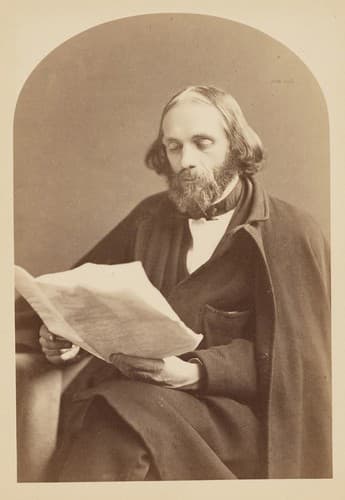
Edward Everett Hale was an American author and clergyman known for his works of fiction in the 19th century. He is best remembered for "The Man Without A Country," a short story that explores themes of patriotism and exile. Hale's writing often reflected his social and political beliefs, contributing to discussions of national identity during his era.
Similar books
- The Red Badge of Courage
Stephen Crane
3.3 (92k) average on GoodreadsHistorical FictionClassic American Civil War era story exploring themes of courage, fear, and national identity.
- Uncle Tom's Cabin
Harriet Beecher Stowe
3.9 (198k) average on GoodreadsHistorical FictionWhile both The Man Without a Country and Uncle Tom's Cabin were immensely influential during the Civil War era and employed emotional appeals, Stowe's novel tackled the specific social evil of slavery with a broader cast of characters and more explicit political critique. Hale's work is more narrowly focused on the abstract concept of national loyalty and its psychological implications, rather than a specific social injustice. Stowe's narrative is arguably more sprawling and aims for a direct call to action against slavery, whereas Hale's is a more introspective and cautionary tale about personal identity and allegiance.
- To Kill a Mockingbird
Harper Lee
4.3 (4.5M) average on GoodreadsHistorical FictionIn the 1930s Jim Crow South, Harper Lee writes about racial injustice, moral growth, and the quiet courage of a lawyer father, Atticus Finch, as seen through his young daughter's eyes.
- The Great Gatsby
F. Scott Fitzgerald
3.9 (3.8M) average on GoodreadsHistorical FictionIn the opulent Roaring Twenties, a mysterious millionaire's lavish parties hide his desperate, tragic pursuit of a lost love, exposing the emptiness within the American Dream.
- Pride and Prejudice
Jane Austen
4.3 (3M) average on GoodreadsHistorical FictionIn a society focused on status and money, Elizabeth Bennet navigates love and pride, challenging Mr. Darcy and social expectations to find true affection.
- Angels & Demons
Dan Brown
3.9 (2.7M) average on GoodreadsThrillerA Harvard symbologist races through Rome's ancient sites, deciphering cryptic clues to unmask the Illuminati and stop a vengeful plot to destroy the Vatican with a stolen antimatter weapon.





Enjoyed the summary?
A summary gives you the shape of the book. The book itself has the detail, the examples and the voice.
Find The Man Without A Country on AmazonAs an Amazon Associate, BookBrief earns from qualifying purchases. How we're funded