Estimated read time: 10 min read
Table of Contents
- List of Characters
- Role Identification
- Character Descriptions
- Character Traits
- Character Background
- Character Arcs
- Relationships
- Thematic Analysis Through Character
- Character Development: In-Depth Analysis
- Relationships and Their Evolution
- Comparative Character Table
- Lessons from Character Arcs
- Detailed Character Trait Table
- Symbolic Interpretations
- Character Interactions: Key Scenes
- Conclusion: Character Analysis Synthesis
List of Characters
| Character | Description | Role in the Story |
|---|---|---|
| The Missing Piece | A small, wedge-shaped piece seeking completion. | Protagonist |
| The Circle | A nearly complete circle searching for its piece. | Important secondary character |
| Obstacles (Metaphoric) | Rocks, insects, and others along the journey. | Symbolic/Environmental |
Role Identification
| Character | Role Type | Significance |
|---|---|---|
| The Missing Piece | Protagonist | Drives the story's central quest |
| The Circle | Mentor/Companion | Provides insight on completion and happiness |
| Obstacles | Symbolic Antagonists | Challenge the protagonist's journey |
Character Descriptions
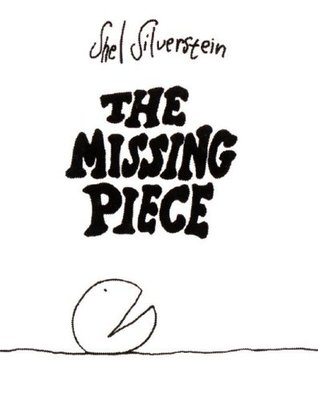
The Missing Piece
- A wedge-shaped figure.
- Drawn simply, showing vulnerability and hope.
- Constantly searching for a place to belong.
- Personifies the universal quest for fulfillment.
The Circle
- A nearly complete, rolling circle.
- Only missing a small wedge (the Missing Piece).
- Appears content and stable, even while incomplete.
- Represents acceptance and self-completion.
Obstacles (Metaphoric)
- Includes rocks, insects, and environmental barriers.
- Not personified, but serve as crucial elements in the journey.
- Symbolize life's unpredictable challenges.
Character Traits
| Character | Key Traits | Evidence in Story |
|---|---|---|
| The Missing Piece | Hopeful, naive, persistent, adaptable | Continues searching despite setbacks |
| The Circle | Wise, accepting, content, self-sufficient | Rolls smoothly, teaches by example |
| Obstacles | Impersonal, challenging | Block or hinder progress, provoke problem-solving |
Character Background
The Missing Piece
The Missing Piece is introduced as incomplete. Its world revolves around finding a place where it fits. The piece’s existence is defined by longing. It meets various circles, each different. Some circles are too big, some too small. The piece’s interactions reveal a lack of self-understanding. Each failed attempt at fitting in shapes its outlook and resilience.
The Circle
The Circle appears later in the book. Unlike others, this Circle is not searching for completion. It has learned to roll smoothly despite its missing part. The Circle’s background is implied through its actions. It embodies acceptance and self-love, having found joy in imperfection.
Obstacles
Obstacles consist of inanimate objects and environmental challenges. Their “background” is their purpose: to test the Missing Piece’s resolve. These elements are present throughout the journey, providing opportunities for growth.
Character Arcs
The Missing Piece
| Stage | Description | Impact on Character |
|---|---|---|
| Initial Longing | Feels incomplete, actively seeks circles to “complete” itself | Establishes motivation, innocence |
| Encounters Rejection | Fails to fit with many circles, faces disappointment | Develops resilience |
| Temporary Fit | Finds a circle it fits into, but cannot sing or enjoy the journey | Realizes fitting in isn’t always fulfilling |
| Self-Discovery | Leaves the circle, continues journey alone, learns to appreciate the adventure | Gains maturity, independence |
The Circle
| Stage | Description | Impact on Character |
|---|---|---|
| Appears Incomplete | Rolls while missing a piece, not searching for completion | Shows contentment in imperfection |
| Encounters the Piece | Meets the Missing Piece, but does not attach it | Demonstrates wisdom, self-acceptance |
Obstacles
| Stage | Description | Impact on Character |
|---|---|---|
| Various Appearances | Rocks, insects, and others appear at intervals | Test the Missing Piece’s determination |
Relationships
The Missing Piece and Circles
| Relationship Type | Nature of Interaction | Effect on the Missing Piece |
|---|---|---|
| Seeker and Potential Fit | The Missing Piece attempts to join with circles in hopes of completion | Drives the journey, shapes self-image |
| Rejection and Growth | Circles reject the Piece for being too big or small | Teaches resilience, patience |
| Temporary Union | Fits with a circle and rolls, but loses joy | Sparks self-discovery |
| Final Encounter | Meets a circle that has accepted its own imperfection | Models self-acceptance |
The Missing Piece and Obstacles
| Relationship Type | Nature of Interaction | Effect on the Missing Piece |
|---|---|---|
| Adversarial | Obstacles hinder movement, force detours | Promotes adaptability, problem-solving |
| Transformative | Overcoming obstacles builds confidence | Fosters growth, independence |
Thematic Analysis Through Character
The Missing Piece’s Quest: Search for Wholeness
The Missing Piece’s journey mirrors the human pursuit of fulfillment. It believes finding the right fit will end its longing. However, the continuous failures and eventual dissatisfaction with “fitting in” challenge this assumption. Through the protagonist, the story explores the pitfalls of seeking completion through external means.
The Circle’s Wisdom: Happiness in Imperfection
The Circle represents a counterpoint. It is content despite its missing section. This character models the idea that happiness comes from embracing imperfection. The Circle’s journey is not defined by seeking, but by being. Its interaction with the Missing Piece is brief, but profound.
Obstacles: Life’s Challenges as Growth Opportunities
Obstacles encountered by the Missing Piece are metaphors for life’s challenges. Each one demands flexibility and perseverance. Rather than being purely negative, these roadblocks shape the protagonist’s journey. They are essential for the character’s development.
Character Development: In-Depth Analysis
The Missing Piece
Early Stages: Innocence and Hope
When the story begins, the Missing Piece is naive. It believes that only by finding the perfect fit can it be happy. This stage is marked by hopeful anticipation. The piece’s optimism is endearing, but also limiting.
Encounters and Failures: Building Resilience
The Missing Piece meets many circles. Each one offers hope, but none are right. Some reject the piece outright, others are incompatible. These failures are painful, but necessary. With each setback, the piece learns more about itself.
Temporary Fulfillment: Disillusionment
Eventually, the Missing Piece finds a circle it fits into. For a moment, it seems complete. However, this union comes at a cost. The piece can no longer sing or enjoy the scenery. Movement is smooth, but joyless. This realization is crucial. The protagonist learns that “fitting in” does not guarantee happiness.
Independence and Growth: Self-Discovery
After leaving the circle, the Missing Piece continues alone. It sings, enjoys the world, and rolls at its own pace. The journey becomes meaningful in itself. The character’s arc moves from dependency to independence. Fulfillment is found in self-acceptance, not external validation.
The Circle
Acceptance of Imperfection
The Circle is at peace with its own incompleteness. It does not seek the Missing Piece to be whole. Instead, it models a life lived fully, despite imperfection. The Circle’s presence in the story is brief, but pivotal. It offers a silent lesson in self-acceptance.
Impact on the Missing Piece
The Circle’s contentment challenges the Missing Piece’s worldview. Through this interaction, the protagonist questions its own assumptions. The Circle’s wisdom leaves a lasting impression, nudging the piece toward self-discovery.
Obstacles
Agents of Change
Obstacles in “The Missing Piece” are not villains. They are essential elements of the journey. Each one demands creative problem-solving. The Missing Piece must adapt, learning to go over, around, or through barriers. This process strengthens its character.
Symbolism
These challenges represent the unpredictable difficulties of life. Rather than defeating the protagonist, they provide opportunities for growth. The obstacles ensure that the journey is transformative, not just aimless wandering.
Relationships and Their Evolution
The Missing Piece and the World
The protagonist’s relationship with its environment is dynamic. Initially, the world feels hostile and unaccommodating. But as the Missing Piece changes, so does its perception. The journey becomes less about finding a perfect fit, and more about embracing the adventure.
The Missing Piece and Itself
The most profound relationship is the one the Missing Piece has with itself. Early on, it lacks self-awareness. Its identity is defined by what it lacks. Through experience, it learns to appreciate its own company. The journey is as much internal as it is external.
The Missing Piece and Other Circles
Other circles serve as mirrors. They reflect the protagonist’s desires and insecurities. Each failed connection pushes the piece inward, prompting reflection. Ultimately, the protagonist realizes that wholeness comes from within.
Comparative Character Table
| Character | Beginning State | Key Change | End State |
|---|---|---|---|
| The Missing Piece | Longing, seeking external completion | Learns through failure and temporary fulfillment | Self-accepting, independent |
| The Circle | Content, accepting own imperfection | Serves as a mentor or example | Unchanged, continues rolling peacefully |
| Obstacles | Impersonal, challenging | Present new challenges, demand adaptation | Continue to shape journey |
Lessons from Character Arcs
The Missing Piece
- Fulfillment does not come from “fitting in” with others.
- True growth requires independence and self-acceptance.
- Life’s journey is more meaningful than its destination.
The Circle
- Contentment is possible without perfection.
- Self-acceptance is powerful and liberating.
- Others may seek to “complete” us, but our happiness is our own.
Obstacles
- Challenges are inevitable, but not insurmountable.
- Each obstacle is an opportunity for learning and growth.
- Resilience is built through overcoming adversity.
Detailed Character Trait Table
| Character | Optimism | Resilience | Independence | Wisdom | Contentment | Adaptability |
|---|---|---|---|---|---|---|
| The Missing Piece | High | Growing | Low → High | Low → High | Low → High | Medium → High |
| The Circle | Medium | High | High | High | High | High |
| Obstacles | N/A | N/A | N/A | N/A | N/A | N/A |
Symbolic Interpretations
The Missing Piece
- Represents the universal desire for belonging.
- Symbolizes the journey from dependency to autonomy.
- Embodies the struggle to accept oneself.
The Circle
- Symbolizes wholeness, even when “incomplete.”
- Represents the wisdom of self-acceptance.
- Acts as a guiding figure without imposing change.
Obstacles
- Embody the unpredictability of life.
- Serve as necessary catalysts for growth.
- Highlight the importance of perseverance.
Character Interactions: Key Scenes
Scene Breakdown Table
| Scene Description | Characters Involved | Character Development |
|---|---|---|
| The Missing Piece searching for circles | The Missing Piece, Circles | Highlights longing, sets up journey |
| Rejection by incompatible circles | The Missing Piece, Circles | Builds resilience, fosters growth |
| Temporary union with a fitting circle | The Missing Piece, Circle | Leads to revelation about true happiness |
| Leaves the circle, continues alone | The Missing Piece | Marks self-realization and independence |
| Encounters obstacles and adapts | The Missing Piece, Obstacles | Develops problem-solving, confidence |
Conclusion: Character Analysis Synthesis
“The Missing Piece” by Shel Silverstein offers a rich exploration of character through minimalist storytelling. The protagonist’s journey is both literal and metaphorical. The Missing Piece starts out longing for completion, seeking it in others. Through various encounters, rejections, and challenges, it matures. The greatest lesson comes not from finding a perfect fit, but from learning to enjoy the journey.
The Circle, as a supporting character, models an alternative path. Its self-acceptance and contentment contrast with the protagonist’s initial insecurity. This juxtaposition provides a powerful message about the nature of happiness.
Obstacles, though not characters in the traditional sense, play a crucial role. They challenge, shape, and ultimately strengthen the Missing Piece. Through their presence, the story emphasizes resilience and adaptability.
In summary, Silverstein’s characters are archetypes that speak to universal human experiences. The Missing Piece’s transformation—from dependent seeker to self-sufficient traveler—is a testament to the power of inner growth. The Circle’s wisdom reinforces the idea that perfection is neither necessary nor attainable. Together, these characters create a simple yet profound meditation on fulfillment, self-worth, and the beauty of imperfection.