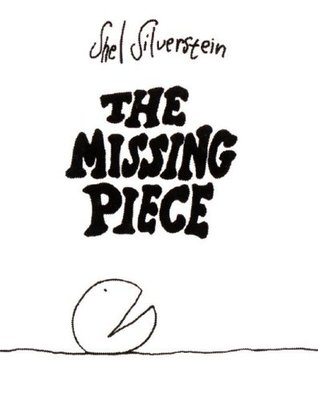
"The Missing Piece" Quiz
A lonely, incomplete circle sets out on a journey to find its missing piece, discovering along the way that happiness comes from self-acceptance rather than completion.
poetry | 112 pages | Published in NaN
Play the quiz
Test your knowledge about the book "The Missing Piece". We have come up with 5 quiz questions for the book. Hit play and start testing your knowledge. Each correctly answered question gives one point.
5 questions available
Essay questions
These essay questions are meant to be used as a starting point for your essay or research paper.
- Discuss the symbolism of the 'missing piece' in Shel Silverstein’s book. What does it represent, and how does it relate to the theme of personal fulfillment?
- Analyze the journey of the main character. How does the journey shape its understanding of happiness and self-acceptance?
- How does Shel Silverstein use simple illustrations and language to convey complex ideas in 'The Missing Piece'?
- Examine the interactions between the main character and the various 'pieces' it encounters. What do these encounters reveal about compatibility and relationships?
- What role does patience play in the main character’s search for its missing piece? How is this theme developed throughout the story?
- How does 'The Missing Piece' challenge the conventional idea that finding someone or something to 'complete you' leads to happiness?
- Discuss the ending of the book. What message does Silverstein convey about self-sufficiency and contentment?
- In what ways can 'The Missing Piece' be interpreted as a metaphor for the human experience? Give examples from the text.
- Explore the use of repetition and pacing in the narrative. How do these elements affect the reader’s understanding of the main character’s journey?
- Consider the book’s appeal to both children and adults. What universal themes make 'The Missing Piece' relatable across ages?
- How do the various shapes and sizes of the pieces the character meets represent different types of relationships or life experiences?
- Analyze how Silverstein addresses the concept of change and growth in 'The Missing Piece'. What evidence from the book supports your analysis?
- What is the significance of the main character’s ability to roll smoothly by the end of the story? How does this relate to the book’s overall message?
- How does the minimalist style of the book contribute to its emotional impact?
- If you were to create an alternative ending to 'The Missing Piece', what would it be and why? How would it alter the book’s message?