
Estimated read time: 10 min read
One Sentence Summary
A lonely, incomplete circle sets out on a journey to find its missing piece, discovering along the way that happiness comes from self-acceptance rather than completion.
Table of Contents
Introduction
Imagine rolling through life, always searching for that one missing piece to make you whole. Shel Silverstein’s beloved classic, “The Missing Piece,” takes this simple quest and transforms it into a whimsical, philosophical journey. With his signature blend of playful line drawings and profound insight, Silverstein crafts a tale that resonates with children, college students, and seasoned professors alike. Published in 1976, the book quickly became a favorite for its gentle humor, existential undertones, and uncanny ability to get readers thinking—often with a smile.
Why does this slender, picture-filled book hold such enduring power? Because it asks the same questions we all face: What are we searching for? What really makes us whole? And what happens when we actually find what we’re looking for? Shel Silverstein, a poet, musician, and cartoonist, uses deceptively simple storytelling to dig deep into the human condition—inviting us on a journey that’s as fun as it is wise.
Historical Context
“The Missing Piece” rolled onto the literary scene in the mid-1970s—a time of cultural upheaval, self-discovery, and shifting social norms. The post-1960s era saw people questioning traditional values, seeking meaning beyond material success, and exploring forms of self-actualization. Against this backdrop, Silverstein’s book echoed a growing appetite for philosophical reflection, even in works aimed at younger audiences.
Silverstein himself was a product of his times, weaving together influences from Beat poetry, folk music, and the burgeoning counterculture. His work, like that of contemporaries Dr. Seuss and Maurice Sendak, blurred the line between children’s and adult literature, often appealing to both groups with layered meanings.
Brief Synopsis
Plot Overview
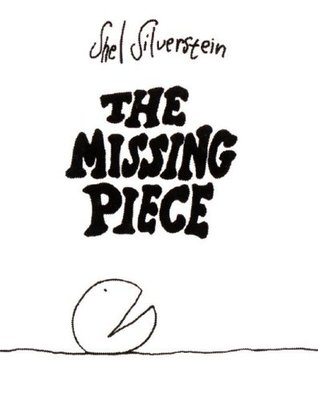
At its core, “The Missing Piece” is about a simple, circular creature with a wedge-shaped gap. This gap is, quite literally, the “missing piece” in its life. The creature sets out on a journey to find the perfect fit, encountering a series of adventures, mishaps, and philosophical musings along the way. It tries out various pieces—some too small, some too big, others just not quite right—meeting worms, butterflies, and even the occasional hungry beetle.
But the story isn’t just about finding a piece. It’s about what the search means, what it feels like to be incomplete, and the surprises that come when we finally “complete” ourselves. The ending (don’t worry—no spoilers here!) flips expectations, urging readers to question whether wholeness is truly the goal or if the journey itself is the real reward.
Setting
Silverstein’s world is minimalist—think stark black lines, white space, and a landscape that’s both everywhere and nowhere. There are rolling hills, occasional puddles, a bright sun, and the ever-present road. This spare environment puts all the focus on the journey itself, allowing readers to project their own experiences and emotions onto the rolling protagonist. The timeless, universal setting makes the story accessible and relatable no matter where or when you’re reading.
Main Characters
While “The Missing Piece” is not a cast-driven narrative, its few characters are deeply symbolic. Here’s a breakdown:
| Name | Role | Key Traits | Importance to Plot |
|---|---|---|---|
| The Circle (Protagonist) | Seeker of the missing piece | Curious, persistent, innocent | Drives the journey; symbol of human longing |
| The Missing Pieces | Potential fits for the gap | Diverse, fickle, ill-fitting | Represent the various things we try to “complete” ourselves |
| Creatures Met Along the Way | Worms, beetles, butterflies | Brief, comical, wise | Offer lessons, companionship, and obstacles |
Plot Summary
The Beginning: The Quest for Completion
Our story opens with the protagonist—a circular being with a wedge-shaped gap—rolling along and singing a little song. Immediately, Silverstein sets the tone: this is a joyful quest, not a tragic lament. The circle is self-aware, recognizing its incompleteness but embracing the journey ahead. It’s not in a hurry, stopping to chat with worms, admire flowers, and enjoy the scenery. This leisurely pace allows for moments of reflection and fun (and sometimes, frustration).
The Search: Trials and Errors
As the circle searches for its missing piece, it encounters many candidates. Some are too large, others too small. Some are the wrong shape, some break apart at the slightest nudge. Each failed attempt serves as both a humorous interlude and a metaphor for the mismatches we experience in life—be it in relationships, careers, or personal growth.
Anecdotes abound: the circle tries to fit a piece that is “just right” only to find it won’t join the journey. Another piece, though promising, doesn’t want to be part of the circle’s quest at all. These interactions are both funny and poignant, reminding us of the sometimes arbitrary nature of compatibility and the importance of acceptance.
Encounters: Lessons Along the Road
Throughout its journey, the circle meets a variety of characters: a worm who wriggles by, a butterfly who flutters past, and a beetle who offers sage advice. These brief encounters inject humor and warmth, while also serving as reminders that the journey isn’t just about the destination. The protagonist learns from each meeting, gaining insight into patience, joy, and the beauty of imperfection.
The Discovery: Finding the Perfect Piece
Eventually, the circle does find a piece that fits perfectly. At first, it’s ecstatic, singing a triumphant song and rolling faster than ever before. But soon, an unexpected realization dawns: with the gap filled, the circle can no longer sing, enjoy flowers, or chat with friends along the way. It’s a bittersweet moment, as the protagonist discovers that “completion” may come at the cost of the very things that made life enjoyable.
The Decision: Letting Go
In a moment of self-awareness, the circle makes a bold choice. Instead of clinging to its newfound wholeness, it decides to let the piece go, embracing once again the joys and sorrows of the journey. The story ends with the circle rolling off into the distance—still singing, still searching, but happier for the journey than for any destination.
Themes and Motifs
Silverstein’s deceptively simple tale is packed with themes and motifs that strike at the heart of the human experience:
| Theme/Motif | Description | Relevance to Readers |
|---|---|---|
| Quest for Wholeness | The search for something to “complete” us | Universal longing for meaning |
| Imperfection | Embracing flaws and gaps as part of life | Self-acceptance, authenticity |
| The Journey vs. Destination | Finding joy in the process, not just the result | Mindfulness, personal growth |
| Letting Go | Willingness to release what doesn’t serve us | Emotional maturity, resilience |
| Companionship | Connections made along the way | Value of community, relationships |
| Change and Adaptability | Accepting change as part of growth | Flexibility in facing challenges |
These themes are not just for children’s bedtime reflections. College students grappling with identity, lecturers pondering the meaning of success, and anyone feeling “incomplete” will find rich terrain for discussion and introspection.
Literary Techniques and Style
Silverstein’s literary style is as distinctive as his artwork—minimalist, playful, and deeply philosophical. Here’s how he makes such a simple story so resonant:
- Economy of Language: The text is sparse, letting the illustrations carry much of the emotional weight. Each word is carefully chosen, allowing for pauses and reflection.
- Conversational Tone: Silverstein writes as if whispering secrets to the reader, inviting us to laugh, ponder, and wonder along with the protagonist.
- Symbolism: The circle and its missing piece are universal symbols—open to interpretation as romantic partners, personal ambitions, or spiritual fulfillment.
- Humor and Pathos: There’s a sly humor in the circle’s misadventures, but also a gentle sadness that makes the story feel real.
- Visual Storytelling: The black-and-white line drawings are deceptively simple but packed with meaning. The circle’s expressions, the landscape, and even the way the piece fits (or doesn’t) tell the story as much as the words.
Silverstein’s style is a masterclass in showing rather than telling—making this book a favorite for literary analysis and creative writing classes.
Author’s Background
Few authors are as versatile as Shel Silverstein. Born in 1930, Silverstein was a poet, songwriter, cartoonist, and playwright. He wrote everything from the iconic children’s poetry collection “Where the Sidewalk Ends” to hit songs like “A Boy Named Sue” (made famous by Johnny Cash). His work appeared in Playboy, and his quirky humor and philosophical musings won him fans of all ages.
Silverstein’s influences ranged from folk music to Beat poetry, and he often blurred the lines between child and adult sensibilities. His works are marked by a refusal to talk down to children—he trusted his readers, no matter their age, to grapple with big ideas.
His legacy? A body of work that continues to inspire thoughtful laughter and deep conversations, whether in classrooms, dorm rooms, or around the family dinner table.
Key Takeaways
- Being incomplete isn’t a flaw—it’s part of being alive.
- The search for “wholeness” can be joyful and meaningful, even if we never find the perfect fit.
- Sometimes, the things we think will complete us actually limit our happiness.
- Letting go can open us up to new experiences and joys.
- True contentment often lies in the journey, not the destination.
- Embracing imperfection and change leads to growth and self-acceptance.
Reader’s Takeaway
Whether you’re a college freshman figuring out your path, or a professor reflecting on decades of teaching, “The Missing Piece” offers a gentle, profound reminder: you don’t have to be “whole” to be happy. The book encourages readers to laugh at their mistakes, cherish the road ahead, and find beauty in the gaps that make us unique.
Emotionally, the story is uplifting and bittersweet—a hug in book form that says, “It’s okay to be a work in progress.” Intellectually, it’s a springboard for discussions about identity, purpose, and the endless search for meaning.
Conclusion
Shel Silverstein’s “The Missing Piece” is more than a picture book—it’s a modern fable about the human quest for wholeness. With humor, warmth, and insight, Silverstein invites us to roll along with his unforgettable protagonist, discovering that the journey itself is the real treasure.
Whether you’re reading for fun, for class, or for a bit of existential reassurance, this book delivers. Dive in, reflect, and let Silverstein’s wisdom remind you: sometimes, the best part of life is the search itself.
So, are you ready to roll?
The Missing Piece FAQ
What is the main theme of 'The Missing Piece' by Shel Silverstein?
'The Missing Piece' explores themes of self-discovery, personal growth, and the idea that happiness and fulfillment often come from within rather than from external sources or other people.
Who is the target audience for 'The Missing Piece'?
Although 'The Missing Piece' is often marketed as a children's book, its themes and messages also resonate deeply with adult readers. It is suitable for readers of all ages.
What is the story about?
The story follows a circular creature that feels incomplete and searches for its missing piece. Along its journey, it encounters various pieces and experiences, ultimately learning about contentment, independence, and self-acceptance.
Is 'The Missing Piece' a sequel or part of a series?
'The Missing Piece' is followed by Shel Silverstein's book, 'The Missing Piece Meets the Big O,' but each book can be read independently.
What is the writing style of the book?
Shel Silverstein employs simple, rhythmic prose and minimalist illustrations. The straightforward language and visual storytelling make the book accessible and engaging.
What lessons can readers learn from 'The Missing Piece'?
Readers can learn about the importance of self-acceptance, enjoying the journey of life, and understanding that fulfillment does not always come from finding something or someone to 'complete' us.
Are there illustrations in 'The Missing Piece'?
Yes, the book features Shel Silverstein's signature black-and-white line drawings, which complement the text and enhance the story's emotional depth.
Why is 'The Missing Piece' considered a classic?
'The Missing Piece' is considered a classic because of its universal themes, simple yet profound storytelling, and its ability to connect with readers of all ages on an emotional level.
Can 'The Missing Piece' be used in classroom or therapeutic settings?
Yes, educators and therapists often use 'The Missing Piece' to discuss topics such as self-worth, emotional growth, and the value of independence with students or clients.
How does 'The Missing Piece' end?
The book ends with the main character realizing that it can be content and whole on its own, embracing its journey and discovering joy in rolling along by itself.


