
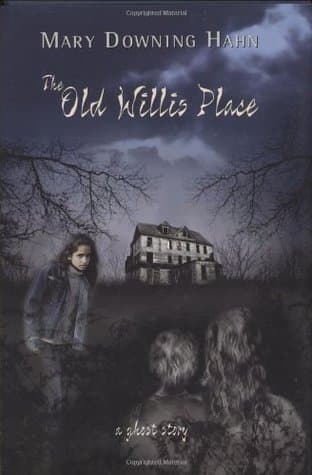
Synopsis
Covers the whole plot, including the ending.
- Difficulty
- Easy
- Pacing
- Moderate
- Mood
- Eerie, Mysterious, Heartwarming, Melancholy
- Read it if
- You enjoy classic, gentle ghost stories with a touch of mystery and themes of friendship and forgiveness, perfect for middle-grade readers.
- Skip it if
- You prefer horror over suspense, or stories with complex adult themes.
The Old Willis Place Plot Summary
Covers the whole plot, including the ending.
The Old Willis Place and the Rules
Diana, a ghost, tells about her life with her younger brother, Georgie, on the grounds of the old Willis Place. Rules bind them: never leave the property, never let anyone see them, and never speak to the living. They spend their days watching the world from the woods, wanting connection. They remember the terrifying 'Master' and 'Mistress,' their former caretakers, who taught them these rules. Diana finds comfort in her fragmented memories, but struggles with the boredom and loneliness of being a ghost, always wondering about the 'secret' that ties them to the house.
Arrival of the New Caretaker and Lissa
The arrival of a new caretaker, Mr. Hanson, and his ten-year-old daughter, Lissa, changes Diana and Georgie's routine. Lissa, with her bright red hair and curious nature, immediately draws Diana's attention. Diana watches her from afar as Lissa explores the property. The desire to break the rules and talk to Lissa becomes almost too strong for Diana, who wants a friend and a link to the living world. Georgie, though, is more careful, reminding Diana of the dangers of showing themselves and the unknown results.
First Encounters and Shared Secrets
Wanting friendship, Diana starts to interact with Lissa. She leaves small gifts, like a forgotten doll, and eventually makes herself partly visible, making Lissa think the house is haunted. Despite Georgie's warnings, Diana keeps seeking Lissa, and the two girls slowly become friends. Diana shares parts of her fragmented past, hinting at her ghostly nature without fully revealing it, while Lissa talks about her life, her father, and her own loneliness after moving. Their friendship grows, built on shared secrets and understanding.
The Mystery of the Portrait
Lissa, while exploring the house, finds a hidden portrait of a young girl who looks like Diana. This discovery deeply troubles Diana, bringing back confusing and painful memories she had hidden. The portrait also shows an older woman, the 'Mistress,' whom Diana remembers with fear. The image makes Diana question her identity and the truth of her past. She realizes the house holds more secrets than she thought, and the portrait seems to be a key to them.
The Master's Return and Growing Fear
As Diana's memories return, so does her terror of the 'Master,' the former caretaker. She remembers his harshness, his strict rules, and the fear he created. Georgie also remembers the 'Master' and his cruel punishments, adding to Diana's dread. Diana's fragmented memories suggest a tragic event involving the 'Master' and 'Mistress,' hinting at how she and Georgie became ghosts. The children's fear is clear, and they realize understanding their past is important for finding peace.
Lissa's Investigation and the Diary
Lissa, feeling Diana's distress and the unsaid truths, decides to investigate the history of the Willis Place. She spends time at the local library, looking at old newspaper articles and records. Her search leads her to a hidden diary, likely belonging to the 'Mistress,' which she finds in the house. The diary promises to tell the full, tragic story of the Willis family and the children who lived there, giving Lissa a direct link to the past Diana has forgotten.
The Truth Revealed through the Diary
Lissa reads parts of the diary to Diana and Georgie, finally telling the full, sad truth. The diary belonged to Mrs. Willis, the 'Mistress.' It details the lives of Diana and Georgie, who were her niece and nephew, given to her care after their parents died. It reveals the harsh and abusive treatment they received from Mr. Willis, the 'Master,' and Mrs. Willis's part in their neglect. The diary sadly describes how Diana and Georgie died from diphtheria, left untreated because of Mr. Willis's greed and fear of disease, and how their bodies were secretly buried on the property.
Confronting the Past and Forgiveness
The diary's revelations are devastating for Diana and Georgie. They finally understand why they are tied to the property and why their memories were so broken. The truth of their neglect and tragic deaths is painful, but it also brings clarity. Mrs. Willis's diary entries also show her deep regret and sorrow, revealing her remorse for her actions and her love for the children, despite her initial weakness. This confession allows Diana to feel some forgiveness for the 'Mistress,' easing her long-held resentment.
The Final Release
With the truth of their past finally known and their story acknowledged by Lissa, Diana and Georgie feel a major change. The weight of their forgotten history is lifted. They understand that their haunting was not just about fear, but about their story needing to be told and for some form of justice. As Lissa places flowers on their hidden graves, peace settles over them. The rules that bound them to Willis Place disappear, and they are finally free to leave, no longer tied to the earth.
A Farewell and New Beginnings
Diana and Georgie say a final goodbye to Lissa. They are no longer ghosts and are ready to move on. Their last interaction with Lissa is one of thanks and understanding. As they ascend, they are no longer the scared, confused children they once were. They are at peace, ready for what comes next. Lissa, though sad to see her friends go, has had a profound experience and a deeper understanding of life and loss, forever changed by her time with the ghosts of the Old Willis Place.
Principal Figures
Diana
Protagonist
A spectral girl haunted by forgotten memories and a longing for connection.
Diana is a ghost, appearing to be around twelve years old, who has been trapped on the Willis property for an unknown amount of time with her younger brother, Georgie. She is the narrator and protagonist, characterized by her deep loneliness, her longing for friendship, and her struggle to recall the details of her past. She is initially fearful of breaking the rules that bind her, but her desire for connection, particularly with Lissa, eventually overrides her caution. Her fragmented memories cause her significant distress and confusion.
Relationships: Georgie (Younger brother, companion in haunting); Lissa (Friend, catalyst for discovering the truth); Mr. Willis (The Master) (Abusive guardian, source of fear); Mrs. Willis (The Mistress) (Neglectful guardian, later source of understanding)
Georgie
Supporting
Diana's younger brother, a more cautious and less developed ghost.
Georgie is Diana's younger brother, appearing to be around five or six years old. He is also a ghost, bound to the Willis property. Georgie is more childlike and less developed than Diana, often echoing her thoughts or simply following her lead. He is more fearful of breaking the rules and of the 'Master,' often reminding Diana of the potential consequences. His memories are even more fragmented than Diana's, and he relies on her for comfort and understanding. He represents the innocent victim of their tragic past.
Relationships: Diana (Older sister, protector, companion); Lissa (Friend (indirectly), helps reveal the truth)
Lissa Hanson
Supporting
A curious and empathetic living girl who befriends Diana and helps uncover the truth.
Lissa is a ten-year-old living girl, the daughter of the new caretaker, Mr. Hanson. She is characterized by her curiosity, her independent spirit, and her deep empathy. Lissa is initially intrigued by the strange occurrences in the Willis Place and quickly develops a friendship with Diana, despite Diana's ghostly nature. She is determined and resourceful, actively investigating the house's history to help her new friend. Lissa serves as the bridge between the living and the dead, and her compassion is crucial to Diana and Georgie's eventual release.
Relationships: Diana (Friend, recipient of ghostly interactions); Georgie (Friend (indirectly), helps reveal the truth); Mr. Hanson (Father)
Mr. Willis (The Master)
Antagonist
The cruel and neglectful former caretaker responsible for Diana and Georgie's deaths.
Mr. Willis, referred to as 'The Master' in Diana's fragmented memories, was the cruel and abusive guardian of Diana and Georgie. He is depicted as a greedy and heartless man who neglected the children entrusted to his care. His fear of contagion and his desire to avoid expenses led directly to the untreated illness and subsequent deaths of Diana and Georgie. He instilled deep fear in the children, even after their deaths, and is the primary antagonist responsible for their spectral imprisonment.
Relationships: Diana (Victim of abuse and neglect); Georgie (Victim of abuse and neglect); Mrs. Willis (Wife, accomplice in neglect)
Mrs. Willis (The Mistress)
Supporting
Diana and Georgie's aunt, initially neglectful but later expressing remorse in her diary.
Mrs. Willis, referred to as 'The Mistress,' was Diana and Georgie's aunt and initially complicit in their neglect. While not as overtly cruel as her husband, she was weak-willed and allowed Mr. Willis's abuse to continue, failing to protect the children. Her character is primarily revealed through her diary, which Lissa discovers. The diary entries show her initial fear of her husband and her gradual descent into guilt and remorse over the children's suffering and deaths. Her confession and regret ultimately provide a path to understanding and forgiveness for Diana.
Relationships: Diana (Niece, victim of neglect); Georgie (Nephew, victim of neglect); Mr. Willis (Husband, instigator of abuse)
Mr. Hanson
Supporting
Lissa's father and the new caretaker of the Willis Place.
Mr. Hanson is Lissa's father and the new caretaker of the Old Willis Place. He is a kind and hardworking man, though initially unaware of the ghostly presence on the property. He is somewhat preoccupied with his work and adjusting to their new life, which allows Lissa the freedom to explore and interact with Diana. He represents the practical, adult world, in contrast to the supernatural elements of the story. While he doesn't directly interact with the ghosts, his presence provides a stable home for Lissa and facilitates her role in the narrative.
Relationships: Lissa (Father)
Themes & Insights
The Power of Truth and Memory
The main theme is that truth and memory are needed for freedom. Diana and Georgie are trapped because they cannot remember how they died, and their story is untold. Their broken memories confuse and scare Diana. Only when Lissa finds Mrs. Willis's diary, telling the full, tragic truth of their neglect and deaths, can Diana and Georgie understand their past. This understanding lets them process their emotions and find peace, freeing them from their ghost state. The truth, even if painful, is the key to their freedom, as seen when Diana feels clear after Lissa reads the diary.
“The truth was a hard knot in my chest, but it was also a key, unlocking a door I hadn't even known was there.”
Loneliness and the Desire for Connection
Diana's life as a ghost is defined by deep loneliness. She and Georgie are cut off from the living world by rules that forbid interaction. Diana's desire for a friend is a strong force, making her break the rules and show herself to Lissa. Her need for connection is not just about having someone to talk to, but about being seen, acknowledged, and understood. Lissa also feels lonely, having recently moved and missing her old friends. Their shared need for companionship creates their unlikely friendship, showing how people (and ghosts) want connection to overcome isolation.
“More than anything, I longed for someone to talk to, someone who could see me, really see me.”
Justice and Forgiveness
The story looks at justice for past wrongs and the chance for forgiveness. Diana and Georgie were victims of severe neglect and abuse, which led to their early deaths. Their haunting can be seen as their unresolved pain and a desire for their story to be acknowledged. When Lissa uncovers the truth, it acts as justice, bringing their tragic history to light. Mrs. Willis's diary, showing her remorse, brings in the idea of forgiveness. While Mr. Willis remains unforgivable, Mrs. Willis's regret allows Diana to feel less bitter, suggesting that even in death, understanding and acknowledging wrongdoings can lead to peace and the ability to move on.
“It was a strange feeling, to have the truth out in the open, not just for me, but for Georgie too. It felt like a heavy stone had been lifted.”
The Nature of Life and Death
The novel explores what it means to be alive and what happens after death. Diana and Georgie are in an in-between state, neither fully alive nor fully gone. Their ghost life is a type of purgatory, bound by their unresolved past. The difference between their shadowy, rule-bound life and Lissa's vibrant, real life highlights these differences. The story suggests that true death, or moving on, is only possible when one's earthly ties are resolved and their story is understood. It gently explores the afterlife, where peace is found not through fear, but through truth and acceptance, allowing the spirits to move beyond their earthly bounds.
“We were like shadows, clinging to the edges of the world, waiting for something we couldn't name.”
Plot Devices & Literary Techniques
First-Person Narration (Ghost Perspective)
The story is told from Diana's point of view, a ghost with fragmented memories.
This device immediately immerses the reader in Diana's unique spectral experience. Her limited and unreliable memory creates suspense and mystery, as the reader learns about her past at the same pace she does. It emphasizes her loneliness and her longing for connection, making her a sympathetic character despite her supernatural nature. The ghost's perspective also allows for observations of the living world from a detached yet longing viewpoint, highlighting the contrast between her existence and Lissa's.
The Rules
A set of strict, unexplained prohibitions that govern Diana and Georgie's existence.
The 'rules' (never leave the property, never show themselves, never speak to the living) serve as a fundamental constraint on Diana and Georgie, driving much of the initial conflict and suspense. They create an immediate sense of mystery: who imposed these rules, and why? These rules are a physical manifestation of their spiritual imprisonment and the unknown consequences of their past. Diana's temptation to break them for friendship directly propels the plot forward, leading to the unraveling of the central mystery. The breaking of these rules signifies a step towards their eventual freedom.
The Diary
An old journal discovered by Lissa that reveals the forgotten history of the Willis Place.
The diary is the pivotal plot device that serves as the key to unlocking the central mystery. It acts as a direct link to the past, providing exposition and filling in the gaps in Diana's fragmented memories. Discovered by Lissa, it allows the truth of Diana and Georgie's deaths and the cruelty of the Willises to be revealed in a tangible, undeniable way. The diary not only provides crucial plot information but also offers a deeper understanding of Mrs. Willis's character, introducing themes of remorse and forgiveness, which are essential for the ghosts' release.
The Old Willis Place (Setting as Character)
The dilapidated Victorian mansion that holds the secrets of the past.
The Willis Place is more than just a backdrop; it functions almost as a character itself. Its decaying grandeur and hidden corners reflect the forgotten and buried secrets within its walls. The house is the physical embodiment of Diana and Georgie's imprisonment, holding them captive. Its atmosphere of neglect and history creates a sense of foreboding and mystery. The house's transformation, from a place of fear to a place where truth is uncovered, mirrors the emotional journey of the main characters, eventually becoming a site of release rather than entrapment.
The Old Willis Place Quotes
“I can make myself invisible. I can walk through walls. I can float on air. I can go anywhere I want. But I can't leave the Old Willis Place.”
“Being dead isn't so bad, once you get used to it. The hardest part is not being able to touch anything.”
“We were always supposed to be invisible. That was the rule. Don't let anyone see you, don't let anyone know you're there.”
“He didn't know he was dead. And he couldn't leave. Just like me. Just like Georgie.”
“The Old Willis Place was our prison, our playground, our whole world.”
“Some things are too terrible to remember, and some are too wonderful to forget.”
“Maybe if I could remember everything, I'd know why we were stuck here.”
“He was the first person in a hundred years who could see us. Really see us.”
“It was like a game, a secret game only we knew how to play.”
“Being invisible was a shield, but it was also a wall.”
“The past isn't just behind you, it's all around you, if you know how to look.”
“We had forgotten what it was like to be alive, to feel the sun, to taste real food.”
“Sometimes the greatest kindness is letting go.”
“The secret wasn't about what happened, but who we were.”
Quiz
10 questions on the plot and the characters. Each answer comes with a short explanation.
Question 1
What is the primary reason Diana and Georgie are forbidden from leaving the Old Willis Place property?
- Their parents are hiding from the law.
- They are ghosts and cannot interact with the living world beyond the property.
- A magical spell binds them to the house.
- They are afraid of the outside world.
Show answer
B. They are ghosts and cannot interact with the living world beyond the property. Diana and Georgie are ghosts and are bound to the property of the Old Willis Place, unable to leave or be seen by the living.
Question 2
What is the name of the new caretaker's daughter who moves into the Old Willis Place?
- Sarah
- Emily
- Lissa
- Hannah
Show answer
C. Lissa The new caretaker's daughter, who eventually becomes Diana's friend, is named Lissa.
Question 3
Why is Diana so eager to befriend Lissa, despite the mysterious rules she and Georgie live by?
- She wants Lissa to bring them food.
- She is lonely and longs for a friend.
- She wants Lissa to help them find a hidden treasure.
- She hopes Lissa can teach her how to leave the property.
Show answer
B. She is lonely and longs for a friend. Diana has been isolated for a long time and is desperate for companionship, making her willing to break rules to befriend Lissa.
Question 4
What is the 'secret' that has bound Diana and Georgie to the Old Willis Place for so long?
- They were murdered on the property and are trapped as ghosts until their murderer is caught.
- They died in a fire at the house and cannot move on until their remains are properly buried.
- They died of diphtheria and their spirits are tied to the house, unable to rest until their story is acknowledged and their mother finds peace.
- They made a pact with a spirit that keeps them tethered to the house.
Show answer
C. They died of diphtheria and their spirits are tied to the house, unable to rest until their story is acknowledged and their mother finds peace. Diana and Georgie died of diphtheria and are tied to the house, unable to move on until a specific secret related to their deaths and their mother's grief is resolved.
Question 5
How do Diana and Georgie primarily interact with Lissa without revealing their ghostly nature too early?
- They leave notes for her.
- They communicate through dreams.
- They subtly influence objects and appear as fleeting shadows or whispers.
- They possess animals to convey messages.
Show answer
C. They subtly influence objects and appear as fleeting shadows or whispers. Initially, Diana and Georgie interact with Lissa through subtle ghostly phenomena like moving objects or making sounds, rather than direct appearances.
Question 6
What is the significance of the 'Old Willis Place' itself in the story?
- It is a portal to another dimension.
- It is where Diana and Georgie lived and died, serving as their eternal prison and a key to their past.
- It contains a hidden treasure they are meant to guard.
- It is a cursed place that brings misfortune to all who live there.
Show answer
B. It is where Diana and Georgie lived and died, serving as their eternal prison and a key to their past. The Old Willis Place is not just a setting but the central location to which Diana and Georgie are bound due to their deaths there, holding the memories and secrets necessary for their release.
Question 7
What is the ultimate goal Diana and Georgie hope to achieve with Lissa's help?
- To scare the caretaker and Lissa away from the house.
- To find their long-lost parents who they believe are still alive.
- To finally be able to move on from their ghostly existence and find peace.
- To transform back into living children.
Show answer
C. To finally be able to move on from their ghostly existence and find peace. Their ultimate goal is to resolve the 'secret' binding them to the house so they can finally rest in peace and move on from being ghosts.
Question 8
What specific act does Lissa perform that directly contributes to Diana and Georgie's ability to move on?
- She finds their hidden diary and reads their story aloud.
- She holds a séance to communicate with their mother.
- She digs up their buried toys in the garden.
- She paints a picture of their family.
Show answer
A. She finds their hidden diary and reads their story aloud. Lissa discovers and reads Diana's diary, which reveals the truth about their deaths and their mother's grief, allowing their story to be heard and their spirits to find peace.
Question 9
What is the central theme explored through Diana and Georgie's predicament?
- The dangers of isolation and the importance of friendship.
- The power of unresolved grief and the need for truth and acknowledgment to find peace.
- The thrill of exploring abandoned places.
- The struggle between good and evil spirits.
Show answer
B. The power of unresolved grief and the need for truth and acknowledgment to find peace. The story deeply explores how unresolved grief, particularly their mother's, and the untold truth of their deaths kept Diana and Georgie bound, highlighting the necessity of acknowledgment for spirits to find peace.
Question 10
What is the true identity of the old woman who occasionally appears to Diana and Georgie, giving them warnings?
- A witch who lives in the woods.
- The previous owner of the house, also a ghost.
- Their grieving mother, also a ghost, who is trying to protect them and keep them with her.
- A time-traveling version of Lissa.
Show answer
C. Their grieving mother, also a ghost, who is trying to protect them and keep them with her. The old woman who warns them is revealed to be their own mother, a ghost herself, who is trying to keep them bound to her and the house out of her overwhelming grief.
The Old Willis Place FAQ
What is the central mystery surrounding Diana and Georgie's existence at the Old Willis Place?
Diana and Georgie are bound to the property of the Old Willis Place by an unknown force, unable to leave or be seen by the living. They don't fully remember why they are there or how long it has been, only that they must remain hidden and follow specific rules.
Who is Lissa and what role does she play in the story?
Lissa is the young daughter of the new caretaker, Mr. Jefferson, who moves into the Old Willis Place. She becomes the first living person Diana has encountered in a long time and represents Diana's only hope for connection and ultimately, for unraveling the mystery of her and Georgie's predicament.
What are the specific 'rules' Diana and Georgie must follow, and what happens if they break them?
They must never leave the property, never show themselves to the living, and never speak to anyone who can see them. Breaking these rules risks them being 'taken away' or disappearing forever, a fate they vaguely remember others experiencing.
What is Diana's primary motivation for wanting to befriend Lissa?
Diana's primary motivation is a profound loneliness and a desperate longing for friendship and human connection after years of isolation. She also senses that Lissa might be the key to understanding their past and finding a way to move on.
What is the true nature of Diana and Georgie's existence?
Diana and Georgie are ghosts, children who died tragically at the Old Willis Place many years ago. They are trapped between worlds, unable to fully pass on until the truth of their deaths is acknowledged and they can find peace.
How did Diana and Georgie die, and who was responsible?
Diana and Georgie died in a fire at the Old Willis Place. Their grandmother, Miss Lily, inadvertently caused the fire when she fell asleep with a lit cigarette, and out of guilt and grief, she buried their bodies in the garden to conceal their deaths and keep them with her.
What is the significance of the old photographs and letters Lissa finds?
The old photographs and letters provide crucial clues, revealing images of Diana and Georgie as living children and hinting at their connection to Miss Lily. They help Lissa piece together the history of the house and the identities of the ghostly children.
What is the 'secret' that has bound Diana and Georgie to the Willis Place?
The secret is the unacknowledged truth of their deaths and the fact that their bodies were never properly found or buried. Their grandmother's act of burying them in the garden and pretending they ran away kept their spirits tethered to the property.
How does Diana's long isolation affect her perception of reality and time?
Diana's long isolation distorts her perception of time, making 'forever' feel like an endless present without clear memories of the past. It also blurs the lines between her ghostly existence and the living world, making her desperate for interaction.
What psychological impact does Georgie's younger age have on his understanding and emotional state?
Georgie, being much younger, has a more childlike and less developed understanding of their predicament. He is more prone to fear and confusion, relying heavily on Diana for comfort and interpretation of their strange existence, making him more vulnerable.
How does Lissa's empathy and curiosity drive her actions throughout the story?
Lissa's natural empathy allows her to sense Diana's presence and loneliness, while her curiosity compels her to investigate the strange occurrences at the house. This combination makes her receptive to Diana's pleas and willing to uncover the difficult truth.
Discuss the psychological burden of guilt on Miss Lily, even after her own death.
Miss Lily's guilt over causing the fire and burying her grandchildren's bodies weighs heavily on her, even as a spirit. Her spectral presence, often seen looking out windows or tending the garden, is a manifestation of her inability to move on until the truth is revealed and her grandchildren find peace.
What does the ending suggest about the nature of 'moving on' for ghosts?
The ending suggests that for ghosts like Diana and Georgie, 'moving on' isn't just about leaving a place, but about finding peace through the acknowledgment of their past and the proper honoring of their lives and deaths. It implies a resolution of unresolved earthly ties.
How does the author use the decaying Victorian mansion as a metaphor for the trapped spirits?
The decaying mansion mirrors the trapped and forgotten state of Diana and Georgie. Its crumbling walls and neglected state reflect their forgotten history and their inability to progress, much like the house itself is stuck in time.
Is Miss Lily a villain or a tragic figure? Discuss her motivations.
Miss Lily is more of a tragic figure than a villain. Her motivations stemmed from overwhelming grief and a desperate, misguided love for her grandchildren, leading her to make a terrible decision to keep them with her, rather than from malice or evil intent.
What is the significance of the garden in the story, both literally and symbolically?
Literally, the garden is where Diana and Georgie's bodies were buried, making it their final resting place on Earth. Symbolically, it represents the hidden truth, the place where their lives were cut short and where their spirits remain tethered, waiting for discovery and release.
How does 'The Old Willis Place' subvert or fulfill typical ghost story tropes?
It fulfills tropes by having trapped spirits and a haunted house, but subverts them by making the ghosts sympathetic protagonists rather than menacing figures. It focuses on their longing for peace and friendship, giving a fresh perspective on the 'haunting' experience.
What message about memory and remembrance does the book convey?
The book strongly conveys that memory and remembrance are vital for peace, both for the living and the dead. Forgetting or deliberately concealing the truth, as Miss Lily did, can trap spirits and prevent closure, highlighting the importance of acknowledging history.
About the author

Mary Downing Hahn is an American author known for her contributions to children's and young adult literature, particularly in the genre of ghost stories. Some of her notable works include "Wait Till Helen Comes," "The Old Willis Place," and "The Ghost of Crutchfield Hall," which often explore themes of friendship and the supernatural. Her writing has garnered a dedicated readership and critical attention over the years.
Similar books
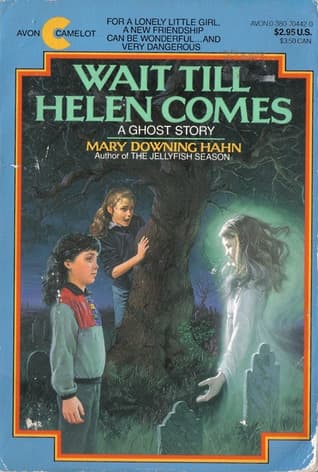
- Wait Till Helen Comes
Mary Downing Hahn
4.1 (20k) average on GoodreadsFantasyAnother classic children's ghost story by the same author with similar themes and tone.
- Coraline
Neil Gaiman
4.0 (23k) average on GoodreadsFantasyWhile both explore hidden worlds and the dangers of unfulfilled desires, Hahn's The Old Willis Place is significantly less dark and more overtly sentimental. Gaiman's Coraline delves into deeper psychological horror and more complex moral ambiguities, offering a more unsettling and challenging read.
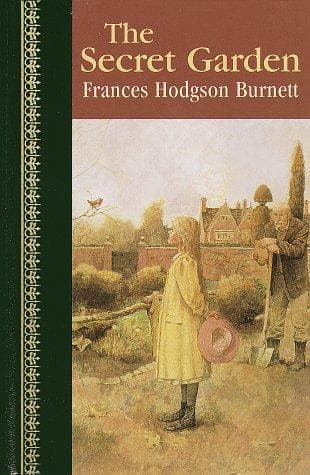
- The Secret Garden
Frances Hodgson Burnett
4.1 (891k) average on GoodreadsFantasyBoth books explore themes of hidden truths, restorative environments, and the power of memory to heal past wounds. The Old Willis Place shares a focus on children uncovering secrets tied to a specific location and finding belonging, though Hahn incorporates a supernatural element not present in Burnett's classic.
- Harry Potter and the Sorcerer's Stone
J.K. Rowling
4.5 (7M) average on GoodreadsFantasyRescued from a miserable life under the stairs, an orphaned boy discovers he's a wizard destined for a magical school, where he uncovers a dangerous secret tied to the dark wizard who murdered his parents.
- The Hunger Games
Suzanne Collins
4.3 (6.4M) average on GoodreadsFantasyIn a future where children fight to the death on live television, Katniss Everdeen volunteers for the arena, turning a death sentence into a fight for survival and a spark of rebellion.
- 1984
George Orwell
4.2 (3.1M) average on GoodreadsPoliticsIn a future where surveillance and thought control are absolute, a man's search for truth clashes with the Party, showing that hope can be a form of rebellion.




Enjoyed the summary?
A summary gives you the shape of the book. The book itself has the detail, the examples and the voice.
Find The Old Willis Place on AmazonAs an Amazon Associate, BookBrief earns from qualifying purchases. How we're funded