
Core Idea
- Difficulty
- Easy
- Read it if
- You enjoy heartwarming stories about animal perspectives, found families, and exploring themes of courage, loss, and hope through a gentle, accessible lens.
- Skip it if
- You prefer fast-paced thrillers or non-fiction devoid of anthropomorphic animal characters and emotional narratives.
Key Takeaways from The One and Only Bob
The Enduring Power of Found Family
Family isn't always about blood; it's about the bonds forged through shared experience and unwavering loyalty.
Bob, despite his tough exterior, values his 'pack'—Ivan and Ruby. Their bond, formed through years together, goes beyond species and usual family definitions. This shows that the strongest family connections are often chosen, built on mutual support, and proven through hard times. It highlights the emotional security and identity that come from belonging to such a group, showing how these relationships help face life's challenges, even when external events are chaotic.
“Family is what you make it. Sometimes it's the people you're born with, sometimes it's the people who choose you, and sometimes... sometimes it's the ones who stick by you no matter what.”
In the book: Bob's unwavering commitment to Ivan and Ruby, and their reciprocal support for him, especially during the hurricane and his search for his sister. Ivan's calm reassurance, Ruby's gentle empathy, and Bob's fierce protectiveness of them all.
Try this: Actively cultivate and appreciate your 'found family'—friends, mentors, or community members who offer unconditional support. Prioritize spending time with them, express gratitude, and be there for them in return, recognizing that these chosen bonds are vital for emotional resilience.
Related ideas: found-family, interdependence, emotional-support
Courage Isn't the Absence of Fear
True bravery means acting despite terror, especially when protecting those you love.
Bob, an anxious and careful dog, often feels fear—of storms, the unknown, and loss. Yet, when his friends are in danger or when he looks for his sister, he consistently moves past his worry. This shows that courage is not a lack of fear, but a choice to overcome it for a greater goal, often driven by love and loyalty. It illustrates how wanting to protect or care for others can unlock an inner strength people might not know they have.
“Being brave doesn't mean you're not scared. It means you're scared, but you do it anyway. Especially when someone you love needs you.”
In the book: Bob's decision to leave the safety of the mall to search for his sister, despite the approaching hurricane. His actions during the storm, guiding and protecting a lost puppy, are particularly indicative of his bravery.
Try this: When faced with a daunting task or fear-inducing situation, focus on the 'why'—the people or values you are fighting for. Acknowledge your fear, but then channel that energy into taking the necessary steps, even small ones, to move forward.
Related ideas: bravery, overcoming-fear, altruism
The Weight of the Past, the Hope of the Future
Confronting past traumas is essential for healing, but hope for future connections fuels the journey.
Bob carries the weight of his past abandonment and his sister's loss. These unaddressed traumas show up as anxiety and a deep fear of being alone. His search for his sister is not just about finding her, but about facing and possibly healing these old wounds. This highlights the psychological impact of unresolved past events and the strong need for closure and connection. It suggests that while the past shapes us, actively seeking new relationships and hoping to mend old ones are important for moving forward and finding emotional completeness.
“Sometimes the past is a shadow you can't outrun. But sometimes... sometimes a new shadow can make the old one less dark.”
In the book: Bob's recurring memories of his abandonment and his sister. His persistent internal monologue about his 'lost pack' and the driving force behind his perilous journey.
Try this: Acknowledge and process past hurts rather than suppressing them. Seek out new connections and experiences that offer hope and a sense of belonging, understanding that these new 'shadows' can help diminish the darkness of old ones.
Related ideas: trauma-healing, closure, hope, past-present
The Unseen Lives of the Vulnerable
Every creature, no matter how small or overlooked, has a story, a family, and a desperate need for safety.
The book often changes perspective, showing the lives of various animals—from a lost puppy to cats struggling in a storm. This emphasizes the importance of empathy and recognizing the value and complex inner lives of all living beings, especially those often overlooked. It asks readers to consider the 'unseen' struggles and desires of the vulnerable, promoting a broader, more caring view of the world. It is a call to acknowledge that even seemingly unimportant creatures have rich lives deserving of respect and protection.
“Every creature, even the smallest bug, has a whole life unfolding, a story you'll never know. And every one of them just wants to be safe.”
In the book: Bob's interactions with the lost puppy, the cats he encounters during the storm, and the broader narrative's focus on the survival of various animals in the face of natural disaster.
Try this: Practice active empathy. Observe the world around you with a more open mind, considering the potential stories and needs of animals and people you encounter. Support animal welfare organizations and advocate for the protection of vulnerable populations.
Related ideas: empathy, animal-welfare, vulnerability
The Impermanence of Safety
Even after finding sanctuary, life's unpredictable nature demands adaptability and resilience.
Bob, Ivan, and Ruby find a safe home at the wildlife sanctuary, but a hurricane shatters their security. This looks at how safety is often temporary and depends on outside factors. It highlights the need to develop resilience and adaptability, not just during crises, but as ongoing life skills. The story shows that true security comes not from a stable environment, but from the ability to handle change and rebuild during disruption, often relying on inner strength and community support.
“Just when you think you're safe, the world reminds you it's always ready to surprise you. And sometimes, those surprises aren't very nice.”
In the book: The sudden and destructive arrival of the hurricane, forcing the animals to evacuate and face new dangers despite their previously established safe haven.
Try this: Cultivate resilience by practicing mindfulness and developing problem-solving skills. Prepare for unexpected challenges by having contingency plans and nurturing a strong support network, understanding that adaptability is key to long-term well-being.
Related ideas: resilience, adaptability, impermanence, disaster-preparedness
Small Actions, Big Impact
Even the smallest act of kindness or courage can have ripple effects, saving lives and changing destinies.
Throughout the story, Bob, a small dog, makes important decisions and acts bravely, which have big effects. From guiding the lost puppy to offering comfort, his 'small' actions help others survive and thrive. This highlights the impact of individual action, regardless of size or perceived importance. It promotes the idea that every effort, no matter how small it seems, can help create a larger positive outcome, fostering a sense of empowerment and responsibility.
“You don't have to be big to make a difference. Sometimes, the smallest paw can make the biggest dent.”
In the book: Bob's decision to help the lost puppy find its owner, his guidance of other animals during the storm, and his persistent search for his sister, which ultimately leads to a reunion.
Try this: Do not underestimate the power of your own actions. Look for opportunities to offer help, kindness, or support in your daily life, knowing that even seemingly insignificant gestures can create meaningful positive change.
Related ideas: agency, kindness, butterfly-effect, individual-impact
The Burden and Joy of Responsibility
Taking responsibility for others, though challenging, deepens bonds and reveals inner strength.
Bob, despite his initial reluctance to be burdened by others, repeatedly finds himself in situations where he must care for younger or more vulnerable creatures. This explores the two sides of responsibility: its difficulties and the deep satisfaction and growth it brings. It shows how caring for others can change a person, fostering a sense of purpose and revealing capacities for love and selflessness that might otherwise stay hidden. The 'burden' becomes a source of unexpected joy and strengthens relationships.
“Looking after someone else is a heavy thing, sometimes. But it's also a good thing. A really good thing.”
In the book: Bob's initial grumbling about the lost puppy, followed by his persistent efforts to protect and guide it. His protective instincts towards Ruby and Ivan during the hurricane.
Try this: Embrace opportunities to take on responsibility, whether for family, friends, or community. Recognize that while it may demand effort, the rewards in terms of personal growth and stronger relationships are invaluable.
Related ideas: responsibility, nurturing, selflessness, caregiving
The Universality of Longing
The desire for belonging and connection is a fundamental drive shared across all species.
Bob's constant search for his sister comes from a deep desire for his original family and a feeling of incomplete belonging. This desire is shared by other characters, both human and animal, in the story. This emphasizes that the need for connection, for a 'pack' or a family, is not just human but a universal, basic drive. It suggests that much of our motivation and emotional state is shaped by this fundamental quest to find our place and avoid loneliness, showing the deep importance of community and relationships.
“Every creature, deep down, just wants to find its place. To be part of something. To not be alone.”
In the book: Bob's internal monologues about his 'lost pack.' The lost puppy's frantic search for its owner. The broader theme of family and belonging that permeates the entire story.
Try this: Actively seek out and nurture meaningful connections in your life. Understand that your own longing for belonging is shared by others, fostering empathy and encouraging you to create inclusive environments for those around you.
Related ideas: belonging, connection, isolation, community
The One and Only Bob Quotes
“The past is a tricky thing. Sometimes it's a burden. Sometimes it's a gift. Sometimes it's both.”
“Being brave doesn't mean you're not scared. It means you do what you have to do even when you are.”
“Every creature has a story. Even the ones you think you know.”
“Sometimes the best way to help is to just be there.”
“A true friend is someone who knows all your flaws and still loves you.”
“Hope is a fragile thing. But it's also the strongest thing.”
“We all carry our own invisible scars. The trick is learning to live with them.”
“It's hard to be a hero when you're mostly just trying to stay out of trouble.”
“The world is full of wonders, if you only take the time to look.”
“Even a small voice can make a big difference, if it's heard.”
“Sometimes the greatest adventures are the ones you never planned.”
“Home isn't just a place. It's the people you share it with.”
“Forgiveness isn't for them. It's for you.”
“Even the tiniest creature can have the biggest heart.”
Quiz
10 questions on the main ideas. Each answer comes with a short explanation.
Question 1
What is the primary motivation for Bob's journey at the beginning of the book?
- To find a new home for himself.
- To help Ruby find her family.
- To search for his long-lost sister, Boss.
- To escape the approaching storm.
Show answer
C. To search for his long-lost sister, Boss. Bob's main goal throughout the story is to find his sister, Boss, who he remembers from his puppyhood before he was separated from his family.
Question 2
Which animal accompanies Bob and Ivan on their initial journey to find Bob's sister?
- Snickers, the cat.
- Ruby, the elephant.
- The stray dog, Chico.
- A flock of birds.
Show answer
B. Ruby, the elephant. Ruby, the elephant, is a key member of Bob and Ivan's trio, joining them on the adventure to find Bob's sister.
Question 3
What is the name of the human girl who is Bob's closest human friend?
- Julia
- Stella
- Mackenzie
- Angela
Show answer
A. Julia Julia is the kind and artistic girl who has a deep bond with Bob, Ivan, and Ruby, often visiting them at the wildlife sanctuary.
Question 4
What significant natural event complicates Bob's journey and puts everyone in danger?
- A wildfire.
- A blizzard.
- A hurricane.
- An earthquake.
Show answer
C. A hurricane. A powerful hurricane is approaching and eventually hits, creating immense danger and urgency for Bob and his friends.
Question 5
Why does Bob initially resist the idea of looking for his sister, despite his longing?
- He believes she is no longer alive.
- He is afraid of leaving the safety of the sanctuary.
- He doesn't want to leave Ivan and Ruby.
- He thinks it's a foolish quest.
Show answer
B. He is afraid of leaving the safety of the sanctuary. Bob, being a street dog by nature, values his independence but also fears the unknown and the dangers of the outside world, making him hesitant to embark on such a perilous search.
Question 6
What unique ability does Bob possess that sometimes helps him understand human emotions or intentions?
- He can read body language with unusual accuracy.
- He can understand human speech perfectly.
- He has a psychic connection to Julia.
- He can smell emotions.
Show answer
A. He can read body language with unusual accuracy. Bob's keen observation skills and experience living among humans give him an almost uncanny ability to interpret their body language and subtle cues, often giving him insight into their feelings.
Question 7
What important lesson about family does Bob ultimately learn through his journey and interactions with other dogs?
- True family can only be found in blood relatives.
- Family is about who you choose to love and who loves you back.
- It's better to be alone than to risk losing loved ones.
- Family bonds are always unbreakable, no matter the distance.
Show answer
B. Family is about who you choose to love and who loves you back. Through his strong bond with Ivan and Ruby, and his experiences with other dogs, Bob learns that family isn't just about biological ties, but about the deep connections and love shared with those who care for you.
Question 8
How does Bob's past as a stray dog influence his decision-making during the hurricane?
- He panics and becomes paralyzed by fear, unable to act.
- His survival instincts kick in, making him resourceful and focused on finding shelter and safety.
- He becomes overly dependent on Ivan and Ruby to lead the way.
- He tries to run away from the danger, abandoning his friends.
Show answer
B. His survival instincts kick in, making him resourceful and focused on finding shelter and safety. Bob's history as a stray has instilled in him strong survival instincts, which prove invaluable during the hurricane as he navigates the dangerous environment to protect himself and his friends.
Question 9
What philosophical question about identity does Bob grapple with throughout the book, particularly in relation to his past and future?
- Is he primarily a pet or a wild animal?
- Is he defined by his past hardships or by the love he now shares?
- Should he seek fame or remain anonymous?
- Does he prefer living in a city or the countryside?
Show answer
B. Is he defined by his past hardships or by the love he now shares? Bob frequently reflects on his past as a 'one and only' stray and the trauma he experienced, contrasting it with his present life filled with friendship and belonging. This internal struggle centers on whether his identity is fixed by his past or shaped by his current relationships and choices.
Question 10
How does Bob's perspective on 'being a hero' evolve by the end of the story?
- He realizes that true heroes are always strong and fearless.
- He understands that heroism isn't about grand gestures, but about loyalty and protecting those you love.
- He decides that being a hero is too much responsibility and prefers to avoid it.
- He becomes convinced that heroes are only found in storybooks.
Show answer
B. He understands that heroism isn't about grand gestures, but about loyalty and protecting those you love. Initially, Bob might dismiss heroic acts, but through his actions to protect Ruby and others during the storm, and his unwavering loyalty, he embodies and comes to understand that heroism is rooted in love, selflessness, and protecting your chosen family, not just physical strength or flashiness.
The One and Only Bob FAQ
What is 'The One and Only Bob' about?
'The One and Only Bob' follows the brave dog, Bob, as he embarks on a perilous quest with his friends, Ivan the gorilla and Ruby the elephant, to find his long-lost sister. Their journey is complicated by an impending storm and the race against time.
Does Bob find his sister in 'The One and Only Bob'?
The book details Bob's determined search for his sister, along with the many challenges and emotional moments he encounters on the way. Readers will follow his journey to discover if he achieves his goal.
Is 'The One and Only Bob' a sequel?
Yes, 'The One and Only Bob' is a sequel to Katherine Applegate's Newbery Medal-winning novel, 'The One and Only Ivan.' It continues the story of Bob and his beloved friends.
What kind of challenges do Bob, Ivan, and Ruby face on their journey?
The trio encounters various obstacles, including the dangers of a looming storm, the vastness of the outside world, and the emotional toll of searching for a lost family member. They must rely on their friendship and courage to overcome these trials.
What is the significance of the storm in the story?
The approaching storm serves as a major plot device, adding urgency and heightened danger to Bob's quest. It not only creates physical challenges for the characters but also metaphorically reflects the emotional turbulence they experience.
How does 'The One and Only Bob' explore themes of family and friendship?
The book deeply explores the unbreakable bonds of chosen family through Bob's relationship with Ivan and Ruby, and the enduring hope for biological family as he searches for his sister. It highlights loyalty, support, and the meaning of belonging.
Is 'The One and Only Bob' suitable for all ages?
While primarily aimed at middle-grade readers, the book's themes of adventure, friendship, and perseverance resonate with a broad audience. It's a heartwarming story that can be enjoyed by younger readers and adults alike.
How different is 'The One and Only Bob' from other animal adventure stories?
'The One and Only Bob' distinguishes itself with its focus on the inner life and unique perspective of a dog, building upon established beloved characters from a previous novel. It blends adventure with profound emotional depth and philosophical musings from Bob's viewpoint.
About the author

Katherine Applegate is an American author known for her children's and young adult fiction. Her notable works include "The One and Only Ivan," which won the Newbery Medal, as well as "The One and Only Bob," "Wishtree," "Crenshaw," and "Home of the Brave." Applegate's stories often explore themes of friendship, compassion, and the natural world.
Similar books
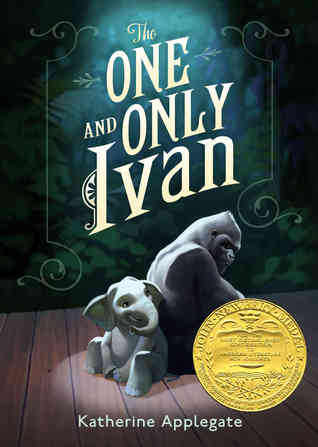
- The One and Only Ivan
Katherine Applegate
4.3 (141k) average on GoodreadsFantasyThis is the direct predecessor, featuring many of the same characters and continuing their story.
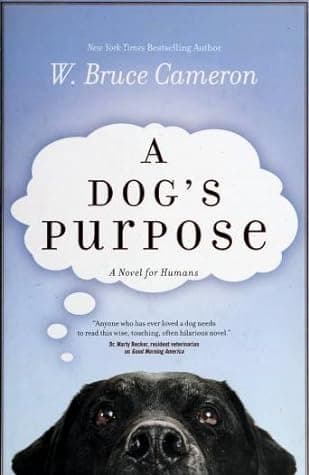
- A Dog's Purpose
W. Bruce Cameron
4.3 (114k) average on GoodreadsFantasyExplores life through the eyes of a dog, focusing on themes of purpose, connection, and reincarnation.
- The Diary of a Young Girl
Anne Frank
4.2 (2.7M) average on GoodreadsBiographyDuring the Nazi occupation, a teenage girl's diary, written from a secret annex, shares observations on humanity, hope, and the wait for freedom.
- Twisted 1. Twisted love
Ana Huang
3.7 (1.7M) average on GoodreadsA quiet billionaire with a difficult past finds his guarded heart opening to the woman he must protect, but their growing passion uncovers dangerous secrets and a shared, traumatic history.
- Eat, Pray, Love
Elizabeth Gilbert
3.6 (1.5M) average on GoodreadsLifestyleA heartbroken writer leaves her conventional life for a year-long global search for pleasure in Italy, spiritual devotion in India, and unexpected love and balance in Bali.
- Night
Elie Wiesel
4.3 (970k) average on GoodreadsBiographyIn the darkness of Auschwitz and Buchenwald, a teenage Elie Wiesel faces the extermination of his family, the loss of his faith, and the lasting scars of humanity's deepest cruelty.




Enjoyed the summary?
A summary gives you the shape of the book. The book itself has the detail, the examples and the voice.
Find The One and Only Bob on AmazonAs an Amazon Associate, BookBrief earns from qualifying purchases. How we're funded