
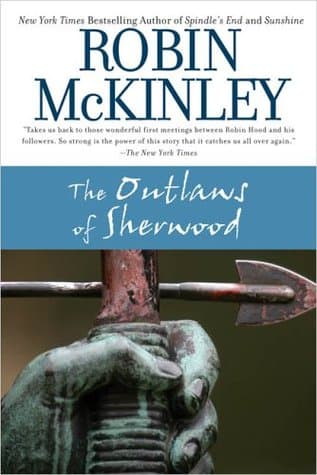
Synopsis
Covers the whole plot, including the ending.
- Difficulty
- Easy
- Pacing
- Moderate
- Mood
- Adventurous, Heartwarming, Romantic, Classic
- Read it if
- You love classic retellings with a strong, active female lead and a focus on character development and the camaraderie of the band.
- Skip it if
- You prefer gritty, dark fantasy or a completely deconstructed take on the Robin Hood legend.
The Outlaws of Sherwood Plot Summary
Covers the whole plot, including the ending.
The Archery Contest and the Outlaw's Birth
Young Robin Hood, a nobleman from Gamewell, goes to an archery contest in Nottingham with his friends, Much and Marian. Robin, though young, is a great archer. During the contest, a forester named Guy of Gisbourne insults and threatens him. Robin, known for his skill and quick temper, accepts the challenge. Robin accidentally kills Gisbourne, a king's man. Realizing the seriousness of his act, Robin and Much flee into Sherwood Forest to escape the Sheriff of Nottingham, becoming outlaws.
Gathering the Merry Men
In Sherwood Forest, Robin and Much start to get used to their new, hard life. Robin, still dealing with what he did, meets a large, loud man named John Little at a stream. After a playful but strong quarterstaff fight, which Robin loses, John agrees to join Robin's small group, earning the name 'Little John.' Soon after, Will Scarlet, a skilled swordsman and Robin's relative, also finds his way to the forest and pledges his loyalty. The group, though small, begins to form a bond, united by their shared situation and Robin's leadership.
Marian's Resolve and Skill
Marian, Robin's betrothed and a very independent woman, refuses to stay home while Robin is an outlaw. Despite what society expects and the dangers, she secretly practices her archery, improving her already good skill. She eventually disguises herself as a boy and goes into Sherwood Forest, determined to find Robin and join his group. When she reveals herself, Robin is unsure because of the dangers. But Marian's strong will, sharp mind, and great archery skill quickly prove her worth, earning her a place among the Merry Men, not just as Robin's love, but as an equal.
Friar Tuck and the Pursuit of Justice
The Merry Men's numbers grow, and they soon meet Friar Tuck, a cheerful but religious priest. He was cast out of his abbey for his unusual ways and his sympathy for common people. After a funny first meeting where Tuck shows his strength and wit, he joins Robin's group, giving spiritual advice and practical skills. With Tuck, Robin's purpose becomes clear beyond just survival: they become protectors of the poor and oppressed, fighting the corrupt Sheriff of Nottingham and his tax collectors, sharing wealth, and bringing some justice in the King's absence.
The Sheriff's Traps and Robin's Wits
The Sheriff of Nottingham, increasingly annoyed by Robin Hood's actions and the outlaws' defiance, plans many traps to catch him. He uses disguises, sets fake contests, and tries to trick Robin with promises of safety. But Robin, with his sharp instincts, the Merry Men's network of spies, and Marian's clever planning, always sees through these tricks. Each attempt by the Sheriff only shows Robin's cleverness and his group's loyalty, often turning the tables on the Sheriff and his men, to the joy of the local peasants.
The Arrival of Allan-a-Dale
The Merry Men welcome Allan-a-Dale, a traveling singer with a nice voice and a kind heart, into their ranks. Allan-a-Dale is more than just entertainment; he brings news from outside and helps the group. His biggest help involves a young couple whose marriage is being stopped by a rich, older knight who wants to marry the maiden for her money. With Allan-a-Dale's help in planning and the Merry Men's action, they stop the forced wedding, making sure the true lovers unite. This further builds Robin's reputation as a champion of justice and love.
King Richard's Return and the Pardon
Years pass, and rumors spread in Sherwood Forest about King Richard's return from the Crusades. The Merry Men, tired of outlaw life but loyal to Robin and their cause, await this news with mixed feelings. They know Richard's return could end Prince John's harsh rule and the Sheriff's tyranny. But their own fate, including Robin's pardon for killing Guy of Gisbourne, depends on the King's choice. The forest, usually a safe place, becomes a place of anxious waiting.
A Royal Encounter and a Test of Loyalty
King Richard, returning to England, travels through Sherwood Forest in disguise. He wants to see the state of his kingdom and learn the truth about Robin Hood. He meets Robin and his Merry Men, who, not knowing who he is, treat him as a rich traveler. Robin hosts him kindly and shares a meal, showing his principles and deep loyalty to the rightful King, despite being an outlaw. Impressed by Robin's character and the justice he upholds, Richard reveals himself, pardons Robin and his men, and offers them places in his service.
Life Beyond the Forest
After King Richard's pardon, Robin Hood and Marian finally marry, a happy event celebrated by the Merry Men and the thankful villagers. Robin and many of his men take positions in the King's service, leaving Sherwood Forest for a more normal life. The change has its difficulties, as the freedom of the forest is deep within them. However, they take on their new roles, bringing their sense of justice and friendship to the King's court, while always remembering the bonds made in Sherwood.
The Lingering Call of Sherwood
Even after their pardons and new lives, the wild spirit of Sherwood Forest still calls to some of the Merry Men. The structured life of court and settled living is too restrictive for a few, especially Little John and Much. They eventually return to the familiar paths and freedom of the forest. Robin, though committed to his new life with Marian, understands their longing. He knows that for some, who they are is forever tied to the greenwood. The legend of Robin Hood and his group, though officially over, lives on in people's hearts and the forest's whispers.
Principal Figures
Robin Hood
Protagonist
The skilled archer and nobleman who becomes an outlaw and leader of the Merry Men.
Robin Hood, born Robert Fitzooth, is a young nobleman with an exceptional talent for archery and a passionate, sometimes hot-headed, nature. He is fiercely loyal to his friends and to the ideals of justice, even when it means defying corrupt authority. He is a natural leader, charismatic and strategic, but also carries the burden of his initial accidental killing. His core drive is to right wrongs and protect the innocent, especially the poor, from the tyranny of the Sheriff and Prince John.
Relationships: Marian (Betrothed, deep love, trusted equal and partner); Much (Loyal, lifelong friend and companion); Little John (Close friend, strong ally, and rival in strength); Will Scarlet (Cousin, trusted Merry Man); Friar Tuck (Spiritual advisor, friend, and fellow Merry Man); Sheriff of Nottingham (Primary antagonist, constant adversary)
Marian
Protagonist/Supporting
Robin's betrothed, an intelligent and highly skilled archer who joins the Merry Men.
Marian is not merely Robin's love interest; she is a strong, independent, and intelligent woman who actively participates in the outlaw life. She is an exceptional archer, often surpassing the men, and possesses a sharp wit and strategic mind. Her determination to join Robin in Sherwood Forest despite the dangers showcases her courage and loyalty. She acts as Robin's confidante and equal, offering both emotional support and practical advice, proving her worth as a valuable member of the Merry Men.
Relationships: Robin Hood (Betrothed, deep love, trusted equal and partner); Much (Friend and fellow Merry Man); Little John (Friend and fellow Merry Man)
Much
Supporting
Robin's loyal, lifelong friend and first companion in outlawry.
Much is Robin's steadfast and oldest friend, a commoner who accompanies Robin into outlawry from the very beginning. He is fiercely loyal, dependable, and possesses a practical, grounded nature. While not as skilled in combat as some of the others, Much is an excellent tracker and woodsman, providing essential support to the band. He often serves as Robin's conscience and voice of reason, offering a steadying influence to Robin's more impulsive tendencies.
Relationships: Robin Hood (Loyal, lifelong friend and companion); Marian (Friend and fellow Merry Man); Little John (Close friend and fellow Merry Man)
Little John
Supporting
A giant, powerful man who becomes Robin's second-in-command and close friend.
Little John is a formidable figure, known for his immense strength, height, and skill with a quarterstaff. He is initially encountered by Robin in a humorous but fierce duel, which he wins. Despite his imposing physical presence, John is good-natured, loyal, and possesses a strong moral compass. He becomes Robin's closest confidante and second-in-command, often acting as the muscle of the group but also contributing practical wisdom and a deep understanding of the common folk.
Relationships: Robin Hood (Close friend, strong ally, and rival in strength); Much (Close friend and fellow Merry Man); Marian (Friend and fellow Merry Man)
Will Scarlet
Supporting
Robin's skilled swordsman cousin, known for his dashing appearance.
Will Scarlet is Robin's cousin, a dashing and somewhat flamboyant character known for his skill with a sword and his preference for fine clothing, even in the forest. He is fiercely loyal to Robin and a brave fighter, always ready for a challenge. While he can be a bit vain, his heart is in the right place, and he is a valued member of the Merry Men, bringing a touch of aristocratic flair and a different perspective to the group.
Relationships: Robin Hood (Cousin, trusted Merry Man); Marian (Friend and fellow Merry Man)
Friar Tuck
Supporting
A jovial, strong, and wise friar who provides spiritual guidance and joins the Merry Men.
Friar Tuck is a portly, good-humored, and surprisingly strong friar who is cast out of his abbey for his unconventional ways and his sympathy for the poor. He brings a spiritual dimension to the Merry Men, offering comfort, counsel, and a strong moral compass. Despite his love for good food and drink, he is devout and wise, often providing perspective and a sense of balance to the group. He is also a formidable fighter when necessary, wielding his quarterstaff with surprising agility.
Relationships: Robin Hood (Spiritual advisor, friend, and fellow Merry Man); Merry Men (Companions and congregation)
Sheriff of Nottingham
Antagonist
The corrupt and incompetent local authority who relentlessly pursues Robin Hood.
The Sheriff of Nottingham is the primary antagonist, a local lord entrusted with upholding the King's law, but who abuses his power for personal gain. He is portrayed as greedy, cowardly, and often foolish, constantly outsmarted by Robin Hood and his men. His relentless pursuit of Robin is driven by a desire for revenge, a need to assert his authority, and the promise of reward. He represents the oppressive and unjust rule that Robin and his band fight against.
Relationships: Robin Hood (Primary adversary, object of his obsession)
King Richard
Mentioned/Supporting
The rightful King of England, absent on Crusade, whose return brings justice.
King Richard the Lionheart is a largely absent figure for much of the story, serving as a symbol of legitimate authority and justice that is missing from England. His absence allows Prince John and the Sheriff to oppress the common people. Upon his eventual return, he is depicted as a wise and just ruler who, after observing Robin Hood's actions, recognizes his loyalty and pardons him. He represents the ultimate arbiter of justice and the hope for a return to order.
Relationships: Robin Hood (Sovereign, eventual pardoner and patron)
Themes & Insights
Justice vs. Law
The novel explores the conflict between legal rules and moral rightness. Robin Hood and his Merry Men, though outlaws, show a higher form of justice. They protect the poor and oppressed from the corrupt legal system of the Sheriff of Nottingham and Prince John. They steal from the rich to help the poor, questioning laws that only serve the powerful. This idea is key to Robin becoming an outlaw and his actions, like stopping unfair taxes or helping the wronged, as seen when they stop the forced marriage of Allan-a-Dale's love interest.
“He took from those who had too much and gave to those who had too little, and always, always, he did it for justice.”
The Nature of Freedom
Sherwood Forest is a safe place of freedom, both physical and in ideas, for the outlaws. It is a place where they can live by their own rules, free from the kingdom's harsh laws. This freedom stands against the social expectations and limits of feudal England. The characters, especially Robin and Marian, choose the wild freedom of the forest over a comfortable, normal life, showing the value of independence. Even after their pardon, the forest's lasting call for characters like Little John and Much highlights how deeply this freedom affects them.
“The forest was their home, their shield, their freedom.”
Loyalty and Community
The strength of Robin Hood's group comes from the strong loyalty and deep bonds among its members. Each Merry Man, from Much and Little John to Marian and Friar Tuck, promises loyalty to Robin and to each other. They form a family in the forest's hard environment. This theme shows in their support during fights with the Sheriff, their shared meals and friendship, and their group commitment to their cause. Their loyalty goes beyond social status and personal goals, creating a strong group that can defy the established order.
“They were a family, bound not by blood, but by choice and by the greenwood.”
Challenging Gender Roles
Robin McKinley's story greatly increases Marian's role, making her a main character who actively goes against old gender expectations. Marian is not a helpless woman but a skilled archer, a strategic thinker, and Robin's equal partner. Her choice to join the Merry Men, disguised as a boy, and her help in their success, directly challenges the social norms of her time. This theme shows female independence and strength, proving that skill and courage are not limited by gender, and that women can be strong leaders and fighters.
“She was not content to wait; she was a part of his life, his struggle, and his strength.”
Plot Devices & Literary Techniques
The Disguise
Characters use disguises to move freely, gather information, or deceive their enemies.
Disguise is a recurring and vital plot device. Robin Hood frequently uses disguises, often as a monk, a beggar, or a common traveler, to infiltrate Nottingham, gather intelligence, or observe situations firsthand without revealing his identity. This allows him to outsmart the Sheriff and his men, who are often fooled by appearances. Marian also employs a disguise as a boy to join the Merry Men, highlighting her determination and subverting gender expectations. The King himself uses a disguise to test Robin, showcasing the device's role in revealing character and truth.
The Archery Contest
A recurring event used to initiate conflict, showcase skill, and lure characters into traps.
The archery contest serves multiple functions throughout the narrative. It is the catalyst for Robin's outlaw status, as his accidental killing of Guy of Gisbourne occurs during such an event. Later, the Sheriff of Nottingham frequently uses archery contests as a trap to lure Robin out of the forest, knowing his pride and skill as an archer. These contests provide opportunities for dramatic tension, demonstrations of the Merry Men's unparalleled skill, and clever escapes, often turning the Sheriff's own traps against him.
The Greenwood as Sanctuary
Sherwood Forest functions as a safe haven and a symbol of freedom for the outlaws.
Sherwood Forest is more than just a setting; it is a character in itself and a crucial plot device. It provides physical protection for Robin and his men, its dense cover and intricate paths making it difficult for the Sheriff's forces to penetrate. Beyond its physical utility, the greenwood symbolizes freedom, self-sufficiency, and a return to a more natural, just order. It allows the Merry Men to forge their own community and code of conduct, separate from the corrupt society outside its bounds. It is both their refuge and the source of their power and identity.
The Outlaws of Sherwood Quotes
“For if you were born to be an outlaw, what was the use of trying to be anything else?”
“The trees were his oldest friends, and the forest his truest home.”
“There are some things that even a king cannot command, and one of them is the loyalty of a free man.”
“He knew, with a sudden certainty, that the only way to be truly free was to be an outlaw.”
“Justice, he thought, was not something handed down from above, but something fought for, fiercely, on the ground.”
“The world was a place of sharp edges and sudden changes, and only the quick and the clever survived.”
“Love, like the forest, could be both beautiful and dangerous.”
“It was not enough to merely exist; one must live, truly live, with purpose and passion.”
“He had traded a life of comfort for a life of purpose, and he did not regret it.”
“Sometimes, the only way to save what you loved was to break all the rules.”
“The forest held secrets, old and green, and sometimes, if you listened carefully, it would whisper them to you.”
“A good laugh, like a good meal, was something to be savored, especially in hard times.”
“He was not a king, nor a lord, but he was master of his own fate, and that was enough.”
“There was a wildness in her, like the untamed deer of the forest, and he loved her for it.”
Quiz
10 questions on the plot and the characters. Each answer comes with a short explanation.
Question 1
What is Robin Hood's real name before he becomes an outlaw?
- Robert Fitzooth
- Richard of Locksley
- William Scathlock
- John Little
Show answer
A. Robert Fitzooth Robin Hood's given name is Robert Fitzooth, which he later abandons for his outlaw identity.
Question 2
How does Robin accidentally become an outlaw?
- He robs a rich merchant on the King's highway.
- He kills a royal forester during a confrontation in Sherwood Forest.
- He refuses to pay taxes to the Sheriff of Nottingham.
- He breaks into Nottingham Castle to free prisoners.
Show answer
B. He kills a royal forester during a confrontation in Sherwood Forest. Robin accidentally kills a royal forester, Guy of Gisbourne, after being provoked and challenged to an archery contest, forcing him to flee into the forest.
Question 3
What is Marian's primary skill that makes her a valuable member of Robin's band?
- Her knowledge of herbal medicine.
- Her exceptional skill as an archer.
- Her ability to disguise herself and gather intelligence.
- Her diplomatic skills in negotiating with local villagers.
Show answer
B. Her exceptional skill as an archer. Marian is depicted as one of Robin's best archers, a crucial skill for the band's survival and success.
Question 4
Who is the first person Robin encounters and recruits after fleeing into Sherwood Forest?
- Little John
- Much, the Miller's Son
- Will Scarlet
- Friar Tuck
Show answer
B. Much, the Miller's Son Much, the Miller's Son, is the first person Robin encounters and recruits, joining him shortly after Robin flees into the forest.
Question 5
What is the primary motivation for the outlaws' actions against the Sheriff of Nottingham and wealthy travelers?
- To accumulate personal wealth and power.
- To avenge past wrongs committed against their families.
- To redistribute wealth and protect the common folk from injustice and excessive taxation.
- To overthrow King John and install a new monarch.
Show answer
C. To redistribute wealth and protect the common folk from injustice and excessive taxation. The outlaws' primary motivation is to 'rob from the rich and give to the poor,' aiming to alleviate the suffering of the common people under the oppressive rule of the Sheriff and the absence of King Richard.
Question 6
Which of these characters is NOT initially part of Robin's original group of followers?
- Little John
- Will Scarlet
- Alan-a-Dale
- Much, the Miller's Son
Show answer
C. Alan-a-Dale Alan-a-Dale is a later addition to the band, often associated with his musical talents, while Little John, Will Scarlet, and Much are among Robin's earliest companions.
Question 7
What significant event leads to the eventual pardon of Robin and his men?
- The Sheriff of Nottingham finally captures Robin Hood.
- King Richard returns from the Crusades and learns of Robin's loyalty.
- Prince John grants them a pardon in exchange for their service.
- The people of Nottingham rise up in rebellion and demand their freedom.
Show answer
B. King Richard returns from the Crusades and learns of Robin's loyalty. The return of King Richard from the Crusades is the catalyst for Robin and his men receiving their pardons, as Richard recognizes their underlying loyalty and good intentions.
Question 8
How does McKinley's portrayal of Marian differ significantly from many traditional Robin Hood retellings?
- She is depicted as a noblewoman who is completely unaware of Robin's outlaw activities.
- She remains in Nottingham Castle, secretly aiding Robin from afar.
- She actively joins Robin's band in Sherwood Forest as a skilled archer and fighter.
- She is an antagonist, working with the Sheriff against Robin.
Show answer
C. She actively joins Robin's band in Sherwood Forest as a skilled archer and fighter. McKinley's Marian is a pivotal character who joins the outlaws in the forest, becoming one of their most capable archers, rather than merely a damsel in distress or a distant love interest.
Question 9
What is the underlying political context that allows the outlaws to thrive in Sherwood Forest for so long?
- The Sheriff of Nottingham's incompetence and lack of resources.
- The ongoing war with France, diverting royal attention.
- The absence of King Richard and the tyrannical rule of Prince John and his appointed officials.
- The support of a powerful local baron who secretly protects them.
Show answer
C. The absence of King Richard and the tyrannical rule of Prince John and his appointed officials. The prolonged absence of King Richard, coupled with the oppressive and corrupt rule of Prince John and his appointees like the Sheriff, creates the power vacuum and injustice that allows Robin Hood's band to gain popular support and operate effectively.
Question 10
Which of the following best describes the novel's approach to the fantastical elements often associated with some Robin Hood legends?
- It heavily incorporates magical creatures and sorcery.
- It focuses on a more grounded, realistic, and character-driven interpretation of the legend.
- It introduces a time-traveling element to explain Robin's foresight.
- It reimagines the characters as having superhuman abilities.
Show answer
B. It focuses on a more grounded, realistic, and character-driven interpretation of the legend. McKinley's retelling is known for its grounded, realistic approach, focusing on the human elements, motivations, and practicalities of the outlaw life rather than introducing fantastical or magical elements.
The Outlaws of Sherwood FAQ
What is the core premise of Robin McKinley's 'The Outlaws of Sherwood'?
This novel reimagines the classic Robin Hood legend, focusing on the formation of his outlaw band in Sherwood Forest. It emphasizes a more grounded, less idealized portrayal of Robin and his companions, with a significant twist: Marian takes an active, crucial role as one of Robin's most skilled archers and a key member of the band from early on.
How does this retelling portray Robin Hood himself?
McKinley's Robin Hood, initially known as Robin of Locksley, is depicted as a somewhat reluctant, accidental leader rather than a charismatic hero from the start. He is a good shot but not infallible, often prone to self-doubt and burdened by the responsibility of protecting his growing band of outlaws and the oppressed common folk.
What role does Maid Marian play in this version of the story?
Marian is not merely a damsel in distress or a romantic interest; she is a strong, independent character who actively chooses to join Robin in the forest. She is an exceptionally skilled archer, often outshooting the men, and her strategic thinking and loyalty make her an indispensable member of the outlaw band, earning respect through her actions.
Who are some of the other key members of Robin's band and how do they differ from traditional portrayals?
Little John is a massive, gentle giant, fiercely loyal to Robin. Will Scarlet is Robin's cousin, initially impulsive but grows into a reliable fighter. Friar Tuck is less boisterous and more reflective, while Allan a Dale is a minstrel who joins the band. Each character is given more depth, showing their individual reasons for joining and their contributions beyond simple archetypes.
What is the primary conflict driving the plot in 'The Outlaws of Sherwood'?
The central conflict revolves around Robin and his growing band of outlaws challenging the oppressive rule of the corrupt Sheriff of Nottingham and Prince John. Their goal is to protect the poor, restore justice, and ultimately support the return of the rightful King Richard, all while navigating the dangers of the forest and the constant threat of capture.
Are there any magical or fantastical elements in this retelling, or is it purely historical fiction?
McKinley largely grounds the story in historical realism, avoiding overt magic. However, there's a subtle, almost spiritual connection to the forest itself, and a sense of destiny or fate guiding Robin's actions. The 'magic' lies more in the resilience of the human spirit and the power of camaraderie against tyranny, rather than spells or fantastical creatures.
How does the book handle the development of Robin and Marian's romance?
Their romance is a slow burn, developing organically out of shared experiences, mutual respect, and deep friendship forged in the crucible of outlaw life. It's not a sudden, passionate affair but a bond built on trust, admiration for each other's skills and character, and a shared commitment to justice, making their eventual union feel earned.
What is the significance of the Sheriff of Nottingham's character in this narrative?
The Sheriff is depicted as a more complex antagonist than a cartoonishly evil figure. While cruel and corrupt, his motivations stem from a desire for power and self-preservation within a turbulent political landscape. He represents the systemic injustice that Robin and his band fight against, making their struggle more about principle than just defeating a single villain.
Does the book offer any insights into the daily life and challenges of being an outlaw in medieval England?
Yes, the novel vividly portrays the harsh realities of outlaw life, including constant hunger, exposure to the elements, the need for stealth, and the psychological toll of living outside the law. It emphasizes the practicalities of survival, such as hunting, foraging, and maintaining secrecy, adding a layer of gritty realism to the adventure.
How does Robin's initial reluctance to lead impact his psychological development throughout the story?
Robin's initial reluctance forces him to grow into his leadership role. He grapples with doubt, fear of failure, and the weight of responsibility for his companions' lives. This internal struggle makes him a more relatable and human leader, as he learns to trust his instincts and the capabilities of his diverse band, ultimately embracing his destiny.
What psychological aspects are explored through Marian's character and her active role?
Marian's character explores themes of female agency, defying societal expectations, and finding strength in unconventional roles. She faces skepticism and danger but consistently proves her worth, demonstrating resilience, courage, and a strong sense of self. Her journey highlights the psychological strength required to break gender norms in a patriarchal society.
How does the band's collective psychology evolve as they grow in number and notoriety?
Initially, the band is a disparate group of individuals driven by personal grievances. As they grow, they develop a strong collective identity and loyalty, becoming a cohesive unit with a shared purpose. This evolution showcases the psychological power of belonging, mutual support, and the formation of a 'family' in the face of adversity, fostering a sense of shared destiny.
What is the psychological impact of living in constant danger and secrecy on the outlaws?
Living in constant danger and secrecy creates a heightened sense of vigilance and paranoia among the outlaws. They learn to trust only each other and the forest, developing a deep bond born of shared hardship. This lifestyle profoundly shapes their identities, making them resourceful and resilient, but also potentially isolating them from the 'normal' world.
Is 'The Outlaws of Sherwood' a feminist retelling of the Robin Hood legend?
While not explicitly a feminist manifesto, the book strongly leans into feminist themes through Marian's character. By giving her an active, powerful, and respected role equal to or even surpassing many of the men, it challenges traditional gender roles and highlights female strength and agency within a historically male-dominated narrative, making it a proto-feminist interpretation.
How does McKinley's emphasis on realism affect the overall message or themes of the story?
The realism grounds the story in human experience, making the themes of justice, oppression, and resistance feel more immediate and relatable. It suggests that heroism doesn't always come from superhuman feats but from ordinary people making courageous choices in extraordinary circumstances. The message is that even without magic, hope and change are possible through collective action.
Does the book present a definitive 'happy ending' or a more nuanced resolution?
The book offers a resolution that is satisfying but also nuanced. While King Richard eventually returns and justice is largely restored, the outlaws' lives have been irrevocably changed. It's a happy ending in terms of their mission's success and Robin and Marian's future, but it acknowledges the sacrifices made and the lingering effects of their time in the forest, suggesting that peace often comes with a cost.
What is the book's stance on the nature of law and justice?
The book critiques the idea that law is inherently just, especially when wielded by corrupt authorities. It posits that true justice sometimes requires breaking unjust laws and acting on behalf of the oppressed. Robin and his band represent a higher moral law, suggesting that the spirit of justice can exist outside formal legal structures, in the hearts of those who fight for fairness.
How does McKinley's writing style contribute to the book's unique atmosphere?
McKinley's prose is lyrical yet direct, creating an immersive atmosphere that balances the harsh realities of medieval life with moments of beauty and camaraderie. Her detailed descriptions of the forest and the characters' internal thoughts draw the reader deeply into the world, making the historical setting feel alive and the emotional stakes palpable.
Is this book suitable for readers unfamiliar with the Robin Hood legend?
Absolutely. While it's a retelling, the narrative is self-contained and provides enough context for newcomers. In fact, its fresh perspective and character depth might make it an excellent introduction to the legend, offering a relatable entry point before exploring more traditional versions.
About the author

Robin McKinley is an American author best known for her fantasy novels and fairy tale retellings. Her 1984 novel The Hero and the Crown won the Newbery Medal as the year's best new American children's book. In 2022, the Science Fiction and Fantasy Writers Association named her the 39th Damon Knight Memorial Grand Master in recognition of her significant contributions to the literature of science fiction and fantasy.
Similar books
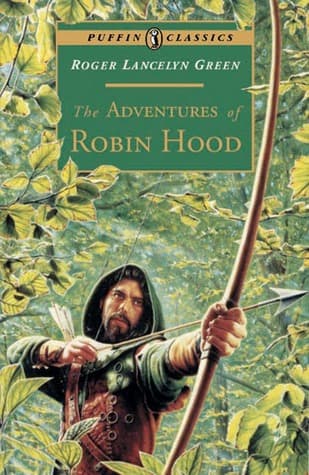
- The Adventures of Robin Hood
Roger Lancelyn Green
4.1 (12k) average on GoodreadsFantasyAnother classic, accessible retelling of the Robin Hood legend.
- Harry Potter and the Sorcerer's Stone
J.K. Rowling
4.5 (7M) average on GoodreadsFantasyRescued from a miserable life under the stairs, an orphaned boy discovers he's a wizard destined for a magical school, where he uncovers a dangerous secret tied to the dark wizard who murdered his parents.
- The Hunger Games
Suzanne Collins
4.3 (6.4M) average on GoodreadsFantasyIn a future where children fight to the death on live television, Katniss Everdeen volunteers for the arena, turning a death sentence into a fight for survival and a spark of rebellion.
- 1984
George Orwell
4.2 (3.1M) average on GoodreadsPoliticsIn a future where surveillance and thought control are absolute, a man's search for truth clashes with the Party, showing that hope can be a form of rebellion.
- Divergent
Veronica Roth
4.2 (2.9M) average on GoodreadsFantasyIn a society divided by virtues, a sixteen-year-old's difference from the norm starts a rebellion that threatens her world.
- The Hobbit, or There and Back Again
J.R.R. Tolkien
4.3 (2.9M) average on GoodreadsFantasyA comfort-loving hobbit named Bilbo Baggins is whisked away by a mischievous wizard and a band of dwarves on an unexpected journey to reclaim stolen treasure from a fearsome dragon, discovering courage and a magical ring along the way.





Enjoyed the summary?
A summary gives you the shape of the book. The book itself has the detail, the examples and the voice.
Find The Outlaws of Sherwood on AmazonAs an Amazon Associate, BookBrief earns from qualifying purchases. How we're funded