
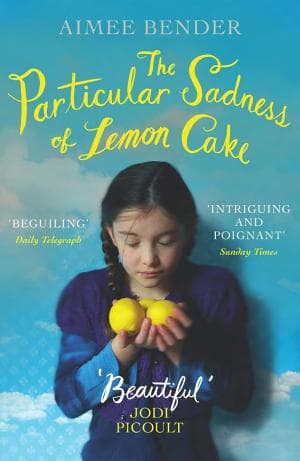
Synopsis
Covers the whole plot, including the ending.
- Difficulty
- Medium
- Pacing
- Slow
- Mood
- Atmospheric, Melancholy, Introspective, Quirky, Tender
- Read it if
- You enjoy magical realism, introspective character studies, and exploring the complexities of family relationships through a unique lens.
- Skip it if
- You prefer fast-paced plots, clear-cut resolutions, or stories with minimal introspection and more external action.
The Particular Sadness of Lemon Cake Plot Summary
Covers the whole plot, including the ending.
A Taste of Melancholy
On her ninth birthday, Rose Edelstein bites into a homemade lemon-chocolate cake baked by her mother, Elaine. Instead of the expected sweet and tangy flavors, Rose is overwhelmed by sadness, bitterness, and a sense of 'hopelessness, as if the world were a place where good things didn't happen.' She quickly realizes she is tasting her mother's emotions, not just the ingredients. This revelation is horrifying and confusing for young Rose, who struggles to understand why her mother, seemingly content, would bake such despair into a birthday cake. She tries to explain it to her parents, but they dismiss her claims as a child's imagination, leaving Rose isolated with her new, perplexing ability.
Navigating a Flavorful World
As Rose grows, her ability to taste emotions in food intensifies and becomes more nuanced. Every meal is a sensory overload, revealing the hidden feelings of the person who prepared it. Food from strangers often carries generic, fleeting emotions, but homemade food, especially from family, is a deep well of personal truths. She learns to distinguish between different emotions – the anxiety in her father's scrambled eggs, the quiet longing in her brother Joseph's toast. This gift makes eating a minefield, forcing her to be constantly aware of others' emotional states, yet also making her feel profoundly disconnected, as she cannot share her secret with anyone.
Joseph's Disappearance
Rose's older brother, Joseph, begins to show strange behavior. Initially, he seems to 'disappear' into his room, becoming withdrawn and quiet. Soon, this becomes literal: Joseph starts to transform into inanimate objects, first briefly, then for longer periods. His hand might become a piece of wood, or his leg might turn into a chair leg. These transformations are unsettling and frightening, yet Joseph seems to accept them with a strange calm. He does not explain why this is happening, and their parents, while concerned, struggle to understand or address his condition, often attributing it to a phase or a mental health issue.
The Family's Unspoken Pains
Rose's parents, Elaine and Saul, respond to Joseph's condition and Rose's own quiet strangeness with denial, confusion, and a deep sadness that Rose can taste in every meal her mother prepares. Saul, a furniture maker, retreats into his workshop, while Elaine becomes increasingly distant and preoccupied, her emotional state a constant, bitter presence in Rose's food. The family avoids direct confrontation about Joseph's transformations or Rose's unique sensitivity, creating a silent divide between them. Rose feels the weight of their unspoken pains and secrets, particularly the profound melancholy from her mother, which she tastes but cannot fully comprehend.
Joseph's Full Transformation
Joseph's transformations become more complete and permanent. One day, he fully transforms into a beautiful, intricately carved wooden cabinet in the family home. This final, complete change is devastating for Rose and her parents. Saul, perhaps understanding on some level, treats the cabinet with reverence and grief. The family is forced to confront the impossible reality of Joseph's condition. Eventually, a specialized institution, 'The Home for the Emotionally Affected,' takes Joseph away, believing his condition to be a profound form of mental illness. Rose is left with a deep sense of loss and the lingering mystery of her brother's fate, and the cabinet, once Joseph, is gone.
Adulthood and Isolation
As an adult, Rose moves to Los Angeles, seeking a fresh start and anonymity from her family's unspoken sorrows. She works a mundane job, but her unique ability continues to shape her life. Eating out is a gamble; she prefers bland, mass-produced foods to avoid the emotional intensity of homemade meals. She struggles with intimacy, as the emotional honesty revealed through food makes genuine connection difficult and overwhelming. Despite her efforts to build a normal life, Rose remains isolated, her gift a constant, invisible barrier between herself and others, leaving her yearning for understanding and connection.
A New Relationship and a Shared Secret
Rose meets George, a kind and understanding man who works at a bookstore. They develop a relationship, and Rose, for the first time, feels a glimmer of hope for connection. George has his own peculiar sensitivity: he can hear the 'voices' of inanimate objects, a quiet hum of their history and purpose. This shared experience of perceiving the world in an unconventional way allows Rose to finally open up about her ability to taste emotions in food. George is not dismissive; he listens with empathy, offering Rose a sense of validation and belonging she has never experienced before, making their bond unique and deep.
Uncovering Elaine's Past
Rose and George travel to George's parents' cabin, a place where George spent time as a child. While there, Rose discovers a connection to her own family. She finds an old photograph that includes her mother, Elaine, as a young woman, along with a man who is not her father, Saul. This discovery is a jarring revelation, hinting at a hidden past for her mother. The emotions she tastes in the food her mother prepares suddenly gain new context, suggesting a long-held secret that has shaped Elaine's sadness. This photograph becomes a key piece in understanding the source of her mother's pervasive melancholy.
The Truth Revealed
Armed with the photograph, Rose returns home and confronts her mother, Elaine. Elaine, finally ready to unburden herself, reveals her hidden past: before she met Saul, she had a passionate love affair with another man and became pregnant. The baby was stillborn. This traumatic experience, the loss of her first child and first love, has been the source of the persistent sadness that Rose has tasted in her mother's food since childhood. This confession explains Elaine's emotional distance and the underlying melancholy that has permeated their family's life, bringing heartbreaking clarity to Rose's unique perceptions.
Joseph's Return and the Nature of His Gift
Joseph reappears, not as a cabinet, but as a man, yet still with a deep connection to the material world. He explains that his 'disappearing' was not an illness but a different kind of gift – an ability to merge with objects, to understand their essence and history, similar to George's sensitivity. He has been traveling, experiencing the world through the perspective of various objects. His return brings closure and understanding to the family, as they finally grasp the true nature of his unique existence, which mirrors Rose's own unconventional way of perceiving reality.
Reconciliation and Acceptance
With Elaine's confession and Joseph's return and explanation, the Edelstein family begins to heal and reconcile. The long-held secrets and unaddressed pains are finally brought into the open. Rose's ability is no longer just a burden but a key to understanding her family's history and emotions. Saul, who built furniture, now understands Joseph's connection to wood. The family, once fractured by unspoken truths, starts to communicate more openly, accepting each other's unique ways of being. Rose, for the first time, feels a sense of belonging within her own family, no longer isolated by her gift.
The Sweetness of Understanding
Rose's journey culminates in a newfound peace and acceptance of her gift. She learns that while her ability can reveal sadness, it also allows for deep empathy and understanding. She can now taste not just sorrow, but also love, joy, and peace in food, recognizing the full range of human emotion. Her relationship with George flourishes, built on mutual understanding and shared unconventional perceptions. Rose's unique way of experiencing the world, once a source of pain and isolation, becomes a pathway to deeper connection and a richer, more compassionate engagement with life and the people around her, particularly her family.
Principal Figures
Rose Edelstein
Protagonist
A young woman who can taste emotions in food.
Rose is a sensitive and observant individual who, from the age of nine, possesses the unique ability to discern the emotional state of a food's preparer through taste. This gift makes her cautious and often isolated, as the world of food becomes a constant revelation of hidden feelings and truths, particularly the profound sadness of her mother. She yearns for connection and understanding but struggles to find it due to her inability to share her secret. Her journey is one of coming to terms with her extraordinary perception and learning to use it for empathy rather than just isolation.
Relationships: Elaine Edelstein (Daughter, deeply connected by Elaine's emotional food); Saul Edelstein (Daughter, feels a quiet distance from him); Joseph Edelstein (Sister, profoundly affected by his transformations); George (Boyfriend, shares a unique sensory connection)
Elaine Edelstein
Supporting
Rose's mother, whose deep sadness is a central mystery.
Elaine is Rose's mother, a woman seemingly ordinary on the surface but whose homemade food consistently reveals a profound, unshakeable sadness to Rose. She is somewhat distant and preoccupied, struggling to cope with Joseph's condition and harboring a long-held secret that has shaped her emotional landscape. Her sadness is a central mystery that Rose endeavors to solve, ultimately revealing a past trauma that has colored her entire life. She represents the unspoken grief and hidden emotional burdens within families.
Relationships: Rose Edelstein (Mother, source of Rose's initial emotional tastes); Saul Edelstein (Wife, shares a distant but enduring marriage); Joseph Edelstein (Mother, struggles to understand his condition)
Joseph Edelstein
Supporting
Rose's brother, who mysteriously transforms into inanimate objects.
Joseph is Rose's older brother, a quiet and introspective young man who gradually begins to transform into inanimate objects, primarily wood. His transformations are initially unsettling and inexplicable, causing distress and confusion for his family. He seems to accept his condition with a calm resignation, suggesting a deeper understanding of his unique nature. Joseph's journey challenges conventional notions of identity and reality, eventually revealing his transformations to be another form of sensory perception, akin to Rose's.
Relationships: Rose Edelstein (Brother, his condition deeply affects Rose); Elaine Edelstein (Son, whose condition causes her great sorrow); Saul Edelstein (Son, whose transformation connects to Saul's craft)
Saul Edelstein
Supporting
Rose's father, a quiet furniture maker.
Saul is Rose's father, a furniture maker who is generally quiet and somewhat withdrawn. He loves his family but struggles to express his emotions or directly confront the unusual circumstances surrounding his children. He retreats into his workshop, finding solace and expression in his craft. His practical nature contrasts with the more fantastical elements of his children's gifts, yet he eventually finds a way to understand Joseph's connection to wood, bridging the gap between their different realities.
Relationships: Rose Edelstein (Father, somewhat distant but caring); Elaine Edelstein (Husband, shares a marriage with unspoken tensions); Joseph Edelstein (Father, his craft connects to Joseph's transformation)
George
Supporting
Rose's understanding boyfriend, who also possesses a unique sensory gift.
George is a kind and empathetic man whom Rose meets and falls in love with in Los Angeles. He works at a bookstore and possesses his own unique sensitivity: he can hear the 'voices' or histories of inanimate objects. This shared experience of perceiving the world unconventionally allows Rose to finally open up about her gift, finding validation and deep connection with him. George represents the possibility of understanding and intimacy for Rose, helping her to move past her isolation.
Relationships: Rose Edelstein (Boyfriend, deeply understanding and supportive)
The Stillborn Child
Mentioned
Elaine's lost child, the source of her profound sadness.
This unnamed child is the subject of Elaine's deepest grief and the true source of the profound sadness Rose tastes in her mother's food. The child was stillborn after Elaine's first love affair, a secret she carried for decades. While never appearing directly, this character's tragic existence profoundly impacts Elaine's life and, by extension, the entire Edelstein family dynamic. The revelation of this loss is key to understanding Elaine's character and unlocking the family's healing process.
Relationships: Elaine Edelstein (Lost child, source of her lifelong grief)
Themes & Insights
The Burden and Gift of Empathy
Rose's ability to taste emotions in food is initially a burden, isolating her and forcing her to confront uncomfortable truths about her family, particularly her mother's deep sadness. However, as she matures, this unique form of empathy becomes a gift, leading to reconciliation and connection. For example, tasting Elaine's sadness eventually uncovers a family secret, which, while painful, allows for healing. The novel explores the dual nature of intense empathy – its capacity for both pain and understanding.
“It was as if I had been given a special lens to see the world, but it was a lens that only showed me the parts of people they wanted to keep hidden.”
Unspoken Secrets and Family Dynamics
The Edelstein family is marked by unspoken secrets and emotional distance. Elaine's hidden past, Joseph's mysterious transformations, and Rose's secret gift all contribute to a lack of open communication. This theme highlights how unaddressed traumas and hidden truths can create barriers within a family, leading to isolation and misunderstanding. The eventual revelation of Elaine's stillborn child and Joseph's true nature allows the family to finally confront their past and begin to heal, emphasizing the importance of honesty and communication for true connection.
“Secrets are like spices; a little can enhance, but too much can make you sick.”
The Nature of Reality and Perception
The novel challenges conventional notions of reality through the fantastical abilities of Rose and Joseph. Rose tastes emotions, and Joseph transforms into objects, while George hears their 'voices.' These unique forms of perception suggest that reality is more complex than typically experienced. The story explores how individuals with different sensory experiences navigate the world and how their 'gifts' can be misunderstood as illness or abnormality by a society that adheres to a more limited definition of reality. It posits that there are many ways to connect with and understand the world around us.
“Maybe the world wasn't broken; maybe it was just built differently for some people.”
Loss and Grief
Loss and grief are central to the novel, most deeply shown in Elaine's decades-long mourning for her stillborn child. This unexpressed grief permeates her existence and is directly experienced by Rose through her food. Joseph's 'disappearance' into objects also represents a form of loss for the family, even if he eventually returns. The novel explores how individuals cope with loss, the long-term impact of unaddressed grief, and the process of coming to terms with it. It suggests that acknowledging and sharing grief, even years later, is crucial for healing.
“Some sadnesses are so deep, they don't just sit in the heart; they become part of the very fabric of who you are.”
Identity and Belonging
Rose's struggle with her unique ability shapes her sense of identity, often making her feel like an outsider. She longs for belonging but fears rejection if she reveals her true self. Joseph's transformations also raise questions about identity – is he still Joseph when he is a cabinet? The novel explores how extraordinary traits can challenge one's sense of self and the journey towards self-acceptance. Ultimately, Rose finds belonging not by shedding her gift, but by finding others who understand and accept her unique perception, and by understanding her family's own unique ways of being.
“I often wondered if I was a person, or just a collection of other people's feelings.”
Plot Devices & Literary Techniques
Magical Realism
Fantastical elements are presented matter-of-factly within a realistic setting.
The novel employs magical realism by introducing fantastical elements—Rose's ability to taste emotions in food and Joseph's transformations into inanimate objects—into an otherwise ordinary, contemporary setting without explanation or questioning by the narrative voice. These elements are treated as natural occurrences, albeit unusual ones, within the characters' lives. This device allows the author to explore deep emotional and psychological themes, such as empathy, grief, and unconventional perception, through a metaphorical lens, making the internal lives of the characters externally manifest and tangible.
First-Person Narration (Rose)
The story is told entirely through Rose's perspective.
The narrative is primarily told from Rose Edelstein's first-person perspective, offering intimate access to her thoughts, feelings, and sensory experiences. This device is crucial for conveying the subjective nature of her unique gift; readers experience the world through her heightened sense of taste and the emotional information it provides. This perspective emphasizes her isolation and her journey of understanding, as we only know what Rose knows, and feel what she feels, making her eventual breakthroughs in connection and understanding all the more impactful.
Symbolism of Food
Food represents emotional truth and connection.
Food in the novel is not merely sustenance but a powerful symbol. For Rose, it is a direct conduit to the emotional states of its preparers, making every meal a revelation of hidden truths. The 'lemon cake' itself, with its combination of sweet and tart, and the 'sadness' Rose tastes, encapsulates the bittersweet nature of life and the complex emotions within her family. Food becomes a metaphor for human connection, intimacy, and the ways in which we nourish or harm each other emotionally, highlighting the profound impact of shared experiences and hidden feelings.
Symbolism of Objects/Furniture
Objects represent stability, history, and hidden lives.
Objects, particularly furniture, hold significant symbolic weight in the novel. Saul's profession as a furniture maker connects to Joseph's transformation into a wooden cabinet, blurring the lines between human and inanimate. Joseph's ability to merge with objects and George's ability to hear their 'voices' suggest that objects possess histories, memories, and even a form of consciousness. This symbolism underscores the theme of hidden lives and the idea that there is more to the world than meets the eye, offering a different way of understanding existence and connection beyond the purely human.
The Particular Sadness of Lemon Cake Quotes
“I can taste things. Not just the flavor, but the emotion. The history. The sadness.”
“It was a lemon cake, and it tasted like despair. Not the sweet, sugary kind of despair, but the real, bitter, metallic kind.”
“You can't just eat your way through your problems, Rosemary. Sometimes you have to actually talk about them.”
“Food was a way to understand. To feel. To not feel alone.”
“Some people have a knack for getting lost. Some people have a knack for finding them.”
“The world was full of secrets, and some of them were delicious.”
“He tasted like wood and metal and a little bit of longing.”
“Maybe love was just a series of small, delicious moments, strung together like pearls.”
“It was hard to know what was real and what was just the taste of someone else's sorrow.”
“You can't eat a person. Not really. But you can taste them.”
“The sadness was like a weight, a density, a flavor that clung to everything.”
“Sometimes the most important things are the ones you can't see, but you can feel.”
“Every object had a story, every story a taste.”
“He tasted like an old book, worn and loved, with a faint hint of adventure.”
Quiz
10 questions on the plot and the characters. Each answer comes with a short explanation.
Question 1
What is the specific age at which Rose first discovers her unique ability to taste emotions in food?
- Seven years old
- Nine years old
- Five years old
- Ten years old
Show answer
B. Nine years old Rose discovers her ability when she is nine years old, tasting her mother's sadness in a lemon cake.
Question 2
What emotion does Rose primarily taste in her mother's lemon cake that triggers the initial realization of her gift?
- Joy
- Anger
- Sadness
- Love
Show answer
C. Sadness The title of the book itself refers to the 'particular sadness' Rose tastes in her mother's lemon cake, revealing her mother's hidden sorrow.
Question 3
What is the profession of Rose's father, George Edelstein?
- Baker
- Lawyer
- Furniture maker
- Doctor
Show answer
C. Furniture maker Rose's father, George, is a furniture maker, known for crafting unique and often symbolic pieces.
Question 4
What unique ability does Rose's brother, Joseph, develop later in the story?
- He can read minds.
- He can turn into a chair.
- He can control the weather.
- He can fly.
Show answer
B. He can turn into a chair. Joseph develops the ability to transform into inanimate objects, specifically a chair, as a way to escape or cope with his own emotional struggles.
Question 5
How does Rose initially cope with her overwhelming ability to taste emotions in food?
- She becomes a gourmet chef.
- She stops eating almost entirely.
- She only eats bland, processed foods.
- She uses her ability to help others.
Show answer
B. She stops eating almost entirely. Initially, Rose finds her gift horrifying and overwhelming, leading her to avoid food as much as possible to escape the barrage of emotions.
Question 6
What is the primary thematic significance of food in the novel beyond its literal consumption?
- It represents social status and wealth.
- It serves as a metaphor for communication and emotional connection (or lack thereof).
- It symbolizes the fleeting nature of happiness.
- It highlights the importance of traditional family values.
Show answer
B. It serves as a metaphor for communication and emotional connection (or lack thereof). Food acts as a central metaphor for how people communicate and connect emotionally, or fail to, with Rose's ability making these hidden connections (or disconnections) palpable.
Question 7
What specific object does Rose's father, George, begin to craft that becomes a significant symbol of the family's fractured state?
- A birdcage
- A wooden puppet
- A chair that no one can sit in
- A perpetually ticking clock
Show answer
C. A chair that no one can sit in George crafts a chair that is intentionally dysfunctional and cannot be sat in, symbolizing the emotional distance and brokenness within the family.
Question 8
What is the underlying 'sadness' of Rose's mother that is slowly revealed through Rose's gift and the narrative?
- Regret over her career choices.
- Unfulfilled artistic aspirations.
- A desire to escape her family life and responsibilities.
- Grief over a lost pet.
Show answer
C. A desire to escape her family life and responsibilities. The mother's 'sadness' stems from a profound sense of unfulfillment and a longing to escape the confines of her domestic life, a desire that manifests in her cooking and is tasted by Rose.
Question 9
How does Rose eventually learn to 'control' or manage her gift, allowing her to live a somewhat normal life?
- She develops a mental 'filter' to block out strong emotions.
- She learns to cook her own food, infusing it with her own emotions.
- She finds a way to 'eat around' the emotions, focusing on the literal taste.
- She discovers that certain foods are immune to emotional imprints.
Show answer
C. She finds a way to 'eat around' the emotions, focusing on the literal taste. Rose develops a technique of 'eating around' the emotions, allowing her to discern the literal taste of the food without being completely overwhelmed by the emotional flavors.
Question 10
What is the ultimate fate of Joseph, Rose's brother, regarding his unique ability?
- He completely loses his ability to transform.
- He transforms permanently into a chair and lives out his life that way.
- He learns to control his transformations and uses them to help people.
- He passes his ability on to his own children.
Show answer
B. He transforms permanently into a chair and lives out his life that way. Joseph eventually transforms permanently into a chair, symbolizing his ultimate retreat from the human world and his emotional struggles.
The Particular Sadness of Lemon Cake FAQ
What is the central premise of 'The Particular Sadness of Lemon Cake'?
The novel centers on Rose Edelstein, a young girl who discovers she can taste the emotions of the person who prepared her food. This unique ability means a lemon cake made by her mother tastes of 'sadness,' revealing unspoken truths about her family and guiding her through a complex childhood.
How does Rose's gift manifest for the first time?
Rose first experiences her unusual ability at age nine while eating a lemon-chocolate cake her mother baked. Instead of just tasting lemon and chocolate, she distinctly tastes her mother's 'sadness, an unbearable melancholy' in the cake, marking the beginning of her heightened sensory perception.
Who are the key members of the Edelstein family, and what are their defining traits?
The Edelstein family consists of Rose, the protagonist with the gift; her mother, who is often distant and melancholic; her father, a pragmatic and somewhat detached furniture maker; and her brother, Joseph, who later develops his own peculiar ability to become inanimate objects.
What is Joseph's unique ability, and how does it compare to Rose's?
Joseph develops the ability to transform into inanimate objects, such as a wooden chair or a wall, to escape emotional distress or simply to observe. While Rose's gift is about internalizing and understanding others' emotions through food, Joseph's is about externalizing and physically detaching from them.
How does Rose's gift impact her relationship with her mother?
Rose's gift creates an early, profound, and often painful understanding of her mother's deep-seated sadness. This knowledge both distances and connects them; Rose yearns to understand and alleviate her mother's pain, but the constant emotional feedback makes their interactions complex and fraught with unspoken tension.
What is the significance of the 'sadness' Rose tastes in her mother's lemon cake?
The pervasive sadness Rose tastes in her mother's cooking is a central mystery, hinting at an unresolved trauma or secret that profoundly affects the family dynamic. It represents the emotional core of the novel, driving Rose's quest for understanding and revealing the hidden depths of her mother's character.
Are there other characters who share Rose's unique ability, or similar sensory gifts?
While Rose's specific ability to taste emotions in food seems unique to her, the novel introduces other characters with unusual sensory perceptions or abilities, such as Joseph's transformations. This suggests a world where magical realism is not entirely isolated but rather a nuanced aspect of human experience, though Rose's gift remains distinct.
What role does George play in Rose's life?
George is Rose's boyfriend, a kind and understanding presence who eventually learns about her gift. He represents a grounding force and a source of emotional connection outside her complicated family, offering her a space where she feels seen and accepted despite her extraordinary ability.
How does the family react to Joseph's transformations?
Initially, Joseph's transformations are a source of confusion and concern, particularly for his parents who struggle to comprehend or accept them. Rose, however, is more attuned to the subtle changes and often understands the emotional impetus behind his shifts, leading to a unique bond and acceptance between the siblings.
How does Rose's gift affect her own emotional development and relationships?
Rose's gift forces her into a premature understanding of adult emotions, making her hyper-aware and sometimes overwhelmed. It fosters empathy but also isolation, as she struggles to navigate relationships without revealing her secret. She learns to build boundaries, but the constant emotional input shapes her deeply empathetic yet cautious nature.
How does Joseph's ability serve as a coping mechanism for him?
Joseph's transformations are a profound coping mechanism, allowing him to physically escape overwhelming emotions, family tension, or the demands of human interaction. By becoming an object, he achieves a sense of detachment and stillness, which provides a refuge from the emotional complexities he struggles to process.
What psychological themes are explored through the mother's pervasive sadness?
The mother's enduring sadness explores themes of unresolved grief, hidden trauma, and the silent burdens carried within a family. Her emotional state, palpable through Rose's gift, highlights how unspoken pain can permeate daily life and impact the psychological well-being of those around her, especially her children.
How do Rose and Joseph's unique abilities reflect different ways of processing emotion?
Rose internalizes emotions, experiencing them viscerally through taste, which leads to deep empathy and understanding. Joseph externalizes emotions by transforming, physically detaching himself. Their contrasting coping mechanisms showcase two distinct psychological responses to emotional overload: absorbing versus escaping.
What is the ultimate resolution or understanding Rose achieves regarding her mother's sadness?
Rose ultimately learns that her mother's sadness stems from the loss of her own brother, Walter, who died young. While this revelation doesn't erase the sadness, it provides Rose with context and allows her to understand her mother not just as a source of melancholy, but as a person carrying profound grief, fostering a deeper, more empathetic connection.
Is the magical realism in the book meant to be taken literally, or is it a metaphor for emotional truths?
The magical realism in the book functions as both; it is presented literally within the narrative, but also serves as a powerful metaphor. Rose's tasting of emotions and Joseph's transformations vividly represent the intense, often overwhelming, and sometimes isolating nature of human emotional experience and communication within a family.
How does the book explore the theme of communication and unspoken truths?
The novel profoundly explores communication by highlighting its failures and successes. Rose's gift bypasses conventional speech, revealing emotions that are otherwise hidden or unarticulated, particularly within her family. This emphasizes how much goes unsaid and how deeply unspoken truths can shape relationships and individual lives.
What is the significance of food itself in the novel, beyond being a vehicle for emotion?
Beyond being a vehicle for emotion, food in the novel symbolizes connection, comfort, and the domestic sphere. It represents the effort of care and the rituals of family life. The changing tastes of food reflect the shifting emotional landscape, making meals central to the characters' experiences and the narrative's emotional arc.
Does Rose's gift ever feel like a burden or a blessing, and how does her perspective evolve?
Rose's gift is initially a horrifying burden, overwhelming her with adult emotions and isolating her. As she matures, she learns to harness it, using it to understand people and connect more deeply. It evolves into a unique way of experiencing the world, becoming both a challenge and a profound source of empathy and wisdom.
How does the ending of the novel provide a sense of closure or continued openness for Rose?
The ending provides a nuanced sense of closure. Rose understands the root of her mother's sadness, fostering a deeper, more accepting relationship. While her gift remains, she has learned to live with it and even embrace it, suggesting continued openness to life's complexities rather than a definitive end to her unique journey.
About the author

Aimee Bender is an American novelist and short story writer, known for her surreal stories and characters. She is a 2011 recipient of the Alex Awards.
Similar books
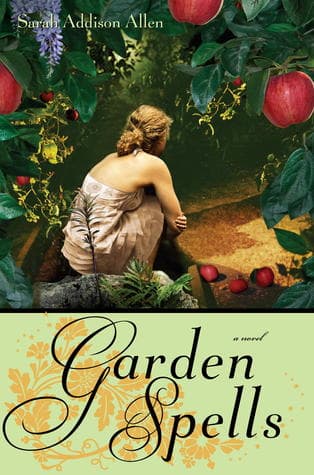
- Garden Spells
Sarah Addison Allen
4.1 (87k) average on GoodreadsFantasyFeatures a family with magical abilities tied to food and strong emotional themes.
- Like Water for Chocolate
Laura Esquivel
4.0 (324k) average on GoodreadsFantasyExplores a woman's emotions manifesting through her cooking, impacting those who eat it.
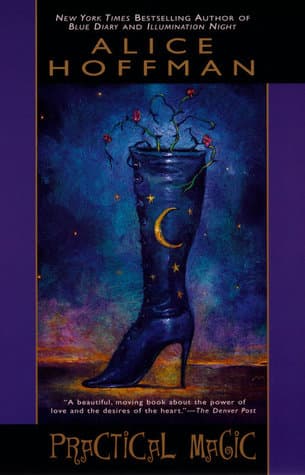
- Practical Magic
Alice Hoffman
3.8 (75k) average on GoodreadsFantasyFocuses on a family with inherited magical abilities and the challenges of love and belonging.
- One Hundred Years of Solitude
Gabriel García Márquez
4.1 (753k) average on GoodreadsLiterary FictionWhile both are seminal works of magical realism, Márquez's novel offers a sprawling, multi-generational epic with a broader historical and political scope, using magic to reflect societal shifts. Bender's work, in contrast, is intensely personal and domestic, focusing on the intimate psychological impact of a unique gift within a single family unit. Márquez's magic often feels grand and intrinsic to the world, whereas Bender's is a more contained, sensory experience.
- The Old Man and the Sea
Ernest Hemingway
3.8 (831k) average on GoodreadsLiterary FictionA Cuban fisherman's long struggle with a giant marlin becomes a story of endurance and dignity, now retold for young adults with illustrations, phonetic guides, and writing prompts in Traditional Chinese.
- The Goldfinch
Donna Tartt
3.9 (720k) average on GoodreadsLiterary FictionHaunted by a tragic explosion and clutching a stolen Dutch masterpiece, a young orphan navigates the opulent drawing rooms of New York and the gritty underbelly of the art world, desperately seeking connection and redemption amidst a life spiraling into crime and obsession.



Enjoyed the summary?
A summary gives you the shape of the book. The book itself has the detail, the examples and the voice.
Find The Particular Sadness of Lemon Cake on AmazonAs an Amazon Associate, BookBrief earns from qualifying purchases. How we're funded