
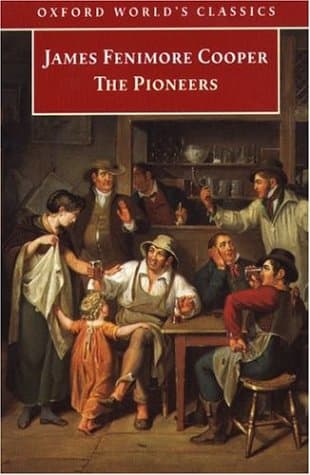
Synopsis
Covers the whole plot, including the ending.
- Difficulty
- Medium
- Pacing
- Moderate
- Mood
- Reflective, Historical, Pastoral, Melancholy
- Read it if
- You enjoy classic American literature, historical fiction set during the early American frontier, or stories that explore the conflict between civilization and nature.
- Skip it if
- You prefer fast-paced plots, modern prose, or are not interested in detailed descriptions of 18th-century frontier life and societal debates.
The Pioneers Plot Summary
Covers the whole plot, including the ending.
A Christmas Eve Hunt and a Mysterious Stranger
On Christmas Eve in 1793, Judge Marmaduke Temple and his daughter Elizabeth travel by sleigh through the snowy wilderness near their growing settlement of Templeton. They are involved in a deer hunt where Natty Bumppo, known as Leatherstocking, and his Mohican friend Chingachgook save Elizabeth from a stray shot. Natty's shot wounds a young man named Oliver Edwards, who was also hunting. Edwards is brought to Templeton for care. Later, at the Temple's manor, a formal Christmas dinner takes place, where the town's important citizens, including the eccentric Richard Jones and the scholarly Dr. Todd, gather. Elizabeth is drawn to Oliver Edwards, who works as Judge Temple's secretary, despite his reserved and sometimes sad manner. His presence creates a subtle tension, especially with Judge Temple.
Life in Templeton and Growing Mysteries
Elizabeth Temple settles into life in Templeton, seeing the fast and often harmful development of the frontier town. She sees the wasteful logging and hunting that threaten the natural beauty and resources of the area, much to Natty Bumppo's sadness. Oliver Edwards, despite being Judge Temple's secretary, remains distant and sometimes argumentative, especially when land ownership and past grievances come up. He spends a lot of time with Natty and Chingachgook, learning their ways. Elizabeth finds herself more and more interested in Oliver, despite his mysterious past and his occasional bitterness towards Judge Temple. The Judge, meanwhile, often tries to civilize Natty, offering him work and a place in society, which Natty always refuses, preferring his independent life in the woods.
The Pigeon Shoot and Nature's Decline
A large group of passenger pigeons flies over Templeton, leading to a disorganized and wasteful pigeon shoot planned by Richard Jones. The townspeople participate eagerly, killing thousands of birds without thought, far more than they can use. Natty Bumppo and Chingachgook watch this scene with sadness and disgust, seeing it as another example of the settlers' disregard for nature's balance. This event widens the gap between Natty's view of living respectfully with the wilderness and the settlers' exploitative approach. Elizabeth, though she first participates, soon feels regret and starts to understand Natty's perspective, strengthening her growing respect for the old hunter and the natural world he represents.
Chingachgook's Illness and Oliver's Secret
Chingachgook, an old and sick man, falls ill. Natty Bumppo cares for him, but his condition worsens, hinting at the decline of his people and the wilderness. During this time, Oliver Edwards's behavior becomes more unpredictable, and he is increasingly drawn to a secluded cabin in the woods, which he shares with Natty and Chingachgook. Hints of his true identity start to appear through his talks with Natty and his reactions to discussions about the original land claims in Templeton. It turns out that Oliver is, in fact, Oliver Effingham, the grandson of Major Effingham, the original owner of the land now held by Judge Temple. His family had lost their land, and he resented Temple, believing him to be a usurper.
The Burning Cabin and Natty's Arrest
A forest fire, likely an accident, starts and burns Natty Bumppo's cabin. During the confusion, Natty is accused of breaking game laws by shooting a deer out of season and also charged with resisting local authorities, especially Sheriff Richard Jones, who represents the random and often minor application of frontier law. He is brought before Judge Temple, who, despite his personal fondness for Natty, feels he must uphold the law. Natty is found guilty and sentenced to a fine, imprisonment, and public humiliation in the stocks. This unfairness deeply affects Elizabeth and further shows the conflict between the natural law Natty lives by and the written, sometimes flawed, laws of the settlers.
Natty's Imprisonment and Escape
Natty Bumppo calmly endures his time in the stocks, a symbol of old ways being overtaken by new. Elizabeth Temple, upset by the unfairness, visits him and offers comfort. Oliver Edwards, now openly supporting Natty, also visits and helps arrange his escape. With the help of Elizabeth and other sympathetic townspeople, Natty is freed from prison. This act of defiance against the legal system shows the moral complexity of law in a frontier setting and highlights loyalties that go beyond social and legal rules. Natty goes back into the wilderness, his spirit unbroken but his place in the settled world permanently changed.
Chingachgook's Death and Funeral
Chingachgook, the last of the Mohicans, dies from his illness. His death is a sad moment, symbolizing the end of the Native American presence and their way of life in the region. Natty Bumppo, deeply saddened, performs a traditional burial ceremony in the wilderness. Elizabeth Temple and Oliver Edwards are there, witnessing the solemn event. The funeral is a strong reminder of the displacement and loss faced by native peoples as the frontier grows, and it deepens the bond between Oliver, Elizabeth, and Natty, uniting them in their respect for the passing era.
Oliver's Revelation and Reconciliation
After Chingachgook's death and Natty's escape, Oliver Edwards finally tells Judge Temple his true identity. He admits that he is Oliver Effingham, the rightful heir to the lands that Judge Temple now owns through legal, though complex, means. Oliver explains his initial bitterness and his wish to get back his inheritance. Judge Temple, a man of integrity, expresses regret for the situation and explains the legal details that led to his ownership, saying he believed the Effingham family was gone. They reconcile, as both men realize they were victims of circumstance and misunderstanding rather than ill will. This revelation clears things up and allows for a resolution.
Love and New Beginnings
With the truth about Oliver's identity known and his reconciliation with Judge Temple complete, the romantic feelings between Elizabeth Temple and Oliver Edwards become clear. They admit their love for each other. Their upcoming marriage represents the joining of old and new claims to the land — Oliver representing the original, aristocratic owners, and Elizabeth representing the hardworking, developing frontier. This union promises a future where the best parts of both traditions might be kept. The community of Templeton looks forward to this marriage as a hopeful sign for the future of the settlement and its people, uniting the founding families.
Natty's Departure
Despite the happy ending for Oliver and Elizabeth, Natty Bumppo remains a figure of the disappearing wilderness. After Chingachgook's death and the arrival of civilization, Natty realizes there is no longer a place for him in Templeton. He says a sad goodbye to Elizabeth and Oliver, saying he plans to move further west, beyond settlements and the laws he finds unfair. His departure is a melancholic but firm act, meaning the end of an era and the advance of progress. He leaves, a solitary figure, seeking the untamed frontier, showing his lasting spirit and his strong connection to nature.
Principal Figures
Natty Bumppo (Leatherstocking)
Protagonist/Supporting
An aging frontiersman and skilled hunter, representing the untamed wilderness and a disappearing way of life.
Natty Bumppo is an old, skilled hunter and woodsman, deeply connected to nature and the Mohican way of life. He lives by his own moral code, which often clashes with the written laws and societal norms of the burgeoning settlement of Templeton. He is independent, honest, and fiercely protective of the wilderness and its creatures. Natty embodies the spirit of the American frontier before extensive settlement, lamenting the wasteful practices of the newcomers. He is a mentor and friend to both Chingachgook and, to a lesser extent, Oliver Edwards, and commands a deep respect from Elizabeth Temple.
Relationships: Chingachgook (Lifelong companion and adopted brother); Elizabeth Temple (Respected friend and confidante); Oliver Edwards (Friend and fellow hunter, mentor figure)
Judge Marmaduke Temple
Protagonist/Supporting
The benevolent but sometimes rigid founder of Templeton, representing the forces of law, order, and civilization.
Judge Temple is the wealthy and influential founder of Templeton, a self-made man who acquired vast tracts of land and established the settlement. He is generally benevolent, just, and forward-thinking, aiming to bring order and prosperity to the frontier. However, he is also a firm believer in the law and civilization, which sometimes puts him at odds with Natty Bumppo's naturalistic principles. He is a loving father to Elizabeth and a respected figure in the community, though his initial acquisition of the land is shrouded in some legal ambiguity concerning the Effingham family.
Relationships: Elizabeth Temple (Devoted father); Natty Bumppo (Respectful but often conflicting relationship due to differing views on law and nature); Oliver Edwards (Initially employer, then reconciled relative (uncle/guardian figure))
Elizabeth Temple
Protagonist
Judge Temple's intelligent and compassionate daughter, who bridges the gap between civilization and the wilderness.
Elizabeth is the refined and educated daughter of Judge Temple, returning to Templeton after years away at school. She is intelligent, compassionate, and possesses a strong moral compass. She initially adapts to the social life of the frontier but quickly develops an appreciation for the wilderness and Natty Bumppo's values, often acting as an intermediary between her father's legalistic views and Natty's naturalistic ones. She is observant and open-minded, allowing her to see the good in both the settlers and the old ways. She falls in love with Oliver Edwards.
Relationships: Judge Temple (Loving daughter); Natty Bumppo (Respectful friend and protector); Oliver Edwards (Love interest and eventual wife)
Oliver Edwards (Oliver Effingham)
Protagonist
A mysterious young man with a secret identity, seeking to reclaim his family's rightful inheritance.
Oliver Edwards arrives in Templeton as a reserved and somewhat bitter young man, initially employed as Judge Temple's secretary. He is skilled in the ways of the woods and forms a close bond with Natty Bumppo and Chingachgook. His true identity is Oliver Effingham, the grandson of the original patentee of the Templeton lands, dispossessed of his inheritance. He harbors resentment towards Judge Temple, whom he initially believes to be a usurper. He is proud, intelligent, and eventually falls in love with Elizabeth Temple.
Relationships: Elizabeth Temple (Love interest and eventual husband); Natty Bumppo (Friend and protégé); Chingachgook (Friend and adopted 'son' figure); Judge Temple (Initially antagonist, then reconciled relative)
Chingachgook (John Mohegan)
Supporting
The last of the Mohicans, a stoic and dignified Native American chief, symbolizing a dying culture.
Chingachgook, also known as John Mohegan, is Natty Bumppo's lifelong companion and the last surviving chief of the Mohican tribe. He is old, dignified, and largely silent, representing the tragic decline of the indigenous people in the face of European settlement. He embodies a profound connection to the land and a spiritual understanding of nature. His illness and eventual death are deeply symbolic, marking the end of an era and the passing of the Native American presence from the frontier.
Relationships: Natty Bumppo (Lifelong companion and adopted brother); Oliver Edwards (Respectful friend)
Richard Jones (Sheriff)
Supporting
Judge Temple's cousin and the town's bumbling sheriff, representing the sometimes absurd nature of frontier law.
Richard Jones, or 'Major Effingham' (though not the same Effingham as Oliver's family), is Judge Temple's cousin and the sheriff of Templeton. He is enthusiastic, well-meaning but often bumbling, boastful, and somewhat foolish. He is a caricature of frontier authority, often applying the law clumsily or with excessive zeal, particularly in his pursuit of Natty Bumppo. He is responsible for many of the town's less successful projects and provides much of the comic relief in the novel, though his actions sometimes have serious consequences.
Relationships: Judge Temple (Cousin and subordinate); Natty Bumppo (Antagonistic due to legal clashes)
Monsieur Le Quoi
Supporting
A French émigré and merchant, representing European refinement in the frontier.
Monsieur Le Quoi is a French émigré who runs a store in Templeton. He is polite, refined, and a bit of a dandy, often contrasting with the rougher manners of the frontier. He provides a touch of European culture and sophistication to the nascent settlement. He is generally well-liked and respected, offering a glimpse into the diverse backgrounds of the settlers.
Relationships: Elizabeth Temple (Acquaintance and customer); Judge Temple (Acquaintance and fellow prominent citizen)
Dr. Elnathan Todd
Supporting
The town's physician and surgeon, representing the limited medical knowledge of the era.
Dr. Todd is the resident physician and surgeon of Templeton. He is a well-intentioned but somewhat pompous character, often employing archaic medical practices. He represents the state of medical science on the frontier, which is often more reliant on superstition and tradition than genuine knowledge. He is a prominent member of the community and a frequent guest at Judge Temple's table.
Relationships: Judge Temple (Acquaintance and fellow prominent citizen)
Remarkable Pettibone
Supporting
Housekeeper for Judge Temple, representing practical frontier domesticity.
Remarkable Pettibone is Judge Temple's housekeeper, a practical, hardworking, and somewhat opinionated woman. She embodies the domestic virtues and challenges of frontier life. She is a loyal servant to the Temple family and provides a glimpse into the daily routines and social interactions within the household.
Relationships: Elizabeth Temple (Housekeeper and caregiver); Judge Temple (Employer and loyal servant)
Themes & Insights
Civilization vs. Wilderness
This is a main theme of the novel, looking at the conflict between the growing order of civilization (Judge Temple, his laws, and Templeton) and the wild nature (Natty Bumppo, Chingachgook, and the natural world). The novel shows the harmful effect of settlement on nature, especially through events like the wasteful pigeon shoot and logging, while also recognizing the need to build a society. The tension between these forces drives much of the story and character conflicts.
“The Judge… had, in fact, been a principal instrument in converting a wilderness into a garden, and in bringing the thousand advantages of an advanced state of society to a spot that, within the memory of man, had been a perfect desert.”
Justice and Law
The novel examines different types of justice: the written laws of the settlers (often arbitrary or misused by figures like Richard Jones), and the 'natural law' or moral code Natty Bumppo lives by. Natty's unfair arrest and imprisonment for breaking game laws highlight the clash between these systems. Judge Temple, though dedicated to upholding the law, deals with its flaws and the moral implications of its enforcement on people like Natty. The resolution involving Oliver's inheritance also looks at the complexities of legal claims and rightful ownership.
“The law… is a law; and it is not to be trifled with, by man or woman.”
Land Ownership and Inheritance
The story around Oliver Edwards's true identity as Oliver Effingham and his claim to the Templeton lands is a core theme. The novel explores how land was acquired on the frontier — through original grants, legal moves, and the displacement of native peoples. It asks what makes ownership 'rightful,' whether it's by family claim, legal document, or the act of developing the land. The reconciliation between Oliver and Judge Temple ultimately symbolizes a blending of these different claims.
“The land was originally owned by my family, and it was through an act of injustice that it passed into other hands.”
The Decline of Indigenous Culture
Through Chingachgook, 'the last of the Mohicans,' the novel shows the disappearing presence and culture of Native Americans. His illness and death symbolize the displacement and extinction faced by native peoples as European settlement grows. Natty Bumppo's respect for Chingachgook and their shared way of life emphasizes the loss of a valuable connection to the land and a spiritual understanding that the settlers often lack. The theme highlights the sad cost of 'progress' on the frontier.
“My tribe is like a tree that has been cut down; the leaves are withered, and the branches are broken.”
Frontier Life and Social Development
The novel provides a detailed picture of frontier life in early America, from the challenges of building a town to the social dynamics of a new community. It shows the settlers' hard work, the temporary nature of their institutions (like the justice system), and the mix of different social classes and backgrounds. It also shows the fast exploitation of natural resources and the tension between individual freedom and community responsibility in a developing society. The growth of Templeton itself is a part of the story.
“The settlement of Templeton was already a place of some importance, and promised to be of still greater.”
Plot Devices & Literary Techniques
The Frontier Setting
A dynamic backdrop that shapes characters and conflicts.
The physical and social frontier of Templeton is not merely a background but a central plot device. It creates the conditions for the conflict between civilization and wilderness, shapes the characters' values (Natty's independence, Judge Temple's drive for order), and dictates the challenges they face. The untamed landscape, the nascent town, and the clash of cultures inherent in a frontier environment are crucial to every plot point, from the wasteful pigeon shoot to Natty's legal troubles and Oliver's claims of inheritance.
Mystery of Oliver Edwards's Identity
A suspenseful revelation that drives much of the character interaction and plot.
The true identity of Oliver Edwards as Oliver Effingham is a significant plot device. It creates initial tension and suspicion, particularly in his interactions with Judge Temple. This mystery fuels reader curiosity and allows Cooper to slowly reveal details about past land claims and injustices, building towards a climactic revelation and reconciliation. It also serves to connect the personal stories of the characters to the broader historical themes of land ownership and settlement.
Symbolism of Nature (Deer, Pigeons, Forest Fires)
Natural elements used to represent themes and foreshadow events.
Various natural elements are used symbolically. The deer hunt at the beginning introduces the tension between Natty's respectful hunting and the settlers' more cavalier approach. The wasteful pigeon shoot vividly symbolizes the settlers' destructive impact on nature. The forest fire that consumes Natty's cabin represents the consuming force of civilization and the loss of the wilderness. These natural events are not just background details; they actively drive the plot and underscore the novel's central themes of environmental exploitation and the clash between man and nature.
The Law (Statute vs. Natural)
A thematic device highlighting conflicting moral and legal codes.
The contrast between written, statute law and Natty Bumppo's 'natural law' or moral code is a pervasive plot device. Natty's arrest and trial are direct consequences of this conflict, forcing characters like Judge Temple and Elizabeth to confront the limitations and injustices of the legal system. This device allows Cooper to explore questions of justice, individual liberty, and societal order in a developing frontier, often showing how rigid legalism can fail to account for deeper moral truths or the realities of a wilder existence.
The Pioneers Quotes
“The law is the law, and must be respected.”
“The woods are the true school of the American.”
“I am a man without a cross of blood in me.”
“The axe has made more noise and done more mischief than the rifle.”
“There is a pleasure in the pathless woods.”
“The settlements are spreading like a fire in dry grass.”
“A man's word should be as good as his bond.”
“The forest is the heritage of the red man.”
“Civilization is a blessing, but it comes with a price.”
“The rifle is the true friend of the woodsman.”
“We are but tenants on this earth.”
“The pioneer's life is one of hardship and hope.”
“Justice should be blind to wealth and station.”
“The silence of the woods is more eloquent than words.”
Quiz
10 questions on the plot and the characters. Each answer comes with a short explanation.
Question 1
What is the primary setting of 'The Pioneers'?
- The wilderness of Kentucky
- The frontier settlement of Templeton, New York
- The Great Plains of the Midwest
- The coastal town of Boston
Show answer
B. The frontier settlement of Templeton, New York The novel is set in the fictional frontier settlement of Templeton, New York, which is based on Cooperstown, New York, where James Fenimore Cooper grew up. This setting reflects the book's focus on early American settlement and land disputes.
Question 2
Who is the main protagonist and frontiersman in 'The Pioneers'?
- Natty Bumppo (also known as Leatherstocking)
- Judge Marmaduke Temple
- Chingachgook
- Oliver Effingham
Show answer
A. Natty Bumppo (also known as Leatherstocking) Natty Bumppo, also called Leatherstocking, is the central character and a skilled hunter and woodsman who represents the old ways of the frontier, often clashing with the new settlers' laws and customs.
Question 3
What major theme does 'The Pioneers' explore through the conflict between Natty Bumppo and the settlers?
- The importance of industrialization
- The clash between wilderness and civilization
- The rise of democracy in America
- The evils of slavery
Show answer
B. The clash between wilderness and civilization The novel delves into the tension between the untamed wilderness, embodied by Natty Bumppo, and the encroaching civilization represented by settlers like Judge Temple, highlighting competing values and land use.
Question 4
Why does Natty Bumppo come into conflict with the law in Templeton?
- He refuses to pay taxes on his land
- He kills a deer out of season, violating new game laws
- He leads a rebellion against the settlers
- He steals supplies from the town store
Show answer
B. He kills a deer out of season, violating new game laws Natty Bumppo's arrest stems from shooting a deer out of season, which symbolizes the conflict between his traditional, subsistence-based lifestyle and the settlers' imposed regulations aimed at managing resources.
Question 5
What role does Judge Marmaduke Temple play in the novel?
- He is a corrupt official exploiting the settlers
- He is a wealthy landowner and founder of Templeton who represents the new order
- He is a Native American chief resisting settlement
- He is a traveling preacher promoting morality
Show answer
B. He is a wealthy landowner and founder of Templeton who represents the new order Judge Temple is a key figure who embodies the settlers' perspective, advocating for progress, law, and land development, which often puts him at odds with Natty Bumppo's wilderness ethos.
Question 6
How does the novel address the competing claims to land ownership mentioned in its description?
- By depicting violent battles between settlers and Native Americans
- Through legal disputes and moral debates over land use and rights
- By showing settlers peacefully sharing land with Native Americans
- Through a focus on individual homesteading without conflict
Show answer
B. Through legal disputes and moral debates over land use and rights The book explores land ownership conflicts not just through physical clashes but via legal and ethical discussions, such as Natty's resistance to game laws and the broader tension between indigenous and settler claims.
Question 7
What is the significance of the character Chingachgook in 'The Pioneers'?
- He is a settler who befriends Natty Bumppo
- He is Natty Bumppo's Native American friend and a symbol of the declining indigenous way of life
- He is the main antagonist opposing the settlers
- He is a European explorer mapping the frontier
Show answer
B. He is Natty Bumppo's Native American friend and a symbol of the declining indigenous way of life Chingachgook, a Mohican chief and Natty's close companion, represents the Native American perspective and the tragic erosion of their culture and land rights in the face of settlement.
Question 8
In what way does 'The Pioneers' differ from Cooper's other Leatherstocking Tales, such as 'The Last of the Mohicans'?
- It is set entirely in urban environments
- It focuses more on the legal and social aspects of frontier life rather than pure adventure
- It excludes any Native American characters
- It is written in verse rather than prose
Show answer
B. It focuses more on the legal and social aspects of frontier life rather than pure adventure While 'The Last of the Mohicans' is known for its action and wilderness escapades, 'The Pioneers' is noted for its realistic portrayal of settlement life, including legal conflicts and community dynamics, making it more socially focused.
Question 9
What event leads to the climax of Natty Bumppo's legal troubles in the novel?
- He is accused of treason for aiding the British
- He helps a prisoner escape from jail, defying the authorities
- He burns down the courthouse in protest
- He leads a Native American attack on Templeton
Show answer
B. He helps a prisoner escape from jail, defying the authorities Natty's decision to assist a friend in escaping custody escalates his conflict with the settlers' legal system, culminating in a trial that highlights the clash between his personal code and societal laws.
Question 10
How does Cooper use the character of Oliver Effingham to explore themes of identity and inheritance in 'The Pioneers'?
- Oliver is a disguised nobleman who reveals his true lineage to claim land rights, intertwining personal and legal identity
- Oliver is a settler who renounces his inheritance to live like Natty Bumppo
- Oliver is a Native American who adopts settler customs to gain acceptance
- Oliver is a judge who uses his position to redistribute land equally
Show answer
A. Oliver is a disguised nobleman who reveals his true lineage to claim land rights, intertwining personal and legal identity Oliver Effingham's hidden identity as an heir to land claims adds a layer of complexity to the novel's themes, as his revelation impacts the legal disputes and underscores issues of legacy and belonging in the new frontier society.
The Pioneers FAQ
What is 'The Pioneers' about?
'The Pioneers' follows the conflict between settlers and Native Americans over land ownership in the frontier settlement of Templeton, New York, in the early 1790s. The story centers on Judge Marmaduke Temple, a wealthy landowner, and Natty Bumppo (also known as Leatherstocking), a frontiersman who opposes the settlers' encroachment on nature and Native American rights. Key events include a land dispute involving the Mohegan chief Chingachgook, a dramatic forest fire, and a courtroom trial that highlights the clash between civilization and wilderness.
Why should I read 'The Pioneers'?
You should read 'The Pioneers' for its vivid depiction of frontier life, based on James Fenimore Cooper's own experiences, and its exploration of timeless themes like environmental conservation, justice, and cultural conflict. As the first of the Leatherstocking Tales, it introduces the iconic character Natty Bumppo and sets the stage for the series, offering a realistic and beautifully written narrative that contrasts with the more romanticized later novels like 'The Last of the Mohicans'.
What is the background/setting of 'The Pioneers'?
The novel is set in the fictional frontier settlement of Templeton, New York, in 1793, during the post-Revolutionary War era of American expansion. This setting reflects the rapid settlement of the wilderness, with characters like Judge Temple representing the push for civilization and Natty Bumppo embodying the old ways of living in harmony with nature. The backdrop includes dense forests, Native American villages, and the encroaching farms and towns of European settlers.
What are the most memorable quotes from 'The Pioneers'?
Memorable quotes include Natty Bumppo's lament, 'The law is made for the benefit of the landholders, and not for the poor man,' highlighting the novel's critique of property laws. Another is Judge Temple's reflection, 'The wilderness is a place of trial,' emphasizing the moral challenges of frontier life. Chingachgook's words, 'The pale-faces are masters of the earth, and the time of the red man has not yet come again,' poignantly capture the displacement of Native Americans.
What writing style does James Fenimore Cooper use in 'The Pioneers'?
Cooper employs a descriptive and realistic writing style in 'The Pioneers,' with detailed portrayals of frontier landscapes and daily life, drawing from his personal experiences. The narrative blends adventure with social commentary, using formal dialogue for educated characters like Judge Temple and colloquial speech for frontiersmen like Natty Bumppo. This contrasts with the more romantic and action-oriented style of later Leatherstocking Tales, making this novel a grounded exploration of early American society.
What minor details add significant meaning to 'The Pioneers'?
Minor details like the repeated references to the 'pigeon shoot' scene, where settlers wastefully kill thousands of passenger pigeons, symbolize the settlers' destructive impact on nature. The description of Natty's simple cabin versus Judge Temple's mansion highlights the class and cultural divides. Additionally, the use of legal documents in the land dispute subtly critiques how written laws often override traditional oral agreements and Native American claims.
What are some subtle foreshadowing moments in 'The Pioneers'?
Early scenes of Natty Bumppo's discomfort with settlement laws foreshadow his eventual conflict with Judge Temple and the courtroom trial. Chingachgook's declining health and references to the 'vanishing' Mohegan tribe hint at his tragic death and the broader theme of Native American displacement. The forest fire episode subtly foreshadows the destructive consequences of unchecked expansion and environmental neglect by the settlers.
What unexpected character connections exist in 'The Pioneers'?
An unexpected connection is revealed between Judge Temple and Natty Bumppo through their shared past; Natty once saved Judge Temple's life during the Revolutionary War, adding complexity to their legal disputes. Another is the bond between Chingachgook and Natty, which transcends cultural boundaries and represents a fading era of cooperation between Native Americans and frontiersmen, contrasting with the settlers' hostility.
What are the unspoken character motivations in 'The Pioneers'?
Judge Temple's motivation to civilize the frontier is driven by unspoken guilt over acquiring land that once belonged to Native Americans, masking his desire for legitimacy and progress. Natty Bumppo's resistance to settlement laws stems from a deep, unspoken loyalty to the wilderness and Chingachgook, rather than mere stubbornness. Elizabeth Temple's actions are motivated by a hidden empathy for Natty and a critique of her father's harsh justice.
What psychological complexities do characters exhibit in 'The Pioneers'?
Natty Bumppo exhibits complexity through his internal conflict between his love for the wilderness and his recognition that change is inevitable, leading to feelings of alienation. Judge Temple shows psychological depth in his struggle to balance justice with personal ambition, often rationalizing harsh laws to maintain order. Chingachgook's resignation to the loss of his people's land reveals a tragic acceptance mixed with quiet defiance.
What are the major emotional turning points in 'The Pioneers'?
A major emotional turning point is the forest fire scene, where Natty risks his life to save others, highlighting his heroism and the settlers' dependence on him despite their conflicts. Chingachgook's death is a poignant moment that symbolizes the end of an era and deepens Natty's sense of loss. The courtroom trial, where Natty is prosecuted for hunting out of season, marks a turning point in his relationship with Judge Temple and the community.
How do relationship dynamics evolve in 'The Pioneers'?
The relationship between Natty Bumppo and Judge Temple evolves from mutual respect, based on past heroism, to conflict over land use and laws, culminating in a courtroom confrontation that strains their bond. Elizabeth Temple's dynamic with Natty grows from initial curiosity to deep sympathy, as she challenges her father's strict enforcement. The bond between Natty and Chingachgook remains steadfast but becomes more tragic as Chingachgook's health declines and their way of life vanishes.
Which parts of 'The Pioneers' remain ambiguous or open-ended?
The novel's ending is ambiguous regarding Natty Bumppo's future; he leaves Templeton but his ultimate fate is left open, reflecting the uncertain transition from wilderness to settlement. The resolution of land disputes between settlers and Native Americans is not fully resolved, leaving questions about justice and ownership. Additionally, the moral implications of Judge Temple's decisions are left for readers to interpret, without clear condemnation or approval.
What are controversial scenes or decisions in 'The Pioneers'?
The pigeon shoot scene is controversial for its graphic depiction of settlers' wasteful slaughter of wildlife, critiquing environmental destruction. Natty Bumppo's trial and punishment for hunting out of season spark debate over the fairness of settlers' laws versus traditional rights. Judge Temple's enforcement of property laws, which displace Native Americans like Chingachgook, is controversial for highlighting the ethical costs of 'progress' and civilization.
'The Pioneers' ending explained: how it ends & what it means
The novel ends with Natty Bumppo leaving Templeton after being fined and briefly jailed, symbolizing the displacement of the old frontier ways by settlement laws. Chingachgook dies, representing the tragic loss of Native American culture and land rights. This ending suggests a bittersweet transition, with Judge Temple's community thriving but at the cost of environmental and cultural harmony, leaving readers to ponder the true meaning of progress and justice in early America.
About the author
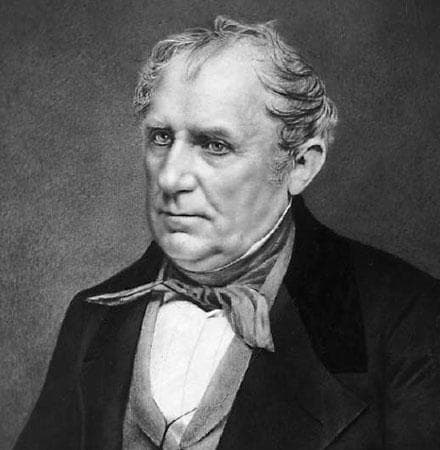
James Fenimore Cooper was an American writer of the first half of the 19th century, whose historical romances depicting colonial and indigenous characters from the 17th to the 19th centuries brought him fame and fortune. He lived much of his boyhood and the last fifteen years of life in Cooperstown, New York, which was founded by his father William Cooper on property that he owned. Cooper became a member of the Episcopal Church shortly before his death and contributed generously to it. He attended Yale University for three years, where he was a member of the Linonian Society.
Similar books
- The Last of the Mohicans
James Fenimore Cooper
3.7 (89k) average on GoodreadsHistorical FictionAnother classic Leatherstocking Tale, focusing on similar themes of frontier life and Native American interactions.
- Walden
Henry David Thoreau
3.8 (158k) average on GoodreadsBiographyExplores themes of nature, simple living, and societal critique, albeit in a non-fiction format.
- To Kill a Mockingbird
Harper Lee
4.3 (4.5M) average on GoodreadsHistorical FictionIn the 1930s Jim Crow South, Harper Lee writes about racial injustice, moral growth, and the quiet courage of a lawyer father, Atticus Finch, as seen through his young daughter's eyes.
- The Great Gatsby
F. Scott Fitzgerald
3.9 (3.8M) average on GoodreadsHistorical FictionIn the opulent Roaring Twenties, a mysterious millionaire's lavish parties hide his desperate, tragic pursuit of a lost love, exposing the emptiness within the American Dream.
- Pride and Prejudice
Jane Austen
4.3 (3M) average on GoodreadsHistorical FictionIn a society focused on status and money, Elizabeth Bennet navigates love and pride, challenging Mr. Darcy and social expectations to find true affection.
- Angels & Demons
Dan Brown
3.9 (2.7M) average on GoodreadsThrillerA Harvard symbologist races through Rome's ancient sites, deciphering cryptic clues to unmask the Illuminati and stop a vengeful plot to destroy the Vatican with a stolen antimatter weapon.




Enjoyed the summary?
A summary gives you the shape of the book. The book itself has the detail, the examples and the voice.
Find The Pioneers on AmazonAs an Amazon Associate, BookBrief earns from qualifying purchases. How we're funded