

Core Idea
- Difficulty
- Easy
- Read it if
- You are navigating personal trauma, seeking to reclaim your narrative, or appreciate concise, impactful poetry that challenges traditional gender roles and promotes self-empowerment.
- Skip it if
- You prefer traditional narrative structures, are uncomfortable with direct discussions of abuse and trauma, or are looking for lighthearted, escapist poetry.
Key Takeaways from The Princess Saves Herself in This One
The Evolution of Self-Identity
From helpless princess to empowered queen, self-perception transforms through adversity.
Lovelace uses the 'princess,' 'damsel,' and 'queen' types as changing stages of personal growth. The first 'princess' stage shows a naive self, often relying on others for approval or help. The 'damsel' stage then shows vulnerability, reflecting times of trauma, grief, and feeling trapped. This is not a step backward but a necessary look into deep pain. The final 'queen' stage means taking back control. The individual, after facing their difficulties, becomes strong, independent, and powerful. This journey shows that real power is not given but built through experience and inner struggle. It presents a dynamic view of self-identity.
“the princess, the damsel, & the queen piece together the life of the author in three stages”
In the book: The book's structure itself, divided into 'the princess,' 'the damsel,' and 'the queen,' directly illustrates this progression through the author's own life stages.
Try this: Reflect on your own life's chapters using these archetypes. Identify moments where you felt like a 'princess' (idealized, perhaps protected), a 'damsel' (vulnerable, in crisis), and a 'queen' (empowered, self-reliant). Recognize that each stage contributes to your overall strength and narrative.
Related ideas: identity-formation, personal-growth, archetypal-psychology
Healing Through Poetic Expression
Poetry serves as a potent vehicle for processing trauma and fostering emotional catharsis.
Lovelace's direct poetry shows how powerful creative expression can be for dealing with emotions like grief, abuse, and self-discovery. By writing down her inner struggles, she not only processes her own experiences but also helps readers confront theirs. The short, clear poems cut through confusion, allowing for immediate emotional connection. This writing is more than just recording; it is an active way to make sense of things and release emotions. It turns pain into art and offers a way for both writer and reader to find comfort and understanding. It confirms that expressing deep wounds can be an important step toward healing.
“Explores life & all of its love, loss, grief, healing, empowerment, & inspirations.”
In the book: The entire collection serves as evidence, with each poem directly addressing personal traumas, heartbreaks, and subsequent healing, such as 'the witch' poem or those detailing abusive relationships.
Try this: Consider journaling or writing poetry to process difficult emotions. Don't focus on perfection; prioritize authentic expression. Allow yourself to write freely about your pain, anger, or joy as a form of emotional release and self-discovery.
Related ideas: expressive-therapy, trauma-recovery, emotional-catharsis
Dismantling Fairy Tale Expectations
The book deconstructs idealized narratives to reveal the messy reality of self-rescue.
Lovelace cleverly changes traditional fairy tale stories. She challenges the idea that women need a 'prince charming' to be saved. Her 'princess' first fits this idea, but the journey through the 'damsel' and 'queen' stages is clearly about saving herself. She replaces the passive damsel story with an active, often painful, process of self-freedom. This is not a negative view of hope, but a realistic one: hope comes from one's own strength and ability to love and stand up for oneself. The book says that true power comes from within, not from waiting for someone else to fix your problems. It offers a more realistic and achievable idea of happiness.
“Ah, life- the thing that happens to us while we're off somewhere else blowing on dandelions & wishing ourselves into the pages of our favorite fairy tales.”
In the book: The title itself, 'The Princess Saves Herself in This One,' directly signals this thematic reversal. Poems throughout the collection explicitly reject the need for a male savior.
Try this: Examine the narratives you've internalized about happiness and success. Are you waiting for an external event or person to 'save' you? Identify areas where you can take proactive steps to 'save yourself,' fostering independence and self-reliance.
Related ideas: feminist-critique, self-reliance, narrative-subversion
The Power of Vulnerability
Sharing personal pain openly can forge deep connections and foster collective healing.
Lovelace's willingness to show her deepest wounds—from abuse and grief to insecurity and self-doubt—is a sign of great strength. This openness creates an immediate and deep connection with the reader. It changes a lonely experience of suffering into a shared understanding. By being so honest about her struggles, she normalizes pain and gives a voice to unspoken experiences, especially for those who have felt alone in their trauma. This sharing helps build empathy and a community of readers who see parts of themselves in her words. It shows that being vulnerable is a powerful way to connect with others and heal together.
“you serves as a note to the reader & all of humankind.”
In the book: The 'you' section, directly addressing the reader, explicitly invites this connection and shared experience. The widespread popularity and resonance of the book with survivors of trauma further supports this.
Try this: Practice intentional vulnerability in safe spaces. Share a personal struggle with a trusted friend or therapist. Observe how this act of opening up can deepen connections and alleviate feelings of isolation.
Related ideas: emotional-intelligence, interpersonal-connection, shared-experience
Grief as a Transformative Force
Loss, while devastating, can be a crucible for profound personal change and resilience.
The book shows grief not as a straight path but as a wild, consuming force that changes everything. Lovelace shows how the deep loss of loved ones (her sister and mother) puts her into the 'damsel' stage, a time of deep sadness. However, this sadness is not the end; it is a trigger. It forces her to face death, fragility, and the meaning of life. Through the painful process of mourning, she slowly starts to rebuild, finding new strength and purpose. This view highlights that while grief is painful, it can also lead to big changes. It makes people rethink their values, strengthen their inner resolve, and ultimately understand life and themselves better.
“Explores life & all of its love, loss, grief, healing, empowerment, & inspirations.”
In the book: Poems explicitly detailing the deaths of her sister and mother, and the subsequent emotional turmoil, are central to the 'damsel' section and the journey towards healing.
Try this: If experiencing grief, allow yourself to feel its full spectrum without judgment. Understand that healing is not about 'getting over it,' but about integrating the loss into your life and finding new ways to carry forward the love and lessons learned.
Related ideas: grief-process, resilience-building, post-traumatic-growth
Reclaiming Your Narrative
Taking ownership of one's story is crucial for agency and self-definition.
A main message of the book is the need to take back and rewrite one's personal story, especially after trauma or when others have told your story for you. Lovelace's journey from 'princess' (perhaps a story imposed by society) to 'damsel' (a story of being a victim, often imposed by abusers or situations) and finally to 'queen' (a self-written story of strength and survival) shows this. She actively takes control of her past, refusing to let it fully define her. Instead, she uses it as a basis for her present and future self. This act of reclaiming her story gives her power because it shows her control. It allows people to define who they are on their own terms, rather than being limited by past events or what others think. It is about finding your voice and telling your truth, no matter how hard.
“the princess, the damsel, & the queen piece together the life of the author in three stages”
In the book: The entire structure of the book, moving from passive archetypes to an active, self-defined 'queen,' demonstrates the author's reclamation of her own story.
Try this: Identify any narratives about yourself that feel limiting or were imposed by others. Begin to actively reframe or rewrite these stories, focusing on your strengths, resilience, and agency. Consider what narrative you want to live by.
Related ideas: narrative-therapy, self-empowerment, agency
The Interconnectedness of Pain and Love
Profound love often brings profound pain, and understanding this link fosters deeper empathy.
Lovelace's poetry often connects the beauty of love with the pain of loss, showing how these opposing forces are deeply linked. The intense grief she feels is a direct result of the deep love she had for her sister and mother. This connection shows a basic truth of being human: to love deeply is to be open to the possibility of deep pain. The book accepts this reality, suggesting that the ability to love and the ability to grieve are two sides of the same coin. This understanding does not lessen love. Instead, it makes it richer, leading to a more understanding and realistic view of human relationships and the emotional risks that come with true connection.
“Explores life & all of its love, loss, grief, healing, empowerment, & inspirations.”
In the book: The poems that celebrate the love for her sister and mother are often followed by, or interspersed with, those that express the crushing grief of their loss.
Try this: Acknowledge that vulnerability to pain is an inherent part of deep love. Instead of fearing loss, lean into the joy and connection of love, understanding that the full spectrum of emotions is part of a rich life experience.
Related ideas: emotional-duality, human-connection, empathy
The 'You' as a Call to Action
The final section directly empowers readers to embark on their own journey of self-rescue.
The book's structure ends with the 'you' section, which speaks directly to the reader. This is more than just an author's note; it is a clear call to action. It changes the reader from someone just watching Lovelace's story to someone taking part in their own. By changing the focus, Lovelace helps her audience see their own ability to be strong, heal, and save themselves. It is a universal message of hope and encouragement, urging people to face their own 'princess,' 'damsel,' and 'queen' stages. This part emphasizes that while her story is personal, its lessons are for everyone. This makes the book a guide for personal empowerment, not just a memoir.
“you serves as a note to the reader & all of humankind.”
In the book: The entire 'you' section, with its direct address and encouraging tone, serves as this call to action, offering solace and strength to the reader.
Try this: After reading, reflect on the 'you' section's message. What specific actions can you take to apply the lessons of self-rescue and empowerment to your own life? Consider setting a small, actionable goal for personal growth.
Related ideas: reader-engagement, personal-empowerment, self-help
Challenging Societal Expectations of Women
The book critiques restrictive gender roles and champions female autonomy.
Beyond the personal story, Lovelace's work challenges what society expects of women. The 'princess' type, while a stage of life, also represents the traditional idea of a woman as beautiful, passive, and needing rescue. The journey to 'queen' is a rejection of this. It shows a woman's ability to be strong, lead, and decide for herself outside of old gender roles. The book supports women's independence, not just in relationships, but in defining their own worth, purpose, and path. It encourages women to drop the expectations of being 'nice' or 'submissive' and instead embrace their power, anger, and control. It offers a powerful feminist statement through a personal story.
“the princess saves herself in this one.”
In the book: Poems that critique abusive relationships, the pressure to be 'perfect,' and the ultimate triumph of self-love and independence over external validation.
Try this: Identify any societal expectations that feel limiting to you as a woman. Challenge them by making choices that align with your authentic self and your own definition of strength and success, even if they go against conventional norms.
Related ideas: feminist-literature, gender-roles, female-empowerment
The Princess Saves Herself in This One Quotes
“the princess locked herself away in the highest tower, hoping a knight in shining armor would come to her rescue.”
“i was not a princess waiting to be saved. i was a dragon waiting to be unleashed.”
“you cannot leave me. i am already gone.”
“the thing about having a broken heart is that every little piece still loves him.”
“she was a storm, not the kind you run from, the kind you chase.”
“i am my own knight in shining armor.”
“the princess saved herself in this one.”
“you do not owe anyone your grief.”
“i am not a hotel room. i am a home.”
“the dragon learned to love the knight who did not come to slay her.”
“my heart is a museum of everyone who has ever left.”
“she built a kingdom from the bones of her past.”
“i am not a lesson. i am a person.”
“the princess learned to wield her own sword.”
Quiz
10 questions on the main ideas. Each answer comes with a short explanation.
Question 1
What are the four main sections of 'The Princess Saves Herself in This One'?
- Childhood, Adolescence, Adulthood, Epilogue
- The Princess, The Damsel, The Queen, The Reader
- The Princess, The Damsel, The Queen, You
- Innocence, Struggle, Recovery, Reflection
Show answer
C. The Princess, The Damsel, The Queen, You The collection is explicitly divided into four parts: 'the princess,' 'the damsel,' 'the queen,' and 'you.' The first three represent stages of the author's life, while 'you' addresses the reader directly.
Question 2
Which of the following themes is NOT explicitly mentioned as a focus in the book's description?
- Love
- Grief
- Adventure
- Healing
Show answer
C. Adventure The description states the book explores 'life & all of its love, loss, grief, healing, empowerment, & inspirations.' 'Adventure' is not listed among these core themes.
Question 3
What literary device is central to the book's structure, as indicated by the title and section names?
- Metaphor
- Alliteration
- Hyperbole
- Onomatopoeia
Show answer
A. Metaphor The title and section names ('the princess,' 'the damsel,' 'the queen') use fairy tale archetypes as metaphors for the author's personal journey and stages of life.
Question 4
According to the description, what is the primary purpose of the 'you' section in the book?
- To continue the author's autobiography in future tense
- To provide historical context for the fairy tale themes
- To serve as a note to the reader and all of humankind
- To critique traditional poetry forms
Show answer
C. To serve as a note to the reader and all of humankind The description specifies that 'you serves as a note to the reader & all of humankind,' making it a direct address rather than part of the autobiographical narrative.
Question 5
How does the book's description characterize the relationship between the three autobiographical sections?
- They are unrelated poems on different topics
- They piece together the author's life in three stages
- They retell the same events from multiple perspectives
- They focus solely on the author's romantic relationships
Show answer
B. They piece together the author's life in three stages The description states that 'the princess, the damsel, & the queen piece together the life of the author in three stages,' indicating a cohesive, developmental narrative across these sections.
Question 6
What genre combination is listed for this book in the description?
- Fantasy, Poetry, Self-Help
- Psychology, Memoir, Romance
- Drama, Biography, Inspiration
- Fairy Tale, Autobiography, Essay
Show answer
B. Psychology, Memoir, Romance The description explicitly categorizes the book as 'Psychology, Memoir, Romance,' reflecting its focus on mental/emotional themes, personal narrative, and relationships.
Question 7
Based on the description, what is a key practical application of the 'you' section for readers?
- To provide writing prompts for creating their own poetry
- To offer direct encouragement and connection to universal human experiences
- To list resources for psychological therapy
- To critique the reader's personal life choices
Show answer
B. To offer direct encouragement and connection to universal human experiences As a 'note to the reader & all of humankind,' the 'you' section likely aims to inspire, empathize, or empower readers by relating the author's journey to broader human themes like healing and empowerment.
Question 8
What does the quoted line in the description ('Ah, life- the thing that happens...') suggest about the book's perspective on life?
- Life is a predetermined script we must follow
- Life often passes by while we are distracted by dreams or escapism
- Life is primarily about achieving fairy tale endings
- Life is meaningless without constant adventure
Show answer
B. Life often passes by while we are distracted by dreams or escapism The line contrasts life as something that 'happens to us' with being 'off somewhere else blowing on dandelions & wishing ourselves into... fairy tales,' implying a theme of mindfulness versus distraction or fantasy.
Question 9
How might the fairy tale framework (princess, damsel, queen) function in relation to the book's psychological themes?
- It trivializes serious topics by reducing them to childish stories
- It provides a familiar narrative structure to explore complex personal growth and trauma
- It is used solely for decorative purposes without deeper meaning
- It argues that real life should mimic traditional fairy tales
Show answer
B. It provides a familiar narrative structure to explore complex personal growth and trauma Given the genres of psychology and memoir, the fairy tale archetypes likely serve as metaphors to frame the author's experiences of 'love, loss, grief, healing, empowerment' in an accessible, symbolic way that resonates with common cultural narratives.
Question 10
Considering the book's focus on 'healing' and 'empowerment,' what is a likely message implied by the title 'The Princess Saves Herself in This One'?
- That external heroes are unnecessary in personal struggles
- That princesses are superior to other fairy tale characters
- That saving oneself is easy and requires no effort
- That the book is a literal guide to physical self-defense
Show answer
A. That external heroes are unnecessary in personal struggles The title subverts traditional fairy tale tropes where princesses are rescued by others, aligning with themes of self-empowerment and internal healing highlighted in the description. It suggests autonomy and personal agency in overcoming life's challenges.
The Princess Saves Herself in This One FAQ
What is 'The Princess Saves Herself in This One' about?
'The Princess Saves Herself in This One' is a poetry collection by Amanda Lovelace that explores the author's personal journey through trauma, healing, and empowerment. Divided into four sections—the princess, the damsel, the queen, and you—it weaves themes of love, loss, grief, and self-discovery, ultimately offering inspiration to readers.
Does 'The Princess Saves Herself in This One' work as a self-help book?
While not a traditional self-help guide, the book's raw, emotional poetry resonates with readers facing similar struggles, providing catharsis and empowerment. Its themes of healing and resilience make it a valuable companion for those seeking inspiration and validation in their own journeys.
How different is it from Rupi Kaur's poetry?
Both Amanda Lovelace and Rupi Kaur write accessible, modern poetry on trauma and femininity, but Lovelace's work is more structured into narrative sections (princess, damsel, queen) and incorporates fairy tale metaphors. Kaur's style is often more minimalist and visual, while Lovelace's focuses on a personal memoir-like arc.
What is the 'you' section in the book?
The 'you' section serves as a direct note to the reader and humanity, shifting from the author's personal story to offer universal messages of hope, resilience, and empowerment. It encourages readers to reflect on their own lives and find strength in their struggles.
Is this book suitable for young adults?
Yes, the book is popular among young adults for its relatable themes of identity, trauma, and empowerment, though it contains mature content like abuse and loss. Its accessible poetry style and hopeful message make it a compelling read for teens and older audiences.
How does the book use fairy tale metaphors?
The book reimagines fairy tale archetypes—princess, damsel, queen—to represent stages of the author's life: innocence, victimhood, and empowerment. This metaphor critiques traditional narratives and highlights a journey of self-rescue and growth beyond passive roles.
Does the book include trigger warnings?
Yes, the book addresses sensitive topics like abuse, eating disorders, and loss, and many editions include trigger warnings. Readers should be prepared for raw, emotional content that may be distressing but is handled with a focus on healing.
What is the main message of 'The Princess Saves Herself in This One'?
The core message is one of self-empowerment and resilience, emphasizing that healing and salvation come from within. It encourages readers to embrace their struggles, find strength in vulnerability, and rewrite their own narratives beyond societal or fairy tale expectations.
How is it different from traditional memoirs?
Unlike prose memoirs, this book uses poetry to convey its memoir elements, blending personal reflection with lyrical expression. Its structure into thematic sections (princess, damsel, queen) creates a symbolic rather than chronological narrative, focusing on emotional truth over linear storytelling.
Can men relate to this book?
While centered on feminine experiences, the book's themes of trauma, healing, and self-discovery are universal. Men may find resonance in its messages of resilience and empowerment, especially if they have faced similar struggles with identity or adversity.
About the author

Amanda Lovelace is an author known for her poetry and inspirational works. Her book, "The Princess Saves Herself in This One," explores themes of self-empowerment and resilience. Lovelace's writing often reflects personal experiences and emotional journeys, resonating with readers seeking connection and healing.
Similar books
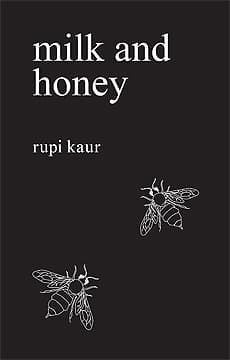
- Milk and Honey
Rupi Kaur
4.1 (345k) average on GoodreadsPsychologyBoth are contemporary poetry collections by female authors exploring trauma, healing, and femininity in a raw, accessible style.
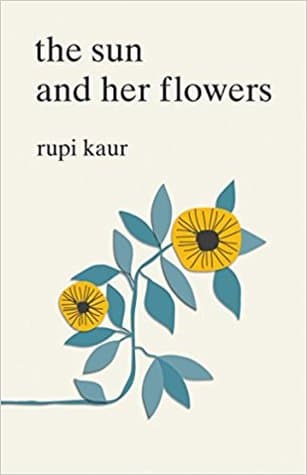
- The Sun and Her Flowers
Rupi Kaur
4.2 (142k) average on GoodreadsPsychologyAnother collection of short, poignant poems dealing with similar themes of love, loss, healing, and empowerment.
- Bluets
Maggie Nelson
4.3 (19k) average on GoodreadsBiographyWhile both books are memoirs in a sense and explore profound emotional experiences, Bluets (2009) by Maggie Nelson offers a stark contrast in style and academic rigor. Nelson's work is a philosophical meditation on the color blue, interwoven with personal reflections on heartbreak and obsession, presented in fragmented, essayistic prose. It is highly intellectual, dense with literary and philosophical references, and demands a more active, analytical engagement from the reader. In contrast, Lovelace's Princess is intentionally accessible, direct, and emotionally immediate, prioritizing relatability and catharsis over complex intellectual exploration or intricate literary devices. Nelson's work explores the why and how of obsession with academic depth, while Lovelace's explores the what and how to overcome of trauma with emotional directness.
- The Perks of Being a Wallflower
Stephen Chbosky
4.2 (1.3M) average on GoodreadsPsychologyThrough letters, a shy high school freshman learns to navigate first love, trauma, and self-discovery, stepping off the sidelines and into life.
- Eleanor Oliphant Is Completely Fine
Gail Honeyman
4.3 (708k) average on GoodreadsLiterary FictionA lonely woman's structured life changes when an IT guy and an elderly man help her learn to open her heart.
- One Flew Over the Cuckoo's Nest
Ken Kesey
4.2 (631k) average on GoodreadsPsychologyIn a mind-bending asylum, the boisterous Randle McMurphy wages a defiant war against the tyrannical Nurse Ratched, inspiring his fellow inmates, including the seemingly catatonic Chief Bromden, to reclaim their lost humanity.




Enjoyed the summary?
A summary gives you the shape of the book. The book itself has the detail, the examples and the voice.
Find The Princess Saves Herself in This One on AmazonAs an Amazon Associate, BookBrief earns from qualifying purchases. How we're funded