

Synopsis
Covers the whole plot, including the ending.
- Difficulty
- Medium
- Pacing
- Moderate
- Mood
- Atmospheric, Suspenseful, Melancholy, Intriguing
- Read it if
- You love intricate mysteries set against a rich historical backdrop, with a focus on friendship, loyalty, and the power of literature.
- Skip it if
- You prefer fast-paced action over character-driven introspection and historical detail, or haven't read 'The Shadow of the Wind' or 'The Angel's Game'.
The Prisoner of Heaven Plot Summary
Covers the whole plot, including the ending.
A Mysterious Visitor and a Dire Threat
In Barcelona, 1957, during Christmas, Daniel Sempere, now a father to Julián, runs Sempere & Sons with his father. Their friend Fermín Romero de Torres is getting ready for his wedding to Bernarda. Their happy mood ends when a thin, threatening stranger with a disfigured hand comes into the bookshop, asking for 'The Count of Monte Cristo'. After buying it, he writes a message inside: 'For Fermín Romero de Torres, who came back from the dead and holds the key to the future.' He then warns Daniel that if he tells about their meeting, Fermín will die. This event deeply worries Daniel, who sees Fermín's unusual fear, suggesting a dark past he has hidden.
Fermín's Unveiling of the Past
When Daniel pushes him, Fermín slowly starts to tell his past. He says the mysterious stranger is Mauricio Valls, the former director of Montjuïc prison, where Fermín was wrongly put in jail during the early Francoist government. Fermín explains that Valls was a cruel and corrupt warden who used his position to get rich and torture political prisoners. Fermín himself was jailed on false charges, suffering terrible conditions and torture. He points out the scar on Valls's hand as a clear mark, confirming his identity. This confession shows a time of extreme political repression and personal suffering that Fermín has tried to forget.
Life in Montjuïc Prison
Fermín tells about his time in Montjuïc prison, a dark place where political prisoners and common criminals were held together. He describes the daily brutality, hunger, and constant fear under Valls. While in prison, Fermín became friends with David Martín, a writer also jailed. David, author of 'The Angel's Game', was a quiet, smart man who seemed to stay calm despite the prison's horrors. Their bond grew as they shared stories and supported each other. Fermín also mentions a mysterious person called 'the Prisoner of Heaven,' a famous inmate whose identity and crimes were secret, leading to rumors among the prisoners.
The Plan for Escape
As conditions in Montjuïc got worse, Fermín and David Martín started planning their escape. David, who seemed more connected to the outside world than his imprisonment suggested, had a detailed plan. He said he had been secretly talking to outside contacts and had even managed to smuggle out manuscripts. Their plan involved using a weakness in the prison's structure and the corruption of some guards. They wanted to escape not just for freedom, but for a specific mission connected to the 'Prisoner of Heaven' and a secret they thought Valls was trying to find. Fermín's story shows the great risks they were willing to take.
The Escape and its Aftermath
Fermín describes the night they escaped from Montjuïc. The plan happened amid chaos and violence. During the escape, Fermín saw Valls's cruelty, including him killing a guard who tried to help them. In a desperate fight, Fermín wounded Valls's hand, leaving the distinct scar. David Martín vanished during the escape, seemingly sacrificing himself to let Fermín get free. However, before he disappeared, David told Fermín an important piece of information: 'the Prisoner of Heaven' was Julián Carax, the author Daniel Sempere admired. This reveals a direct link between Fermín's past and Daniel's literary world.
Fermín's Life Underground and Valls's Ascent
After the escape, Fermín lived hidden in Barcelona's poor areas, always afraid Valls's men would find him. He used different names and did odd jobs, staying alert. Meanwhile, Mauricio Valls, despite the prison break, used the political situation to his advantage. He made up a heroic story about the incident, showing himself as a good officer wronged by dangerous criminals. Valls's career grew, and he became an important figure in the Francoist government, eventually going into politics. Despite his success, Valls remained obsessed with finding Julián Carax, believing Carax had a secret that could either help or destroy him. His constant search cast a shadow over Fermín's life.
The Betrayal and the Prisoner's Secret
Fermín explains that Julián Carax was jailed not for politics, but because Valls wanted Carax's wife, Penélope Aldaya. Valls, a powerful and immoral man, arranged Carax's arrest and disappearance to get to Penélope, whom he had long desired. This cruel manipulation and betrayal was the real reason for Carax being 'the Prisoner of Heaven.' Valls believed that Carax, or his friends, had valuable documents or knowledge that could be used against him, making Carax's survival a constant threat to Valls's public image and political goals. Fermín confirms that Carax was alive after the escape, but his fate was unknown.
Daniel's Investigation and the Aldaya Mansion
After Fermín's revelations, Daniel starts his own investigation into Julián Carax and the Aldaya family. He revisits the abandoned Aldaya mansion, a place full of sadness and mystery, which he first explored years ago. Daniel finds more details about the tragic love between Julián Carax and Penélope Aldaya, and her father's cover-up. He understands the depth of their tragedy, seeing how their forbidden love led to ruin and how Valls used this to further his own plans. Daniel connects how the Aldaya family's secrets were tied to Carax's disappearance and Valls's rise to power.
Confronting Valls
Knowing the truth, Daniel and Fermín decide to confront Mauricio Valls. They arrange a meeting, supposedly to discuss a shared interest. During the tense meeting, Daniel reveals his knowledge of Valls's past as the cruel prison warden and his part in Carax's imprisonment and Penélope's fate. Valls, at first calm, becomes more agitated, his carefully built image cracking under Daniel's accusations. He denies everything, but his reactions show his guilt. The confrontation ends with Valls making a veiled threat against Daniel's family, confirming his continued ruthlessness. However, Valls also hints that Julián Carax might still be alive and watching them, adding another mystery.
The Wedding and the Shadow of the Past
As Fermín and Bernarda's wedding day gets closer, Daniel gets a disturbing anonymous package with old photos of Bernarda. It is Valls trying to ruin the wedding and upset Fermín. Daniel realizes Valls's influence and evil are far-reaching. To protect Fermín and Bernarda, Daniel and his father make a plan to publicly expose Valls's crimes and stop him from harming their family. They decide to use their contacts and the power of the press, quietly, to turn the tables on Valls and ensure Fermín's wedding can happen without fear. This desperate move aims to end Valls's rule of terror.
Justice and Resolution
Daniel and his allies successfully cause Valls's public shame and political fall. Faced with clear evidence and growing public attention, Valls's career is ruined, and he eventually leaves public life, his power reduced. With Valls no longer a threat, Fermín and Bernarda finally have their wedding, a happy event that represents hope and a new beginning after years of suffering. However, Julián Carax's exact fate remains a mystery. While Fermín gets justice, the larger puzzle around Carax and his full connection to the Cemetery of Forgotten Books continues to interest Daniel, setting up future revelations in the series. The novel ends with Fermín finding closure, but with lingering questions for Daniel.
Principal Figures
Daniel Sempere
Protagonist
Bookshop owner and detective, unraveling the mysteries of his past and the Cemetery of Forgotten Books.
Daniel Sempere, now a married man with a son, Julián, is the co-owner of Sempere & Sons bookshop. He is deeply connected to the world of books, particularly the works of Julián Carax. Daniel is inquisitive, empathetic, and fiercely loyal to his friends and family. He inherited his father's love for literature and his mother's quiet determination. Driven by a desire to understand the past and protect those he cares about, Daniel takes on the role of an amateur detective, piecing together the dark history involving Fermín, Julián Carax, and Mauricio Valls. His journey in 'The Prisoner of Heaven' solidifies his role as the guardian of the Cemetery of Forgotten Books' secrets.
Relationships: Fermín Romero de Torres (Best friend and surrogate brother); Bea Sempere (Wife); Julián Sempere (Son); Gustavo Sempere (Father); Mauricio Valls (Antagonist, target of his investigation)
Fermín Romero de Torres
Protagonist/Supporting
Daniel's witty, enigmatic friend, whose dark past as a political prisoner is finally revealed.
Fermín is Daniel's eccentric, charming, and fiercely loyal best friend. Beneath his flamboyant exterior and witty remarks lies a deeply scarred man who endured horrific torture and imprisonment in Montjuïc prison under Mauricio Valls during the Francoist regime. He is a survivor, resourceful and resilient, but the trauma of his past has forced him to live a life of secrecy and vigilance. His impending marriage to Bernarda brings both joy and the threat of his past resurfacing. Fermín's narrative forms the core of 'The Prisoner of Heaven,' revealing his profound connection to David Martín and Julián Carax, and his central role in the mysteries of the Cemetery of Forgotten Books.
Relationships: Daniel Sempere (Best friend and confidant); Bernarda (Fiancée/Wife); David Martín (Fellow prisoner and close ally); Mauricio Valls (Abuser and primary antagonist of his past); Julián Carax (Fellow prisoner and subject of his mission)
Mauricio Valls
Antagonist
Former sadistic prison warden, now a powerful politician, haunted by his past crimes.
Mauricio Valls is the primary antagonist, a cruel and ambitious man who rose to power during the Francoist regime. He was the director of Montjuïc prison, where he presided over a regime of torture and corruption. Valls is obsessed with control, reputation, and acquiring what he desires, as evidenced by his pursuit of Penélope Aldaya and his relentless hunt for Julián Carax. Despite his political success, he is perpetually paranoid about his past crimes being exposed. His appearance at Sempere & Sons is a calculated move to reassert his control and intimidate Fermín, whom he believes holds a key to his secrets. Valls embodies the corruption and brutality of the era.
Relationships: Fermín Romero de Torres (Torturer of Fermín); Julián Carax (Imprisoned and pursued Carax out of jealousy and ambition); Penélope Aldaya (Obsessed with and desired Penélope); Daniel Sempere (Adversary, target of his threats)
Julián Carax
Supporting/Mentioned
The enigmatic author, 'The Prisoner of Heaven,' whose tragic past connects all the characters.
Julián Carax is the mysterious author whose works first drew Daniel into the Cemetery of Forgotten Books. In 'The Prisoner of Heaven,' he is revealed to be the titular 'Prisoner of Heaven,' unjustly imprisoned by Mauricio Valls. His story is one of forbidden love with Penélope Aldaya, betrayal, and immense suffering. Carax is a symbolic figure, representing the power of literature to endure and the tragic consequences of societal oppression and personal vendettas. Though largely absent in the present narrative, his past actions and fate drive much of the plot, connecting Fermín's and Daniel's stories and fueling Valls's enduring obsession.
Relationships: Fermín Romero de Torres (Fellow prisoner and confidant); David Martín (Fellow prisoner and associate); Penélope Aldaya (Tragic lover); Mauricio Valls (Imprisoner and rival)
David Martín
Supporting/Mentioned
The enigmatic writer from 'The Angel's Game,' a fellow prisoner of Fermín.
David Martín is the protagonist of 'The Angel's Game' and a fellow prisoner alongside Fermín in Montjuïc. He is a brilliant but tormented writer, whose cynical wisdom and mysterious connections aid Fermín during their incarceration. David possesses a profound understanding of human nature and the dark underbelly of Barcelona. He is instrumental in planning their escape and entrusts Fermín with crucial information regarding Julián Carax. His true nature and fate remain somewhat ambiguous, hinting at the supernatural or extraordinary, reinforcing his role as a pivotal, almost mythical figure within the Cemetery of Forgotten Books universe.
Relationships: Fermín Romero de Torres (Fellow prisoner and close ally); Julián Carax (Fellow prisoner)
Bernarda
Supporting
Fermín's fiancée, a kind and resilient woman who represents hope and a future for Fermín.
Bernarda is Fermín Romero de Torres's fiancée, a kind-hearted and resilient woman who brings stability and love into Fermín's tumultuous life. She is aware of Fermín's difficult past but accepts him wholeheartedly, offering him a chance at a normal, happy future. Her impending wedding to Fermín serves as a beacon of hope and a catalyst for the confrontation with Mauricio Valls, as Valls attempts to sabotage their happiness. Bernarda symbolizes the possibility of redemption and the power of love to overcome past traumas, providing a grounding force for Fermín amidst the resurfacing of his darkest memories.
Relationships: Fermín Romero de Torres (Fiancée/Wife); Daniel Sempere (Friend)
Gustavo Sempere
Supporting
Daniel's father, the wise and supportive patriarch of Sempere & Sons.
Gustavo Sempere is Daniel's wise and supportive father, who runs the Sempere & Sons bookshop with him. He is a man of quiet strength and deep integrity, possessing a profound love for books and his family. Gustavo acts as a moral compass for Daniel, offering advice and support as Daniel delves into the dangerous mysteries surrounding Fermín's past. He represents the enduring values of knowledge, loyalty, and resilience against the backdrop of a changing and often brutal world. His calm demeanor and experience provide a crucial anchor for Daniel during times of uncertainty and peril.
Relationships: Daniel Sempere (Son); Fermín Romero de Torres (Friend and employee)
Penélope Aldaya
Mentioned
Julián Carax's tragic lover, whose fate is central to Valls's obsession and Carax's imprisonment.
Penélope Aldaya is the central figure in the tragic backstory of Julián Carax. Her forbidden love affair with Carax led to devastating consequences for both their families. She is the object of Mauricio Valls's perverse obsession, and her disappearance and presumed death are directly linked to Valls's machinations to imprison Carax. Penélope represents innocence corrupted and the ultimate victim of the era's social rigidities and Valls's cruelty. Her ghost haunts the narrative, her story serving as a powerful motivation for Daniel's investigation and a symbol of the profound suffering caused by the entangled lives of the characters.
Relationships: Julián Carax (Tragic lover); Mauricio Valls (Object of Valls's obsession)
Themes & Insights
Memory and the Burden of the Past
'The Prisoner of Heaven' explores how the past, especially the Francoist regime, affects the present. Fermín's life is shaped by his traumatic time in Montjuïc prison, making him live in secrecy and fear. Mauricio Valls's return brings these memories back, forcing Fermín to face the horrors he went through. Daniel also gets involved in this history, realizing that the present needs the hidden truths of the past to be understood. The novel suggests that real freedom and peace come from facing and resolving these historical burdens, no matter how painful. The Aldaya mansion, with its own sad history, also shows how the past affects lives and places.
“There are no second chances in life, except to feel remorse.”
Justice and Vengeance
The search for justice, often mixed with a desire for revenge, is a main theme. Fermín has lived for decades with the injustice of his imprisonment and torture by Mauricio Valls. While he wants to live peacefully with Bernarda, Valls's reappearance brings back the need for payback. Daniel, seeing Fermín's suffering, helps seek justice, not just for Fermín, but also for Julián Carax and Penélope Aldaya, whose lives Valls ruined. The novel looks at the line between achieving justice through exposure and the personal satisfaction of revenge. It ultimately favors exposure as a way to heal and find closure, rather than continuing violence.
“There are no innocent people in the world, only different degrees of guilt.”
The Power of Storytelling and Books
As with other books in the series, 'The Prisoner of Heaven' highlights the lasting power of stories and books. The Sempere & Sons bookshop is a safe place, and the Cemetery of Forgotten Books is a special area where forgotten stories are kept. Fermín telling his prison experience is a strong act of storytelling, letting him reclaim his narrative and letting Daniel understand the hidden truths. Julián Carax's books are not just literature but keys to a tragic history. Reading and sharing stories becomes a way to resist oppression, keep memories alive, and connect people across time and trauma. The novel shows how literature can be both comforting and a way to uncover uncomfortable truths.
“Every book, every volume you see here, has a soul. The soul of the person who wrote it and of those who read it and lived and dreamed with it.”
Love and Sacrifice
The theme of love and sacrifice is present in the sad story of Julián Carax and Penélope Aldaya. Their forbidden love led to terrible results, including Carax's imprisonment and Penélope's death. Their story shows the high personal cost of love in a strict society. Also, Fermín's strong loyalty to David Martín during their imprisonment, and David's apparent sacrifice for Fermín's escape, show sacrificial friendship. In the present, Daniel's steady dedication to Fermín and his family, even when facing threats from Mauricio Valls, shows the protective power of love. The novel suggests that while love can bring great suffering, it also inspires acts of courage and selflessness, acting as a force for good against darkness.
“A story is a letter that the author writes to himself, to tell himself things that he would not dare to tell anyone else.”
Survival and Resilience
At its core, 'The Prisoner of Heaven' shows human resilience. Fermín's story of his time in Montjuïc prison, where he endured torture, hunger, and constant threat, is a strong depiction of survival against huge odds. His ability to keep his spirit, wit, and even humanity amidst such brutality speaks to his inner strength. Julián Carax also shows resilience, having survived imprisonment and the great loss of his love. The characters' determination to not only survive but also to rebuild their lives and seek justice for past wrongs emphasizes this theme. It suggests that even in the darkest times, the human spirit can find ways to endure, adapt, and hope for a better future.
“There are no second chances in life, except to feel remorse.”
Plot Devices & Literary Techniques
Nested Narrative / Story-within-a-story
Fermín's past forms the central narrative, revealed through his recounting to Daniel.
The primary plot device in 'The Prisoner of Heaven' is the nested narrative structure. The contemporary story of Daniel Sempere and the mysterious visitor serves as a frame for Fermín Romero de Torres's extensive flashback. Fermín's detailed, first-person account of his imprisonment in Montjuïc prison, his relationship with David Martín, and the true identity of the 'Prisoner of Heaven' constitutes the bulk of the novel's plot. This technique allows for a gradual unfolding of long-buried secrets, creating suspense and providing deep historical context. It also highlights the theme of storytelling itself, as Fermín's spoken narrative becomes the vehicle for truth and resolution.
The Cemetery of Forgotten Books
A mystical library serving as a repository of lost literature and hidden truths.
While not directly visited in the present timeline of 'The Prisoner of Heaven', the Cemetery of Forgotten Books remains a foundational plot device, connecting the characters and their fates. It is the sacred place where forgotten books, including those of Julián Carax, are preserved. Its existence implies a deeper, almost magical, layer to the narrative, suggesting that stories and the people connected to them are intertwined in a profound way. The Cemetery represents the enduring power of literature and memory, and it is the ultimate destination for the secrets uncovered by Daniel and Fermín, symbolizing the eternal resting place of narratives that refuse to be forgotten.
The MacGuffin (Julián Carax's fate/identity)
The mystery surrounding Julián Carax's imprisonment and whereabouts drives the plot.
The true identity and fate of Julián Carax serve as a central MacGuffin in 'The Prisoner of Heaven'. Initially, the mysterious stranger's message about Fermín and the 'key to the future' sparks Daniel's investigation. As Fermín's story unfolds, it becomes clear that the 'Prisoner of Heaven' is Carax, and the secrets surrounding his imprisonment, his relationship with Penélope Aldaya, and his connection to David Martín are the driving force behind Mauricio Valls's continued obsession and the present-day threats. The resolution of Carax's story, while partially revealed, remains tantalizingly incomplete, pushing the overarching narrative of the series forward.
Symbolism of Hands and Scars
Physical marks represent past trauma, identity, and the lasting impact of violence.
The symbolism of hands and scars is a recurring motif. Mauricio Valls's disfigured hand, scarred by Fermín during the prison escape, is a physical mark of his past cruelty and Fermín's act of resistance. This scar serves as an immediate identifier for Valls, confirming his identity to Daniel and acting as a constant reminder of his hidden history. Similarly, Fermín's own physical and emotional scars from his torture are central to his character, representing the deep trauma he carries. These physical marks symbolize the enduring impact of violence, the indelible nature of past actions, and the way history literally leaves its mark on individuals.
The Prisoner of Heaven Quotes
“Books are mirrors: you only see in them what you already have inside you.”
“Every book, every volume you see here, has a soul. The soul of the person who wrote it and the soul of those who read it and lived and dreamed with it.”
“The art of reading is in great part an experience in self-discovery.”
“There are no second chances in life, except to feel remorse.”
“A secret is a prison. The most terrible prisons are not walls of stone, but walls of silence.”
“Memory is like a curse, one remembers the good things and the bad things, but mostly the bad.”
“The moment you stop to think about whether you love someone, you've already stopped loving them.”
“Books are like people, they have their own stories, their own secrets.”
“Barcelona is a city of shadows, where the past is always lurking, where the dead are not entirely gone.”
“Fear is a poison, and it spreads fast.”
“There is nothing more difficult than to be simple.”
“Every person has a book inside them, a story that deserves to be told.”
“The world is full of people who are trying to make a living, and then there are those who are trying to live.”
“Sometimes, the only way to find yourself is to get lost.”
Quiz
10 questions on the plot and the characters. Each answer comes with a short explanation.
Question 1
What significant family event are Daniel Sempere and his wife Bea celebrating at the beginning of 'The Prisoner of Heaven'?
- The opening of a new branch of their bookshop.
- The baptism of their new baby son, Julian.
- Fermín's engagement to a wealthy socialite.
- Daniel's successful publication of his first novel.
Show answer
B. The baptism of their new baby son, Julian. At the story's outset, Daniel and Bea are celebrating the arrival of their new baby son, Julian, and his baptism, which adds to the festive atmosphere of Christmas.
Question 2
Who is the mysterious stranger that visits the Sempere bookshop and threatens to expose a long-buried secret?
- A former associate of Julian Carax.
- An old acquaintance of Daniel's father.
- A man known as Valls, a figure from Fermín's past.
- A disgruntled customer seeking a rare book.
Show answer
C. A man known as Valls, a figure from Fermín's past. The mysterious stranger is revealed to be a man named Valls, whose appearance is directly linked to a dark secret from Fermín Romero de Torres's past during Franco's dictatorship.
Question 3
The secret threatened by the mysterious stranger has been buried for how long?
- Five years.
- Ten years.
- Two decades.
- Fifty years.
Show answer
C. Two decades. The book explicitly states that the terrible secret has been buried for two decades, tying it back to the dark early days of Franco's dictatorship in the 1940s.
Question 4
What period of Barcelona's history do Fermín and Daniel delve into as a result of the stranger's visit?
- The Spanish Civil War.
- The dark early days of Franco's dictatorship in the 1940s.
- The post-war economic boom of the 1950s.
- The anarchist movements of the early 20th century.
Show answer
B. The dark early days of Franco's dictatorship in the 1940s. The plot takes Fermín and Daniel back to the 1940s, specifically the 'dark early days of Franco's dictatorship,' where the origins of the secret lie.
Question 5
Which of the following emotions or themes is NOT explicitly mentioned as driving the dangerous adventure undertaken by Fermín and Daniel?
- Jealousy.
- Suspicion.
- Compassion.
- Vengeance.
Show answer
C. Compassion. The summary mentions 'jealousy, suspicion, vengeance, and lies' as elements of their journey. While compassion might be present in the characters, it's not listed as a primary driving force for the 'fraught' adventure itself.
Question 6
How does 'The Prisoner of Heaven' relate to Carlos Ruiz Zafón's other novels, 'The Shadow of the Wind' and 'The Angel's Game'?
- It is a prequel to both, setting up the entire series.
- It features entirely new characters and a separate storyline.
- It brings the threads of both earlier novels together, converging their narratives.
- It serves as a standalone sequel to 'The Shadow of the Wind' only.
Show answer
C. It brings the threads of both earlier novels together, converging their narratives. The front flap explicitly states that 'The Prisoner of Heaven' is a 'majestic novel in which the threads of The Shadow of the Wind and The Angel's Game converge.'
Question 7
What is the 'Cemetery of Forgotten Books' described as?
- A metaphorical concept representing lost literary works.
- A public library in Barcelona specializing in rare manuscripts.
- A collection of lost treasures known only to a few initiates, central to Zafón's fictional world.
- A historical archive maintained by the Spanish government.
Show answer
C. A collection of lost treasures known only to a few initiates, central to Zafón's fictional world. The summary describes the Cemetery of Forgotten Books as 'a collection of lost treasures known only to its few initiates and the very core of Carlos Ruiz Zafón's enchanting fictional world,' highlighting its exclusivity and importance.
Question 8
What is Fermín Romero de Torres's personal connection to the events of the 1940s that the mysterious stranger threatens to expose?
- He was a high-ranking official in Franco's government.
- He was a prominent writer whose works were censored during that time.
- The secret is deeply personal to him, stemming from his experiences during the dictatorship.
- He was involved in an underground resistance movement that the stranger betrayed.
Show answer
C. The secret is deeply personal to him, stemming from his experiences during the dictatorship. The summary indicates that the stranger's appearance 'plunges Fermín and Daniel into a dangerous adventure that will take them back to the 1940's,' specifically to a 'terrible secret that has been buried for two decades,' strongly implying a direct and personal connection for Fermín.
Question 9
The events of 'The Prisoner of Heaven' are set in which city and year?
- Madrid, 1947.
- Barcelona, 1957.
- Paris, 1957.
- Barcelona, 1947.
Show answer
B. Barcelona, 1957. The book's setting is explicitly stated as 'Barcelona, 1957. It is Christmas,' providing the precise time and location for the main narrative.
Question 10
How does the 'spell of literature' function within the plot of 'The Prisoner of Heaven'?
- Literature primarily serves as a background element, not directly influencing the plot.
- It is a literal magical force that helps characters solve mysteries.
- It acts as a unifying theme, bringing together narrative threads and leading to the core mystery of the Cemetery of Forgotten Books.
- The characters are all aspiring authors, and their literary ambitions drive the conflict.
Show answer
C. It acts as a unifying theme, bringing together narrative threads and leading to the core mystery of the Cemetery of Forgotten Books. The summary states that the novel's threads 'converge under the spell of literature and bring us toward the enigma of the mystery hidden at the heart of the Cemetery of Forgotten Books,' indicating that literature is a central, almost mystical, unifying force in the narrative.
The Prisoner of Heaven FAQ
What is 'The Prisoner of Heaven' about?
'The Prisoner of Heaven' is set in Barcelona, 1957, during Christmas. It follows Daniel Sempere and Fermín Romero de Torres as their lives are disrupted by a mysterious stranger who threatens to expose a two-decade-old secret. This encounter forces them to delve into Barcelona's dark past during the early days of Franco's dictatorship in the 1940s, unraveling a story of imprisonment, vengeance, and hidden truths connected to the Cemetery of Forgotten Books.
Why should I read 'The Prisoner of Heaven'?
You should read 'The Prisoner of Heaven' if you enjoy intricate mysteries, historical fiction set in post-Civil War Spain, and compelling character-driven narratives. It offers a deeper dive into the backstories of beloved characters like Fermín Romero de Torres, connects plotlines from 'The Shadow of the Wind' and 'The Angel's Game', and further explores the enchanting world of the Cemetery of Forgotten Books, all while delivering a tale of intrigue and emotional depth.
What is the background/setting of 'The Prisoner of Heaven'?
The primary setting is Barcelona, 1957, during the Christmas season, but a significant portion of the narrative flashes back to the city in the 1940s, specifically during the harsh early years of Franco's dictatorship. This dual timeline allows the story to explore both the immediate mystery unfolding in Daniel Sempere's bookshop and the harrowing historical events that shaped Fermín's past and the secrets now surfacing.
What are the most memorable quotes?
While specific quotes vary by reader, Zafón's prose often features poignant observations on life, literature, and memory. Memorable lines frequently revolve around the power of books, the weight of secrets, and the resilience of the human spirit amidst adversity, often delivered through the cynical wit of Fermín or the introspective voice of Daniel.
What writing style does the author use?
Carlos Ruiz Zafón employs a rich, atmospheric, and often melancholic writing style, blending elements of gothic literature, mystery, and historical fiction. His prose is highly descriptive, evoking a vivid sense of place and mood, and features intricate plotting with multiple interwoven narratives. He masterfully uses foreshadowing and poetic language to create a captivating and immersive reading experience.
What minor details add significant meaning?
The recurring motif of specific books, particularly those found or hidden within the Cemetery of Forgotten Books, often holds symbolic weight or directly connects to characters' fates. For instance, the identity of the 'prisoner' and the nature of the book he is forced to write are crucial details that unlock the central mystery and Fermín's past.
What are some subtle foreshadowing moments?
Early hints about Fermín's guarded nature and his occasional cryptic remarks about his past, even in 'The Shadow of the Wind', subtly foreshadow the dark and traumatic experiences revealed in 'The Prisoner of Heaven'. The arrival of the mysterious stranger and his immediate recognition of Fermín also serves as a potent, unsettling foreshadowing of the impending revelations.
What unexpected character connections exist?
The most significant unexpected connection is the deep, shared past between Fermín Romero de Torres and the mysterious stranger, Mauricio Valls, who turns out to be a former prison director. Their intertwined history, born from the Montjuïc prison, reveals that Fermín's loyalty and sacrifice for a fellow inmate directly led to the survival of a character crucial to the broader Sempere saga, implicitly connecting him to David Martín's story from 'The Angel's Game'.
What are unspoken character motivations?
Fermín's deep-seated need for redemption and his unwavering loyalty to Daniel and his family are driven by the profound guilt and trauma from his past in Montjuïc prison. His desire for a peaceful future with Bernarda is constantly shadowed by the fear that his secrets will destroy it, motivating his sometimes reckless actions to protect those he loves.
What psychological complexities do characters exhibit?
Fermín exhibits complex psychological trauma from his imprisonment, manifesting as a facade of joviality that barely conceals deep-seated pain, paranoia, and a fierce protective instinct. Mauricio Valls, as a former torturer, embodies the chilling banality of evil, showing how power can corrupt and dehumanize, making him a complex antagonist driven by a twisted sense of order and self-preservation.
What are the major emotional turning points?
A major emotional turning point is when Fermín finally confides the full, horrifying truth of his imprisonment and his connection to Mauricio Valls to Daniel. This moment of vulnerability and trust solidifies their bond and shifts Daniel's perspective, transforming his understanding of his friend's past and setting the stage for their joint pursuit of justice.
How do relationship dynamics evolve?
The relationship between Daniel and Fermín deepens significantly, evolving from a mentor-apprentice dynamic into one of profound mutual trust and unwavering loyalty, akin to brothers. Daniel's understanding of Fermín matures as he confronts the dark realities of his friend's past, solidifying their bond through shared peril and a quest for truth.
Which parts remain ambiguous or open-ended?
While 'The Prisoner of Heaven' provides crucial answers about Fermín's past and connects to David Martín's story, it also explicitly sets up further mysteries regarding the ultimate fate of David Martín and the full extent of the Cemetery of Forgotten Books' secrets, particularly as they relate to the Sempere family's destiny. The true nature of the 'angel' and the entity behind the Cemetery remains largely enigmatic.
What are controversial scenes or decisions?
The brutal depiction of life and torture within Montjuïc prison, including the psychological manipulation employed by Mauricio Valls, can be seen as controversial due to its graphic nature and the unsettling portrayal of human cruelty. Fermín's decision to maintain his silence about his past for so long, even from Daniel, could also be debated regarding its impact on their friendship.
'The Prisoner of Heaven' ending explained: how it ends & what it means
The book ends with Daniel and Fermín confronting Mauricio Valls, leading to a dramatic resolution of Fermín's past trauma. Valls meets a grim fate, and Fermín is finally free from the direct shadow of his tormentor, allowing him to marry Bernarda. The ending, however, is not entirely conclusive; it serves as a bridge, revealing that Daniel's mother, Isabella, knew David Martín and that Daniel's own connection to the Cemetery of Forgotten Books is deeper than he imagined, setting the stage for the final book in the series, 'The Labyrinth of the Spirits', to fully unravel the overarching mystery.
About the author

Carlos Ruiz Zafón was a celebrated Spanish novelist, best known for his "Cemetery of Forgotten Books" series, which includes the international bestseller, "The Shadow of the Wind." His atmospheric and intricate narratives often blended mystery, historical fiction, and gothic elements, captivating readers worldwide. Zafón's works have been translated into numerous languages, solidifying his place as one of Spain's most beloved contemporary authors.
Similar books
- The Shadow of the Wind
Carlos Ruiz Zafón
4.3 (462k) average on GoodreadsFantasyDirectly connected prequel, shares characters, setting, and themes of mystery and literature.
- The Angel's Game
Carlos Ruiz Zafón
3.9 (116k) average on GoodreadsFantasyDirectly connected prequel, explores the origins of characters and mysteries revisited here.
- The Name of the Rose
Umberto Eco
4.1 (301k) average on GoodreadsHistorical FictionFeatures a historical setting, literary mystery, and a deep sense of intrigue.
- The Secret Keeper
Kate Morton
4.2 (3k) average on GoodreadsRomanceBoth use historical secrets to drive contemporary mysteries. Morton excels in intricate, realistic plotting and psychological depth. Zafón's 'Prisoner of Heaven' features more ornate, almost mythical prose, a stronger sense of place (Barcelona as a character), and a more overtly fantastical element in its world-building.
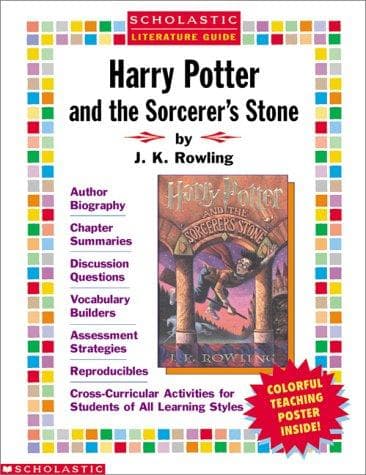
- Harry Potter and the Sorcerer's Stone
J.K. Rowling
4.5 (7M) average on GoodreadsFantasyRescued from a miserable life under the stairs, an orphaned boy discovers he's a wizard destined for a magical school, where he uncovers a dangerous secret tied to the dark wizard who murdered his parents.
- The Hunger Games
Suzanne Collins
4.3 (6.4M) average on GoodreadsFantasyIn a future where children fight to the death on live television, Katniss Everdeen volunteers for the arena, turning a death sentence into a fight for survival and a spark of rebellion.





Enjoyed the summary?
A summary gives you the shape of the book. The book itself has the detail, the examples and the voice.
Find The Prisoner of Heaven on AmazonAs an Amazon Associate, BookBrief earns from qualifying purchases. How we're funded