

Synopsis
Covers the whole plot, including the ending.
- Difficulty
- Medium
- Pacing
- Moderate
- Mood
- Atmospheric, Poignant, Resilient, Hopeful, Historical
- Read it if
- You enjoy historical fiction with strong female characters, medical drama, and stories about resilience and human connection during times of crisis.
- Skip it if
- You prefer fast-paced thrillers or are sensitive to detailed descriptions of illness, birth, and death.
The Pull of the Stars Plot Summary
Covers the whole plot, including the ending.
A New Patient and a New Helper
In October 1918, Nurse Julia Power begins her shift in the fever ward of a Dublin maternity hospital, a place for pregnant women with the Spanish Flu. The ward is isolated and short-staffed, with Julia as the only nurse. Her day starts with Bridie Sweeney, a young, uneducated volunteer from a local Magdalene laundry, assigned to help her. Bridie is clumsy at first but eager to assist. Their first patient, Mrs. Kavanagh, arrives in severe distress, suffering from the flu and in advanced labor. Julia recognizes the high death rate for mothers and infants in such cases and begins managing Mrs. Kavanagh's labor amid severe breathing problems.
Dr. Lynn's Arrival and Initial Challenges
Because of high demand and few doctors, Dr. Kathleen Lynn is assigned to the fever ward. Julia immediately knows her as the 'Rebel Doctor' connected to the 1916 Easter Rising, making her a controversial figure. Despite initial awkwardness and Julia's respect for authority, Dr. Lynn quickly shows her medical skill, offering different treatments and a more hands-on approach than Julia is used to. They face immediate problems with Mrs. Kavanagh, whose condition worsens quickly. Dr. Lynn suggests unusual methods for breathing and labor, which Julia, though unsure, follows. Bridie, meanwhile, shows unexpected empathy and practical help, comforting Mrs. Kavanagh and assisting with tasks, slowly earning Julia's trust.
A Difficult Birth and a Desperate Plea
Mrs. Kavanagh's labor becomes harder, worsened by her flu symptoms. Dr. Lynn and Nurse Power work constantly, with Bridie assisting, to deliver the baby. The infant is born alive but very weak, and Mrs. Kavanagh is quickly failing. In her confusion, Mrs. Kavanagh says she has other children at home, neglected because of her illness, and asks Julia to care for them. Despite their efforts, Mrs. Kavanagh dies from the flu shortly after giving birth. The baby, named 'Bairn' by Bridie, becomes an orphan. Julia is deeply affected by the loss and Mrs. Kavanagh's dying request, which weighs on her. The ward, already sad, becomes even more so with this first death.
The Arrival of Mrs. O'Rahilly and the Growing Bond
A new patient, Mrs. O'Rahilly, arrives. She is from a higher social class, visibly distressed, and has a history of difficult pregnancies. Her arrival changes the ward's mood, as she is more vocal and demanding. Dr. Lynn and Julia continue to have minor disagreements about medical methods, but their respect for each other grows. Bridie is very helpful in caring for Bairn, showing a natural motherly instinct and an ability to calm the fragile infant. As they handle Mrs. O'Rahilly's care and the constant flu threat, Julia, Dr. Lynn, and Bridie start to form a strong, quiet bond. They share personal stories and fears, finding comfort and strength together in the isolated ward.
Bridie's Past Revealed
During a quiet moment, Bridie, feeling close to the others from their shared experience, starts to tell about her past. She talks about her life in the Magdalene laundry, describing the harsh conditions, forced work, and emotional abuse she suffered since being sent there after her mother's death. She explains how she was seen as a 'fallen woman' for unclear reasons and trapped in the institution. Her story deeply affects Julia and Dr. Lynn, who are both horrified and saddened by the injustice Bridie faced. This story strengthens Bridie's place in their small, makeshift family, creating a protective feeling in both women towards her and deepening their connection.
A Desperate Birth and Another Loss
Mrs. O'Rahilly's labor continues, but it is complicated by her flu symptoms and the baby's difficult position. Dr. Lynn uses all her skills, performing a difficult manual maneuver to help the birth. Despite their efforts, the baby is stillborn. The loss is devastating for Mrs. O'Rahilly and affects Julia, Dr. Lynn, and Bridie, who had invested so much emotionally. The repeated tragedy in the ward takes its toll, but they must quickly recover, as another patient, Mrs. Kelly, is admitted, already in advanced stages of both the flu and labor. The ongoing cycle of life and death in the fever ward continues to test their endurance and care.
Julia's Personal Confession
Overwhelmed by the constant stress and the closeness formed in the face of death, Julia tells a personal secret to Dr. Lynn and Bridie. She reveals she is pregnant outside of marriage, a scandalous situation in conservative Ireland, especially for a single nurse. She shares her fears about the future, the shame, and the uncertainty of her baby's father, who is fighting in the war. This confession makes her vulnerable, breaking down her usual professional barriers. Dr. Lynn and Bridie respond with understanding and support, strengthening the unique bond that has grown between the three women in the fever ward.
A Moment of Hope and a New Arrival
Despite the earlier losses, Mrs. Kelly's baby is born successfully. The infant is healthy, providing a much-needed moment of joy and hope in the sad ward. This success lifts the spirits of Julia, Dr. Lynn, and Bridie. However, their relief is short-lived as another patient, a young woman named Miss O'Dwyer, is admitted. Miss O'Dwyer has the flu and appears to be a runaway or in hiding, bringing mystery and possible danger to the already tense environment. Her secretive nature and the chance of outside problems add another layer of difficulty to the women's work.
Dr. Lynn's Escape and a Future Uncertain
As the three days end, a police officer arrives at the hospital, looking for Dr. Kathleen Lynn, confirming she is a wanted Sinn Féin supporter. Knowing her time is limited, Dr. Lynn decides to flee. She cannot risk arrest and losing her medical license, especially during the pandemic. She says a heartfelt goodbye to Julia and Bridie, promising to help them from hiding. Her departure leaves Julia and Bridie to manage the ward alone again, but now with a deeper understanding of each other and a shared, profound experience that has changed them. They face the future, both personal and professional, with new strength.
New Beginnings and Enduring Bonds
After Dr. Lynn leaves, Julia and Bridie's bond grows stronger. Julia, now more open and trusting, decides to keep Bairn, the orphan baby, instead of sending her to an orphanage, with Bridie's eager help. They talk about their future together, with Bridie wanting to stay with Julia and help raise Bairn, and implicitly, Julia's unborn child. Julia sees a way forward, imagining a life where they can create their own unconventional family, going against societal norms. The fever ward, though a place of great suffering, has created a strong connection between them, offering hope and belonging in a world still dealing with war and disease. They emerge from the three days changed, but stronger and more connected.
The Pull of the Stars Characters
Julia Power
Protagonist
Dedicated nurse in the Dublin maternity fever ward, navigating personal and professional challenges.
Julia is a meticulous and compassionate nurse working in the isolated fever ward of a Dublin maternity hospital during the 1918 flu pandemic. She is initially reserved, adhering strictly to hospital protocols and maintaining a professional distance. However, over the course of three intense days, her experiences with Bridie Sweeney, Dr. Kathleen Lynn, and the suffering patients break down her emotional barriers. She grapples with her own secret pregnancy out of wedlock, a source of immense shame and fear in conservative Ireland. Julia is driven by a deep sense of duty and a quiet resilience, ultimately finding strength and an unconventional family in the most dire circumstances.
Relationships: Bridie Sweeney (colleague, friend, chosen family); Dr. Kathleen Lynn (colleague, mentor, friend); Mrs. Kavanagh (patient); Mrs. O'Rahilly (patient)
Bridie Sweeney
Supporting
Young, uneducated volunteer from a Magdalene laundry, displaying unexpected empathy and resilience.
Bridie is a young woman sent from a Magdalene laundry to assist Nurse Power in the fever ward. Initially appearing naive and clumsy, Bridie quickly proves to be incredibly empathetic, observant, and practically helpful. She has endured a harsh life, having been confined to the laundry since childhood for unknown transgressions, which has instilled in her a deep compassion for others' suffering, particularly the vulnerable infants. Bridie possesses a natural maternal instinct and a quiet strength. Her innocence and genuine kindness act as a foil to the grim realities of the ward, and she forms a deep, loyal bond with Julia, becoming a crucial part of her support system and chosen family.
Relationships: Julia Power (colleague, friend, chosen family); Dr. Kathleen Lynn (colleague, friend); Bairn (Mrs. Kavanagh's baby) (caretaker, adoptive mother figure)
Dr. Kathleen Lynn
Supporting
Controversial Sinn Féin doctor, bringing radical medical expertise and a rebellious spirit.
Dr. Kathleen Lynn is a real historical figure, portrayed in the novel as a skilled and progressive physician assigned to the fever ward. She is known as a 'Rebel Doctor' due to her involvement in the 1916 Easter Rising and her Sinn Féin sympathies, making her a controversial figure in Dublin. Dr. Lynn is pragmatic, direct, and unafraid to challenge conventional medical practices or authority. She provides crucial medical expertise and a broader perspective to Julia, often pushing the boundaries of what is considered acceptable care. Despite her political entanglements, her primary focus is always on her patients, demonstrating immense dedication and compassion. She forms a deep respect and friendship with Julia and Bridie.
Relationships: Julia Power (colleague, mentor, friend); Bridie Sweeney (colleague, friend)
Mrs. Kavanagh
Supporting
Flu-stricken expectant mother, whose tragic death highlights the pandemic's devastation.
Mrs. Kavanagh is the first patient admitted to the fever ward in the novel. She is severely ill with the Spanish Flu and in advanced labor, embodying the devastating impact of the pandemic on vulnerable mothers. Her struggle to breathe and deliver her baby, combined with her delirium, paints a stark picture of the challenges faced by both patients and caregivers. Her dying plea for her other children to be cared for deeply affects Julia, highlighting the broader societal consequences of the illness and the unseen burdens women carry. Her death, shortly after giving birth, sets a somber tone for the ward and underscores the fragility of life.
Relationships: Julia Power (patient-nurse); Bridie Sweeney (patient-helper); Bairn (mother)
Mrs. O'Rahilly
Supporting
Wealthier, distressed patient whose stillbirth adds to the ward's sorrow.
Mrs. O'Rahilly is a patient of a higher social class than Mrs. Kavanagh, admitted to the fever ward with the flu and a history of difficult pregnancies. She is more vocal and expresses her distress and fears openly. Her character highlights that the pandemic spares no social stratum, though her expectations for care might differ. Her labor is complicated, and despite the best efforts of Julia, Dr. Lynn, and Bridie, she delivers a stillborn baby. This loss is another significant blow to the morale of the caregivers and underscores the relentless nature of the suffering they witness daily, reinforcing the theme of grief and resilience.
Relationships: Julia Power (patient-nurse); Dr. Kathleen Lynn (patient-doctor); Bridie Sweeney (patient-helper)
Bairn
Mentioned
Orphaned infant, symbolizing hope and the possibility of a chosen family.
Bairn is the baby born to Mrs. Kavanagh, who dies shortly after giving birth. 'Bairn' is the name given to her by Bridie, signifying her immediate connection and maternal affection for the infant. As an orphan, Bairn represents the many children left parentless by the pandemic and the broader societal challenges. However, the baby also becomes a symbol of hope and new beginnings. Her survival, despite the odds, inspires Julia to consider an unconventional path, ultimately leading to Julia and Bridie forming a chosen family to care for her. Bairn embodies the resilience of life and the power of human connection.
Relationships: Mrs. Kavanagh (biological mother); Bridie Sweeney (primary caretaker, adoptive mother figure); Julia Power (adoptive mother figure)
Mrs. Kelly
Mentioned
Patient who successfully delivers a healthy baby, offering a glimmer of hope.
Mrs. Kelly is a patient admitted to the fever ward who, unlike Mrs. Kavanagh and Mrs. O'Rahilly, successfully delivers a healthy baby. Her case provides a much-needed moment of relief and joy amidst the continuous tragedy and despair in the ward. Her healthy delivery serves as a reminder that not all outcomes are dire, offering a glimmer of hope and a boost to the morale of Julia, Dr. Lynn, and Bridie. She represents the resilience of life and the occasional triumphs that punctuate the overwhelming challenges faced by medical staff during the pandemic.
Relationships: Julia Power (patient-nurse); Dr. Kathleen Lynn (patient-doctor); Bridie Sweeney (patient-helper)
Miss O'Dwyer
Mentioned
Mysterious patient whose arrival hints at external dangers beyond the pandemic.
Miss O'Dwyer is a young patient admitted towards the end of the narrative, suffering from the flu. Her character introduces an element of mystery and external threat, as she appears to be a runaway or someone in hiding, possibly from an abusive situation or societal judgment. Her presence suggests that the dangers women face extend beyond the pandemic, encompassing social stigma and personal vulnerabilities. She adds another layer of complexity to the challenges faced by Julia and Bridie, reminding them of the broader, often hidden, struggles in society.
Relationships: Julia Power (patient-nurse); Bridie Sweeney (patient-helper)
The Pull of the Stars Themes
Care and Compassion in Crisis
The novel explores care and compassion during a crisis. Nurse Julia Power, Dr. Kathleen Lynn, and Bridie Sweeney show dedication and empathy towards their flu patients, often doing more than their jobs. This is clear in Julia's struggle with Mrs. Kavanagh's dying request, Bridie's gentle care for Bairn, and Dr. Lynn's new medical approaches. Their acts of kindness and emotional involvement with their patients, even those who do not survive, show the humanity that appears amid suffering, highlighting the selfless nature of caregiving.
“They were only three women, and they could not save the world, but they could hold this corner of it steady for a few days.”
Isolation and Connection
The isolated fever ward creates a place where connections form out of need and shared experience. Julia, Dr. Lynn, and Bridie are physically and emotionally separate from the hospital and society because of the pandemic and their personal lives. This isolation, however, becomes the setting for their deep bond. They share secrets, fears, and support each other, creating a chosen family. The theme shows how extreme situations can remove social masks, allowing for real human connection and solidarity to grow, providing comfort and strength against death and despair.
“The ward was a tiny island of women, battered by a sea of sickness and war, but somehow, they were holding fast.”
Women's Agency and Resilience
The novel shows the strength and ability of women in a society with war, disease, and social limits. Julia handles her secret pregnancy, Bridie escapes a Magdalene laundry, and Dr. Lynn defies political persecution and social expectations to practice medicine. These women make hard choices, support each other, and find ways to survive despite immense outside pressures. Their ability to deliver babies, care for the sick, and form their own unconventional family shows their resilience and their power to shape their own lives in a world that often tries to limit them.
“They were women, they were Irish, they were living through a war and a plague, and still, they kept going.”
Life and Death in the Face of Pandemic
The novel centers on the contrast between life and death during the 1918 Spanish Flu pandemic. The fever ward is a place where new life enters the world even as mothers and infants die from the illness. The cycles of birth and death, often happening within hours, show how fragile existence is and how relentless the disease can be. This theme explores the emotional cost for caregivers, who see both miraculous births and tragic losses, making them face the reality of human mortality and the lasting power of life.
“Every birth was a defiance, a tiny flag of hope raised in the face of so much dying.”
Societal Stigma and Hidden Lives
The book looks at the social stigmas in early 20th-century Ireland, especially those affecting women. Julia's pregnancy outside marriage, Bridie's past in a Magdalene laundry, and Dr. Lynn's political ties all show ways women's lives are judged, controlled, and pushed aside. The fever ward becomes a place where these hidden lives and shames can be revealed and accepted without judgment. The novel exposes the unfairness of a society that often punishes women for things beyond their control, while also showing the strength and unity found among those who challenge these norms.
“The world outside might condemn them, but in here, they were just women, trying to make it through.”
Plot Devices & Literary Techniques
Limited Setting (The Fever Ward)
Confined physical space to intensify character interaction and thematic focus.
The entire novel unfolds within the confines of a single, isolated maternity fever ward. This limited setting functions as a powerful plot device, creating an intense, claustrophobic atmosphere that mirrors the characters' emotional states and the overwhelming nature of the pandemic. By restricting the action, Donoghue forces the characters—Julia, Bridie, and Dr. Lynn—into constant, intimate interaction, accelerating the development of their relationships and revealing their true natures under pressure. It also isolates them from the outside world, emphasizing their shared struggle and the microcosm of life and death unfolding within their control, making the ward itself almost a character.
Three-Day Timeline
Compressed timeframe to heighten urgency and dramatic tension.
The narrative spans a mere three days in October 1918. This compressed timeline serves to heighten the sense of urgency, mirroring the rapid progression of the flu and the swift changes in patients' conditions. It forces the characters to make quick decisions, forge immediate bonds, and confront profound challenges without respite. The short duration intensifies the emotional impact of each birth and death, making the rapid development of deep relationships between Julia, Bridie, and Dr. Lynn feel organic and necessary. It emphasizes the 'here and now' of survival, stripping away extraneous details and focusing on the raw human experience.
Historical Figure (Dr. Kathleen Lynn)
Integration of a real historical person to ground the fiction in reality and add thematic depth.
The inclusion of Dr. Kathleen Lynn, a real-life Irish physician, Sinn Féin activist, and socialist, grounds the fictional narrative in historical reality. Her presence adds layers of authenticity and political context, reminding the reader of the turbulent social and political climate of Ireland during World War I and the fight for independence. As a 'Rebel Doctor,' her character embodies themes of female agency, social justice, and defiance against oppressive systems, complementing the personal struggles of Julia and Bridie. Her historical background enriches the story by connecting the personal tragedies of the pandemic to broader societal and political upheavals.
Contrasting Patient Outcomes
Alternating successful births with tragic deaths to emphasize the unpredictable nature of the pandemic.
The novel deliberately alternates between patients who tragically die (Mrs. Kavanagh, Mrs. O'Rahilly) and those who successfully deliver healthy babies (Mrs. Kelly). This plot device serves to highlight the arbitrary and unpredictable nature of the Spanish Flu, creating a constant tension between hope and despair. Each contrasting outcome prevents the narrative from becoming solely bleak or overly optimistic, reflecting the real-life experience of medical professionals during a pandemic. It intensifies the emotional stakes for the caregivers, as each new patient brings a renewed sense of possibility and dread, underscoring their resilience and the emotional toll of their work.
The Pull of the Stars Quotes
“A nurse's job is to keep things clean, to keep things moving, to keep things quiet.”
“The world was ending, but we were still here, and we had to keep on.”
“A baby is a beginning and an end all at once.”
“We're all just trying to keep the ship afloat in this storm.”
“In the dark, you can hear the world breathing.”
“Hope is a stubborn thing; it grows in the cracks.”
“The body remembers what the mind tries to forget.”
“Sometimes the only way out is through.”
“We are all stars pulling each other in our orbits.”
“The silence between words can be louder than the words themselves.”
“Every birth is a rebellion against death.”
“We patch up the broken places as best we can.”
“The heart is a muscle that never tires of beating.”
“In the end, all we have is each other.”
Quiz
10 questions on the plot and the characters. Each answer comes with a short explanation.
Question 1
What is the primary setting where most of the novel's events take place?
- A rural Irish farmhouse
- An understaffed hospital maternity ward in Dublin
- A military field hospital in France
- A convent school turned makeshift clinic
Show answer
B. An understaffed hospital maternity ward in Dublin The novel is set almost entirely in a small, understaffed maternity ward in a Dublin hospital where pregnant women with the Spanish Flu are quarantined, creating the intense, claustrophobic atmosphere central to the story.
Question 2
What is Nurse Julia Power's primary role in the hospital during the pandemic?
- She is the head administrator managing supplies
- She cares for pregnant women who have contracted the Spanish Flu
- She treats soldiers wounded in World War I
- She works in the children's influenza ward
Show answer
B. She cares for pregnant women who have contracted the Spanish Flu Julia Power is a nurse assigned to a makeshift maternity ward for expectant mothers who have fallen ill with the 1918 Spanish Flu, where she provides care under extremely difficult conditions.
Question 3
Why is Doctor Kathleen Lynn considered an 'outsider' in the hospital?
- She is a foreign doctor from England
- She is rumored to be a Rebel on the run from police
- She refuses to follow standard medical procedures
- She has no formal medical training
Show answer
B. She is rumored to be a Rebel on the run from police Doctor Kathleen Lynn is a real historical figure who was a member of the Irish Citizen Army and involved in the Easter Rising; in the novel, she is hiding from authorities while providing medical care, making her both an outsider and a source of tension.
Question 4
What significant personal revelation does Bridie Sweeney share with Julia during their time together?
- That she is secretly a trained midwife
- That she was raised in a convent orphanage and suffered abuse there
- That she is actually Doctor Lynn's daughter
- That she plans to leave Ireland after the pandemic
Show answer
B. That she was raised in a convent orphanage and suffered abuse there Bridie reveals her traumatic childhood in a convent orphanage, where she experienced neglect and abuse, which deepens her bond with Julia and highlights themes of vulnerability and resilience.
Question 5
Over what specific time period does the main narrative of the novel unfold?
- One week
- Three days
- One month
- The entire duration of World War I
Show answer
B. Three days The story takes place over just three days in 1918, creating a tight, intense timeframe that mirrors the urgency and pressure of the pandemic and the births in the ward.
Question 6
How does the title 'The Pull of the Stars' metaphorically relate to the novel's themes?
- It refers to astrological predictions about the pandemic
- It symbolizes the gravitational pull of fate and the cycles of life and death
- It describes the navigation techniques used by doctors
- It represents the political aspirations of Irish rebels
Show answer
B. It symbolizes the gravitational pull of fate and the cycles of life and death The title metaphorically connects to the forces that guide human lives—like the pull of celestial bodies—reflecting themes of destiny, the cycles of birth and death, and the characters' navigation through crisis.
Question 7
What historical events form the backdrop against which the novel's pandemic narrative unfolds?
- The Irish Potato Famine and the American Civil War
- World War I and the Irish War of Independence
- The Great Depression and World War II
- The Easter Rising and the Cold War
Show answer
B. World War I and the Irish War of Independence Set in 1918, the novel occurs during World War I and amidst growing Irish nationalist movements, including the aftermath of the 1916 Easter Rising, which adds layers of political tension to the health crisis.
Question 8
What is a key way in which Julia's character develops through her interactions with Bridie and Doctor Lynn?
- She becomes more politically radicalized and joins the rebellion
- She learns to balance professional detachment with emotional connection and hope
- She decides to leave nursing and pursue a career in teaching
- She adopts Bridie as her daughter to save her from the orphanage
Show answer
B. She learns to balance professional detachment with emotional connection and hope Initially regimented and isolated, Julia gradually opens up emotionally through her bonds with Bridie and Doctor Lynn, finding a renewed sense of purpose and humanity amidst the despair of the pandemic.
Question 9
Which of the following best describes the novel's central thematic contrast?
- Wealth vs. poverty in early 20th-century Ireland
- The brutality of war vs. the peace of medical care
- The darkness of pandemic death vs. the light of new life and hope
- Traditional religion vs. modern science in healthcare
Show answer
C. The darkness of pandemic death vs. the light of new life and hope The novel consistently juxtaposes the horror and loss of the Spanish Flu with moments of birth, tenderness, and resilience, emphasizing how life and hope persist even in the darkest times.
Question 10
In what way does the novel incorporate elements of Emma Donoghue's characteristic storytelling style?
- By using extensive fantasy elements to escape reality
- Through a fast-paced, action-driven plot with many characters
- By setting intimate human dramas within confined, high-pressure environments
- By focusing solely on male protagonists in historical settings
Show answer
C. By setting intimate human dramas within confined, high-pressure environments Like in 'Room' and other works, Donoghue explores intense interpersonal dynamics in a limited setting—here, a small hospital ward—to delve deeply into character development and emotional resilience under duress.
The Pull of the Stars FAQ
What is 'The Pull of the Stars' about?
The novel follows Nurse Julia Power over three intense days in 1918 Dublin during the Spanish Flu pandemic, as she cares for pregnant women quarantined in a makeshift maternity ward at an understaffed hospital. Her isolated world is disrupted by two outsiders: Dr. Kathleen Lynn, a rebel on the run from police, and Bridie Sweeney, a young volunteer, as they confront death, birth, and unexpected connections amidst the crisis.
Why should I read 'The Pull of the Stars'?
This book offers a gripping, intimate portrayal of healthcare workers and mothers during a historical pandemic, drawing powerful parallels to modern times. Emma Donoghue's meticulous research and compassionate storytelling highlight resilience, female solidarity, and the small acts of humanity that persist in the face of overwhelming crisis.
What is the background/setting of 'The Pull of the Stars'?
Set in Dublin in November 1918, the story unfolds against the backdrop of World War I and the devastating Spanish Flu pandemic. The action is confined primarily to a small, cramped quarantine ward in a hospital, mirroring the claustrophobic and urgent atmosphere of the era's dual crises.
What are the most memorable quotes from the book?
Key quotes include Julia's reflection, 'The pull of the stars was the only force that could be trusted,' symbolizing hope amid chaos, and Dr. Lynn's defiant, 'I'm a doctor, not a politician,' highlighting her commitment to care over ideology. Bridie's simple, 'I'm here to help,' underscores the novel's theme of service.
What writing style does Emma Donoghue use in this book?
Donoghue employs a tight, immersive third-person narrative focused on Julia's perspective, with precise medical and historical details that ground the story in realism. The prose is often urgent and sensory, capturing the ward's stifling atmosphere, while moments of tenderness provide emotional relief.
What minor details add significant meaning to the story?
Small details like the recurring image of stars on the ward's ceiling, which Julia uses to calm patients, symbolize hope and continuity. The rationed food and scarce medical supplies, such as the reused linens, emphasize the dire conditions and resourcefulness required in the pandemic.
What are some subtle foreshadowing moments in the novel?
Early mentions of Dr. Lynn's 'rumoured' rebel past foreshadow her eventual arrest, while Bridie's initial shyness and traumatic backstory hint at her later emotional breakdown. The flu's rapid progression in patients subtly prepares readers for the ward's inevitable losses.
What unexpected character connections exist in the story?
Julia and Bridie form a deep, almost familial bond despite their class differences, with Bridie revealing she was born in the same workhouse where Julia's brother is institutionalized. Dr. Lynn's political activism indirectly connects to the broader Irish rebellion, weaving personal and historical struggles together.
What are Julia Power's unspoken motivations?
Julia is driven by a deep-seated guilt over her brother's disability and her inability to care for him, which fuels her dedication to her patients. Her rigid routines mask a fear of loss and a longing for connection, which she slowly acknowledges through her relationships with Bridie and Dr. Lynn.
What psychological complexities do the characters exhibit?
Bridie Sweeney displays resilience masking severe trauma from her workhouse upbringing, leading to moments of dissociation. Dr. Kathleen Lynn balances clinical detachment with political passion, showing how ideology and empathy conflict under pressure. Julia's controlled exterior cracks as she confronts her own isolation and grief.
What are the major emotional turning points in the novel?
Key moments include Bridie's breakdown after assisting with a stillbirth, which forces Julia to comfort her and break professional barriers. Dr. Lynn's arrest jolts Julia into political awareness, and the final scene where Julia decides to visit her brother symbolizes her embrace of vulnerability and connection.
How do the relationship dynamics evolve among Julia, Bridie, and Dr. Lynn?
Initially hierarchical, with Julia as the authoritative nurse, the dynamics shift to mutual dependence as crises unfold. Bridie's vulnerability softens Julia's rigidity, while Dr. Lynn's mentorship inspires Julia's growth. By the end, they form a makeshift family bound by shared trauma and care.
Which parts of the story remain ambiguous or open-ended?
The fates of some minor patients are left unresolved, reflecting the pandemic's randomness. Bridie's future after the novel ends is uncertain, as is the long-term impact of Dr. Lynn's arrest on Julia's worldview, leaving readers to ponder how these experiences will shape their lives beyond the ward.
What are controversial scenes or decisions in the book?
Dr. Lynn's use of potentially risky medical interventions, like administering whiskey for pain, sparks debate about ethics in crisis care. The portrayal of institutional neglect, such as the workhouse system's abuse of Bridie, critiques historical social policies, while scenes of graphic birth and death may unsettle some readers.
How does 'The Pull of the Stars' end, and what does it mean?
The novel ends with Julia leaving the hospital after three days, emotionally drained but changed, deciding to visit her institutionalized brother. This signifies her move from isolation to connection, embracing the messy realities of care and hope. The title's reference to stars underscores that even in darkness, small forces of gravity and light persist.
What broader themes does the book explore through its historical setting?
The novel examines themes of female solidarity in male-dominated systems, the ethics of healthcare during crises, and the intersection of personal and political struggles. By setting it in 1918 Ireland, Donoghue highlights how pandemics and war amplify social inequalities, yet also foster unexpected resilience and community.
About the author

Emma Donoghue is an Irish author known for her fiction, often exploring complex themes of identity and human relationships. Her notable works include "Room," which was shortlisted for the Man Booker Prize, "The Wonder," "Frog Music," "The Pull of the Stars," "Slammerkin," and "The Sealed Letter." Donoghue's writing often blends historical and contemporary elements, showcasing her versatility as a storyteller.
Similar books
- The Giver of Stars
Jojo Moyes
4.3 (183k) average on GoodreadsHistorical FictionFeatures strong female bonds and historical setting with a focus on overcoming adversity.
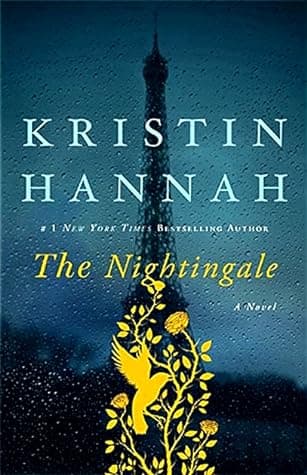
- The Nightingale
Kristin Hannah
4.6 (698k) average on GoodreadsHistorical FictionExplores female resilience and survival during wartime.
- Year of Wonders
Geraldine Brooks
4.0 (138k) average on GoodreadsHistorical FictionWhile both depict communities grappling with plague, Brooks's novel has a broader scope, exploring a village's social, religious, and political responses. Donoghue's is more intimately focused on the medical and personal struggles within a single hospital.
- Wolf Hall
Hilary Mantel
3.9 (166k) average on GoodreadsLiterary FictionMantel excels at recreating historical periods through intricate character psychology and political maneuvering. Donoghue's strength lies more in the visceral immediacy of the physical setting and the direct, often harrowing, experiences of her characters, rather than deep psychological interiority.
- The Old Man and the Sea
Ernest Hemingway
3.8 (831k) average on GoodreadsLiterary FictionA Cuban fisherman's long struggle with a giant marlin becomes a story of endurance and dignity, now retold for young adults with illustrations, phonetic guides, and writing prompts in Traditional Chinese.
- One Hundred Years of Solitude
Gabriel García Márquez
4.1 (753k) average on GoodreadsLiterary FictionThrough the multi-generational story of the Buendía family, a mythical town deals with the repeating patterns of time, love, and solitude, as the extraordinary mixes with the ordinary.



Enjoyed the summary?
A summary gives you the shape of the book. The book itself has the detail, the examples and the voice.
Find The Pull of the Stars on AmazonAs an Amazon Associate, BookBrief earns from qualifying purchases. How we're funded