

Synopsis
Covers the whole plot, including the ending.
- Difficulty
- Medium
- Pacing
- Moderate
- Mood
- Inspiring, Resilient, Historical, Romantic, Empowering
- Read it if
- You love stories of female friendship, resilience, and finding purpose against a backdrop of historical challenges, with a touch of romance.
- Skip it if
- You prefer fast-paced thrillers or stories without significant historical context and character-driven drama.
The Giver of Stars Plot Summary
Covers the whole plot, including the ending.
A New Life in Baileyville and the Call of the Library
Alice Van Cleve, an Englishwoman, marries Bennett Van Cleve and moves to the isolated mining town of Baileyville, Kentucky. She hoped for a more exciting life than her stifling existence in England. Instead, she finds herself trapped in an unhappy marriage and under the control of her father-in-law, Mr. Van Cleve, the town's prominent coal mine owner. Alice feels isolated by small-town gossip and her husband's lack of affection. Her only comfort is an occasional ride with Sven Sorensen, a quiet, capable man who works for the Van Cleves. When Eleanor Roosevelt's new Packhorse Library program is announced, seeking women to deliver books to remote mountain families, Alice sees it as a chance for freedom and purpose. Despite her husband's and father-in-law's disapproval, she volunteers.
Forming the Packhorse Librarians
Alice attends the meeting for the Packhorse Library, where she meets Margery O'Hare, an independent woman from the mountains with a reputation for being 'unsuitable' due to her unconventional life. Margery organizes the routes and operations. Other women join: Beth Pinker, a quiet, religious woman; Kathleen Bligh, a young, eager woman; and eventually Sophia Kenworth, a Black woman who faces racial prejudice but is determined to contribute. Despite initial skepticism and hostility from some townspeople, especially Mr. Van Cleve and his associates, the women begin training. They learn to ride horses, navigate the mountain terrain, and catalogue books for the isolated families who need them. Margery quickly becomes a mentor and close friend to Alice, showing her a different way of living.
First Rides and Growing Bonds
The five women begin their first delivery routes, facing immediate challenges: harsh weather, dangerous trails, suspicious mountain folk, and their own inexperience. Alice, initially timid, slowly gains confidence and purpose. She is moved by the gratitude and desire for knowledge among the isolated families, especially the children. The women develop a strong bond of friendship and mutual respect, supporting each other through difficult rides and personal struggles. They learn to navigate the terrain, deal with aggressive locals, and mend their own equipment. Margery's resilience and practical wisdom inspire Alice, who begins to question the rigid societal expectations she has always accepted. The library quickly becomes a lifeline for the community, bringing not just books but also connection and hope.
Sven's Support and Alice's Awakening
As Alice spends more time riding, she continues to meet Sven Sorensen, who often helps her on the trails, fixing her horse's shoes or guiding her through dangerous paths. Their quiet interactions grow into a deeper connection, with mutual understanding and unspoken affection. Alice is drawn to Sven's calm strength and kindness, which contrasts with her cold husband, Bennett. Meanwhile, Alice's confidence grows through her work with the library. She starts to stand up to Bennett and Mr. Van Cleve, asserting her right to work and refusing to be confined to the house. The library faces constant threats from the Van Cleves, who see it as a disruptive influence, especially with Margery O'Hare leading it, given her family's history and her father's feud with Mr. Van Cleve.
Margery's Troubles and a Growing Threat
Margery O'Hare becomes a target of Mr. Van Cleve's efforts to shut down the library. He uses her family's past — her father's reputation as a bootlegger and his ongoing conflict with the Van Cleve family over land — to discredit her and the entire library project. False rumors spread about Margery's character, and she is accused of various wrongdoings. Despite these attacks, Margery remains determined, refusing to be intimidated. Her resolve only strengthens the bond among the librarians, who support her. Alice, in particular, becomes loyal to Margery, recognizing the unfairness of the accusations. The library continues its work, but the atmosphere in Baileyville grows tense, with the Van Cleves using their influence to undermine the women's efforts.
The Incident with Clem and Margery's Arrest
A local man named Clem McCullough, who had harassed women, especially Margery, is found dead in the woods. Margery had confronted Clem about his behavior and had been seen arguing with him. Because of her reputation, her family's history, and Mr. Van Cleve's influence, Margery is immediately accused of his murder. She is arrested, despite her denials. The community is divided, with many believing the worst due to the rumors and prejudices against her. The other librarians are devastated and angered by the injustice, knowing Margery would not commit such a crime. They promise to do everything to prove her innocence, even as Mr. Van Cleve actively works to ensure her conviction, seeing it as a chance to get rid of the O'Hare family and destroy the library.
The Fight for Justice
With Margery imprisoned, the remaining librarians, led by Alice, work to defend her. They gather evidence, speak to witnesses, and try to find out what happened to Clem McCullough. Alice, with Sven's quiet but steady support, becomes bolder in her pursuit of justice. She confronts Bennett and Mr. Van Cleve, challenging their biased views and the corrupt legal process. Sven, who knows the mountains and its people, uses his connections to gather information. Their investigation finds inconsistencies in the prosecution's case and points to other potential suspects or motives, suggesting Clem's death might have been accidental or the result of other feuds in the mountains, unrelated to Margery. The librarians continue to run the library in Margery's absence, showing their commitment and resilience.
The Trial and Unveiling the Truth
Margery's trial begins, drawing attention. Mr. Van Cleve uses his power to manipulate the proceedings, ensuring a biased jury and presenting a one-sided story. The prosecution portrays Margery as a wild, dangerous woman capable of violence. However, the defense, helped by the evidence gathered by Alice and Sven, begins to weaken the prosecution's case. During a key moment, it is revealed that Clem McCullough's death was an accident, caused by a fall after being startled by a wild animal, not by Margery. Further, evidence surfaces implicating Bennett Van Cleve in a cover-up, as he was present at the scene of the accident and chose to frame Margery to protect his family's reputation and his father's agenda against the O'Hares. This revelation shatters Alice's view of her husband and the Van Cleve family.
Aftermath and New Beginnings
Margery is acquitted and released, to the relief and celebration of her friends and supporters. The truth about Clem's death and Bennett's part in the frame-up becomes public, damaging the Van Cleve family's standing. Alice, unable to accept Bennett's deceit and his family's cruelty, decides to leave her marriage. She finds the courage to pursue a life of her own choosing, free from the control of the Van Cleves. Her decision shows her change from a timid English bride to a strong, independent woman. She realizes her heart is with Sven Sorensen, who has shown his loyalty and love throughout the ordeal. The Packhorse Library, now cleared of wrongdoing, continues its work, becoming a symbol of resilience and community spirit.
A Future Forged in the Mountains
After her divorce, Alice fully embraces her new life in Kentucky. She and Sven Sorensen make a home together, their relationship built on mutual respect, understanding, and shared values. Alice continues her work with the Packhorse Library, finding satisfaction in bringing education and connection to the remote communities. The library thrives, expanding its reach and becoming an institution. Margery O'Hare remains a close friend and a powerful, independent force in the community, continuing to challenge norms. The women of the Packhorse Library, bonded by their experiences and their fight for justice, leave a lasting legacy, showing the power of female friendship, resilience, and the impact of books in even the most isolated places. Alice, once a lost English bride, finds her true home and purpose in the Kentucky mountains.
The Giver of Stars Characters
Alice Van Cleve (née Wright)
Protagonist
An Englishwoman who finds freedom and purpose as a Packhorse Librarian in Kentucky.
Alice arrives in Kentucky as a timid, unhappily married Englishwoman seeking escape from her stifling life. Initially naive and submissive to her husband and father-in-law, she undergoes a profound transformation through her work as a Packhorse Librarian. She develops courage, independence, and a strong sense of justice, finding her voice and standing up against oppression. Her journey is one of self-discovery, from a woman trapped by convention to one who actively shapes her own destiny and fights for what is right. She is deeply empathetic and finds joy in connecting with the mountain people.
Relationships: Bennett Van Cleve (Husband, emotionally distant and ultimately deceitful); Mr. Van Cleve (Overbearing and controlling father-in-law); Margery O'Hare (Closest friend and mentor); Sven Sorensen (Love interest and eventual partner, a quiet and supportive presence)
Margery O'Hare
Protagonist
Fiercely independent and pragmatic leader of the Packhorse Librarians.
Margery is a strong-willed, outspoken, and unconventional woman from the Kentucky mountains. She is the driving force behind the Packhorse Library, defying societal expectations and men's control. She has a notorious reputation due to her family's history and her own independent spirit, making her a target for powerful figures like Mr. Van Cleve. Despite her tough exterior, she is deeply compassionate, fiercely loyal to her friends, and committed to bringing books to the isolated communities. She is pragmatic, resourceful, and possesses an innate understanding of the mountain people and their needs.
Relationships: Alice Van Cleve (Closest friend and mentee); Mr. Van Cleve (Long-standing adversary due to family feuds and her independent nature); Fred O'Hare (Brother, often a source of worry but also loyalty)
Sven Sorensen
Supporting
Quiet, dependable, and kind man who works for the Van Cleves and falls in love with Alice.
Sven is a reserved, hardworking, and deeply kind man of Scandinavian descent who works on the Van Cleve property. He is intimately familiar with the mountain terrain and its people. He initially offers quiet assistance to Alice, fixing her horse and guiding her on trails, and their bond deepens into love. He is a man of few words but strong moral character, always supportive of Alice and the librarians. He plays a crucial role in helping Alice investigate Margery's case, using his local knowledge and connections to uncover the truth. His steadfastness provides a stark contrast to Bennett's indifference.
Relationships: Alice Van Cleve (Love interest and eventual partner); Mr. Van Cleve (Employer, though he disapproves of Van Cleve's actions)
Mr. Van Cleve
Antagonist
Wealthy, powerful, and controlling coal mine owner who opposes the library.
Mr. Van Cleve is the patriarch of the wealthy Van Cleve family, a powerful and influential coal mine owner in Baileyville. He is deeply conservative, controlling, and fiercely protective of his family's reputation and power. He views the Packhorse Library as a dangerous, disruptive influence and Margery O'Hare as a personal affront due to her family's history and her independent spirit. He uses his wealth and influence to manipulate the town, the legal system, and his own family members to achieve his ends. He is the primary antagonist, representing the oppressive forces of tradition and male authority.
Relationships: Alice Van Cleve (Controlling father-in-law); Bennett Van Cleve (Dominant father, influences Bennett's actions); Margery O'Hare (Main adversary, seeks to discredit and destroy her)
Bennett Van Cleve
Supporting
Alice's distant and weak-willed husband, subservient to his father.
Bennett is Alice's handsome but emotionally distant husband. He is weak-willed and largely subservient to his powerful father, Mr. Van Cleve, often prioritizing his father's approval over his wife's happiness or his own moral compass. His marriage to Alice is passionless, and he struggles to assert himself. He initially allows Alice to join the library but eventually becomes complicit in his father's schemes against Margery, ultimately making a morally reprehensible choice that shatters his marriage. He represents the failure of traditional masculinity and the suffocating influence of patriarchal control.
Relationships: Alice Van Cleve (Husband, distant and unloving); Mr. Van Cleve (Dominant father, constantly seeking his approval)
Beth Pinker
Supporting
A devout and reliable Packhorse Librarian, initially timid but grows in strength.
Beth is one of the initial Packhorse Librarians. She is a quiet, devoutly religious woman who initially appears timid. Despite her reserved nature, she is incredibly reliable, dedicated, and resilient. She finds strength and purpose in her work and in the camaraderie of the other women. Her faith grounds her, but she is also open-minded enough to form strong bonds with women like Margery, who defy conventional piety. She represents the quiet strength and unwavering commitment found within the community of librarians.
Relationships: Margery O'Hare (Fellow librarian and friend); Alice Van Cleve (Fellow librarian and friend)
Sophia Kenworth
Supporting
A Black Packhorse Librarian who faces racial prejudice but perseveres.
Sophia is a Black woman who joins the Packhorse Library, facing significant racial prejudice and discrimination in Depression-era Kentucky. Despite the societal barriers, she is determined, intelligent, and committed to the library's mission. Her inclusion in the group highlights the racial dynamics of the time and the women's collective defiance of social norms. She is a quiet but powerful presence, embodying resilience and the desire for education and equality. Her presence underscores the bravery required for all the librarians, but especially for her.
Relationships: Margery O'Hare (Fellow librarian and friend); Alice Van Cleve (Fellow librarian and friend)
Kathleen Bligh
Supporting
A young, enthusiastic Packhorse Librarian.
Kathleen is a young and eager member of the Packhorse Library team. She brings youthful enthusiasm and a strong work ethic to the group. She is dedicated to the mission of bringing books to the mountain people and quickly integrates into the close-knit group of librarians. Her initial naivety is tempered by the harsh realities of the work and the challenges they face, but her spirit remains strong. She represents the younger generation embracing new opportunities and challenging conventions.
Relationships: Margery O'Hare (Fellow librarian and friend); Alice Van Cleve (Fellow librarian and friend)
Clem McCullough
Mentioned
Local man whose death leads to Margery's wrongful arrest.
Clem McCullough is a local mountain man known for his unsavory character and history of harassing women, particularly Margery O'Hare. His death in the woods, initially attributed to Margery, becomes the central conflict of the latter half of the book, triggering the trial and subsequent investigation. He is largely a plot device, serving to highlight the prejudices against Margery and the corrupt influence of the Van Cleves.
Relationships: Margery O'Hare (Victim of his harassment; falsely accused of his murder)
The Giver of Stars Themes
Female Friendship and Solidarity
The novel explores the bond between women, especially the Packhorse Librarians. Alice, Margery, Beth, Kathleen, and Sophia form a strong sisterhood, supporting each other through physical dangers, societal prejudice, and personal struggles. Their friendship gives them strength, courage, and a sense of belonging, helping them defy patriarchal norms and fight for justice. This theme appears when the women work together to prove Margery's innocence, pooling their resources and risking their own safety.
“What they learned was that together, they were a force. Together, they were fearless.”
Identity and Self-Discovery
Alice's journey is central to this theme. She arrives in Kentucky as a woman defined by her English background and her marriage. Through her work with the library and her friendship with Margery, she sheds her shyness and finds her true self. She learns to stand up for herself, embrace her independence, and define her own purpose, choosing a life that fits her values rather than societal expectations. Margery also shows this theme, holding onto her identity against constant pressure to conform.
“She hadn’t just found a job. She had found a way of life. A way of being herself.”
The Power of Literature and Education
The Packhorse Library itself shows this theme. The books delivered by the women bring not just entertainment but also knowledge, hope, and connection to isolated communities. They empower individuals, especially women and children, by broadening their horizons and offering an escape from their harsh realities. The fight to keep the library running, despite opposition from figures like Mr. Van Cleve, shows the belief that education is a powerful tool for social change and personal freedom.
“A book was a world, Alice realized. A world of words, of stories, of ideas.”
Defiance of Patriarchy and Social Convention
The novel critiques patriarchal control and rigid social norms common in Depression-era Kentucky. The Packhorse Librarians, especially Margery and Alice, defy the expectations placed on women by men like Mr. Van Cleve and even Bennett. They assert their right to work, travel independently, and make their own choices, challenging the idea that women should stay in the home. Their struggle for justice for Margery is a direct confrontation with a system designed to keep women subordinate.
“She had learned that sometimes, to be true to yourself, you had to be a little bit rude.”
Justice and Corruption
The plot's main conflict is the wrongful accusation and trial of Margery O'Hare. This highlights the theme of justice, or lack thereof, when powerful individuals like Mr. Van Cleve can manipulate the legal system and public opinion. The librarians' search for truth and their efforts to clear Margery's name expose the corruption and prejudice in the system. The novel suggests that true justice can win, but often requires courage and collective action from ordinary people.
“The law, she realized, was not always about truth. Sometimes it was about who had the most power.”
Plot Devices & Literary Techniques
The Packhorse Library
A historical initiative serving as the central setting and catalyst for character development.
Based on a real historical program, the Packhorse Library serves as the primary setting and driving force for the plot. It is not just a job for the women but a vehicle for their personal growth, friendship, and defiance of societal norms. It brings them into contact with the diverse people of the mountains and exposes them to the challenges and beauty of the landscape. Symbolically, the library represents knowledge, freedom, and connection in an isolated world, and its existence is constantly threatened by those who fear its empowering influence.
The Kentucky Mountains
A vivid, challenging, and symbolic backdrop for the story.
The rugged, beautiful, and often dangerous landscape of the Kentucky mountains is more than just a setting; it is a character in itself. It challenges the librarians physically and mentally, forcing them to develop resilience and resourcefulness. The mountains symbolize both isolation and freedom, harshness and natural beauty. They also represent the deep-rooted traditions and feuds of the local communities, which play a significant role in the plot, particularly in the conflict surrounding Margery O'Hare. The physical journey through the mountains mirrors the characters' emotional journeys.
The Van Cleve Family
Represents patriarchal power, social rigidity, and resistance to change.
The Van Cleve family, particularly Mr. Van Cleve, serves as a symbolic representation of the entrenched patriarchal power structure and the forces of conservatism that the Packhorse Librarians are up against. Their wealth and influence allow them to control Baileyville and attempt to suppress any challenges to their authority, including the library and independent women like Margery. Alice's marriage into this family and her eventual rejection of it underscores her journey towards personal liberation and the broader theme of defying oppressive systems.
Literary Allusions and Book Titles
Subtly reinforces themes and character traits.
The books themselves, and the titles mentioned, often serve as subtle plot devices. They reflect the aspirations of the mountain people for knowledge and escape, and sometimes parallel the characters' own experiences. For instance, the discussion of certain novels can highlight themes of love, adventure, or injustice. The act of reading and distributing books reinforces the central theme of the power of literature to transform lives and broaden perspectives, making the books more than just props but active participants in the story's message.
The Giver of Stars Quotes
“A library is a place where you can lose your innocence without losing your virginity.”
“Sometimes you just have to do the thing you think you cannot do.”
“We are all just stories in the end.”
“Books are a way to travel without moving your feet.”
“You don't have to be alone to be lonely.”
“A woman's place is wherever she decides it is.”
“The world is full of small kindnesses, if you know where to look.”
“Love isn't about possession. It's about appreciation.”
“Sometimes the hardest person to forgive is yourself.”
“Adventure is just hardship with an inflated sense of self.”
“A book can be a dangerous thing in the wrong hands.”
“Home isn't a place, it's a feeling.”
“The stars don't care about our troubles; they just keep shining.”
“You can't change the past, but you can let it change you for the better.”
Quiz
10 questions on the plot and the characters. Each answer comes with a short explanation.
Question 1
What prompts Alice Wright to join the Packhorse Librarians in Kentucky?
- She wants to earn money to return to England
- She hopes to escape her claustrophobic life with her overbearing father-in-law
- She is forced to by her husband Bennett
- She has always dreamed of being a librarian
Show answer
B. She hopes to escape her claustrophobic life with her overbearing father-in-law Alice marries Bennett to escape England but finds small-town Kentucky equally stifling, especially due to her father-in-law. Joining the traveling library offers her a way out of this confinement.
Question 2
Who is the leader of the Packhorse Librarians and Alice's greatest ally?
- Eleanor Roosevelt
- Margery
- One of the three other women who join later
- Alice's mother-in-law
Show answer
B. Margery Margery is described as a smart-talking, self-sufficient woman who leads the library team and becomes Alice's key supporter in their journey.
Question 3
What historical initiative are the Packhorse Librarians part of?
- The New Deal's Works Progress Administration
- Eleanor Roosevelt's traveling library program
- The Kentucky State Library expansion
- A local church charity effort
Show answer
B. Eleanor Roosevelt's traveling library program The book is based on the real-life Packhorse Librarians of Kentucky, who were part of Eleanor Roosevelt's initiative to deliver books to remote areas during the Depression era.
Question 4
Why does Alice initially marry Bennett Van Cleve?
- For his wealth and social status in America
- To escape her stifling life in England
- Because she was in love with him from their first meeting
- To help her family financially during the Depression
Show answer
B. To escape her stifling life in England Alice hopes marriage to an American will provide an escape from her restrictive life in England, though Kentucky proves unexpectedly confining as well.
Question 5
What is a central theme demonstrated by the women's refusal to be 'cowed by men or by convention'?
- The importance of education in rural communities
- Female empowerment and defiance of societal norms
- The dangers of the Kentucky landscape
- The impact of the Great Depression on families
Show answer
B. Female empowerment and defiance of societal norms The book highlights how the librarians challenge gender roles and traditional expectations, embodying themes of women's friendship, independence, and resilience.
Question 6
How does the setting of Kentucky contribute to the story's challenges?
- It is always depicted as brutally dangerous with no beauty
- Its remote and varied landscape poses physical dangers but also inspires the women
- It is primarily urban, focusing on city life during the Depression
- It has no significant impact on the plot
Show answer
B. Its remote and varied landscape poses physical dangers but also inspires the women The Kentucky mountains are described as both breathtakingly beautiful and brutal, creating a backdrop that tests the librarians' commitment and resilience as they deliver books.
Question 7
What broader impact do the Packhorse Librarians aim to achieve through their work?
- To become famous authors themselves
- To arm people with facts and change their lives through access to books
- To protest against the government's policies
- To find husbands in the remote communities
Show answer
B. To arm people with facts and change their lives through access to books Their mission is to bring books to isolated areas, providing knowledge and empowerment to people who previously had little access to reading materials.
Question 8
Which of the following best describes the narrative scope of 'The Giver of Stars'?
- A narrow focus on Alice's romantic life with Bennett
- An epic story of five women's journey, blending loyalty, justice, and passion
- A political critique of the New Deal programs
- A fictional account with no basis in real events
Show answer
B. An epic story of five women's journey, blending loyalty, justice, and passion The book is described as an unforgettable drama covering the lives of five women, their friendships, loves, and challenges, making it broad in scope and rooted in true history.
Question 9
In what way is 'The Giver of Stars' connected to Jojo Moyes' other works?
- It is a direct sequel to 'Me Before You'
- It shares the same characters as her previous novels
- It is from the author of 'Me Before You', but is a standalone historical fiction
- It is a nonfiction account of Moyes' own life
Show answer
C. It is from the author of 'Me Before You', but is a standalone historical fiction While Moyes is known for 'Me Before You', this book is a separate work of historical fiction based on true events, showcasing her range as a storyteller.
Question 10
What does the phrase 'reaching beyond our grasp for the great beyond' metaphorically represent in the book?
- The physical act of delivering books over long distances
- The women's ambition to achieve personal and societal change against odds
- A literal journey to outer space mentioned in the plot
- The men's efforts to control the librarians
Show answer
B. The women's ambition to achieve personal and societal change against odds This phrase symbolizes the librarians' courage to pursue greater freedom, knowledge, and impact despite the constraints of their era and environment.
The Giver of Stars FAQ
What is 'The Giver of Stars' about?
The novel follows Alice Wright, an Englishwoman who marries American Bennett Van Cleve to escape her restrictive life, only to find small-town Kentucky equally stifling. She joins Eleanor Roosevelt's traveling library initiative, becoming one of the Packhorse Librarians alongside Margery and three other women, delivering books through the Kentucky mountains during the Depression era while navigating personal struggles and societal constraints.
Why should I read 'The Giver of Stars'?
This book offers a compelling blend of historical fiction, romance, and feminist themes based on the true story of the Packhorse Librarians. It explores women's friendship, resilience against patriarchal norms, and the transformative power of literacy in a vividly depicted Depression-era Kentucky setting, with rich character development and emotional depth.
What is the background/setting of 'The Giver of Stars'?
Set in 1930s Depression-era Kentucky, the story unfolds in the rural Appalachian mountains where poverty and isolation are prevalent. The backdrop includes Eleanor Roosevelt's real-life traveling library initiative, which aimed to bring books to remote communities, highlighting the harsh yet beautiful landscape that shapes the characters' journeys.
What are the most memorable quotes?
Key quotes include Margery's defiant 'I've never asked a man's permission for anything,' reflecting her independence, and themes like 'bringing books to people who have never had any, arming them with facts that will change their lives,' emphasizing the librarians' mission. Alice's realization that 'small-town Kentucky quickly proves equally claustrophobic' captures her initial disillusionment.
What writing style does the author use?
Jojo Moyes employs an engaging, descriptive narrative style that blends historical detail with emotional storytelling. The prose is accessible yet evocative, balancing humor, heartbreak, and suspense to depict the epic journey of the characters, with a focus on dialogue and inner monologues that reveal their psychological depths.
What minor details add significant meaning?
Details like the specific books delivered by the librarians, such as practical guides or novels, symbolize hope and escape for isolated communities. The rugged terrain of Kentucky, described as 'at times breathtakingly beautiful, at others brutal,' mirrors the characters' struggles and resilience, while small acts of kindness among the women underscore their bond.
What are some subtle foreshadowing moments?
Early scenes where Alice feels trapped in her marriage and Margery's rebellious nature hint at their eventual defiance against societal norms. The dangers of the landscape, mentioned early on, foreshadow physical and emotional challenges the librarians face, such as conflicts with hostile locals or personal betrayals that test their loyalty.
What unexpected character connections exist?
Alice forms an unlikely alliance with Margery, despite their different backgrounds, becoming her greatest ally. The relationships among the five librarians—each with unique pasts—deepen through shared missions, revealing hidden ties to the community, such as connections to men who either support or oppose their work, adding layers to the drama.
What are unspoken character motivations?
Alice's desire to escape her stifling life in England drives her initial marriage, but her deeper motivation is a search for purpose and independence, which she finds through the library. Margery's self-sufficiency stems from a past of resisting patriarchal control, while Bennett Van Cleve and his father represent unspoken fears of change and loss of authority.
What psychological complexities do characters exhibit?
Alice grapples with guilt and courage as she balances societal expectations with her newfound freedom. Margery exhibits a tough exterior masking vulnerability from past traumas. Bennett Van Cleve shows conflicted loyalty between his father and Alice, revealing the psychological toll of familial pressure and personal desire in a restrictive environment.
What are the major emotional turning points?
Key moments include Alice's decision to join the librarians, marking her break from conformity; confrontations with her father-in-law that escalate tensions; and crises like injuries or threats during book deliveries that test the women's bonds. Romantic developments, such as Alice's evolving feelings, also serve as emotional pivots that deepen the narrative.
How do relationship dynamics evolve?
Alice and Margery's relationship grows from initial acquaintances to deep friendship and mutual support, challenging each other's views. The librarians' group dynamic strengthens through shared hardships, becoming a sisterhood. Romantic relationships, like Alice's with Bennett, shift from disillusionment to complex reconciliations or separations, influenced by external pressures.
Which parts remain ambiguous or open-ended?
The fates of some secondary characters and the long-term impact of the library initiative are left somewhat open, inviting reflection on historical legacies. Certain romantic outcomes, such as the stability of Alice's marriage or Margery's personal future, are nuanced rather than neatly resolved, emphasizing the ongoing nature of their journeys.
What are controversial scenes or decisions?
Scenes where the librarians defy male authority figures, such as standing up to Bennett's overbearing father, spark controversy by challenging gender norms of the era. Decisions like Alice risking her marriage for the library or Margery's unapologetic independence may be debated for their realism and moral implications in a conservative setting.
'The Giver of Stars' ending explained: how it ends & what it means
The ending sees the librarians achieving a sense of victory and solidarity, with Alice finding purpose and possibly reconciliation in her personal life. It symbolizes the triumph of resilience and friendship over adversity, highlighting how their efforts to bring literacy change lives, both theirs and the community's, leaving a legacy of empowerment and hope.
How does the book handle themes of justice and loyalty?
Justice is explored through the librarians' fight against censorship and patriarchal control, as they arm communities with knowledge. Loyalty is tested in relationships among the women and with the men they love, such as Alice's conflicted allegiance to her husband versus her duty to the library, culminating in dramatic choices that define their characters.
What role does the historical context play in the story?
The Depression-era setting amplifies the stakes of poverty and isolation, making the library's mission more urgent. Historical elements like Eleanor Roosevelt's initiative ground the plot in real events, while societal norms of the time create conflicts that drive the characters' struggles for autonomy and change, enriching the narrative's authenticity and emotional impact.
How do the landscapes of Kentucky influence the plot?
The Kentucky mountains serve as both a barrier and a catalyst, with their beauty inspiring the characters' perseverance and their brutality posing physical dangers during book deliveries. This setting mirrors the emotional terrain of the story, where isolation fosters community bonds and the harsh environment tests the librarians' commitment to their mission.
What insights does the book offer about women's friendship?
The novel portrays women's friendship as a source of strength and transformation, as the five librarians support each other through personal and external challenges. Their bond, forged in adversity, challenges conventional roles and demonstrates how collective action can overcome individual limitations, making it a central theme of empowerment and solidarity.
How does the book balance romance with broader themes?
Romance is interwoven with themes of independence and societal change, as seen in Alice's relationship with Bennett, which evolves alongside her library work. The romantic subplots enhance character development without overshadowing the main focus on women's agency and historical activism, creating a nuanced narrative that appeals to multiple reader interests.
About the author
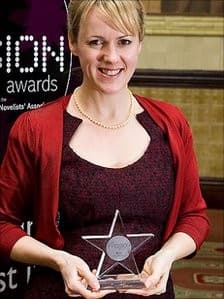
Jojo Moyes is a British author known for her contemporary fiction. Her notable works include "Me Before You," "After You," "The Giver of Stars," "One Plus One," "Still Me," and "The Girl You Left Behind." Moyes often explores themes of love, loss, and resilience in her storytelling.
Similar books
- Where the Crawdads Sing
Delia Owens
4.5 (975k) average on GoodreadsHistorical FictionExplores a strong female protagonist in a natural, isolated setting, dealing with prejudice and a murder mystery.
- Before We Were Yours
Lisa Wingate
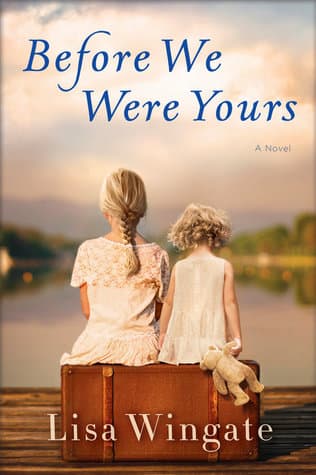
4.4 (376k) average on GoodreadsHistorical FictionBoth explore historical injustices and the enduring strength of women. Wingate's novel often tackles darker, more morally ambiguous historical events (orphan trafficking) with a less romanticized approach, whereas Moyes maintains a more uplifting and accessible tone.
- To Kill a Mockingbird
Harper Lee
4.3 (4.5M) average on GoodreadsHistorical FictionIn the 1930s Jim Crow South, Harper Lee writes about racial injustice, moral growth, and the quiet courage of a lawyer father, Atticus Finch, as seen through his young daughter's eyes.
- The Great Gatsby
F. Scott Fitzgerald
3.9 (3.8M) average on GoodreadsHistorical FictionIn the opulent Roaring Twenties, a mysterious millionaire's lavish parties hide his desperate, tragic pursuit of a lost love, exposing the emptiness within the American Dream.
- Pride and Prejudice
Jane Austen
4.3 (3M) average on GoodreadsHistorical FictionIn a society focused on status and money, Elizabeth Bennet navigates love and pride, challenging Mr. Darcy and social expectations to find true affection.
- Angels & Demons
Dan Brown
3.9 (2.7M) average on GoodreadsThrillerA Harvard symbologist races through Rome's ancient sites, deciphering cryptic clues to unmask the Illuminati and stop a vengeful plot to destroy the Vatican with a stolen antimatter weapon.





Enjoyed the summary?
A summary gives you the shape of the book. The book itself has the detail, the examples and the voice.
Find The Giver of Stars on AmazonAs an Amazon Associate, BookBrief earns from qualifying purchases. How we're funded