
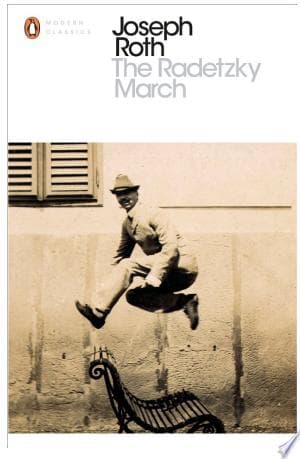
Synopsis
Covers the whole plot, including the ending.
- Difficulty
- Medium
- Pacing
- Slow
- Mood
- Melancholy, Nostalgic, Reflective, Tragic
- Read it if
- You appreciate panoramic historical sagas about the decline of empires, character-driven studies of generational legacy, and melancholic, atmospheric prose.
- Skip it if
- You prefer fast-paced plots with clear-cut heroes and villains, or struggle with stories that emphasize internal character development over external action.
The Radetzky March Plot Summary
Covers the whole plot, including the ending.
The Battle of Solferino and the Rise of Lieutenant Trotta
The story starts with Lieutenant Joseph Trotta's brave act at the Battle of Solferino in 1859. During the battle, Trotta quickly pushes Emperor Franz Joseph I out of the way of a bullet, saving his life. This act of bravery brings him immediate notice and a promotion to captain. The Emperor also gives him the hereditary title 'von Trotta' and the 'Order of Maria Theresa,' making his family minor nobility. This event, though, makes the modest Trotta uncomfortable, as he feels his act was more instinct than planned heroism. His fame grows, and his picture, showing him as a great hero, is even put in schools, much to his annoyance.
The District Commissioner and the Burden of the Legend
Joseph von Trotta, now an old man, struggles with the overstated legend around his Solferino deed. His son, Franz von Trotta, becomes a careful District Commissioner in a small town. Franz values order and routine, and is loyal to the Emperor and the Austro-Hungarian Empire. He tries to teach his son, Carl Joseph, the same values, but Carl Joseph is less willing. Franz is upset when he finds out that official school history books have an embellished, almost mythical story of his father's heroism. He tries to correct the mistakes, even asking the Emperor directly, believing in the importance of truth and the empire's story, a quest that shows his strict following of rules and honesty.
Carl Joseph's Early Life and Military Service
Carl Joseph von Trotta, the grandson, is a sensitive and somewhat sad young man, not suited for the military path his family's name pushes him towards. His father, Franz, expects him to follow the family tradition of serving the Emperor, though not necessarily as a soldier. Carl Joseph, however, ends up in the cavalry, where he feels out of place and alone. He often thinks deeply and feels a growing sense of disappointment with the strict, old-fashioned world of the Austro-Hungarian army. His early military life shows a lack of real ambition and a desire for something more meaningful, which he cannot explain or find within his expected life.
Friendships and Affairs in the Garrison Town
Stationed in a distant garrison town, Carl Joseph deals with boredom and loneliness. He becomes friends with his officer, Dr. Max Demant, a Jewish doctor who shares his interest in ideas and offers a different view of life than other military men. Demant introduces Carl Joseph to a world outside the army, including talks about philosophy and a shared sadness. Carl Joseph also starts an affair with Baroness von Taussig, his commander's wife. This relationship comes more from shared boredom and a need for connection than real passion, showing Carl Joseph's aimless life and his inability to find true happiness.
The Duel and its Aftermath
The affair between Carl Joseph and Baroness von Taussig leads to a tragic end. When a young lieutenant, Chojnicki, insults the Baroness publicly, Carl Joseph feels he must defend her honor. This leads to a duel, a common but dangerous practice in the Austro-Hungarian military. Dr. Demant, acting as Carl Joseph's second, is killed during the duel when he tries to step in and is accidentally shot. This event deeply affects Carl Joseph, who feels great guilt and responsibility for Demant's death. The duel shows how random military honor can be and the terrible results of the era's strict social rules, further separating Carl Joseph from his military life.
Carl Joseph's Descent and Gambling Debts
After Dr. Demant's death, Carl Joseph's already weak mental state worsens. Filled with guilt and a deep feeling of pointlessness, he turns to alcohol and gambling. He gets into large debts, making his financial and emotional problems worse. His once orderly life falls apart, showing his inner confusion and his growing distance from the military and the expectations placed on him. He becomes more alone, unable to talk to his father, who remains distant and busy with his own duties. This time is a turning point for Carl Joseph, as he loses his remaining support and falls deeper into despair.
The Arrival of Jacques and the Brothel
In his despair, Carl Joseph becomes friends with Jacques, a Jewish peddler and former circus strongman. Jacques becomes a confidant and gives Carl Joseph money for his gambling. Through Jacques, Carl Joseph goes to a local brothel, owned by Frau Slama. He finds a strange comfort and temporary escape from his worries in the brothel, forming a platonic, almost family-like, relationship with Frau Slama and the women there. This place, far from military rules, gives him a brief feeling of freedom and acceptance, but it ultimately makes him feel worse about himself and his life's futility.
Franz von Trotta's Disillusionment and Death
Meanwhile, Carl Joseph's father, Franz von Trotta, continues his careful work as District Commissioner. However, he becomes more aware of the growing problems in the Austro-Hungarian Empire. He sees the rise of nationalism, the weakening of imperial power, and the general decay of the values he holds dear. The world he has known and served so loyally is slowly breaking down around him. Overwhelmed by these changes and unable to understand the coming collapse, Franz has a stroke and dies, representing the old order's inability to change or survive. His death marks the end of an era for the Trotta family and the Empire.
Carl Joseph's Redemption and Transfer to the East
After his father's death, Carl Joseph has a brief moment of clarity and tries to fix his life. He tries to pay his gambling debts, selling some of his belongings. However, his past actions catch up to him, and he is moved to a distant, empty border post in Galicia, a punishment for his behavior and a way for the army to quietly remove a problematic officer. This transfer is seen as a final exile, a place where the Empire's power is weak and the future uncertain. Despite the difficult conditions, Carl Joseph finds a strange peace and purpose in this isolated post, far from his family's suffocating expectations and the capital's decaying grandeur.
The Outbreak of War and Carl Joseph's Final Act
As Europe is on the edge of war, Carl Joseph sees the growing tensions from his distant post. When Archduke Franz Ferdinand is killed, starting World War I, Carl Joseph's regiment is called to action. During a fight, his men are very thirsty. Carl Joseph, with a sudden burst of purpose and selflessness, offers to get water from a nearby well, despite the clear danger. As he nears the well, he is shot and killed by a sniper. His death, though seemingly pointless, mirrors his grandfather's accidental heroism at Solferino, but this time it is a conscious act for his men, a final, meaningful act in a life mostly without direction. He dies just as the old Empire begins its final, massive collapse.
The Radetzky March Characters
Lieutenant Joseph Trotta (The Hero of Solferino)
Grandfather and foundational figure
The accidental hero whose deed shaped his family's destiny and became a national legend.
Joseph Trotta is the patriarch of the Trotta family, an unassuming man who became an accidental hero at the Battle of Solferino by saving Emperor Franz Joseph I. His spontaneous act of bravery earns him ennoblement and the 'von Trotta' title, but he remains uncomfortable with the exaggerated legend that surrounds him. He values humility and truth, even attempting to correct the inaccuracies in school history books. Despite his fame, he lives a quiet life, burdened by the weight of his public image and the expectations it creates for his descendants.
Relationships: Emperor Franz Joseph I (savior and benefactor); Franz von Trotta (father)
Franz von Trotta
Protagonist's father and Imperial servant
A meticulous and loyal District Commissioner, embodying the values of the Austro-Hungarian Empire.
Franz von Trotta is the son of the Hero of Solferino and Carl Joseph's father. He is a rigid, dutiful, and incorruptible District Commissioner, deeply committed to the bureaucracy and ideals of the Austro-Hungarian Empire. He attempts to live up to the unspoken expectations created by his father's legend but lacks his father's humility, instead adhering strictly to protocol and order. He struggles to understand his son's melancholic nature and the changing world around him, ultimately dying of a stroke as the Empire begins to crumble, unable to adapt to its decline.
Relationships: Lieutenant Joseph Trotta (son); Carl Joseph von Trotta (father); Emperor Franz Joseph I (loyal subject)
Carl Joseph von Trotta
Protagonist and last of the Trottas
A sensitive and melancholic cavalry lieutenant, struggling to find meaning in a decaying empire.
Carl Joseph is the grandson of the Hero of Solferino and the central protagonist. He is a sensitive, introspective, and somewhat aimless young man, ill-suited for the military career he falls into. He feels the oppressive weight of his family's legacy and the expectations of the decaying Austro-Hungarian Empire. Plagued by a sense of futility, he drifts through affairs, gambling, and guilt, particularly after the death of Dr. Demant. He yearns for purpose but struggles to find it until his final, selfless act at the outbreak of World War I.
Relationships: Franz von Trotta (son); Dr. Max Demant (friend); Baroness von Taussig (lover); Jacques (acquaintance/supplier); Frau Slama (confidante/brothel owner)
Dr. Max Demant
Supporting character
A Jewish regimental doctor and Carl Joseph's intellectual confidant and friend.
Dr. Demant is a Jewish regimental doctor who becomes Carl Joseph's closest friend and intellectual companion. He is an intelligent, sensitive, and melancholic man who shares Carl Joseph's sense of alienation from the rigid military world. Demant provides Carl Joseph with intellectual stimulation and a more nuanced perspective on life. His death in the duel, where he acts as Carl Joseph's second, is a pivotal tragic event that deeply affects Carl Joseph and symbolizes the senselessness of the era's codes of honor.
Relationships: Carl Joseph von Trotta (friend)
Baroness von Taussig
Supporting character
The unhappily married wife of Carl Joseph's commander and his lover.
Baroness von Taussig is the wife of Carl Joseph's regimental commander and his lover. She is portrayed as a beautiful but bored and unfulfilled woman, trapped in a loveless marriage within the confines of military society. Her affair with Carl Joseph is less about passionate love and more about a mutual escape from ennui and a search for connection. Her presence is a catalyst for the duel that leads to Dr. Demant's death, highlighting the destructive potential of the rigid social codes and the emptiness of aristocratic life.
Relationships: Carl Joseph von Trotta (lover); Baron von Taussig (husband)
Jacques
Supporting character
A Jewish peddler and former strongman who befriends Carl Joseph.
Jacques is a Jewish peddler, a former circus strongman, and a street-smart individual who forms an unlikely friendship with Carl Joseph. He operates on the fringes of society and provides Carl Joseph with money for his gambling debts. Jacques represents a different, more pragmatic and survivalist way of life, contrasting with the structured, decaying world of the aristocracy and military. He introduces Carl Joseph to the brothel, further drawing him into a world away from his duties.
Relationships: Carl Joseph von Trotta (acquaintance/supplier)
Frau Slama
Supporting character
The kind and maternal owner of the local brothel.
Frau Slama is the owner of the brothel where Carl Joseph often seeks refuge. She is a maternal and understanding figure, providing a sense of comfort and acceptance that Carl Joseph lacks elsewhere. Her brothel becomes a temporary haven for him, a place where the rigid social hierarchies and expectations of the military world do not apply. She represents a form of unconventional compassion and offers a stark contrast to the cold formality of Carl Joseph's official life.
Relationships: Carl Joseph von Trotta (confidante/provider of solace)
Emperor Franz Joseph I
Mentioned character and symbolic figure
The long-reigning monarch, a symbol of the Empire's stability and eventual decline.
Emperor Franz Joseph I is not an active character in the narrative but serves as a crucial symbolic figure. He is the recipient of Lieutenant Trotta's heroic act, the bestower of the family's nobility, and the ultimate embodiment of the Austro-Hungarian Empire. His long reign parallels the gradual decline of the Empire, and his presence, though often distant, represents the traditional order that the Trotta family serves and ultimately perishes with. His aging and increasing detachment mirror the Empire's own decay.
Relationships: Lieutenant Joseph Trotta (saved by); Franz von Trotta (loyal subject)
Choynicki
Supporting character
A young lieutenant whose insult triggers the fatal duel.
Lieutenant Choynicki is a minor character whose drunken insult directed at Baroness von Taussig precipitates the duel with Carl Joseph. He represents the volatile and often senseless nature of military honor and the rigid social codes that could lead to tragic consequences. His role is brief but pivotal, serving as the immediate catalyst for Dr. Demant's death and Carl Joseph's subsequent spiral.
Relationships: Baroness von Taussig (insulter); Carl Joseph von Trotta (duelist)
The Radetzky March Themes
The Decline of an Empire
The novel shows the slow decay and final fall of the Austro-Hungarian Empire. This idea is seen through the Trotta family's experiences, whose lives are tied to the Empire's fate. Franz von Trotta's strict following of imperial rules and his inability to understand the rising nationalism and social unrest show the Empire's own outdatedness. Carl Joseph's aimlessness and disappointment show the spiritual emptiness that fills the dying imperial order, showing how individual lives break down as the larger political structure falls apart. The constant feeling of sadness and coming disaster shows that the Empire's end was bound to happen.
“The Emperor was old, and he knew it; he was also the last of his kind, and he knew that too.”
The Burden of Legacy and Heroism
Lieutenant Joseph Trotta's 'heroic' act at Solferino affects later generations of the family. The legend, exaggerated, creates high expectations for Franz and Carl Joseph, who try to live up to a made-up ideal. Joseph himself is uncomfortable with his fame, while Franz tries to correct the history, yet still expects his son to show the family's 'heroic' spirit. Carl Joseph feels weighed down by this history, finding himself not suited for any 'heroism' or even meaningful service. The theme shows how one defining moment can become a curse for generations, twisting identity and stopping people from finding themselves.
“His grandfather's deed was a heavy burden on him, a burden of which he was perhaps not even fully aware, but which he carried all the more heavily.”
Identity and Belonging
The characters, especially Carl Joseph, deal with questions of who they are and their place in a fast-changing world. Carl Joseph struggles to fit his sensitive nature with the military path his family's history and society's expectations push him towards. He feels separate from his comrades, his family, and himself, seeking comfort in short-lived relationships and destructive behaviors. The novel also touches on the identity of minority groups in the Empire, like Dr. Demant's Jewish identity, showing how fragile the feeling of belonging is for those not at the center of the main culture. As the Empire falls, the idea of a shared Austrian identity starts to break apart, leaving people lost.
“He felt like a stranger in his own uniform, in his own skin.”
Nostalgia and Loss
A deep feeling of longing for a past that is disappearing and a sad acceptance of loss fills the novel. The characters, especially Franz von Trotta, hold on to the traditions and certainties of the old Empire, even as they see it breaking apart. There is a desire for a simpler time when values were clear, and serving the Emperor gave clear meaning. The story itself often looks back, telling about past events and regretting the loss of an era. This theme is not just sentimental but shows a deep worry about modern times and the loss of a clear social and political order, ending in the complete breakdown of the world the Trottas knew.
“The world was slowly dying, and with it the Emperor, and with him all who were faithful to him.”
Fate and Free Will
The novel looks at how much characters control their own lives versus being carried along by bigger historical forces or the weight of inherited situations. Lieutenant Trotta's 'heroic' act is shown as an accident, starting a chain of events that largely decides his descendants' lives. Carl Joseph, especially, feels a deep lack of control, drifting into a military career he does not want and giving in to gambling and despair. While Carl Joseph's final act of self-sacrifice might seem like a choice, it is set within the inevitable start of war, suggesting that even personal choices are limited by historical fate. The characters are often victims of their time and strict social structures.
“He knew that the world was stronger than he was, and that he was merely a plaything in its hands.”
Plot Devices & Literary Techniques
Generational Saga
Traces the decline of a family mirroring the decline of an empire.
The novel employs a generational saga structure, following three generations of the Trotta family: the grandfather (Joseph), the father (Franz), and the grandson (Carl Joseph). Each generation represents a different stage in the life and decline of the Austro-Hungarian Empire, from its peak (Joseph's heroism) to its stable, bureaucratic phase (Franz's service) to its final, fragmented years (Carl Joseph's disillusionment). This device allows Roth to illustrate the gradual erosion of imperial values and the profound impact of historical change on individual lives and family identity over time.
The 'Hero of Solferino' Legend
A foundational, yet false, myth that dictates the family's destiny.
The exaggerated and officially sanctioned legend of Lieutenant Joseph Trotta's heroism at the Battle of Solferino serves as a central plot device. This myth, which the original hero himself finds uncomfortable, creates an inescapable burden of expectation for his descendants. It forces Franz to meticulously uphold imperial honor and compels Carl Joseph into a military life he detests. The legend highlights the disconnect between official narratives and personal truth, and how historical accounts can shape, and often distort, individual and family identity, ultimately contributing to the Trotta family's tragic fate.
The Radetzky March
A recurring musical motif symbolizing the Empire's grandeur and its eventual decline.
Johann Strauss Sr.'s 'Radetzky March' functions as a powerful symbolic motif throughout the novel. It is the signature tune of the Austro-Hungarian Empire, evoking its military pomp, grandeur, and the patriotic fervor it once inspired. Its presence in various scenes, from formal military events to Carl Joseph's melancholic recollections, underscores the pervasive influence of the Empire. As the story progresses and the Empire declines, the march's symbolic power shifts from one of strength and unity to one of poignant nostalgia for a fading past, marking the rhythm of an empire's slow death.
The Emperor's Portrait
A visual symbol of imperial authority and the family's unwavering loyalty.
The portrait of Emperor Franz Joseph I, particularly the one depicting Lieutenant Trotta's heroic deed, serves as a recurring visual symbol. It is present in schools, in Franz von Trotta's office, and in the minds of the characters. It represents the ultimate authority and the object of the Trotta family's unwavering loyalty. However, as the Empire weakens, the portrait also becomes a symbol of a fading era, an outdated ideal that no longer resonates with the younger generation. Its static, unchanging image contrasts sharply with the dynamic and disintegrating world around it, highlighting the disconnect between imperial illusion and reality.
The Remote Garrison Town / Border Post
A setting that isolates and reflects the periphery of the decaying empire.
The remote garrison town and later the desolate border post in Galicia serve as significant settings. These isolated locations symbolize the periphery of the Austro-Hungarian Empire, where its authority is tenuous and its glory faded. They isolate Carl Joseph, forcing him into introspection and highlighting his alienation. The desolation and lack of purpose in these outposts mirror Carl Joseph's inner state and the overall decline of the Empire, which is fraying at its edges. These settings emphasize the sense of being forgotten and the slow, inevitable creep of dissolution.
The Radetzky March Quotes
“The world was still in order when the Emperor Franz Joseph was still young.”
“He had saved the Emperor's life, and for that he was given a barony and a certain immortality.”
“The uniform was the fatherland.”
“He died as he had lived: in the service of His Majesty.”
“The world was no longer in order. It was falling apart.”
“He felt as if he were living in a borrowed time, in a borrowed world.”
“The Radetzky March was played, and everyone stood up, as if obeying an invisible command.”
“He had inherited nothing from his father but the uniform and the melancholy.”
“The empire was like an old man who had outlived his time.”
“In the end, all that remained was the memory of a lost world.”
“He was a soldier without a war, a hero without a deed.”
“The flags were faded, but the loyalty was bright.”
“Every generation must atone for the sins of the previous one.”
“The march was a ghost, haunting the living with the echoes of the dead.”
Quiz
10 questions on the plot and the characters. Each answer comes with a short explanation.
Question 1
What event leads to the ennoblement of the first Trotta, Joseph Trotta, in the novel?
- He saves the life of Emperor Franz Joseph I during a military parade.
- He saves the life of Emperor Franz Joseph I during the Battle of Solferino.
- He invents a new military strategy that wins a key war for Austria-Hungary.
- He uncovers a political conspiracy against the empire and is rewarded.
Show answer
B. He saves the life of Emperor Franz Joseph I during the Battle of Solferino. Joseph Trotta, a Slovenian infantry lieutenant, saves Emperor Franz Joseph I's life during the Battle of Solferino in 1859, which leads to his ennoblement as 'Hero of Solferino' and sets the family's fate in motion.
Question 2
What is the profession of Franz von Trotta, the second generation Trotta, in the novel?
- A military officer like his father.
- A civil servant in the Austro-Hungarian administration.
- A wealthy businessman who invests in the empire's industries.
- A diplomat representing Austria-Hungary abroad.
Show answer
B. A civil servant in the Austro-Hungarian administration. Franz von Trotta becomes a district commissioner, embodying the civil virtues and meticulous service to the Austro-Hungarian Empire, reflecting his dependence on its administrative structures.
Question 3
How does Carl Joseph von Trotta, the grandson, primarily spend his time as a young man?
- Studying law at university to follow in his father's footsteps.
- Serving as a lieutenant in the Austro-Hungarian army.
- Traveling across Europe to escape family expectations.
- Managing the family estate and agricultural lands.
Show answer
B. Serving as a lieutenant in the Austro-Hungarian army. Carl Joseph joins the army as a lieutenant, but he is enfeebled and struggles to meet the family standards set by his grandfather and father, leading to a life marked by disillusionment.
Question 4
What symbolic role does Strauss's 'Radetzky March' play in the novel?
- It represents the personal triumphs of the Trotta family members.
- It serves as a recurring motif symbolizing the glory and inevitable decline of the Austro-Hungarian Empire.
- It is used exclusively during military funerals for fallen soldiers.
- It inspires Carl Joseph to rebel against his family's traditions.
Show answer
B. It serves as a recurring motif symbolizing the glory and inevitable decline of the Austro-Hungarian Empire. The 'Radetzky March' is a signature tune of the Habsburg regime, presiding over the novel and symbolizing the empire's power, nostalgia, and eventual collapse, mirroring the Trotta family's fate.
Question 5
Why does Franz von Trotta struggle to comprehend the failure of the Austro-Hungarian administration?
- He is too focused on personal financial gain to notice political changes.
- His unwavering belief in the empire's civil virtues blinds him to its inherent flaws and decay.
- He lacks education and is unaware of historical events shaping the empire.
- He actively participates in reform movements that distract him from the collapse.
Show answer
B. His unwavering belief in the empire's civil virtues blinds him to its inherent flaws and decay. Franz von Trotta is a meticulous servant who embodies the empire's ideals, making him unable to recognize or adapt to its decline, which ultimately contributes to his personal downfall.
Question 6
What is a key factor in Carl Joseph's inability to rebel against his family's standards?
- He is physically strong but morally conflicted about his duties.
- He is enfeebled by a lack of purpose and the weight of family legacy, making him too weak to resist.
- He faces legal restrictions that prevent him from leaving military service.
- He receives constant encouragement from his father to uphold traditions.
Show answer
B. He is enfeebled by a lack of purpose and the weight of family legacy, making him too weak to resist. Carl Joseph is portrayed as enfeebled and adrift, caught between the expectations set by his grandfather's heroism and his father's civil service, but lacking the strength or conviction to forge his own path.
Question 7
How does the novel depict the relationship between the Trotta family and the Austro-Hungarian Empire?
- The family actively works to overthrow the empire due to personal grievances.
- Each generation is equally dependent on the empire for identity, status, and survival, mirroring its fate.
- The family remains neutral and unaffected by political changes until the very end.
- They benefit financially from the empire's collapse by investing in new industries.
Show answer
B. Each generation is equally dependent on the empire for identity, status, and survival, mirroring its fate. The Trottas' fortunes are inextricably linked to the empire: Joseph gains ennoblement, Franz derives purpose from its administration, and Carl Joseph is defined by its standards, all culminating in their decline as the empire falls.
Question 8
In what year does the Austro-Hungarian Empire collapse in the novel, marking a key historical backdrop?
- 1914, with the outbreak of World War I.
- 1918, at the end of World War I.
- 1900, as part of a fictional early decline.
- 1923, during the aftermath of the war.
Show answer
B. 1918, at the end of World War I. The novel is set in the years preceding 1918, when the Austro-Hungarian Empire dissolved after World War I, a pivotal event that shapes the narrative and the Trotta family's destiny.
Question 9
What does the ennoblement of the first Trotta symbolize in the context of the empire?
- The empire's meritocratic system that rewards individual bravery regardless of background.
- A fleeting moment of glory that masks the empire's decay and the family's subsequent dependence on a declining system.
- The rise of Slovenian nationalism within the Austro-Hungarian military hierarchy.
- The emperor's personal gratitude, which has no broader political implications.
Show answer
B. A fleeting moment of glory that masks the empire's decay and the family's subsequent dependence on a declining system. Joseph Trotta's ennoblement represents the peak of Habsburg power and honor, but it ties the family to an empire already in decline, foreshadowing their struggles and the inevitable collapse.
Question 10
How does Joseph Roth use the three generations of Trottas to comment on historical change?
- He shows how each generation adapts successfully to new political realities.
- He illustrates the disintegration of traditional values and structures through their personal failures and dependence on a dying empire.
- He focuses on their economic innovations that survive the empire's fall.
- He portrays them as rebels who actively accelerate the empire's collapse.
Show answer
B. He illustrates the disintegration of traditional values and structures through their personal failures and dependence on a dying empire. Roth uses the Trotta family as a microcosm of the Austro-Hungarian Empire, with each generation reflecting stages of decline—from heroic foundation to rigid service to enfeebled inability to cope—highlighting themes of nostalgia, decay, and historical inevitability.
The Radetzky March FAQ
What is 'The Radetzky March' about?
The novel follows three generations of the Trotta family—grandfather Joseph, son Franz, and grandson Carl Joseph—as their lives intertwine with the declining Austro-Hungarian Empire from the mid-19th century to 1918. It explores how each man's identity and fate are shaped by their dependence on the empire, from the grandfather's ennoblement after saving Emperor Franz Joseph I's life to the grandson's tragic inability to live up to family standards amid societal decay.
Why should I read 'The Radetzky March'?
It offers a poignant, deeply human portrayal of historical change through the lens of a single family, blending rich character studies with vivid depictions of pre-World War I Europe. Roth's elegiac prose captures the inevitability of decline and the personal costs of loyalty to a crumbling empire, making it a timeless exploration of identity, tradition, and loss.
What is the background/setting of 'The Radetzky March'?
Set primarily in the Austro-Hungarian Empire from the 1850s to 1918, the novel moves between rural Slovenian regions, Vienna, and military outposts on the eastern frontier. The backdrop is the empire's gradual disintegration, marked by bureaucratic stagnation, ethnic tensions, and the looming shadow of World War I, all symbolized by the recurring motif of the Radetzky March military tune.
What are the most memorable quotes?
Key quotes include: 'The world was still in order when the Radetzky March was played,' reflecting the empire's illusory stability; and Carl Joseph's realization, 'He was a Trotta, and that meant he was doomed,' highlighting the family's fatalistic bond to the Habsburg regime. Another poignant line describes Franz Trotta: 'He served an administration whose failure he could neither comprehend nor survive.'
What writing style does the author use?
Joseph Roth employs a lyrical, melancholic prose style with precise, vivid descriptions and a slow, deliberate pace that mirrors the empire's decay. His narrative blends irony and empathy, using recurring motifs like the Radetzky March to underscore themes of fate and decline, while his character-driven approach immerses readers in the psychological depths of the Trotta family.
What minor details add significant meaning?
Details like the portrait of Emperor Franz Joseph I hanging in every Trotta home symbolize their unwavering loyalty, while Carl Joseph's collection of trivial military decorations reflects his hollow pursuit of honor. The recurring sound of the Radetzky March at key moments subtly marks the empire's pervasive influence, and the decaying border outposts where Carl Joseph serves mirror the broader societal erosion.
What are some subtle foreshadowing moments?
Early scenes of Grandfather Joseph Trotta saving the emperor foreshadow the family's doomed entanglement with the Habsburgs. Carl Joseph's childhood fascination with soldiers hints at his future military failures, and descriptions of Vienna's aging bureaucracy subtly predict the empire's collapse. The Radetzky March's cheerful tune increasingly contrasts with grim events, foreshadowing the inevitable downfall.
What unexpected character connections exist?
Unexpected ties include the Trotta family's link to Emperor Franz Joseph I through the grandfather's heroic act, which binds them to the regime. Carl Joseph's relationships with lower-class figures like the prostitute Frau Slama and his orderly Onufrij highlight cross-social dependencies often ignored by the aristocracy, revealing the empire's fragile human fabric beneath its formal hierarchy.
What are unspoken character motivations?
Franz Trotta is driven by an unspoken need to uphold his father's ennobled legacy through rigid bureaucratic duty, masking a fear of irrelevance. Carl Joseph secretly yearns for personal freedom and emotional connection but is trapped by family expectations, leading to his self-destructive behaviors. The emperor himself symbolizes an unspoken desire to preserve tradition despite its obvious decay.
What psychological complexities do characters exhibit?
Carl Joseph embodies a profound internal conflict: he feels inadequate compared to his forebears yet lacks the will to rebel, resulting in anxiety, alcoholism, and a sense of doom. Franz Trotta displays a stoic, almost robotic adherence to duty that hides deep-seated denial about the empire's flaws. These complexities illustrate how societal pressures warp individual identity.
What are the major emotional turning points?
Key emotional shifts include Grandfather Joseph's disillusionment after his heroic act is mythologized, Franz's quiet despair as his bureaucratic world crumbles, and Carl Joseph's breakdowns after personal losses like Frau Slama's death and his military failures. The emperor's funeral scene serves as a collective emotional climax, symbolizing the end of an era for all characters.
How do relationship dynamics evolve?
The Trotta family dynamics deteriorate across generations: from the grandfather's pride in service to Franz's distant, dutiful parenting, culminating in Carl Joseph's strained, futile attempts to connect with his father. Relationships with women, such as Carl Joseph's affair with Frau Slama, highlight his search for authenticity amid stifling traditions, while his bond with Onufrij offers fleeting camaraderie in a dissolving world.
Which parts remain ambiguous or open-ended?
The novel leaves ambiguous whether the Trotta family's fate is due to personal failings or inevitable historical forces. Carl Joseph's death in World War I is portrayed as both meaningless and symbolic, raising questions about individual agency. The ending's focus on the Radetzky March playing on hints at cyclical history, but whether it signifies hope or further decline is left unresolved.
What are controversial scenes or decisions?
Controversial elements include Carl Joseph's passive acceptance of his doomed role, which some readers see as cowardice versus tragic inevitability. The grandfather's decision to distance himself from his heroic myth has been debated as either principled or self-defeating. Roth's sympathetic portrayal of a decaying imperial regime also sparks discussion on nostalgia versus critique of authoritarian systems.
'The Radetzky March' ending explained: how it ends & what it means
The novel ends with Carl Joseph's death in World War I and Franz Trotta's solitary grief, as the Austro-Hungarian Empire collapses. The final scene describes the Radetzky March still being played, symbolizing how traditions persist despite ruin. This suggests that the Trotta family's loyalty was ultimately futile, yet their story reflects broader human themes of memory, loss, and the inescapable pull of history.
About the author
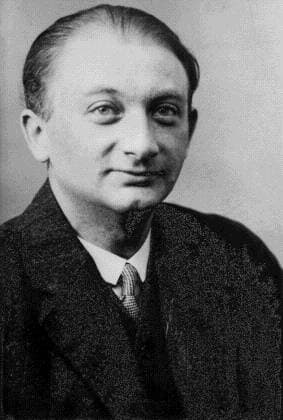
Moses Joseph Roth was an Austrian-Jewish journalist and novelist, best known for his family saga Radetzky March (1932), about the decline and fall of the Austro-Hungarian Empire, his novel of Jewish life Job (1930) and his seminal essay "Juden auf Wanderschaft", a fragmented account of the Jewish migrations from eastern to western Europe in the aftermath of World War I and the Russian Revolution. In the 21st century, publications in English of Radetzky March and of collections of his journalism from Berlin and Paris created a revival of interest in Roth.
Similar books
- War and Peace
Leo Tolstoy
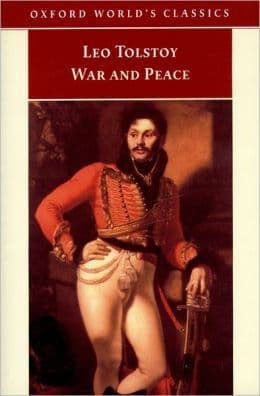
4.1 (265k) average on GoodreadsHistorical FictionWhile both The Radetzky March and War and Peace are monumental historical novels deeply embedded in their respective national histories, their scope and approach differ significantly. Tolstoy's epic encompasses vast historical events (Napoleonic Wars), numerous characters across all social strata, and philosophical digressions on history's driving forces. Roth, in contrast, focuses on a much narrower, almost intimate, canvas: the decline of a specific family mirroring the end of an empire. The Radetzky March eschews the grand sweep and optimistic vision sometimes found in War and Peace, instead offering a concentrated, elegiac meditation on loss and the futility of tradition in the face of inevitable change. Roth's historical scope is the slow, internal decay rather than external, large-scale conflict.
- To Kill a Mockingbird
Harper Lee
4.3 (4.5M) average on GoodreadsHistorical FictionIn the 1930s Jim Crow South, Harper Lee writes about racial injustice, moral growth, and the quiet courage of a lawyer father, Atticus Finch, as seen through his young daughter's eyes.
- The Great Gatsby
F. Scott Fitzgerald
3.9 (3.8M) average on GoodreadsHistorical FictionIn the opulent Roaring Twenties, a mysterious millionaire's lavish parties hide his desperate, tragic pursuit of a lost love, exposing the emptiness within the American Dream.
- Pride and Prejudice
Jane Austen
4.3 (3M) average on GoodreadsHistorical FictionIn a society focused on status and money, Elizabeth Bennet navigates love and pride, challenging Mr. Darcy and social expectations to find true affection.
- Angels & Demons
Dan Brown
3.9 (2.7M) average on GoodreadsThrillerA Harvard symbologist races through Rome's ancient sites, deciphering cryptic clues to unmask the Illuminati and stop a vengeful plot to destroy the Vatican with a stolen antimatter weapon.
- The Kite Runner
Khaled Hosseini
4.3 (2.4M) average on GoodreadsHistorical FictionIn pre-Taliban Afghanistan, a wealthy boy's betrayal of his servant's son during a kite-running tournament starts a lifelong journey for amends as his country collapses.





Enjoyed the summary?
A summary gives you the shape of the book. The book itself has the detail, the examples and the voice.
Find The Radetzky March on AmazonAs an Amazon Associate, BookBrief earns from qualifying purchases. How we're funded