
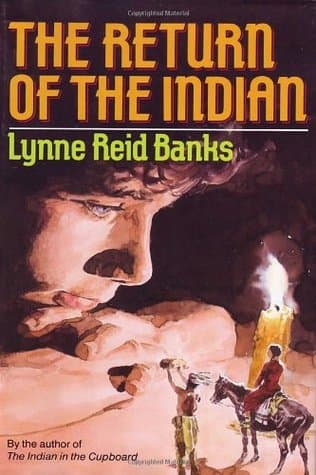
Synopsis
Covers the whole plot, including the ending.
- Difficulty
- Easy
- Pacing
- Moderate
- Mood
- Adventurous, Thought-provoking, Serious
- Read it if
- You enjoy classic children's fantasy with a blend of historical fiction, exploring themes of responsibility and the consequences of power.
- Skip it if
- You prefer fast-paced action over character-driven stories or are sensitive to themes of war and loss in children's books.
The Return of the Indian Plot Summary
Covers the whole plot, including the ending.
The Irresistible Temptation of the Key
Over a year has passed since Omri sent Little Bear, the Iroquois Indian, back to his own time through the magic cupboard. His mother wears the key around her neck to prevent him from using it, but one day Omri finds it on the bathroom sink. Wanting to share his latest news, that his family is moving to a new house, he uses the key. He brings Little Bear back, but in his excitement, he also accidentally brings back Boone, the cowboy, who was in the cupboard at the same time. Little Bear appears gravely injured, having been shot, and is in pain. Boone is more concerned with his own comfort and finding a drink.
A Desperate Plea for Help
Omri is upset by Little Bear's condition and his wound. Little Bear, despite his pain, says that his village is under attack by the French and the 'redcoats' (British soldiers) and that his people are being killed. He asks Omri to send help, specifically mentioning that his wife, Bright Stars, and their people are in danger. Omri realizes the situation is serious, far beyond a simple game, and that he has pulled Little Bear from a real, life-threatening conflict. Boone, meanwhile, stays focused on his own needs and making demands.
Seeking Medical Aid and Strategic Counsel
Realizing he needs professional help, Omri brings a tiny nurse from his sister's old toy hospital kit to life. The nurse, a stern but capable woman named Ms. Doom, immediately checks Little Bear's injury and starts to care for him, criticizing Omri for not thinking ahead. To understand the war and make a plan, Omri also brings a tiny British General, named General Custer (though he is not the historical Custer), from his collection of lead soldiers. The general is confused at first but quickly understands the miniature conflict and begins to plan, seeing it as a real military engagement.
The General's Plan and Boone's Betrayal
General Custer, with his military mindset, quickly makes a plan to help Little Bear's village, involving scouting and a possible counter-attack. Omri is relieved to have a capable mind working on this. However, Boone, still resentful and self-serving, causes problems. He steals food and complains constantly, being more of a hindrance than a help. His actions show the difference between his self-interest and Little Bear's concern for his people. Omri struggles to manage the personalities and demands of his tiny charges, all while the urgency of Little Bear's village's situation weighs on him.
The Scout and the Revelation of Treachery
Following General Custer's plan, Omri brings to life a tiny Iroquois scout, whom Little Bear identifies as his friend, Tall Bear. Tall Bear is quickly told what happened and sent back through the cupboard to gather information on the attacking forces and the state of the village. General Custer, through his talks with Little Bear, learns that the French have allied with other Indian tribes, including the Hurons and Algonquins, making the conflict worse. This information makes the general's strategy more complex, as he realizes they face a more difficult enemy than first thought, making Omri's task even harder.
The Return of the Scout and the Grim News
Tall Bear eventually returns through the cupboard, injured himself and bringing bad news. He reports that Little Bear's village has been largely destroyed, many people killed, and the remaining women and children, including Bright Stars, have been taken captive by the enemy tribes allied with the French. Little Bear is heartbroken and angry, his pain now joined by grief and fear for his wife. Omri feels a heavy responsibility, understanding that his actions in bringing Little Bear back have pulled him deeper into this tragic historical conflict.
A Desperate Rescue Plan
With the grim news from Tall Bear, General Custer and Omri quickly change their strategy from defense to a daring rescue mission. They decide they must try to free Bright Stars and the other captives. The plan involves Omri bringing a small group of British soldiers to life to help in the rescue, hoping their presence and firepower will create a diversion or overwhelm the captors. Omri is increasingly stressed by the rising stakes, knowing that real lives depend on his actions and that any mistake could have fatal consequences for his tiny friends.
The Rescue Attempt and a Tragic Loss
Omri carefully places the tiny British soldiers, Little Bear, Tall Bear, and General Custer into the cupboard, sending them into the past for the rescue attempt. The tension is clear as Omri waits. When they return, the group is shaken. One of the British soldiers has been killed, a brutal reminder to Omri of the deadly reality of the war he is involved in. This loss deeply affects Omri, making the consequences of his magic incredibly real and personal. He feels guilt and responsibility for the soldier's death.
Bright Stars is Rescued, but Little Bear's Future is Uncertain
Despite the casualty, the rescue mission is partly successful: Bright Stars is brought back through the cupboard, safe but traumatized. Little Bear is happy to be reunited with his wife, but the joy is lessened by the destruction of their village and the loss of many of their people. It becomes clear that Little Bear, despite his injuries, must return to his own time to lead his surviving people, rebuild their village, and mourn their dead. Omri realizes that he cannot keep Little Bear in his world indefinitely, as his place is with his tribe.
A Difficult Farewell and a Lesson Learned
With a heavy heart, Omri prepares for the final goodbyes. He sends Little Bear, Bright Stars, Tall Bear, General Custer, and the remaining British soldiers back to their own time through the cupboard. Ms. Doom, the nurse, also returns. Omri realizes the great responsibility and potential for harm that comes with the magic key. He understands that while the adventures were exciting, the real lives involved are too precious to be treated as mere playthings. He decides to put the key away permanently, having learned a lesson about the consequences of his actions and the delicate balance between worlds.
The Return of the Indian Characters
Omri
Protagonist
A young boy who discovers and wields the magic of the cupboard and key.
Omri is a curious and imaginative young boy who, after discovering the magic of his cupboard, is drawn into increasingly complex and serious situations. He is initially driven by a desire for companionship and adventure but quickly learns the heavy responsibilities that come with his power. He cares deeply for Little Bear and struggles with the moral dilemmas of interfering with real lives from the past. He is often impulsive but ultimately tries to do the right thing, even when it means making difficult sacrifices. His journey is one of learning empathy, responsibility, and the consequences of wielding power.
Relationships: Little Bear (deep friendship and mutual dependence); Boone (antagonistic, often frustrated by Boone's selfishness); Ms. Doom (respectful, though sometimes intimidated by her professionalism); General Custer (collaborative, relying on his military expertise)
Little Bear
Supporting/Co-protagonist
A brave Iroquois Indian warrior and chief, loyal and proud.
Little Bear is a proud and courageous Iroquois warrior, later chief, who is accidentally brought to life by Omri. He is fiercely loyal to his tribe and his wife, Bright Stars. Despite being in a strange, gigantic world, he maintains his dignity and strength, though he is often bewildered by Omri's world. His primary motivation is the well-being of his people. He is deeply honorable and views Omri as a powerful, if sometimes clumsy, ally. His injury and the plight of his village are the central conflict of the story, driving much of the plot.
Relationships: Omri (deep friendship and reliance); Bright Stars (devoted husband); Boone (mutual dislike and distrust); Tall Bear (loyal friend and scout)
Boone
Antagonist/Supporting
A selfish and boisterous cowboy from the American West.
Boone is a self-centered and often obnoxious cowboy who is also brought to life by Omri. He is primarily concerned with his own comfort, food, and drink, and frequently complains about his situation. He is a foil to Little Bear's noble character, often acting cowardly or selfishly. His presence adds conflict and comic relief, but also highlights the moral complexities Omri faces. He is a constant source of frustration for Omri and Little Bear due to his uncooperative nature and lack of empathy for the dire situation.
Relationships: Omri (demanding and often irritating); Little Bear (antagonistic, mutual distrust)
Ms. Doom
Supporting
A no-nonsense, highly competent toy nurse brought to life by Omri.
Ms. Doom is a tiny, professional, and somewhat stern nurse doll brought to life to tend to Little Bear's injuries. She is highly competent and takes her medical duties very seriously, often chiding Omri for his lack of foresight or medical knowledge. Her presence provides a crucial element of realism to Little Bear's injury and emphasizes the seriousness of the situation. She represents practical help and a sense of order amidst the chaos of Omri's magical world.
Relationships: Omri (professional, often critical but helpful); Little Bear (patient and caregiver)
General Custer
Supporting
A miniature British General providing military strategy and leadership.
General Custer (not the historical George Armstrong Custer, but a toy soldier bearing the name) is a British General brought to life by Omri to help strategize against the French and their Indian allies. He is a man of military discipline and strategic thinking, quickly assessing the situation and devising plans. He takes the miniature war very seriously, treating it as a real military engagement, which provides much-needed guidance for Omri. His expertise is crucial in planning the rescue mission and understanding the dynamics of the conflict.
Relationships: Omri (advisor and commander); Little Bear (strategic ally against a common enemy)
Bright Stars
Supporting
Little Bear's wife, a gentle and resilient Iroquois woman.
Bright Stars is Little Bear's beloved wife, who is initially captured during the attack on their village. Her safety and rescue become a primary motivation for Little Bear and Omri. She is depicted as gentle but resilient, enduring the trauma of the attack and captivity. Her reunion with Little Bear is a poignant moment, highlighting the personal stakes of the conflict. She represents the innocent victims of war and the deep bonds of family within Little Bear's tribe.
Relationships: Little Bear (devoted wife); Omri (grateful for her rescue)
Tall Bear
Supporting
Little Bear's loyal friend and scout, providing vital intelligence.
Tall Bear is a trusted friend and scout of Little Bear's, brought to life to gather intelligence on the destroyed village and the whereabouts of the captives. He is brave and resourceful, undertaking a dangerous mission into the past. His return with the grim news of the village's destruction and Bright Stars' capture is a pivotal moment in the narrative, escalating the urgency of the situation. He embodies loyalty and courage in the face of adversity, supporting his chief and friend.
Relationships: Little Bear (loyal friend and scout); Omri (reliant on his help and information)
Omri's Mother
Mentioned
Guardian of the magic key, though sometimes forgetful.
Omri's mother is initially tasked with keeping the magic key safe, wearing it around her neck to prevent Omri from using it. Her momentary lapse in leaving the key on the bathroom sink is the catalyst for the entire plot of this book. While not directly involved in the magical adventures, her actions (or inactions) set the stage for Omri's renewed involvement with Little Bear and the cupboard. She represents the adult world, largely oblivious to the magical events unfolding around her son.
Relationships: Omri (mother-son relationship)
The Return of the Indian Themes
Responsibility and Consequences
The main theme is Omri learning the responsibility that comes with having magical power. What starts as a game quickly becomes life-and-death situations, making Omri face the real consequences of his actions. Little Bear's injury, the destruction of his village, and the death of a British soldier are direct results of Omri's choices, teaching him that his magic affects real lives and history. This theme is clear in his eventual decision to permanently put away the key, recognizing the weight of his power.
“He had started it, he had done it all. It was his fault that Little Bear was hurt, that his village was burned, that his wife was captured, that a man had died.”
The Reality of War and Conflict
The book shows the realities of war, even in miniature form. Little Bear's initial injury, the descriptions of his destroyed village, the capture of Bright Stars, and the death of the British soldier show the brutal and tragic nature of conflict. It moves past a romanticized view of history, showing the suffering, loss, and difficult choices faced by those involved. This theme is especially impactful as Omri, a child, directly confronts the horror of historical events he accidentally influences.
“This was not a game. This was real. And in real life, people got hurt, and sometimes they died.”
Empathy and Understanding
Omri's journey includes growing empathy. Initially, he might see his figures as toys, but as he interacts with Little Bear, Boone, Ms. Doom, and General Custer, he understands their individual lives, fears, and motivations better. He feels Little Bear's pain and grief, the nurse's professionalism, and the general's strategic mindset. This empathy allows him to move past childish play to genuinely care for their well-being and to make difficult decisions for their benefit, even if it means personal sacrifice.
“He saw the pain in Little Bear's eyes, not just of his body, but of his heart, for his lost home and people. Omri felt it too, a pain of his own making.”
The Clash of Cultures and Perspectives
The interactions between characters from different times and cultures show this theme. Little Bear, Boone, Ms. Doom, and General Custer each bring their unique perspectives, values, and language to Omri's world. Boone's self-interest contrasts with Little Bear's tribal loyalty, while Ms. Doom's modern medical knowledge clashes with the primitive conditions of the past. Omri acts as a bridge between these worlds, trying to reconcile their differences and understand their individual needs, often leading to humorous or sad moments of misunderstanding and adaptation.
“Why does he talk so strange? And what is this 'whisky' he keeps asking for?”
Plot Devices & Literary Techniques
The Magic Cupboard and Key
The central magical artifact that brings inanimate figures to life and transports them through time.
The cupboard and key are the primary magical device, acting as a portal between Omri's world and the past. They allow Omri to bring plastic or metal figures to life and, crucially, to send them back to their original time. In 'The Return of the Indian,' the cupboard's function is expanded to include sending 'live' figures back to their correct historical context, not just returning them to being inanimate. It serves as the catalyst for all the adventures and conflicts, representing both immense power and dangerous responsibility.
Miniature World
The narrative device of tiny, living characters interacting within a normal-sized environment.
The miniature world created by the magic cupboard is a key plot device. It allows for a unique perspective on human interaction, power dynamics, and scale. Omri, as a giant, holds immense power over his tiny friends, which highlights the theme of responsibility. The challenges faced by the tiny characters, such as navigating Omri's house or facing the dangers of their own historical conflicts, are made more vivid by their small size. This device also creates opportunities for both dramatic tension and moments of humor.
The Wounded Hero
Little Bear's injury serves as the driving force for much of the plot.
Little Bear's critical wound at the beginning of the story immediately raises the stakes and shifts the narrative from playful adventure to urgent crisis. His injury is not merely a plot point but a constant reminder of the real dangers and consequences of Omri's actions. It forces Omri to seek help (Ms. Doom, General Custer), and it underscores the devastating reality of the war Little Bear is fighting. The wound makes Little Bear vulnerable and dependent on Omri, intensifying their bond and Omri's sense of responsibility.
The Catalyst of Forgetfulness
Omri's mother leaving the key accessible acts as the inciting incident.
The simple act of Omri's mother forgetting the magic key on the bathroom sink is the direct catalyst for the entire plot of 'The Return of the Indian.' This seemingly mundane event reintroduces the magic into Omri's life, despite his previous resolution to avoid it. It highlights the power of temptation and the unpredictability of circumstances that can lead to significant events. Without this 'forgetfulness,' the story would not have happened, demonstrating how small actions can have monumental consequences in a magical world.
The Return of the Indian Quotes
“The magic is still there, but it's different now. It's not just about fun and games; it's about responsibility.”
“You can't just play with people's lives, even if they are only three inches tall.”
“The past is a dangerous place to visit, but sometimes you have to go back to move forward.”
“Friendship isn't about size; it's about heart.”
“Magic doesn't solve problems; it just gives you a chance to face them.”
“Every time you use the magic, you change something—and you can't always change it back.”
“Being brave doesn't mean you're not scared; it means you do what's right anyway.”
“History isn't just in books; it's in the people who lived it.”
“Sometimes the smallest things can make the biggest difference.”
“You don't own the magic; the magic owns a part of you.”
“Trust is the bridge between two worlds, no matter how far apart they seem.”
“Adventure isn't about seeking danger; it's about finding truth.”
“The hardest battles are often the ones you fight inside yourself.”
“A true friend stands by you, even when the world doesn't understand.”
Quiz
10 questions on the plot and the characters. Each answer comes with a short explanation.
Question 1
What does Omri's mother do with the magic key at the beginning of the book to prevent Omri from using it again?
- She hides it in a locked drawer
- She wears it around her neck
- She gives it to Omri's father for safekeeping
- She buries it in the backyard
Show answer
B. She wears it around her neck After sending Little Bear back through the cupboard, Omri gives the magic key to his mother, who wears it around her neck to ensure Omri won't be tempted to use it again, as described in the book summary.
Question 2
How does Omri regain access to the magic key after a year?
- He steals it from his mother's jewelry box
- His mother gives it to him as a birthday present
- He finds it left on the bathroom sink
- He convinces his mother to lend it to him
Show answer
C. He finds it left on the bathroom sink Omri discovers the key when his mother accidentally leaves it on the bathroom sink, which tempts him to use it again despite his earlier resolve.
Question 3
What critical condition does Omri find Little Bear in when he brings him back to life?
- He is starving and dehydrated
- He has been captured by enemies
- He is critically wounded from battle
- He is lost in the wilderness
Show answer
C. He is critically wounded from battle Little Bear has been severely injured during the French and Indian Wars, which prompts Omri to help him, as mentioned in the book summary.
Question 4
Why does Omri feel 'irrevocably involved' in the events of the book?
- Because he accidentally broke the cupboard
- Because his actions have real consequences for Little Bear's world
- Because he promised to keep the magic a secret
- Because he lost the magic key
Show answer
B. Because his actions have real consequences for Little Bear's world Omri realizes that his use of the magic directly impacts Little Bear's life and village, trapping him in a situation with serious outcomes, as highlighted in the summary.
Question 5
What historical conflict is Little Bear involved in when Omri brings him back?
- The American Revolutionary War
- The French and Indian Wars
- The War of 1812
- The Civil War
Show answer
B. The French and Indian Wars The book specifies that Little Bear is wounded during the French and Indian Wars, a key historical setting in the story.
Question 6
How does the book describe Omri's initial view of bringing Little Bear to life before the consequences become clear?
- As a scientific experiment
- As a harmless game
- As a dangerous secret
- As a religious experience
Show answer
B. As a harmless game The summary states that what began as a 'harmless game' turns into a nightmare, reflecting Omri's naive perspective at first.
Question 7
What must Omri do to save Little Bear and his village from destruction?
- Find a new magic cupboard
- Act decisively in the face of war and death
- Tell his parents about the magic
- Destroy the magic key forever
Show answer
B. Act decisively in the face of war and death The book summary emphasizes that Omri is caught between two worlds and must take decisive action to prevent tragedy, a central plot point.
Question 8
What is a major theme explored through Omri's dilemma in the book?
- The importance of friendship above all else
- The consequences of meddling with forces beyond one's control
- The value of historical accuracy in storytelling
- The benefits of keeping secrets from adults
Show answer
B. The consequences of meddling with forces beyond one's control Omri's story illustrates how his initial curiosity leads to serious repercussions, highlighting themes of responsibility and unintended consequences.
Question 9
Based on the summary, what does Omri risk by helping Little Bear?
- Losing his own life in the process
- Being trapped in a nightmare from which he may never escape
- Forgetting how to use the magic key
- Angering his parents permanently
Show answer
B. Being trapped in a nightmare from which he may never escape The summary describes Omri's situation as a 'horrible nightmare' with potential for no escape, indicating the high stakes of his involvement.
Question 10
What practical challenge does Omri face in balancing his 'cupboard life' with his real life?
- Keeping the magic cupboard hidden from visitors
- Managing time between school and magical adventures
- Navigating the moral implications of his actions
- Being helplessly caught between two worlds with conflicting demands
Show answer
D. Being helplessly caught between two worlds with conflicting demands The summary explicitly states Omri is 'helplessly caught between his own life and his cupboard life,' underscoring the practical and emotional conflict he endures.
The Return of the Indian FAQ
What is 'The Return of the Indian' about?
The story follows Omri, who a year after sending his magical three-inch-tall Indian friend Little Bear back to his own time, succumbs to temptation and uses the magic key again. He discovers Little Bear has been critically wounded in the French and Indian Wars, forcing Omri to navigate between his normal life and the dangerous miniature world to save his friend and Little Bear's village from destruction.
Why should I read 'The Return of the Indian'?
This book deepens the magical realism of the series by exploring the serious consequences of Omri's actions, blending fantasy with historical elements like the French and Indian Wars. It tackles themes of responsibility, friendship across cultures, and the moral dilemmas of intervening in another world, making it both thrilling and thought-provoking for young readers.
What is the background/setting of 'The Return of the Indian'?
The story alternates between Omri's contemporary home in England and the 18th-century North American setting of Little Bear's world during the French and Indian Wars. This dual setting highlights the clash between Omri's safe, modern life and the violent, historical reality faced by Little Bear and his village.
What are the most memorable quotes?
Key quotes include Omri's realization, 'What began as a harmless game has turned into a horrible nightmare,' and Little Bear's desperate plea, 'Help me, Omri. My people are dying.' These lines underscore the escalating stakes and emotional weight of Omri's involvement in the miniature world.
What writing style does the author use?
Lynne Reid Banks employs a straightforward, accessible narrative style with vivid descriptions that bring the miniature world to life. The prose balances action-packed sequences with introspective moments, allowing readers to feel Omri's anxiety and the tension of the historical conflicts, making it engaging for its target age group.
What minor details add significant meaning?
The magic key being left on the bathroom sink by Omri's mother is a small detail that triggers the entire plot, symbolizing the fragility of Omri's resolve and the accidental nature of his return to the cupboard. Additionally, the specific mention of Little Bear's wounds from the French and Indian Wars grounds the fantasy in real historical trauma.
What are some subtle foreshadowing moments?
Early in the book, Omri's lingering guilt over sending Little Bear back foreshadows his eventual temptation to use the key again. The description of the cupboard as a portal to 'war and death' hints at the darker adventures ahead, setting the stage for the life-and-death stakes Omri faces.
What unexpected character connections exist?
The connection deepens between Omri and Little Bear, as Omri learns more about Little Bear's role as a leader in his village and the historical conflicts he endures. This reinforces their bond beyond friendship to one of mutual dependence, with Omri becoming a crucial ally in Little Bear's survival.
What are unspoken character motivations?
Omri is driven by a deep-seated guilt and loyalty to Little Bear, unspokenly fearing that his earlier abandonment led to Little Bear's suffering. Little Bear, meanwhile, is motivated by a fierce desire to protect his people, which he cannot fully express to Omri due to the cultural and size divide between them.
What psychological complexities do characters exhibit?
Omri exhibits complexity through his internal conflict between childhood curiosity and adult-like responsibility, grappling with the moral implications of his magic. Little Bear shows resilience and leadership under extreme duress, yet also vulnerability in relying on Omri, highlighting the psychological toll of war and cross-cultural friendship.
What are the major emotional turning points?
Key emotional moments include Omri's shock upon finding Little Bear wounded, his desperate decision to intervene in the war to save the village, and the climax where he risks his own safety. These turning points amplify the stakes, transforming the story from a simple adventure into a poignant tale of sacrifice and duty.
How do relationship dynamics evolve?
The relationship between Omri and Little Bear evolves from one of playful companionship to a profound, life-saving partnership. Omri shifts from seeing Little Bear as a magical toy to recognizing him as a real person with his own struggles, deepening their bond through shared adversity and mutual respect.
Which parts remain ambiguous or open-ended?
The book leaves ambiguous whether Omri will ever fully escape the 'nightmare' of his involvement with the cupboard world, hinting at ongoing consequences. Additionally, the long-term impact of Omri's interventions on Little Bear's historical timeline is not fully resolved, inviting reader speculation.
What are controversial scenes or decisions?
Omri's decision to use the key again despite knowing the risks is controversial, as it reignites dangerous magic. Some readers might debate the ethics of his interference in historical events, questioning whether his help truly saves Little Bear or merely complicates the natural course of history.
'The Return of the Indian' ending explained: how it ends & what it means
The ending sees Omri successfully helping Little Bear and his village, but he remains 'irrevocably involved' in the cupboard world, with no clear escape. This suggests that actions have lasting consequences, and the magic has bound Omri to a ongoing responsibility, emphasizing themes of maturity and the inescapable nature of certain choices.
About the author
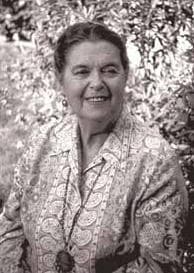
Lynne Reid Banks is a British author known for her contributions to children's and young adult literature. Among her notable works is "The Return of the Indian," which continues the story of characters from her earlier book, "The Indian in the Cupboard." Her writing often explores themes of adventure and friendship.
Similar books
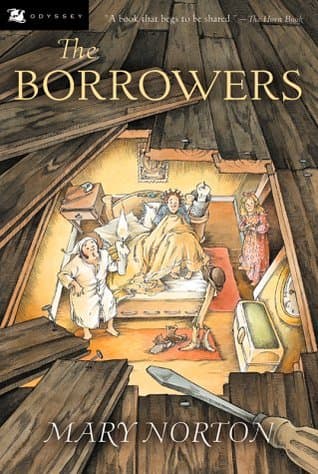
- The Borrowers
Mary Norton
4.0 (89k) average on GoodreadsFantasyFeatures tiny people interacting with a 'giant' world, exploring themes of scale and survival.
- Bridge to Terabithia
Katherine Paterson
4.0 (445k) average on GoodreadsFantasyExplores complex themes and deals with loss and difficult lessons in a children's narrative.
- Harry Potter and the Sorcerer's Stone
J.K. Rowling
4.5 (7M) average on GoodreadsFantasyRescued from a miserable life under the stairs, an orphaned boy discovers he's a wizard destined for a magical school, where he uncovers a dangerous secret tied to the dark wizard who murdered his parents.
- The Hunger Games
Suzanne Collins
4.3 (6.4M) average on GoodreadsFantasyIn a future where children fight to the death on live television, Katniss Everdeen volunteers for the arena, turning a death sentence into a fight for survival and a spark of rebellion.
- 1984
George Orwell
4.2 (3.1M) average on GoodreadsPoliticsIn a future where surveillance and thought control are absolute, a man's search for truth clashes with the Party, showing that hope can be a form of rebellion.
- Divergent
Veronica Roth
4.2 (2.9M) average on GoodreadsFantasyIn a society divided by virtues, a sixteen-year-old's difference from the norm starts a rebellion that threatens her world.





Enjoyed the summary?
A summary gives you the shape of the book. The book itself has the detail, the examples and the voice.
Find The Return of the Indian on AmazonAs an Amazon Associate, BookBrief earns from qualifying purchases. How we're funded