
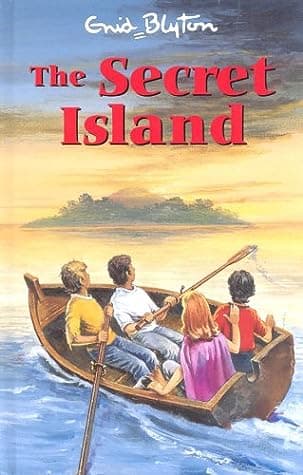
Synopsis
Covers the whole plot, including the ending.
- Difficulty
- Easy
- Pacing
- Moderate
- Mood
- Adventurous, Independent, Innocent, Cozy
- Read it if
- You love classic children's adventure stories about independence, resourcefulness, and secret hideaways.
- Skip it if
- You prefer complex character development or modern narratives over simple, straightforward adventures.
The Secret Island Plot Summary
Covers the whole plot, including the ending.
The Unhappy Home and a Bold Plan
The story introduces Mike, Peggy, Nora, and Jack, four orphaned children living with their stern Aunt Harriet. They are constantly criticized, underfed, and made to do chores. Mike, the eldest, suggests a plan to run away and find a place where they can live freely. The younger children, Peggy, Nora, and Jack, agree, wanting to escape their current situation. They begin to gather supplies, preparing for their escape with food, blankets, and tools for their adventure.
The Escape and Discovery of the Lake
One night, the four children carry out their escape plan. They slip out of the house with their supplies. Jack, the youngest, remembers hearing about a large lake with many islands from a local farmer, and suggests they go there. They travel through the night, tired but determined, dreaming of freedom. After walking for hours, they reach the edge of a vast lake, dotted with many small islands, just as Jack had described. The sight fills them with hope for their new life.
Finding the Secret Island
At the lake, the children find an old, abandoned boat. With Mike's help, they fix it enough to make it float. They then explore the lake, looking for the right island. After checking several small islands, they find a larger, more secluded one, overgrown with trees and bushes, making it look uninhabited and hidden. This island, with its fresh water spring and fertile land, seems like the perfect secret place for them. They decide to make it their new home.
Building Their New Home
Once on their chosen island, the children immediately begin building their new home. Mike, with his practical skills, leads the building of a clever willow-tree house for shelter. Peggy and Nora make the treehouse comfortable, gathering heather and bracken for beds. Jack helps with the work and says he wants to bring his cow, Daisy, and some hens to the island for fresh milk and eggs. They work hard, clearing a small patch of land to plant vegetables, eager to become self-sufficient.
Jack's Farm Animals and Growing Independence
Wanting fresh milk and eggs, Jack plans to get Daisy, his cow, and some hens from their old farm. With Mike's help, they secretly return to the mainland, lead Daisy back to the lake, and transport her to the island in their boat. They also catch several hens, ensuring a supply of eggs. The animals improve their daily life, providing essential food. The children quickly adapt to their new routines, milking Daisy, collecting eggs, and tending to their vegetable patch. They feel proud of their flourishing island home.
The Arrival of the Invaders
Life on the secret island is peaceful for a while, filled with games, exploration, and the satisfaction of independent living. However, their peace is broken one day when Mike sees two unfamiliar men on their island. The men look rough and suspicious, causing alarm among the children. The children quickly hide themselves and their animals, watching the intruders from a distance. It is clear these men are not just lost; they seem to be searching for something, inspecting the island. The children realize their secret place is no longer entirely their own, and they must be careful.
Eavesdropping and Unveiling a Plot
While hiding and watching the intruders, Mike, Peggy, Nora, and Jack overhear the men's conversations. They hear the men discussing hidden treasure or valuable items believed to be buried on the island. The men mention a map and specific landmarks, showing they have a clear goal. The children realize the island's secrecy is compromised on purpose, and these men are criminals looking for loot. This discovery adds danger and excitement to their situation, turning their runaway adventure into a mystery.
The Children's Counter-Plan
Realizing the men are dangerous and threaten their home, Mike plans to outwit them. The children decide they must find the treasure before the men do, not necessarily for its value, but to protect their island and perhaps use it as leverage. They follow the clues the men accidentally reveal, trying to piece together the map and the treasure's location. They use their knowledge of the island's hidden spots, moving quietly and watching the men's every move, always staying ahead.
The Race for the Treasure
The children begin a race against the two men. Using the information they overheard and their knowledge of the island, they guess the likely hiding spot. They follow the clues, using the men's frustrated searches to learn where the treasure is not. Eventually, after a tense search, they find a cleverly hidden chest buried beneath a distinctive rock formation. Inside, they find not just jewels and money, but also important documents, showing that the treasure belongs to someone else and was hidden for safekeeping, not by criminals.
Capturing the Criminals and Resolution
With the treasure found, the children plan to trap the two men. They set up a simple but effective snare, leading the men into it. Once the men are caught, Mike, using the documents from the treasure chest, discovers that the treasure belongs to a wealthy, kind gentleman who had hidden it from thieves. The children then signal for help from the mainland. The police arrive, the criminals are caught, and the children's story of bravery reaches their former guardian. Instead of being punished, their cleverness is praised, and the treasure's rightful owner, grateful for their actions, offers them a new, loving home.
The Secret Island Characters
Mike
Protagonist
The eldest and most resourceful of the children, acting as their leader.
Mike is the undeniable leader of the four children. He is practical, brave, and intelligent, always thinking ahead and devising plans for their survival and safety. His resourcefulness is evident in how he repairs the boat, builds the willow-tree house, and strategizes to outwit the invaders. He takes responsibility for his younger siblings, ensuring they are fed and sheltered, and his calm demeanor under pressure makes him a natural figure of authority. He is driven by a desire for freedom and happiness for his siblings, wanting to escape their cruel aunt.
Relationships: Peggy (Younger sister, supportive follower); Nora (Younger sister, supportive follower); Jack (Youngest brother, close confidant and helper)
Peggy
Protagonist
The second eldest sister, caring and practical, contributing to their home life.
Peggy is the second eldest and often acts as the nurturing figure among the children. She is practical, tidy, and responsible, focusing on making their living conditions on the island as comfortable as possible. She helps with cooking, cleaning, and gathering materials for their home. Peggy is generally optimistic and supportive of Mike's plans, though she can be a bit more cautious than her adventurous brother. Her domestic skills are crucial for their daily life on the island, ensuring a sense of normalcy and comfort amidst their wild adventure.
Relationships: Mike (Older brother, leader); Nora (Younger sister, playmate); Jack (Youngest brother, cared for)
Nora
Protagonist
The third eldest sister, gentle and artistic, finding joy in nature.
Nora is the third of the children, often described as gentler and more sensitive than her siblings. She appreciates the beauty of their island home and finds joy in nature. While not as outwardly practical as Mike or Peggy, she is helpful and willing to do her part. She is often seen observing her surroundings and contributing to the general positive atmosphere with her pleasant disposition. Nora looks up to her older siblings and readily follows their lead, finding comfort and security in their shared adventure.
Relationships: Mike (Older brother, leader); Peggy (Older sister, companion); Jack (Younger brother, playmate)
Jack
Protagonist
The youngest and most observant, often providing crucial information.
Jack is the youngest of the four children, but far from helpless. He is observant, imaginative, and surprisingly resourceful, often remembering details that prove crucial, such as the existence of the lake and its islands. His love for animals is evident in his determination to bring his cow, Daisy, and the hens to the island, which significantly aids their self-sufficiency. Jack's youthful enthusiasm and sharp eyes make him an invaluable member of the group, and he often spots things others miss. He is brave and eager to help, despite his young age.
Relationships: Mike (Older brother, role model); Peggy (Older sister, caregiver); Nora (Older sister, playmate); Daisy (Pet cow, deeply cherished)
Aunt Harriet
Antagonist
The children's cruel and neglectful guardian, from whom they escape.
Aunt Harriet is the children's guardian after their parents' death. She is portrayed as stern, unkind, and neglectful, making the children's lives miserable through constant criticism, insufficient food, and excessive chores. She represents the oppressive authority figure from whom the children must escape to find freedom and happiness. Her cruelty is the primary catalyst for their decision to run away and seek a new life.
Relationships: Mike (Nephew, under her care); Peggy (Niece, under her care); Nora (Niece, under her care); Jack (Nephew, under her care)
Daisy
Supporting
Jack's beloved cow, providing essential milk for the children.
Daisy is Jack's pet cow, a gentle and important member of their island community. Her presence on the island, brought there by Jack and Mike, ensures a constant supply of fresh milk, which is vital for the children's sustenance and well-being. She symbolizes the children's ability to create a self-sufficient and nurturing environment for themselves, far from their previous deprivation. Daisy's calm nature also adds to the idyllic atmosphere of their secret island home.
Relationships: Jack (Owner, deeply cherished pet); Mike (Helped bring her to the island); Peggy (Benefits from her milk); Nora (Benefits from her milk)
First Invader (unnamed)
Antagonist
One of the two suspicious men searching for treasure on the island.
This unnamed man is one of the two criminals who invade the children's secret island. He is portrayed as rough, determined, and focused on finding the hidden treasure. He is less intelligent than his companion, often relying on the other man's interpretation of clues. His presence introduces conflict and danger to the children's peaceful existence, forcing them to become more resourceful and strategic to protect their home and outwit the intruders.
Relationships: Second Invader (Criminal partner); Mike (Antagonistic, outwitted by); Peggy (Antagonistic, outwitted by); Nora (Antagonistic, outwitted by); Jack (Antagonistic, outwitted by)
Second Invader (unnamed)
Antagonist
The more cunning of the two treasure-seeking criminals.
The Second Invader is the more intelligent and cunning of the two men who come to the island seeking treasure. He seems to have a better understanding of the map or clues, often directing his partner's search. He is equally driven by greed but possesses more wit, making him a more formidable opponent for the children. His conversations inadvertently provide the children with crucial information, allowing them to decipher the mystery of the treasure before he and his partner can.
Relationships: First Invader (Criminal partner); Mike (Antagonistic, outwitted by); Peggy (Antagonistic, outwitted by); Nora (Antagonistic, outwitted by); Jack (Antagonistic, outwitted by)
The Grateful Gentleman
Mentioned
The rightful owner of the treasure, who offers the children a new home.
Though he never appears physically in the story, the Grateful Gentleman is the rightful owner of the treasure the invaders are seeking. His identity is revealed through the documents found in the treasure chest. He is described as kind and wealthy, and his gratefulness for the children's bravery and honesty in recovering his property leads him to offer them a new, loving home. He represents the benevolent resolution to their adventure, ensuring the children's future happiness and security.
Relationships: Mike (Benefactor, offers home); Peggy (Benefactor, offers home); Nora (Benefactor, offers home); Jack (Benefactor, offers home)
The Secret Island Themes
Independence and Self-Sufficiency
The main theme is the children's search for independence and their ability to create a self-sufficient life. They show great resourcefulness, from repairing a boat and building a treehouse to growing vegetables and keeping animals for food. This theme is clear in their escape from Aunt Harriet's harsh rule, which symbolizes their desire to control their own lives. Their success in building a home on the island shows the power of self-reliance.
“They would make their own beds, grow their own food, and live like free birds.”
The Power of Teamwork and Leadership
The children's success comes from their teamwork and Mike's leadership. Each child contributes unique skills: Mike's practical leadership, Peggy's domesticity, Nora's gentle spirit, and Jack's observation and animal care. They work together well, whether building their home, gathering food, or planning against the invaders. This theme shows that working together with a clear leader can overcome challenges, creating a sense of belonging.
“Mike was the leader, and they all trusted him to know what was best.”
Escape from Oppression to Freedom
The story begins with the children escaping Aunt Harriet's cruel home. Their journey to the secret island symbolizes a flight towards freedom, where they can live without constant criticism. The island becomes a safe place, where they can be themselves and experience happiness. This theme emphasizes the human desire for freedom and a life lived on one's own terms.
“No more nagging, no more hunger, no more Aunt Harriet! They were free!”
Resourcefulness and Ingenuity
Throughout their adventure, the children show great resourcefulness and cleverness. They turn an abandoned boat into transport, build a comfortable treehouse from natural materials, and create traps to outwit the adult invaders. Mike's ability to plan, Jack's memory of the lake, and their shared problem-solving skills are central to their survival and victory. This theme celebrates the ability of young minds to adapt and innovate in hard situations.
“It was amazing what they could do when they put their minds to it.”
The Idyllic Nature of Childhood Adventure
Despite the serious start, the book mostly shows the children's island life as an adventure. They enjoy the freedom of nature, exploring, building, and being self-sufficient. The challenges they face, even the threat of invaders, are presented in a way that highlights their bravery and cleverness rather than fear. This theme captures the romantic idea of childhood adventures, where imagination and courage turn difficult situations into exciting experiences.
“Every day was an adventure, a new discovery on their wonderful secret island.”
Plot Devices & Literary Techniques
The Secret Island
A physical setting that functions as both a sanctuary and a source of conflict.
The secret island is the central plot device, serving as the children's refuge from their cruel guardian and the setting for their independent life. It symbolizes freedom, self-sufficiency, and a return to nature. Initially, its isolation protects them, but later it becomes the focal point of conflict when invaders discover it, turning their sanctuary into a contested territory. The island's hidden nature and natural resources are crucial to the children's survival and the unfolding mystery.
The Willow-Tree House
A symbol of the children's ingenuity and their creation of a new home.
The willow-tree house is more than just a shelter; it represents the children's ability to build a new life for themselves through their own efforts. It symbolizes their independence and the comfort they create away from adult supervision. Its construction highlights Mike's practical skills and the cooperative spirit of the group. As their primary dwelling, it is central to their daily routines and becomes a strategic hiding spot during the invasion.
The Hidden Treasure
A MacGuffin that drives the external conflict and provides a resolution.
The hidden treasure acts as a classic MacGuffin, a plot device that drives the external conflict without necessarily being the central focus of the characters' desires. The children initially run away for freedom, but the treasure's presence on their island introduces the antagonists and creates a thrilling race against time. Ultimately, the discovery of the treasure, and the documents within, not only resolves the immediate threat but also provides a benevolent resolution to their overall plight, securing their future.
Aunt Harriet's Cruelty
The inciting incident and primary motivation for the children's escape.
Aunt Harriet's unkindness and neglect serve as the crucial inciting incident that sets the entire plot in motion. Her character provides the initial motivation for the children to run away, establishing the stakes and the desperate need for a better life. Without her oppressive presence, the children would not embark on their adventure. She represents the 'old life' that the children are determined to leave behind, making their new, free existence on the island all the more appealing by contrast.
The Secret Island Quotes
“Are we going to have to run away again, Peggy?”
“It's a secret island, and nobody knows about it but us!”
“We'll build a house, and we'll have a boat, and we'll catch fish!”
“But we haven't got any matches!”
“They won't find us here. We're quite safe.”
“We must be very, very careful not to let anyone know.”
“It was a wonderful feeling, being completely on their own, with no grown-ups to tell them what to do.”
“We're going to live like Red Indians!”
“Everything tastes better when you've caught it yourself.”
“Oh, what a lovely, lovely cave!”
“We've got to make a plan. A proper plan.”
“It's a good thing we're so clever, isn't it?”
“The island was their kingdom, and they were its kings and queens.”
“We'll never forget our secret island.”
Quiz
10 questions on the plot and the characters. Each answer comes with a short explanation.
Question 1
Which four children are the main runaways in 'The Secret Island'?
- Peter, Jane, Pam, and Colin
- Mike, Peggy, Nora, and Jack
- Julian, Dick, Anne, and George
- Philip, Dinah, Lucy-Ann, and Jack
Show answer
B. Mike, Peggy, Nora, and Jack The four main characters who run away and discover the island are Mike, Peggy, Nora, and Jack, as stated in the book's description.
Question 2
What kind of house do the children build on the secret island?
- A stone hut
- A cave dwelling
- A willow-tree house
- A wooden cabin
Show answer
C. A willow-tree house The children construct a unique home for themselves, described as a 'willow-tree house' on the island.
Question 3
What materials do the children use for their beds on the island?
- Straw and leaves
- Feathers and moss
- Heather and bracken
- Reeds and rushes
Show answer
C. Heather and bracken To make their beds comfortable, the children utilize natural materials found on the island: heather and bracken.
Question 4
Who is responsible for bringing a cow and some hens to the island?
- Mike
- Peggy
- Nora
- Jack
Show answer
D. Jack Jack is the resourceful character who manages to bring Daisy the cow and some hens to the island, ensuring a supply of fresh milk and eggs.
Question 5
What is the name of the cow Jack brings to the island?
- Buttercup
- Daisy
- Bessie
- Rosie
Show answer
B. Daisy The cow that Jack brings to the island for fresh milk is specifically named Daisy.
Question 6
What is the primary reason the children are able to sustain themselves with food on the island?
- They find a hidden stash of food left by previous inhabitants.
- They regularly fish and hunt for wild game.
- They grow their own vegetables and have animals for milk and eggs.
- They receive secret supply drops from a sympathetic adult.
Show answer
C. They grow their own vegetables and have animals for milk and eggs. The children demonstrate self-sufficiency by growing their own vegetables and having Jack bring a cow and hens for dairy and eggs.
Question 7
The children find their secret hiding place on a 'deserted island' on what geographical feature?
- The sea
- A river
- A lake
- An ocean
Show answer
C. A lake The book specifies that the island is located on a 'lovely lake,' not the sea or an ocean.
Question 8
What significant event disrupts the children's peaceful life on the island?
- A severe storm destroys their willow-tree house.
- Their parents discover their whereabouts and come to retrieve them.
- Invaders come to the secret island.
- They run out of food and water, forcing them to leave.
Show answer
C. Invaders come to the secret island. The narrative takes a turn when 'invaders come to the secret island,' introducing conflict and mystery.
Question 9
A central theme of the story, evident in the children's actions, is:
- The dangers of isolation and loneliness.
- The importance of adult supervision and guidance.
- Resourcefulness and the appeal of self-sufficient adventure.
- The inevitable failure of children's attempts at independence.
Show answer
C. Resourcefulness and the appeal of self-sufficient adventure. The children's ability to build a home, grow food, and bring animals to the island highlights their resourcefulness and the adventurous spirit of self-sufficiency.
Question 10
What element of the story suggests a potential shift from simple adventure to a more complex narrative?
- The description of the island as 'lovely'.
- The detail about Jack bringing a cow and hens.
- The mention of 'invaders' coming to the island.
- The fact that they are runaways.
Show answer
C. The mention of 'invaders' coming to the island. The introduction of 'invaders' signals a change from the idyllic, self-sufficient adventure to a conflict or mystery, typical of Blyton's adventure stories.
The Secret Island FAQ
What is "The Secret Island" about?
"The Secret Island" tells the story of four children, Mike, Peggy, Nora, and Jack, who run away from their unkind guardians to create their own independent life on a deserted island in the middle of a lake. They build a home, cultivate food, and live a self-sufficient existence until their peaceful haven is threatened by uninvited guests.
Why should I read "The Secret Island"?
You should read "The Secret Island" for its charming portrayal of childhood independence, resourcefulness, and the thrill of creating a secret world. It's an inspiring tale of overcoming adversity through teamwork and ingenuity, set against the backdrop of a beautiful, idyllic island.
What is the background/setting of "The Secret Island"?
The story begins with the four children living unhappily with cruel guardians, prompting their escape. Their new home is a deserted island on a large, lovely lake, where they build a willow-tree house and cultivate the land. The setting emphasizes natural beauty and isolation, which becomes both a sanctuary and a challenge.
What are the most memorable quotes?
While Blyton's books aren't typically quote-heavy, memorable sentiments revolve around the children's joy in their independence, such as 'This is our own island, our very own!' and expressions of their delight in simple pleasures like 'Fresh milk from Daisy every morning!'
What writing style does the author use?
Enid Blyton uses a clear, straightforward, and descriptive writing style that is highly accessible for young readers. Her narrative focuses on action and dialogue, making the story engaging and easy to follow, with a strong emphasis on adventure and the practicalities of survival.
What minor details add significant meaning?
Jack's insistence on bringing his cow, Daisy, and some hens to the island is a minor detail that significantly underscores the children's determination to be fully self-sufficient and their foresight in planning for essential resources like milk and eggs, highlighting their practical approach to survival.
What are some subtle foreshadowing moments?
The initial descriptions of the island as 'deserted' but also 'lovely' subtly foreshadow that while it's a perfect hideaway, its very appeal might attract others. The children's occasional worries about being discovered also hint at the eventual arrival of the 'invaders,' breaking their peaceful solitude.
What unexpected character connections exist?
The most significant unexpected connection isn't between the main children, but rather the surprising link revealed about the 'invaders' who arrive on the island. They are not just random strangers, but individuals who have a prior, perhaps antagonistic, relationship with the children or their past, adding a layer of personal conflict.
What are unspoken character motivations?
Beyond simply escaping their guardians, the children's unspoken motivation is a deep yearning for control and agency over their own lives. Mike, as the eldest, is driven by a protective instinct for his siblings, while Jack is motivated by a desire to prove his capability and resourcefulness.
What psychological complexities do characters exhibit?
The children, particularly Mike and Jack, exhibit a complex mix of childish innocence and remarkable adult-like resilience and problem-solving skills. They navigate fear, homesickness, and the practical challenges of survival while maintaining a sense of adventure and optimism, demonstrating psychological fortitude beyond their years.
What are the major emotional turning points?
A major emotional turning point is the children's initial arrival on the island, shifting from fear of their guardians to exhilarating hope. Another is the moment they first spot the 'invaders,' transforming their feeling of secure independence into anxiety and the need to defend their home.
How do relationship dynamics evolve?
The relationship dynamics among Mike, Peggy, Nora, and Jack evolve from a shared predicament under their guardians to a strong, interdependent team on the island. Mike naturally assumes leadership, Jack becomes the resourceful provider, and Peggy and Nora contribute equally, solidifying their sibling bond through shared challenges and successes.
Which parts remain ambiguous or open-ended?
The ultimate fate or precise nature of their former guardians is left somewhat ambiguous; the focus shifts entirely to the children's new life. While the immediate threat of the 'invaders' is resolved, the long-term implications of their isolated existence and potential reintegration into society are not fully explored.
What are controversial scenes or decisions?
A potentially controversial element, particularly from a modern perspective, is the children's decision to run away from home without seeking adult help, and the romanticized portrayal of their self-sufficiency. While it fosters independence in the narrative, it might be seen as encouraging risky behavior without depicting the full dangers.
"The Secret Island" ending explained: how it ends & what it means
The book ends with the children successfully outsmarting and driving away the 'invaders,' securing their secret island once more. This ending signifies the triumph of ingenuity and teamwork over adversity, solidifying their right to their self-made home. It means that their resourcefulness and unity have allowed them to maintain their cherished independence and safe haven.
About the author
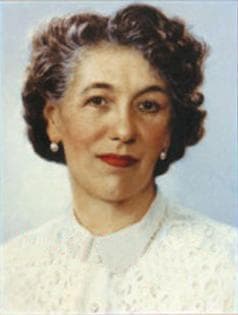
Enid Blyton was a British author known for her children's fiction, particularly adventure stories. Her notable works include "Five on a Treasure Island," "First Term at Malory Towers," "The Folk of the Faraway Tree," "Five Go Adventuring Again," "Five Run Away Together," and "Five on Kirrin Island Again," which have captivated young readers for generations.
Similar books
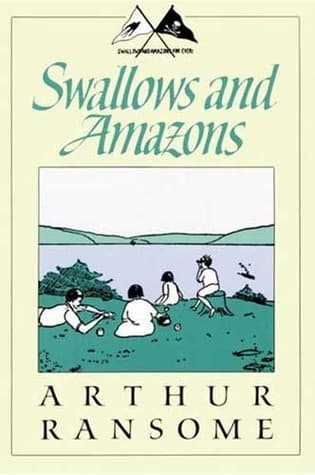
- Swallows and Amazons
Arthur Ransome
4.0 (28k) average on GoodreadsChildren'sExplores themes of children's independence, adventure, and living off the land on an island.
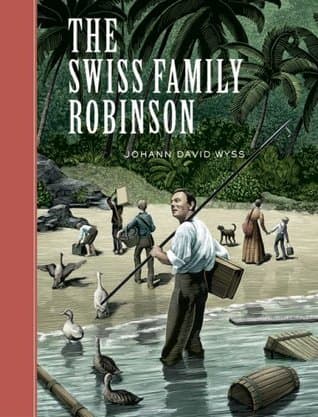
- The Swiss Family Robinson
Johann David Wyss
3.9 (97k) average on GoodreadsChildren'sFocuses on a family's resourcefulness and building a new life in a wild, isolated environment.
- The Coral Island
R.M. Ballantyne
3.7 (4k) average on GoodreadsChildren'sBlyton's 'The Secret Island' shares the 'deserted island adventure' trope with Ballantyne's 'The Coral Island'. However, Blyton's narrative is significantly more optimistic, child-centric, and less didactic or violent. Ballantyne's work includes more overt religious messaging and darker themes of human nature and savagery, whereas Blyton focuses on the children's ingenuity and idyllic self-sufficiency, making it a gentler and less morally complex read for younger children.
- Harry Potter and the Sorcerer's Stone
J.K. Rowling
4.5 (7M) average on GoodreadsFantasyRescued from a miserable life under the stairs, an orphaned boy discovers he's a wizard destined for a magical school, where he uncovers a dangerous secret tied to the dark wizard who murdered his parents.
- The Hobbit, or There and Back Again
J.R.R. Tolkien
4.3 (2.9M) average on GoodreadsFantasyA comfort-loving hobbit named Bilbo Baggins is whisked away by a mischievous wizard and a band of dwarves on an unexpected journey to reclaim stolen treasure from a fearsome dragon, discovering courage and a magical ring along the way.
- Harry Potter and the Goblet of Fire
J.K. Rowling
4.6 (2.6M) average on GoodreadsFantasyA bewildered Harry Potter, underage and thrust into a deadly Triwizard Tournament, must brave dragons, mermaids, and a resurgent dark magic to survive a year that will forever alter the wizarding world.



Enjoyed the summary?
A summary gives you the shape of the book. The book itself has the detail, the examples and the voice.
Find The Secret Island on AmazonAs an Amazon Associate, BookBrief earns from qualifying purchases. How we're funded