

Synopsis
Covers the whole plot, including the ending.
- Difficulty
- Medium
- Pacing
- Moderate
- Mood
- Thought-provoking, Hopeful, Reflective, Inspiring
- Read it if
- You enjoy historical fiction with a strong spiritual and philosophical core, exploring the challenges of leadership and faith in a complex geopolitical landscape.
- Skip it if
- You prefer fast-paced thrillers or are not interested in detailed explorations of religious and political dilemmas.
The Shoes of the Fisherman Plot Summary
Covers the whole plot, including the ending.
The Conclave Gathers
Following the death of Pope Pius XIII, the College of Cardinals from around the world gathers in Rome for the Papal Conclave. Among them is Kiril Lakota, a Ukrainian cardinal who spent seventeen years in a Siberian labor camp for his faith before being unexpectedly released by the Soviet Premier, Piotr Ilyich Kamenev, and elevated to cardinal by the late Pope. Kiril is a respected but enigmatic figure, known for his humility and deep spirituality, but also for his past suffering. The cardinals represent a wide spectrum of theological and political views, and the initial balloting is inconclusive, reflecting the deep divisions within the Church regarding its role in a rapidly changing world. The atmosphere is tense with anticipation and political maneuvering.
An Unexpected Election
As the Conclave progresses, the deadlock persists. Suddenly, a dark horse candidate begins to gain votes: Cardinal Kiril Lakota. To his own astonishment and that of many cardinals, Kiril is eventually elected Pope. He accepts the immense responsibility with reluctance and a sense of unworthiness, choosing the name Kiril I. His election is a shock to the world, particularly given his background as a former political prisoner from behind the Iron Curtain. The cardinals, many of whom initially saw him as a compromise candidate, are now faced with a leader whose past and personal convictions are largely unknown to them, setting the stage for a pontificate unlike any before.
The Burden of the Tiara
Pope Kiril I quickly finds himself overwhelmed by the bureaucracy of the Vatican and the immense weight of his new office. He struggles with the traditional pomp and ceremony, preferring simplicity and direct engagement. His personal aide, Monsignor Fabrizio, helps him navigate the complexities of the Curia. Kiril's past as a prisoner and his deep spiritual insights inform his initial decisions, but he also feels a profound sense of isolation. He is particularly troubled by the plight of the poor and the growing global tensions, realizing that the Church must find new ways to address contemporary challenges beyond rigid dogma. He begins to question the traditional ways of the papacy.
Meeting Jean-Pierre and George
Pope Kiril I secretly leaves the Vatican to meet with Jean-Pierre Masson, a scientist who is contemplating suicide due to a crisis of faith and personal despair. Kiril listens empathetically to Masson's struggles with scientific advancement and moral responsibility, offering guidance rooted in compassion rather than condemnation. He also encounters George Faber, an American journalist assigned to cover his pontificate, who initially views Kiril with cynicism but gradually comes to respect his sincerity. These early interactions with individuals outside the Vatican's inner circle help Kiril connect with the real-world anxieties and moral dilemmas that the Church must address, deepening his understanding of human suffering.
The Global Crisis Looms
A famine grips China, threatening millions of lives and creating global instability. This crisis is made worse by escalating tensions between the United States and the Soviet Union, primarily over the Soviet's response to the Chinese famine and their military posturing. The world edges closer to a nuclear confrontation, and diplomatic efforts seem to fail. Premier Kamenev, Kiril's former captor and now Soviet leader, finds himself in a precarious position, caught between hardliners in his own government and the humanitarian catastrophe. Kiril observes these events with growing alarm, realizing the Church cannot remain a detached observer.
Kamenev's Dilemma
Premier Piotr Ilyich Kamenev, a complex and pragmatic leader, faces pressure from the hardline factions within the Soviet Politburo. He understands the gravity of the Chinese famine and the potential for global war, but is constrained by ideological rigidity and the need to maintain power. Kamenev, who had personally ordered Kiril's release years ago, holds a respect for the new Pope, seeing him as a man of integrity. He grapples with the moral implications of his decisions and the potential cost of inaction, recognizing that traditional political solutions are proving insufficient to avert disaster. He is a man of power burdened by an impossible choice.
Kiril's Public Address
In response to the escalating global crisis, Pope Kiril I delivers an unconventional and personal address to the world. Eschewing formal theological language, he speaks directly to humanity, appealing for peace, compassion, and an end to the divisions that threaten to destroy civilization. His words are raw, honest, and filled with the wisdom gleaned from his own suffering. He critiques the failings of both communism and capitalism, and calls for a new moral order based on shared humanity. This speech, broadcast globally, resonates with many, but also draws criticism from traditionalists within the Church and political leaders who view it as an overreach.
The Secret Meeting
Realizing that conventional diplomacy is failing, Pope Kiril I takes the unprecedented step of arranging a secret, personal meeting with Premier Piotr Ilyich Kamenev. The two men, former prisoner and captor, meet in a neutral location. Their conversation is fraught with tension and historical baggage, yet also marked by an underlying mutual respect. Kiril appeals to Kamenev's humanity and his understanding of suffering, urging him to take decisive action to prevent war and alleviate the Chinese famine. This meeting is a moment, as Kiril uses his moral authority to directly engage with a world leader, transcending political and ideological barriers.
A Radical Sacrifice
During his private meeting with Kamenev, Pope Kiril I makes a radical and personal offer: he proposes that the Vatican liquidate all of its material wealth and distribute it to the starving people of China, provided the Soviet Union and the United States agree to a disarmament pact and cooperate on humanitarian aid. This offer is a profound act of self-sacrifice, challenging the very foundations of the Church's temporal power and surprising Kamenev. Kiril's logic is that the Church's true wealth is not in its possessions, but in its moral authority and its commitment to human dignity. This unprecedented gesture aims to break the political deadlock and force the superpowers to reconsider their positions.
The World Reacts and Hope Dawns
Pope Kiril I's radical proposal sends shockwaves through the Vatican and the global political world. While many within the Curia are horrified by the idea of divesting the Church's assets, the moral weight of his offer compels both Premier Kamenev and the American President to seriously consider it. The act, born of Kiril's deep conviction and past suffering, manages to cut through the ideological rhetoric and force a re-evaluation of priorities. Although the full implications and implementation of his proposal remain to be seen, it creates an opening for diplomatic progress and offers a glimmer of hope for averting war and addressing the humanitarian crisis in China, signaling a new era for the papacy.
The Shoes of the Fisherman Characters
Pope Kiril I (Kiril Lakota)
Protagonist
A Ukrainian cardinal and former political prisoner unexpectedly elected Pope.
Kiril Lakota is a man of profound spiritual depth and humility, shaped by seventeen years in a Siberian labor camp. He is intelligent, empathetic, and possesses an almost visceral understanding of human suffering. Despite his initial reluctance, he accepts the papacy with a deep sense of duty, but struggles with the traditional pomp and intricate bureaucracy of the Vatican. His past experiences make him question established Church practices and push him towards radical solutions to global problems. He is driven by a desire to bring the Church closer to the suffering of humanity and to use its moral authority for peace.
Relationships: Piotr Ilyich Kamenev (former captor, now a complex political adversary and reluctant ally); Monsignor Fabrizio (personal secretary and confidant); Jean-Pierre Masson (individual seeking spiritual guidance from the Pope); George Faber (journalist covering his pontificate, who becomes a respectful observer)
Piotr Ilyich Kamenev
Antagonist/Supporting
The pragmatic and powerful Soviet Premier, Kiril's former captor.
Piotr Ilyich Kamenev is the shrewd and powerful Premier of the Soviet Union, a man of immense political skill and pragmatism. He was responsible for Kiril Lakota's release from the labor camp years prior, and harbors a complex mix of respect and political calculation towards the new Pope. Kamenev is under immense pressure from hardliners within his own government and grapples with the impending global crisis. While ideologically opposed to the Church, he possesses a certain moral compass and understands the gravity of the situation, making him a reluctant but crucial figure in the potential resolution of the world crisis.
Relationships: Pope Kiril I (former prisoner/captor, now political and moral counterpart); Soviet Politburo (colleagues and political rivals)
Monsignor Fabrizio
Supporting
Pope Kiril I's personal secretary and a Vatican insider.
Monsignor Fabrizio is a seasoned Vatican official, initially assigned to assist the newly elected Pope Kiril I. He is deeply ingrained in the traditions and protocols of the Curia, making him a foil to Kiril's unconventional approach. While initially cautious and sometimes bewildered by Kiril's methods, Fabrizio is loyal and dedicated. He serves as Kiril's guide through the labyrinthine workings of the Vatican, providing practical advice and gradually coming to understand and admire the Pope's profound spiritual vision. He represents the traditional Church adapting to a new kind of leadership.
Relationships: Pope Kiril I (personal secretary and trusted confidant)
George Faber
Supporting
An American journalist assigned to cover the new Pope.
George Faber is an intelligent and initially cynical American journalist, tasked with reporting on the unprecedented pontificate of Kiril I. He approaches his assignment with a professional detachment, seeking to uncover the political and human interest angles of the story. Through his observations and occasional interactions, Faber gradually sheds his cynicism, becoming increasingly impressed by Kiril's sincerity, humility, and moral courage. He serves as an external observer, his perspective often mirroring the initial skepticism and eventual dawning respect of the wider world towards the new Pope.
Relationships: Pope Kiril I (journalist covering the Pope)
Jean-Pierre Masson
Supporting
A brilliant but despairing young scientist facing a moral and spiritual crisis.
Jean-Pierre Masson is a highly intelligent and gifted young scientist, but deeply troubled by a personal and existential crisis. He struggles with the moral implications of scientific advancement, the loss of faith, and personal despair, leading him to contemplate suicide. His encounter with Pope Kiril I, who leaves the Vatican in secret to meet him, is a pivotal moment. Masson represents the intellectual and spiritual anxieties of the modern world, and his interaction allows Kiril to connect with the suffering of individuals outside the Church's traditional reach, highlighting the Pope's compassionate approach to human problems.
Relationships: Pope Kiril I (individual seeking spiritual and moral guidance)
Cardinal Rinaldi
Supporting
A prominent Italian cardinal and traditionalist within the Curia.
Cardinal Rinaldi is a senior Italian cardinal, representing the more conservative and traditional elements within the College of Cardinals and the Curia. He is deeply invested in the historical practices and temporal power of the Church. While he participates in the election of Kiril I, he often views the new Pope's unconventional methods and radical proposals with skepticism, concern, and sometimes outright opposition. Rinaldi embodies the internal resistance Kiril faces from those who fear change and the dismantling of established structures. He is a guardian of tradition, struggling to reconcile it with a revolutionary papacy.
Relationships: Pope Kiril I (colleague within the College of Cardinals, often an opponent of Kiril's policies)
Cardinal Leone
Supporting
A respected and influential cardinal, who supports Kiril's election.
Cardinal Leone is a respected and influential figure within the College of Cardinals. He is a more progressive voice than Rinaldi, recognizing the need for the Church to adapt to the modern world. Leone is among those who see Kiril Lakota as a promising candidate during the Conclave, believing his unique background and spiritual depth could provide the leadership the Church needs. He often acts as a bridge between Kiril and the more traditional elements, helping to interpret the new Pope's vision and garner support for his initiatives, even when they are controversial.
Relationships: Pope Kiril I (colleague within the College of Cardinals, a supporter)
The American President
Mentioned
The leader of the United States during the global crisis.
The American President is a key figure in the global political landscape, representing one of the two superpowers involved in the escalating tensions with the Soviet Union. While not a direct character in terms of dialogue or detailed portrayal, his decisions and reactions to the Chinese famine and the threat of nuclear war are crucial to the plot. He is initially locked in a diplomatic stalemate with Premier Kamenev, but Pope Kiril I's radical proposal eventually forces him to reconsider his position and engage in new negotiations.
Relationships: Pope Kiril I (global leader with whom Kiril interacts indirectly); Piotr Ilyich Kamenev (political adversary)
The Shoes of the Fisherman Themes
Faith and Doubt in the Modern World
The novel explores the struggle to maintain faith in an increasingly secular and technologically advanced world. Characters like Jean-Pierre Masson embody this conflict, questioning the existence of God and the meaning of life in the face of scientific progress and personal despair. Pope Kiril I, despite his deep spirituality, also grapples with the immense weight of his office and the limitations of traditional religious answers, seeking new ways for the Church to connect with a doubting humanity. His own past suffering in a labor camp also shows how faith can be tested under extreme conditions, yet emerge stronger.
“What is the Church in the face of all this? A voice crying in the wilderness, or a force for change?”
The Burden of Leadership and Moral Authority
The central theme revolves around Kiril Lakota's reluctant assumption of the papacy and the immense moral and political burdens that come with it. His past as a prisoner gives him a unique perspective on power and suffering, leading him to question the traditional exercise of papal authority. He understands that true leadership, especially in a spiritual context, requires sacrifice and a willingness to challenge established norms, even within the Church. The global crisis forces him to wield his moral authority in unprecedented ways, showing the immense responsibility of guiding humanity.
“The tiara is a crown of thorns, not of glory.”
Humanity's Capacity for Good and Evil
The novel portrays the contrast between humanity's capacity for cruelty, evidenced by Kiril's imprisonment and the threat of nuclear war, and its potential for compassion and self-sacrifice. Kiril's own experiences show the depths of human evil, but his response is always rooted in a belief in humanity's inherent goodness and potential for redemption. His radical proposal for the Church to divest its wealth is an example of this belief, aiming to appeal to the better angels of leaders like Kamenev and the American President, and ultimately to all people.
“There are no atheists in foxholes, nor in the cells of the Lubianka.”
Reconciliation and Breaking Barriers
A significant theme is the possibility of reconciliation across deep ideological, political, and personal divides. The relationship between Kiril Lakota and Piotr Ilyich Kamenev, former prisoner and captor, is central to this. Their secret meeting transcends the Cold War rhetoric and ideological barriers, suggesting that personal understanding and shared humanity can bridge even the widest chasms. Kiril's pontificate itself is an act of breaking barriers, as he seeks to make the Church relevant to a globalized world, engaging directly with individuals and world leaders regardless of their beliefs or political affiliations.
“We are all prisoners of one kind or another. The walls are merely different.”
The Role of the Church in a Changing World
The book questions and explores the evolving role of the Catholic Church in the 20th century. With its rich traditions and vast wealth, the Church is challenged to remain relevant in a world facing nuclear annihilation, widespread poverty, and a crisis of faith. Pope Kiril I embodies a radical vision for the Church, one that prioritizes moral authority and humanitarian action over temporal power and rigid dogma. His actions suggest that the Church must be willing to sacrifice its material possessions and engage directly with global problems to fulfill its spiritual mission and speak truth to power.
“The Church must be poor if it is to speak for the poor.”
Plot Devices & Literary Techniques
The Papal Conclave
A traditional, ritualized process that sets the stage for unexpected change.
The Conclave serves as a crucial plot device, providing the structured, high-stakes setting for the election of a new Pope. Its secrecy and ancient rituals create an atmosphere of intrigue and anticipation. By having Kiril Lakota, an unlikely candidate, emerge from this traditional process, the device highlights the unexpected nature of divine (or human) choice and sets the tone for a pontificate that will challenge tradition. It underscores the contrast between the rigid institutional Church and the revolutionary figure who is chosen to lead it.
The Global Crisis (Chinese Famine and Cold War Tensions)
A looming humanitarian and geopolitical catastrophe that forces the Pope's radical actions.
The escalating global crisis, characterized by a devastating famine in China and the brink of nuclear war between the US and USSR, acts as the primary catalyst for the entire latter half of the plot. It provides the urgent, high-stakes context that compels Pope Kiril I to move beyond traditional papal roles and undertake unprecedented actions. This device externalizes the internal moral struggles of the characters, particularly Kiril and Kamenev, and provides a tangible threat against which their moral and political decisions are measured. It makes the Pope's sacrifice feel immediately relevant and necessary.
Kiril's Past as a Political Prisoner
A character backstory that informs the Pope's unique perspective and actions.
Kiril's seventeen years in a Siberian labor camp is not merely backstory; it is a fundamental plot device that shapes his entire pontificate. This past gives him an unparalleled understanding of suffering, injustice, and the nature of power, profoundly influencing his empathetic leadership style and his radical approach to global problems. It provides the moral authority and personal conviction behind his unconventional decisions, such as meeting Kamenev or proposing the liquidation of Church assets. His past makes him an outsider within the Vatican, but uniquely qualified to lead in a time of crisis.
The Secret Meeting between Kiril and Kamenev
A dramatic, symbolic encounter that bridges ideological divides.
This clandestine meeting is a powerful plot device, serving as the narrative's climax. It dramatically brings together the two most opposing forces in the story – the spiritual leader of the Catholic Church and the head of the atheist Soviet state, who also share a personal history as prisoner and captor. The secrecy amplifies the tension and significance of their dialogue. This encounter is where Kiril's moral authority directly confronts political power, and where his radical solution is first proposed, effectively making it the turning point for the global crisis and the Pope's pontificate.
The Vatican's Wealth and Assets
A symbolic representation of the Church's temporal power and a tool for radical sacrifice.
The vast wealth and historical assets of the Vatican serve as a powerful symbol throughout the novel. Initially, they represent the Church's temporal power and its entanglement with worldly affairs, which Kiril finds problematic. Later, these assets become the very instrument of Kiril's radical sacrifice. His proposal to liquidate them for humanitarian aid transforms them from symbols of earthly power into tools for spiritual and global redemption. This device underscores the theme of the Church's evolving role and its potential to use its resources for profound moral impact, rather than simply maintaining tradition.
The Shoes of the Fisherman Quotes
“The world is dying of its own cleverness.”
“A man must be a fool to believe he can change the world, but only a fool tries.”
“We are all prisoners of our own time, but some of us have longer sentences.”
“The Church is not a museum for saints but a hospital for sinners.”
“Power is a burden that no man should seek, but which few can refuse.”
“In the end, we are judged not by our successes but by our compassion.”
“The silence of God is the loudest sound in the universe.”
“To love is to risk everything, and to risk nothing is to love no one.”
“A leader must sometimes walk alone, even in a crowd.”
“The greatest poverty is not of bread, but of hope.”
“Truth is a mirror broken into a thousand pieces; each man sees a fragment of his own.”
“We are not called to be successful, but to be faithful.”
“The past is a ghost that haunts only those who fear the future.”
“In the heart of every man there is a throne, and on it sits either God or himself.”
Quiz
10 questions on the plot and the characters. Each answer comes with a short explanation.
Question 1
What is the name of the Russian cardinal who becomes pope in the novel?
- Vladimir Petrov
- Kiril Lakota
- Mikhail Gorbachev
- Alexei Romanov
Show answer
B. Kiril Lakota Kiril Lakota is the protagonist, a Russian cardinal who is unexpectedly elected pope, central to the book's exploration of faith and geopolitics.
Question 2
Why is Kiril Lakota's election as pope considered a surprise?
- He was not a cardinal before the election
- He is the youngest cardinal and from Russia, behind the Iron Curtain
- He had publicly refused the position
- He was not present at the conclave
Show answer
B. He is the youngest cardinal and from Russia, behind the Iron Curtain The election shocks the Vatican because Kiril is both the youngest cardinal and from the Soviet Union, making his leadership unprecedented during the Cold War era.
Question 3
What major global issue does Kiril Lakota grapple with as pope?
- The rise of artificial intelligence
- Climate change and environmental policies
- Cold War tensions and spiritual renewal in a divided world
- Economic recessions in Western countries
Show answer
C. Cold War tensions and spiritual renewal in a divided world As a Russian pope during the Cold War, Kiril faces challenges like bridging East-West divides and addressing the Church's role in contemporary geopolitical and spiritual crises.
Question 4
How does Kiril Lakota initially feel about becoming pope?
- Eager and ambitious
- Reluctant and overwhelmed
- Indifferent and detached
- Angry and resentful
Show answer
B. Reluctant and overwhelmed Kiril is portrayed as reluctant, stepping out from behind the Iron Curtain with hesitation, which adds depth to his character and the novel's spiritual themes.
Question 5
What symbolizes Kiril's new role and responsibilities as pope in the book's title?
- The Fisherman's Ring, used for papal documents
- The Shoes of the Fisherman, referring to the papal shoes
- The Keys of St. Peter, representing authority
- The Papal Tiara, a crown for ceremonies
Show answer
B. The Shoes of the Fisherman, referring to the papal shoes The title 'The Shoes of the Fisherman' alludes to the papal shoes, symbolizing the burden and journey of the pope (the Fisherman, referencing St. Peter) in guiding the Church.
Question 6
Which of these is a key setting where much of the Vatican intrigue unfolds?
- The Sistine Chapel during the conclave
- St. Peter's Square for public appearances
- The catacombs beneath Rome
- A monastery in rural Italy
Show answer
A. The Sistine Chapel during the conclave The Sistine Chapel is where cardinals gather to elect the new pope, central to the plot's depiction of Vatican politics and Kiril's surprise election.
Question 7
What aspect of Kiril's background influences his perspective as pope?
- His experience as a military chaplain
- His upbringing in a wealthy European family
- His life under Soviet oppression and imprisonment
- His academic career as a theologian
Show answer
C. His life under Soviet oppression and imprisonment Kiril's suffering under the Soviet regime, including imprisonment, shapes his humility and understanding of persecution, impacting his papal leadership and outreach.
Question 8
In the context of the book, what does the 'Iron Curtain' represent for Kiril?
- A literal curtain in the Vatican used for privacy
- The ideological and physical barrier between Communist East and Western Europe
- A metaphor for the secrecy of papal elections
- A religious doctrine about sin and redemption
Show answer
B. The ideological and physical barrier between Communist East and Western Europe The Iron Curtain symbolizes the Cold War divide, from which Kiril emerges, highlighting themes of crossing boundaries and unifying a fractured world through faith.
Question 9
How does Morris L. West use Kiril's story to explore broader themes in the novel?
- By focusing solely on historical accuracy of papal elections
- Through a fast-paced action plot about Vatican spies
- By intertwining personal spirituality with global political tensions
- By emphasizing technological advancements in the Church
Show answer
C. By intertwining personal spirituality with global political tensions West blends Kiril's inner spiritual journey with external challenges like Cold War politics, making the novel a profound study of faith, power, and human connection in a modern context.
Question 10
What makes 'The Shoes of the Fisherman' particularly relevant to its historical context?
- It predicts the fall of the Berlin Wall in detail
- It was written before the Second Vatican Council, reflecting pre-1960s Catholic norms
- It imagines a Russian pope during the Cold War, a scenario that seemed improbable at the time
- It focuses on medieval papal history for allegory
Show answer
C. It imagines a Russian pope during the Cold War, a scenario that seemed improbable at the time Published in 1963 during the Cold War, the novel's premise of a Russian pope was groundbreaking, exploring hope for reconciliation in a divided world, which resonated with contemporary readers.
The Shoes of the Fisherman FAQ
What is 'The Shoes of the Fisherman' about?
The novel follows Kiril Lakota, a Russian cardinal who is unexpectedly elected as Pope after the death of his predecessor. As the youngest and first Russian pope, he must navigate Vatican politics, Cold War tensions, and his own spiritual journey while addressing global issues like poverty and nuclear disarmament.
Why should I read 'The Shoes of the Fisherman'?
It offers a compelling blend of historical fiction, spiritual introspection, and political drama, exploring themes of faith, power, and human connection during the Cold War era. The character-driven narrative provides insight into Vatican intrigue and the personal struggles of a reluctant leader.
What is the background/setting of 'The Shoes of the Fisherman'?
Set in the early 1960s during the Cold War, the story unfolds primarily in the Vatican and Rome, with flashbacks to Kiril's past in Soviet labor camps. The geopolitical tension between East and West forms a crucial backdrop to the papal election and Kiril's leadership.
What are the most memorable quotes?
Notable quotes include Kiril's reflection, 'The shoes of the fisherman are easy to fill, but the footsteps are hard to follow,' and his declaration, 'I am a man, and I am afraid,' highlighting his humility and humanity amidst immense responsibility.
What writing style does the author use?
Morris L. West employs a detailed, introspective prose style that blends historical realism with spiritual contemplation. The narrative alternates between third-person omniscient perspectives and intimate character insights, creating a layered exploration of faith and politics.
What minor details add significant meaning?
Kiril's simple wooden cross, a gift from a fellow prisoner in the gulag, symbolizes his humility and connection to suffering. The recurring motif of 'shoes' represents the burden of papal authority and the legacy he must inherit.
What are some subtle foreshadowing moments?
Early references to Kiril's resilience in Soviet camps hint at his capacity to handle papal pressures. Cardinal Rinaldi's private doubts about the Church's relevance foreshadow the reforms Kiril later contemplates.
What unexpected character connections exist?
Kiril's past intertwines with that of Ruth Lewin, a Jewish journalist whose family suffered in the Holocaust, creating a bond over shared trauma. Cardinal Leone, initially a political rival, becomes a key ally, revealing hidden loyalties.
What are unspoken character motivations?
Kiril is driven by a deep-seated guilt over surviving the gulag while others perished, fueling his compassion. Cardinal Rinaldi's support for Kiril stems from a secret desire to see the Church reformed, beyond mere political ambition.
What psychological complexities do characters exhibit?
Kiril grapples with impostor syndrome and isolation, feeling torn between his Russian identity and papal duties. Ruth Lewin embodies survivor's guilt and a search for meaning, mirroring Kiril's inner conflicts.
What are the major emotional turning points?
Kiril's decision to sell Vatican treasures to aid the poor marks a breakthrough in his leadership. His private confession of fear to a close friend reveals his vulnerability, strengthening his resolve to bridge East-West divides.
How do relationship dynamics evolve?
Kiril's relationship with the conservative Curia shifts from suspicion to cautious collaboration as he proves his integrity. His bond with Ruth evolves from professional respect to a profound, platonic connection based on mutual understanding.
Which parts remain ambiguous or open-ended?
The novel leaves Kiril's long-term impact on the Church ambiguous, focusing on his immediate struggles. The outcome of his peace initiatives with world leaders is not fully resolved, emphasizing the ongoing nature of his mission.
What are controversial scenes or decisions?
Kiril's plan to sell Church assets sparks internal debate over tradition versus social justice. His willingness to engage with Communist leaders draws criticism from hardliners, highlighting tensions between faith and politics.
'The Shoes of the Fisherman' ending explained: how it ends & what it means
The novel concludes with Kiril reaffirming his commitment to serve humanity, symbolized by his simple act of walking among the people. This ending suggests that true leadership lies in humility and connection, rather than dogma or power.
About the author
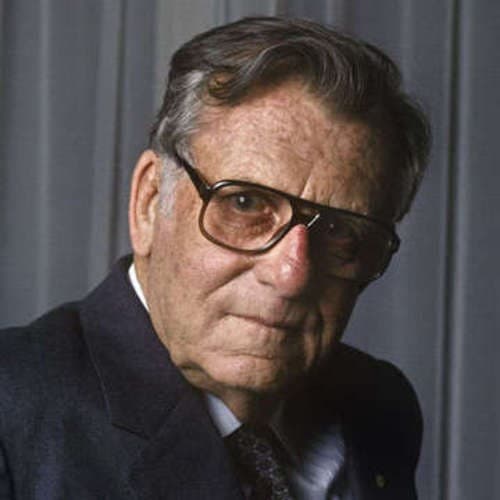
Morris L. West was an Australian author known for his works of fiction that often explore themes of faith, power, and morality. One of his notable novels is "The Shoes of the Fisherman," which delves into the complexities of the papacy and global politics. West's writing often reflects his background in drama and his interest in religious and philosophical questions.
Similar books
- A Man for All Seasons
Robert Bolt
3.9 (11k) average on GoodreadsHistorical FictionFocuses on a man of deep conviction facing immense political pressure and moral dilemmas, similar to Kiril's struggles.
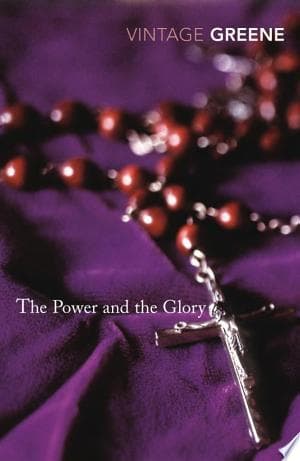
- The Power and the Glory
Graham Greene
4.0 (33k) average on GoodreadsLiterary FictionExamines faith, sacrifice, and the role of the church in a hostile political environment, with a focus on a singular, conflicted spiritual leader.
- The Thorn Birds
Colleen McCullough
4.2 (314k) average on GoodreadsHistorical FictionWhile both feature charismatic priests, West's novel is more focused on the institutional challenges of the Church and global politics, whereas McCullough's delves deeper into personal sacrifice, forbidden love, and individual spiritual struggles within the priesthood.
- To Kill a Mockingbird
Harper Lee
4.3 (4.5M) average on GoodreadsHistorical FictionIn the 1930s Jim Crow South, Harper Lee writes about racial injustice, moral growth, and the quiet courage of a lawyer father, Atticus Finch, as seen through his young daughter's eyes.
- The Great Gatsby
F. Scott Fitzgerald
3.9 (3.8M) average on GoodreadsHistorical FictionIn the opulent Roaring Twenties, a mysterious millionaire's lavish parties hide his desperate, tragic pursuit of a lost love, exposing the emptiness within the American Dream.
- Pride and Prejudice
Jane Austen
4.3 (3M) average on GoodreadsHistorical FictionIn a society focused on status and money, Elizabeth Bennet navigates love and pride, challenging Mr. Darcy and social expectations to find true affection.




Enjoyed the summary?
A summary gives you the shape of the book. The book itself has the detail, the examples and the voice.
Find The Shoes of the Fisherman on AmazonAs an Amazon Associate, BookBrief earns from qualifying purchases. How we're funded