
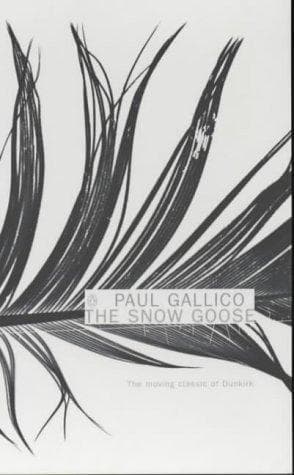
Synopsis
Covers the whole plot, including the ending.
- Difficulty
- Easy
- Pacing
- Slow
- Mood
- Melancholy, Poignant, Hopeful, Serene
- Read it if
- You appreciate beautifully written, poignant fables about unexpected connections and quiet heroism, with a backdrop of nature and war.
- Skip it if
- You prefer fast-paced plots, complex character arcs, or stories with a clear, happy resolution.
The Snow Goose Plot Summary
Covers the whole plot, including the ending.
The Reclusive Artist of the Lighthouse
The story introduces Philip Rhayader, a hunchbacked artist who, because of his physical deformity and how society judged him, leaves the world to live in an abandoned lighthouse on the desolate Great Marsh of Essex. He paints the wild landscape and the many birds that live in the marsh. His only friends are the birds he rescues, finding a deep connection with nature that he does not find with people. He lives alone, known only to a few local fishermen. His isolation is a choice to escape the stares and whispers that have followed him since childhood.
Fritha's First Encounter
One cold, misty November morning, a small, shy girl named Fritha, who lives in a nearby fishing village, finds a large, rare snow goose with a broken wing. The bird is tired and hurt, having been shot during its migration. Knowing Rhayader rescues birds, and overcoming her fear of the 'hunchback of the lighthouse,' Fritha brings the beautiful white goose to his isolated home. This is the first time the reclusive artist and the child interact, starting an unlikely bond centered on their shared concern for the sick bird.
The Healing of the Snow Goose
Rhayader, with Fritha's quiet help, cares for the snow goose's injuries. He cleans and splints its broken wing, and together they feed the bird. Fritha visits often, her shyness fading as she sees Rhayader's gentle nature and love for animals. Over the winter, the snow goose, which they call 'Lulu' (though the story mostly calls it 'the snow goose'), slowly gets better. Healing the bird creates a silent understanding and growing affection between the isolated man and the young girl, bridging their separate lives.
The Return of the Migrating Bird
As spring nears, the snow goose's wing fully heals. One day, a flock of snow geese appears over the marsh, calling to their recovered friend. With a strong push, the healed snow goose flies into the air, joining its fellow migrants and disappearing into the sky. Fritha and Rhayader watch it leave, feeling both joy for its freedom and a quiet sadness for its absence. The bird's departure leaves an empty feeling, but also a silent understanding of nature and life's passing beauty. Their bond, however, remains, made stronger by their shared experience.
The Annual Return
To their delight, the snow goose returns to the Great Marsh the next autumn, landing near Rhayader's lighthouse. This becomes an annual event, a ritual that deepens the unique relationship between Rhayader and Fritha. Each year, the bird arrives, spends the winter near them, and then leaves with its flock in the spring. The snow goose becomes a symbol of their friendship, showing the care they gave and acting as a silent companion that connects Rhayader's isolation and Fritha's quiet life. Fritha, now a young woman, continues her visits, bringing food and company.
The Call to War
Years pass, and Fritha grows into a young woman. The peace of the Great Marsh and their quiet routine are eventually disturbed by the distant sounds of World War II. News of the war reaches even their isolated part of Essex, bringing a feeling of dread. The natural world, once a safe place, now seems open to the coming human conflict. The threat of war casts a shadow over their peaceful life, hinting at an inevitable change to their unique bond with the snow goose.
Rhayader's Final Act of Heroism
As the war gets worse, news arrives of the desperate rescue of British and Allied soldiers from Dunkirk. Philip Rhayader, despite his physical disability and reclusive nature, feels a strong need to help. He prepares his small, open boat, adding a sail and motor, and sets off across the English Channel toward the chaos of Dunkirk. He acts from a deep sense of duty and compassion, overcoming his lifelong avoidance of human interaction. The snow goose, having returned for the winter, circles overhead as he leaves, silently watching his heroic, selfless journey.
A Tragic End
Among the shelling and destruction at Dunkirk, Rhayader bravely steers his boat, rescuing many soldiers from the beaches. However, during one of his trips, his boat is hit by enemy fire. Rhayader dies, his selfless act ending in tragedy. The snow goose, which had followed him across the Channel, is seen circling directly over the sinking boat, crying out. The soldiers on the beach, seeing this sight, are moved, recognizing the bird's unique connection to the fallen rescuer. The snow goose's presence is a sad farewell.
Fritha's Grief and the Goose's Vigil
News eventually reaches Fritha of Rhayader's death at Dunkirk. She is heartbroken by the loss of her friend and mentor. The snow goose, after its vigil at Dunkirk, returns to the Great Marsh, but it no longer joins a flock. Instead, it flies alone, circling Rhayader's abandoned lighthouse and the marshes, a living memorial to the man who saved it and their bond. Fritha often sees the goose, finding a sad comfort in its presence, a symbol of lasting love and memory amidst her grief.
The Enduring Legend
The snow goose continues flying alone over the Great Marsh for several more years, a familiar and sad sight to Fritha and the few locals who remember Rhayader. Eventually, one spring, it does not return from its migration. Its disappearance marks the end of the story. However, the story of Philip Rhayader, Fritha, and the snow goose becomes a local legend, showing the power of unusual love, self-sacrifice, and the deep connection between humans and nature, forever part of the desolate, beautiful Essex marshes.
The Snow Goose Characters
Philip Rhayader
Protagonist
A reclusive, hunchbacked artist who finds solace in nature and performs a heroic act.
Philip Rhayader is a deeply sensitive and kind man, ostracized by society due to his severe physical deformity (a hunchback). He retreats to an abandoned lighthouse in the desolate Great Marsh of Essex, dedicating his life to painting and rescuing injured birds. Despite his physical appearance, he possesses an inner beauty and a profound capacity for love and compassion, which he extends fully to the natural world and eventually to Fritha. His isolation is self-imposed as a means of protection from societal judgment, yet he ultimately breaks it to perform an act of immense self-sacrifice.
Relationships: Fritha (mentor, friend, paternal figure); The Snow Goose (companion, symbol of his connection to nature and Fritha)
Fritha
Protagonist
A young, innocent girl who forms an unbreakable bond with Rhayader and the snow goose.
Fritha is a quiet, shy girl from a local fishing village. Initially timid of Rhayader due to his appearance and reputation, her innate compassion for animals, particularly the wounded snow goose, allows her to overcome her fear. She grows into a beautiful young woman, her visits to Rhayader and the snow goose becoming a central part of her life. She represents innocence, purity, and the ability to see beyond superficial appearances, loving Rhayader for his true self. Her unwavering loyalty and gentle nature are key to the story's emotional core.
Relationships: Philip Rhayader (friend, protégé, object of innocent love); The Snow Goose (shared companion, symbol of their bond)
The Snow Goose (Lulu)
Supporting
A rare, injured bird whose healing fosters the bond between Rhayader and Fritha.
The snow goose, often referred to as 'Lulu' in moments of endearment, is a magnificent, rare white bird that is shot and injured during its migration. Its arrival in the marsh and subsequent rescue by Fritha and Rhayader is the catalyst for their unique friendship. The goose becomes a central figure, symbolizing freedom, enduring loyalty, and the cyclical nature of life. Its annual return reinforces the bond between the human characters and serves as a living testament to their love and care, ultimately becoming a poignant symbol of remembrance after Rhayader's death.
Relationships: Philip Rhayader (rescuer, caretaker, deep bond); Fritha (rescuer, caretaker, deep bond)
The Fishermen/Locals
Mentioned
The villagers who initially fear and misunderstand Rhayader.
The local fishermen and villagers represent the broader society that has rejected Philip Rhayader due to his deformity. They view him with suspicion and fear, spreading rumors and avoiding his lighthouse. Their initial reaction highlights Rhayader's isolation and the prejudice he faces. Their perspective serves as a foil to Fritha's innocent acceptance and Rhayader's gentle nature, emphasizing the theme of appearance versus reality. After Rhayader's heroic death, some begin to understand the true nature of the man they once feared.
Relationships: Philip Rhayader (fearful, judgmental (initially))
The Soldiers at Dunkirk
Mentioned
The men rescued by Rhayader during the evacuation.
These soldiers are the beneficiaries of Rhayader's ultimate act of heroism. Though they do not have individual speaking roles, their collective presence on the beaches of Dunkirk represents the desperate human need that compels Rhayader to break his isolation. They witness the extraordinary sight of the snow goose circling above Rhayader's sinking boat, providing external validation of the unique bond and the profound nature of his sacrifice. Their survival is a testament to his selflessness.
Relationships: Philip Rhayader (rescuer and rescued)
The Snow Goose Themes
Beauty in the Unconventional
The story shows that true beauty is not about how someone looks, but about their character and spirit. Philip Rhayader, physically deformed and an outcast, has an inner beauty shown in his compassion, artistic skill, and courage. Fritha sees past his appearance to his gentle soul. The desolate beauty of the Essex marshes, at first seeming bleak, also reflects this theme, showing its charm to those who look deeper. This theme questions common ideas of beauty and acceptance.
“He was a hunchback, and his face was ugly, distorted, and almost grotesque. Yet he had a gentleness that drew her to him.”
Isolation and Connection
Rhayader's choice to live alone on the marsh is a main part of his character, a way to escape a world that judged him. The story shows the deep loneliness that can come from prejudice. However, the injured snow goose and Fritha's innocent kindness slowly break down his defenses, forming a deep and unusual connection. This bond shows that true connection can go beyond looks and social norms, offering comfort and meaning even in lonely situations.
“He lived alone, for he was a hunchback, and the world had no place for him. But in the marsh, he found his own kind of peace.”
Sacrifice and Heroism
The story's main theme is Rhayader's sacrifice at Dunkirk. Despite his lifelong avoidance of human society, he answers a call to duty, risking and giving his life to save others. This act makes him a true hero, showing that heroism is not limited to typical figures but can come from unexpected places. His sacrifice is not for fame, but from a deep sense of compassion, highlighting the selfless nature of true heroism.
“He had gone to Dunkirk, not for glory, but because he could not bear the thought of men suffering.”
The Healing Power of Nature
Nature, especially the wild Essex marshes and its birds, is a safe place and a source of healing in the story. Rhayader finds comfort and purpose in his connection with the birds he rescues and paints. The natural world provides a setting for growth and understanding, as the healing of the snow goose mirrors the healing of Rhayader's emotional wounds and the growth of his bond with Fritha. The snow goose's regular return also represents nature's lasting, comforting rhythms.
“The marsh was his world, and in its wildness, he found a peace that the world of men could not offer.”
Love in Unconventional Forms
The story presents a unique and deep kind of love that goes against typical expectations. The love between Rhayader and Fritha is not romantic in a usual way, but a deep, pure affection built on respect, compassion, and shared purpose. It is a love that goes beyond age, appearance, and social status. The love for the snow goose is also central, uniting them and symbolizing their bond. This theme shows that love can appear in many strong and meaningful ways, enriching lives beyond typical definitions.
“They were two solitary souls, bound by a shared love for a wild creature, and in that love, they found a strange and perfect communion.”
Plot Devices & Literary Techniques
The Great Marsh
A desolate, isolated setting that mirrors Rhayader's internal state and fosters unique connections.
The Great Marsh of Essex serves as more than just a setting; it is a character in itself. Its wild, desolate, and often misty nature reflects Rhayader's isolation and his internal world, providing a sanctuary from judgmental society. The marsh's harsh beauty and abundant birdlife also allow Rhayader to find purpose and connection through his art and animal rescue. It is a place where conventional rules do not apply, allowing the unconventional bond between Rhayader, Fritha, and the snow goose to flourish undisturbed. Its remoteness amplifies the impact of the encroaching war.
The Snow Goose
A powerful symbol of healing, freedom, loyalty, and enduring memory.
The snow goose is the central symbolic element of the story. Initially, it symbolizes fragility and the need for care, bringing Rhayader and Fritha together. As it heals and flies free, it represents hope, resilience, and the beauty of the natural world. Its annual return symbolizes loyalty and the enduring nature of the bond between the characters. After Rhayader's death, its solitary vigil over the marsh transforms it into a poignant symbol of remembrance, a living elegy for the fallen hero, and a testament to the lasting impact of their unique connection.
Rhayader's Hunchback
A physical deformity that symbolizes societal prejudice and his internal sensitivity.
Rhayader's hunchback is a crucial plot device that immediately establishes him as an outcast from society. It is the visible manifestation of his difference, leading to his rejection and subsequent retreat to the marsh. However, it also serves to highlight his inner beauty and the theme of judging by appearances. His physical deformity makes his ultimate act of heroism even more poignant, as it contrasts sharply with the strength of his character and his willingness to sacrifice himself for others, defying the superficial judgments placed upon him.
World War II (Dunkirk Evacuation)
A historical event that acts as a catalyst for Rhayader's ultimate act of heroism and sacrifice.
The outbreak of World War II, specifically the Dunkirk evacuation, serves as a dramatic turning point in the narrative. It shatters the peaceful, isolated world of Rhayader and Fritha, forcing Rhayader to confront the human world he had deliberately avoided. The war acts as a catalyst for his ultimate act of self-sacrifice, providing a context for him to demonstrate his profound compassion and heroism on a grand scale. It elevates the personal story to one of universal significance, showing how even the most reclusive individuals can be moved to extraordinary acts in times of crisis.
The Snow Goose Quotes
“He was a giant of a man, with a great shock of hair that looked as though it had been bleached by the sun and wind, and a beard that was like spun silver.”
“The wild things understood him, and he understood them.”
“She was a small, shy child, with eyes as blue as the sea and hair the colour of ripe wheat.”
“It was a wild, lonely place, a vast, flatland of marsh and mud, where the sky seemed to stretch forever.”
“The snow goose was like a ghost, a shimmering white presence against the grey of the sky.”
“There was a bond between them, fragile as a cobweb, yet strong as steel.”
“He made a splint for its broken wing, and fed it with fish and grain, and talked to it in a low, crooning voice.”
“The snow goose was a symbol, a fragile, beautiful thing that had flown out of the mists of legend.”
“It was a thing of pure white, a creature of exquisite grace, and it was doomed.”
“They were two solitary beings, one old and scarred, the other young and innocent, bound together by the needs of a wild creature.”
“The war came, a black cloud that swept across the land, bringing death and destruction.”
“He went out into the hell of war, a lonely figure in a small boat, searching for the lost and the dying.”
“And the snow goose, with its great white wings, flew over the men in their boats, a beacon of hope.”
“The marsh was his monument, and the wild things his epitaph.”
“She never saw him again, but she never forgot him, nor the wild, white bird that had brought them together.”
Quiz
10 questions on the plot and the characters. Each answer comes with a short explanation.
Question 1
Where is the primary setting for the story 'The Snow Goose'?
- The Scottish Highlands
- The Essex marshes
- The Norfolk coast
- The Kentish Downs
Show answer
B. The Essex marshes The story 'The Snow Goose' is famously set in the wild, desolate Essex marshes, which play a crucial role in the atmosphere and events of the tale.
Question 2
What is the physical characteristic that distinguishes the main male character in 'The Snow Goose'?
- He is blind
- He has a limp
- He is a hunchback
- He is mute
Show answer
C. He is a hunchback The male protagonist in 'The Snow Goose' is described as a hunchback, which contributes to his isolation and his unique connection with nature and the young girl.
Question 3
What kind of bird is central to the plot and title of Gallico's most famous story?
- A wild swan
- A grey heron
- A snow goose
- A peregrine falcon
Show answer
C. A snow goose The entire story revolves around a specific bird, a snow goose, which forms a bond with the characters and symbolizes hope and connection.
Question 4
What event from actual history is incorporated into the backdrop of 'The Snow Goose'?
- The Battle of Britain
- The evacuation of Dunkirk
- The London Blitz
- The D-Day landings
Show answer
B. The evacuation of Dunkirk The story uses the historical event of the Dunkirk evacuation during World War II as a significant plot point, where the male protagonist plays a heroic role.
Question 5
What is the nature of the relationship between the hunchback and the young girl in 'The Snow Goose'?
- Father and daughter
- Student and teacher
- Protector and protected, evolving into a deep, unspoken bond
- Master and servant
Show answer
C. Protector and protected, evolving into a deep, unspoken bond Their relationship is unique and profound, initially one of a reclusive man and a curious child, evolving into a deep, unspoken bond based on their shared care for the snow goose and mutual understanding, transcending societal norms.
Question 6
How does the snow goose initially come into the lives of the main characters?
- It is purchased by the young girl from a local market.
- It flies into their yard during a storm.
- It is found injured by the young girl, who brings it to the hunchback for care.
- The hunchback rescues it from a hunter's trap.
Show answer
C. It is found injured by the young girl, who brings it to the hunchback for care. The young girl, Fritha, discovers the injured snow goose and brings it to Philip Rhayader, the hunchback, who then nurses it back to health, forging the initial connection between the three.
Question 7
What is a central theme explored in 'The Snow Goose'?
- The corrupting influence of power
- The beauty of unconventional love and connection amidst isolation
- The dangers of technological advancement
- The pursuit of material wealth
Show answer
B. The beauty of unconventional love and connection amidst isolation 'The Snow Goose' deeply explores themes of unconventional love, acceptance, and the profound connections that can form between isolated individuals and nature, often in the face of societal prejudice.
Question 8
Why is the male protagonist, Philip Rhayader, initially feared or avoided by the local villagers?
- He is known to be a thief.
- His physical deformity and reclusive nature make him an object of superstition and fear.
- He practices dark magic.
- He is a foreigner who doesn't speak their language.
Show answer
B. His physical deformity and reclusive nature make him an object of superstition and fear. Philip Rhayader's physical deformity (hunchback) combined with his reclusive life in the marshes leads the villagers to view him with suspicion and fear, contributing to his isolation.
Question 9
What ultimately happens to the male protagonist, Philip Rhayader, during the events of the book?
- He leaves the marshes to live in a city.
- He dies a hero, rescuing soldiers from Dunkirk.
- He marries the young girl, Fritha.
- He is imprisoned for his reclusive behavior.
Show answer
B. He dies a hero, rescuing soldiers from Dunkirk. Philip Rhayader uses his small boat to rescue soldiers during the Dunkirk evacuation and is killed in the process, becoming an unsung hero whose act of selflessness is deeply tied to the themes of the story.
Question 10
How does the snow goose serve as a symbol throughout the narrative?
- It symbolizes the fleeting nature of happiness.
- It represents the wild, untamed spirit of nature and the possibility of connection and hope.
- It signifies the inevitability of war and destruction.
- It is a symbol of financial prosperity.
Show answer
B. It represents the wild, untamed spirit of nature and the possibility of connection and hope. The snow goose symbolizes the wild beauty of nature, the possibility of forming deep, unconventional bonds, and hope, particularly as it repeatedly returns, connecting the characters and their isolated world to the wider world and its cycles.
The Snow Goose FAQ
What is 'The Snow Goose' about?
'The Snow Goose' tells the poignant story of Philip Rhayader, a reclusive, disfigured artist living in the desolate Essex marshes, and Fritha, a young girl from a nearby fishing village. Their unusual friendship blossoms as they care for an injured snow goose, creating a bond that transcends their differences and the isolation of their lives.
Why should I read 'The Snow Goose'?
You should read 'The Snow Goose' for its beautiful, lyrical prose and its deeply moving exploration of compassion, sacrifice, and the transformative power of nature and unlikely friendships. It's a timeless tale that resonates with themes of acceptance and the quiet heroism found in everyday acts.
What is the background/setting of 'The Snow Goose'?
The story is primarily set in the wild, desolate, and often mist-shrouded Essex marshes in England, specifically around an abandoned lighthouse where Philip Rhayader lives. This remote, untamed landscape serves as a crucial backdrop, mirroring the characters' isolation and providing a sanctuary for the injured snow goose.
What are the most memorable quotes?
One memorable quote describes Philip: "He was a hunchback, and his face was ugly with the disfigurement of his body." Another poignant line reflecting the goose's role is, "The bird was a link between them, a living, breathing symbol of their unspoken understanding." The narrative is rich with evocative descriptions of nature and quiet human connection.
What writing style does Paul Gallico use in 'The Snow Goose'?
Paul Gallico employs a classic, evocative, and often poetic writing style, characterized by its simplicity and profound emotional depth. He uses vivid descriptions of nature and human emotion, creating a fable-like quality that is both accessible and deeply moving, often focusing on quiet observations rather than dramatic dialogue.
What minor details add significant meaning?
The specific details of Philip Rhayader's abandoned lighthouse home, which he transforms into an artist's studio and a sanctuary for birds, are significant. It symbolizes his detachment from human society and his deep connection to the natural world, becoming a haven for both the goose and Fritha.
What are some subtle foreshadowing moments?
The repeated descriptions of the marsh's harshness and the looming presence of war in the background subtly foreshadow the inevitable separation and the tragic climax. Philip's solitary nature and his dedication to protecting vulnerable creatures also hint at his ultimate act of sacrifice.
What unexpected character connections exist?
The most unexpected connection is between the reclusive, disfigured Philip Rhayader and the young, innocent Fritha. Their bond forms not through shared societal norms, but through their mutual compassion for the injured snow goose, transcending age, appearance, and social barriers in a deeply pure way.
What are unspoken character motivations?
Philip Rhayader's unspoken motivation is a deep yearning for acceptance and connection, which he finds not in human society, but in the unconditional love of nature and, eventually, in his unique bond with Fritha. His reclusiveness is a shield against a world that judged his appearance.
What psychological complexities do characters exhibit?
Philip exhibits the complexities of a man deeply scarred by societal rejection, finding solace and purpose in solitude and art, yet still capable of immense empathy. Fritha, despite her youth, displays an intuitive understanding and unwavering loyalty that transcends conventional judgment, showing a maturity beyond her years.
What are the major emotional turning points?
A major emotional turning point is when Fritha first brings the injured snow goose to Philip, initiating their bond. Another is the goose's annual migration and return, which becomes a symbol of hope and the enduring nature of their friendship. The ultimate turning point is Philip's decision to join the Dunkirk evacuation.
How do relationship dynamics evolve?
The relationship between Philip and Fritha evolves from a hesitant, almost silent understanding to a deep, unspoken bond of mutual respect and affection. Initially, Fritha is a child seeking help; she grows into a trusted companion, sharing Philip's world of nature and compassion, culminating in a profound platonic love.
Which parts remain ambiguous or open-ended?
The precise nature of Philip and Fritha's feelings for each other remains somewhat ambiguous, hinted at as a profound, unconditional love that transcends conventional romance. The story focuses more on the purity of their connection and shared purpose rather than explicit romantic declarations.
What are controversial scenes or decisions?
Philip Rhayader's decision to volunteer his boat to rescue soldiers from Dunkirk, knowing the immense personal risk, could be seen as controversial by some who might question such a selfless act. However, within the narrative, it is presented as the ultimate expression of his compassionate nature and sense of duty.
'The Snow Goose' ending explained: how it ends & what it means
The story ends with Philip Rhayader tragically dying while rescuing soldiers during the Dunkirk evacuation, his small boat sinking. Fritha, having waited for him, eventually sees the snow goose return alone. The ending signifies Philip's ultimate sacrifice and the enduring legacy of his spirit, represented by the returning goose, which becomes a symbol of hope and remembrance for Fritha and the marsh.
About the author
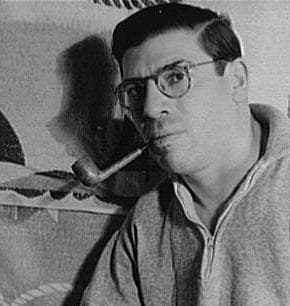
Paul Gallico was an American author known for his fiction, particularly his short novel "The Snow Goose," which explores themes of love and sacrifice during World War II. Another notable work, "Snow Goose," also reflects his interest in the bond between humans and nature. His writing often combines elements of fantasy and realism, showcasing his unique storytelling style.
Similar books
- Jonathan Livingston Seagull
Richard Bach
3.8 (202k) average on GoodreadsFantasyExplores themes of individuality and transcendence through an animal protagonist.
- The Little Prince
Antoine De Saint Exupéry
A short, philosophical fable with a unique narrative voice and profound themes.
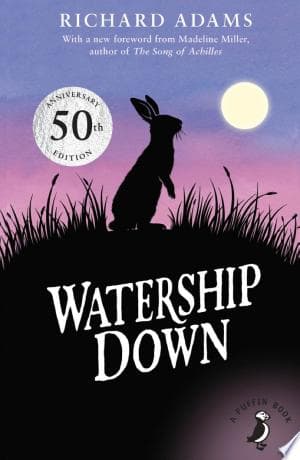
- Watership Down
Richard Adams
4.1 (434k) average on GoodreadsFantasyFeatures animals as central figures in a story about survival and community, with a strong sense of place.
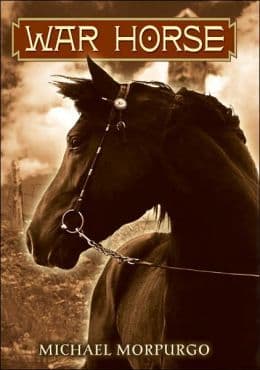
- War Horse
Michael Morpurgo
4.1 (42k) average on GoodreadsChildren'sMorpurgo's 'War Horse' offers a more direct, often grittier and realistic portrayal of World War I through the experiences of a horse, focusing on the horrors and physical toll of conflict. Gallico's 'The Snow Goose' is more ethereal and symbolic, using the war as a backdrop to explore inner emotional and spiritual transformations, with less emphasis on the detailed mechanics of battle.
- Harry Potter and the Sorcerer's Stone
J.K. Rowling
4.5 (7M) average on GoodreadsFantasyRescued from a miserable life under the stairs, an orphaned boy discovers he's a wizard destined for a magical school, where he uncovers a dangerous secret tied to the dark wizard who murdered his parents.
- The Hobbit, or There and Back Again
J.R.R. Tolkien
4.3 (2.9M) average on GoodreadsFantasyA comfort-loving hobbit named Bilbo Baggins is whisked away by a mischievous wizard and a band of dwarves on an unexpected journey to reclaim stolen treasure from a fearsome dragon, discovering courage and a magical ring along the way.


Enjoyed the summary?
A summary gives you the shape of the book. The book itself has the detail, the examples and the voice.
Find The Snow Goose on AmazonAs an Amazon Associate, BookBrief earns from qualifying purchases. How we're funded