
Synopsis
Covers the whole plot, including the ending.
- Difficulty
- Easy
- Pacing
- Moderate
- Mood
- Enchanting, Whimsical, Mysterious, Heartwarming
- Read it if
- You enjoy heartwarming historical mysteries with a touch of magic, strong female characters, and a classic 'orphan finds her family' trope.
- Skip it if
- You prefer fast-paced, action-driven fantasy or stories without a strong sense of historical setting.
The Star of Kazan Plot Summary
Covers the whole plot, including the ending.
The Found Day and the Professors' Household
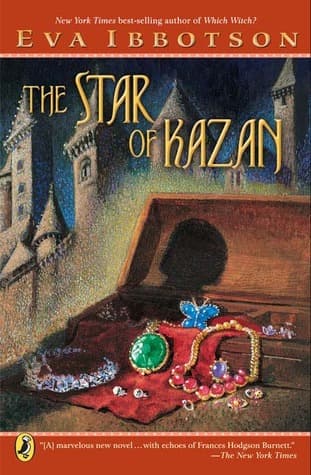
Annika lives happily in Vienna with the kind housemaid, Ellie, and the cook, Sigrid. They found her as a baby on the steps of St. Stephen's Cathedral. They work for three absent-minded but benevolent professors: Professor Emil, Professor Alfred, and Professor Leo. Annika's 'Found Day' is a special celebration with gifts and stories. She is a bright, imaginative child, often helping the professors with their scientific and artistic projects. She also loves the stories from her elderly neighbor, Mrs. Euginie, a former opera singer. Mrs. Euginie tells tales of her glamorous past and a magnificent emerald called the Star of Kazan, given to her by a Russian count.
The Arrival of the Countess and the Claim
One day, a beautiful and elegant woman named Countess Zosha arrives at the professors' house. She says she is Annika's mother, explaining she had to abandon her due to difficult circumstances and an accident. Annika, despite her initial joy and wish for a mother, feels a strange unease about the countess. Zosha shows a locket with a miniature portrait that she says matches one Annika was found with. She also recounts details of Annika's birth that seem to confirm her identity. The professors, Ellie, and Sigrid are hesitant but eventually believe Zosha's story and her evidence.
Journey to the Crumbling Castle
Countess Zosha takes Annika to her ancestral home, a vast, crumbling castle in the remote Austrian countryside, Schloss Drachenburg. The castle is dilapidated and eerie, far from the grand life Annika imagined. There, she meets the countess's peculiar and often cruel household: Herr Doktor, a sinister and seemingly controlling figure, and the two servants, the scullery maid Elsbeth and the stable boy, Zed. Annika quickly realizes that her new 'mother' is not the loving figure she had hoped for. The castle holds many secrets and a strong sense of foreboding.
Life at Schloss Drachenburg
Life at Schloss Drachenburg is harsh for Annika. She is neglected, dressed in rags, and treated more like a servant than a daughter. Countess Zosha is often cold and dismissive, and Herr Doktor's presence is unsettling. Annika finds comfort exploring the forgotten parts of the castle and befriending Zed. He reveals bits of information about the castle's history and its inhabitants' strange behavior. She also discovers a hidden room and begins to piece together clues, realizing that Zosha's story does not quite add up and that she might not be who she claims to be.
The Mystery of the Star of Kazan
Annika overhears conversations and finds documents that reveal why she was brought to Schloss Drachenburg: the legendary Star of Kazan emerald. It becomes clear that Countess Zosha, or rather, the woman impersonating her, believes Annika is the key to finding the jewel. It is supposedly hidden somewhere in the castle or connected to Annika's true identity. Annika learns that the real Countess Zosha, a renowned dancer, was a friend of Mrs. Euginie. The emerald was given to Zosha, not Euginie, by a Russian count.
Escape and the Search for Truth
Realizing she is a prisoner and a pawn in a dangerous game, Annika, with Zed's help, plans an escape. They manage to flee the castle, hoping to reach Vienna and inform the professors, Ellie, and Sigrid of the deception. During their journey, they meet a kind traveling circus troupe, who offer them temporary refuge and assistance. Annika continues to gather clues. She realizes that the woman at the castle is an imposter and that her true mother is still out there, possibly in danger. The Star of Kazan is central to the plot.
The Imposter's True Identity
With the help of the circus troupe and eventually a young, kind student named Stefan, Annika and Zed manage to contact the professors. They return to Schloss Drachenburg with new information. It is revealed that the woman posing as Countess Zosha is actually a cunning and ruthless actress named Frau Doktor (Herr Doktor's sister). She, along with Herr Doktor, is trying to steal the Star of Kazan. They believed Annika was the key to finding it, either through a hidden map or because she was the real Countess Zosha's daughter.
The Real Countess Zosha and the Star
The true Countess Zosha is discovered, having been imprisoned and hidden by Frau Doktor and Herr Doktor. She is frail but alive. The Star of Kazan is eventually located, not in a grand vault, but cleverly hidden within a seemingly ordinary object or a secret compartment in the castle, a detail known only to the real countess. Retrieving the emerald is tense as Frau Doktor and Herr Doktor make one last attempt to seize it.
Reunion and New Beginnings
The villains, Frau Doktor and Herr Doktor, are apprehended. This happens thanks to Annika, Zed, the professors, and the local authorities, who are finally alerted to the situation. Annika is joyfully reunited with her true mother, the real Countess Zosha. While the reunion is emotional, Annika also realizes the deep love and family she already has with Ellie, Sigrid, and the professors. The Star of Kazan is safe, and its true owner is restored.
A Future Full of Love
Annika, now knowing her true heritage and having reconnected with her biological mother, chooses to maintain close ties with both her birth family and the loving household of the professors, Ellie, and Sigrid. The Star of Kazan, a symbol of her journey and heritage, remains part of her story. Her adventures have solidified her sense of identity and belonging, proving that family is found not just in blood, but in love, loyalty, and shared experiences. Zed finds a new, happier life away from the castle's shadows.
The Star of Kazan Characters
Annika
Protagonist
An imaginative and courageous orphan searching for her true identity.
Annika is a spirited and intelligent young girl, found as a baby and raised by Ellie and Sigrid in the eccentric household of three professors in Vienna. She is imaginative, observant, and possesses a strong sense of curiosity and justice. Despite her happy upbringing, she longs to know her true mother and the mystery of her origins. She is resilient and resourceful, navigating complex deceptions and dangerous situations with bravery and wit.
Relationships: Ellie (Adoptive mother figure, loving and protective housemaid); Sigrid (Adoptive mother figure, kind and nurturing cook); Professors (Adoptive father figures, eccentric and benevolent); Countess Zosha (imposter) (Deceptive 'mother', antagonist); Zed (Friend and ally, fellow prisoner at the castle); Countess Zosha (real) (Biological mother)
Ellie
Supporting
Annika's kind and protective adoptive mother figure.
Ellie is the housemaid for the three professors and, along with Sigrid, the woman who found and raised Annika. She is warm, loving, and fiercely protective of Annika, treating her as her own daughter. She is practical and has a strong sense of right and wrong, though she can be initially swayed by the glamour of Countess Zosha. Her common sense and deep affection for Annika are crucial.
Relationships: Annika (Adoptive mother-daughter bond); Sigrid (Close friend and co-parent); Professors (Employer, but also fond and familial relationship)
Sigrid
Supporting
Annika's nurturing and resourceful adoptive mother figure, the cook.
Sigrid is the cook for the professors and, alongside Ellie, Annika's adoptive mother. She is pragmatic, resourceful, and possesses a strong maternal instinct. Her cooking is legendary, and she provides a sense of warmth and stability in the professors' often chaotic household. She is also observant and suspicious of Countess Zosha from the beginning, relying on her intuition.
Relationships: Annika (Adoptive mother-daughter bond); Ellie (Close friend and co-parent); Professors (Employer, but also fond and familial relationship)
The Professors (Emil, Alfred, Leo)
Supporting
Three eccentric and benevolent academics who provide a home for Annika.
Professor Emil, Professor Alfred, and Professor Leo are three brilliant but absent-minded academics who specialize in diverse fields. They are kind, generous, and provide a loving, if unconventional, home for Annika. Despite their intellectual prowess, they are somewhat naive about the ways of the world, making them initially susceptible to Countess Zosha's deception. They genuinely care for Annika and are determined to help her.
Relationships: Annika (Adoptive father figures, mentors); Ellie & Sigrid (Respected staff and friends)
Countess Zosha (Imposter / Frau Doktor)
Antagonist
A cunning and ruthless actress who impersonates Annika's mother to steal an emerald.
This character is actually Frau Doktor, a manipulative and cruel woman who, along with her brother Herr Doktor, impersonates the real Countess Zosha. She is driven by greed and a desire to acquire the Star of Kazan. She is a skilled actress, able to project an image of glamour and maternal love, but her true nature is cold, neglectful, and dangerous. She sees Annika as a mere tool to achieve her illicit goals.
Relationships: Annika (Victim of deception, pawn in her scheme); Herr Doktor (Co-conspirator and brother)
Herr Doktor
Antagonist
The sinister and controlling associate of the imposter countess.
Herr Doktor is the brother of the imposter Countess Zosha (Frau Doktor) and her primary co-conspirator. He is a menacing and calculating figure who exerts control over the household at Schloss Drachenburg. He is the brains behind much of the scheme to acquire the Star of Kazan, using intimidation and manipulation. He is largely responsible for Annika's harsh treatment at the castle.
Relationships: Countess Zosha (Imposter) (Co-conspirator and sister); Annika (Captor and tormentor)
Zed
Supporting
A kind and loyal stable boy who befriends Annika at the castle.
Zed is a stable boy at Schloss Drachenburg, a rough but good-hearted young man who becomes Annika's first ally and friend at the castle. He is observant and resourceful, having grown up under the harsh rule of Herr Doktor. He shares Annika's suspicion of the 'countess' and helps her in her attempts to escape and uncover the truth. He dreams of a better life away from the castle.
Relationships: Annika (Close friend and ally); Elsbeth (Fellow servant, though less active in the plot)
Mrs. Euginie
Supporting
An elderly former opera singer who inspires Annika with tales of her glamorous past.
Mrs. Euginie is Annika's elderly neighbor in Vienna, a former opera singer who lives a life of quiet dignity. She is a source of stories and glamour for Annika, recounting tales of her performing days, her admirers, and her friendship with the real Countess Zosha. Her stories about the Star of Kazan are pivotal to Annika's understanding of the mystery.
Relationships: Annika (Mentor figure, storyteller); Countess Zosha (real) (Old friend)
Countess Zosha (Real)
Supporting
Annika's biological mother, a renowned dancer who was victimized by the antagonists.
The real Countess Zosha is Annika's biological mother, a talented and elegant dancer whose life was tragically interrupted by the machinations of Frau Doktor and Herr Doktor. She is a kind and loving woman who was separated from her daughter and imprisoned. She holds the key to the Star of Kazan's true location and the full story of Annika's birth. Her reunion with Annika is a poignant moment.
Relationships: Annika (Biological mother-daughter bond); Mrs. Euginie (Old friend)
The Star of Kazan Themes
The Nature of Family and Belonging
The novel explores what makes a true family, contrasting biological ties with bonds of love, care, and shared experience. Annika, an orphan, longs for her birth mother but finds deep, unconditional love with her adoptive family (Ellie, Sigrid, and the professors). When her 'mother' appears, Annika's initial joy gives way to the realization that love is defined by actions, not just blood. Ultimately, she embraces both her birth family and the family who raised her. She understands that belonging is a matter of the heart. This is clear when she returns to the professors' home even after finding her biological mother.
“Family was not just a matter of blood. It was a matter of love and loyalty, of shared laughter and tears, and of knowing someone would always be there for you.”
Appearance vs. Reality
A central theme is how appearances can deceive. The glamorous Countess Zosha, who claims to be Annika's mother, is a cruel imposter. The grand Schloss Drachenburg is a crumbling, sinister place. Annika's initial wish for a 'real' mother is based on an idealized image, which is shattered by the harsh reality of her life at the castle. The novel constantly reminds the reader not to judge by outward show, but to look deeper for truth and character. The imposter's theatrical skills directly show this theme.
“The countess was beautiful, but her beauty was like a mask, hiding something cold and hard beneath.”
The Power of Storytelling and Imagination
Annika's imagination and love for stories, especially Mrs. Euginie's tales of the Star of Kazan, help her navigate the mystery. Her imagination helps her endure her harsh life at the castle and piece together clues. The stories also link to her past and inspire her. The professors' academic pursuits, though sometimes impractical, also highlight the power of intellectual curiosity and narrative. The legends surrounding the Star of Kazan itself are a form of storytelling that drives much of the plot.
“Stories were like magic carpets, carrying you away to places you'd never seen, and sometimes, they even helped you find your way home.”
Goodness and Resilience in Adversity
Despite being abandoned as a baby and later facing neglect and danger at Schloss Drachenburg, Annika maintains her inherent goodness, kindness, and spirit. She finds allies in unexpected places, like Zed. Her unwavering hope and determination move the plot forward. The novel shows that even with cruelty and hardship, human kindness and resilience can prevail. The love of Ellie and Sigrid gave Annika a strong moral compass that guides her actions.
“Even in the darkest places, a little light could be found if you knew where to look.”
Plot Devices & Literary Techniques
The Foundling Trope
A child of unknown origin, whose mysterious past drives the plot.
Annika's status as a foundling is the fundamental plot device. Her lack of knowledge about her biological parents creates the central mystery and her longing for a mother, which the imposter exploits. The objects found with her (the locket, the miniature portrait) serve as crucial clues and red herrings, propelling her journey of self-discovery and triggering the main conflict. This device allows for the exploration of themes of identity and belonging, as Annika must reconcile her past with her present.
The Imposter/Doppelgänger
A character posing as someone else to deceive and manipulate.
The character of Frau Doktor, posing as Countess Zosha, is a classic imposter device. This creates dramatic irony and suspense, as the reader (and Annika) slowly uncover the deception. The imposter's ability to manipulate and her cruel nature highlight the theme of appearance vs. reality. Her motivation—greed for the Star of Kazan—drives much of the conflict, as she uses Annika as a pawn in her scheme, leading to Annika's perilous journey and investigation.
The Hidden Treasure/MacGuffin
A valuable object that serves as the primary goal of the antagonists.
The Star of Kazan, a legendary emerald, functions as the primary MacGuffin. While its intrinsic value is high, its main purpose in the narrative is to drive the antagonists' actions and provide a clear objective for their villainy. The mystery surrounding its location and ownership propels the plot, creating suspense and providing a clear goal for Annika to uncover the truth. The emerald is not just a jewel, but a symbol of heritage and the ultimate prize sought by the villains.
The Dilapidated Castle
An atmospheric, decaying setting that reflects the sinister nature of its inhabitants.
Schloss Drachenburg, the crumbling castle, is more than just a setting; it's a character in itself. Its decaying grandeur, hidden passages, and eerie atmosphere reflect the moral decay and sinister intentions of Frau Doktor and Herr Doktor. It serves as a prison for Annika and a backdrop for much of the suspense and mystery. The castle's forgotten corners and secrets mirror the hidden truths Annika seeks, enhancing the gothic and mysterious elements of the story.
The Star of Kazan Quotes
“The wind was a mischievous child, tugging at skirts and whispering secrets in the eaves.”
“There are some things that even the grandest house cannot hide, and unhappiness is one of them.”
“You can always tell a real lady by her shoes and the way she treats animals.”
“Annika's heart, which had been a small, frightened bird, began to beat with a new, stronger rhythm.”
“Sometimes, the most ordinary things can be the most extraordinary, if you only look at them with the right kind of eyes.”
“A secret is like a seed. Once planted, it will grow, whether you want it to or not.”
“The world was full of people who thought they knew best, but often, they knew nothing at all.”
“Even the darkest night eventually gives way to dawn.”
“It is not what you have, but what you do with what you have, that truly matters.”
“Love, like a good melody, can bridge the widest gaps.”
“The greatest adventures often begin in the most unexpected places.”
“Every person carries a story inside them, and some stories are more tangled than others.”
“There is a kind of magic in belonging, in finding your place in the world.”
“A good heart is worth more than all the jewels in the world.”
Quiz
10 questions on the plot and the characters. Each answer comes with a short explanation.
Question 1
What is the name of the legendary emerald that the elderly woman next door tells Annika about?
- The Emerald of Vienna
- The Star of Kazan
- The Russian Countess's Jewel
- The Gem of the Professors
Show answer
B. The Star of Kazan The elderly woman next door, Frau Esel, frequently tells Annika stories about her performing days and the Russian count who gave her the legendary emerald, known as the Star of Kazan.
Question 2
Who are the two people who found Annika and raised her in Vienna?
- Three eccentric professors
- A housemaid and a cook
- A Russian count and a countess
- A glamorous stranger and her butler
Show answer
B. A housemaid and a cook Annika celebrates her Found Day, which marks the day she was discovered and taken in by a housemaid and a cook working for three eccentric Viennese professors.
Question 3
What kind of residence does Annika live in with her adoptive family in Vienna?
- A grand, aristocratic mansion
- A small, cozy cottage
- The servants' quarters of a house
- An orphanage
Show answer
C. The servants' quarters of a house Annika has made a happy life in the servants' quarters of the house where the housemaid and cook work for the three eccentric professors.
Question 4
What is Annika's initial reaction when the glamorous stranger claims to be her mother?
- She is immediately suspicious and refuses to go.
- She is overjoyed and readily goes with her.
- She demands proof of their relation before making a decision.
- She consults with the professors before agreeing.
Show answer
B. She is overjoyed and readily goes with her. Annika, having always dreamed of finding her true mother, is thrilled when a glamorous stranger arrives claiming to be her mother and whisks her away.
Question 5
Where does the glamorous stranger take Annika after claiming to be her mother?
- A bustling city apartment
- A charming country villa
- A crumbling, spooky castle
- A luxurious hotel
Show answer
C. A crumbling, spooky castle The glamorous stranger, claiming to be Annika's mother, takes her to a crumbling, spooky castle, which turns out to be a place where 'all is not as it seems'.
Question 6
What is the primary conflict Annika faces after moving in with the glamorous stranger?
- She struggles to adapt to a life of luxury.
- She realizes her 'mother' is not who she claims to be and uncovers a mystery.
- She misses her friends and family in Vienna terribly.
- She finds the castle too dull and isolated.
Show answer
B. She realizes her 'mother' is not who she claims to be and uncovers a mystery. Upon arriving at the castle, Annika discovers that 'all is not as it seems in her newfound home,' indicating a central mystery and the deception of her 'mother.'
Question 7
What is the significance of Annika's 'Found Day'?
- It is the day she was born, but she prefers to call it her Found Day.
- It is a traditional Viennese holiday celebrated by all children.
- It is the anniversary of the day she was discovered and taken in by her adoptive family.
- It marks the day she first heard the story of the Star of Kazan.
Show answer
C. It is the anniversary of the day she was discovered and taken in by her adoptive family. Annika has never had a birthday; instead, she celebrates her Found Day, which is the day the housemaid and cook found her and took her home.
Question 8
What role do the three eccentric Viennese professors play in Annika's life before the stranger arrives?
- They are her biological grandparents.
- They are the employers of her adoptive parents, and Annika lives in their household.
- They are Annika's tutors, teaching her various subjects.
- They are distant relatives who occasionally visit her.
Show answer
B. They are the employers of her adoptive parents, and Annika lives in their household. Annika lives in the servants' quarters with the housemaid and cook, who work for the three eccentric Viennese professors. While not directly raising her, they are the figures in whose household she lives.
Question 9
What is a central theme introduced by Annika's desire to find her true mother?
- The importance of wealth and social status.
- The conflict between nature vs. nurture in raising a child.
- The search for identity and belonging.
- The dangers of trusting strangers.
Show answer
C. The search for identity and belonging. Annika's longing to find her true mother, despite her happy life, highlights a common theme in young adult literature: the search for one's origins and a sense of belonging and identity.
Question 10
Based on the description, what literary genre elements are prominent in 'The Star of Kazan' after Annika moves to the castle?
- Pure fantasy and romance.
- Historical fiction and coming-of-age.
- Mystery and gothic elements (spooky castle).
- Slice-of-life and contemporary realism.
Show answer
C. Mystery and gothic elements (spooky castle). The description explicitly mentions that Annika discovers 'all is not as it seems' in a 'crumbling, spooky castle,' strongly indicating elements of mystery and gothic fiction.
The Star of Kazan FAQ
What is Annika's origin story before the main plot begins?
Annika was found as a baby by the housemaid, Ellie, and the cook, Trudy, who worked for three eccentric Viennese professors. She was discovered in a basket on their doorstep, wrapped in a shawl and wearing an embroidered shift, and subsequently raised by them in the servants' quarters, celebrating her 'Found Day' instead of a birthday.
Who are the key figures in Annika's life at the professors' house?
Annika's primary caregivers are Ellie, the housemaid, and Trudy, the cook. She also shares a close bond with the three kind, if absent-minded, professors themselves. Additionally, she is good friends with the stable boy, Zed, and the elderly neighbor, Frau Esel, who tells her stories of her past.
What significant item does Annika possess that hints at her true heritage?
Annika possesses an embroidered shift, a delicate piece of clothing she was found in, which later proves to be a crucial clue to her true identity. It is a unique piece of needlework, hinting at a noble or at least well-to-do background, and becomes a point of recognition.
Who is the glamorous stranger who claims to be Annika's mother, and what is her initial proposition?
The glamorous stranger is Mathilde, who arrives at the professors' house claiming to be Annika's birth mother, a long-lost baroness. She proposes to take Annika away to live in her crumbling, spooky castle, Schloss Kirschstein, promising her a life of luxury and the family she has always longed for.
What is the 'Star of Kazan' and why is it important to the plot?
The 'Star of Kazan' is a legendary emerald, a magnificent jewel given to Frau Esel by a Russian count during her performing days. It becomes important because Mathilde is desperate to find it, believing it to be hidden, and her pursuit of the gem is a primary motive behind her actions and deception.
How does the story of 'Eliza' relate to Annika's situation?
The story of 'Eliza' is a play that Frau Esel performed in during her youth, about a young girl who is swapped at birth. This narrative, shared with Annika, foreshadows Annika's own hidden past and the possibility of a mistaken identity, preparing the reader for the twist.
What clues suggest that Mathilde is not Annika's real mother?
Mathilde's coldness, her disinterest in Annika's well-being beyond appearances, her obsession with the emerald, and her general cruelty towards Annika and others at the castle are strong indicators. Her lack of maternal affection and her focus on material gain betray her true intentions.
How do Annika's friends from Vienna try to help her after she's taken to the castle?
Zed, the stable boy, and the three professors, along with Trudy and Ellie, embark on a journey to find and rescue Annika. Zed, being resourceful and brave, plays a crucial role in tracking her down and infiltrating the castle, while the professors use their intellect to piece together clues.
What is the true identity of Mathilde and her connection to the real Baroness?
Mathilde is actually the Baroness's former lady's maid, who switched her own sickly baby with the healthy baby of the Baroness (Annika) years ago. She then impersonated the Baroness, hoping to claim the family fortune and the Star of Kazan, while the real Baroness was institutionalized.
How does Annika's desire for a mother figure shape her initial response to Mathilde?
Annika's deep-seated longing for a birth mother makes her initially incredibly hopeful and vulnerable to Mathilde's deception. She desperately wants to believe Mathilde is her mother, overlooking early warning signs due to her emotional need for belonging and a familial connection.
Discuss the psychological impact of Annika's 'Found Day' on her identity.
Annika's 'Found Day' reinforces her sense of being special and loved by her adoptive family, but also highlights her unknown origins. This creates a duality: security in her present, yet a persistent yearning and curiosity about her past, fueling her quest for her true identity.
How does the character of Frau Esel provide psychological support and foreshadowing for Annika?
Frau Esel provides Annika with a sense of connection to a rich, adventurous past, offering emotional comfort and a window into a world beyond the professors' house. Her stories, particularly of 'Eliza,' subtly prepare Annika for the possibility of a dramatic reveal about her own parentage, making the eventual truth less shocking.
Analyze Mathilde's motivations and the psychological drivers behind her cruel actions.
Mathilde is driven by greed and a profound sense of envy and resentment towards the privileged life of the Baroness. Her actions are fueled by a desire for wealth and status, leading her to commit fraud and cruelty, believing she is entitled to a better life than her station allowed.
What is the symbolic significance of the crumbling Schloss Kirschstein?
Schloss Kirschstein symbolizes the decaying truth and the facade of the life Mathilde attempts to create. Its physical dilapidation reflects the moral decay and deception within its walls, contrasting sharply with the warmth and genuine affection found in the humble Viennese household.
How does the book explore themes of 'found family' versus 'blood family'?
The book strongly champions the idea of 'found family,' showing that love, care, and genuine connection are more important than biological ties. Annika's happiness and security come from Ellie, Trudy, and the professors, proving that true family is built on affection, not just lineage.
Is the 'fantasy' element in the book more about the magical realism of childhood or literal magic?
The 'fantasy' in 'The Star of Kazan' leans more towards the magical realism of childhood, where coincidences feel fated and the world is imbued with wonder and dramatic twists. There are no literal spells or magical creatures, but rather a sense of destiny and adventurous charm that feels fantastical.
What message does the ending convey about justice and resolution?
The ending conveys a strong message that truth and goodness ultimately prevail. Mathilde's deception is exposed, the real Baroness is reunited with her daughter, and Annika finds her true identity while retaining the love of her found family. It suggests that good deeds are rewarded and villainy is unmasked.
How does the character of Zed challenge traditional gender roles or expectations for a stable boy?
Zed challenges expectations by being far more than just a stable boy; he is brave, intelligent, loyal, and resourceful, actively participating in Annika's rescue. He demonstrates courage and initiative, proving that heroism is not confined to social status or traditional roles.
About the author
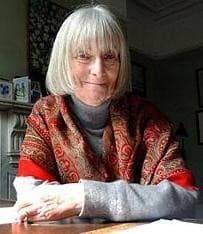
Eva Ibbotson was a British author known for her children's and young adult fiction. Her notable works include "The Secret of Platform 13," a whimsical tale about a magical train platform, "Journey to the River Sea," which follows a young girl's adventure in the Amazon, "The Star of Kazan," a story of a girl discovering her true identity, and "The Dragonfly Pool," set during World War II.
Similar books
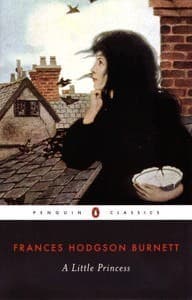
- A Little Princess
Frances Hodgson Burnett
4.2 (4k) average on GoodreadsFantasyFeatures a strong, imaginative orphan girl navigating adversity and finding her true place.
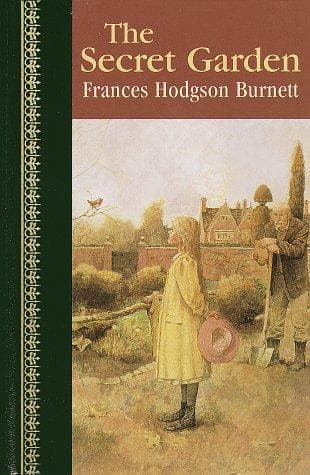
- The Secret Garden
Frances Hodgson Burnett
4.1 (891k) average on GoodreadsFantasyExplores themes of discovery, belonging, and transformation within a grand, mysterious setting.
- Harry Potter and the Sorcerer's Stone
J.K. Rowling
4.5 (7M) average on GoodreadsFantasyRescued from a miserable life under the stairs, an orphaned boy discovers he's a wizard destined for a magical school, where he uncovers a dangerous secret tied to the dark wizard who murdered his parents.
- The Hunger Games
Suzanne Collins
4.3 (6.4M) average on GoodreadsFantasyIn a future where children fight to the death on live television, Katniss Everdeen volunteers for the arena, turning a death sentence into a fight for survival and a spark of rebellion.
- 1984
George Orwell
4.2 (3.1M) average on GoodreadsPoliticsIn a future where surveillance and thought control are absolute, a man's search for truth clashes with the Party, showing that hope can be a form of rebellion.
- Divergent
Veronica Roth
4.2 (2.9M) average on GoodreadsFantasyIn a society divided by virtues, a sixteen-year-old's difference from the norm starts a rebellion that threatens her world.




Enjoyed the summary?
A summary gives you the shape of the book. The book itself has the detail, the examples and the voice.
Find The Star of Kazan on AmazonAs an Amazon Associate, BookBrief earns from qualifying purchases. How we're funded