
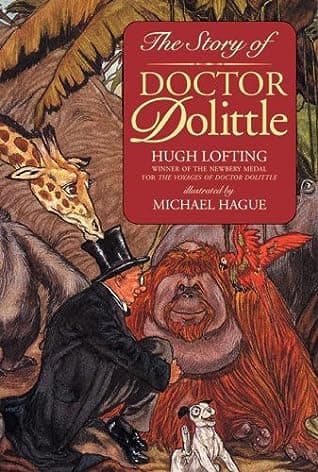
Synopsis
Covers the whole plot, including the ending.
- Difficulty
- Easy
- Pacing
- Moderate
- Mood
- Whimsical, Adventurous, Heartwarming, Humorous
- Read it if
- You enjoy classic children's stories about talking animals, adventure, and the power of kindness.
- Skip it if
- You prefer modern narratives without elements that may reflect outdated cultural perspectives, even in edited editions.
The Story of Doctor Dolittle Plot Summary
Covers the whole plot, including the ending.
Doctor Dolittle's Unusual Household
Dr. John Dolittle, a doctor in the small English town of Puddleby-on-the-Marsh, finds he prefers treating animals over humans. His house soon fills with many animals, including a dog named Jip, a pig named Gub-Gub, a white mouse, a monkey, and an owl. This unusual home life makes his human patients leave, put off by the constant animal presence and occasional mud. His strict sister, Sarah Dolittle, often scolds him about his strange habits and the money troubles his animal passion causes, urging him to have a more normal practice.
Learning Animal Languages
One day, Polynesia, Dr. Dolittle's smart African parrot, tells him she can speak human language and, more importantly, teach him to understand animals. With Polynesia's help, Dr. Dolittle learns the languages of many creatures, starting with birds, then dogs, cats, and all other animals. This new skill changes his practice; he can now accurately diagnose and treat animals by directly asking them what is wrong. His reputation as an animal doctor grows, and animals from all over England come to him for help, making his unique job firm.
The Call from Africa
News of Dr. Dolittle's special abilities spreads far. One day, a worried swallow arrives from Africa, bringing an urgent request for help. The swallow explains that a terrible illness, a monkey sickness, is sweeping through the African jungle, killing many monkeys. The animals of Africa, having heard of Doctor Dolittle, need his help. Knowing how serious the situation is, Dr. Dolittle decides he must go to Africa to help the suffering creatures, even though Sarah strongly objects.
Preparations for the Voyage
Getting ready for the long trip to Africa is hard. Dr. Dolittle has little money, so he sells some of his things. He eventually finds passage on a ship, packing medicines and supplies. He decides to take only a few animal friends: Polynesia the parrot, Jip the dog, Gub-Gub the pig, Dab-Dab the duck, Too-Too the owl, and a white mouse. Sarah Dolittle is angry he is leaving his home and what little money he has, but Dr. Dolittle is set on helping the monkeys of Africa, putting animal welfare before his own comfort.
Shipwreck and Island Adventure
During their sea journey, a strong storm hits their ship. The waves toss the ship violently, and it is wrecked. Dr. Dolittle and his animal friends manage to escape the sinking ship and swim to a nearby deserted island. Stranded and without supplies, they must now use their cleverness and teamwork to survive. They explore the island, looking for food and shelter, showing how resourceful they are and the strong bond they share, even when things go wrong.
Encounter with the Jolliginki
After leaving the deserted island, Dr. Dolittle and his animals continue their journey on a makeshift raft. They eventually reach the coast of Africa, but their arrival is dangerous. The Jolliginki, a local tribe wary of strangers, especially white men, soon find and capture them. The chief is suspicious of Dr. Dolittle and his talking animals, seeing their presence as a threat. They are imprisoned, and Dr. Dolittle must use his understanding of animal behavior and his calm manner to try and talk with the tribe, explaining he means no harm.
Escape from the Jolliginki
Imprisoned by the Jolliginki, Dr. Dolittle and his animals plan an escape. Jip the dog's excellent sense of smell helps. Jip finds a secret passage out of their prison, unknown to their captors. Under cover of darkness, Dr. Dolittle and his animal friends, including Polynesia, Gub-Gub, Dab-Dab, and Too-Too, quietly slip through the passage and get away. Their escape works, and they continue deeper into Africa, getting closer to the monkeys' land.
Reaching the Land of the Monkeys
After escaping the Jolliginki, Dr. Dolittle and his animal crew travel through the thick African jungle until they reach the monkeys' land. The scene is sad; many monkeys are very sick, and their cries fill the air. Dr. Dolittle immediately starts working, using his medical knowledge and his ability to talk with the monkeys to figure out their illness. He prepares remedies and gives care, working hard to ease their pain and fight the widespread sickness that has affected their community.
Curing the Monkey Sickness
By watching carefully and talking with the sick monkeys, Dr. Dolittle finds the cause of the sickness and creates a cure. He learns that certain leaves and berries in the jungle have healing properties that can fight the illness. With help from his animal assistants, he gathers the needed ingredients and makes the medicine. The monkeys, wanting relief, readily take his treatment. Slowly, the monkeys start to get better, and the sickness begins to disappear, bringing hope and healing back to the monkey kingdom.
A King's Gratitude and the Pushmi-Pullyu
Very happy and thankful for saving their lives, the monkeys make Dr. Dolittle their king. He rules wisely for a time, helping them organize their society. However, Dr. Dolittle eventually wants to return to Puddleby. As a goodbye gift, the animals give him the magnificent Pushmi-Pullyu, a rare two-headed gazelle-unicorn creature that is the only one of its kind. The Pushmi-Pullyu agrees to go with Dr. Dolittle back to England, knowing its unique look will help the doctor earn money for his animal hospital.
The Journey Home
With the Pushmi-Pullyu, Dr. Dolittle and his animal friends begin the long, hard trip back to England. The return journey has its challenges, as they must cross the large African land and then the open sea. The Pushmi-Pullyu attracts attention, and its gentle nature makes it a loved part of the group. They eventually find passage on a ship, and after many adventures and a long time traveling, they finally sail for their home in Puddleby-on-the-Marsh, eager to return to their familiar surroundings.
Return to Puddleby
Dr. Dolittle and his loyal animal friends, with the special Pushmi-Pullyu, finally arrive back in Puddleby-on-the-Marsh. His sister, Sarah, is at first surprised by his return and the strange new creature, but the local animals welcome Dr. Dolittle back warmly. The Pushmi-Pullyu's unique look causes excitement, and Dr. Dolittle decides to show it. The money earned from these shows allows him to pay his debts, secure his financial future, and continue his work as the loved animal doctor, changed forever by his adventures in Africa.
The Story of Doctor Dolittle Characters
Doctor John Dolittle
Protagonist
A kind and eccentric physician who can speak to animals.
Doctor Dolittle is a compassionate and unconventional man who initially practices human medicine but finds his true calling in veterinary care. He is characterized by his deep love and understanding of animals, preferring their company to that of humans. His ability to learn animal languages, taught by Polynesia, transforms his life and allows him to become a world-renowned animal doctor. He is brave, selfless, and driven by a strong moral compass, willing to travel across the world and face danger to help suffering creatures. Despite his financial struggles, he remains dedicated to his animal patients.
Relationships: Sarah Dolittle (Sister, often critical of his eccentricities); Polynesia (Mentor and loyal companion); Jip (Loyal dog companion); Gub-Gub (Loyal pig companion); Dab-Dab (Loyal duck companion); Too-Too (Loyal owl companion); Pushmi-Pullyu (Gifted companion and financial aid)
Polynesia
Supporting
Dr. Dolittle's wise and outspoken African parrot, his first animal language teacher.
Polynesia is Dr. Dolittle's oldest and most intelligent animal companion. She is a wise, often blunt, and practical African parrot who has lived for many years and observed much of the world. She is instrumental in Dr. Dolittle's journey, teaching him the language of animals and providing constant advice and commentary. Her sharp wit and common sense often guide the doctor and his companions, and she is fiercely loyal to Dolittle, always looking out for his best interests, even when it means being critical. She is a crucial member of his traveling party.
Relationships: Doctor John Dolittle (Student/Teacher, loyal companion); Jip (Fellow animal companion)
Jip
Supporting
Dr. Dolittle's faithful dog, known for his keen sense of smell.
Jip is Dr. Dolittle's loyal and brave dog. He is a steadfast companion who accompanies the doctor on all his adventures, particularly to Africa. Jip's most notable skill is his exceptionally keen sense of smell, which proves invaluable on several occasions, such as when he sniffs out a hidden escape route from the Jolliginki tribe. He is a practical and protective member of the animal entourage, always ready to assist Dr. Dolittle and look out for the group's safety.
Relationships: Doctor John Dolittle (Loyal companion); Polynesia (Fellow animal companion)
Gub-Gub
Supporting
Dr. Dolittle's pig, often focused on food but a loyal companion.
Gub-Gub is Dr. Dolittle's pig, known for his love of food and his generally good-natured, if sometimes gluttonous, personality. Despite his preoccupation with eating, Gub-Gub is a loyal member of the animal family and accompanies Dr. Dolittle to Africa. He provides a touch of comic relief with his simple desires but contributes to the group's efforts when needed, always ready to follow the doctor wherever he goes. He is a constant presence, highlighting the diverse nature of Dolittle's animal companions.
Relationships: Doctor John Dolittle (Loyal companion); Polynesia (Fellow animal companion)
Dab-Dab
Supporting
Dr. Dolittle's duck, a steady and reliable member of the traveling party.
Dab-Dab is Dr. Dolittle's reliable duck. She is a practical and steady member of the animal group, always present and ready to assist. While not as outspoken as Polynesia or as skilled as Jip, Dab-Dab's presence contributes to the overall cohesion and support system for Dr. Dolittle. She is a loyal companion who travels with the doctor to Africa and back, representing the diverse array of creatures who find a home and purpose with the extraordinary physician.
Relationships: Doctor John Dolittle (Loyal companion); Polynesia (Fellow animal companion)
Too-Too
Supporting
Dr. Dolittle's owl, who helps with planning and knowledge.
Too-Too is Dr. Dolittle's wise owl. While not as prominent in dialogue as Polynesia, Too-Too is valued for his quiet wisdom and keen observational skills. He often contributes to the group's discussions with thoughtful insights and helps Dr. Dolittle with his studies and understanding of the world. As an owl, he symbolizes knowledge and foresight, making him a fitting member of the doctor's intellectual and adventurous entourage. He accompanies the doctor on his journey to Africa.
Relationships: Doctor John Dolittle (Loyal companion); Polynesia (Fellow animal companion)
Sarah Dolittle
Supporting
Dr. Dolittle's stern and practical sister, concerned about his finances and reputation.
Sarah Dolittle is Dr. Dolittle's older sister. She is a very practical and conventional woman who is constantly exasperated by her brother's eccentric lifestyle and his growing collection of animals. She worries endlessly about his dwindling finances and his damaged reputation in Puddleby. Sarah represents the conventional world that Dr. Dolittle has largely abandoned. Despite her constant scolding and disapproval, her concern for her brother is evident, even if she cannot understand his unique calling.
Relationships: Doctor John Dolittle (Sister, often critical but caring)
Pushmi-Pullyu
Supporting
A rare two-headed gazelle-unicorn, gifted to Dr. Dolittle by the grateful African animals.
The Pushmi-Pullyu is a magnificent and unique creature, a two-headed gazelle-unicorn that is the last of its kind. It is presented to Dr. Dolittle by the grateful monkeys and other animals of Africa as a gift for saving them from the epidemic. The Pushmi-Pullyu is gentle, intelligent, and speaks perfect English. Its unique appearance makes it a sensation upon their return to England, allowing Dr. Dolittle to earn much-needed money to support his animal hospital and pay off his debts. It symbolizes the extraordinary rewards of Dolittle's selfless work.
Relationships: Doctor John Dolittle (Gifted companion and financial aid)
The Monkeys of Africa
Mentioned
The collective group of animals suffering from an epidemic, who call Dr. Dolittle for help.
The monkeys of Africa are a collective group of animals suffering from a devastating epidemic that sweeps through their jungle. Their desperate plea for help reaches Dr. Dolittle through a swallow, setting in motion his entire journey to Africa. They represent the suffering animal kingdom that Dr. Dolittle is dedicated to serving. Their gratitude for his aid is immense, culminating in their crowning him as their king and gifting him the Pushmi-Pullyu, highlighting the profound impact of his medical intervention.
Relationships: Doctor John Dolittle (Patients, grateful subjects)
The Jolliginki Tribe
Antagonist
An African tribe who capture Dr. Dolittle and his animals.
The Jolliginki are an African tribe encountered by Dr. Dolittle and his companions shortly after their arrival on the continent. They are initially suspicious and hostile towards the strangers, particularly Dr. Dolittle, a white man with talking animals, and capture the group. They represent a brief obstacle in Dr. Dolittle's journey, highlighting the dangers and cultural misunderstandings that can arise in unfamiliar lands. Their capture of Dolittle forces the animals to use their ingenuity to escape.
Relationships: Doctor John Dolittle (Captors)
The Story of Doctor Dolittle Themes
Compassion and Animal Welfare
The main theme is Dr. Dolittle's deep care for animals and his focus on their well-being. From his first choice to be an animal doctor, leaving human patients, to his dangerous trip to Africa to cure the monkey sickness, Dolittle always puts the health and happiness of creatures before personal gain or what society expects. This theme shows when he sells his things and risks his life to answer the call of the suffering monkeys, showing selfless devotion.
“He was very fond of animals and kept many kinds of pets. In fact, he had so many that his sister, Sarah, grumbled about them and said they made the house untidy.”
Communication and Understanding
The ability to talk with animals is the story's core. It lets Dr. Dolittle cross species lines. Polynesia teaching him animal languages changes his life and work, allowing for deep understanding and good treatment. This theme goes beyond literal language to a wider idea about empathy and listening to different views. Dolittle's success comes from his willingness to learn and understand creatures on their own terms, leading to unique solutions and strong bonds between species.
“Why, you can talk!" cried the Doctor. "Of course I can talk," said Polynesia. "Didn't you know that?”
Adventure and Exploration
The book is an adventure story, following Dr. Dolittle's journey from the quiet English village of Puddleby to Africa. The story is full of challenges like shipwrecks, meeting local tribes, and the large jungle. This theme shows the excitement and discovery in exploring new places and facing the unknown. It creates a sense of wonder and encourages readers to be curious and brave in the face of the world's size, all for a good cause.
“I must go to Africa. The monkeys are dying, and they have sent for me. It is my duty to go.”
Eccentricity vs. Convention
Dr. Dolittle's character shows the struggle between living an unusual, passionate life and following what society considers normal. His sister, Sarah, often tries to pull him back to a 'normal' human medical practice and a neat home, representing the conventional world. Dolittle, however, chooses his unique path, embracing his love for animals despite money and social problems. This theme celebrates being an individual and having the courage to follow one's true calling, even if others see it as strange.
“The Doctor's sister, Sarah Dolittle, was not pleased. 'You'll soon be poorer than a church-mouse,' she grumbled, 'if you go on like this.'”
Plot Devices & Literary Techniques
Anthropomorphism
Giving human characteristics, emotions, and speech to animals.
The most prominent plot device in 'The Story of Doctor Dolittle' is anthropomorphism. Animals like Polynesia, Jip, Gub-Gub, and Too-Too not only speak perfect English and other animal languages but also exhibit complex thoughts, emotions, and personalities that drive much of the plot. Polynesia acts as a mentor, Jip as a resourceful detective, and the monkeys as a desperate community. This device allows for direct communication between Dolittle and his patients, making the animal characters central to the narrative and enabling the exploration of themes like compassion and understanding across species.
The Quest Narrative
A story structure where the protagonist embarks on a journey to achieve a specific goal.
The entire plot is framed as a quest: Dr. Dolittle's journey to Africa to cure the monkey sickness. This classic narrative structure provides a clear objective and propels the plot forward through a series of challenges and adventures. The quest involves a call to action (the swallow's message), a long and perilous journey (sea voyage, shipwreck, desert island, capture), and ultimately the achievement of the goal (curing the monkeys). This structure builds suspense and allows for the introduction of various obstacles and supporting characters along the way.
The Wise Animal Mentor
An animal character who guides and teaches the protagonist.
Polynesia the parrot serves as the archetypal wise animal mentor. She is the one who initiates Dr. Dolittle into the world of animal languages, teaching him the fundamental skill that defines his career. Throughout the journey, Polynesia often provides practical advice, translates crucial information, and acts as a voice of reason or experience. Her role is vital for Dolittle's development and the plot's progression, as without her initial guidance and continued support, Dolittle's mission would be impossible.
Exotic Setting
The use of a distant, unfamiliar location to create a sense of adventure and wonder.
The shift from the quaint, familiar English village of Puddleby-on-the-Marsh to the exotic, wild, and largely unknown continent of Africa serves as a key plot device. This change in setting immediately establishes a sense of adventure, danger, and wonder. The African jungle, with its unique animals, landscapes, and tribal inhabitants (like the Jolliginki), provides a rich backdrop for the challenges and discoveries Dolittle faces. It amplifies the scale of his mission and reinforces the idea of exploration and encountering the 'other'.
The Story of Doctor Dolittle Quotes
“Animals can talk, and I can understand them.”
“For the Doctor loved animals and knew a whole lot about them.”
“He gave up being a people's doctor and became an animal-doctor.”
“After a while, every living thing in the house was a pet.”
“The only animals he didn't have were goldfish, and that was because he had no pond.”
“It was the parrots, you see, who taught him the language of the animals.”
“He could talk to the dogs and the cats and the horses and the cows.”
“The monkeys told him that there was a terrible sickness amongst them.”
“Off they went, sailing across the sea to Africa.”
“The Pushmi-Pullyu was a very shy animal and very difficult to catch.”
“He was a good doctor, a very good doctor, and he saved many lives.”
“The animals knew he was their friend, and they trusted him.”
“He always carried a little black bag with him, full of medicines and bandages.”
“It was a wonderful thing, to be able to talk to the animals.”
Quiz
10 questions on the plot and the characters. Each answer comes with a short explanation.
Question 1
What skill does Polynesia the parrot teach Doctor Dolittle that changes his life?
- How to perform complex surgeries on animals
- How to understand and speak animal languages
- How to train wild animals for circuses
- How to write prescriptions in animal paw prints
Show answer
B. How to understand and speak animal languages Polynesia the parrot is the first animal to teach Doctor Dolittle the secrets of animal language, allowing him to communicate directly with his patients and become a true animal doctor.
Question 2
Where does Doctor Dolittle travel to help animals that makes him 'world-famous'?
- The North Pole
- South America
- Asia
- Africa
Show answer
D. Africa Doctor Dolittle's most famous adventure mentioned in the description involves traveling to Africa to help his animal friends there, solidifying his reputation.
Question 3
What is Doctor Dolittle's primary profession after learning animal languages?
- A veterinarian
- A zoologist
- A circus owner
- An explorer
Show answer
A. A veterinarian With his ability to speak to animals, Doctor Dolittle transitions from a human doctor to a 'world-famous doctor' for animals, which is essentially a veterinarian.
Question 4
Who is credited with providing the black-and-white illustrations for this specific edition of the book?
- Hugh Lofting
- Patricia McKissack
- Michael Hague
- Fredrick McKissack
Show answer
C. Michael Hague The description explicitly states, 'This edition of the beloved children's classic contains black-and-white illustrations by Michael Hague.'
Question 5
What is the primary reason Doctor Dolittle's home and office 'overflow with animals'?
- He collects rare and exotic species as a hobby.
- He uses them for scientific experiments.
- He has a deep love for animals and cares for them.
- His human patients often bring their pets to stay.
Show answer
C. He has a deep love for animals and cares for them. The description states, 'He loves them so much that his home and office overflow with animals of every description,' highlighting his profound affection as the reason.
Question 6
What is the main purpose of Patricia and Fredrick McKissack's involvement with this edition?
- They wrote a new prequel to the story.
- They provided additional illustrations.
- They edited the text for modern audiences.
- They translated the book into a different language.
Show answer
C. They edited the text for modern audiences. The description notes that the edition 'has been edited by award-winning authors Patricia and Fredrick McKissack for modern audiences,' indicating their role was textual adaptation.
Question 7
Which of the following best describes the genre of 'The Story of Doctor Dolittle' as indicated in the description?
- Historical Fiction and Mystery
- Science Fiction and Thriller
- Fantasy, Children's, and Young Adult
- Biography and Autobiography
Show answer
C. Fantasy, Children's, and Young Adult The description explicitly lists the genres as 'Fantasy, Children's, Young Adult' at the beginning of the book's summary.
Question 8
How does Doctor Dolittle's transformation from a regular doctor to an animal doctor reflect a central theme of the story?
- It shows the financial benefits of specializing in a niche market.
- It emphasizes the importance of following one's true passion and unique abilities.
- It illustrates the decline of human medicine in favor of animal care.
- It suggests that only talking animals are worthy of medical attention.
Show answer
B. It emphasizes the importance of following one's true passion and unique abilities. Doctor Dolittle's journey to becoming an animal doctor, driven by his love for animals and his unique gift from Polynesia, highlights the theme of embracing one's true calling and using unique talents for good.
Question 9
What is the significance of the phrase 'beloved children's classic' in the description?
- It implies the book is primarily intended for adult literary scholars.
- It suggests the story has enduring popularity and cultural importance for young readers over time.
- It means the book has been recently written but mimics older styles.
- It refers to a specific publishing award the book has received.
Show answer
B. It suggests the story has enduring popularity and cultural importance for young readers over time. A 'classic' refers to a work that has stood the test of time and remains popular and significant, especially for its target audience, which in this case is children.
Question 10
How does Doctor Dolittle's initial love for animals directly lead to his eventual fame?
- His love for animals caused him to neglect his human patients, making him infamous.
- His love meant he was surrounded by animals, one of whom taught him a skill that made him uniquely qualified and sought after.
- He gained fame by successfully breeding rare animals in his overflowing home.
- His love for animals led him to write books about them, which became bestsellers.
Show answer
B. His love meant he was surrounded by animals, one of whom taught him a skill that made him uniquely qualified and sought after. His deep love for animals meant his home was full of them. It was one of these animals, Polynesia, who taught him animal language, giving him the unique ability to become a world-famous animal doctor.
The Story of Doctor Dolittle FAQ
What is 'The Story of Doctor Dolittle' about?
'The Story of Doctor Dolittle' is about Doctor John Dolittle, a kind physician who abandons his human patients to exclusively treat animals after learning their languages from his parrot, Polynesia. His unique ability leads him on grand adventures, most notably a perilous journey to Africa to cure an epidemic among the monkeys.
Why should I read 'The Story of Doctor Dolittle'?
You should read 'The Story of Doctor Dolittle' for its imaginative premise, charming characters, and the celebration of compassion towards all living creatures. It's a delightful tale of adventure, friendship, and the power of communication, offering a timeless escape into a world where animals speak and a kind doctor understands them.
What is the background/setting of 'The Story of Doctor Dolittle'?
The story begins in the small English town of Puddleby-on-the-Marsh, where Doctor Dolittle lives in a quaint house filled with animals. The primary setting then shifts to the high seas and the continent of Africa, specifically the Jungle, as Dolittle embarks on his mission to cure the monkey epidemic.
What are the most memorable quotes?
One memorable quote is Polynesia's advice: "But animals don't want to be paid. They will work for you for nothing, if you are kind to them." Another is Doctor Dolittle's simple declaration, "I like animals better than people." These lines encapsulate the core philosophy and charm of the book.
What writing style does the author use?
Hugh Lofting employs a straightforward, clear, and engaging narrative style, perfectly suited for young readers. The language is accessible yet descriptive, filled with gentle humor and a sense of wonder, making the fantastical elements feel grounded and believable within the story's context.
What minor details add significant meaning?
The detail of Doctor Dolittle initially struggling financially after losing his human patients highlights his deep commitment to animals over monetary gain. Also, the fact that Polynesia, a common household parrot, is the one to teach him animal languages emphasizes that wisdom can come from unexpected, humble sources.
What are some subtle foreshadowing moments?
The initial description of Doctor Dolittle's house overflowing with animals and his growing preference for their company subtly foreshadows his eventual career change. Also, the early mention of his ability to understand specific animal sounds, even before Polynesia's full lessons, hints at his innate connection to the animal kingdom.
What unexpected character connections exist?
An unexpected connection is between Doctor Dolittle and the African monkeys, who, despite being from a different continent, send for his help specifically. Also, the pirates, initially antagonists, form an unlikely alliance with Dolittle after he cures their seasickness, showcasing his pervasive positive influence.
What are unspoken character motivations?
While not explicitly stated, Doctor Dolittle's deep-seated loneliness or perhaps a disillusionment with human society might be an unspoken motivation for his profound connection with animals. His choice to abandon a lucrative human practice suggests a yearning for a simpler, more authentic form of communication and care.
What psychological complexities do characters exhibit?
Doctor Dolittle exhibits a unique blend of scientific curiosity and childlike wonder, coupled with a remarkable lack of self-interest when it comes to his animal patients. His single-minded dedication to their well-being, even at great personal risk and financial cost, showcases a profound empathy that transcends typical human concerns.
What are the major emotional turning points?
A major emotional turning point is when Doctor Dolittle decides to become an 'animal doctor' full-time, signifying his complete embrace of his unique calling. Another is the moment he successfully cures the monkey epidemic in Africa, validating his extraordinary abilities and solidifying his reputation among animals worldwide.
How do relationship dynamics evolve?
The relationship dynamics evolve from Doctor Dolittle's initial, somewhat chaotic coexistence with his many pets to a professional, deeply respectful partnership where animals like Polynesia and Dab-Dab become his trusted companions and advisors. His relationship with humans, however, dwindles, replaced by a global network of grateful animal friends.
Which parts remain ambiguous or open-ended?
The precise origin of Polynesia's ability to teach human language to Doctor Dolittle is left somewhat ambiguous; she simply states she's 'been to sea' and 'met a good many sailors.' Also, the long-term societal impact of a human who can speak to animals on a wider scale isn't fully explored, focusing more on Dolittle's personal adventures.
What are controversial scenes or decisions?
One controversial decision, particularly from a modern perspective, might be the portrayal of Doctor Dolittle's initial disregard for his human patients, which could be seen as irresponsible. However, within the context of the story, it highlights his unique destiny and unwavering commitment to the animal kingdom.
'The Story of Doctor Dolittle' ending explained: how it ends & what it means
The story ends with Doctor Dolittle successfully returning to Puddleby-on-the-Marsh after curing the monkey epidemic and outwitting pirates. He is welcomed back as a hero by his animal friends, having earned great wealth from the grateful African animals. The ending signifies his established place as the world's most renowned animal doctor, living a life of purpose and adventure, completely dedicated to his animal companions.
About the author
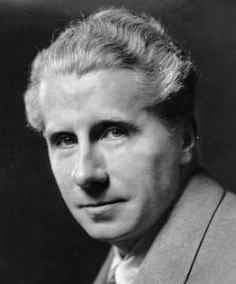
Hugh Lofting was a British author best known for his children's literature featuring the character Doctor Dolittle, a doctor who can speak to animals. His notable works include "The Story of Doctor Dolittle" and "The Voyages of Doctor Dolittle," both of which explore themes of empathy and adventure through the lens of animal communication. Lofting's stories have become classics in children's fiction.
Similar books
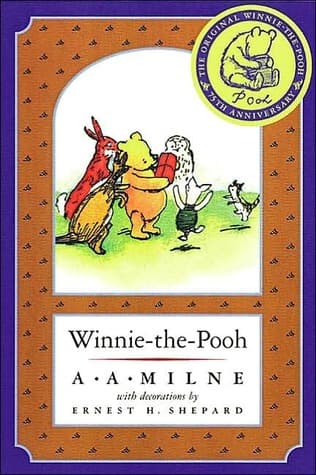
- Winnie-the-Pooh
A.A. Milne
4.3 (270k) average on GoodreadsFantasyMilne's work (1926) shares a focus on anthropomorphic animals but creates a gentler, more domestic world within the Hundred Acre Wood, emphasizing friendship and simple joys. It largely avoids the explicit racial caricatures and colonial themes present in Dolittle, focusing instead on internal character dynamics and the pastoral. While both are classics, Pooh's themes are less contentious in a modern context.
- Harry Potter and the Sorcerer's Stone
J.K. Rowling
4.5 (7M) average on GoodreadsFantasyRescued from a miserable life under the stairs, an orphaned boy discovers he's a wizard destined for a magical school, where he uncovers a dangerous secret tied to the dark wizard who murdered his parents.
- The Hunger Games
Suzanne Collins
4.3 (6.4M) average on GoodreadsFantasyIn a future where children fight to the death on live television, Katniss Everdeen volunteers for the arena, turning a death sentence into a fight for survival and a spark of rebellion.
- 1984
George Orwell
4.2 (3.1M) average on GoodreadsPoliticsIn a future where surveillance and thought control are absolute, a man's search for truth clashes with the Party, showing that hope can be a form of rebellion.
- Divergent
Veronica Roth
4.2 (2.9M) average on GoodreadsFantasyIn a society divided by virtues, a sixteen-year-old's difference from the norm starts a rebellion that threatens her world.
- The Hobbit, or There and Back Again
J.R.R. Tolkien
4.3 (2.9M) average on GoodreadsFantasyA comfort-loving hobbit named Bilbo Baggins is whisked away by a mischievous wizard and a band of dwarves on an unexpected journey to reclaim stolen treasure from a fearsome dragon, discovering courage and a magical ring along the way.





Enjoyed the summary?
A summary gives you the shape of the book. The book itself has the detail, the examples and the voice.
Find The Story of Doctor Dolittle on AmazonAs an Amazon Associate, BookBrief earns from qualifying purchases. How we're funded