
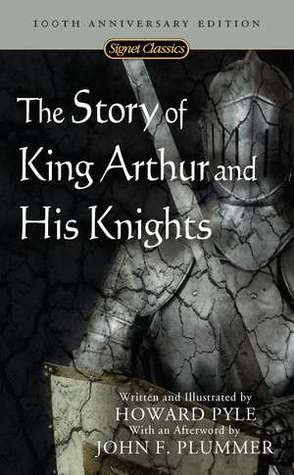
Synopsis
Covers the whole plot, including the ending.
- Difficulty
- Medium
- Pacing
- Moderate
- Mood
- Epic, Chivalrous, Magical, Melancholy
- Read it if
- You want a classic, foundational retelling of the King Arthur legends, suitable for all ages, with a focus on chivalry and adventure.
- Skip it if
- You prefer modern fantasy retellings with complex character psychology or gritty realism over traditional heroic tales.
The Story of King Arthur and His Knights Plot Summary
Covers the whole plot, including the ending.
The Finding of Arthur
After Uther Pendragon dies, England falls into disorder, with many lords wanting the throne. Merlin the Enchanter sets a test: a sword in a stone anvil. Whoever pulls it out is the rightful king. Sir Ector, a knight, brings his son Sir Kay and his foster son Arthur to a tournament. When Sir Kay forgets his sword, young Arthur, not knowing what the sword means, pulls the sword from the stone for him. Seeing this, Sir Ector and Sir Kay know Arthur's true birth and claim to the throne, as Merlin said.
The Winning of a Kingdom
Arthur's claim to the throne is not accepted right away. Many kings and barons, including King Lot, King Uriens, and King Ryons, refuse to recognize a young, unknown boy as their ruler and go to war against him. With Merlin's advice and magic, and the loyalty of knights like Sir Ector and Sir Kay, Arthur fights to establish his power. Merlin's spells and Arthur's leadership help turn the fight, making the rebellious kings accept him as their king, though some remain angry.
The Founding of the Round Table
Once his kingdom is safe, Arthur, guided by Merlin, starts the Order of the Round Table. He gathers the bravest and best knights from the land, inviting them to Camelot. The Round Table is made so no knight sits at the head, showing equality among its members. Its goal is to uphold justice, protect the innocent, and fight evil. This time is a golden age of knights, with Arthur at its center, inspiring his knights to good deeds and adventures.
The Sword Excalibur and the Lady of the Lake
During his early reign, Arthur's sword breaks in battle. Merlin leads him to a lake where the Lady of the Lake appears, offering him a new, stronger sword: Excalibur. This magic blade is said to be unbreakable. With the sword, Arthur also gets a magic scabbard that stops its wearer from bleeding, making him almost unbeatable. Merlin warns Arthur that the scabbard is more useful than the sword itself, a lesson Arthur will later forget.
The Courtship of Guinevere
Arthur hears tales of Princess Guinevere, daughter of King Leodegrance. He sends his knights, including Sir Lancelot, to ask for her hand. Guinevere, impressed by Arthur's name and his knights, agrees to marry him. Their wedding is a grand event, showing the strength of Arthur's kingdom. King Leodegrance gives Arthur the Round Table itself, with one hundred knights, making the order stronger.
The Treachery of Morgana le Fay
Morgana le Fay, Arthur's half-sister and a sorceress, dislikes him. She often plans his ruin, using magic to create illusions, mislead knights, and steal magic items. Once, she steals Excalibur's magic scabbard, which protects Arthur, and replaces it with a fake. She tries to have Arthur killed by one of her knights, Sir Accalon, but her plans often fail, usually because of Merlin's foresight or the loyalty of Arthur's knights.
The Passing of Merlin
Merlin, despite his wisdom and magic, falls in love with the enchantress Nimue (or Vivien). He teaches her many of his magic secrets, believing she loves him. But Nimue grows tired of him and fears his power. Using the spells Merlin taught her, she traps him in a magic prison—a cave, a tree, or a tower of air—where he is held forever. Arthur and his kingdom lose their greatest magic protector.
The Quest for the Holy Grail
A vision of the Holy Grail appears in Camelot, making many knights of the Round Table go on a quest to find it. This quest is for spiritual purity. Many knights, despite their bravery, are not worthy of the Grail because of their sins. Sir Lancelot, though a great warrior, is held back by his love for Queen Guinevere. The quest shows the spiritual hopes and flaws within the knightly order.
Sir Lancelot and Queen Guinevere
Sir Lancelot, Arthur's most trusted knight, and Queen Guinevere fall into a deep, forbidden love. Their affection, at first hidden, becomes an open secret in the court, causing whispers. This relationship slowly damages the morals of Camelot and the unity of the Round Table. Despite their efforts to hide it, their love brings great sorrow and helps lead to the kingdom's fall, giving a tool to those who want to see Arthur ruined.
The Betrayal of Sir Mordred
Sir Mordred, Arthur's son and nephew, a knight of the Round Table, is ambitious and mean. He, with other disloyal knights, tells Arthur about Lancelot and Guinevere's affair, forcing the king to sentence his queen to death. Lancelot saves Guinevere, leading to a war between Arthur and his knight. While Arthur is fighting Lancelot in France, Mordred takes the chance to seize the throne and tries to force Guinevere to marry him, starting a civil war.
The Last Battle of Camlann
Arthur returns to England to face Mordred. The two armies meet in a battle on Salisbury Plain, the Battle of Camlann. It is a bloody fight, with many deaths. Arthur, seeing Mordred, attacks him. In a final fight, Arthur kills Mordred, but Mordred wounds Arthur mortally. The best knights are killed, and the Round Table is broken, marking the end of an era.
The Passing of Arthur
After the Battle of Camlann, Arthur is dying. He tells Sir Bedivere, the last loyal knight, to throw Excalibur back into the lake. After hesitating, Bedivere obeys, and the Lady of the Lake's hand takes the sword. Arthur is then carried by three queens in a black boat to the island of Avalon, a place of healing. His fate remains a mystery, with some believing he will return to England when needed. The golden age of Camelot ends in sorrow and legend.
Principal Figures
King Arthur
Protagonist
The legendary king of Camelot and founder of the Round Table.
Arthur is depicted as a noble, just, and honorable king, chosen by destiny to rule England. He embodies the ideals of chivalry and strives to create a kingdom based on justice, equality, and peace. Though brave in battle, he is also kind-hearted and often relies on the wisdom of Merlin. His greatest strength is his ability to inspire loyalty and lead, but his trust in others, particularly Lancelot and Guinevere, ultimately leads to his downfall.
Relationships: Merlin (mentor and advisor); Guinevere (wife and queen); Sir Lancelot (most trusted knight and friend, later rival); Morgana le Fay (half-sister and antagonist); Sir Mordred (illegitimate son, nephew, and ultimate betrayer)
Merlin
Supporting
The wise and powerful enchanter, Arthur's primary advisor.
Merlin is a figure of immense wisdom, foresight, and magical power. He guides Arthur from his birth through the establishment of Camelot and the Round Table, acting as his mentor and protector. He often uses his magic to aid Arthur in battle or to reveal prophecies. Despite his power, he is not infallible, falling victim to the enchantress Nimue, which ultimately leaves Arthur vulnerable. Merlin represents ancient wisdom and the magical forces at play in the world.
Relationships: King Arthur (protector, mentor, and advisor); Nimue (lover and betrayer)
Queen Guinevere
Supporting
Arthur's beautiful queen, whose love for Lancelot sparks tragedy.
Guinevere is portrayed as a beautiful and noble queen, deeply loved by Arthur. She represents the splendor and grace of Camelot. However, her heart is torn between her duty to Arthur and her passionate love for Sir Lancelot. This forbidden affair, though initially concealed, becomes a catalyst for the downfall of the Round Table and the kingdom. She is often depicted as a tragic figure, caught between conflicting loyalties and desires.
Relationships: King Arthur (husband); Sir Lancelot (lover)
Sir Lancelot du Lac
Supporting
Arthur's greatest and most valiant knight, torn by forbidden love.
Lancelot is renowned as the strongest, most skilled, and most chivalrous knight of the Round Table, second only to Arthur in nobility. He is fiercely loyal to Arthur and performs countless heroic deeds. However, his profound and consuming love for Queen Guinevere leads him to betray Arthur, creating a deep rift within the court. This internal conflict between his knightly vows and his personal desires ultimately leads to war and the shattering of the Round Table. He is a tragic hero, whose virtues are overshadowed by his one great sin.
Relationships: King Arthur (king, friend, and rival); Queen Guinevere (lover)
Morgana le Fay
Antagonist
Arthur's half-sister, a powerful sorceress and his bitter enemy.
Morgana le Fay is Arthur's half-sister, a skilled enchantress who nurses a deep-seated hatred and jealousy towards her brother. She is a cunning and malevolent figure, constantly plotting Arthur's downfall and using dark magic to achieve her aims. She represents the forces of evil and treachery that seek to undermine Arthur's righteous rule. Her schemes often involve stealing magical artifacts, creating illusions, and attempting to manipulate or kill Arthur and his loyal knights.
Relationships: King Arthur (half-brother and sworn enemy)
Sir Mordred
Antagonist
Arthur's illegitimate son and nephew, who ultimately betrays him.
Mordred is presented as a treacherous and ambitious knight, the illegitimate son and nephew of King Arthur. He embodies disloyalty and deceit within the Round Table. His primary motivation is to seize the throne from Arthur and claim Guinevere for himself. He is the ultimate instrument of Arthur's downfall, exposing the affair between Lancelot and Guinevere and leading the final, devastating rebellion that results in the Battle of Camlann and Arthur's death.
Relationships: King Arthur (father, uncle, and sworn enemy); Queen Guinevere (object of his desire)
Sir Kay
Supporting
Arthur's foster brother and loyal knight.
Sir Kay is Arthur's foster brother and the son of Sir Ector. Initially, he is depicted as somewhat boastful and occasionally unkind to Arthur in their youth. However, once Arthur's true identity is revealed, Kay becomes one of his most loyal knights and serves as his seneschal. Despite his earlier flaws, he demonstrates unwavering loyalty to Arthur throughout his reign, fighting bravely in his service. He represents the steadfast, if sometimes imperfect, support system around Arthur.
Relationships: King Arthur (foster brother and king); Sir Ector (father)
Sir Ector
Supporting
Arthur's foster father, a noble knight who raises him.
Sir Ector is a noble and honorable knight who unknowingly raises the infant Arthur as his own son, alongside his biological son, Kay. He provides Arthur with a loving and stable upbringing. Upon discovering Arthur's true identity and destiny, Sir Ector immediately acknowledges him as king, demonstrating his profound loyalty and respect for the rightful sovereign. He represents the foundational goodness and integrity that Arthur's early life was built upon.
Relationships: King Arthur (foster son); Sir Kay (son)
Themes & Insights
The Ideal vs. Reality of Chivalry
The book looks at the ideals of chivalry—honor, courage, justice, and service—as shown by King Arthur and the Round Table. Knights are meant to protect the innocent. But it contrasts this ideal with human nature: pride, envy, lust, and betrayal. Camelot's fall is a result of the knights not living up to their own standards, especially through Lancelot and Guinevere's affair and Mordred's treachery. This theme is central to the kingdom's tragic story, showing that even good intentions can be ruined by human flaws.
“For in those days a man might be a knight, and yet be a very wicked man, and do many a foul deed.”
Destiny vs. Free Will
Merlin's prophecies and Arthur's role as king, shown by pulling the sword from the stone, suggest a set path. Yet, the choices made by characters—Arthur's trust, Lancelot and Guinevere's love, Morgana and Mordred's malice—drive the story's tragic events. While Arthur is meant to rule, how his reign ends is shaped by the free will and moral failings of those around him, and his own choices. This shows that even with a grand destiny, individual actions have big results, leading to the kingdom's fall despite its fated start.
“For it is by destiny that thou shalt be king.”
Love and Betrayal
Love, in its forms, is a strong force in the story. Arthur's love for Guinevere is pure, while Lancelot and Guinevere's love is passionate but forbidden, leading to betrayal. The love between Arthur and his knights builds the Round Table, but this bond breaks from betrayal of trust, especially by Lancelot and Mordred. Morgana's hate, from family resentment, also drives her betrayals. This theme shows how love, when wrong, can be as destructive as any force, leading to the kingdom's end.
“And so, through the sin of two people, was brought about the downfall of the greatest fellowship that ever was.”
The Cycle of Rise and Fall
The story shows the repeating nature of power and civilizations. Arthur rises from nothing to create a golden age of peace and justice, a time of great chivalry. But this era is doomed to fall, brought down by internal conflict, moral failures, and outside threats. The story follows the kingdom's rise, its peak, and its fall, ending with the Battle of Camlann and Arthur's trip to Avalon. This theme suggests that even the best efforts are temporary, leaving only legend and the hope of a future return.
“Here now lies Arthur, once was king and king will be again.”
Plot Devices & Literary Techniques
The Sword in the Stone / Excalibur
A magical sword that signifies rightful kingship and provides supernatural power.
The sword in the stone serves as a divine test and undeniable proof of Arthur's destined kingship, removing all doubt about his lineage. Later, Excalibur, given by the Lady of the Lake, is a magical weapon that grants Arthur immense power in battle and its scabbard provides protection from harm. These swords are not merely weapons but symbols of authority, destiny, and the magical forces that underpin Arthur's reign. The loss of the scabbard and the eventual return of Excalibur to the lake symbolize the beginning and end of Arthur's era.
Merlin's Prophecies and Magic
Foresight and enchantment used to guide and protect Arthur and his kingdom.
Merlin's ability to foresee future events and wield powerful magic is a crucial plot device. His prophecies often foreshadow key events, such as Arthur's kingship, the coming of great knights, and the eventual downfall of Camelot. His magic provides direct aid in battles, helps establish the Round Table, and thwarts early threats. However, his eventual magical imprisonment by Nimue serves as a turning point, signaling the kingdom's vulnerability and the loss of its primary magical defense, allowing for subsequent tragedies to unfold without his guidance.
The Round Table
A symbol of equality, fellowship, and the chivalric ideal.
The Round Table is more than just a piece of furniture; it is a powerful symbol of the ideals Arthur strives to uphold: equality among knights, democratic discussion, and collective dedication to justice and honor. Its creation marks the golden age of Camelot, uniting the greatest knights in a common purpose. The eventual shattering of the Round Table, caused by internal strife and betrayal, directly mirrors the collapse of Arthur's kingdom and the end of the chivalric ideal. It represents the rise and fall of a perfect society.
The Holy Grail
A mystical artifact representing spiritual purity and ultimate truth.
The Quest for the Holy Grail serves as a spiritual crucible for the knights of the Round Table. It is not a physical quest for power or land, but a journey of self-discovery and moral purification. Its appearance highlights the spiritual aspirations of Camelot but also exposes the moral failings and unworthiness of many knights, including Lancelot. Only the purest knights, like Sir Galahad (though not extensively featured in Pyle's version, the quest itself is), are deemed worthy. The Grail's elusive nature underscores the gap between the chivalric ideal and the imperfect reality of human nature, contributing to the disillusionment within the court.
The Story of King Arthur and His Knights Quotes
“For in those days there was no King in England; and every man did what was right in his own eyes.”
“Wherefore it was a sad and doleful time for many a poor soul in England.”
“And it came to pass that upon a certain Christmas Day, when all the people were gathered together in the great church of London, there appeared a miracle.”
“Whoso pulleth out this sword of this stone and anvil, is rightwise King born of all England.”
“For many years King Arthur ruled his kingdom with great justice and wisdom, and all men loved him.”
“And so, by and by, there came to be established that most noble and famous order of the Knights of the Round Table.”
“For it was the custom of King Arthur that at every feast of Pentecost he should not eat until he had heard or seen some great marvel.”
“And ever Sir Lancelot was accounted the best knight in all the world.”
“For a knight without courtesy is as a sword without a point.”
“For when a man is given over to pride, there is no telling what ill may befall him.”
“Thus did King Arthur bring order out of chaos, and peace out of strife, and good out of evil.”
“And ever it was the custom of the Round Table that no knight should take a quest that was too easy for him.”
“For the love of a good woman is a mighty thing, and may lead a man to do great deeds, or to fall into great sorrow.”
“And so it was that the glory of King Arthur's court shone like a star in the firmament, a beacon for all Christendom.”
Quiz
10 questions on the plot and the characters. Each answer comes with a short explanation.
Question 1
Which magical item does Arthur draw from an anvil to prove his right to the throne?
- The Holy Grail
- Excalibur
- The Sword in the Stone
- The Spear of Destiny
Show answer
B. Excalibur Arthur proves his right to the throne by drawing the sword Excalibur from the anvil, a key moment in his ascension.
Question 2
Who is the wicked sorceress and half-sister of King Arthur who often plots against him?
- Nimue
- Lady of the Lake
- Morgana le Fay
- Elaine
Show answer
C. Morgana le Fay Morgana le Fay is consistently depicted as Arthur's sorceress half-sister and a primary antagonist, known for her treachery.
Question 3
Which wise enchanter serves as King Arthur's mentor and advisor?
- Sir Lancelot
- Sir Kay
- Merlin
- Sir Galahad
Show answer
C. Merlin Merlin is the renowned enchanter who guides and advises King Arthur throughout his early reign.
Question 4
What is the name of the queen whom King Arthur courts and eventually marries?
- Lady Igraine
- Guinevere
- Viviane
- Enid
Show answer
B. Guinevere Arthur's primary romantic interest and eventual wife is Guinevere, whose story is central to the Arthurian legends.
Question 5
According to the book, what is the ultimate fate of the Enchanter Merlin?
- He dies in battle defending Camelot.
- He sails away to Avalon with Arthur.
- He is enchanted and imprisoned by a sorceress.
- He retires to a hermitage.
Show answer
C. He is enchanted and imprisoned by a sorceress. The book mentions Merlin suffering a 'tragic fate,' which in many retellings, including Pyle's, involves being enchanted and trapped by a sorceress like Nimue or Viviane.
Question 6
What is the primary theme emphasized by the 'unforgettable drama of medieval times' in Pyle's retelling?
- The futility of war
- The importance of commerce
- Chivalry and magic
- The rise of democracy
Show answer
C. Chivalry and magic The description explicitly states readers are 'fascinated by chivalry, magic, and the unforgettable drama of medieval times,' highlighting these as core themes.
Question 7
What is the name of the legendary fellowship of knights established by King Arthur?
- The Knights Templar
- The Fellowship of the Ring
- The Round Table
- The Order of the Dragon
Show answer
C. The Round Table King Arthur's famed fellowship of knights is known as the Knights of the Round Table, emphasizing equality among its members.
Question 8
Before Arthur could draw Excalibur from the anvil, what specific condition or event typically preceded this feat in the legends?
- He had to defeat a dragon in combat.
- He accidentally pulled a different sword from a stone, not an anvil, after his foster brother Sir Kay forgot his own.
- He was first crowned king by the people of Britain.
- He had to solve a riddle posed by Merlin.
Show answer
B. He accidentally pulled a different sword from a stone, not an anvil, after his foster brother Sir Kay forgot his own. In Pyle's and other classic retellings, Arthur's drawing of the sword (often from a stone, or in this specific book's description, an anvil) is prompted by Sir Kay needing a sword for a tournament, and Arthur, innocently, retrieves it.
Question 9
What is a distinguishing characteristic of Howard Pyle's retelling of the King Arthur legends mentioned in the description?
- It focuses exclusively on the historical accuracy of the events.
- It is noted for its unique illustrations and vividness.
- It presents a cynical and deconstructed view of chivalry.
- It is written in modern, colloquial language.
Show answer
B. It is noted for its unique illustrations and vividness. The description highlights Pyle's 'wonderfully illustrated tales' and how 'the legends come alive in unsurpassed vividness,' pointing to his artistic and narrative style.
Question 10
Which element of medieval times, besides chivalry and magic, is specifically mentioned as captivating readers in Pyle's book?
- The economic systems and trade routes.
- The architectural innovations of the period.
- The political strategies of rival kingdoms.
- The unforgettable drama.
Show answer
D. The unforgettable drama. The text states readers are 'fascinated by chivalry, magic, and the unforgettable drama of medieval times,' making 'drama' a specific captivating element.
The Story of King Arthur and His Knights FAQ
What is the central premise of Howard Pyle's 'The Story of King Arthur and His Knights'?
Pyle's retelling chronicles the rise of Arthur, from drawing Excalibur from the anvil to proving his right to the throne, and the establishment of his legendary Round Table. It focuses on the early adventures and challenges Arthur faces as he strives to bring justice and chivalry to England.
How does Arthur initially prove his right to be King of England?
Arthur proves his kingship by being the only one able to draw the Sword in the Stone, later identified as Excalibur, from the anvil set in a stone. This miraculous feat, witnessed by many, establishes his divine right over the other lords and knights vying for the throne.
Who is Guinevere in this story, and what is her role?
Guinevere is the beautiful daughter of King Leodegrance and the woman Arthur courts and eventually marries. Her union with Arthur solidifies alliances and her presence at Camelot adds to the court's splendor, though her future role foreshadows later complexities and tragedies.
What is the significance of the Round Table in Pyle's narrative?
The Round Table symbolizes equality among Arthur's knights, as no one sits at its head, fostering a spirit of brotherhood and shared purpose. It represents the chivalric ideals of justice, honor, and protection of the weak that Arthur endeavors to instill throughout his kingdom.
Who is Morgana le Fay, and what is her relationship to Arthur?
Morgana le Fay is Arthur's half-sister and a powerful enchantress, often portrayed as a cunning and malevolent figure. Her treachery against Arthur is a recurring theme, driven by jealousy and a desire for power, and she frequently attempts to undermine his rule and harm him.
How does Merlin's magic manifest in the early parts of the story?
Merlin's magic is instrumental in guiding Arthur's destiny, from orchestrating his birth and upbringing to advising him on critical decisions. He uses his wisdom and spells to protect Arthur, reveal truths, and help establish the foundations of Camelot, though his own fate is ultimately tragic.
What specific act of treachery does Morgana le Fay commit against Arthur in this book?
Morgana le Fay attempts to steal the scabbard of Excalibur, which protects Arthur from harm, and later tries to have him killed. Her schemes are often elaborate, involving deception and dark magic, as she seeks to weaken Arthur's power and ultimately usurp his throne.
Are there any subtle hints about Lancelot's future role or relationship with Guinevere?
While Pyle's first book focuses on Arthur's early reign, there are subtle introductions of key knights like Lancelot, often highlighting his exceptional skill and noble bearing. These early portrayals lay the groundwork for his eventual prominence and the tragic love triangle that develops in later Arthurian legends.
What is the true nature of the 'tragic fate' that befalls the Enchanter Merlin?
Merlin's tragic fate involves his infatuation with the Lady of the Lake, Nimue (or Vivien). Despite his vast wisdom, he is ultimately ensnared by her charms and trapped or imprisoned by his own magic, which he taught her, leading to his removal from the world and from Arthur's side.
Are there any characters in this book who are not commonly known in other Arthurian retellings, or presented differently?
Pyle often emphasizes the roles of characters like Sir Kay, Arthur's foster brother, highlighting his initial skepticism and later loyalty in a nuanced way. The portrayal of certain minor kings and knights also adds unique flavor, giving them distinct personalities within the broader narrative.
How does Arthur's early life, raised by Sir Ector, shape his character and leadership style?
Arthur's upbringing as a foster child, unaware of his royal heritage, instills in him humility, resilience, and a strong sense of justice. This background allows him to empathize with common people and value merit over birthright, influencing his fair and honorable leadership as king.
What psychological motivations drive Morgana le Fay's persistent antagonism towards Arthur?
Morgana's antagonism stems from deep-seated jealousy, a thirst for power, and possibly a sense of being wronged or overlooked. As Arthur's half-sister, her desire to undermine him can be seen as a twisted quest for recognition and control, fueled by her mastery of dark magic.
Examine Merlin's role as both a wise mentor and a figure vulnerable to human emotion.
Merlin embodies the archetype of the wise old guide, providing Arthur with crucial counsel and magical aid. However, his eventual downfall due to his infatuation with Nimue reveals his human vulnerability, demonstrating that even the most powerful intellects can be swayed by emotion, leading to tragic consequences.
How does the concept of 'chivalry' impact the decisions and actions of the knights in the story?
Chivalry dictates the knights' behavior, emphasizing honor, courage, loyalty, and protection of the innocent. Their adherence to these ideals often leads them to embark on dangerous quests, right wrongs, and uphold justice, even at great personal risk, shaping their heroic actions throughout the narrative.
Is Pyle's portrayal of Arthur an idealized monarch, or are there hints of his future struggles and flaws?
Pyle largely presents an idealized Arthur, focusing on his noble qualities and triumphs in establishing his kingdom. However, the introduction of characters like Morgana and the foreshadowing of Merlin's fate subtly hint at the challenges, betrayals, and personal sorrows that will test Arthur's reign in later legends.
How does Pyle's 'children's' classification influence the narrative's tone and complexity compared to other Arthurian works?
Pyle's classification as a children's book means the narrative emphasizes clear moral lessons, exciting adventures, and vivid descriptions, often simplifying complex political intrigues or darker themes found in other retellings. The focus remains on heroism and the establishment of good, making it accessible and inspiring for younger readers.
What is the symbolic meaning of Excalibur, beyond simply being a powerful sword, in Pyle's version?
Excalibur symbolizes Arthur's legitimate right to rule and the divine favor bestowed upon him. It is not just a weapon but an emblem of his destiny, his authority, and the justice he aims to bring. Its magical properties also represent the extraordinary nature of his kingship.
Does the book present magic as purely benevolent, or are there shades of its potential for corruption and danger?
While Merlin's magic is largely benevolent and used for good, the presence of Morgana le Fay's dark enchantments clearly demonstrates magic's potential for corruption and malevolence. This duality highlights the constant struggle between good and evil, where magic can be a tool for either.
How does Pyle's vivid illustration style contribute to the overall storytelling and reader experience?
Pyle's iconic illustrations are integral to the storytelling, bringing the medieval world, its characters, and the magic to life with unparalleled vividness. They enhance the epic scale of the adventures, deepen character understanding, and create a lasting visual impression that complements the narrative, making the legends more immersive.
About the author
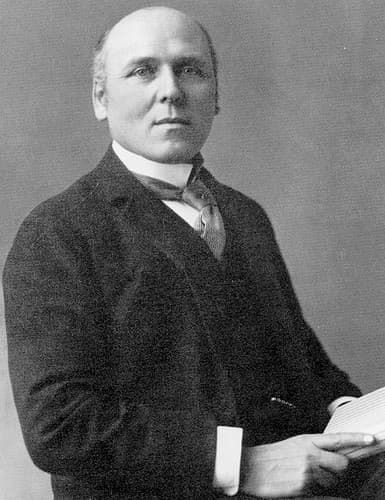
Howard Pyle was an American author and illustrator known for his contributions to children's literature in the late 19th and early 20th centuries. He is best known for his retellings of classic tales, including "The Story of King Arthur and His Knights" and "The Adventures of Robin Hood," which have become enduring works in the genre of adventure fiction.
Similar books
- Harry Potter and the Sorcerer's Stone
J.K. Rowling
4.5 (7M) average on GoodreadsFantasyRescued from a miserable life under the stairs, an orphaned boy discovers he's a wizard destined for a magical school, where he uncovers a dangerous secret tied to the dark wizard who murdered his parents.
- The Hunger Games
Suzanne Collins
4.3 (6.4M) average on GoodreadsFantasyIn a future where children fight to the death on live television, Katniss Everdeen volunteers for the arena, turning a death sentence into a fight for survival and a spark of rebellion.
- 1984
George Orwell
4.2 (3.1M) average on GoodreadsPoliticsIn a future where surveillance and thought control are absolute, a man's search for truth clashes with the Party, showing that hope can be a form of rebellion.
- Divergent
Veronica Roth
4.2 (2.9M) average on GoodreadsFantasyIn a society divided by virtues, a sixteen-year-old's difference from the norm starts a rebellion that threatens her world.
- The Hobbit, or There and Back Again
J.R.R. Tolkien
4.3 (2.9M) average on GoodreadsFantasyA comfort-loving hobbit named Bilbo Baggins is whisked away by a mischievous wizard and a band of dwarves on an unexpected journey to reclaim stolen treasure from a fearsome dragon, discovering courage and a magical ring along the way.
- Animal Farm
George Orwell
4.0 (2.7M) average on GoodreadsPoliticsA farm animals' rebellion against humans turns into a pig-led dictatorship, showing how power corrupts and revolutionary ideals are betrayed.






Enjoyed the summary?
A summary gives you the shape of the book. The book itself has the detail, the examples and the voice.
Find The Story of King Arthur and His Knights on AmazonAs an Amazon Associate, BookBrief earns from qualifying purchases. How we're funded