
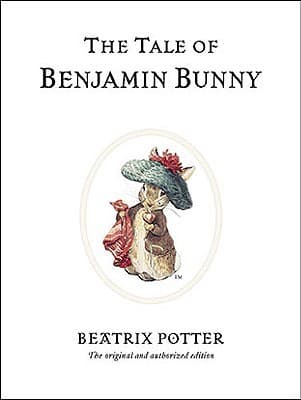
Synopsis
Covers the whole plot, including the ending.
- Difficulty
- Easy
- Pacing
- Moderate
- Mood
- Whimsical, Classic, Slightly Mischievous
- Read it if
- You enjoy classic children's stories with animal characters and gentle adventures.
- Skip it if
- You prefer modern children's books or dislike depictions of corporal punishment.
The Tale of Benjamin Bunny Plot Summary
Covers the whole plot, including the ending.
Benjamin's Bold Plan
The story starts with Benjamin Bunny, Peter Rabbit's cousin, sitting on a wall overlooking Mr. McGregor's garden. Peter Rabbit is still recovering from his last adventure there, where he lost his clothes. Benjamin is not scared by the danger and suggests they go back into the garden. He tells Peter that Mr. McGregor is away, riding in his gig with Mrs. McGregor. Benjamin is more careful than Peter. He gets a large onion, which he plans to use to scare off any threats. He then leads Peter to the garden gate, ready for their adventure.
Reclaiming Peter's Clothes
Inside Mr. McGregor's garden, Benjamin Bunny immediately sees Peter Rabbit's lost blue jacket and shoes on a scarecrow. Benjamin, always practical, helps Peter get his clothes back. They carefully take the jacket and shoes off the scarecrow. Peter is happy to have his things again, even though they are a bit wet from being outside. Getting Peter's lost items is the main reason for their return and their first successful, though risky, goal in the dangerous garden.
Feasting in the Garden
After getting Peter's clothes, Benjamin Bunny and Peter Rabbit decide to rest and enjoy the garden's bounty. They find a patch of lettuce and sit down to eat. Benjamin, showing his more experienced and relaxed approach to trespassing, slowly picks and eats the lettuce, telling Peter to do the same. They spend a long time eating, even becoming sleepy from their meal. This scene shows them briefly forgetting the garden's dangers, relaxed by the abundant food and Mr. McGregor's apparent absence.
The Arrival of the Cat
Their peaceful meal ends suddenly when a large, ginger cat appears. The cat, sensing prey, quickly corners Benjamin Bunny and Peter Rabbit. With fast movements, the cat pounces, trapping both bunnies under a large, overturned basket. The sudden attack leaves them no time to escape, and they are imprisoned. This terrifying encounter immediately changes the mood from a carefree adventure to one of immediate danger, reminding the young rabbits of the constant risks in Mr. McGregor's territory.
Trapped Under the Basket
Benjamin Bunny and Peter Rabbit are now completely trapped under the basket, with the large ginger cat patiently sitting on top. The cat, being clever, knows the bunnies cannot escape and settles in for a long wait. The two cousins must stay still and quiet, enduring the terrifying confinement for five long hours. During this time, Benjamin tries to comfort Peter and keep him calm, but the fear of what might happen is clear. The long captivity highlights the serious danger they are in.
Old Mr. Benjamin Bunny's Search
As the day goes on, Old Mr. Benjamin Bunny, Benjamin's father, worries about his son and nephew. He realizes they have been gone for a long time and thinks they might have gone into Mr. McGregor's garden. Concerned for their safety, he goes to find them. Old Mr. Benjamin Bunny is shown as a stronger, more experienced rabbit, carrying a switch (a small stick) and looking determined, suggesting he is ready to handle any trouble he finds. His search marks a turning point, as help is now coming.
The Rescue by Old Mr. Benjamin Bunny
Old Mr. Benjamin Bunny, finding the ginger cat on the basket, immediately understands the situation. Without hesitation, he boldly confronts the cat. He waves his switch and, with surprising fierceness for a rabbit, hits the cat, driving it away from the basket. Once the cat has run off, Old Mr. Benjamin Bunny quickly lifts the basket, freeing his son Benjamin and nephew Peter. The rescue is fast and clear, showing the father's bravery and quick thinking in protecting his family.
A Stern Lesson
Despite their relief at being free, Benjamin Bunny and Peter Rabbit are not out of trouble. Old Mr. Benjamin Bunny, still holding his switch, gives them a stern lesson. He uses the switch to lightly spank both Benjamin and Peter for their disobedience and for going into the dangerous garden. This punishment, though not severe, is a clear result of their actions and a reminder of the rules and dangers they ignored. It emphasizes parental authority and the need to listen to warnings.
The Onion Remedy
After their ordeal, Benjamin Bunny remembers the large onion he had picked at the start of their adventure. He suggests to Peter that they rub the onion on their clothes to remove the cat's lingering scent. They carefully rub the strong-smelling onion onto Peter's blue jacket and shoes, hoping to cover the smell that might attract other predators or simply be unpleasant. This small practical act shows Benjamin's continued cleverness and their wish to hide the evidence of their close call.
Homeward Bound
With Peter's clothes back, the cat smell somewhat covered, and a new lesson learned, Old Mr. Benjamin Bunny leads his son and nephew safely out of Mr. McGregor's garden. They climb back over the wall and go home. The trip back is quieter, with the two young rabbits surely humbled by their experience. The story ends with them safely back in their burrows, suggesting that while they escaped with their lives, the memory of the cat and the switch will likely stop them from future unauthorized visits to the dangerous garden, at least for a while.
Principal Figures
Benjamin Bunny
Protagonist
Peter Rabbit's adventurous and resourceful cousin.
Benjamin Bunny is a more cautious yet adventurous rabbit than Peter. He is resourceful, as shown by his idea to use an onion to deter the cat, and pragmatic, taking the lead in retrieving Peter's clothes. While he enjoys the thrill of trespassing, he also displays a degree of foresight, though it doesn't always prevent trouble. He is depicted as brave when confronting the cat, even though he ultimately gets trapped.
Relationships: Peter Rabbit (Cousin and adventure companion); Old Mr. Benjamin Bunny (Father and disciplinarian)
Peter Rabbit
Supporting
Benjamin's more timid cousin, still recovering from previous escapades.
Peter Rabbit is less enthusiastic about returning to Mr. McGregor's garden, likely due to his traumatic previous experience. He is more timid and relies on Benjamin's leadership. He is primarily driven by the desire to retrieve his lost clothes. While he enjoys the feast, he quickly succumbs to fear when the cat appears, highlighting his vulnerability and previous lessons not fully learned.
Relationships: Benjamin Bunny (Cousin and adventure companion); Old Mr. Benjamin Bunny (Uncle and disciplinarian)
Old Mr. Benjamin Bunny
Supporting
Benjamin's strict but protective father.
Old Mr. Benjamin Bunny is a stern but caring parent. He is observant and quickly deduces his son's whereabouts. He is brave and decisive, confronting the dangerous cat to rescue the young rabbits. His use of the switch to punish Benjamin and Peter shows his belief in discipline and teaching consequences, emphasizing the importance of obedience and safety. He acts as the ultimate authority figure.
Relationships: Benjamin Bunny (Son, whom he protects and disciplines); Peter Rabbit (Nephew, whom he also protects and disciplines)
Mr. McGregor
Mentioned
The formidable human owner of the dangerous vegetable garden.
Mr. McGregor is not physically present in this story but his presence looms large as the owner of the forbidden garden. He is known to be a threat to rabbits, having previously chased Peter and used his clothes as a scarecrow. His absence is what makes Benjamin's plan seem feasible, but his potential return is a constant underlying threat. He represents the overarching danger of the human world to the wild animals.
The Ginger Cat
Antagonist
A predatory cat that traps the bunnies in Mr. McGregor's garden.
The ginger cat is a cunning and patient predator. It silently stalks and traps Benjamin and Peter, demonstrating its natural hunting instincts. It patiently waits for hours, confident in its capture. The cat represents the immediate, animalistic danger within the garden, a force of nature that is indifferent to the bunnies' plight and solely focused on its own survival and hunger.
Themes & Insights
Consequences of Disobedience
The story shows what happens when rules and warnings are ignored. Benjamin and Peter, knowing the dangers of Mr. McGregor's garden from Peter's last time there, go back in anyway. Their adventure quickly turns into a terrifying time trapped under the cat, a direct result of their disobedience. Old Mr. Benjamin Bunny's punishment after this reinforces this theme, showing that breaking rules, even if exciting, leads to bad outcomes and parental disapproval. The fear and eventual spanking are direct consequences.
“Old Mr. Benjamin Bunny had a switch; and he not only administered it to Benjamin Bunny, but also to Peter Rabbit.”
Parental Authority and Protection
Old Mr. Benjamin Bunny shows parental authority and the instinct to protect. He actively looks for his missing son and nephew, showing his care. His brave fight with the cat highlights his role as a protector, saving the young rabbits from a terrible fate. However, his protection comes with strict discipline, as he punishes them for their recklessness. This shows that real parental guidance involves both keeping children safe and teaching them responsibility through consequences.
“Old Mr. Benjamin Bunny sat down beside them, and for five minutes he administered to Benjamin Bunny and Peter Rabbit a severe spanking.”
The Allure and Danger of Forbidden Places
Mr. McGregor's garden is like 'forbidden fruit' – a place of temptation and danger. For the rabbits, it offers good food and adventure, but also serious threats like Mr. McGregor (even if he's not there) and the predatory cat. Benjamin is drawn by the excitement and the bounty, despite knowing the risks. This theme explores the natural curiosity and desire for what is off-limits, comparing the initial excitement with the dangers that such ventures bring.
“But Peter was not very brave, as he was still sore from the previous adventure.”
Resourcefulness and Quick Thinking
Benjamin Bunny, in particular, shows cleverness throughout the story. He plans to enter the garden, identifies the onion as a possible deterrent, and later uses it to remove the cat's scent from their clothes. Even when trapped, he tries to stay calm. Old Mr. Benjamin Bunny also shows quick thinking and courage when he immediately confronts the cat after finding the trapped bunnies. These acts of ingenuity, though not always preventing trouble, are key for survival in their dangerous world.
“Benjamin Bunny found a large onion, and he rubbed it all over Peter Rabbit's blue jacket and shoes.”
Plot Devices & Literary Techniques
The Forbidden Garden
A setting that represents temptation and danger.
Mr. McGregor's garden serves as the central setting and a powerful plot device. It is a place of allure, offering delicious vegetables, but also a place of extreme peril, known for its human owner and predatory animals. It acts as the catalyst for the entire plot, drawing the characters in and creating the conflict. The garden embodies the 'forbidden fruit' trope, where the desire for its bounty leads to dangerous adventures and lessons learned.
The Lost Clothes
A tangible goal that drives the plot and connects to a previous story.
Peter Rabbit's lost blue jacket and shoes, previously taken by Mr. McGregor, serve as a clear objective for the bunnies' return to the garden. This device not only provides a concrete reason for their dangerous venture but also links this story directly to 'The Tale of Peter Rabbit,' providing continuity and a sense of Peter's ongoing consequences. Retrieving them offers a temporary sense of triumph before new dangers emerge.
The Switch
A symbol of parental authority and discipline.
Old Mr. Benjamin Bunny's switch is a significant symbol. Initially, it foreshadows his stern nature when he sets out to find the bunnies. Later, it becomes the instrument of punishment, representing the consequences of disobedience and the enforcement of parental rules. It is a simple yet effective device to convey the theme of discipline and the importance of heeding warnings, delivering a tangible, albeit mild, consequence for the young rabbits' actions.
The Ginger Cat
An immediate, animalistic antagonist representing natural danger.
The ginger cat acts as an immediate and terrifying antagonist, introducing sudden, life-threatening danger into the narrative. Unlike the more abstract threat of Mr. McGregor, the cat is a direct, physical predator. Its presence and actions create suspense and fear, highlighting the constant perils of the wild. The cat's patient waiting under the basket amplifies the tension and the feeling of helplessness for the trapped bunnies.
The Tale of Benjamin Bunny Quotes
“They took a little hand-basket, and started along the lane to Mr. McGregor's garden.”
“Peter was a sadder and a wiser rabbit after his adventure in Mr. McGregor's garden.”
“Peter did not feel comfortable in a garden at all.”
“He took a clean pocket-handkerchief out of his pocket, and tied up the bundle of onions.”
“It was just what they wanted to make Peter's clothes tidy.”
“They sat down on a flower-pot, and watched a large fat cat staring at some sparrows.”
“Presently a mouse crept out, and went sniffing about at the bottom of the flower-pot.”
“It was not Mr. McGregor; it was a cat!”
“Benjamin took off his little brown coat and spread it upon the top of the basket.”
“The cat sat upon the basket for five hours.”
“Old Mr. Bunny had a pipe and a big walking-stick.”
“He took a switch from a birch tree, and he half-thrashed, and half-whipped the cat.”
“Then he took out his son Benjamin, and Peter Rabbit. And he took them home.”
“Old Mr. Bunny unrolled the pocket-handkerchief, and spread it on the grass.”
Quiz
10 questions on the plot and the characters. Each answer comes with a short explanation.
Question 1
What item of clothing does Peter Rabbit lose in Mr. McGregor's garden at the beginning of 'The Tale of Benjamin Bunny'?
- His blue coat
- His brown shoes
- His red scarf
- His green hat
Show answer
A. His blue coat At the start of the story, Benjamin Bunny finds Peter Rabbit's lost blue coat and shoes, which Peter had lost during his previous adventure in Mr. McGregor's garden.
Question 2
Who is Benjamin Bunny's cousin, with whom he ventures into Mr. McGregor's garden?
- Flopsy Bunny
- Mopsy Bunny
- Peter Rabbit
- Cottontail Bunny
Show answer
C. Peter Rabbit The story explicitly states that Benjamin Bunny is Peter Rabbit's cousin, and they embark on their adventure into Mr. McGregor's garden together.
Question 3
What is the primary motivation for Benjamin Bunny and Peter Rabbit entering Mr. McGregor's garden?
- To steal radishes and other vegetables
- To retrieve lost gardening tools
- To play hide-and-seek
- To find a new home
Show answer
A. To steal radishes and other vegetables Benjamin Bunny's initial plan is to retrieve Peter's lost clothes, but once inside, their main activity becomes filling a pocket handkerchief with onions and eating radishes.
Question 4
What type of animal traps Benjamin and Peter under a basket in Mr. McGregor's garden?
- A dog
- A fox
- A cat
- An owl
Show answer
C. A cat While hiding, a large cat spots them and sits on the basket, trapping Benjamin and Peter underneath for five hours.
Question 5
What does Benjamin Bunny use to escape the cat's vigilance and allow him and Peter to get out from under the basket?
- He digs a tunnel under the basket.
- He throws an onion at the cat.
- He calls for help from his father.
- He waits for Mr. McGregor to chase the cat away.
Show answer
B. He throws an onion at the cat. Benjamin Bunny cleverly throws onions from his handkerchief at the cat, causing it to move and allowing them to escape.
Question 6
Who intervenes to rescue Benjamin and Peter from the cat and then punishes them for their mischief?
- Mrs. Rabbit
- Mr. McGregor
- Old Mr. Benjamin Bunny
- A passing farmer
Show answer
C. Old Mr. Benjamin Bunny Benjamin's father, Old Mr. Benjamin Bunny, arrives, scares off the cat, and then whips both Peter and Benjamin with a switch for their disobedience.
Question 7
What specific punishment does Old Mr. Benjamin Bunny inflict upon Benjamin and Peter for their visit to Mr. McGregor's garden?
- He makes them clean the entire burrow.
- He sends them to bed without supper.
- He whips them with a switch.
- He locks them out of the burrow for the night.
Show answer
C. He whips them with a switch. Old Mr. Benjamin Bunny takes a switch and administers a good whipping to both mischievous bunnies as punishment for their adventure.
Question 8
What does Benjamin Bunny retrieve from the garden that Peter Rabbit had lost previously?
- His gardening trowel
- His blue coat and shoes
- A basket of carrots
- A toy drum
Show answer
B. His blue coat and shoes Benjamin's initial purpose for going to Mr. McGregor's garden was to find Peter's blue jacket and shoes, which he successfully retrieves.
Question 9
The theme of 'disobedience and its consequences' is central to 'The Tale of Benjamin Bunny'. How does this theme manifest through Old Mr. Benjamin Bunny's actions?
- He warns them but takes no further action.
- He encourages their adventurous spirit.
- He physically punishes them for their trespass.
- He sends them to live with another family.
Show answer
C. He physically punishes them for their trespass. Old Mr. Benjamin Bunny's severe physical punishment of Benjamin and Peter directly reinforces the theme that disobedience to rules (like staying out of Mr. McGregor's garden) leads to unpleasant consequences.
Question 10
What specific item do Benjamin and Peter use to carry the onions they gather in Mr. McGregor's garden?
- A small sack
- Peter Rabbit's lost blue coat
- A pocket handkerchief
- A wheelbarrow
Show answer
C. A pocket handkerchief Benjamin Bunny fills a red spotted pocket handkerchief with onions to take home, which later proves useful in their escape from the cat.
The Tale of Benjamin Bunny FAQ
What is the main premise of 'The Tale of Benjamin Bunny'?
The story follows Peter Rabbit and his cousin, Benjamin Bunny, as they venture into Mr. McGregor's garden to retrieve Peter's lost clothes. Their adventure is complicated by the presence of a large cat and the eventual intervention of Benjamin's father, Old Mr. Benjamin Bunny.
Who are the primary characters in the story?
The main characters are Benjamin Bunny, a cautious but adventurous rabbit, and his cousin Peter Rabbit, who is still recovering from his previous escapade in Mr. McGregor's garden. Other notable characters include Old Mr. Benjamin Bunny, Benjamin's father, and Mr. McGregor's cat.
What is the primary motivation for Benjamin and Peter's trip into Mr. McGregor's garden?
Their main motivation is to retrieve Peter Rabbit's blue jacket and shoes, which he lost during his previous escape from Mr. McGregor in 'The Tale of Peter Rabbit'. Benjamin's initial plan to retrieve the clothes is quite clever, involving an onion.
How do Benjamin and Peter escape the cat in the garden?
They hide under an overturned basket, which the cat then sits on for five hours. They are eventually rescued by Old Mr. Benjamin Bunny, who traps the cat under the basket and then punishes the two young rabbits.
What is the role of Old Mr. Benjamin Bunny in the story?
Old Mr. Benjamin Bunny acts as a stern but ultimately protective figure. He rescues Peter and Benjamin from the cat and then disciplines them with a switch, teaching them a lesson about obedience and the dangers of trespassing.
How does this story connect to 'The Tale of Peter Rabbit'?
'The Tale of Benjamin Bunny' is a direct sequel, picking up shortly after Peter's initial misadventure. The plot revolves around retrieving the clothes Peter lost in Mr. McGregor's garden during his first visit, making it essential to understanding the continuity of Peter's character arc.
What significant item does Benjamin Bunny bring with him into the garden?
Benjamin brings a large onion, which he plans to use as a deterrent for any potential threats. He also suggests using it to rub on Peter's eyes to make him cry, which would then make Mr. McGregor think Peter had a cold.
What happens to Peter's clothes after they are retrieved?
Old Mr. Benjamin Bunny uses Peter's recovered jacket and shoes to carry the onions he picked from the garden. This practical use of the clothing emphasizes the frugal and resourceful nature of the rabbit family.
Are there any subtle clues about Mr. McGregor's absence from the garden during the rabbits' visit?
The story mentions that Mr. McGregor is away from home, which is why the garden is unguarded except for the cat. This detail is crucial for Benjamin and Peter's ability to enter and spend so much time there without direct human intervention, making the cat their primary antagonist.
How does Benjamin Bunny's personality contrast with Peter Rabbit's?
Benjamin is depicted as more cautious and strategic than Peter. He plans their entry and exit, and his initial fear of the cat suggests a more developed sense of self-preservation, while Peter often acts impulsively.
What psychological lessons are taught through Old Mr. Benjamin Bunny's discipline?
His actions teach the consequences of disobedience and trespassing. The physical discipline, while common in children's literature of the era, reinforces the idea that breaking rules leads to unpleasant outcomes and parental intervention for safety.
How does the shared experience of being trapped under the basket affect Benjamin and Peter?
Being trapped together under the basket for five hours likely strengthens their bond and shared understanding of danger. It's a prolonged period of suspense and vulnerability that highlights their reliance on each other and their eventual rescuer.
What does the cat symbolize in the story?
The cat symbolizes an ever-present, silent danger in the wild, representing a natural predator that is a constant threat to small animals. Its patience and size make it a formidable, almost insurmountable, obstacle for the young rabbits.
Is the ending, where Old Mr. Benjamin Bunny punishes the rabbits, considered controversial today?
Yes, the depiction of physical discipline, like Old Mr. Benjamin Bunny using a switch, is viewed differently in modern children's literature. While historically common, it can be seen as outdated or problematic by contemporary standards, sparking discussions about parenting styles and appropriate consequences.
What is the broader message about childhood adventure and risk-taking in the book?
The book suggests that while adventure is exciting and a natural part of childhood, it comes with inherent risks and consequences. It subtly advocates for a balance between curiosity and caution, and the importance of respecting boundaries and authority figures.
How does the garden itself function as a setting in the narrative?
The garden is a dual symbol: it represents both temptation and danger. It holds desirable food and Peter's lost clothes, but it is also a perilous place filled with potential threats like Mr. McGregor and his cat, making it an arena for their escapades and lessons.
What is the significance of the onion that Benjamin uses?
The onion serves multiple purposes: as a potential weapon or deterrent against the cat, a tool for deception (to make Peter cry), and ultimately as a valuable harvest item. It highlights Benjamin's resourcefulness and the practical use of garden produce.
About the author
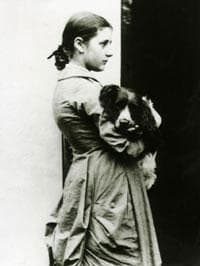
Helen Beatrix Potter was an English writer, illustrator, natural scientist, and conservationist. She is best known for her children's books featuring animals, such as The Tale of Peter Rabbit, which was her first published work in 1902. Her books, including 23 Tales, have sold more than 250 million copies. An entrepreneur, Potter was a pioneer of character merchandising. In 1903, Peter Rabbit was the first fictional character to be made into a patented stuffed toy, making him the oldest licensed character.
Similar books
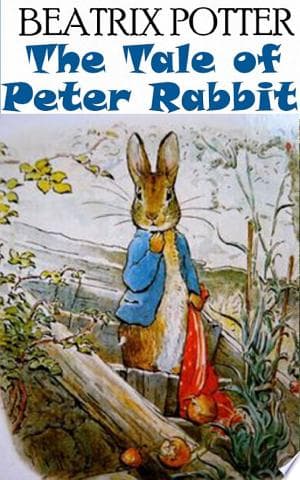
- The Tale of Peter Rabbit
Beatrix Potter
4.2 (207k) average on GoodreadsFantasyDirect prequel, same characters and setting, similar tone.
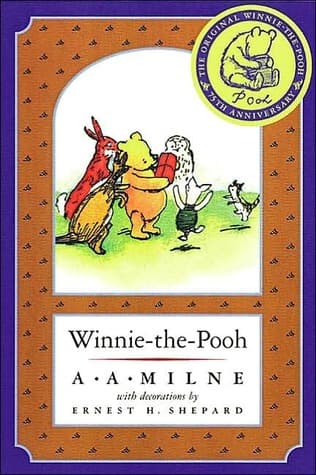
- Winnie-the-Pooh
A.A. Milne
4.3 (270k) average on GoodreadsFantasyMilne's stories explore friendship, imagination, and gentle humor through a more overtly fantastical and whimsical lens, often with less direct physical peril. Potter's 'Benjamin Bunny' grounds its fantasy in a more realistic setting, where dangers (like Mr. McGregor or the cat) are palpable and consequences for actions are more immediate and tangible, making the lessons learned more concrete.
- Harry Potter and the Sorcerer's Stone
J.K. Rowling
4.5 (7M) average on GoodreadsFantasyRescued from a miserable life under the stairs, an orphaned boy discovers he's a wizard destined for a magical school, where he uncovers a dangerous secret tied to the dark wizard who murdered his parents.
- The Hunger Games
Suzanne Collins
4.3 (6.4M) average on GoodreadsFantasyIn a future where children fight to the death on live television, Katniss Everdeen volunteers for the arena, turning a death sentence into a fight for survival and a spark of rebellion.
- 1984
George Orwell
4.2 (3.1M) average on GoodreadsPoliticsIn a future where surveillance and thought control are absolute, a man's search for truth clashes with the Party, showing that hope can be a form of rebellion.
- Divergent
Veronica Roth
4.2 (2.9M) average on GoodreadsFantasyIn a society divided by virtues, a sixteen-year-old's difference from the norm starts a rebellion that threatens her world.




Enjoyed the summary?
A summary gives you the shape of the book. The book itself has the detail, the examples and the voice.
Find The Tale of Benjamin Bunny on AmazonAs an Amazon Associate, BookBrief earns from qualifying purchases. How we're funded