

Synopsis
Covers the whole plot, including the ending.
- Difficulty
- Medium
- Pacing
- Moderate
- Mood
- Reflective, Witty, Melancholy, Tender, Fierce
- Read it if
- You appreciate poignant, character-driven literary fiction, enjoy exploring contemporary Native American experiences beyond stereotypes, and are drawn to stories that blend humor with raw emotional honesty.
- Skip it if
- You prefer linear narratives with a single overarching plot, or are uncomfortable with stories that tackle difficult themes like racism, addiction, and cultural displacement.
The Toughest Indian in the World Plot Summary
Covers the whole plot, including the ending.
The Toughest Indian in the World
The collection begins with the title story, where a Spokane Indian journalist, living in the city away from his reservation, picks up a Native American hitchhiker. The hitchhiker, a Lummi boxer named Seymour, wants to find and fight 'the toughest Indian in the world.' As they drive, Seymour challenges the journalist's ideas about Native identity and masculinity. The journalist, at first resistant, becomes interested in Seymour's honest world. Their talk covers strength, tradition, and what it means to act 'Indian' today. The meeting makes the journalist face his own distance from his heritage and the complexities of being a modern Native man.
Assimilation
In 'Assimilation,' a Spokane Indian son, Junior, deals with his diabetic father's hospital stay. The story shows Junior's thoughts as he cleans his father's house, finding hidden Hershey Kisses—a sign of his father's struggles with his illness and his endearing, yet unhealthy, habits. Junior thinks about his father's life, his strength, and how he showed both traditional Spokane values and the pressures of assimilation. The story explores family love, illness, and the complex legacy passed down through generations. It shows the daily realities of reservation life and its effect on people.
Flight
'Flight' tells about a separated interracial couple, a Spokane Indian man and a white woman, who reunite and face their feelings after a car accident. Separated by the chaos and the arrival of emergency services, they feel fear, concern for each other, and a reawakening of their bond. The accident helps them drop their emotional defenses and reminds them of the deep love still between them despite past problems. The story explores reconciliation, the fragility of life, and the lasting power of connection across cultures.
The Sin Eaters
In 'The Sin Eaters,' a white drifter named Harlan robs an International House of Pancakes. He asks for a dollar from each customer and 'someone to love.' Among the surprised customers is an overweight Spokane Indian man, whom Harlan calls 'Salmon Boy.' This strange meeting turns into an even stranger friendship, as Harlan and Salmon Boy travel together. The story explores loneliness, finding connections in unexpected places, and how human relationships can be random. It is a dark but tender story about two outsiders finding comfort together in an absurd world.
Dear John Wayne
'Dear John Wayne' features a Spokane Indian writer who feels conflicted about his identity and the common, often harmful, stereotypes of Native Americans from Hollywood, especially John Wayne. The writer thinks about his own 'Indianness' and the expectations placed on him by both Native and non-Native communities. He considers the irony of being an educated, successful Native American who still feels the burden of historical misrepresentation. The story is about storytelling, the power of media, and the ongoing struggle for real representation and self-definition after colonialism.
The Approximate Size of My Favorite Tumor
'The Approximate Size of My Favorite Tumor' follows James, a Spokane Indian man, as he faces a terminal cancer diagnosis with dark humor and deep love for his family. He jokes about his 'favorite tumor' and uses humor to cope, often annoying and amusing his wife and children. The story explores how illness affects a family, how people deal with grief and loss, and the strength found in shared experiences and cultural traditions. It shows the strength of the human spirit and lasting family bonds when facing death.
The First Indian on the Moon
'The First Indian on the Moon' presents a story about a Native American astronaut, a Spokane man, who becomes the first Indian to walk on the moon. From the moon, he thinks about his journey, his identity, and the deep isolation he feels, both physically and culturally. Despite his achievement, he remains connected to his earthly roots and the Spokane reservation. The story uses space travel to explore displacement, the desire for belonging, and the unique view of a Native person looking at the world from afar, showing the lasting pull of heritage.
The Private Life of a Public Man
'The Private Life of a Public Man' looks at the life of a famous Native American actor. Despite his success in Hollywood, he feels disconnected and watched. He struggles with the public seeing him as a symbol of his people, while privately fighting his own insecurities and desires. The story explores the pressures of fame, the burden of representation, and the difficulty of keeping a personal identity when constantly seen by the public. It comments on how Native identity is used for profit and the challenges for those who become successful in the mainstream while staying connected to their culture.
Indian Killer
'Indian Killer' (a short story in this collection, not Alexie's novel of the same name) follows a Native American man who becomes a vigilante, targeting white men to get revenge for historical wrongs and personal pain. The story explores the psychological effects of racism and cultural oppression, showing the character's descent into madness as he tries to regain power and control through extreme actions. It is a raw story about anger, historical pain, and the desperate search for justice in a world that often denies it to marginalized communities.
The Loneliest Road in America
'The Loneliest Road in America' features two Spokane Indian men on a road trip. They want to escape their daily lives and also confront unspoken tensions and shared histories. As they drive through empty areas, their conversations range from funny stories to deep thoughts about their lives, their tribe, and their place in the world. The journey shows their individual and collective searches for meaning and belonging. The story explores male friendship, the weight of cultural expectations, and the bittersweet reality of living as modern Native Americans, often feeling lost between two worlds.
The Toughest Indian in the World Characters
The Journalist (Unnamed)
Protagonist
A Spokane Indian journalist grappling with his urbanized identity and reservation roots.
The journalist in the title story, 'The Toughest Indian in the World,' serves as an entry point for the reader into the complex world of modern Native identity. He's educated, successful in a mainstream career, and lives in the city, often feeling detached from traditional Spokane life. His encounter with Seymour forces him to examine his own 'Indianness,' his masculinity, and the performance of cultural identity. He's initially skeptical and somewhat jaded but undergoes a subtle shift as he confronts his own biases and longing for connection.
Relationships: Seymour (mentor/challenger); Other Native Americans (complex relationship with communal identity)
Seymour
Supporting
A Lummi boxer on a quest to find and fight 'the toughest Indian in the world.'
Seymour is a charismatic and enigmatic Lummi boxer, a hitchhiker who embodies a raw, unapologetic form of Native masculinity. He is driven by a singular, almost mythical quest to prove himself against 'the toughest Indian.' Seymour challenges the journalist's intellectualized understanding of identity with his physical, visceral approach to life. He represents a form of traditional strength and resilience, albeit one filtered through a modern, sometimes confrontational lens. His presence forces others to confront their own definitions of power and heritage.
Relationships: The Journalist (philosophical sparring partner); His opponents (adversaries in his quest)
Junior
Protagonist
A Spokane son caring for his ailing father and reflecting on his family's legacy.
Junior, from 'Assimilation,' is a devoted son deeply affected by his father's diabetes and impending death. He's observant, introspective, and carries the weight of his family's history and the challenges of reservation life. His actions, like cleaning his father's house and disposing of the Hershey Kisses, are imbued with love, frustration, and a poignant understanding of his father's flaws and strengths. Junior represents the younger generation grappling with the physical and cultural ailments inherited from their elders.
Relationships: His Father (loving but complicated son-father bond); His Mother (supportive son-mother bond)
The Father (Assimilation)
Supporting
A diabetic Spokane man whose struggles symbolize the generational impact of assimilation.
Junior's father in 'Assimilation' is largely seen through Junior's memories and observations. He is a diabetic man, embodying the health crises prevalent on reservations, but also a figure of quiet resilience and love. His hidden Hershey Kisses are a tragicomic symbol of his ongoing battle with his illness and perhaps a small rebellion against the strictures of his condition. He represents the older generation, carrying the weight of cultural history and personal struggles, yet still deeply loved by his family.
Relationships: Junior (loving father to his son); His Wife (enduring marital bond)
Harlan
Protagonist
A white drifter who robs an IHOP and seeks love and connection.
Harlan, the protagonist of 'The Sin Eaters,' is an eccentric white drifter who commits a bizarre robbery, demanding not money from the till but a dollar from each customer and 'someone to love.' He is lonely, unconventional, and desperately seeking human connection. His actions are absurd, yet they stem from a profound yearning. He represents the universal human need for belonging, regardless of background, and his encounter with Salmon Boy leads him on an unexpected path of friendship.
Relationships: Salmon Boy (unlikely friend and travel companion); IHOP customers (victims/witnesses of his unusual act)
Salmon Boy
Supporting
An overweight Spokane Indian man who becomes Harlan's unlikely companion.
Salmon Boy is the Spokane Indian man Harlan dubs after the IHOP robbery. He is initially a passive participant in Harlan's escapade but becomes an active and willing companion. His quiet demeanor and willingness to follow Harlan's strange lead suggest a deeper yearning for something beyond his routine life. He represents the unexpected connections that can form between disparate individuals and the possibility of finding adventure and meaning in the most unusual circumstances. His nickname is a playful nod to traditional Native culture.
Relationships: Harlan (unlikely friend and travel companion)
James
Protagonist
A Spokane man facing terminal cancer with humor and love for his family.
James, from 'The Approximate Size of My Favorite Tumor,' is a Spokane Indian man diagnosed with terminal cancer. He confronts his impending death with a remarkable blend of dark humor, resilience, and deep affection for his wife and children. His ability to joke about his 'favorite tumor' is a coping mechanism that allows him to maintain dignity and connection in the face of suffering. He embodies the strength and spirit often found in Alexie's Native characters, using wit to navigate profound pain and love to sustain his family.
Relationships: His Wife (loving and supportive marital bond); His Children (devoted father)
The Native American Astronaut
Protagonist
The first Indian on the moon, experiencing profound alienation and cultural longing.
In 'The First Indian on the Moon,' this unnamed Spokane astronaut achieves an unprecedented feat but finds himself profoundly alienated in space. His reflections from the moon's surface are less about scientific achievement and more about his cultural identity, his reservation home, and the vast distance between his physical location and his spiritual roots. He symbolizes the experience of being caught between worlds, an outsider even in a place where no one else has been, highlighting the enduring pull of heritage.
Relationships: His Tribe/Reservation (deep, spiritual connection); Humanity (observer from afar)
The Native American Actor
Protagonist
A famous Spokane actor struggling with fame, identity, and tribal expectations.
The protagonist of 'The Private Life of a Public Man' is a successful Native American actor in Hollywood. Despite his fame and wealth, he feels a profound sense of isolation and the burden of representing his entire people. He struggles with the public's idealized or stereotypical view of him versus his complex private self. He embodies the challenges of navigating mainstream success while maintaining authenticity to one's cultural background, often feeling like a commodity or a symbol rather than an individual.
Relationships: His Family/Tribe (complex relationship with cultural expectations); The Public (object of scrutiny and projection)
The Toughest Indian in the World Themes
Identity and the 'Toughest Indian' Archetype
A main theme is the complex and often conflicted nature of Native American identity today. Alexie explores how 'Indianness' is shown, seen, and truly lived, challenging simple stereotypes. In the title story, the journalist and Seymour discuss what makes an 'Indian' tough, looking beyond physical strength to include resilience, cultural knowledge, and emotional strength. Characters like the journalist, the actor, and the astronaut deal with balancing traditional heritage with urban life, fame, or extraordinary achievements, always questioning what is real.
“I’m looking for the toughest Indian in the world,” Seymour said. “I’m looking for the one who can beat me.”
The Weight of History and Stereotypes
Alexie often addresses the lasting effects of historical trauma, colonialism, and common stereotypes of Native Americans in media and society. Stories like 'Dear John Wayne' directly confront the harmful legacy of Hollywood's portrayal of Indigenous peoples, making characters reconcile their personal identities with these external narratives. The 'Indian Killer' story, though dark, explores the anger and desperation that can come from centuries of injustice and misrepresentation, showing the psychological toll of such historical burdens on individuals.
“I’m tired of being an Indian,” he said. “I’m tired of being a symbol.”
Family, Love, and Loss
Despite difficult circumstances, the collection shows moving portrayals of family love and the bonds that support people through hardship. 'Assimilation' captures the bittersweet love between a son and his ailing father, full of unspoken understanding and shared history. 'The Approximate Size of My Favorite Tumor' shows a husband's and father's lasting love when facing terminal illness, using humor to show his affection. These stories emphasize the strength of families and the deep effect of love in dealing with life's losses.
“He knew he loved his father more than anything, even if his father was killing himself with Hershey Kisses.”
Loneliness and the Search for Connection
Many characters in Alexie's stories feel deep loneliness and a strong desire for connection, often in unexpected places. Harlan, the drifter in 'The Sin Eaters,' literally asks for 'someone to love' during a robbery, leading to an unlikely friendship with Salmon Boy. The Native American astronaut feels intense isolation even on the moon, longing for the familiarity of home and community. This theme shows the universal human need for belonging and companionship, often found in unusual pairings or through shared vulnerability.
““I just want somebody to love,” Harlan said, and it sounded like the saddest thing in the world.”
Humor as a Coping Mechanism
Alexie uses dark humor and wit to discuss difficult themes such as illness, death, and cultural trauma. James in 'The Approximate Size of My Favorite Tumor' jokes about his cancer to cope with his impending death and to ease his family's pain. The absurd premise of Harlan's IHOP robbery in 'The Sin Eaters' offers humor while showing deeper emotional truths. This use of humor lets characters keep their dignity, connect with others, and find moments of lightness amidst suffering, showing a common coping strategy in many Native cultures.
““My favorite tumor is about the size of a grapefruit,” James said, and his wife sighed, a familiar sound.”
Plot Devices & Literary Techniques
Interconnected Short Stories
A collection of distinct narratives that collectively explore overarching themes and character types.
Alexie utilizes the short story collection format, where each story stands alone but often features recurring themes, character archetypes (e.g., the Spokane Indian writer, the estranged father, the urban Indian), and sometimes even loosely connected narrative threads or settings. This allows for a multifaceted exploration of Native American identity, reservation life, and the broader human condition from various angles, without being confined to a single continuous plot. The cumulative effect builds a richer, more nuanced understanding of Alexie's world and concerns.
First-Person Narration (Multiple Perspectives)
Stories told from various character viewpoints, offering intimate access to their thoughts and feelings.
Many of Alexie's stories employ first-person narration, but from different characters across the collection. This device provides immediate, intimate access to the protagonists' internal struggles, biases, and unique perspectives. For example, the journalist's voice in the title story or Junior's reflections in 'Assimilation' allow readers to deeply empathize with their specific experiences, whether grappling with cultural identity, familial love, or existential angst. This multiplicity of voices creates a diverse and authentic representation of the Native American experience.
Symbolism (Hershey Kisses, John Wayne)
Everyday objects and cultural figures imbued with deeper meaning.
Alexie frequently uses symbolism to enrich his narratives. In 'Assimilation,' the hidden Hershey Kisses symbolize the father's struggle with his illness, his small acts of rebellion, and the bittersweet nature of his love. In 'Dear John Wayne,' the iconic cowboy actor represents the pervasive and often damaging stereotypes of Native Americans in popular culture. These symbols are not merely decorative but serve as powerful shorthand for complex ideas, cultural critiques, and emotional states, allowing for layers of interpretation within the stories.
Magical Realism/Speculative Elements
Incorporation of fantastical or improbable elements into realistic settings.
While largely grounded in realism, some stories introduce elements of magical realism or speculation. 'The First Indian on the Moon' is a prime example, taking a fantastical premise (a Native American astronaut) to explore very real themes of alienation, cultural identity, and longing for home. This device allows Alexie to push beyond conventional boundaries, using the extraordinary to illuminate profound truths about the human and Native American experience, creating a unique blend of the mundane and the mythical.
Dark Humor and Irony
The use of wit and sarcasm to address serious or painful subjects.
Alexie's signature use of dark humor and irony is a prominent plot device. Characters often employ sarcasm, self-deprecating jokes, or absurd situations to cope with hardship, injustice, or the bleak realities of their lives. James's jokes about his 'favorite tumor' or Harlan's demand for 'someone to love' during a robbery are examples. This humor serves not only as a coping mechanism for characters but also as a way for Alexie to critique societal norms, highlight absurdities, and engage readers in complex issues without resorting to pure tragedy.
The Toughest Indian in the World Quotes
“I am a reservation Indian, and that is all I am, and all I will ever be.”
“The toughest Indian in the world is the one who survives.”
“We are all wounded, but some of us are better at hiding it.”
“Love is a foreign country, and I don't have a passport.”
“Stories are the only things that save us.”
“I wanted to be a warrior, but I became a journalist instead.”
“The white man's world is a ghost that haunts us all.”
“We dance to remember what we cannot forget.”
“Sometimes, the only way to heal is to bleed.”
“I am a ghost in my own life, watching from the sidelines.”
“The reservation is a beautiful prison.”
“We are all searching for a map to a place that no longer exists.”
“Laughter is the sharpest knife we have.”
“I carry my ancestors in my bones, and they are heavy.”
Quiz
10 questions on the plot and the characters. Each answer comes with a short explanation.
Question 1
In the title story, what is the hitchhiker's profession?
- A journalist
- A boxer
- A drifter
- A diabetic patient
Show answer
B. A boxer In 'The Toughest Indian in the World,' the hitchhiker is a Lummi boxer who is seeking to challenge the toughest Indian in the world, which drives the story's central conflict and themes of identity and resilience.
Question 2
What does the Spokane son do with the Hershey Kisses his diabetic father has hidden?
- Eats them himself
- Saves them for his father's return
- Tosses them out
- Donates them to a hospital
Show answer
C. Tosses them out The son tosses out the Hershey Kisses to protect his father from the health risks of diabetes, illustrating themes of care, family bonds, and the struggles of modern Indigenous life.
Question 3
What does the white drifter demand during the International House of Pancakes robbery?
- All the money in the register
- A free meal for everyone
- A dollar per customer and someone to love
- To speak to the manager
Show answer
C. A dollar per customer and someone to love The drifter's unusual demand highlights the story's exploration of loneliness, connection, and the search for meaning, culminating in him leaving with $42 and an overweight Indian he names Salmon Boy.
Question 4
Which theme is most prominently explored through the interracial couple's story?
- Economic hardship
- Rediscovery of love amidst crisis
- Political activism
- Cultural assimilation
Show answer
B. Rediscovery of love amidst crisis The estranged couple, separated in a traffic accident, rediscovers their love, embodying Alexie's focus on love stories that transcend racial and personal divides.
Question 5
What is the primary setting for many of the stories in this collection?
- Rural reservations only
- Urban environments and cities
- Historical battlefields
- International locations
Show answer
B. Urban environments and cities Alexie often sets stories in urban areas to depict contemporary Indigenous experiences, moving beyond stereotypes of reservation life to show characters navigating jobs, relationships, and daily struggles in cities.
Question 6
How does Sherman Alexie characterize the American Indians in this book, as described in the summary?
- As mythical figures from folklore
- As people who pay bills, hold jobs, and experience love
- As solely political activists
- As characters from historical epics
Show answer
B. As people who pay bills, hold jobs, and experience love Alexie portrays Indigenous characters in everyday, relatable contexts—dealing with finances, work, and personal relationships—to challenge stereotypical representations and highlight their humanity.
Question 7
In the context of the book, what does the 'toughest Indian' symbolize?
- A literal boxing champion
- The resilience and struggles of Indigenous identity
- A government policy
- A type of traditional food
Show answer
B. The resilience and struggles of Indigenous identity The 'toughest Indian' serves as a metaphor for the endurance, challenges, and complexities faced by Indigenous people in modern America, woven through various stories in the collection.
Question 8
What role does the Spokane Indian journalist play in the title story?
- He is the boxer challenging others
- He picks up the hitchhiker and drives the narrative
- He is the diabetic father in the hospital
- He is the white drifter robbing the pancake house
Show answer
B. He picks up the hitchhiker and drives the narrative The journalist, transplanted from the reservation to the city, serves as the protagonist who encounters the hitchhiker, facilitating a story that explores themes of connection, identity, and cultural displacement.
Question 9
Which literary device is frequently used by Alexie to blend humor with serious themes in these stories?
- Satire
- Irony
- Alliteration
- Onomatopoeia
Show answer
B. Irony Alexie employs irony to juxtapose humorous situations with deeper issues like loneliness, love, and cultural conflict, as seen in stories like the pancake house robbery or the hitchhiker's quest.
Question 10
What is the significance of the name 'Salmon Boy' given by the drifter?
- It references a traditional Spokane legend about transformation
- It is a nickname for a famous boxer
- It describes the character's diet
- It is a term for a homeless person
Show answer
A. It references a traditional Spokane legend about transformation 'Salmon Boy' alludes to Indigenous folklore, where a boy turns into a salmon, symbolizing themes of identity, change, and connection to nature—key elements in Alexie's exploration of cultural heritage.
The Toughest Indian in the World FAQ
What is 'The Toughest Indian in the World' about?
This collection of short stories explores contemporary Native American life through characters who navigate urban settings, relationships, and cultural identity. Stories include a Spokane journalist picking up a Lummi boxer hitchhiker, a son caring for his diabetic father by removing hidden candy, and an interracial couple reconnecting after a traffic accident.
Why should I read 'The Toughest Indian in the World'?
Alexie presents nuanced portrayals of modern Native Americans rarely seen in literature—people with jobs, bills, and complex relationships. The stories blend humor, tenderness, and raw emotion while examining love across racial lines, generational divides, and cultural dislocation with remarkable passion.
What is the background/setting of 'The Toughest Indian in the World'?
Stories are set in contemporary urban and reservation environments in the Pacific Northwest, primarily focusing on Spokane and Lummi characters. Settings range from city apartments and highways to hospitals and diners like the International House of Pancakes, reflecting the intersection of traditional and modern Native life.
What are the most memorable quotes?
While specific quotes vary by edition, Alexie's sharp observations about identity resonate throughout, such as descriptions of 'the kind of American Indians who pay their bills' or the poignant moments when characters confront love and loss. The title story's dialogue about what makes 'the toughest Indian' carries particular weight.
What writing style does Sherman Alexie use?
Alexie employs a direct, conversational style blending wit with emotional depth, often using dark humor and surreal elements. His prose is accessible yet poetic, moving seamlessly between realistic dialogue and metaphorical imagery, as seen in the drifter renaming someone 'Salmon Boy' during a pancake house robbery.
What minor details add significant meaning?
Small gestures carry deep cultural and emotional weight, like the son tossing out his diabetic father's hidden Hershey Kisses—symbolizing both care and the erosion of tradition through processed food. The hitchhiker's boxing aspirations subtly critique stereotypes of Native physicality.
What are some subtle foreshadowing moments?
In the traffic accident story, the couple's initial separation hints at deeper emotional fractures they must overcome. The journalist's hesitation before picking up the hitchhiker foreshadows the journey's transformative impact on his understanding of identity and connection.
What unexpected character connections exist?
Characters often bridge unlikely divides, such as the white drifter and the overweight Indian he names Salmon Boy forming a bond during a robbery. The interracial couple's accident forces them to confront their cultural differences in unexpected, intimate ways.
What are unspoken character motivations?
The Spokane journalist seeks connection to his heritage through the hitchhiker, while the father hiding candy represents a clinging to small pleasures amid health decline. The Lummi boxer's quest for 'the toughest Indian' masks a deeper search for validation and purpose.
What psychological complexities do characters exhibit?
Characters grapple with dual identities—urban professionals still tied to reservation roots, like the journalist feeling displaced. The diabetic father's secretive candy habit reveals the tension between autonomy and care, while the interracial couple navigates love complicated by cultural misunderstandings.
What are the major emotional turning points?
Key moments include the son's realization of his father's vulnerability while discarding candy, the hitchhiker and journalist's shared vulnerability on the road, and the couple's reconciliation after the accident. The pancake house robbery ends with an unexpected connection between robber and victim.
How do relationship dynamics evolve?
Relationships transform through crisis and quiet moments: parent-child bonds shift from dependency to mutual care, romantic love is tested and renewed through accidents, and strangers like the drifter and Salmon Boy forge brief but meaningful alliances that challenge social boundaries.
Which parts remain ambiguous or open-ended?
The fate of characters like the Lummi boxer after his quest is left uncertain, inviting reflection on what 'toughness' truly means. The drifter's relationship with Salmon Boy ends ambiguously, leaving their connection's depth open to interpretation.
What are controversial scenes or decisions?
The pancake house robbery walks a fine line between absurdity and commentary on desperation and connection. Some readers debate whether the interracial couple's reconciliation glosses over real cultural tensions or authentically portrays love's complexity.
'The Toughest Indian in the World' ending explained: how it ends & what it means
The collection ends without a single resolution, reflecting the ongoing nature of its characters' lives. Final stories emphasize that love and identity are continuous struggles, suggesting that 'toughness' lies in enduring daily challenges and maintaining connections across divides.
About the author
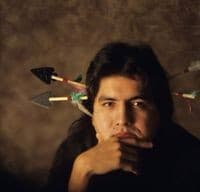
Sherman Alexie is a Native American author known for his contributions to contemporary literature. His notable works include "The Absolutely True Diary of a Part-Time Indian," which explores the life of a young Indian boy navigating between two worlds, and "Reservation Blues," a novel that intertwines music and Native American culture. Alexie's writing often addresses themes of identity, race, and the complexities of modern life on reservations.
Similar books
- Reservation Blues
Sherman Alexie
4.0 (13k) average on GoodreadsLiterary FictionExplores contemporary Native American life with a similar blend of humor and poignancy, featuring interconnected characters and cultural commentary.
- There There
Tommy Orange
4.0 (112k) average on GoodreadsLiterary FictionOffers a multi-perspective look at urban Native American identity and experience, dealing with themes of heritage, trauma, and belonging.
- The Old Man and the Sea
Ernest Hemingway
3.8 (831k) average on GoodreadsLiterary FictionA Cuban fisherman's long struggle with a giant marlin becomes a story of endurance and dignity, now retold for young adults with illustrations, phonetic guides, and writing prompts in Traditional Chinese.
- One Hundred Years of Solitude
Gabriel García Márquez
4.1 (753k) average on GoodreadsLiterary FictionThrough the multi-generational story of the Buendía family, a mythical town deals with the repeating patterns of time, love, and solitude, as the extraordinary mixes with the ordinary.
- The Goldfinch
Donna Tartt
3.9 (720k) average on GoodreadsLiterary FictionHaunted by a tragic explosion and clutching a stolen Dutch masterpiece, a young orphan navigates the opulent drawing rooms of New York and the gritty underbelly of the art world, desperately seeking connection and redemption amidst a life spiraling into crime and obsession.
- Little Fires Everywhere
Celeste Ng
4.1 (713k) average on GoodreadsLiterary FictionIn Shaker Heights, an artist and her daughter move in, and their free-spirited lives clash with a rule-bound matriarch, revealing hidden conflicts beneath a perfect surface.





Enjoyed the summary?
A summary gives you the shape of the book. The book itself has the detail, the examples and the voice.
Find The Toughest Indian in the World on AmazonAs an Amazon Associate, BookBrief earns from qualifying purchases. How we're funded