

Synopsis
Covers the whole plot, including the ending.
- Difficulty
- Hard
- Pacing
- Slow
- Mood
- Atmospheric, Melancholy, Reflective, Poignant, Elegant
- Read it if
- You appreciate meticulously crafted prose, deep psychological insight into characters, and a sweeping narrative about love and fate that unfolds over decades.
- Skip it if
- You prefer fast-paced plots, clear-cut happy endings, or straightforward romance without much ambiguity or tragedy.
The Transit Of Venus Plot Summary
Covers the whole plot, including the ending.
Arrival in England and First Encounters
In the mid-1950s, orphaned Australian sisters Caro and Grace Bell arrive in London. Grace, the elder and more conventional, quickly gets a secretarial position and settles into a domestic life, marrying the kind but somewhat dull British civil servant, Paul Ivory. Caro, more independent, takes a job as a governess. Early on, they meet Ted Tice, a young astronomer at the Royal Observatory, who is immediately drawn to Caro. At a party, they also meet Christian Thrale, an older playwright and academic. Christian and Caro are attracted to each other, even though he is married to the fragile Cordelia. Ted, meanwhile, has a quiet, persistent love for Caro, observing her from a distance.
The Developing Relationships and Christian's Influence
Caro's relationship with Christian Thrale becomes an intense and turbulent affair. Christian, a man of intellectual and social standing, influences Caro. He is married to Cordelia, a woman with an illness, and his complex home life weighs on Caro, though she cannot leave him. Meanwhile, Grace's marriage to Paul Ivory appears stable. They establish a comfortable life, and Grace embraces her role as a wife. However, under the surface, there are subtle hints of Paul's past and character that Grace does not fully see. Ted Tice remains a constant, if often unseen, presence in Caro's life; his unrequited love is a quiet contrast to her passionate, troubled affair.
A Summer in Italy and Ted's Confession
Caro accompanies Christian and Cordelia Thrale to Italy for a summer. The trip isolates her and intensifies the emotional pressure of her affair. During this time, Ted Tice, unable to contain his feelings, travels to Italy to find Caro. He confronts her, openly declaring his deep love. Caro, still involved with Christian, cannot return his feelings as he wishes, though she is touched by his sincerity. This encounter shows the contrast between Christian's possessive and often cruel love, and Ted's selfless affection. Ted's confession, while unrewarded, marks a change in his understanding of his feelings and his commitment to Caro.
Tragedy Strikes and the Aftermath
Cordelia Thrale, Christian's ailing wife, dies from her long-standing illness. Her death, while expected, affects those involved. After Cordelia's passing, Christian tells Caro a devastating secret: he had an affair with Grace, Caro's sister, years before Grace met Paul. This revelation betrays Caro, shattering her trust in Christian and in her sister. The emotional impact is immense, leading to a break in Caro's relationship with Christian. She starts to see his manipulative nature more clearly and struggles with the implications of Grace's secret. This event is a turning point, pushing Caro further into isolation and disillusionment.
Caro's Retreat and Ted's Persistence
Devastated by Christian's revelations and the emotional turmoil, Caro decides to leave England. She moves to America, seeking a new start and distance from the painful memories and betrayals. She takes various jobs, trying to build an independent life, though she remains emotionally guarded. Ted Tice, meanwhile, continues his work as an astronomer, achieving professional success. Despite the physical distance and Caro's emotional withdrawal, Ted's love for her remains steady. He corresponds with her sometimes, showing his lasting affection. His professional achievements are often shadowed by his personal longing for Caro, yet he never gives up hope for a future with her, even as years pass.
Paul's Secret and its Unveiling
Years later, a long-buried secret about Paul Ivory, Grace's husband, begins to surface. It is revealed that Paul, as a young man, was responsible for a woman's death, which was covered up and never fully prosecuted. This dark past, hidden, gradually comes to light, first through hints and eventually through direct revelations. Grace, at first unaware, is slowly confronted with the truth about her husband's character and history. This discovery shatters her seemingly stable marriage, forcing her to re-evaluate her life with Paul and her perceived happiness. The truth is devastating for Grace, showing how fragile her contentment was.
The Impact of Paul's Past on Grace
The revelation of Paul Ivory's past crime deeply affects Grace. She struggles to reconcile the man she married with the hidden truth of his character. The weight of this deception, combined with the unraveling of her life, harms her. Grace tries to cope with the betrayal and the destruction of her carefully built world. Unable to bear the burden of Paul's secret and the shattered illusion of her marriage, Grace dies, leaving behind a legacy of quiet suffering and unfulfilled hopes. Her death shows the destructive power of hidden truths and the impact of past actions on present lives, especially for those who are unsuspecting victims.
Christian's Decline and Ted's Ascent
Following the various personal upheavals, Christian Thrale's life begins a slow decline. His intellectual brilliance remains, but his personal relationships and professional standing suffer. He becomes increasingly isolated and embittered, a man whose charm and influence have lessened. In contrast, Ted Tice's career as an astronomer flourishes. He achieves recognition for his work, including the discovery of a comet named after him. His scientific achievements provide a steady anchor in his life, even as his personal longing for Caro persists. The parallel paths of Christian and Ted show the different directions their lives have taken, one toward decay and the other toward lasting accomplishment.
Caro's Return and Reconciliation
After years in America, Caro returns to England. She is older, more experienced, and has processed much of the trauma from her past relationships. She slowly begins to reconnect with the remnants of her old life, including Ted Tice. Ted, still in love with her, patiently and gently re-enters her life. The years of separation have allowed both to mature, and Caro can finally see Ted's steady love and genuine character clearly, unclouded by the intense, destructive passion she felt for Christian. Their slow reconciliation is built on mutual respect, shared history, and Ted's unwavering devotion, offering a sense of quiet hope after years of turmoil.
The Transit of Venus and Enduring Love
Ted Tice, now an astronomer, prepares to observe the rare astronomical event, the transit of Venus. This event, where Venus passes directly between the sun and Earth, is a metaphor for the rare and precise alignment of their own lives. Ted and Caro eventually marry, finding a quiet, deep happiness together. Their love story, marked by long periods of separation, longing, and eventual fulfillment, shows endurance and true connection. The novel concludes with them having built a life together, finally achieving a rare alignment, reflecting the cosmic event that gives the book its title and symbolizes their lasting love.
Principal Figures
Caroline 'Caro' Bell
Protagonist
Independent Australian orphan, seeking love and self-discovery amidst betrayal
Caro is the younger of the two Bell sisters, characterized by her intelligence, independence, and a certain spirited defiance. She is initially naive about love, falling deeply and destructively for the manipulative Christian Thrale. Her journey is one of profound emotional education, marked by betrayal, disillusionment, and eventual self-awareness. She leaves England for America to escape her past, ultimately returning to find a more authentic connection. Her experiences shape her into a resilient woman capable of recognizing true affection. She is a keen observer of human nature, though initially blind to the true character of those closest to her.
Relationships: Grace Bell (Sisterly, initially close but strained by secrets); Christian Thrale (Passionate, destructive affair); Ted Tice (Unrequited love turned enduring, profound partnership); Paul Ivory (Brother-in-law, initially indifferent, later complicated by his secret)
Grace Bell
Supporting
Caro's elder sister, who seeks conventional happiness but is undone by hidden truths
Grace is the elder, more conventional, and outwardly stable of the Bell sisters. She marries Paul Ivory, seemingly finding contentment in a domestic life. However, her life is built on a foundation of unspoken truths and deceptions, both her own (her past affair with Christian) and her husband's (his dark secret). She embodies the fragility of perceived happiness and the destructive power of secrets. Her character arc is tragic, as her carefully constructed world unravels, leading to her demise. She is often seen as milder and less adventurous than Caro, but her hidden complexities are central to the novel's themes.
Relationships: Caroline 'Caro' Bell (Sisterly, with underlying tension due to a shared secret); Paul Ivory (Husband, a marriage built on deception); Christian Thrale (Brief, secret affair in the past)
Ted Tice
Protagonist/Supporting
Brilliant astronomer whose steadfast love for Caro endures against all odds
Ted Tice is a brilliant, dedicated astronomer with a quiet, profound nature. From their first meeting, he falls deeply and enduringly in love with Caro Bell. His love for her is characterized by patience, loyalty, and a selfless devotion that stands in stark contrast to Christian Thrale's manipulative passion. He pursues his scientific career with distinction, achieving significant recognition, including the discovery of a comet. Despite years of unrequited love and separation, his hope for a future with Caro never wanes. He represents genuine affection and the possibility of lasting happiness.
Relationships: Caroline 'Caro' Bell (Long-standing, eventually requited love); Christian Thrale (Intellectual acquaintance, rival for Caro's affection); Paul Ivory (Acquaintance through Grace)
Christian Thrale
Antagonist/Supporting
Charismatic playwright and academic, whose manipulative charm brings sorrow
Christian Thrale is an older, charismatic, and intellectually imposing playwright and academic. He is married to the ailing Cordelia but embarks on a passionate, destructive affair with Caro. Christian is manipulative and self-serving, using his intellect and charm to exert control over others, particularly women. He reveals a cruel streak, especially in his confession of a past affair with Grace, which shatters Caro's trust. He represents the seductive but ultimately damaging aspects of passion and intellectual arrogance. His life ultimately declines, leaving him isolated and embittered.
Relationships: Caroline 'Caro' Bell (Passionate, destructive affair); Grace Bell (Brief, secret affair in the past); Cordelia Thrale (Wife, an ailing woman he neglects); Ted Tice (Acquaintance, intellectual rival)
Paul Ivory
Supporting
Grace's husband, whose hidden, dark past ultimately destroys his marriage
Paul Ivory is Grace's husband, initially appearing as a kind, if somewhat unremarkable, civil servant. He represents conventionality and a veneer of respectability. However, he harbors a dark and devastating secret from his youth: his involvement in a woman's death, which was covered up. This secret forms a crucial plot device, slowly unraveling Grace's life and highlighting the deceptive nature of appearances. He is a character defined by his past transgression and his long-term concealment of it, which ultimately leads to tragedy for his wife. His motivations are often obscured, making him an enigmatic figure.
Relationships: Grace Bell (Husband, a marriage built on a lie); Caroline 'Caro' Bell (Brother-in-law, a distant figure); Christian Thrale (Acquaintance)
Cordelia Thrale
Supporting/Mentioned
Christian's ailing wife, a victim of his neglect and manipulation
Cordelia Thrale is Christian's fragile and ailing wife. She is largely a background figure, defined by her illness and her husband's neglect. Her suffering and eventual death are catalysts for significant plot developments, particularly Christian's subsequent revelations to Caro. She embodies the collateral damage of Christian's self-serving nature and his affairs. Though she has little direct agency in the story, her presence and fate are crucial to understanding Christian's character and the moral landscape of the novel. Her quiet existence highlights the destructive impact of the other characters' choices.
Relationships: Christian Thrale (Husband, who neglects and betrays her); Caroline 'Caro' Bell (Acquaintance, involved with her husband)
Angus Bell
Mentioned
The sisters' deceased father, whose legacy shapes their early lives
Angus Bell is the deceased father of Caro and Grace. Though never appearing directly in the novel, his presence is felt through the sisters' memories and their orphaned status. He represents their Australian origins and the lost stability of their early lives. His death forces them to seek their fortunes in England, setting the entire narrative in motion. His influence is primarily thematic, symbolizing the past that the sisters carry with them and the rootlessness that defines their initial circumstances.
Relationships: Caroline 'Caro' Bell (Daughter); Grace Bell (Daughter)
Jeremy
Supporting
A minor character who acts as a loyal friend and confidant to Caro
Jeremy is a kind and loyal friend to Caro, offering her support and companionship during her difficult times. He is a more stable and less complicated figure than the men she is romantically involved with. He provides a contrast to the emotional turmoil Caro experiences, representing a simpler, more genuine form of human connection. While not a central character, his presence offers moments of respite and a grounded perspective for Caro, highlighting the importance of platonic relationships amidst romantic chaos.
Relationships: Caroline 'Caro' Bell (Friend)
Mrs. Thrale (Christian's Mother)
Mentioned
Christian's mother, a formidable and judgmental presence
Christian's mother is a formidable and often judgmental figure, who occasionally appears or is mentioned in relation to Christian and Cordelia. She represents a certain societal expectation and traditionalism, and her disapproval or opinions subtly influence Christian's behavior and the perception of his relationships. She adds another layer to the complex family dynamics surrounding Christian, contributing to the oppressive atmosphere that often surrounds Cordelia. Her interactions with Caro are fraught with unspoken judgment.
Relationships: Christian Thrale (Mother); Cordelia Thrale (Daughter-in-law)
Themes & Insights
Love, Passion, and Betrayal
The novel explores the many sides of love, from the destructive passion between Caro and Christian, fueled by manipulation, to the quiet, lasting devotion of Ted Tice. It shows how love can be intertwined with betrayal, as seen in Christian's past affair with Grace and his revelation to Caro, and the shattering of Grace's marriage by Paul's hidden history. The differences between these forms of love and betrayal drive the central conflicts and character developments, suggesting that true love often requires patience and selflessness.
“What we call the past is not the past. It is the present. For we are in it, and it is in us.”
The Nature of Truth and Deception
Secrets and hidden truths are central to 'The Transit of Venus.' Paul Ivory's concealed past crime, Christian Thrale's prior affair with Grace, and the unspoken complexities within many relationships show how deception can harm lives and destroy happiness. The slow unveiling of these truths is a major plot engine, deeply affecting the characters, especially Grace and Caro. The novel suggests that while truth can be painful, it is essential for genuine connection and understanding, and that lives built on lies are fragile and destined for collapse.
“A secret shared becomes a secret multiplied.”
Identity and Self-Discovery
Caro Bell's journey explores identity. Arriving in England as an orphaned young woman, she grapples with who she is in relation to her family, her lovers, and her own aspirations. Her involvement with Christian forces her to confront her vulnerabilities and the deceptive nature of intense passion. Her move to America is a deliberate act of self-redefinition, seeking independence and a clearer sense of self. Ultimately, her ability to accept Ted's love means she comes to terms with her past and embraces a more authentic identity, one not defined by external validation or destructive relationships.
“She had come to know that the greatest test of life was to live it.”
Fate, Coincidence, and Cosmic Alignment
The title 'The Transit of Venus' alludes to fate and rare, significant alignments. The novel often uses astronomical metaphors to describe human relationships, suggesting that certain connections are destined or occur only through a precise, rare combination of events. The repeated encounters between characters, despite time and distance, imply a larger, guiding force. Coincidences, such as Ted's unexpected appearances or the way secrets slowly surface, are presented as part of an intricate, often painful, design that shapes the characters' destinies.
“The long, slow transit of one life across another.”
The Passage of Time and Memory
The novel spans several decades, charting the passage of time and its effects on characters and relationships. It explores how memories, both cherished and painful, shape present experiences and future possibilities. The narrative often shifts between past and present, showing how past events continue to influence current lives. Characters often revisit old wounds or reflect on decisions made years ago. This shows the lasting mark of time and the enduring power of memory to define who they are and how they relate to the world around them.
“Time, like a river, flows into the past and is never seen again. Yet it is always there, beneath the surface.”
Plot Devices & Literary Techniques
The Transit of Venus (Metaphor)
A rare astronomical event symbolizing fated connections and profound, often delayed, alignments
The titular 'Transit of Venus' serves as a powerful overarching metaphor for the novel's themes of rare, fated encounters and the precise, often delayed, alignment of lives. Just as the astronomical event is infrequent and requires specific conditions to be observed, the profound connection between Caro and Ted takes decades to fully materialize and be recognized. It symbolizes the idea that some relationships, though seemingly circuitous and fraught with obstacles, are destined to converge, representing a moment of clarity, revelation, and ultimate fulfillment after a long journey.
Dual Perspective/Shifting Focus
Narrative shifts between characters to reveal different facets of their inner lives and relationships
The narrative frequently shifts its focus between different characters, particularly Caro, Grace, and Ted, offering insights into their individual thoughts, feelings, and experiences. This allows the reader to understand the same events from multiple viewpoints, highlighting misunderstandings, hidden motivations, and the subjective nature of truth. This device is crucial for revealing the secrets held by characters like Christian and Paul, and for building suspense around the unfolding betrayals and their consequences. It creates a rich, layered psychological landscape.
Foreshadowing and Retrospection
Hints of future events and reflections on the past to build tension and reveal character depth
Hazzard employs significant foreshadowing, subtly hinting at future tragedies or revelations, such as Paul Ivory's dark past or the eventual unraveling of relationships. Simultaneously, the narrative frequently uses retrospection, flashing back to earlier moments or having characters reflect on past decisions and their consequences. This technique creates a sense of inevitability and deepens the reader's understanding of the characters' motivations and the long-term impact of their choices. It underscores the theme that the past is never truly past, always influencing the present.
Symbolism of Names
Character names often carry symbolic weight reflecting their personality or fate
The names of characters often carry symbolic resonance. 'Caro' (from 'carus' meaning dear or beloved) reflects her capacity for deep love and being loved, despite her initial misfortunes. 'Grace' suggests a certain elegance or quiet virtue, which tragically contrasts with the lack of grace in her ultimate fate. 'Ivory' (Paul Ivory) can symbolize a hard, smooth, and beautiful exterior that hides a darker, perhaps morally hollow, interior. While not overtly stated, these subtle symbolic choices enrich the characterizations and add depth to the narrative's themes.
The Comet (Ted's Discovery)
A scientific discovery symbolizing enduring legacy and the rare, brilliant spark of individual achievement
Ted Tice's discovery of a comet, subsequently named after him, serves as a powerful symbol. Scientifically, comets are rare, brilliant, and leave a lasting trail, mirroring Ted's own enduring impact through his work and his steadfast love for Caro. The comet represents his intellectual brilliance and the legacy he creates, a stark contrast to Christian's more ephemeral and destructive influence. It also underscores the theme of cosmic alignment, as his personal triumph coincides with his eventual reunion and happiness with Caro, suggesting a rare and beautiful confluence of events.
The Transit Of Venus Quotes
“The past, it was true, had a way of returning, but it was never the same past. It came back in a different guise, with a different meaning.”
“They had come to an age when they knew that the world was not going to be given to them.”
“She had the air of one who, having lost everything, found she had lost nothing of importance.”
“The greatest cruelty is to know that you are not loved, and to be forced to live with the knowledge.”
“Life, as she was beginning to understand, did not offer alternatives, only consequences.”
“There was a kind of beauty in their detachment, a quiet, almost imperceptible grace.”
“It was not happiness they sought, but merely the absence of pain.”
“Love was not a state, but a process, a constant negotiation between two separate worlds.”
“The world was full of people who knew what they wanted, and people who only knew what they didn't want.”
“You cannot truly know a person until you have seen them in their most vulnerable state.”
“The silence between them was not empty, but filled with unspoken histories and shared understandings.”
“She understood that grief was not a single emotion, but a landscape of many sorrows.”
“To live was to be constantly in transit, moving from one point of experience to another, never truly arriving.”
Quiz
10 questions on the plot and the characters. Each answer comes with a short explanation.
Question 1
Which of the two Australian sisters is described as 'gallant and adventurous'?
- Grace
- Caro
- Both Grace and Caro equally
- Neither, they are both mild
Show answer
B. Caro The book description explicitly states that Caro is 'gallant and adventurous', contrasting her with the 'milder Grace'.
Question 2
Who is the young scientist who courts Caro 'long and hopelessly'?
- Christian
- Paul
- Ted Tice
- Frederick
Show answer
C. Ted Tice The summary clearly names Ted Tice as the young scientist who pursues Caro.
Question 3
What is the primary setting for the sisters' search for fortune?
- Post-war Australia
- Post-war England
- Pre-war England
- Post-war America
Show answer
B. Post-war England The book description states the sisters 'have come to post-war England' to seek their fortunes.
Question 4
Which of the following experiences does Caro find through love, according to the description?
- Only joy and fulfillment
- Passion, sorrow, betrayal, and finally hope
- Peace, solitude, and quiet reflection
- Financial independence and social status
Show answer
B. Passion, sorrow, betrayal, and finally hope The summary details Caro's emotional journey with love: 'she is to find that love brings passion, sorrow, betrayal and finally hope.'
Question 5
What is Grace's primary pursuit for fulfillment in the story?
- A successful career in science
- An apparently happy marriage
- Adventure and travel
- Philanthropic work
Show answer
B. An apparently happy marriage The description states, 'The milder Grace seeks fulfilment in an apparently happy marriage.'
Question 6
How do the characters' lives primarily interact over time?
- They remain isolated from each other after their initial meeting.
- They weave in and out of each other's lives as decades pass.
- They maintain constant, unbroken contact throughout the years.
- Their interactions are limited to professional settings.
Show answer
B. They weave in and out of each other's lives as decades pass. The summary indicates a dynamic relationship over time: 'But as the decades pass and the characters weave in and out of each other's lives...'
Question 7
What overarching elements are described as waiting 'in ambush' for the characters as the decades pass?
- Wealth, fame, and success
- New careers and friendships
- Love, death, and two slow-burning secrets
- Political upheaval and social change
Show answer
C. Love, death, and two slow-burning secrets The summary lists 'love, death and two slow-burning secrets' as the elements waiting 'in ambush' for the characters.
Question 8
What literary classification best describes 'The Transit Of Venus'?
- Science Fiction and Fantasy
- Thriller and Mystery
- Literary Fiction and Historical Fiction
- Young Adult and Romance
Show answer
C. Literary Fiction and Historical Fiction The genre labels provided for the book are 'Literary Fiction, Historical Fiction'.
Question 9
The title 'The Transit Of Venus' implies what thematic element, given the story's description?
- A literal journey to the planet Venus by one of the characters.
- A rare and significant celestial event mirroring rare and significant human events and relationships.
- The rapid and fleeting nature of all human experience.
- A focus on astronomical research as the central plot point.
Show answer
B. A rare and significant celestial event mirroring rare and significant human events and relationships. The 'transit of Venus' is a rare astronomical event. In a literary context, especially with a story spanning decades and involving 'slow-burning secrets,' it metaphorically suggests rare, impactful, and perhaps predestined moments or alignments in the characters' lives, rather than a literal space journey or simple fleetingness.
Question 10
The phrase 'two slow-burning secrets wait in ambush' suggests what about the narrative structure?
- The secrets are revealed immediately at the beginning of the book.
- The narrative will feature a gradual unfolding of hidden truths over an extended period.
- The secrets are minor plot points that have little impact on the main characters.
- The story is primarily a fast-paced thriller focused on uncovering these secrets quickly.
Show answer
B. The narrative will feature a gradual unfolding of hidden truths over an extended period. The term 'slow-burning' implies a gradual development and revelation, while 'wait in ambush' suggests they will emerge unexpectedly but with significant impact, fitting a narrative that spans 'decades' and focuses on unfolding lives.
The Transit Of Venus FAQ
What is 'The Transit Of Venus' about?
'The Transit Of Venus' follows two orphaned Australian sisters, Caro and Grace Bell, who arrive in post-war England in the mid-1950s. It chronicles their lives, loves, and heartbreaks over several decades, focusing on Caro's complex and often tragic romantic entanglements and Grace's seemingly stable but ultimately fragile marriage, all against a backdrop of shifting social landscapes and interconnected fates.
Why should I read 'The Transit Of Venus'?
You should read 'The Transit Of Venus' for its exquisite prose, profound psychological insights into human relationships, and its exploration of love, fate, and the passage of time. Shirley Hazzard crafts a deeply atmospheric and intellectually stimulating narrative, rich with memorable characters and a slow-burning plot that rewards careful attention.
What is the background/setting of 'The Transit Of Venus'?
The novel is primarily set in England during the mid-1950s and extends into the 1970s, moving between London's intellectual circles, country estates, and academic environments. The post-war era provides a backdrop of rebuilding and societal change, influencing the characters' aspirations and the lingering sense of loss and uncertainty.
What are the most memorable quotes?
Memorable quotes include 'What is called a 'love affair' is a liaison between two people who are in love. What is called 'marriage' is a liaison between two people who are not.', encapsulating the novel's cynical view of conventional love, and 'The human heart is not a machine, you cannot turn it on and off at will.', reflecting the enduring power of emotion despite rational attempts to control it.
What writing style does the author use?
Shirley Hazzard employs a highly literary, elegant, and precise writing style, characterized by sophisticated vocabulary, complex sentence structures, and a keen eye for detail. Her prose is often described as luminous and poetic, yet also sharp and ironic, allowing for deep psychological penetration and a nuanced exploration of her characters' inner lives.
What minor details add significant meaning?
The recurring motif of astronomical events, particularly the transit of Venus itself, subtly underscores themes of rarity, observation, and the vast, indifferent forces of fate and time. Also, the seemingly casual references to characters' pasts in Australia or their war experiences often hint at deeper traumas and motivations that shape their present actions and relationships.
What are some subtle foreshadowing moments?
Early on, the author's descriptions of Christian Thrale's charm being 'too perfect' and his almost theatrical ease foreshadow his capacity for deceit and his later betrayal of Caro. Similarly, Grace's initial contentment with her marriage to Paul Ivory, despite his slight aloofness, subtly hints at the deeper, more profound deceptions that will later surface.
What unexpected character connections exist?
One significant unexpected connection is the revelation of Paul Ivory's affair with his sister-in-law, Caro, long after his marriage to Grace. Another is the tragic, fateful link between Ted Tice's academic mentor, Paul Ivory's father, and the secrets surrounding his own family history, which indirectly influences Ted's relationship with Caro.
What are unspoken character motivations?
Caro's deep-seated need for independence and her fear of vulnerability, stemming from her orphaned status, often drive her to make choices that appear self-destructive or resistant to lasting happiness with Ted Tice. Christian Thrale's motivation for his actions against Caro seems to be a combination of possessiveness, intellectual arrogance, and a desire to control her narrative.
What psychological complexities do characters exhibit?
Caro exhibits a complex blend of resilience, fatalism, and a yearning for genuine connection, often sabotaged by her own pride and a reluctance to fully commit. Ted Tice, despite his outward shyness, possesses an unwavering devotion and moral integrity, yet struggles with expressing the depth of his feelings, leading to misunderstandings and missed opportunities.
What are the major emotional turning points?
A major emotional turning point for Caro is the moment she finally acknowledges her true feelings for Ted Tice, albeit after years of resistance and suffering through other relationships. For Grace, it's the shattering discovery of Paul Ivory's prolonged deception, which forces her to confront the illusion of her 'perfect' life and marriage.
How do relationship dynamics evolve?
Relationships in the novel evolve from initial infatuation and polite affection to deep, often painful, complexities involving betrayal, long-suffering love, and profound loss. The bond between Caro and Ted Tice, for instance, transforms from unrequited admiration to a love tested by distance and circumstance, while Grace and Paul Ivory's marriage deteriorates from apparent harmony to a revelation of deep-seated deceit.
Which parts remain ambiguous or open-ended?
The ultimate nature of true happiness and fulfillment for Caro remains somewhat ambiguous, despite her eventual choices. The novel leaves room for interpretation regarding whether characters truly escape their pasts or if fate is an inescapable force. The lingering impact of certain betrayals on the characters' souls, even years later, is also left for the reader to ponder.
What are controversial scenes or decisions?
Christian Thrale's calculated manipulation and eventual destruction of Caro's reputation through his 'memoirs' is a controversial act, highlighting the devastating power of male entitlement and literary betrayal. Paul Ivory's prolonged deception of Grace and his affair with Caro is another controversial element, challenging conventional notions of marital fidelity and family loyalty.
The Transit Of Venus ending explained: how it ends & what it means
The novel ends years after the main events, with Caro having found a measure of peace and stability, implied to be with Ted Tice, though their union comes at a great cost and after much suffering. Grace has rebuilt her life after Paul's death and the revelation of his betrayal. The ending suggests that while love and loss are inevitable, and fate plays a hand, resilience and the pursuit of genuine connection can ultimately lead to a form of redemption and understanding, even if imperfect.
About the author

Shirley Hazzard was an Australian-American novelist, short story writer, and essayist. She was born in Australia and also held U.S. citizenship.
Similar books
- Atonement
Ian McEwan
4.4 (70) average on GoodreadsExplores love, betrayal, and the long-term consequences of actions in a historical setting with elegant prose.
- The Great Gatsby
F. Scott Fitzgerald
3.9 (3.8M) average on GoodreadsHistorical FictionExamines unrequited love, class, and the elusive nature of happiness with rich, literary language.
- Middlemarch
George Eliot
4.0 (136k) average on GoodreadsHistorical FictionOffers a broad social canvas, intricate character relationships, and deep dives into moral and societal questions.
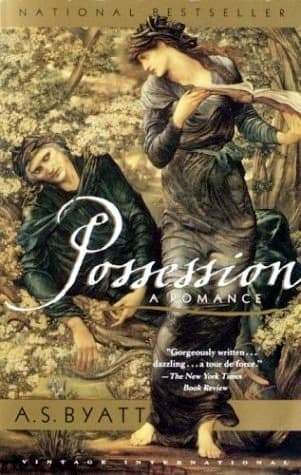
- Possession
A.S. Byatt
4.3 (13k) average on GoodreadsRomanceByatt's 'Possession' masterfully interweaves historical and contemporary narratives with literary detective work and a strong sense of intellectual puzzle-solving. Hazzard's 'The Transit of Venus,' conversely, uses its historical setting more as a backdrop and crucible for profound character development and the exploration of human connection, rather than as a mystery to be unraveled.
- The Old Man and the Sea
Ernest Hemingway
3.8 (831k) average on GoodreadsLiterary FictionA Cuban fisherman's long struggle with a giant marlin becomes a story of endurance and dignity, now retold for young adults with illustrations, phonetic guides, and writing prompts in Traditional Chinese.
- One Hundred Years of Solitude
Gabriel García Márquez
4.1 (753k) average on GoodreadsLiterary FictionThrough the multi-generational story of the Buendía family, a mythical town deals with the repeating patterns of time, love, and solitude, as the extraordinary mixes with the ordinary.





Enjoyed the summary?
A summary gives you the shape of the book. The book itself has the detail, the examples and the voice.
Find The Transit Of Venus on AmazonAs an Amazon Associate, BookBrief earns from qualifying purchases. How we're funded