

Synopsis
Covers the whole plot, including the ending.
- Difficulty
- Easy
- Pacing
- Slow
- Mood
- Somber, Hopeful, Reflective, Moving
- Read it if
- You want a poignant, firsthand account of a child's experience hiding from Nazis during WWII, told with simplicity and emotional depth.
- Skip it if
- You prefer fast-paced action or are looking for a story with a complex plot.
The Upstairs Room Plot Summary
Covers the whole plot, including the ending.
The Invasion of Winterswijk
In 1940, eight-year-old Annie de Leeuw lives a normal life with her Jewish family in Winterswijk, Holland. Her world, filled with school, friends, and family, is abruptly shattered when the Germans invade. Tanks and soldiers flood the marketplace, and the initial fear and uncertainty give way to increasing restrictions and decrees targeting Jewish citizens. Annie, too young to fully grasp the danger, observes the changes through the eyes of her older sister Sini and her parents. The once-familiar town becomes a place of apprehension, and the family's sense of security erodes as the Nazi regime tightens its grip on their lives and community.
Escalating Persecution
As the war progresses, the lives of Jewish people in Winterswijk become difficult. They are forced to wear yellow stars, their businesses are confiscated, and they are forbidden from many public places. Annie witnesses the fear and despair of her community as friends and neighbors begin to disappear, taken away by the Germans. The de Leeuw family, including Annie's older sister Rachel, tries to maintain a semblance of normalcy, but the constant threat looms. Discussions about 'labor camps' become more frequent, and while some believe it is a temporary hardship, the underlying terror is palpable, especially to the adults.
The Decision to Hide
By 1942, the danger to Jewish families is undeniable, with mass deportations common. Annie, now ten, and her sister Sini are chosen to go into hiding, as it is too risky for the entire family to seek refuge together. The decision is agonizing for their parents, who must separate from their young daughters. Annie's father arranges for them to stay with a Christian farming family, the Oostervelds, in a remote part of the Dutch countryside. The sisters share a tearful, hurried farewell with their parents and older sister Rachel, leaving behind everything familiar for an uncertain future.
Arrival at the Oosterveld Farm
Annie and Sini arrive at the Oosterveld farm, a seemingly ordinary but isolated place. They are led to a small, cramped upstairs room that will be their home for the foreseeable future. The Oosterveld family – Mr. and Mrs. Oosterveld, their children Dientje, Johan, and the youngest, Jan – are kind but cautious. The girls are given strict instructions: they must remain silent and unseen, especially when strangers are around. This sudden confinement is a stark contrast to their previous lives, and Annie struggles with the loneliness and the constant fear of discovery, while Sini tries to maintain a brave front.
Life in Confinement
Life in the upstairs room settles into a monotonous routine. Annie and Sini spend their days reading, playing quiet games, and listening to the sounds of the farm below. They are entirely dependent on the Oostervelds for food, news, and companionship. Mrs. Oosterveld brings them meals and offers comfort, while Dientje, a girl close to Sini's age, sometimes visits. Annie, younger and more restless, often feels the weight of their confinement and the absence of her parents. Despite the constant tension, a deep bond of trust and affection begins to grow between the sisters and their protectors.
The Fear of Discovery
The threat of discovery is ever-present. German soldiers and Dutch collaborators frequently conduct searches in the countryside, looking for hidden Jews and members of the resistance. There are several terrifying close calls where the soldiers come to the Oosterveld farm. During these moments, Annie and Sini must remain absolutely silent, sometimes even holding their breath, hidden beneath floorboards or in secret compartments. The fear is palpable, and Annie vividly describes the pounding of her heart and the desperate hope that they will not be found. These incidents reinforce the immense bravery and risk taken by the Oostervelds.
The Illness
Annie falls seriously ill with pneumonia, a life-threatening condition made worse by the lack of proper medical care. The Oostervelds face an agonizing dilemma: taking Annie to a doctor would expose their secret and endanger everyone. Instead, Mrs. Oosterveld, with her limited medical knowledge, nurses Annie tirelessly. The illness is a critical test of the Oostervelds' resolve and compassion. Annie's feverish state and the constant fear of discovery create immense tension within the small farmhouse. Miraculously, and through Mrs. Oosterveld's devoted care, Annie slowly recovers, a sign of her resilience and the family's unwavering commitment.
The War Drags On
As the months turn into years, the psychological toll of their confinement becomes immense. Annie struggles with boredom, loneliness, and the constant longing for her family. Her growth is stunted, both physically and emotionally, due to the lack of fresh air and normal childhood experiences. Sini, older and more aware of the dangers, often acts as a protector and source of comfort for Annie, but she too suffers from the isolation. The constant need for silence and invisibility creates an unnatural existence that leaves lasting scars.
News from the Outside
The Oostervelds are the sisters' only link to the outside world. They bring snippets of news, often whispered, about the war's progress, the movements of the Germans, and the fates of other Jewish families. Sometimes the news is hopeful, speaking of Allied advancements; other times, it is devastating, confirming the worst fears about the 'labor camps.' These fragments of information are crucial for the girls, shaping their understanding of the war and fueling their hopes and anxieties. The Oostervelds carefully filter what they share, trying to protect the girls while also preparing them for the harsh realities.
Liberation
After more than two years in hiding, the sounds of distant gunfire and the increasing frequency of Allied planes signal the approaching liberation. The tension on the farm is palpable, a mix of hope and lingering fear. Finally, British and Canadian forces arrive, and Holland is liberated. The Oostervelds can openly celebrate, and Annie and Sini are at last free to leave their upstairs room. The transition is overwhelming; the world outside is bright, loud, and unfamiliar. They step out, blinking in the sunlight, into a world irrevocably changed.
The Aftermath and Reunion
With liberation, Annie and Sini embark on the difficult journey of finding their family. They return to Winterswijk, a town that bears the scars of war. The joyous reunion with their father is bittersweet, as they learn the tragic truth: their mother and older sister Rachel did not survive the concentration camps. The joy of freedom is tempered by profound grief and the realization of the immense losses suffered. The sisters, though physically safe, carry the emotional wounds of their experiences, forever changed by their time in the upstairs room and the war that stole their childhood and their loved ones.
The Upstairs Room Characters
Annie de Leeuw
Protagonist
A young Jewish girl who spends over two years in hiding during WWII.
Annie is initially an eight-year-old carefree girl whose world is shattered by the German occupation. She is sensitive, observant, and prone to homesickness and fear. During her time in hiding, she endures immense physical and psychological hardship, including severe illness and prolonged confinement. Her youthful perspective provides a unique lens through which the horrors of the war are experienced, often understood through her limited but deeply felt emotions. She struggles with boredom, loneliness, and the constant longing for her family and a normal life.
Relationships: Sini de Leeuw (Sister and companion in hiding); Mr. de Leeuw (Father, source of love and security); Mrs. de Leeuw (Mother, deeply missed and eventually lost); Rachel de Leeuw (Older sister, deeply missed and eventually lost); Mr. Oosterveld (Protector and rescuer); Mrs. Oosterveld (Primary caregiver, comforter, and rescuer)
Sini de Leeuw
Supporting
Annie's older sister and her companion in hiding.
Sini is Annie's older sister, more aware of the dangers and responsibilities of their situation. She often acts as a protector and a source of comfort for Annie, trying to keep her spirits up despite her own fears and struggles. Sini is more mature and resilient, often putting on a brave face for her younger sister. She helps Annie understand their circumstances and shares in the monotony and terror of their confinement. Her presence is crucial for Annie's emotional well-being throughout their ordeal.
Relationships: Annie de Leeuw (Younger sister, companion in hiding); Mr. de Leeuw (Father); Mrs. de Leeuw (Mother); Rachel de Leeuw (Older sister); Dientje Oosterveld (Friend and confidante at the farm)
Mr. Oosterveld
Supporting
The head of the farming family who hides Annie and Sini.
Mr. Oosterveld is the stoic and courageous patriarch of the farming family. He makes the dangerous decision to hide the Jewish sisters, putting his own family at immense risk. He is a man of few words but strong principles, driven by a deep sense of humanity and moral obligation. He is responsible for the practical aspects of their hiding, including managing the farm and dealing with the constant threat of German searches. His quiet strength and unwavering commitment are vital to the girls' survival.
Relationships: Mrs. Oosterveld (Wife and partner in hiding the girls); Annie de Leeuw (The girl he helps protect); Sini de Leeuw (The girl he helps protect)
Mrs. Oosterveld
Supporting
The kind and compassionate farmer's wife who cares for Annie and Sini.
Mrs. Oosterveld is the warm, nurturing, and immensely brave woman who becomes a surrogate mother to Annie and Sini during their hiding. She brings them food, comforts them, reads to them, and tends to their emotional and physical needs, even risking her life to nurse Annie through a severe illness. Her compassion and practical care are essential for the girls' survival and well-being. She embodies quiet heroism, demonstrating immense empathy and courage in the face of extreme danger.
Relationships: Mr. Oosterveld (Husband and partner in hiding the girls); Annie de Leeuw (The girl she cares for, surrogate daughter); Sini de Leeuw (The girl she cares for, surrogate daughter)
Mr. de Leeuw
Supporting
Annie and Sini's father, who arranges their hiding place.
Mr. de Leeuw is a loving and resourceful father who makes the agonizing decision to separate from his daughters to ensure their survival. He meticulously arranges for Annie and Sini to go into hiding with the Oostervelds, demonstrating immense courage and foresight. Though absent for most of the narrative, his presence is felt through Annie's longing and memories. He represents the desperate measures parents took to protect their children during the Holocaust. He is one of the few family members to survive and reunite with his daughters.
Relationships: Annie de Leeuw (Daughter); Sini de Leeuw (Daughter); Mrs. de Leeuw (Wife, lost to the Holocaust); Rachel de Leeuw (Daughter, lost to the Holocaust)
Mrs. de Leeuw
Mentioned
Annie and Sini's mother, who is lost in the Holocaust.
Mrs. de Leeuw is Annie's mother, whose presence is strongly felt through Annie's memories and longing, even after she is separated from her daughters. She represents the thousands of parents who were unable to escape the Holocaust. Her ultimate fate in a concentration camp is a tragic reality that deeply impacts Annie and Sini upon their liberation. Her love and the pain of her absence are central to Annie's emotional journey.
Relationships: Annie de Leeuw (Daughter); Sini de Leeuw (Daughter); Mr. de Leeuw (Husband); Rachel de Leeuw (Daughter)
Rachel de Leeuw
Mentioned
Annie and Sini's older sister, who is lost in the Holocaust.
Rachel is Annie and Sini's eldest sister, who remains with her parents when the younger girls go into hiding. Like her mother, her ultimate fate is tragic, as she perishes in a concentration camp. Rachel represents the older siblings and young adults who were caught in the Holocaust's grasp. Her loss adds to the profound grief experienced by the surviving de Leeuw family, highlighting the immense human cost of the war.
Relationships: Annie de Leeuw (Younger sister); Sini de Leeuw (Sister); Mr. de Leeuw (Father); Mrs. de Leeuw (Mother)
Dientje Oosterveld
Supporting
The Oostervelds' daughter, who becomes a friend to Sini.
Dientje is one of the Oosterveld children, close in age to Sini. She occasionally visits the upstairs room, bringing companionship and a sense of normalcy to the hidden sisters. Her interactions provide a glimpse into the outside world and offer a vital human connection. Dientje represents the younger generation of Dutch citizens who, though not in hiding themselves, were deeply affected by the war and played a part in the resistance by protecting others.
Relationships: Sini de Leeuw (Friend); Annie de Leeuw (Acquaintance in hiding)
The Upstairs Room Themes
The Loss of Innocence
The novel powerfully illustrates how war steals childhood innocence. Annie, an eight-year-old at the outset, is forced to abandon her carefree life for a world of fear, confinement, and loss. She misses school, friends, and the simple joys of playing outside. Her growth is stunted, and she experiences the horrors of persecution and separation at a tender age. This theme is evident when Annie reflects on her pre-war life and the stark contrast with her hidden existence, highlighting what she has been deprived of.
“What had happened to the outside world, I wondered. Was it still there? Had the war eaten it up the way it had eaten up my parents, my sister Rachel, my school, my friends, my freedom?”
Courage and Compassion
The story shows the courage and compassion displayed by ordinary people. The Oosterveld family risks their lives and the lives of their children to shelter Annie and Sini, knowing the severe consequences if discovered. Their unwavering commitment, particularly Mrs. Oosterveld's devoted care during Annie's illness, exemplifies human kindness in the face of unimaginable danger. This theme is central to the narrative, showing acts of selfless heroism amidst widespread brutality.
“They had saved us. They had endangered their lives, their children's lives, for us. They had taken us in. They had been brave.”
Resilience in Adversity
Despite constant fear, loneliness, and deprivation, Annie and Sini show resilience. They adapt to their confined existence, finding small ways to cope with boredom and maintain hope. Annie's recovery from a life-threatening illness in hiding further highlights this theme. Their ability to endure such extreme circumstances, holding onto the hope of reunion and freedom, shows the enduring strength of the human spirit. This is evident in their quiet games and shared stories, which provide moments of solace.
“We lived on hope. It was a thin diet, but it was all we had.”
The Psychological Toll of Confinement
The novel explores the psychological impact of prolonged hiding and isolation. Annie and Sini suffer from extreme boredom, anxiety, and a deep sense of loss for their normal lives and family. Annie's physical development is affected, and her emotional state is marked by fear and longing. The constant need for silence and invisibility creates an unnatural existence that leaves lasting scars. This theme is seen in Annie's internal monologues and her struggles with her limited world.
“I was growing up, but I wasn't growing out. I wasn't growing anywhere.”
Family and Separation
The theme of family, both the de Leeuws and the Oostervelds, is central. The painful separation of Annie and Sini from their parents and older sister Rachel is a core emotional conflict. The girls constantly yearn for their family, and the reunion with their father is a moment of joy mixed with the grief of losing their mother and Rachel. Conversely, the Oosterveld family's unity and decision to risk everything for the sisters highlight the strength of familial bonds and extended family care.
“The hardest part was leaving my parents. It was a pain I had never known before.”
Plot Devices & Literary Techniques
First-Person Narration (Child's Perspective)
The story is told through the eyes of young Annie.
The use of first-person narration from Annie's perspective (starting at age 8 and ending at 12) allows the reader to experience the Holocaust through an innocent, yet deeply personal lens. This perspective provides an immediate and emotional connection to the events, as Annie often understands the world through simple observations and feelings rather than complex political analysis. It highlights the profound impact of war on children and makes the unimaginable horrors more accessible and poignant for younger readers, focusing on personal loss and fear.
The Upstairs Room as a Symbol
The physical space of hiding represents confinement, safety, and psychological struggle.
The 'upstairs room' is more than just a physical location; it symbolizes the sisters' entire existence during the war. It is a place of forced confinement, silence, and deprivation, representing the loss of freedom and childhood. Yet, it is also a sanctuary, a place of safety provided by the Oostervelds. The room becomes a microcosm of their world, where their hopes, fears, and resilience play out. Its smallness emphasizes their limited world and the immense psychological burden of being hidden.
Foreshadowing (Subtle)
Hints of escalating danger and future loss.
While not overtly dramatic, the narrative uses subtle foreshadowing to build tension and convey the growing peril. Early mentions of Jewish families 'disappearing' or going to 'labor camps,' and the increasing restrictions placed on Jewish citizens, hint at the tragic fates that await many, including Annie's mother and Rachel. This creates a sense of dread and reinforces the high stakes of Annie and Sini's hiding. The adults' hushed conversations and the gradual tightening of German control serve as constant, understated warnings.
Contrast
Juxtaposition of pre-war normalcy with wartime brutality.
The novel frequently employs contrast to highlight the devastating impact of the war. Annie's fond memories of her pre-war life – school, friends, family gatherings, playing outdoors – are constantly juxtaposed with the grim reality of her hidden existence: silence, confinement, fear, and the absence of loved ones. This sharp contrast effectively conveys the profound loss of innocence and the complete upheaval of her world, making the tragedy of the Holocaust deeply personal and emotionally resonant for the reader.
The Upstairs Room Quotes
“The war was like the measles. It was everywhere.”
“When you're scared, you don't always think straight.”
“There were no children in the world anymore. Only grown-ups, pretending to be children.”
“The worst thing was the waiting. Always the waiting.”
“It was a secret, and secrets were like heavy stones inside you.”
“Hope was a very small bird that sometimes flew away and sometimes came back.”
“Even in the darkest times, there were always small lights.”
“You can get used to anything, if you have to.”
“The world outside was a different world. A dangerous world.”
“It was hard to be brave all the time.”
“Freedom was a word that tasted like sunshine and smelled like fresh air.”
“Sometimes you had to make believe things were better than they were, just to get through the day.”
“The war had taken so much, but it couldn't take everything.”
“Being alone was one thing. Being alone when you knew there were others you couldn't reach was another.”
Quiz
10 questions on the plot and the characters. Each answer comes with a short explanation.
Question 1
In what year did the Germans attack Holland and march into Annie's hometown of Winterswijk?
- 1938
- 1939
- 1940
- 1941
Show answer
C. 1940 The book states that Annie was eight years old in 1940 when the Germans attacked Holland and marched into Winterswijk.
Question 2
What was the name of Annie's older sister who remained with their parents when Annie and Sini went into hiding?
- Lotte
- Rachel
- Miriam
- Esther
Show answer
B. Rachel The excerpt mentions that Annie and Sini had to leave their father, mother, and older sister Rachel.
Question 3
Where did German tanks and soldiers stand in Winterswijk, replacing what was previously sold there?
- The town square where vegetables were sold
- The marketplace where flowers had been sold
- The schoolyard where children played
- The church courtyard
Show answer
B. The marketplace where flowers had been sold The text describes German tanks and soldiers in 'the part of the marketplace where flowers had been sold twice a week'.
Question 4
At what age did Annie go into hiding with her sister Sini?
- Eight years old
- Nine years old
- Ten years old
- Eleven years old
Show answer
C. Ten years old The book states, 'Annie was ten when, because she was Jewish... she and her sister Sini had to leave their father, mother, and older sister Rachel to go into hiding'.
Question 5
What specific type of flowers were sold in the marketplace during the spring, according to the description?
- Roses
- Lilies
- Tulips
- Daisies
Show answer
C. Tulips The text specifies 'tulips in the spring, roses in the summer' were sold in the marketplace.
Question 6
What was the common, mistaken belief held by many Jewish families about German plans for them?
- That they would be relocated to other countries
- That they would be sent to labor camps and treated well for a short time
- That they would be protected by local authorities
- That the war would end quickly and they would return home
Show answer
B. That they would be sent to labor camps and treated well for a short time The excerpt notes, 'It won't be for long and the Germans have told us we'll be treated well,' those families said. 'What can happen?'
Question 7
The 'upstairs room' where Annie and Sini hid was located in what kind of place?
- A bustling city apartment
- A remote farmhouse
- A hidden bunker underground
- A relative's house in a nearby town
Show answer
B. A remote farmhouse Annie and Sini went 'into hiding in the upstairs room of a remote farmhouse'.
Question 8
What is the primary reason Annie and Sini had to go into hiding?
- To escape forced labor in factories
- Because they were Jewish and in danger of being captured by the invaders
- To avoid conscription into the German army
- To protect family secrets from the Germans
Show answer
B. Because they were Jewish and in danger of being captured by the invaders The text clearly states, 'because she was Jewish and in great danger of being captured by the invaders, she and her sister Sini had to leave... to go into hiding'.
Question 9
The book highlights the innocence of many adults regarding the German plans for Jews. What specific consequence did millions of Jews ultimately face that these adults could not imagine?
- Forced relocation to neutral countries
- Being forced to work for the German war effort
- Extermination in concentration camps
- Loss of property and wealth
Show answer
C. Extermination in concentration camps The excerpt concludes by stating, 'They did not know, and they could not imagine... but millions of Jews found out,' implicitly referring to the Holocaust and the extermination of Jews.
Question 10
How does the author, Johanna Reiss, relate to the character of Annie de Leeuw?
- Johanna Reiss is Annie's older sister, Sini.
- Johanna Reiss is the pseudonym for a historical researcher.
- Johanna Reiss is the real name of the character Annie de Leeuw.
- Johanna Reiss is a fictional character created for the story.
Show answer
C. Johanna Reiss is the real name of the character Annie de Leeuw. The description states, 'Johanna de Leeuw Reiss has written a remarkably fresh and moving account of her own experiences as a young girl during World War II,' indicating she is the real-life Annie.
The Upstairs Room FAQ
What is the central premise of 'The Upstairs Room'?
'The Upstairs Room' tells the true story of Annie de Leeuw, a young Jewish girl in Nazi-occupied Holland, who, along with her older sister Sini, must go into hiding in the upstairs room of a remote farmhouse to escape persecution and capture by the Germans during World War II.
Who are the main characters in the book, and what are their relationships?
The main characters are Annie de Leeuw, the narrator and protagonist, and her older sister Sini, with whom she shares the hiding place. Their parents and older sister Rachel are briefly introduced before Annie and Sini go into hiding, and the farmers, Dientje and Johan, become their primary caregivers and protectors.
Where and when does the story primarily take place?
The story primarily takes place in a remote farmhouse in the Dutch countryside, specifically in the upstairs room, during World War II, from 1942 until the end of the war in 1945. Annie is ten years old when she begins her confinement.
What challenges do Annie and Sini face while in hiding?
Annie and Sini face severe challenges including extreme boredom, the constant fear of discovery, isolation from the outside world, rationing of food, and the strain of living in close quarters with limited privacy. They also grapple with the emotional toll of separation from their family and the uncertainty of their future.
How does the book's setting in a single 'upstairs room' contribute to its themes?
The confined setting of the 'upstairs room' emphasizes themes of isolation, entrapment, and the psychological impact of being cut off from society. It heightens the sense of danger and vulnerability, making even small sounds or changes in routine significant, and underscores the resilience required to endure such an existence.
Are there any specific details about the farmer's family that help Annie and Sini?
Yes, the farmer's family, especially Dientje, provides not only a physical hiding place but also emotional support, small comforts, and education for Annie and Sini. Dientje's courage and compassion are central to their survival, as she risks her own family's safety daily.
How does the author subtly show the passage of time and the girls' aging during their confinement?
The author subtly shows the passage of time through Annie's observations of the changing seasons outside her window, her growing understanding of the war's severity, and her evolving relationship with Sini and the farmers. Small details like her increasing height or the types of books she reads also mark her maturation.
What role does the 'outside world' play, even though the girls are confined?
The 'outside world' plays a crucial role through the sounds Annie hears—planes, German patrols, the distant chatter of villagers—and the news brought by the farmers, often in hushed tones. These snippets of information fuel both their hope and their fear, constantly reminding them of the war raging beyond their walls.
How does Annie's perspective as a young girl shape the narrative and her understanding of the war?
Annie's perspective as a young girl means the narrative focuses on immediate sensory details, personal feelings, and the impact of confinement on daily life, rather than grand political events. Her innocence initially shields her from the full horror, but over time, she gradually comprehends the profound danger and injustice of her situation.
What psychological effects does prolonged isolation have on Annie and Sini?
Prolonged isolation leads to boredom, anxiety, and a heightened awareness of small details in their confined space. For Annie, it fosters a vivid imagination and a deep bond with Sini, but also moments of despair and longing for normalcy. Sini, being older, likely feels the weight of responsibility and the loss of her youth more acutely.
How do Annie and Sini cope with the fear of discovery?
Annie and Sini cope with the fear of discovery by strictly adhering to the rules of silence and stillness, especially when visitors are present. They develop coping mechanisms like reading, playing quiet games, and relying on each other for comfort, though the underlying tension is ever-present.
In what ways does Annie's relationship with her sister Sini evolve during their time in hiding?
Annie's relationship with Sini evolves from a typical sibling dynamic to one of profound mutual dependence and companionship. Sini often acts as a protector and educator, while Annie provides Sini with someone to care for, mitigating Sini's own loneliness. Their bond strengthens immensely under the pressure of shared confinement.
What is the significance of the title 'The Upstairs Room' beyond its literal meaning?
Beyond its literal meaning as their hiding place, 'The Upstairs Room' signifies a sanctuary, a prison, and a world within a world. It represents the girls' stolen childhood, their forced maturity, and the resilience of the human spirit to find life and meaning even in the most restricted circumstances.
How does the book portray the courage of those who helped hide Jewish people during the war?
The book powerfully portrays the immense courage of individuals like Dientje and Johan, who risked their lives and the lives of their own families daily to shelter Annie and Sini. Their actions highlight themes of moral conviction, compassion, and resistance against tyranny, often without expectation of reward.
What message about resilience and hope does 'The Upstairs Room' convey?
'The Upstairs Room' conveys a powerful message about the resilience of the human spirit, particularly in children, to adapt and find moments of joy and connection even in dire circumstances. It emphasizes the enduring power of hope, family bonds, and human kindness amidst unimaginable cruelty.
How does the book differentiate itself from other Holocaust narratives?
The book differentiates itself through its focus on the prolonged, mundane, yet terrifying experience of hiding, rather than the concentration camps. It offers a child's intimate, often innocent, perspective on isolation and fear, highlighting the quiet heroism of those who sheltered Jews and the psychological toll of confinement.
What is the ultimate fate of Annie's family after the war, and how does it impact her?
Annie and Sini are eventually reunited with their parents after the war, though their older sister Rachel unfortunately perishes. This reunion is a moment of profound relief but also bittersweet, as the family must grapple with their losses and the trauma of their experiences, forever changed by the war.
Similar books
- The Diary of a Young Girl
Anne Frank
4.2 (2.7M) average on GoodreadsBiographyBoth are true accounts of Jewish girls hiding from Nazis during WWII, offering intimate perspectives on confinement and fear.
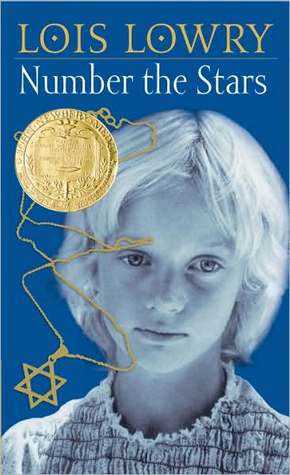
- Number the Stars
Lois Lowry
4.2 (448k) average on GoodreadsChildren'sBoth are historical fiction for young readers about children's experiences and resistance during the Holocaust in occupied countries.
- When Hitler Stole Pink Rabbit
Judith Kerr
4.0 (14k) average on GoodreadsChildren'sExplores the experience of a Jewish child forced to flee Nazi Germany, focusing on the loss of home and adaptation.
- Harry Potter and the Sorcerer's Stone
J.K. Rowling
4.5 (7M) average on GoodreadsFantasyRescued from a miserable life under the stairs, an orphaned boy discovers he's a wizard destined for a magical school, where he uncovers a dangerous secret tied to the dark wizard who murdered his parents.
- The Hobbit, or There and Back Again
J.R.R. Tolkien
4.3 (2.9M) average on GoodreadsFantasyA comfort-loving hobbit named Bilbo Baggins is whisked away by a mischievous wizard and a band of dwarves on an unexpected journey to reclaim stolen treasure from a fearsome dragon, discovering courage and a magical ring along the way.
- Harry Potter and the Goblet of Fire
J.K. Rowling
4.6 (2.6M) average on GoodreadsFantasyA bewildered Harry Potter, underage and thrust into a deadly Triwizard Tournament, must brave dragons, mermaids, and a resurgent dark magic to survive a year that will forever alter the wizarding world.





Enjoyed the summary?
A summary gives you the shape of the book. The book itself has the detail, the examples and the voice.
Find The Upstairs Room on AmazonAs an Amazon Associate, BookBrief earns from qualifying purchases. How we're funded