
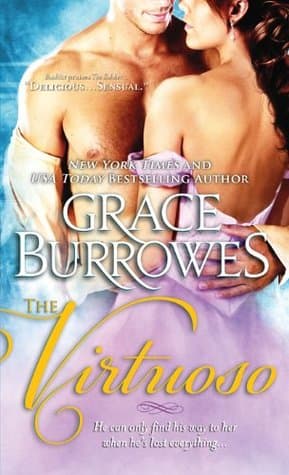
Synopsis
Covers the whole plot, including the ending.
- Difficulty
- Medium
- Pacing
- Moderate
- Mood
- Emotional, poignant, romantic, hopeful, melancholic
The Virtuoso Plot Summary
Covers the whole plot, including the ending.
A Life of Music, A Life Apart
Valentine Windham, the Duke of Moreland's youngest son, spends most of his life playing the pianoforte. Despite his family's high social standing and his father's constant efforts to arrange good marriages for his sons, Val ignores these concerns. Music is his true comfort and purpose. He has an extraordinary talent, almost genius, which sets him apart from his siblings and other noblemen of the Regency era. His world is full of melodies and harmonies, a refuge from the social pressures and often stifling expectations of his ducal family. This early period shows Val's identity as a virtuoso, deeply connected to his art, and hints at how much losing it would affect him.
The Unspeakable Loss
A terrible accident leaves Valentine with a severe hand injury, making him unable to play the pianoforte. The injury's exact nature is unclear, but its effect is immediate: his once agile fingers can no longer touch the keys. This loss is not just the end of a hobby; it is the destruction of his identity and purpose. Without his music, Val falls into deep despair. The vibrant world he once lived in becomes silent and meaningless. He feels a profound grief, as if a part of himself has died, leaving him empty and lost. This event is a critical turning point, isolating him further from his family and the world.
Flight to Solitude
Unable to face his injury and the constant reminders of his former life in London, Valentine decides to leave. He moves to a remote country estate, wanting only solitude and anonymity. This self-imposed exile is an attempt to escape his grief and the pitying looks of others, especially his well-meaning but often overwhelming family. He lives in deep torment, his days filled with echoes of music he can no longer create. The once lively virtuoso is now a recluse, haunted by his past and unsure of a future without his beloved art. His flight means a complete withdrawal from society and a desperate search for a place where his pain might be less severe.
Ellen's Hidden Grief
In the quiet countryside, Ellen Markham, a young widow, lives a very secluded life. Her existence is marked by grief and a carefully kept secret that forces her to avoid society. She finds safety in solitude, building a protective shell around herself to keep her past from being revealed. The exact nature of her secret is initially hidden, but it clearly weighs heavily on her, shaping every decision and fueling her desire for an anonymous life. She spends her days managing her small estate and living quietly, believing that by remaining unseen, she can keep her vulnerability and painful history hidden. Her isolation mirrors Val's, setting the stage for their meeting.
A New Neighbor
Valentine's move to the country accidentally brings him near Ellen Markham. He settles into a neighboring estate, unaware of the reclusive widow nearby. His presence, though Ellen doesn't notice it at first, eventually sparks her curiosity. For Val, the new surroundings offer a temporary distraction from his inner torment, but his deep sadness remains. Their closeness, a twist of fate, begins to break down the walls they have both built. Their first interactions are tentative, marked by the cautious reserve of two people used to solitude and burdened by personal tragedies. This proximity starts the slow, hesitant unfolding of their intertwined lives.
Tentative Connections
As Valentine and Ellen's paths cautiously cross, a hesitant connection begins to form. Both are deeply wounded souls, and their shared sense of loneliness and loss creates an unspoken bond. Val is intrigued by Ellen's quiet strength and her own obvious sorrow, while Ellen is drawn to Val's raw vulnerability and the intense, almost desperate quality of his grief. Their interactions are initially cautious, with mutual respect for each other's privacy, but the undeniable pull of kindred spirits begins to break through their defenses. They find comfort in each other's presence, a rare understanding no one else in their lives seems to offer, suggesting a chance for healing.
Unveiling the Scars
As their bond deepens, Valentine begins to tell Ellen about losing his music. He describes the despair and identity crisis he has felt since his injury, revealing the depth of his suffering. Ellen, a compassionate listener, understands his grief, recognizing a similar sorrow within herself. Val's vulnerability allows Ellen to see past his aristocratic facade and connect with the tormented man beneath. This sharing is a significant step for Val, as he has mostly kept his anguish private, even from his family. His trust in Ellen strengthens their connection, making her an essential confidante and a source of unexpected comfort.
Ellen's Secret Revealed
As their relationship grows, Ellen's carefully guarded secret comes out. It is revealed that her late husband, a man she loved deeply, was involved in a scandal or tragic event that greatly affected her life and reputation, leading to her isolation. The details are difficult, explaining her fear of society and her desperate need for anonymity. This revelation is a moment of immense vulnerability for Ellen, as she risks Val's judgment and the potential destruction of their growing relationship. Her secret is not just a past sorrow but a present threat, one that could sever the fragile ties they have formed and expose her to more pain and societal condemnation.
Navigating Betrayal and Trust
Learning Ellen's devastating secret presents Valentine with a major challenge. The revelation, while explaining Ellen's reclusiveness, also creates a moral and social dilemma. He struggles with the implications for his own aristocratic standing and the potential scandal of associating with someone with such a troubled past. There is a moment of doubt and inner conflict as he processes the information, questioning his feelings against societal expectations and the perceived betrayal of her initial secrecy. However, his love for her and his understanding of her suffering ultimately guide him, pushing him to look beyond societal condemnation and toward the woman he has come to cherish.
Finding a New Harmony
With Ellen's steady support and his own healing, Valentine slowly finds new ways to engage with music. While his hands may never fully recover enough for him to perform as he once did, he discovers other outlets for his musical talent, perhaps through composition, teaching, or simply appreciating music differently, without the need for performance. This change shows a deep internal shift, moving from despair over what he lost to acceptance and an appreciation for what he can still create or contribute. He realizes that his identity is not only defined by his ability to play the piano, but by his inherent musicality and passion, finding a new, quieter harmony within himself.
Confronting Society
As Valentine and Ellen's relationship strengthens, they must face the realities of Regency society and the disapproval of Val's aristocratic family, especially his father, the Duke of Moreland. Ellen's scandalous past is a significant obstacle, threatening to tarnish the Windham name. Val's family, initially concerned only with his recovery and then with his choice of partner, struggles to accept Ellen. The couple must deal with social ostracism, gossip, and direct confrontations, standing firm in their commitment to each other despite the pressure. This period tests their bond, forcing them to choose between societal acceptance and their love, ultimately reinforcing their dedication to building a life together on their own terms.
A Future Reimagined
Despite the challenges and societal condemnation, Valentine and Ellen build a future together. Their love, born from shared pain and mutual understanding, proves strong. Valentine, no longer defined only by his lost musical skill, finds new purpose and peace with Ellen by his side. Ellen, having faced her past and found acceptance, lets go of the weight of her secret and embraces a life free from fear. They create a home where their individual scars are understood and cherished, showing that true happiness can be found even after great loss. Their story ends with hope and lasting love, showing how acceptance, forgiveness, and finding comfort in an unexpected partner can transform lives.
The Virtuoso Characters
Valentine Windham
Protagonist
A brilliant pianist who loses his ability to play, plunging him into despair.
Valentine is the youngest son of the Duke of Moreland, blessed with extraordinary musical talent that defines his existence. Initially aloof from aristocratic concerns, his world revolves around the pianoforte. After a devastating injury robs him of his ability to play, he becomes deeply melancholic, reclusive, and struggles with a profound loss of identity. He is intelligent, sensitive, and passionate, but also prone to despair when his primary source of joy is taken away. His journey is one of self-discovery beyond his artistic talent.
Relationships: Ellen Markham (Love interest, confidante, source of healing); Duke of Moreland (Father, source of pressure and societal expectations); His Siblings (Family, often well-meaning but sometimes overwhelming)
Ellen Markham
Protagonist
A reclusive widow guarding a heartbreaking secret.
Ellen is a young widow living in quiet seclusion in the countryside. She is intelligent, compassionate, and possesses a quiet strength, having endured significant personal tragedy and societal judgment due to a devastating secret related to her late husband. Her outward composure hides deep emotional scars and a profound fear of exposure. She seeks safety in solitude, but her inherent kindness and capacity for empathy draw her to Valentine. She is fiercely protective of her privacy but capable of great vulnerability when trust is earned.
Relationships: Valentine Windham (Love interest, source of acceptance and healing); Her Late Husband (Source of her past trauma and secret)
Duke of Moreland
Antagonist/Supporting
Valentine's aristocratic father, obsessed with family reputation and advantageous marriages.
The Duke of Moreland is Valentine's father, a formidable and traditional aristocrat deeply concerned with maintaining his family's prestige and securing advantageous marriages for his sons. He loves his children but often expresses it through societal expectations and pressure rather than emotional understanding. He struggles to comprehend Valentine's artistic temperament and his despair after the accident, viewing it more as a setback to be overcome than a profound personal tragedy. He represents the rigid societal norms and aristocratic obligations that Valentine and Ellen must defy.
Relationships: Valentine Windham (Father-son, often strained by differing values); His other Sons (Family, subjects of his marital ambitions)
Lord Ashworth (Valentine's Brother)
Supporting
Valentine's eldest brother, pragmatic and responsible, often acting as a mediator.
Lord Ashworth is Valentine's eldest brother and the heir to the dukedom. He is more pragmatic and responsible than Val, often tasked with managing family affairs and mediating between his father and his more artistic younger brother. While he may not fully understand Val's artistic soul, he cares for his brother and tries to support him within the confines of societal expectations. He represents a more conventional, but often well-meaning, perspective within the aristocratic family.
Relationships: Valentine Windham (Brother, supportive but often perplexed); Duke of Moreland (Son, often tries to appease his father)
Lady Moreland (Duchess)
Supporting
Valentine's mother, a more emotionally attuned figure within the family.
The Duchess of Moreland is Valentine's mother, a kinder and more emotionally sensitive figure than her husband. She worries deeply about Valentine's well-being and his despair after his injury. While still bound by societal expectations, she possesses a greater capacity for empathy and understanding his pain. She tries to offer comfort and support, often acting as a bridge between Valentine and his more demanding father, and is ultimately more accepting of his happiness.
Relationships: Valentine Windham (Mother-son, nurturing and empathetic); Duke of Moreland (Wife, often tries to soften his demands)
Mrs. Finch
Supporting
Ellen's loyal housekeeper and confidante.
Mrs. Finch is Ellen Markham's elderly housekeeper, a loyal and long-serving member of her household. She is a practical, no-nonsense woman who cares deeply for Ellen and is privy to some, if not all, of Ellen's past struggles and her secret. She offers quiet support, practical advice, and a comforting presence. She represents a stable and trustworthy figure in Ellen's isolated life, providing a sense of continuity and domestic warmth.
Relationships: Ellen Markham (Employer-employee, confidante)
Dr. Davies
Supporting
The physician who attends to Valentine's injury.
Dr. Davies is the physician who treats Valentine's hand injury. He is knowledgeable and professional, but ultimately delivers the devastating news that Valentine's ability to play the piano as he once did is likely lost. His role is primarily functional, representing the medical reality of Valentine's condition and the limits of contemporary medicine. He is a pragmatic figure who must convey difficult truths.
Relationships: Valentine Windham (Patient-doctor)
The Virtuoso Themes
Loss and Identity
This theme explores how great loss, especially the loss of a defining talent or life's purpose, affects a person's sense of self. Valentine's identity is tied to his music; when he can no longer play, he feels he has lost a part of himself, leading to an identity crisis. The novel looks at grieving not just a skill, but the very core of who one believed they were, and the difficult journey of forming a new identity after the old one is gone. It also touches on Ellen's loss of reputation and security, which forces her to redefine her life in solitude.
“How could he be Valentine Windham, the virtuoso, when his fingers were useless, his music silenced? He was a hollow man, an echo of what he had been.”
Healing and Redemption
The novel explores the difficult path to healing, both physical and emotional, and the chance for redemption after great suffering and past mistakes. Valentine must heal from his physical injury and the psychological trauma of losing his music, finding new ways to engage with his passion. Ellen seeks redemption from a past scandal and the social judgment that has isolated her. Their shared journey shows how understanding, compassion, and love can help overcome grief, forgive oneself, and find new purpose and peace. It suggests that healing is not about forgetting the past, but integrating it into a stronger future.
“Perhaps the greatest music was not in the notes played, but in the silence between them, the space where a new melody could begin.”
Societal Expectations vs. Individual Desire
This theme examines the conflict between the strict rules and expectations of Regency society, especially within the aristocracy, and what individuals truly want and need. Valentine's family, particularly his father, pushes for conventional aristocratic marriages and behaviors, which clashes with Valentine's artistic nature and later, his unconventional choice of partner. Ellen's past secret makes her an outcast, showing society's unforgiving nature. The novel critiques the superficiality and judgmental aspects of the era, celebrating those who dare to defy convention for love and personal fulfillment, even at the cost of social standing. It highlights the courage needed to live authentically.
“Society might condemn them, but society had never understood the depths of their solitude, nor the desperate need that had drawn them together.”
The Power of Music
Music is central to the novel, not just as Valentine's talent, but as a symbol for passion, expression, and the human spirit. It represents beauty, order, and a language beyond words. Even after Valentine can no longer play, music's influence remains, guiding his emotions and eventually inspiring him to find new ways to engage with it. The theme explores how music can be a source of great joy, devastating loss, and ultimately, a path to healing and renewed purpose. It suggests that the spirit of music, like love, can endure and change, even when its outward expression does.
“The music was not just in his hands; it was in his soul, a melody that could never truly be silenced, only re-imagined.”
Love as a Sanctuary
The novel shows love, especially between Valentine and Ellen, as a deep refuge from pain, isolation, and social judgment. Both characters are deeply wounded and find in each other a rare understanding and acceptance that helps them heal. Their relationship becomes a safe place where they can drop their defenses, share their vulnerabilities, and find comfort. It emphasizes that true love looks beyond past mistakes, physical limitations, or social standing, offering unconditional support and a sense of belonging that can mend broken spirits. Their shared journey illustrates how love can be the most powerful force for transformation and recovery.
“In her eyes, he was not the broken virtuoso, but simply Valentine, and in his arms, she was not the disgraced widow, but Ellen, whole and cherished.”
Plot Devices & Literary Techniques
The Lost Virtuosity
A physical injury that strips the protagonist of his defining talent.
Valentine's hand injury, which prevents him from playing the pianoforte, serves as the primary inciting incident and a central conflict. This 'lost virtuosity' is not merely a plot point but a deep psychological wound, driving Valentine's despair and his retreat from society. It forces him to confront his identity beyond his talent and ultimately seek a new purpose. It also creates a powerful sense of empathy from the reader and sets the stage for his healing journey, both physically and emotionally, as he learns to adapt and find new ways to engage with his passion.
The Hidden Secret
A past trauma that compels a character to live in isolation.
Ellen Markham's carefully guarded secret regarding her late husband's past is a crucial plot device. It explains her reclusive lifestyle, creates a barrier between her and society, and initially complicates her relationship with Valentine. The slow revelation of this secret builds suspense and character depth, revealing the depths of her pain and resilience. It also serves as a test for Valentine's love and acceptance, forcing him to look beyond societal judgment and embrace Ellen for who she is, scars and all.
The Country Retreat
A secluded setting that facilitates healing and intimacy.
The decision by both Valentine and Ellen to retreat to isolated country estates serves as a vital plot device. This geographical separation from the bustling, judgmental society of London allows them the space and privacy to confront their grief and eventually form a deep, unconventional connection without immediate external interference. The tranquility of the countryside contrasts with their internal turmoil, creating an environment conducive to introspection, healing, and the blossoming of a tender romance away from prying eyes and societal pressures, allowing their true selves to emerge.
The Aristocratic Obstacle
Societal and familial pressure from a high-ranking family.
The Duke of Moreland and the expectations of the Windham family function as a significant external obstacle. The Duke's rigid adherence to aristocratic propriety, his desire for advantageous marriages for his sons, and his concern for the family's reputation create conflict for Valentine, particularly regarding his relationship with Ellen. This device highlights the societal pressures of the Regency era and forces Valentine to choose between his family's expectations and his own happiness and love. It underscores the courage required to defy convention and creates tension as the couple fights for acceptance.
Quiz
10 questions on the plot and the characters. Each answer comes with a short explanation.
Question 1
What is the name of the Duke of Moreland's youngest son?
- Duke Moreland
- Valentine Windham
- Elliot Markham
- Lord Windham
Show answer
B. Valentine Windham The youngest son of the Duke of Moreland is named Valentine Windham.
Question 2
What is Valentine Windham's primary passion?
- Marriage
- His father's business
- Music
- Farming
Show answer
C. Music Valentine pours his passion into his music.
Question 3
Where does Valentine flee to after losing his music?
- To London
- To the country
- To France
- To his father's estate
Show answer
B. To the country After losing his music, Valentine flees to the country.
Question 4
What is Ellen Markham described as doing before Valentine arrives?
- Hosting parties
- Managing a business
- Seeking safety in solitude
- Traveling the world
Show answer
C. Seeking safety in solitude Grieving Ellen Markham has hidden herself away, looking for safety in solitude.
Question 5
What does the description suggest is a major obstacle for Valentine and Ellen's relationship?
- Their age difference
- Their social standing
- Ellen's devastating secret
- Valentine's musical career
Show answer
C. Ellen's devastating secret The description states that Ellen's devastating secret could be the one thing that destroys them both.
Question 6
What is the primary theme suggested by the phrase 'sometimes losing everything can help you find what you need most'?
- The importance of material possessions
- The necessity of overcoming grief through distraction
- Finding inner strength and personal growth through adversity
- The futility of human endeavors
Show answer
C. Finding inner strength and personal growth through adversity This phrase implies that difficult experiences can lead to self-discovery and finding essential aspects of oneself or one's life.
Question 7
What does Valentine's father seem to be most interested in regarding his sons?
- Their musical talents
- Their success in business
- Their marriages
- Their military careers
Show answer
C. Their marriages The text states that Valentine has little interest in his father's obsession to see his sons married.
Question 8
What is implied about Valentine's state of mind after losing his music?
- He is relieved to be free from pressure.
- He is excited to start composing again.
- He is deeply distressed and isolated.
- He is seeking revenge on those who wronged him.
Show answer
C. He is deeply distressed and isolated. The text describes him as 'alone and tormented by what has been robbed from him,' indicating distress and isolation.
Question 9
The phrase 'a kindred lonely soul whose desperation is matched only by his desire' suggests that Valentine and Ellen share which of the following?
- A shared ambition for wealth
- A mutual interest in aristocratic society
- Similar feelings of isolation and a strong longing for connection or fulfillment
- A past romantic entanglement
Show answer
C. Similar feelings of isolation and a strong longing for connection or fulfillment The phrase 'kindred lonely soul' points to shared loneliness, and 'desperation matched by desire' suggests a strong, possibly unmet, longing.
Question 10
What can be inferred about the genre of "The Virtuoso" based on the provided synopsis?
- Science Fiction and Thriller
- Historical Fiction and Romance
- Mystery and Suspense
- Contemporary Drama and Comedy
Show answer
B. Historical Fiction and Romance The synopsis explicitly mentions 'Historical Fiction, Romance' and details a story involving characters from a historical setting with a central love story and emotional conflict.
The Virtuoso FAQ
What is "The Virtuoso" about?
"The Virtuoso" is a historical romance novel by Grace Burrowes. It tells the story of Valentine Windham, a gifted pianist who suffers a great loss, and Ellen Markham, a grieving widow with a heartbreaking secret. Their paths cross when Valentine flees to the country, and they find solace and passion in each other's company, despite their individual struggles.
Who are the main characters in "The Virtuoso"?
The main characters are Valentine Windham, a talented pianist and youngest son of a Duke, and Ellen Markham, a widow who has retreated from society. Their lives become intertwined as they both deal with personal loss and secrets.
What kind of genre is "The Virtuoso"?
"The Virtuoso" is a historical fiction novel with strong elements of romance. It is set in a historical period and focuses on the romantic relationship between the main characters.
What challenges do the main characters face?
Valentine faces the loss of his music, which deeply torments him, and his family's pressure regarding marriage. Ellen is dealing with grief and hiding a devastating secret that could impact her future.
What is the central theme of "The Virtuoso"?
The novel explores themes of loss, grief, finding solace in unexpected places, and the idea that sometimes losing everything can lead to discovering what you truly need.
Is "The Virtuoso" part of a series?
Yes, "The Virtuoso" is part of the Duke's of Moreland series by Grace Burrowes. It can likely be read as a standalone, but knowing the series context might enhance the reading experience.
What makes Valentine Windham a "virtuoso"?
Valentine is described as a genius pianist, indicating his exceptional talent and skill in playing music, hence the title "The Virtuoso."
What is Ellen Markham's secret?
While the specific nature of Ellen Markham's secret is not revealed in the synopsis, it is described as "devastating" and a potential threat to her relationship with Valentine.
What is the setting of "The Virtuoso"?
The story takes place in the English countryside, where Valentine retreats to escape his troubles and where Ellen has found solitude.
Will readers enjoy "The Virtuoso" if they like historical romance?
Yes, if you enjoy historical romance novels with compelling characters, emotional depth, and a focus on overcoming personal struggles to find love, "The Virtuoso" by Grace Burrowes is likely a good choice.
About the author

Grace Burrowes is a fiction author known for her engaging storytelling and richly drawn characters. Among her works is "The Virtuoso," which explores themes of love and personal growth within a historical setting. Burrowes's writing often blends romance with elements of history, appealing to fans of both genres.
Similar books
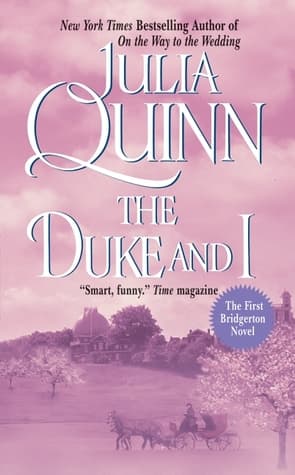
- The Duke and I
Julia Quinn
4.0 (87k) average on GoodreadsHistorical FictionJulia Quinn's "The Duke and I" (Bridgerton series) shares the Regency setting and a focus on societal expectations, but its tone is generally lighter, more humorous, and faster-paced, often employing a more direct and less introspective narrative style. Quinn's strength lies in her charming ensemble casts and quick-witted dialogue. In contrast, "The Virtuoso" delves much deeper into the psychological complexities of its main characters, particularly the hero's trauma and the heroine's quiet resilience, offering a more intense emotional journey rather than the sparkling social comedy often found in Quinn's work. Burrowes prioritizes emotional realism and the intricate dance of reconciliation over the more conventional courtship tropes.
- To Kill a Mockingbird
Harper Lee
4.3 (4.5M) average on GoodreadsHistorical FictionIn the 1930s Jim Crow South, Harper Lee writes about racial injustice, moral growth, and the quiet courage of a lawyer father, Atticus Finch, as seen through his young daughter's eyes.
- The Great Gatsby
F. Scott Fitzgerald
3.9 (3.8M) average on GoodreadsHistorical FictionIn the opulent Roaring Twenties, a mysterious millionaire's lavish parties hide his desperate, tragic pursuit of a lost love, exposing the emptiness within the American Dream.
- Pride and Prejudice
Jane Austen
4.3 (3M) average on GoodreadsHistorical FictionIn a society focused on status and money, Elizabeth Bennet navigates love and pride, challenging Mr. Darcy and social expectations to find true affection.
- Angels & Demons
Dan Brown
3.9 (2.7M) average on GoodreadsThrillerA Harvard symbologist races through Rome's ancient sites, deciphering cryptic clues to unmask the Illuminati and stop a vengeful plot to destroy the Vatican with a stolen antimatter weapon.
- The Kite Runner
Khaled Hosseini
4.3 (2.4M) average on GoodreadsHistorical FictionIn pre-Taliban Afghanistan, a wealthy boy's betrayal of his servant's son during a kite-running tournament starts a lifelong journey for amends as his country collapses.





Enjoyed the summary?
A summary gives you the shape of the book. The book itself has the detail, the examples and the voice.
Find The Virtuoso on AmazonAs an Amazon Associate, BookBrief earns from qualifying purchases. How we're funded