
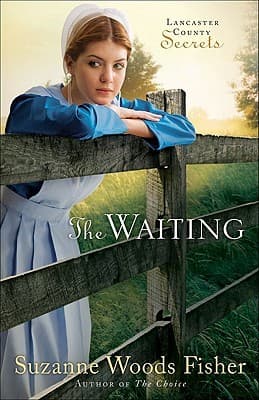
Synopsis
Covers the whole plot, including the ending.
- Difficulty
- Easy
- Pacing
- Moderate
- Mood
- Heartwarming, Emotional, Hopeful, Faith-filled
- Read it if
- You enjoy historical Amish romance with a significant emotional dilemma and themes of faith and community.
- Skip it if
- You prefer fast-paced plots or avoid stories with love triangles and difficult moral choices.
The Waiting Plot Summary
Covers the whole plot, including the ending.
A Betrothal Interrupted
Jorie King, an Amish woman from Lancaster County, waits for her fiancé, Benjamin Zook, to return from a trip to Ohio. Their wedding plans are set, and Jorie dreams of their future. However, her hopes are shattered when news arrives that Benjamin has died in an accident. The community, especially Jorie and the Zook family, mourns. Jorie struggles with the loss of Ben and the future they imagined, finding comfort in her faith and the quiet support of her community.
Caleb's Comfort
After Benjamin's death, his younger brother, Caleb Zook, becomes a source of comfort for Jorie. Caleb, who was close to Benjamin and had a quiet affection for Jorie, understands her pain. He visits her regularly, helping on her family's farm and simply being there. Their shared grief over Benjamin creates a bond. As weeks pass, their friendship deepens. Jorie finds herself drawn to Caleb's quiet strength, kindness, and faith, seeing in him a steady presence that helps her through her sorrow.
A New Beginning
As Jorie and Caleb spend more time together, their feelings grow from friendship into a deep love. Both are hesitant at first, feeling guilt or disloyalty to Benjamin's memory, but they eventually accept their affection. With the blessing of both families, who see their connection, Caleb proposes to Jorie. She accepts, and the community celebrates their engagement, seeing it as a chance for Jorie to find happiness again. They begin to plan their wedding, looking forward to a future together.
The Unthinkable Return
Days before Jorie and Caleb's wedding, Benjamin Zook returns to Lancaster County, alive. He explains he was robbed, beaten, and left for dead, suffering from amnesia. He was cared for by a family in Ohio and only recently regained his memory, returning home as quickly as possible. His return shocks everyone, especially Jorie and Caleb. The community is stunned, dealing with the return of a man they mourned and buried, and what it means for the upcoming wedding.
A Devastating Dilemma
Jorie is in an impossible situation. Benjamin, her first love and fiancé, is alive and expects to resume their life together. Caleb, her current fiancé, has been her support through grief and has captured her heart. She loves them both in different ways and is filled with guilt and confusion. The community is also divided on what is proper by Amish tradition and faith. Jorie seeks guidance from her bishop, her parents, and her own heart, trying to understand God's will amidst the emotional chaos. Her decision will affect her life and the lives of both brothers.
Community Counsel
The Amish community supports Jorie and the Zook family, offering prayers and advice, but also struggling with the situation. Bishop Stoltz, a respected elder, meets with Jorie, Benjamin, and Caleb, trying to find a solution that follows church rules and personal feelings. While tradition might suggest Jorie return to her original engagement, the elders also acknowledge the love between Jorie and Caleb. The Bishop emphasizes that while guidance is given, the final decision must come from Jorie's heart, guided by her faith and prayer.
Benjamin's Struggle
Benjamin, returning from his ordeal, struggles to fit back into his old life. He feels lost by the time he missed and the changes that happened, especially the bond between Jorie and Caleb. He tries to reclaim his place, in his family and Jorie's heart, but senses a change he cannot grasp. He deals with feelings of betrayal and confusion, trying to understand how his family and Jorie could have moved on so completely, even after his presumed death. His past trauma and present displacement make it hard for him to accept the new reality.
Caleb's Sacrifice
Caleb is upset by Benjamin's return. He loves Jorie deeply and had imagined a future with her, but he also loves his brother. He feels a conflict between his desires and the duty to step aside for Benjamin, his elder brother, who was Jorie's first fiancé. Caleb struggles with the pain of potentially losing Jorie and the confusion of God's plan. He shows great selflessness and strength, trying to handle the situation with grace and faith, even as his heart breaks at the thought of giving up the woman he loves.
Jorie's Decision
After days of prayer, sleepless nights, and talks with her parents and the Bishop, Jorie makes a decision. She realizes that while her love for Benjamin was real, the man she loves now, who helped her through her darkest hours and healed her, is Caleb. She understands that her heart has moved on and that her bond with Caleb is a sign of God's grace. She makes the difficult choice to follow her heart and commit to Caleb, knowing it will cause pain but believing it is the honest and faithful path for her.
Acceptance and Resolution
Jorie tells Benjamin and Caleb her decision. Benjamin is hurt but eventually accepts her choice, realizing that Jorie's heart now belongs to his brother. The Zook family, though surprised, supports Jorie and Caleb, finding peace in their faith that God's plan is unfolding. The community, after initial shock, also accepts Jorie's decision, recognizing the truth of her love for Caleb. The story ends with Jorie and Caleb moving forward with their wedding plans, having faced a challenge and reaffirmed their commitment to each other and their faith.
Principal Figures
Jorie King
Protagonist
A devout Amish woman caught between two brothers and two loves.
Jorie is a kind, devout, and resilient young Amish woman from Lancaster County. She possesses a deep faith and a strong sense of family and community. Initially, she is characterized by her patient devotion to Benjamin, her fiancé. After his presumed death, she demonstrates remarkable strength in grief, finding solace in her faith and the growing friendship with Caleb. She is introspective and struggles deeply with the moral and emotional dilemma of loving two brothers, seeking God's guidance above all else.
Relationships: Benjamin Zook (First fiancé, childhood sweetheart); Caleb Zook (Second fiancé, brother of Benjamin, source of comfort and true love); Bishop Stoltz (Spiritual advisor and community leader)
Caleb Zook
Protagonist/Love Interest
Benjamin's younger brother, who offers Jorie comfort and later falls in love with her.
Caleb is a quiet, compassionate, and steadfast Amish man. He has always harbored a quiet affection for Jorie, even when she was betrothed to his older brother, Benjamin. After Benjamin's presumed death, Caleb steps up to support Jorie, demonstrating immense empathy and practical kindness. He is deeply faithful and struggles with the moral implications of loving his brother's fiancée, and later, the pain of Benjamin's return. He is characterized by his selflessness and his unwavering commitment to Jorie and his family.
Relationships: Jorie King (Love interest, fiancée); Benjamin Zook (Older brother); Zook Family (Son, brother)
Benjamin Zook
Antagonist/Love Interest
Jorie's first fiancé, who returns from the dead to reclaim his life and love.
Benjamin is Jorie's original fiancé, presumed dead but who miraculously returns. He is initially portrayed as the ideal Amish husband-to-be, though his character is more fully explored upon his return. He is strong-willed and initially struggles to comprehend the changes that have occurred in his absence. He feels a sense of entitlement to his old life and to Jorie, leading to conflict. His journey involves grappling with his traumatic experience and coming to terms with the reality that life, and love, moved on without him.
Relationships: Jorie King (First fiancée); Caleb Zook (Younger brother)
Bishop Stoltz
Supporting
The wise and respected spiritual leader of the Amish community.
Bishop Stoltz is a revered elder in the Amish community, known for his wisdom, piety, and calm demeanor. He serves as a spiritual guide and counselor, particularly during the unprecedented crisis of Benjamin's return. He strives to uphold Amish traditions and biblical principles while also demonstrating compassion for the individuals involved. He facilitates discussions and offers advice, emphasizing prayer and discerning God's will, but ultimately respects Jorie's personal decision.
Relationships: Jorie King (Spiritual congregant); Zook Family (Congregants)
Sarah King
Supporting
Jorie's supportive and understanding mother.
Sarah King is Jorie's mother, a loving and supportive figure who provides emotional stability and practical advice to her daughter. She grieves Benjamin's presumed death with Jorie and later offers comfort and guidance during Jorie's dilemma. She embodies the strong, faithful Amish mother, prioritizing her daughter's well-being and spiritual peace above all else, while also respecting community norms.
Relationships: Jorie King (Daughter)
Jacob King
Supporting
Jorie's father, a principled and traditional Amish man.
Jacob King is Jorie's father, a hardworking and principled Amish man. He is traditional in his views but also deeply loves his family. He supports Jorie through her grief and subsequent engagement to Caleb. When Benjamin returns, he struggles with the implications for his daughter, seeking to uphold what is right according to his faith and community standards, while also ensuring Jorie's happiness.
Relationships: Jorie King (Daughter)
Esther Zook
Supporting
The mother of Benjamin and Caleb, who endures significant grief and joy.
Esther Zook is the mother of Benjamin and Caleb. She experiences profound grief at the presumed death of Benjamin and then immense joy and relief at his return. She is a loving mother who struggles with the pain of seeing her sons and Jorie in such a difficult situation. Her faith is central to her ability to navigate these extreme emotional swings, and she strives to support all her children.
Relationships: Benjamin Zook (Son); Caleb Zook (Son)
Samuel Zook
Supporting
The father of Benjamin and Caleb, who provides a steady presence.
Samuel Zook is the father of Benjamin and Caleb, a hardworking and devout Amish man. Like his wife, he experiences the shock of Benjamin's presumed death and the miracle of his return. He tries to provide a steady, guiding presence for his family during the ensuing crisis, leaning on his faith and the counsel of the Bishop. He embodies the quiet strength and resilience characteristic of the Amish patriarch.
Relationships: Benjamin Zook (Son); Caleb Zook (Son)
Themes & Insights
Faith and Divine Providence
The novel explores faith in God's plan, even during difficult times. Jorie, Caleb, and the community pray and read scripture to understand events. Benjamin's return is seen as a divine act, making everyone question and confirm their understanding of God's will. Jorie's final choice is shown as a result of her spiritual understanding, trusting that God has a path for her, even if it differs from tradition. The community's response, from mourning to celebration, is always seen through their Amish beliefs.
“'The Lord works in mysterious ways, and sometimes those ways test the very foundations of our understanding.'”
Love and Loyalty
The story focuses on the complexities of love and loyalty. Jorie's loyalty to Benjamin, her first love, is challenged by her growing love for Caleb, who offers comfort during her hardest time. The problem makes Jorie see the difference between types of love – the past love with Benjamin versus the deep, healing love with Caleb. Caleb's loyalty to his brother, despite his own feelings for Jorie, is also important. The story shows how loyalty can change when faced with unusual situations and true desires of the heart.
“'How could a heart hold so much love, and yet be so torn?”
Grief and Healing
The novel starts with Jorie's and the Zook family's grief over Benjamin's presumed death. The story shows the process of mourning, acceptance, and the difficult journey to healing. Caleb helps Jorie heal and move past her sorrow. Benjamin's return disrupts this healing, making characters re-experience grief and rethink their emotional progress. The story suggests that healing is not always straightforward and can be affected by unexpected events, requiring renewed faith and strength.
“'Sometimes, the greatest comfort comes not from forgetting, but from finding new reasons to hope.'”
Tradition vs. Personal Choice
A key theme is the conflict between Amish traditions and individual desires or unusual circumstances. Amish society values order, community agreement, and following established practices, including engagement. Benjamin's return creates chaos, as tradition would suggest Jorie return to her original fiancé. However, Jorie's personal love for Caleb, developed through shared grief and affection, challenges these norms. The Bishop and community elders must figure out how to apply their faith and traditions to an unprecedented situation, eventually allowing for Jorie's personal, faith-guided choice. This shows a balance between strict adherence and understanding.
“'The Ordnung guides us, but the Lord also speaks to our hearts.'”
Plot Devices & Literary Techniques
The 'Dead' Character Returns
A character believed to be dead reappears, creating immense conflict.
This classic plot device is the central catalyst for the novel's main conflict. Benjamin Zook, Jorie's original fiancé, is reported dead, allowing Jorie and his brother Caleb to fall in love and become engaged. His miraculous return on the eve of their wedding creates an immediate and devastating dilemma, forcing Jorie to choose between her past and present loves. This device maximizes emotional tension and forces characters to confront profound questions of loyalty, love, and divine will, effectively turning the established plot on its head.
The Love Triangle
One protagonist is caught between two romantic interests, creating emotional conflict.
The novel uses a love triangle involving Jorie, Benjamin, and Caleb. This device is intensified by the fact that Benjamin and Caleb are brothers, adding layers of familial loyalty and guilt to the romantic dilemma. Jorie's emotional struggle to choose between the man she was betrothed to and the man she grew to love in his absence forms the core of the story. The love triangle drives much of the internal and external conflict, exploring the complexities of the heart and the difficulty of making a choice with such profound implications for all involved.
The Unforeseen Obstacle
An unexpected event derails the protagonists' plans and tests their resolve.
While Benjamin's return is the primary obstacle, the initial obstacle is Benjamin's presumed death itself, which sets the stage for Jorie and Caleb's relationship. The larger 'unforeseen obstacle' is the resurrection of Benjamin, which completely upends Jorie and Caleb's planned wedding and future. This device forces the characters to confront an extraordinary challenge that tests their faith, their love, and their commitment to each other and their community. It ensures that the resolution is hard-won and deeply earned, demonstrating resilience in the face of the truly unexpected.
The Waiting Quotes
“The past is a stubborn thing, always nipping at your heels.”
“Hope is a fragile bird, easily frightened away, but it always finds a way to fly back.”
“Sometimes the greatest love is found in the longest wait.”
“Silence can be a comfort or a torment, depending on what fills it.”
“A promise made in earnest is a bond stronger than any chain.”
“The heart has its own compass, even when the mind is lost.”
“Forgiveness isn't for the other person; it's for you.”
“Even in the darkest night, the stars still shine. You just have to look up.”
“Love is not about finding a perfect person, but seeing an imperfect person perfectly.”
“The stories we tell ourselves often shape the lives we live.”
“True strength isn't in never falling, but in rising every time you fall.”
“Some roads are meant to be walked alone, until they lead you to someone else.”
“The past is a teacher, not a prison.”
“A shared memory, even a painful one, can bind two souls together.”
Quiz
10 questions on the plot and the characters. Each answer comes with a short explanation.
Question 1
What is Jorie King waiting for at the beginning of the story?
- Her sister to return from a trip.
- Benjamin Zook to return home so they can marry.
- A letter from a distant relative.
- The spring planting season to begin.
Show answer
B. Benjamin Zook to return home so they can marry. Jorie King is waiting for Benjamin Zook to return home to Lancaster County so they can marry, which sets up the initial conflict of the story.
Question 2
What tragic news does Jorie receive about Benjamin Zook?
- He has decided to join a different Amish community.
- He has been injured in an accident.
- He has been killed.
- He has married someone else.
Show answer
C. He has been killed. Jorie receives news that Benjamin Zook has been killed, which devastates her and alters her future.
Question 3
Who does Jorie find comfort in after Benjamin's death?
- Her best friend from childhood.
- Benjamin's brother, Caleb.
- Her church elder.
- A new arrival to the community.
Show answer
B. Benjamin's brother, Caleb. After Benjamin's death, Jorie finds comfort in the friendship of his brother, Caleb, which eventually deepens into love.
Question 4
What is the primary setting of 'The Waiting'?
- A bustling city in Pennsylvania.
- A small coastal town in Maryland.
- Lancaster County, an Amish community.
- A remote mountain village.
Show answer
C. Lancaster County, an Amish community. The story is set in Lancaster County, which is explicitly mentioned as an Amish community, crucial to the book's atmosphere and character lifestyles.
Question 5
What happens that 'turns their worlds upside down once more' after Jorie and Caleb's relationship develops?
- A natural disaster strikes the community.
- Benjamin Zook unexpectedly returns.
- Caleb decides to leave the Amish community.
- Jorie discovers a long-lost family secret.
Show answer
B. Benjamin Zook unexpectedly returns. The synopsis mentions 'when the unexpected happens, their worlds are turned upside down once more,' implying a major twist. In such romance plots, the return of a supposedly deceased love interest is a common 'unexpected' event.
Question 6
What recurring internal struggle does Jorie face throughout the story?
- Whether to leave her Amish community.
- Trusting God to lead her in her romantic future.
- Choosing a career path outside of traditional roles.
- Reconciling with estranged family members.
Show answer
B. Trusting God to lead her in her romantic future. The synopsis explicitly states, 'Will Jorie trust God to lead her into the arms of a new man?', highlighting her internal struggle with faith and destiny in love.
Question 7
What genre elements are prominently featured in 'The Waiting'?
- Science Fiction and Mystery.
- Fantasy and Adventure.
- Historical Fiction and Romance.
- Thriller and Horror.
Show answer
C. Historical Fiction and Romance. The book description explicitly labels 'The Waiting' as 'Historical Fiction, Romance,' indicating these are its primary genre elements.
Question 8
As the second book in the LANCASTER COUNTY SECRETS series, what does 'The Waiting' likely build upon from previous books?
- A completely unrelated storyline with new characters.
- The established setting and potentially some overarching themes or minor characters.
- A different historical period with no connection to the first book.
- An entirely new genre and writing style.
Show answer
B. The established setting and potentially some overarching themes or minor characters. Being part of a series, especially one named 'LANCASTER COUNTY SECRETS,' suggests continuity in setting and possibly recurring themes or background elements, though the main characters and plot can be specific to each book.
Question 9
How does the description 'multifaceted story about complex people living the simple life' contribute to understanding the book's themes?
- It implies the characters are secretly involved in criminal activities.
- It suggests a contrast between the outward appearance of an Amish life and the deep emotional struggles of its inhabitants.
- It indicates the plot will involve intricate political intrigue.
- It means the characters frequently travel to complex urban environments.
Show answer
B. It suggests a contrast between the outward appearance of an Amish life and the deep emotional struggles of its inhabitants. The phrase highlights the core thematic tension: the 'simple life' of the Amish community provides a backdrop for 'complex people' dealing with profound emotional and relational challenges, suggesting depth beyond surface appearances.
Question 10
Considering the plot twists, what is a central theme explored through Jorie's character arc?
- The importance of material wealth in Amish society.
- The struggle between personal desire and community expectations.
- Faith and resilience in the face of unexpected change and loss.
- The benefits of urban living over rural life.
Show answer
C. Faith and resilience in the face of unexpected change and loss. Jorie faces multiple losses and unexpected turns in her romantic life, repeatedly requiring her to 'trust God.' This underscores a central theme of faith and resilience in navigating life's unpredictable challenges.
The Waiting FAQ
What is the central conflict Jorie King faces at the beginning of 'The Waiting'?
Jorie King is deeply in love with Benjamin Zook and has been patiently waiting for his return to Lancaster County so they can marry. Her central conflict arises from the prolonged absence and then the devastating news of Benjamin's presumed death, which shatters her immediate future plans and emotional stability.
How does Caleb Zook initially support Jorie after Benjamin's supposed death?
Caleb Zook provides crucial emotional support to Jorie by offering a comforting presence and a listening ear during her intense grief. Their shared sorrow over Benjamin's loss naturally draws them closer, fostering a deep friendship that helps Jorie navigate her heartbreak.
What significant event fundamentally alters the relationship between Jorie and Caleb?
The bond between Jorie and Caleb deepens from friendship into romantic love, leading them to believe they are meant to be together and plan a future. This development represents a significant shift from Jorie's original commitment to Benjamin and sets the stage for future complications.
What 'unexpected' event disrupts Jorie and Caleb's newfound happiness?
The 'unexpected' event is the shocking return of Benjamin Zook, who was presumed dead. His reappearance throws Jorie, Caleb, and the entire community into turmoil, as Jorie is now betrothed to Caleb but still deeply connected to Benjamin.
How does Jorie's faith play a role in her decision-making throughout the book?
Jorie's Amish faith is a cornerstone of her character, guiding her through grief, love, and difficult choices. She grapples with trusting God's plan, especially when faced with the agonizing decision of choosing between Benjamin and Caleb, seeking divine guidance in her heart.
Are there any subtle clues or foreshadowing of Benjamin's survival before his actual return?
While the news of Benjamin's death is presented as definite, the narrative might include subtle hints, such as inconsistencies in the report's details or the community's lingering doubts, though these would be very understated to maintain the shock of his return. The focus is more on the impact of his supposed death.
How does the community react to Benjamin's return, particularly regarding Jorie and Caleb?
The Amish community is undoubtedly shocked and conflicted by Benjamin's return. While relieved for Benjamin, they are also deeply concerned about the implications for Jorie and Caleb's engagement, navigating the delicate balance of tradition, personal vows, and unforeseen circumstances.
Are there specific Amish customs or traditions that complicate Jorie's predicament?
Yes, Amish courtship and marriage traditions, which emphasize commitment, community approval, and the sanctity of vows, significantly complicate Jorie's situation. The idea of breaking an engagement, especially after such a unique circumstance, would carry considerable social and spiritual weight within the community.
How does Benjamin Zook's experience away from home subtly change him, making his return more complex?
Benjamin's experiences, likely involving military service or a period outside the Amish community, would undoubtedly mature and potentially alter his perspective. These changes, though perhaps subtle, could create a slight distance or new challenges in reconnecting with Jorie and his former life.
How does Jorie's initial grief for Benjamin influence her attachment to Caleb?
Jorie's profound grief for Benjamin creates a vulnerability and a need for comfort that Caleb fulfills. Her attachment to Caleb is initially rooted in shared sorrow and companionship, eventually evolving into romantic love as he becomes her anchor in a world turned upside down.
What psychological challenges does Caleb face when Benjamin returns?
Caleb faces immense psychological challenges, including guilt, betrayal, and the potential loss of Jorie. He must contend with the complex emotions of seeing his brother alive while simultaneously fearing the destruction of his own happiness and future with Jorie.
How does Benjamin's return impact his own psychological state, especially regarding Jorie and Caleb?
Benjamin would likely experience a mix of joy at returning and confusion or distress upon discovering Jorie and Caleb's relationship. He might grapple with feelings of displacement, the loss of time, and the emotional burden of the situation he inadvertently created, potentially leading to resentment or sadness.
What internal conflicts does Jorie experience in distinguishing between love born of grief and enduring romantic love?
Jorie struggles with differentiating her deep affection for Caleb, which grew from shared grief and comfort, from the enduring love she felt for Benjamin. She must discern whether her love for Caleb is a true, independent romantic bond or a solace-driven attachment, making her choice incredibly difficult.
Is Jorie's choice ultimately about love, duty, or faith?
Jorie's ultimate choice is a complex interplay of love, duty, and faith. While her heart is divided between two men, her decision is deeply influenced by her spiritual convictions, her sense of responsibility to her community, and her understanding of what true love and commitment entail in God's eyes.
Could 'The Waiting' be interpreted as a commentary on the unpredictable nature of life, even within a structured community?
Absolutely. The novel strongly highlights how even in the seemingly predictable and structured Amish life, unforeseen events like Benjamin's return can drastically alter paths and challenge deeply held beliefs. It underscores the theme that human plans are often subject to a higher, unpredictable will.
Does the title 'The Waiting' refer solely to Jorie waiting for Benjamin, or does it have a broader meaning?
The title 'The Waiting' has a broader meaning. It refers not only to Jorie's initial wait for Benjamin but also to her waiting for clarity, for God's will to be revealed, and perhaps even for the community to process the unfolding events. It encapsulates the period of uncertainty and spiritual discernment.
How does the author use the Amish setting to amplify the emotional stakes of the story?
The Amish setting amplifies emotional stakes by embedding the characters' personal dilemmas within a community that values tradition, family, and spiritual guidance above all else. The close-knit nature means personal choices have wider communal repercussions, making Jorie's decision not just personal but also deeply public and spiritually charged.
Is there a 'right' or 'wrong' choice presented for Jorie, or is it left ambiguous?
The novel likely avoids presenting a clear 'right' or 'wrong' choice, instead focusing on the agonizing difficulty of Jorie's decision and the valid reasons for loving either man. The ambiguity forces readers to empathize with her struggle and consider the multifaceted nature of love and commitment.
About the author

Suzanne Woods Fisher is an author known for her fiction, particularly within the genre of inspirational and historical narratives. Her notable works include "The Waiting," which explores themes of faith and patience, and "The Keeper," a story that delves into the complexities of love and family.
Similar books
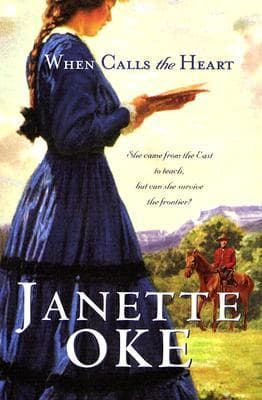
- When Calls the Heart
Janette Oke
4.2 (21k) average on GoodreadsHistorical FictionCompared to Oke's "When Calls the Heart," Fisher's "The Waiting" introduces a more complex and emotionally charged romantic conflict through 'The Unthinkable Return' and 'A Devastating Dilemma.' While Oke often features strong female protagonists and community themes, her narratives tend to have more straightforward romantic arcs, whereas Fisher delves into a deeper ethical quandary that tests the characters' faith and relationships more intensely.
- Redeeming Love
Francine Rivers
4.5 (213k) average on GoodreadsHistorical FictionWhile Francine Rivers' "Redeeming Love" explores much darker and more intense themes of abuse, brokenness, and redemption, Suzanne Woods Fisher's "The Waiting" offers a more accessible exploration of moral and emotional quandaries. Fisher's novel provides a poignant, yet less extreme, emotional journey focusing on the dilemma of an interrupted betrothal and subsequent choices, making it suitable for readers who appreciate deep emotional conflict within a more gentle, faith-based historical setting.
- To Kill a Mockingbird
Harper Lee
4.3 (4.5M) average on GoodreadsHistorical FictionIn the 1930s Jim Crow South, Harper Lee writes about racial injustice, moral growth, and the quiet courage of a lawyer father, Atticus Finch, as seen through his young daughter's eyes.
- The Great Gatsby
F. Scott Fitzgerald
3.9 (3.8M) average on GoodreadsHistorical FictionIn the opulent Roaring Twenties, a mysterious millionaire's lavish parties hide his desperate, tragic pursuit of a lost love, exposing the emptiness within the American Dream.
- Pride and Prejudice
Jane Austen
4.3 (3M) average on GoodreadsHistorical FictionIn a society focused on status and money, Elizabeth Bennet navigates love and pride, challenging Mr. Darcy and social expectations to find true affection.
- Angels & Demons
Dan Brown
3.9 (2.7M) average on GoodreadsThrillerA Harvard symbologist races through Rome's ancient sites, deciphering cryptic clues to unmask the Illuminati and stop a vengeful plot to destroy the Vatican with a stolen antimatter weapon.





Enjoyed the summary?
A summary gives you the shape of the book. The book itself has the detail, the examples and the voice.
Find The Waiting on AmazonAs an Amazon Associate, BookBrief earns from qualifying purchases. How we're funded