
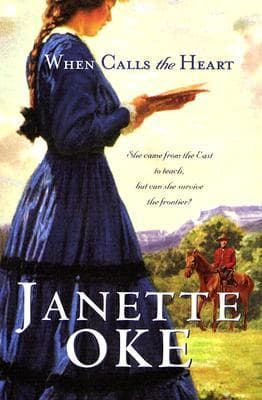
Synopsis
Covers the whole plot, including the ending.
- Difficulty
- Easy
- Pacing
- Moderate
- Mood
- Heartwarming, Hopeful, Gentle, Inspiring
- Read it if
- You enjoy wholesome historical romance with a strong female protagonist and a focus on community and faith in a frontier setting.
- Skip it if
- You prefer gritty realism, complex moral dilemmas, or fast-paced, action-driven plots.
When Calls the Heart Plot Summary
Covers the whole plot, including the ending.
A New Beginning in the Wild West
Elizabeth Thatcher, a refined young woman from a wealthy East Coast family, accepts a teaching position in the remote mining town of Coal Valley, located in the Canadian Northwest Territories. Her family, particularly her mother, is distraught by her decision because they are accustomed to a life of luxury and social graces. Elizabeth, however, feels a strong calling to make a difference and embrace a more challenging life. Upon her arrival, she is immediately struck by the harsh realities of frontier living – the rudimentary schoolhouse, the lack of modern conveniences, and the stark contrast to her privileged upbringing. She quickly realizes that teaching in Coal Valley will demand more than just academic instruction; it will require resilience, adaptability, and a deep understanding of the unique struggles faced by the mining community.
First Encounters and Early Challenges
Elizabeth is introduced to the small, close-knit community of Coal Valley. Her initial days are filled with adjusting to the primitive living conditions, including a tiny, drafty cabin and the need to chop her own wood and fetch water. She meets her students, a diverse group ranging in age, many of whom have already faced significant hardships due to their fathers' dangerous mining profession. She also has her first encounters with Constable Jack Thornton of the Royal Canadian Mounted Police. Jack, initially reserved and somewhat wary of the city-bred teacher, observes her struggles with a mixture of amusement and concern. Elizabeth finds herself challenged by the children's varied educational levels and the practicalities of teaching in a one-room schoolhouse, but her determination to connect with them is clear.
Building Trust and Facing Disasters
Elizabeth slowly begins to win over her students and the skeptical parents. She shows her genuine care and commitment. She introduces new teaching methods and encourages the children's creativity. However, the ever-present danger of mining is a concern. A devastating mine accident occurs, claiming the lives of several men and leaving many families without their primary providers. Elizabeth, despite her own fear and inexperience with such tragedies, steps up to offer comfort and support to the grieving community. She helps organize aid for the widows and children. This shows a strength and compassion that deeply impresses Constable Thornton and solidifies her place within Coal Valley.
Jack's Growing Admiration
Following the mine disaster, Jack Thornton's initial reservations about Elizabeth begin to dissolve. He observes her selflessness, her dedication to the children, and her surprising resilience in the face of immense hardship. He sees beyond her cultured upbringing to the strong, compassionate woman beneath. Jack frequently offers practical assistance to Elizabeth, from helping with repairs around her cabin to offering advice on frontier living. These interactions, born out of necessity, slowly begin to create mutual respect and a subtle, unspoken attraction between them. Their conversations become less formal, revealing glimpses of their true characters and values.
A Visit from the Past
Elizabeth's younger sister, Julie, pays a visit to Coal Valley, bringing with her a stark reminder of Elizabeth's former life of ease and luxury. Julie is initially horrified by the primitive conditions and the lack of social engagements, struggling to adapt even for a short time. Her presence highlights how much Elizabeth has changed and grown since arriving in the West. While Julie struggles with the dust and simplicity, Elizabeth demonstrates her newfound independence and capability, tending to her home and her students with confidence. This visit solidifies Elizabeth's commitment to her new life, showing her that her true happiness lies not in the comforts of her past, but in the purpose and community she has found in Coal Valley.
The Widows' Struggle and Elizabeth's Advocacy
The aftermath of the mine accident leaves many widows struggling financially, facing an uncertain future. Elizabeth, deeply moved by their plight, takes an active role in advocating for them. She helps them organize and demand fair compensation and support from the mining company. Her efforts, combined with the quiet support and legal guidance from Constable Thornton, are instrumental in securing better provisions for the grieving families. This period further strengthens Elizabeth's bond with the community. It shows her emerging leadership qualities, demonstrating her willingness to fight for justice and protect the vulnerable, even against powerful interests.
Growing Affection and Shared Moments
As the seasons change, Elizabeth and Jack's relationship continues to evolve. They share numerous small moments of connection – Jack bringing her supplies, helping with a school project, or simply sharing a quiet conversation by the fire. Elizabeth finds herself increasingly drawn to Jack's steadfast character, his integrity, and his quiet strength. Jack, in turn, is captivated by Elizabeth's spirit, her kindness, and her unexpected resilience. Their interactions, though often unspoken, are charged with a growing affection and mutual respect. They begin to rely on each other, finding comfort and companionship in the isolated frontier setting, hinting at a deeper emotional bond forming between them.
A Test of Courage and Compassion
A severe winter storm descends upon Coal Valley, isolating the town and presenting new challenges. The schoolhouse, already poorly insulated, becomes dangerously cold. Elizabeth, determined to keep her students safe and warm, goes to extraordinary lengths to secure extra firewood and blankets, often with Jack's assistance. During this time, one of her students falls seriously ill. Elizabeth, drawing on her compassion and resourcefulness, nurses the child, spending sleepless nights at their bedside. Her dedication during this crisis further solidifies her bond with the community and reinforces Jack's admiration for her selfless nature, showing her true mettle under pressure.
An Unexpected Proposal and a Difficult Choice
Just as Elizabeth feels increasingly settled and connected to Coal Valley, a suitor from her past, a wealthy and respectable man from her East Coast society, arrives with a marriage proposal. This unexpected development forces Elizabeth to confront her feelings and the stark contrast between the life she left behind and the life she has built in the West. The proposal represents security, comfort, and a return to her familiar world, but Elizabeth realizes her heart is no longer there. She has grown and changed, and her affections have shifted. This moment makes her fully aware of the depth of her feelings for Jack and her commitment to her new life.
A Future in the West
Elizabeth ultimately declines the proposal from her former suitor, realizing that her heart and future belong in Coal Valley. She has found purpose, love, and a true home among the resilient people of the frontier. While Jack Thornton has not yet explicitly declared his love, the unspoken understanding and deep bond between them are undeniable. Elizabeth looks forward to a future in the West, ready to face its challenges and joys alongside the community she has come to cherish, and with the man whose quiet strength and integrity have captured her heart. The book concludes with Elizabeth fully embracing her new life, eager for what the future holds in Coal Valley.
Principal Figures
Elizabeth Thatcher
Protagonist
A refined East Coast teacher who finds her true calling on the Canadian frontier
Elizabeth is initially a sheltered, high-society woman from a wealthy family, accustomed to luxury and privilege. She possesses a strong sense of duty and a desire for a more meaningful life, which prompts her to accept a teaching position in the remote Coal Valley. Throughout the story, she transforms from an inexperienced newcomer into a resilient, compassionate, and independent woman. Her kindness, dedication to her students, and surprising inner strength allow her to adapt to the harsh frontier conditions and earn the respect and love of the community. She is driven by a desire to make a difference and to find genuine purpose.
Relationships: Constable Jack Thornton (developing romantic interest, initially wary but growing into deep mutual respect and affection); Julie Thatcher (younger sister, represents her past life); Coal Valley children (her students, she is deeply devoted to their well-being and education)
Constable Jack Thornton
Supporting/Love Interest
A stoic and honorable Royal Canadian Mounted Police officer
Jack is a steadfast and principled member of the Royal Canadian Mounted Police, responsible for maintaining law and order in Coal Valley. Initially, he is reserved and somewhat skeptical of Elizabeth, viewing her as a delicate city woman ill-suited for the frontier. However, he quickly comes to admire her resilience, compassion, and dedication. He is a man of few words but strong actions, always ready to help those in need. He often provides practical assistance and quiet support to Elizabeth, and his respect for her gradually blossoms into deep affection. He embodies the strength and integrity of the Canadian West.
Relationships: Elizabeth Thatcher (developing romantic interest, initially wary but growing into deep mutual respect and affection); Coal Valley residents (protector and law enforcer)
Julie Thatcher
Supporting
Elizabeth's younger sister, representing her pampered past
Julie is Elizabeth's younger sister, who visits Coal Valley from their East Coast home. She embodies the privileged and sheltered life that Elizabeth left behind. Julie is initially horrified by the rustic conditions of the frontier and struggles to adapt, highlighting the stark contrast between her sister's two worlds. Her visit serves as a catalyst for Elizabeth to reflect on her journey and reaffirm her commitment to her new life. Julie's struggle with the simple life emphasizes Elizabeth's growth and resilience.
Relationships: Elizabeth Thatcher (sisterly bond, but with contrasting experiences and perspectives)
Mrs. Higgins
Supporting
A kind and experienced Coal Valley resident who offers Elizabeth guidance
Mrs. Higgins is one of the kind and practical women of Coal Valley who takes Elizabeth under her wing. She offers practical advice on frontier living, helps Elizabeth adjust to her new environment, and provides a sense of maternal support. She is a pillar of the community, representing the resilience and neighborly spirit of the frontier women. Her wisdom and friendship are invaluable to Elizabeth as she navigates the challenges of her new life.
Relationships: Elizabeth Thatcher (mentor and friend)
The Children of Coal Valley
Supporting
Elizabeth's diverse group of students, who teach her as much as she teaches them
The children are Elizabeth's primary motivation and the heart of her teaching mission. They come from various backgrounds within the mining community, often having faced hardship and loss at a young age. They are initially wary or curious about their new teacher but quickly warm to Elizabeth's genuine care and innovative methods. Their struggles and triumphs become central to Elizabeth's experience, and her dedication to them drives much of her character development. They represent the future and the reason for Elizabeth's commitment to Coal Valley.
Relationships: Elizabeth Thatcher (students, deeply cared for by their teacher)
Mr. Thatcher
Mentioned
Elizabeth's wealthy and concerned father
Mr. Thatcher is Elizabeth's father, a wealthy and influential man from her East Coast background. While he expresses concern over Elizabeth's decision to move to the frontier, he ultimately supports her choice, albeit with some reservations. He represents the comfort and security Elizabeth leaves behind, but also the love and foundation of her upbringing. His character is largely off-page, but his influence on Elizabeth's past is significant.
Relationships: Elizabeth Thatcher (father-daughter relationship, loving but with different life perspectives)
Mrs. Thatcher
Mentioned
Elizabeth's mother, who struggles with her daughter's move to the frontier
Mrs. Thatcher is Elizabeth's mother, a woman deeply entrenched in high society and accustomed to a life of ease. She is initially distraught and disapproving of Elizabeth's decision to become a frontier teacher, fearing for her daughter's safety and comfort. Her concerns highlight the vast cultural divide between Elizabeth's past and present lives. She represents the societal expectations and comforts Elizabeth chooses to leave behind for a life of purpose.
Relationships: Elizabeth Thatcher (mother-daughter relationship, with tension over Elizabeth's life choices)
Mr. Gowan
Supporting
The owner of the mining company in Coal Valley
Mr. Gowan is the representative of the mining company that operates in Coal Valley. He initially appears as a somewhat detached figure, primarily concerned with the company's bottom line. Following the mine disaster, he becomes a focal point for the community's demands for justice and compensation. He represents the corporate power that often clashed with the welfare of the frontier workers, and Elizabeth's interactions with him highlight her growing advocacy for the townspeople.
Relationships: Coal Valley residents (employer/company owner, often in conflict regarding worker welfare); Elizabeth Thatcher (antagonistic, as she advocates for the miners' families)
Themes & Insights
Identity and Self-Discovery
The central theme is Elizabeth Thatcher's journey of self-discovery as she leaves her privileged East Coast life for the rugged Canadian frontier. She sheds the expectations of her family and society, learning to rely on her own strength and resourcefulness. Her experiences in Coal Valley, particularly her interactions with the students and the community, shape her into a more compassionate and independent woman. This theme is evident in her initial struggles with primitive living, her growing confidence as a teacher, and her ultimate decision to reject a suitor from her past in favor of her new life.
“She had come to the West to find herself, and in the dust and the struggle, she was beginning to see the woman she was meant to be.”
Community and Belonging
The book explores the formation of community in a harsh frontier environment and Elizabeth's journey to find belonging within it. Initially an outsider, Elizabeth gradually earns the trust and respect of the Coal Valley residents through her dedication and compassion, especially after the mine disaster. The community, though small and facing constant hardship, shows remarkable resilience, mutual support, and a strong sense of shared fate. Elizabeth's integration into this close-knit group, and her active participation in their struggles and joys, highlights the importance of human connection in overcoming adversity.
“These people, with their quiet strength and enduring spirit, had become her family.”
Resilience and Adaptation
This theme is shown by Elizabeth's ability to adapt to the challenging conditions of frontier life, from chopping wood to teaching in a one-room schoolhouse. It is also reflected in the unwavering spirit of the Coal Valley residents, particularly the widows and children, who face immense loss and hardship with courage. The constant threat of mining accidents, severe weather, and isolation demands a high level of resilience from everyone. Elizabeth's personal growth is directly tied to her ability to overcome these obstacles, demonstrating that true strength comes from within and the willingness to face adversity head-on.
“The West didn't just test your body; it tested your very soul, and Elizabeth found hers was stronger than she'd ever known.”
Love and Compassion
The developing romantic relationship between Elizabeth and Constable Jack Thornton is a central element. It develops from initial skepticism to deep mutual respect and affection. Beyond romance, the book emphasizes the broader theme of love as compassion and selfless care, particularly Elizabeth's love for her students and her empathy for the struggling community. Her actions after the mine disaster, her advocacy for the widows, and her dedication to the children all stem from a deep sense of love and care for others, which ultimately binds her to Coal Valley.
“It was in the quiet moments of shared understanding, the unspoken support, that Elizabeth knew her heart had found its home.”
Plot Devices & Literary Techniques
Fish-out-of-Water Protagonist
Elizabeth Thatcher's initial unfamiliarity with frontier life drives much of the early plot and character development
Elizabeth Thatcher, a refined East Coast woman, is placed in the rugged and primitive setting of Coal Valley. This 'fish-out-of-water' scenario immediately creates conflict, humor, and opportunities for character growth. Her initial struggles with basic tasks like chopping wood or dealing with the harsh weather highlight the vast difference between her past and present lives. This device allows the author to explore themes of adaptation, resilience, and the redefinition of identity as Elizabeth learns to navigate and eventually thrive in her new environment, earning the respect of the local community and Constable Thornton.
The Mine Disaster
A pivotal event that serves as a major turning point in the plot and for character development
The devastating mine accident, which claims the lives of several men, is a critical plot device. It acts as a catalyst, forcing Elizabeth to move beyond her role as a teacher and become an integral part of the community's recovery. This tragedy showcases her compassion, leadership, and resilience, solidifying her bond with the townspeople and earning the deep admiration of Constable Thornton. It also highlights the inherent dangers and hardships of frontier life, providing a stark backdrop against which the characters' strengths and relationships are tested and forged.
The Contrast of Worlds
The juxtaposition of Elizabeth's privileged past and her challenging present
The narrative frequently draws a sharp contrast between Elizabeth's wealthy, cultured East Coast upbringing and the harsh, simple realities of Coal Valley. This device is used to emphasize Elizabeth's personal growth and the sacrifices she makes. Her family's concerns, her sister Julie's visit, and the arrival of a suitor from her past all serve to highlight the two distinct worlds. This contrast underscores the theme of self-discovery, illustrating how Elizabeth actively chooses a life of purpose and genuine connection over one of material comfort and societal expectation, ultimately affirming her new identity.
Unspoken Affection
The slow, subtle development of romance through actions rather than words
The romantic tension between Elizabeth and Jack is largely built through unspoken gestures, shared glances, and acts of service rather than explicit declarations of love. Jack's consistent assistance, his quiet observations of Elizabeth's character, and Elizabeth's growing reliance on and admiration for him convey their deepening connection. This device allows for a more realistic and heartfelt portrayal of romance in a frontier setting where direct emotional expression might be less common. It builds anticipation and emphasizes the strength of their bond, which is forged through shared experiences and mutual respect.
When Calls the Heart Quotes
“A heart that is willing to learn is a heart that is willing to grow.”
“Love isn't something you find; it's something you build, day by day.”
“Sometimes the hardest thing and the right thing are the same.”
“Faith isn't about having all the answers; it's about trusting even when you don't.”
“The frontier may be rough, but it forges character like nothing else.”
“Home isn't a place; it's where your heart finds peace.”
“Courage isn't the absence of fear, but the strength to move forward despite it.”
“In the silence of the wilderness, one can hear the whispers of the soul.”
“A teacher's greatest reward is seeing a child's eyes light up with understanding.”
“True strength lies in gentleness and compassion.”
“The bonds of community are woven from small acts of kindness.”
“Hope is the anchor that keeps us steady in life's storms.”
“Every ending is but a new beginning in disguise.”
“To love is to risk, but to not love is to risk even more.”
Quiz
10 questions on the plot and the characters. Each answer comes with a short explanation.
Question 1
What is Elizabeth's profession when she arrives on the Canadian frontier?
- A nurse
- A teacher
- A missionary
- A storekeeper
Show answer
B. A teacher Elizabeth takes a teaching position on the Canadian frontier, which is central to the plot as she cares for the children in her classroom despite the harsh conditions.
Question 2
Where is Elizabeth originally from before moving to the Canadian frontier?
- The Canadian West
- The East Coast of the United States
- England
- The Canadian prairies
Show answer
B. The East Coast of the United States Elizabeth comes from a cultured East Coast upbringing, which contrasts sharply with the rugged frontier life she encounters in Canada.
Question 3
What organization does the man Elizabeth's heart softens towards belong to?
- The Canadian Army
- The Royal Canadian Mounted Police
- The Frontier Scouts
- The Canadian Government
Show answer
B. The Royal Canadian Mounted Police Elizabeth develops romantic feelings for a member of the Royal Canadian Mounted Police, a key element in the romance subplot of the book.
Question 4
Why is Elizabeth surprised by her feelings on the frontier?
- She expected to dislike teaching
- She thought she would return home quickly
- Her upbringing did not prepare her for frontier hardships or romance
- She planned to marry someone from back home
Show answer
C. Her upbringing did not prepare her for frontier hardships or romance Elizabeth's cultured East Coast background left her unprepared for both the challenges of frontier life and the unexpected romantic attraction she experiences.
Question 5
What is a major theme highlighted by Elizabeth's adaptation to frontier life?
- The inevitability of conflict
- The importance of wealth
- Resilience and personal growth
- The decline of traditional values
Show answer
C. Resilience and personal growth Elizabeth's journey involves overcoming constant hardships and adapting to a harsh environment, showcasing themes of resilience and personal development.
Question 6
How does Elizabeth's relationship with the children influence her experience?
- It makes her want to leave the frontier
- It deepens her commitment to her teaching role despite hardships
- It causes conflict with the local community
- It distracts her from her romantic interests
Show answer
B. It deepens her commitment to her teaching role despite hardships Elizabeth loves the children in her care, which motivates her to persevere and do her best job as a teacher, even when faced with the frontier's difficulties.
Question 7
What series does 'When Calls the Heart' belong to?
- The Frontier Love series
- The Canadian West series
- The Mountie Romance series
- The East Coast Tales series
Show answer
B. The Canadian West series This book is the first installment in Janette Oke's bestselling Canadian West series, which follows stories set on the Canadian frontier.
Question 8
Which aspect of the frontier life poses a constant challenge for Elizabeth?
- Lack of social events
- The harsh land and its hardships
- Political unrest
- Technological limitations
Show answer
B. The harsh land and its hardships Elizabeth must fight to survive the harsh land of the Canadian frontier, which includes dealing with rugged terrain, weather, and limited resources.
Question 9
In what way does Elizabeth's East Coast upbringing contrast with her frontier experience?
- It emphasizes luxury versus simplicity, affecting her adaptation
- It provides her with survival skills she didn't expect
- It makes her more critical of frontier customs
- It isolates her from forming any relationships
Show answer
A. It emphasizes luxury versus simplicity, affecting her adaptation Her cultured, comfortable East Coast life contrasts with the simple, demanding frontier environment, highlighting her journey of adaptation and growth.
Question 10
What role does the romance subplot play in Elizabeth's frontier story?
- It serves as the primary reason she stays on the frontier
- It adds a layer of personal fulfillment alongside her professional dedication
- It creates a major conflict with her teaching duties
- It is resolved quickly to focus on other plot elements
Show answer
B. It adds a layer of personal fulfillment alongside her professional dedication The romance with the Mountie complements Elizabeth's commitment to teaching, enriching her personal life and adding depth to her frontier experience.
When Calls the Heart FAQ
What is 'When Calls the Heart' about?
The novel follows Elizabeth, a cultured young woman from the East Coast who takes a teaching position in the harsh Canadian frontier. She faces constant hardships but grows to love her students, while unexpectedly developing feelings for a member of the Royal Canadian Mounted Police, navigating survival and romance in a rugged setting.
Why should I read 'When Calls the Heart'?
It offers a compelling blend of historical frontier life, personal growth, and gentle romance, with vivid depictions of early 20th-century Canada. Readers enjoy Elizabeth's resilience and the slow-burn relationship that develops amidst the challenges of isolation and community.
What is the background/setting of 'When Calls the Heart'?
Set in the early 1900s on the Canadian frontier, the story takes place in a remote, rugged area where Elizabeth teaches. The setting highlights the contrast between her refined East Coast upbringing and the harsh, isolated realities of frontier life, shaping her experiences and relationships.
What are the most memorable quotes?
Key quotes include Elizabeth's reflections on her purpose, such as 'I had come to teach, but I was learning so much more,' and moments of romantic tension, like her thoughts on the Mountie: 'In his quiet strength, I found a courage I didn't know I needed.' These capture her transformation and emotional journey.
What writing style does the author use?
Janette Oke employs a descriptive, heartfelt narrative style with a focus on emotional depth and historical detail. The prose is accessible yet evocative, blending Elizabeth's first-person introspection with vivid scenes of frontier life to create an immersive, character-driven story.
What minor details add significant meaning?
Details like Elizabeth's initial discomfort with frontier food and clothing symbolize her cultural adjustment, while small acts of kindness from the Mountie, such as helping with her students, subtly build their connection. These elements underscore themes of adaptation and community.
What are some subtle foreshadowing moments?
Early scenes where Elizabeth observes the Mountie's dedication to duty hint at his reliability and growing role in her life. Her initial resistance to frontier life foreshadows her eventual embrace of it, and casual mentions of the harsh winters prepare for later survival challenges.
What unexpected character connections exist?
Elizabeth forms unexpected bonds with the frontier children, who teach her about resilience and simplicity, contrasting with her East Coast background. Her relationship with the Mountie develops from formal interactions to deep emotional support, bridging their different worlds.
What are unspoken character motivations?
Elizabeth is motivated by a desire to prove her independence and make a meaningful impact, beyond just escaping her cultured life. The Mountie is driven by a sense of duty and a quiet longing for connection, which he masks behind his professional demeanor.
What psychological complexities do characters exhibit?
Elizabeth grapples with internal conflict between her refined upbringing and frontier realities, showing vulnerability and growth. The Mountie balances stoic professionalism with emerging romantic feelings, revealing layers of restraint and emotional depth.
What are the major emotional turning points?
Key moments include Elizabeth's first successful connection with a struggling student, which boosts her confidence, and a crisis where the Mountie rescues her from a frontier danger, deepening their bond. These events shift her perspective and emotional investment.
How do relationship dynamics evolve?
Elizabeth and the Mountie's relationship evolves from formal, duty-based interactions to mutual respect and romantic tension, fueled by shared challenges. Her bonds with the children grow from teacher-student roles to familial care, reflecting her integration into the community.
Which parts remain ambiguous or open-ended?
The exact nature of Elizabeth's future with the Mountie is left somewhat open, hinting at romance without full resolution. Her long-term adaptation to frontier life is also ambiguous, leaving room for personal interpretation about her ultimate happiness and choices.
What are controversial scenes or decisions?
Elizabeth's decision to stay in the frontier despite severe hardships may be debated, as some readers might question her resilience or romanticization of struggle. Her growing attachment to the Mountie, given their different backgrounds, also sparks discussion on realism in historical romances.
'When Calls the Heart' ending explained: how it ends & what it means
The book ends with Elizabeth reaffirming her commitment to teaching and her budding relationship with the Mountie, symbolizing her acceptance of frontier life and emotional growth. It suggests a hopeful future where love and duty intertwine, setting the stage for the series' continuation.
About the author
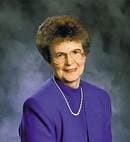
Janette Oke is a Canadian author known for her contributions to Christian fiction. Her notable works include "Love Comes Softly," "When Calls the Heart," "Love Takes Wing," and "When Breaks the Dawn," which often explore themes of faith, love, and resilience in historical settings. Oke's storytelling has resonated with readers, particularly in the genre of inspirational literature.
Similar books
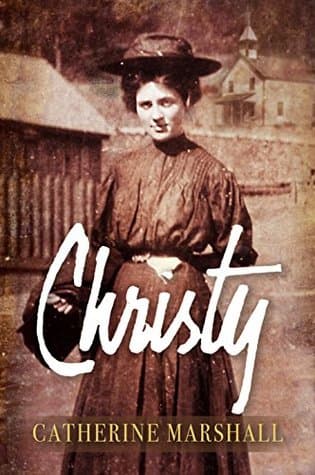
- Christy
Catherine Marshall
4.2 (49k) average on GoodreadsHistorical FictionFeatures a young woman teaching in an isolated, impoverished community and finding love.
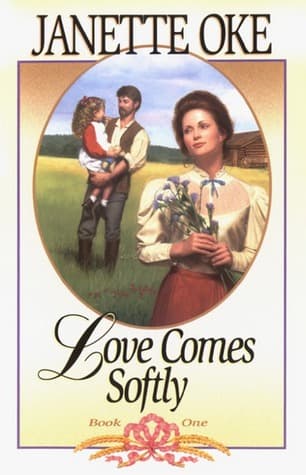
- Love Comes Softly
Janette Oke
4.3 (37k) average on GoodreadsHistorical FictionAnother classic frontier romance by the same author, focusing on faith and family.
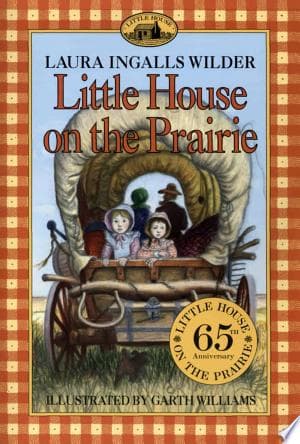
- Little House on the Prairie
Laura Ingalls Wilder
4.2 (256k) average on GoodreadsChildren'sShares the frontier setting and themes of family/community, but 'Little House' is praised for its gritty realism and detailed depiction of pioneer life's hardships (poverty, illness, survival struggles). Oke's depiction, while challenging, is more romanticized and emphasizes spiritual fortitude over stark physical realities.
- To Kill a Mockingbird
Harper Lee
4.3 (4.5M) average on GoodreadsHistorical FictionIn the 1930s Jim Crow South, Harper Lee writes about racial injustice, moral growth, and the quiet courage of a lawyer father, Atticus Finch, as seen through his young daughter's eyes.
- The Great Gatsby
F. Scott Fitzgerald
3.9 (3.8M) average on GoodreadsHistorical FictionIn the opulent Roaring Twenties, a mysterious millionaire's lavish parties hide his desperate, tragic pursuit of a lost love, exposing the emptiness within the American Dream.
- Pride and Prejudice
Jane Austen
4.3 (3M) average on GoodreadsHistorical FictionIn a society focused on status and money, Elizabeth Bennet navigates love and pride, challenging Mr. Darcy and social expectations to find true affection.



Enjoyed the summary?
A summary gives you the shape of the book. The book itself has the detail, the examples and the voice.
Find When Calls the Heart on AmazonAs an Amazon Associate, BookBrief earns from qualifying purchases. How we're funded