

Synopsis
Covers the whole plot, including the ending.
- Difficulty
- Easy
- Pacing
- Fast
- Mood
- Gritty, Suspenseful, Bleak, Intense
- Read it if
- You enjoy gritty, character-driven survival stories in a zombie apocalypse setting with a focus on human drama and moral dilemmas.
- Skip it if
- You dislike gore, bleak themes, or stories with a constant sense of dread and loss.
The Walking Dead, Vol. 1 Plot Summary
Covers the whole plot, including the ending.
Rick Grimes Awakens to a Nightmare
Sheriff's Deputy Rick Grimes wakes from a gunshot-induced coma in Harrison Memorial Hospital, finding it empty. The flowers in his room are dead, and the doors are blocked. He walks out of his room, calling for help, but finds only abandoned stretchers and an empty hospital. A note on a chained door warns of the dead inside. Going outside, he finds a world destroyed by an unknown event, with overturned cars and decaying bodies. He meets a group of 'walkers'—reanimated corpses—and barely escapes, feeling lost and scared as he tries to understand the new, terrifying world.
Morgan and Duane Jones: A Glimmer of Humanity
Rick, confused and hungry, finds a seemingly empty house, but a man with a shovel knocks him out. He wakes to find Morgan Jones and his young son, Duane, living in the house. Morgan explains that 'walkers'—the reanimated dead—have taken over the world and society has fallen. He teaches Rick how to survive: always aim for the head, and do not make noise. Morgan and Duane share their food and give Rick a shower and information about the apocalypse. Rick tells Morgan about his missing wife, Lori, and son, Carl, and his plan to find them, thinking they might have gone to Atlanta.
The Perilous Journey to Atlanta
After getting a working police car and weapons from the sheriff's station, Rick says goodbye to Morgan and Duane, promising to call them on a walkie-talkie when he is safe. He drives to Atlanta, thinking it is a safe zone, with hope. However, when he arrives, he finds the city center completely overrun by many walkers. His car runs out of gas in the chaos, and he is quickly surrounded. Trapped and facing death, he leaves his car and tries to find shelter, his hopes for a safe family reunion crushed by the large number of undead.
Glenn's Timely Rescue and the Survivor Camp
Just as walkers are about to overwhelm Rick in Atlanta, a voice from a building nearby guides him to safety. Glenn, a resourceful young man, rescues him, leading him through the building's rooftops and back alleys to a department store. Inside, Rick meets a small group of survivors who are looking for supplies: Andrea, Dale, Jim, Jacqui, and T-Dog. They are a varied group, united by their struggle to survive. Rick learns that this group is part of a larger camp outside the city, where they have some safety. Glenn, with his speed and knowledge of the city, is their main scout and supply runner.
A Dangerous Scavenging Mission
Inside the department store, the group's search for supplies becomes dangerous. T-Dog accidentally drops a box of tools, making a loud noise that draws a large group of walkers to the store's entrance. The group is now trapped, with no clear way out. Rick, showing his leadership, plans to cover themselves in walker guts to hide their scent, letting them move through the horde unseen. This gruesome method is a desperate act, showing the extreme lengths they must go to survive. The tension is high as they get ready to make this dangerous escape.
The Guts Plan and Escape from Atlanta
Rick and Glenn do the 'guts plan,' covering themselves in the insides of a dead walker to hide their human scent. They face the overwhelming horde outside the department store, moving slowly and carefully through the many undead. The experience is terrible and draining, but it works. They get a truck and drive away from the city, leaving the rest of the group to find their own way back to the camp. Rick and Glenn are relieved to be out of immediate danger, their bond stronger from the shared trauma of escaping walker-filled Atlanta.
Reunion at the Quarry Camp
Glenn leads Rick to the survivor camp, in a quarry outside Atlanta. As they get closer, Rick sees his son, Carl. Overwhelmed, Rick runs to him, and the reunion is very moving. Moments later, he sees Lori, his wife, and their hug is one of pure relief and joy. The family, separated by the apocalypse, is reunited. Rick also meets Shane Walsh, his best friend and former deputy, who has been leading the camp and protecting his family. The reunion is a moment of happiness amid the despair of their new world, a short break from the constant threat.
Tensions and Leadership Challenges
Rick's unexpected return changes the camp's setup. Shane, who had taken charge and formed a close, protective bond with Lori and Carl, now feels his place threatened. While he seems welcoming, tension exists between the two friends. Rick, with his police training and leadership, quickly starts to take charge, suggesting ways to improve the camp's defenses and plans. This shift in leadership further strains Shane's relationship with Rick, as Shane struggles to give up control and deal with his feelings for Lori, who is now back with her husband. The unspoken conflict grows beneath the surface of their shared survival.
The Return of the Atlanta Group
Days later, the rest of the group from Atlanta—Andrea, Dale, Jim, Jacqui, and T-Dog—finally return to the quarry camp. They bring with them a new sense of urgency and the harsh truth of the growing walker threat in the city. Their return shows how unsafe their situation is and the constant danger they face. Rick, now a leader in the camp, starts to put in place new security measures and organize the survivors more effectively, using his law enforcement experience to create order and improve their chances of long-term survival against the undead.
A Walkers Attack and Jim's Revelation
One night, a large group of walkers suddenly attacks the camp, drawn by noise or scent. The survivors fight hard, but some are killed, and the camp's defenses are broken. Afterward, they find Jim, one of the survivors, has been bitten. Knowing the bite means death, Jim asks to be left behind, away from the camp, to prevent him from turning and to protect the others. This sad event forces the group to face the realities of their new world and the hard ethical choices they face. Rick, as the leader, must make the difficult decision about Jim's fate, further making his role in the group clear.
Shane's Desperation and Rick's Resolve
The growing tension between Rick and Shane ends in a desperate act by Shane. Overwhelmed by jealousy, fear, and his feelings for Lori, Shane tries to kill Rick, leading him into the woods on false pretenses. However, Rick knows about Shane's anger and manages to turn things around. He confronts Shane, not with violence, but with a clear statement of his leadership and the need for unity to survive. Rick's calm resolve and commitment to the group's safety stop the immediate threat from Shane, but the event leaves a lasting mark, showing that internal conflicts are as dangerous as outside ones.
Leaving the Quarry and an Uncertain Future
After the walker attack and Jim's death, the quarry camp is not safe. Rick, with the group's support, decides they must move to find a more secure and lasting home. Jim is left behind, conscious and accepting his fate, to die and turn alone, a sad farewell. The survivors pack their things, leaving the only place they have known as home since the apocalypse started. As they drive away, the future is unknown, but their shared experience and Rick's leadership have made them a strong unit, ready to face the dangers of a world overrun by the dead.
The Walking Dead, Vol. 1 Characters
Rick Grimes
Protagonist
Sheriff's Deputy who wakes from a coma into an apocalypse, searching for his family.
Rick Grimes is a dedicated Sheriff's Deputy from Cynthiana, Kentucky, who becomes the reluctant leader of a band of survivors. He is a man of strong moral character, driven by an unwavering desire to protect his family – Lori and Carl – and the people under his care. His past experience in law enforcement gives him a natural aptitude for leadership, strategy, and understanding human nature, though he often struggles with the brutal decisions required for survival in this new world. He is initially naive about the full horrors of the apocalypse but quickly adapts, learning to kill walkers and make tough calls. His internal conflict between maintaining his humanity and doing what's necessary is a core aspect of his character.
Relationships: Lori Grimes (Wife); Carl Grimes (Son); Shane Walsh (Best friend and former partner, later rival); Glenn (Trusted scout and friend)
Lori Grimes
Supporting
Rick's wife, who believes him dead and forms a relationship with Shane for survival.
Lori Grimes is Rick's wife and Carl's mother. Before the apocalypse, she was a typical suburban wife and mother. After Rick is shot and the world collapses, she believes him dead and forms a protective, intimate relationship with Shane Walsh, Rick's best friend. Her primary drive is the safety and well-being of her son, Carl. When Rick miraculously returns, Lori is torn between her love for her husband and the emotional and physical reliance she developed with Shane during the harrowing months of the apocalypse. She is a pragmatic survivor, but her emotional complexities and guilt over her actions with Shane weigh heavily on her.
Relationships: Rick Grimes (Husband); Carl Grimes (Son); Shane Walsh (Lover and protector during Rick's absence)
Carl Grimes
Supporting
Rick and Lori's young son, forced to grow up quickly in the apocalypse.
Carl Grimes is Rick and Lori's young son. Initially a typical child, the apocalypse forces him to mature rapidly. He is deeply affected by the loss of normalcy and the constant threat of walkers. He looks up to his father and, during Rick's coma, relies heavily on Shane for protection and guidance. Carl is observant and resilient, quickly understanding the dangers of their new world. His innocence is slowly eroded by the horrors he witnesses, but he retains a strong bond with his parents and demonstrates a surprising capacity for bravery when faced with danger. His perspective often highlights the emotional toll of the apocalypse on the younger generation.
Relationships: Rick Grimes (Father); Lori Grimes (Mother); Shane Walsh (Protector and father figure during Rick's absence)
Shane Walsh
Antagonist/Supporting
Rick's best friend and former partner, who takes over his family and leadership in his absence.
Shane Walsh is Rick's best friend and fellow Sheriff's Deputy. After the world falls apart, he takes Lori and Carl to safety, assuming Rick is dead. He becomes the de facto leader of the survivor camp and forms an intimate relationship with Lori, deeply embedding himself into Rick's family. Shane is a strong, capable, and pragmatic survivor, but his methods are often more brutal and less empathetic than Rick's. He struggles with jealousy and resentment upon Rick's return, feeling displaced and threatened by his friend's reassertion of leadership and family role. His actions are driven by a desperate need to protect Lori and Carl, and a possessive love for them, which ultimately leads to conflict with Rick.
Relationships: Rick Grimes (Best friend and former partner, later rival); Lori Grimes (Lover); Carl Grimes (Father figure)
Glenn
Supporting
Resourceful young scavenger who saves Rick in Atlanta and becomes a vital member of the group.
Glenn is a young, agile, and incredibly resourceful survivor who first encounters Rick in Atlanta. He is the group's primary scout and supply runner, known for his bravery and ability to navigate dangerous, walker-infested areas. Despite the grim realities of their world, Glenn maintains a sense of optimism and humor, often acting as a morale booster. He is quick-thinking and selfless, always willing to put himself in harm's way for others. He forms an immediate bond of trust with Rick and becomes one of his most reliable and loyal companions. His practical skills and street smarts are invaluable to the group's survival.
Relationships: Rick Grimes (Friend and fellow survivor); Maggie Greene (Future wife (not in Vol. 1))
Andrea
Supporting
A strong-willed and capable survivor, part of the Atlanta scavenging group.
Andrea is a strong and capable survivor who is part of the initial group Rick meets in Atlanta. She is protective of her younger sister, Amy, and is initially depicted as somewhat reserved but quickly shows her resilience and determination. Andrea is intelligent and resourceful, often contributing practical ideas for survival. She is not afraid to speak her mind and stands up for what she believes in. Her character embodies the strength and adaptability required to endure the apocalypse, and she quickly earns Rick's respect through her competence and resolve.
Relationships: Amy (Younger sister); Dale Horvath (Future partner (not in Vol. 1))
Dale Horvath
Supporting
The oldest member of the group, providing a sense of wisdom and stability.
Dale Horvath is the oldest member of the initial survivor group and acts as a father figure to Andrea and Amy. He is a pragmatic and observant man, often providing a voice of reason and experience. Dale owns the RV that becomes a crucial mode of transport and shelter for the group. He is calm under pressure and possesses a deep understanding of human nature, often seeing through the facades of others. His wisdom and steadfastness provide a sense of stability and reassurance in the chaotic world, making him a respected and valued member of the community.
Relationships: Andrea (Protector and future partner); Amy (Protector)
Morgan Jones
Supporting
One of the first survivors Rick encounters, who teaches him about the walkers.
Morgan Jones is one of the first living people Rick encounters after waking from his coma. He and his young son, Duane, are hiding in a house and provide Rick with crucial information about the apocalypse and how to survive against the 'walkers.' Morgan is a man deeply affected by the loss of his wife and the trauma of the new world, but he maintains a strong sense of paternal duty towards Duane. He is pragmatic and knowledgeable about the walkers, teaching Rick the vital rule of aiming for the head. His encounter with Rick provides a stark illustration of the personal toll of the apocalypse and the struggle to maintain hope.
Relationships: Duane Jones (Son); Rick Grimes (Temporary ally and confidant)
Duane Jones
Mentioned
Morgan's young son, who helps his father survive in the early days of the apocalypse.
Duane Jones is Morgan's young son. He is a quiet and observant child, deeply dependent on his father for protection and guidance in the post-apocalyptic world. He assists Morgan in their daily survival, learning to be wary of walkers and contributing to their sparse resources. Duane's presence highlights the impact of the apocalypse on children, forcing them to grow up quickly and adapt to unimaginable horrors. His bond with his father is a testament to the enduring human need for connection and family, even in the most desolate circumstances.
Relationships: Morgan Jones (Father)
Jim
Supporting
A quiet survivor in the Atlanta group who has a prophetic dream.
Jim is a quiet and somewhat withdrawn member of the Atlanta scavenging group. He is a mechanic by trade, making him useful for repairs. Jim is haunted by the loss of his family to walkers and is prone to moments of deep introspection and sadness. He has a disturbing dream about burying people, which later proves to be a premonition of the walker attack on the camp. Jim's eventual bite and his request to be left behind to prevent his reanimation highlight the grim reality and moral dilemmas faced by the survivors, embodying the tragic and often selfless sacrifices required in this new world.
Relationships: Andrea (Fellow survivor); Dale Horvath (Fellow survivor)
The Walking Dead, Vol. 1 Themes
Survival and Adaptation
The main theme is the constant struggle for survival in a world where civilization has fallen. Characters must adapt to brutal new realities, learning to kill the reanimated dead ('walkers'), find resources, and make difficult moral choices. Rick Grimes's journey from a coma patient to a practical leader shows this adaptation, as he quickly learns the rules of this new world from Morgan and then uses his leadership skills to protect his group. The constant threat of walkers and other survivors pushes them to their physical and mental limits, making them rethink what it means to live.
“In a world ruled by the dead, we are forced to finally start living.”
Loss of Innocence and Humanity
The apocalypse removes the appearance of normal life, forcing characters to face the worst parts of existence. Children like Carl lose their childhood, seeing terrible violence and death. Adults, like Rick, must discard their old moral rules to survive, making brutal decisions that would have been unimaginable before. The 'guts plan' in Atlanta, where Rick and Glenn cover themselves in walker insides, is a clear example of this loss—they literally become like the dead to survive. Constant exposure to death and violence challenges their humanity, blurring the lines between living and dead, and making them question how much of themselves they can keep.
“How many hours are in a day when you don't spend half of them watching television? When is the last time any of us REALLY worked to get something we wanted? How long has it been since any of us really NEEDED something that we WANTED?”
Leadership and Authority
The fall of government and society creates a power vacuum, leading to new leaders forming within survivor groups. Rick Grimes, a former Sheriff's Deputy, naturally steps into this role because of his experience and moral compass. However, his return challenges Shane's existing leadership and control over the group, especially his relationship with Lori and Carl. This theme explores the difficulties of establishing and keeping authority in a lawless world, where personal loyalties and survival instincts often conflict with established rules and ethical concerns. The struggle for leadership is both an internal battle within the group and a fight against outside threats.
“We need to get to Atlanta. It's safe there. The CDC is there. They'll know what to do.”
Family and Loyalty
At its heart, the story is about the lasting power of family and how far people will go to protect their loved ones. Rick's main reason for survival is to find and protect Lori and Carl. The reunion of the Grimes family at the quarry camp is a strong emotional point in the bleak setting. However, the theme also explores the difficulties and stresses on these bonds, as seen in Lori's relationship with Shane during Rick's absence, and Shane's possessive feelings toward Lori and Carl. Loyalty is tested not only to family but also to the larger survivor group, as they form new, temporary families in the face of shared trouble.
“I will find my family. I have to.”
Hope and Despair
The story constantly balances moments of despair with glimmers of hope. Rick's initial hope of finding safety in Atlanta is shattered by the reality of the overrun city. The constant threat of death, the loss of loved ones, and the breakdown of society could easily lead to utter hopelessness. Yet, the survivors hold onto hope—hope for a cure, hope for a safe place, hope for a future. Forming a community, sharing resources, and protecting each other, despite the overwhelming odds, shows this lasting hope. The final decision to leave the unsafe quarry camp, though forced by despair, is also an act of hope for finding something better.
“The world we knew is gone. The world of commerce and frivolous necessity has been replaced by a world of survival and responsibility.”
Plot Devices & Literary Techniques
The Coma as a Narrative Device
Allows the protagonist to awaken to a fully-formed apocalypse, mirroring the reader's discovery.
Rick Grimes's coma is a crucial narrative device that effectively immerses both the character and the reader directly into the post-apocalyptic world without the need for extensive exposition. By having Rick awaken after the initial catastrophe, Kirkman avoids depicting the societal collapse in real-time, instead presenting a fully-formed, horrifying new reality. This allows for a more immediate and impactful sense of shock and disorientation, mirroring the audience's own discovery of the 'rules' of this new world alongside Rick. It creates a strong emotional hook as Rick's personal quest to understand and find his family drives the initial plot.
The Walkers (Zombies)
The primary external antagonist, serving as a constant, ever-present threat.
The 'walkers' are the reanimated dead, the central antagonistic force of the series. They function primarily as a relentless, mindless, and overwhelming external threat that drives the plot and forces characters to constantly adapt and make difficult choices. Beyond their physical danger, walkers symbolize the decay of humanity and civilization itself. Their sheer numbers and the horror of fighting former humans force the survivors into extreme measures, such as the 'guts plan,' which highlights the erosion of their own humanity. They are a constant reminder that the world is irrevocably changed and that death is always just around the corner.
The Quarry Camp
A temporary symbol of safety and the false promise of stability.
The quarry camp serves as a temporary sanctuary for the survivors, initially representing a glimmer of hope and a return to some semblance of community. It provides a static location for character development and the establishment of group dynamics, allowing for the exploration of internal conflicts like the tension between Rick and Shane. However, its eventual compromise by a walker attack and the necessity to abandon it underscore the fragile and temporary nature of any perceived safety in the apocalypse. It symbolizes that no place is truly safe and that the struggle for survival is an ongoing, nomadic journey.
The Walkie-Talkie
A symbol of lingering hope for connection and a link to the past.
The walkie-talkie Rick leaves with Morgan and Duane is a potent symbol of hope, connection, and the lingering desire for a return to normalcy. It represents Rick's promise to find a safe haven and reach out, a thread of communication in a world where communication has largely ceased. While it isn't actively used for dialogue within Vol. 1, its presence signifies the potential for future reunions and the human need to believe that others are out there, surviving. It's a small, fragile beacon of hope in a dark and silent world, connecting Rick to his past and hinting at future possibilities.
The Walking Dead, Vol. 1 Quotes
“We are the walking dead.”
“Don't you get it? We're all infected!”
“I'm looking for my wife and son.”
“It's always been about control. Not a cure. Control.”
“There's no hope. You know that, right?”
“I'm not a killer, I'm just… trying to survive.”
“The world is gone. There's nothing left.”
“You can't just leave people to die, Rick.”
“We need to find a safe place. A real safe place.”
“I'm doing this for my family.”
“They're not people anymore.”
“Sometimes you have to do things you don't want to do.”
“We're not safe anywhere.”
“It's not about what's right. It's about what we have to do.”
Quiz
10 questions on the plot and the characters. Each answer comes with a short explanation.
Question 1
What is Rick Grimes' profession before the apocalypse begins?
- A construction worker
- A police officer
- A doctor
- A school teacher
Show answer
B. A police officer Rick Grimes wakes up from a coma to find the world overrun. Before this, he was a sheriff's deputy, a detail crucial to his character and initial leadership role.
Question 2
Where does Rick initially search for his family after leaving the hospital?
- His own home
- The local police station
- A designated emergency shelter
- His partner Shane's house
Show answer
A. His own home After leaving the hospital, Rick's first instinct is to return to his home, hoping to find Lori and Carl there. He finds it deserted.
Question 3
Who is the first living person Rick encounters and forms an alliance with after waking up?
- Shane Walsh
- Dale Horvath
- Morgan Jones and his son Duane
- Glenn Rhee
Show answer
C. Morgan Jones and his son Duane Rick first meets Morgan Jones and his son Duane, who explain the situation to him and provide him with supplies and a place to stay for a night.
Question 4
What significant item does Rick take from the police station's armory before heading to Atlanta?
- A map of safe zones
- A riot gear suit
- A large cache of weapons and ammunition
- A working police radio
Show answer
C. A large cache of weapons and ammunition Before leaving for Atlanta, Rick goes to the police station's armory to gear up, taking a significant amount of weapons and ammunition to protect himself and search for his family.
Question 5
How does Rick first encounter Glenn in Atlanta?
- Glenn finds Rick's abandoned police cruiser
- Glenn rescues Rick from a horde of walkers in the city
- They meet at a designated survivor rendezvous point
- Rick hears Glenn's voice over a CB radio
Show answer
B. Glenn rescues Rick from a horde of walkers in the city Rick finds himself surrounded by walkers in Atlanta and is saved by Glenn, who leads him to the other survivors on a rooftop.
Question 6
What is the primary reason the group of survivors is camped outside Atlanta?
- They are waiting for military rescue
- Atlanta is overrun and too dangerous to stay in
- They are searching for specific supplies only found outside the city
- They believe a cure is being developed in a rural lab
Show answer
B. Atlanta is overrun and too dangerous to stay in The group has established a camp outside Atlanta because the city itself is completely overrun with walkers, making it too hazardous to reside in.
Question 7
Which two characters have formed a romantic relationship in the survivor camp before Rick arrives?
- Dale and Andrea
- Shane and Lori
- Glenn and Maggie
- Tyreese and Carol
Show answer
B. Shane and Lori Upon Rick's arrival, it is revealed that his wife, Lori, and his best friend, Shane, have begun a romantic relationship, believing Rick to be dead.
Question 8
What is the immediate consequence of Rick's arrival at the survivor camp for Shane?
- He immediately leaves the group in shame.
- He happily relinquishes his leadership role to Rick.
- He becomes increasingly jealous and unstable, leading to conflict.
- He forms a new bond with Rick, strengthening their friendship.
Show answer
C. He becomes increasingly jealous and unstable, leading to conflict. Shane had taken on a leadership role and started a relationship with Lori, believing Rick was dead. Rick's return shatters this, leading to Shane's growing jealousy and instability.
Question 9
The central theme of 'Days Gone Bye' revolves around the idea that in an apocalyptic world, the greatest threat often comes from:
- Environmental hazards
- The lack of resources
- Other living humans
- The sheer number of walkers
Show answer
C. Other living humans While walkers are a constant danger, the volume emphasizes that human nature and the conflicts arising from survival instincts, jealousy, and power struggles often pose a more complex and dangerous threat to the survivors.
Question 10
What pivotal event occurs at the very end of 'Days Gone Bye' that sets up future conflicts?
- The group decides to move to a fortified prison.
- Shane attempts to kill Rick and is subsequently killed by Carl.
- A new, much larger horde of walkers attacks the camp.
- Rick makes contact with another large group of survivors.
Show answer
B. Shane attempts to kill Rick and is subsequently killed by Carl. The volume concludes with Shane attempting to murder Rick out of jealousy and resentment, only to be shot and killed by Carl, a shocking moment that profoundly impacts Rick and Carl.
The Walking Dead, Vol. 1 FAQ
What is The Walking Dead, Vol. 1: Days Gone Bye about?
The Walking Dead, Vol. 1: Days Gone Bye introduces Deputy Rick Grimes, who wakes from a coma to find a world overrun by zombies, known as 'walkers.' He embarks on a desperate search for his wife, Lori, and son, Carl, navigating a desolate, dangerous landscape to reunite with his family and find a safe haven.
Why should I read The Walking Dead, Vol. 1: Days Gone Bye?
You should read it for its raw, unflinching portrayal of human survival in a post-apocalyptic world, focusing less on the zombies and more on the moral dilemmas and evolving relationships among survivors. It establishes the foundational conflicts and characters that define the entire series, offering a gritty, character-driven narrative.
What is the background/setting of The Walking Dead, Vol. 1: Days Gone Bye?
The story is set in a contemporary American South, specifically Georgia, shortly after a global epidemic has caused the dead to reanimate and prey on the living. Society has completely collapsed, with no government, infrastructure, or safe zones, forcing survivors like Rick to adapt to a brutal, lawless environment.
What are the most memorable quotes from The Walking Dead, Vol. 1: Days Gone Bye?
A memorable quote from the first volume is Rick's internal monologue: "How many hours are in a day when you don't spend half of them watching television?" This encapsulates the drastic shift from modern complacency to primal survival, highlighting the new reality faced by the characters.
What writing style does Robert Kirkman use in The Walking Dead, Vol. 1: Days Gone Bye?
Robert Kirkman employs a direct, often sparse writing style that prioritizes character dialogue and internal monologues to convey emotion and plot. The narrative is driven by tension, moral ambiguity, and realistic reactions to extreme situations, complemented by Tony Moore's stark, black-and-white artwork.
What minor details add significant meaning in The Walking Dead, Vol. 1: Days Gone Bye?
The absence of any clear explanation for the zombie outbreak adds significant meaning, emphasizing that the 'why' is irrelevant compared to the 'how to survive.' Also, the detail of Rick's police uniform becoming his primary attire symbolizes his enduring, though challenged, sense of duty and order in a chaotic world.
What are some subtle foreshadowing moments in The Walking Dead, Vol. 1: Days Gone Bye?
One subtle foreshadowing moment is the immediate tension between Rick and Shane, even before Rick discovers Shane's relationship with Lori. Their differing leadership styles and Shane's possessiveness hint at future conflicts over authority and Lori's affections, which will escalate dramatically.
What unexpected character connections exist in The Walking Dead, Vol. 1: Days Gone Bye?
The most unexpected connection revealed is between Rick's wife, Lori, and his best friend and police partner, Shane. While Rick was in a coma, Lori and Shane formed a romantic relationship, believing Rick to be dead, which creates a volatile love triangle upon Rick's return.
What are unspoken character motivations in The Walking Dead, Vol. 1: Days Gone Bye?
Shane's unspoken motivation is his deep desire to maintain his position as the group's leader and Lori's protector, fearing Rick's return will strip him of both. This fuels his growing resentment and makes him increasingly reckless and aggressive, especially towards Rick.
What psychological complexities do characters exhibit in The Walking Dead, Vol. 1: Days Gone Bye?
Rick exhibits the psychological complexity of struggling to reconcile his former identity as a lawman with the brutal necessities of survival. He grapples with taking human lives and maintaining his morality in a world that demands savagery, constantly questioning what kind of man he must become.
What are the major emotional turning points in The Walking Dead, Vol. 1: Days Gone Bye?
A major emotional turning point is Rick's reunion with Lori and Carl, which provides immense relief but is immediately complicated by the revelation of Lori's relationship with Shane. This moment shatters Rick's initial joy, replacing it with confusion and a profound sense of betrayal.
How do relationship dynamics evolve in The Walking Dead, Vol. 1: Days Gone Bye?
Relationship dynamics evolve dramatically, particularly the bond between Rick and Shane. Their long-standing friendship transforms from camaraderie to bitter rivalry as Shane becomes possessive of Lori and Carl, viewing Rick as an obstacle to his new 'family,' leading to inevitable confrontation.
Which parts of The Walking Dead, Vol. 1: Days Gone Bye remain ambiguous or open-ended?
The ultimate cause of the zombie outbreak remains entirely ambiguous, with no scientific or supernatural explanation offered. This ambiguity forces readers to focus on the human drama and survival, rather than the origin of the apocalypse, leaving the 'how' a terrifying mystery.
What are controversial scenes or decisions in The Walking Dead, Vol. 1: Days Gone Bye?
A controversial decision is Shane's choice to abandon Rick in the hospital, believing him dead, and then forming a relationship with Lori. While understandable given the circumstances, it sets up a morally fraught situation that challenges reader empathy for Shane and complicates Rick's return.
The Walking Dead, Vol. 1: Days Gone Bye ending explained: how it ends & what it means
The volume ends with Rick firmly establishing his leadership among the camp survivors, largely by confronting and ultimately killing Shane in self-defense after Shane attempts to murder him. This brutal act solidifies Rick's role and signifies the complete loss of his pre-apocalypse innocence, marking a grim new beginning for the group under his command.
About the author

Robert Kirkman is an American comic book writer and television producer, best known for creating the popular series The Walking Dead. His work in this franchise includes The Walking Dead, Vol. 1: Days Gone Bye, which introduces readers to a post-apocalyptic world filled with zombies and human struggles. Kirkman's contributions to the horror and thriller genres have garnered significant attention and a dedicated fanbase.
Similar books
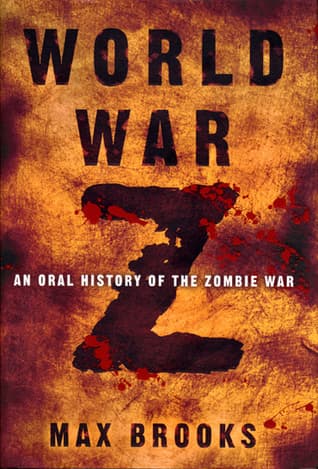
- World War Z: An Oral History of the Zombie War
Max Brooks
4.0 (440k) average on GoodreadsFantasyExplores the human response to a global zombie pandemic, though in an oral history format.
- The Road
Cormac McCarthy
4.0 (716k) average on GoodreadsScience FictionFocuses on a father and son's desperate survival journey in a desolate, post-apocalyptic landscape.
- Harry Potter and the Sorcerer's Stone
J.K. Rowling
4.5 (7M) average on GoodreadsFantasyRescued from a miserable life under the stairs, an orphaned boy discovers he's a wizard destined for a magical school, where he uncovers a dangerous secret tied to the dark wizard who murdered his parents.
- The Hunger Games
Suzanne Collins
4.3 (6.4M) average on GoodreadsFantasyIn a future where children fight to the death on live television, Katniss Everdeen volunteers for the arena, turning a death sentence into a fight for survival and a spark of rebellion.
- 1984
George Orwell
4.2 (3.1M) average on GoodreadsPoliticsIn a future where surveillance and thought control are absolute, a man's search for truth clashes with the Party, showing that hope can be a form of rebellion.
- Divergent
Veronica Roth
4.2 (2.9M) average on GoodreadsFantasyIn a society divided by virtues, a sixteen-year-old's difference from the norm starts a rebellion that threatens her world.





Enjoyed the summary?
A summary gives you the shape of the book. The book itself has the detail, the examples and the voice.
Find The Walking Dead, Vol. 1 on AmazonAs an Amazon Associate, BookBrief earns from qualifying purchases. How we're funded