
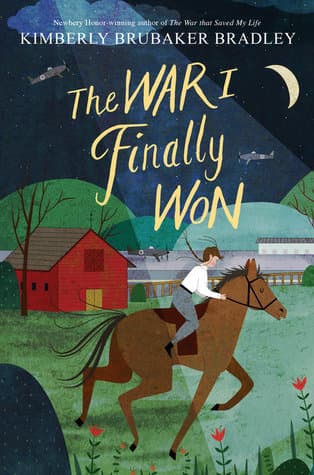
Synopsis
Covers the whole plot, including the ending.
- Difficulty
- Medium
- Pacing
- Moderate
- Mood
- Heartwarming, Resilient, Emotional, Historical
- Read it if
- You love heartwarming historical fiction with strong character development, stories about overcoming trauma, and family bonds during wartime.
- Skip it if
- You prefer fast-paced action or lighthearted reads without emotional depth and wartime themes.
The War I Finally Won Plot Summary
Covers the whole plot, including the ending.
A New Beginning, Yet Old Fears Linger
Ada, with her younger brother Jamie, lives with Susan Smith in an English village during World War II. They moved into a cottage Susan inherited, and Ada is now a legal family member. Despite this security and Susan's love, Ada struggles with her past. Her clubfoot, though improved by surgery, still causes pain and self-consciousness. She also has trouble with basic social norms and showing affection, often misunderstanding Susan's kindness. Jamie, being younger, adjusts well, making friends and enjoying school, while Ada remains cautious, especially in new social situations or when reminded of her past.
The Arrival of Ruth and Shifting Dynamics
The war impacts their village, and a new evacuee, Ruth, a ten-year-old German-Jewish girl, arrives at Susan's cottage. Ada is immediately suspicious, having been taught to hate Germans, and finds it hard to reconcile Ruth's pleasant manner with her nationality. Ruth speaks English with an accent and carries a worn doll, reminding Ada of her own time as an evacuee. Susan welcomes Ruth warmly, offering her the same care she gives Ada and Jamie. This new situation creates tension; Ada feels her fragile sense of belonging threatened by Ruth. She watches Ruth constantly, looking for signs of an 'enemy,' but also quietly notices Ruth's own struggles and fears.
Air Raids, Community, and Growing Pains
German air raids become a frightening reality. Susan, Ada, Jamie, and Ruth often spend nights in their Anderson shelter, a cramped, damp space that worsens Ada's claustrophobia and fear. During one intense raid, their cottage is damaged, forcing them to move in with Maggie Thornton's family at the manor house. This move puts Ada close to Lady Thornton, Maggie's stern mother, whom Ada has always disliked. Despite the discomfort, the shared war experience starts to build unexpected connections within the community and the household. Ada, still guarded, begins to see how different people handle loss and fear.
Life at the Manor and Unexpected Friendships
Life at the manor house contrasts sharply with their simple cottage. Ada struggles with the strict rules and Lady Thornton's constant presence and comments about Ada's appearance. However, she finds comfort in her friendship with Maggie and a surprising connection with Miss Rosie, Lady Thornton's maid, who shares her own war stories. Ada also sees Lady Thornton's sadness over her son, Jonathan, a pilot missing in action, which makes the stern woman seem more human. Ruth remains quiet and watchful, often withdrawn, and Ada, despite her initial prejudice, starts to feel protective of the younger girl, especially when Lady Thornton is harsh.
Ruth's Secret and Ada's Empathy
At the manor, Ruth tells Ada that her family is Jewish and her parents were taken by the Nazis. She fears being discovered and sent back. This revelation deeply affects Ada, forcing her to confront her own biases and to see Ruth as a vulnerable child who has suffered greatly, not 'the enemy.' Ada's empathy for Ruth grows, and she decides to protect her. This shared secret strengthens their bond, and Ada begins to understand that war's divisions are not always simple. She sees the war through Ruth's eyes, adding another layer of horror to her understanding.
The Return to the Cottage and New Responsibilities
After their cottage is repaired, Susan, Ada, Jamie, and Ruth return home. Ada, learning that Ruth lacks formal education due to persecution in Germany, takes on teaching Ruth to read and write. This role gives Ada confidence and helps her process her own learning difficulties and past struggles. She enjoys helping Ruth, and their shared lessons strengthen their bond. Ada also feels more comfortable with herself, participating more in community life and thinking about a future after the war. The cottage, though simple, feels more like a true home, a safe place where they can rebuild their lives.
Jonathan Thornton's Return and Lady Thornton's Grief
Jonathan Thornton, Lady Thornton's son, is found alive after being presumed dead. He is severely injured and deeply traumatized from being a prisoner of war. His return is not the happy reunion Lady Thornton expected; it brings new challenges. Jonathan is withdrawn, suffering from what is now known as PTSD, and struggles to reconnect with his family. Ada sees Lady Thornton's pain and frustration, witnessing the lasting impact of war on individuals and families. This further deepens Ada's understanding of suffering, extending beyond her own trauma to the collective anguish of wartime.
A Difficult Decision and a Test of Loyalty
As the war continues, the danger to Ruth, as a German Jew, increases. The government starts rounding up German nationals, including refugees. Susan, realizing Ruth's danger, makes the difficult decision to send Ruth to a safer location, arranged by a network of compassionate people. This decision devastates Ada, who has grown to love Ruth and feels responsible for protecting her. The departure is heartbreaking, a harsh reminder of the war's cruelty and the constant threat of loss. Ada struggles with the unfairness, questioning why Ruth, who has suffered so much, must endure another separation.
The War's End and Lingering Scars
Finally, the war ends, bringing widespread relief. However, for Ada and those around her, the end of fighting does not erase the scars. Jonathan Thornton continues to struggle with his trauma, and Lady Thornton remains burdened by her son's condition. Ada still carries the emotional weight of her past, though she has made significant progress in healing and self-acceptance. Ruth's absence is a constant ache, a reminder of those lost or separated by the conflict. The victory is bittersweet, showing human resilience but also acknowledging the deep and permanent changes caused by war.
A Future Forged in Resilience
After the war, Ada continues to grow. She embraces her improved clubfoot, learning to ride a bicycle and feeling a freedom she never thought possible. She strengthens her bond with Susan, truly seeing her as a mother. While Ruth's return is uncertain, Ada holds onto hope and the lessons from their friendship. She has become more confident, empathetic, and strong, no longer defined by her past trauma but by her capacity for love, learning, and self-discovery. The future is still uncertain, but Ada faces it with new strength, ready for challenges, marked by the war but ultimately strong in her own spirit.
The War I Finally Won Characters
Ada Smith
Protagonist
A young girl overcoming physical disability and emotional trauma to find her identity and a loving home.
Ada is a resilient and fiercely independent young girl who spent her early life abused and confined due to her clubfoot. In this book, she is learning to live a 'normal' life with her legal guardian, Susan. Ada is observant, intelligent, and deeply empathetic, though her past trauma makes her wary and often causes her to misinterpret social cues. She struggles with self-worth, particularly concerning her foot, and often feels like an outsider. Her journey involves learning to trust, to give and receive affection, and to define herself beyond her physical limitations and past abuse. She develops a strong sense of justice and protectiveness towards those she cares about, especially Ruth.
Relationships: Jamie Smith (Younger brother, whom she fiercely protects); Susan Smith (Legal guardian and adoptive mother figure, with whom she builds a loving, trusting bond); Ruth (Close friend and fellow evacuee, a German-Jewish girl whom Ada protects and teaches); Maggie Thornton (Friend, though their social differences sometimes create tension); Lady Thornton (Initially an antagonist, later a figure of complicated empathy due to shared wartime experiences)
Jamie Smith
Supporting
Ada's younger brother, more adaptable and outwardly carefree, providing emotional support.
Jamie is Ada's younger brother, a spirited and more outwardly adaptable child. He quickly integrates into their new life with Susan, forming friendships and embracing school. Jamie often serves as a source of grounding and innocent perspective for Ada, reminding her of the simple joys and comforts of their new home. He loves Ada fiercely and often acts as a bridge between Ada's guardedness and the outside world. While he also experienced abuse from their mother, his younger age allowed him to recover and adapt more readily than Ada, though he still looks to her for comfort and reassurance.
Relationships: Ada Smith (Older sister, whom he loves and looks up to); Susan Smith (Adoptive mother figure, with whom he has a comfortable, loving relationship); Ruth (Fellow evacuee and friend)
Susan Smith
Supporting
Ada and Jamie's kind and patient legal guardian, providing a stable and loving home.
Susan Smith is Ada and Jamie's legal guardian, a compassionate and patient woman who provides the children with their first experience of unconditional love and stability. She is often quiet and reserved but possesses immense inner strength and resilience. Susan navigates the challenges of wartime, the damage to her home, and the emotional complexities of raising two traumatized children (and later, Ruth) with unwavering dedication. She is observant and understands Ada's struggles, offering support without judgment, and is committed to helping Ada heal and grow. Her quiet strength is a bedrock for the children.
Relationships: Ada Smith (Adoptive daughter, whom she loves and patiently guides); Jamie Smith (Adoptive son, with whom she has a warm relationship); Ruth (Temporary guardian, offering her protection and care)
Ruth
Supporting
A young German-Jewish evacuee whose presence challenges Ada's prejudices and deepens her empathy.
Ruth is a ten-year-old German-Jewish girl who is billeted with Susan's family. She is quiet, observant, and carries the immense weight of her past persecution and the loss of her parents to the Nazis. Ruth speaks English with an accent and is initially a source of suspicion for Ada due to her nationality. However, as her story unfolds, she becomes a catalyst for Ada's growth in empathy and understanding of the war's complexities. Ruth's vulnerability and quiet strength forge a deep bond with Ada, and she helps Ada to see beyond nationalistic prejudice to the shared humanity of suffering children. She represents the forgotten victims of the Holocaust.
Relationships: Ada Smith (Close friend and protector, who teaches her to read and write); Susan Smith (Temporary guardian, offering her safety and care); Jamie Smith (Friend)
Maggie Thornton
Supporting
Ada's friend from the village, providing a connection to local life and social norms.
Maggie is Ada's friend from the village, a kind and somewhat naive girl from a more privileged background. She provides Ada with a connection to typical childhood experiences and friendships. While Maggie's understanding of Ada's past is limited, her consistent friendship is important for Ada's social development. She is often caught between her loyalty to Ada and the expectations of her formidable mother, Lady Thornton. Maggie represents the innocence and relative normalcy that Ada is striving to achieve, though she also highlights the class differences that still exist.
Relationships: Ada Smith (Friend); Lady Thornton (Mother, with whom she has a complex relationship); Jonathan Thornton (Brother)
Lady Thornton
Supporting
Maggie's stern and aristocratic mother, who initially judges Ada but later reveals her own vulnerabilities.
Lady Thornton is Maggie's mother, a formidable and aristocratic woman who initially seems cold and critical, particularly towards Ada. She represents the upper class and traditional societal expectations, often making Ada feel inferior due to her background and physical appearance. However, as the war progresses and her own son, Jonathan, goes missing and then returns deeply traumatized, Lady Thornton's stoic façade cracks, revealing a grieving and vulnerable mother. Her character challenges Ada's preconceived notions about social status and allows Ada to develop a more nuanced understanding of human suffering and resilience.
Relationships: Maggie Thornton (Daughter); Jonathan Thornton (Son, whose suffering deeply impacts her); Ada Smith (Initially critical of, later shows a grudging respect and understanding)
Jonathan Thornton
Supporting
Lady Thornton's son, a pilot who returns from the war deeply traumatized.
Jonathan Thornton is Lady Thornton's son and Maggie's brother, a pilot who is initially reported missing in action and later returns home severely injured and suffering from what is now understood as PTSD. His character serves as a stark reminder of the devastating psychological impact of war, even on those who survive. He is withdrawn, distant, and a source of profound grief and concern for his mother. Jonathan's presence highlights that the end of fighting does not mean the end of suffering, and his struggle adds another layer of grim reality to Ada's understanding of the war's reach.
Relationships: Lady Thornton (Mother, whose grief is compounded by his condition); Maggie Thornton (Sister)
Miss Rosie
Supporting
Lady Thornton's maid, a source of quiet wisdom and kindness for Ada.
Miss Rosie is Lady Thornton's maid, a kind and pragmatic woman who offers Ada quiet support and understanding during her stay at the manor. She is a working-class character who contrasts with Lady Thornton's aristocratic demeanor. Miss Rosie shares stories of her own wartime experiences and provides a sense of normalcy and stability in the grand, yet often rigid, manor house. Her presence offers Ada another perspective on life and resilience, and she is one of the few adults at the manor who treats Ada with consistent warmth and respect.
Relationships: Ada Smith (Kind adult figure and confidante); Lady Thornton (Employer)
The War I Finally Won Themes
Identity and Self-Acceptance
Ada's journey focuses on defining herself beyond her clubfoot and abusive past. She struggles with feelings of inadequacy and shame, especially when comparing herself to others or facing Lady Thornton's judgment. Learning to ride a bicycle, teaching Ruth, and accepting Susan's love are key moments where Ada sheds old perceptions and embraces her worth. Her emotional healing connects with her physical recovery, leading to her acceptance of her body and spirit. The war, ironically, forces her to look inward and find her own strength.
“My foot was better, but it still felt like the most important thing about me. It wasn't. I was. And I was more than a foot.”
The Lasting Scars of War
Beyond air raids and rationing, the novel explores the psychological and emotional cost of war. Ada's past trauma worsens with the constant threat of bombings. Ruth's story of family loss and persecution highlights the war's impact on civilians and minorities. Jonathan Thornton's return, injured and with PTSD, shows that survival does not mean being untouched. The war's end brings relief, but characters deal with grief, fear, and changed realities, showing that some wounds never fully heal.
“The war was over, but it wasn't. Not for Jonathan. Not for Ruth. Not for me.”
Prejudice and Empathy
Ada's initial prejudice against Ruth, simply because she is German, is a central conflict. Taught to hate all Germans, Ada struggles to reconcile this with Ruth's kind nature. Ruth's revelation about being Jewish and her family's fate shatters Ada's simple view, forcing her to confront prejudice and develop empathy. This theme extends to Lady Thornton, whom Ada initially dislikes but later understands through shared grief. The novel shows the importance of looking past labels and finding common humanity.
“I had hated her because she was German. But she wasn't just German. She was Ruth. And she was Jewish. And she had lost everything.”
Family and Belonging
A main theme is Ada's search for a true family and belonging. Never having known a loving home, she initially struggles to accept Susan's unconditional love, always fearing abandonment. Ruth's arrival and their shared experience as evacuees strengthen Ada's understanding of chosen family. The cottage, even damaged, symbolizes their sanctuary. Ada learns that family is about love, trust, and support, not just blood, solidifying her place in Susan's loving household.
“I didn't have to be perfect to be loved. I just had to be Ada. And that was enough.”
Plot Devices & Literary Techniques
First-Person Narrative (Ada's Perspective)
Provides intimate access to Ada's internal thoughts and emotional struggles.
The story is told entirely from Ada's point of view, allowing readers to experience the world through her unique lens of trauma, fear, and gradual healing. This device is crucial for understanding her misinterpretations of social cues, her internal battles with self-worth, and her evolving empathy. It makes her journey deeply personal and allows the reader to witness her growth from the inside out, making her triumphs and setbacks feel profoundly real and immediate.
The Clubfoot
A physical symbol of Ada's past abuse, vulnerability, and eventual liberation.
Ada's clubfoot is more than a physical ailment; it's a powerful symbol of her past confinement, abuse, and deep-seated feelings of shame and inadequacy. Its surgical improvement and Ada's efforts to walk, run, and eventually ride a bicycle, directly mirror her emotional healing and growing self-acceptance. It represents the visible scars of her past, but also her incredible resilience and her journey towards physical and emotional freedom. The foot is a constant reminder of where she came from and how far she has come.
The Anderson Shelter
A recurring setting symbolizing the constant threat of war and forced intimacy.
The Anderson shelter, a cramped and damp underground bunker, serves as a recurring setting during air raids. It symbolizes the constant, inescapable threat of the war and the forced intimacy it creates among the characters. For Ada, it exacerbates her claustrophobia and fears, making her confront her vulnerability. It's a place where secrets are sometimes shared, fears are voiced, and the bonds between the family members are tested and strengthened under extreme duress, highlighting their shared ordeal.
Ruth's Doll
A poignant symbol of childhood innocence, loss, and the enduring power of comfort.
Ruth's simple, well-worn doll is a powerful symbol throughout the narrative. It represents her lost childhood, the innocence shattered by the war, and her deep-seated emotional pain. Like Ada's own memories of her past, the doll is a tangible link to what Ruth has lost. It also serves as a source of comfort for Ruth, much like Ada's own experiences with objects that provided solace. Ada's observation of and interaction with the doll helps her to empathize with Ruth's plight and the universal need for comfort amidst trauma.
The War I Finally Won Quotes
“I was not a horse to be broken. I was a girl who had been broken, and I was putting myself back together.”
“Sometimes the bravest thing you can do is ask for help.”
“War changes everything, even when it's over.”
“Love isn't something you earn. It's something you're given.”
“My clubfoot didn't define me, but it was part of my story.”
“Home isn't a place. It's the people who make you feel safe.”
“Words have power. They can hurt or heal.”
“Fear is a cage, but courage is the key.”
“We all carry scars. Some you can see, some you can't.”
“Learning isn't just about books. It's about understanding the world.”
“Sometimes the hardest battles are the ones we fight within ourselves.”
“Family is who you choose to stand by you, not just who you're born to.”
“You don't have to be perfect to be loved.”
“The past can haunt you, but it doesn't have to hold you.”
Quiz
10 questions on the plot and the characters. Each answer comes with a short explanation.
Question 1
Who is the legal guardian of Ada and Jamie in 'The War I Finally Won'?
- Lady Thorton
- Maggie's mother
- Susan Smith
- Their biological mother
Show answer
C. Susan Smith In the book, Ada and Jamie have found a permanent home with Susan Smith, who becomes their loving legal guardian after the events of the first book, 'The War that Saved My Life'.
Question 2
What major historical event serves as the backdrop for the story in 'The War I Finally Won'?
- World War I
- The Great Depression
- World War II
- The Cold War
Show answer
C. World War II The story is set during World War II, which continues to impact the small community and forces characters to rely on each other, as mentioned in the book description.
Question 3
Which character is described as 'formidable' and is initially avoided by Ada?
- Susan Smith
- Maggie
- Lady Thorton
- Jamie
Show answer
C. Lady Thorton Ada is not interested in getting to know her friend Maggie's family, especially Maggie's mother, Lady Thorton, who is portrayed as a formidable figure in the book.
Question 4
What causes Ada to face another German in 'The War I Finally Won'?
- She is captured by enemy forces
- Circumstances bring unexpected characters into close proximity
- She travels to Germany as a spy
- The German is a family member
Show answer
B. Circumstances bring unexpected characters into close proximity The book description states that circumstances bring Ada in close proximity with unexpected characters, including another German, which creates a moral dilemma for her.
Question 5
How does Jamie's adaptation to his new life compare to Ada's in the book?
- Jamie struggles more than Ada
- Both adapt equally well
- Jamie adapts more easily, while Ada still struggles
- Neither adapts well to the new life
Show answer
C. Jamie adapts more easily, while Ada still struggles According to the book description, Jamie adapts more easily to their new home with Susan Smith, whereas Ada continues to struggle with the aftermath of her old life and fitting in.
Question 6
What is a central theme explored through Ada's interactions with Lady Thorton and the German character?
- The importance of wealth and status
- Overcoming prejudice and learning empathy
- The thrill of wartime adventures
- Mastering academic skills
Show answer
B. Overcoming prejudice and learning empathy Ada's initial avoidance of Lady Thorton and her dilemma with the German character highlight themes of overcoming personal biases, building understanding, and showing empathy in difficult times.
Question 7
Which award did the first book, 'The War that Saved My Life', NOT win according to the description?
- Newbery Honor
- Schneider Family Book Award
- Josette Frank Award
- Pulitzer Prize
Show answer
D. Pulitzer Prize The description lists that 'The War that Saved My Life' won a Newbery Honor, the Schneider Family Book Award, and the Josette Frank Award, but does not mention a Pulitzer Prize.
Question 8
What does Ada grapple with internally when she encounters the German character?
- How to report them to authorities immediately
- Whether to learn German language skills
- How to help loved ones and keep them safe
- Planning an escape from the community
Show answer
C. How to help loved ones and keep them safe The book description explicitly states that Ada faces a moral conflict: 'How can she help the ones she loves and keep them safe?' when dealing with the German character.
Question 9
In what way does the small community respond to the ongoing war, as indicated in the book?
- By isolating themselves from outsiders
- By coming together and relying on one another
- By ignoring the war's effects entirely
- By moving to a different country
Show answer
B. By coming together and relying on one another The description notes that World War II forces the small community to 'come together and rely on one another,' showing resilience and cooperation during the conflict.
Question 10
Which publication gave a starred review describing 'The War I Finally Won' as 'Perceptive . . . satisfying . . . will stay with readers'?
- Kirkus
- SLJ
- The Horn Book
- PW
Show answer
D. PW In the provided book description, PW (Publishers Weekly) is credited with the starred review stating: 'Perceptive . . . satisfying . . . will stay with readers.'
The War I Finally Won FAQ
What is 'The War I Finally Won' about?
The book follows Ada, a young girl with a clubfoot who has escaped her abusive mother and found a permanent home with her legal guardian Susan Smith during World War II. While her brother Jamie adapts easily, Ada struggles with trauma from her past and fitting into her new life, especially when she must confront her prejudices after encountering another German person in her community.
Why should I read 'The War I Finally Won'?
This sequel to the award-winning 'The War That Saved My Life' continues Ada's powerful journey of healing and resilience. It explores complex themes of trauma, family, and prejudice during wartime with emotional depth, earning multiple starred reviews for its uplifting yet tear-jerking storytelling.
What is the background/setting of 'The War I Finally Won'?
Set during World War II in the English countryside, the story takes place after Ada and Jamie have permanently moved in with Susan Smith. The war forces their small community to come together, bringing Ada into close proximity with characters like Maggie's formidable mother, Lady Thorton.
What are the most memorable quotes from the book?
While specific quotes aren't provided in the summary, the book is noted for its perceptive writing about trauma and healing. Reviews highlight lines that capture Ada's emotional journey, such as those about her struggle to fit into her new life while carrying her past burdens.
What writing style does Kimberly Brubaker Bradley use?
Bradley employs a first-person narrative from Ada's perspective, using accessible yet emotionally resonant prose suitable for young readers. Her style balances historical detail with psychological depth, sweeping readers into Ada's world while moving them to tears, as noted in The Horn Book review.
What minor details add significant meaning to the story?
Ada's clubfoot, a physical reminder of her past abuse and neglect, continues to symbolize her emotional scars. Small moments of community cooperation during wartime highlight how ordinary people support each other, mirroring Ada's gradual acceptance of help and connection.
What are some subtle foreshadowing moments?
Ada's initial disinterest in Maggie's family, particularly Lady Thorton, foreshadows the forced proximity that will challenge her prejudices. Her ongoing struggle with trauma hints at the emotional conflict she'll face when encountering another German, testing her growth from the first book.
What unexpected character connections exist?
Ada forms an unlikely bond with Lady Thorton, Maggie's mother whom she initially avoids. The arrival of another German character creates unexpected alliances within the community, forcing Ada to reconsider her black-and-white views about enemies and friends.
What are Ada's unspoken character motivations?
Beneath her surface resistance to fitting in, Ada is motivated by a deep fear of losing her newfound safety and love. Her hesitation around the German character stems from unprocessed trauma and a protective instinct toward Susan and Jamie, whom she fears could be harmed by her choices.
What psychological complexities do characters exhibit?
Ada exhibits complex PTSD from her abusive childhood, manifesting as difficulty trusting and adapting to normal life. Jamie's easier adjustment highlights sibling dynamics where trauma affects children differently. Susan demonstrates patient resilience as she helps Ada heal without forcing progress.
What are the major emotional turning points?
Key turning points include Ada's realization that she must confront her past to move forward, her forced interactions with Lady Thorton that challenge her prejudices, and the climactic moment when she encounters the German character and must decide between fear and compassion.
How do relationship dynamics evolve between Ada and Susan?
Their relationship deepens from legal guardianship to genuine mother-daughter bonding as Susan's consistent love helps Ada trust again. Ada gradually shifts from seeing Susan as just a safe haven to recognizing her as family, though this growth is complicated by Ada's trauma responses.
Which parts of the story remain ambiguous or open-ended?
The summary leaves ambiguous how exactly Ada resolves her conflict about the German character—whether she helps them or not, and what consequences follow. The long-term impact of her trauma on her adult life also remains open, focusing instead on her ongoing healing process.
What are controversial scenes or decisions in the book?
Ada's encounter with the German character presents a moral dilemma: should she report them as an enemy or help them as a person? This decision tests wartime patriotism against human compassion, particularly complicated by Ada's personal history with Germans from the first book.
How does 'The War I Finally Won' end, and what does it mean?
While the summary doesn't specify the ending, the title suggests Ada ultimately achieves emotional victory over her trauma. The ending likely shows her making peace with her past and fully embracing her new life, symbolizing that the real war was internal rather than just the historical conflict around her.
How does Ada's disability continue to shape her character?
Ada's clubfoot remains both a physical limitation and a psychological symbol of her abusive past. Her journey to accept her body parallels her emotional healing, as she learns that her worth isn't defined by her disability or her trauma, but by her resilience and capacity for love.
What role does community play in Ada's healing?
The wartime community becomes a surrogate family for Ada, providing stability beyond just Susan and Jamie. Through forced cooperation with neighbors like Lady Thorton, Ada learns that trust can extend beyond her immediate circle, helping her rebuild a sense of belonging she never had.
How does this sequel differ from the first book?
While the first book focused on Ada's physical escape and initial rescue, this volume delves deeper into psychological healing and integration into normal life. The stakes shift from survival to emotional growth, with Ada facing moral complexities rather than just physical dangers.
About the author

Kimberly Brubaker Bradley is an American author known for her children's and young adult fiction. Her notable works include "The War That Saved My Life" and its sequel "The War I Finally Won," which explore themes of resilience and personal growth, as well as "Halfway to the Sky," which addresses complex emotional journeys.
Similar books
- The War That Saved My Life
Kimberly Brubaker Bradley
4.5 (62k) average on GoodreadsChildren'sThis is the first book in the series, continuing Ada's story and themes of resilience and family.
- When Hitler Stole Pink Rabbit
Judith Kerr
4.0 (14k) average on GoodreadsChildren'sFeatures a child's perspective on displacement and war in a historical setting.
- When the Sea Turned to Silver
Grace Lin
4.3 (4k) average on GoodreadsFantasyWhile both 'The War I Finally Won' and 'When the Sea Turned to Silver' feature resilient young protagonists on journeys, Lin's work is high fantasy rooted in Chinese folklore, focusing on mythic quests and magical elements. Bradley's novel, conversely, is firmly historical fiction, grounding its narrative in the harsh realities of wartime, focusing on internal psychological battles rather than external fantastical ones. Lin's strength lies in world-building and moral fables, whereas Bradley excels at gritty realism and character-driven emotional arcs.
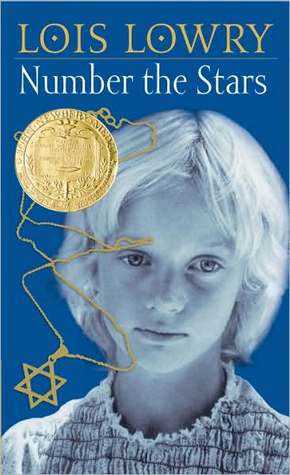
- Number the Stars
Lois Lowry
4.2 (448k) average on GoodreadsChildren's'Number the Stars' is another acclaimed historical fiction novel set during WWII, focusing on the Danish resistance and the Holocaust. Both books share themes of courage, family, and the impact of war on children. However, Lowry's narrative is more externally focused on a specific act of bravery and a historical event (the rescue of Danish Jews), with less emphasis on the deep psychological trauma and long-term recovery of its protagonist. Bradley delves much deeper into the internal world of Ada, exploring her emotional scars and journey of self-acceptance over an extended period, making it a more profound study of individual resilience post-trauma than Lowry's more plot-driven wartime adventure.
- Harry Potter and the Sorcerer's Stone
J.K. Rowling
4.5 (7M) average on GoodreadsFantasyRescued from a miserable life under the stairs, an orphaned boy discovers he's a wizard destined for a magical school, where he uncovers a dangerous secret tied to the dark wizard who murdered his parents.
- The Hobbit, or There and Back Again
J.R.R. Tolkien
4.3 (2.9M) average on GoodreadsFantasyA comfort-loving hobbit named Bilbo Baggins is whisked away by a mischievous wizard and a band of dwarves on an unexpected journey to reclaim stolen treasure from a fearsome dragon, discovering courage and a magical ring along the way.





Enjoyed the summary?
A summary gives you the shape of the book. The book itself has the detail, the examples and the voice.
Find The War I Finally Won on AmazonAs an Amazon Associate, BookBrief earns from qualifying purchases. How we're funded