
Synopsis
Covers the whole plot, including the ending.
- Difficulty
- Medium
- Pacing
- Moderate
- Mood
- Thought-provoking, Gently Humorous, Reflective, Satirical
- Read it if
- You enjoy Victorian social commentary, gentle satire, and moral dilemmas explored through realistic characters and engaging dialogue.
- Skip it if
- You prefer fast-paced plots with high stakes and clear-cut heroes and villains, or strong romantic subplots.
The Warden Plot Summary
Covers the whole plot, including the ending.
Hiram's Hospital and Mr. Harding's Contentment
Septimus Harding, a kind and somewhat naive clergyman, is the Warden of Hiram's Hospital, an almshouse for twelve elderly men in Barchester. He also serves as a precentor at Barchester Cathedral. The hospital provides Mr. Harding with a comfortable income of £800 a year, while the twelve bedesmen receive only £1 1s. 6d. a month each. This arrangement, established by John Hiram's will, has existed for centuries. Mr. Harding, a widower, lives a quiet life, enjoying music and the company of his younger daughter, Eleanor. His elder daughter, Susan, is married to Archdeacon Grantly, a powerful churchman. This peace is disturbed when John Bold, a reform-minded surgeon and Eleanor's suitor, investigates the hospital's financial structure, believing the bedesmen are being cheated.
John Bold's Investigation and the Archdeacon's Fury
John Bold, driven by a desire for social justice, begins gathering evidence about the unequal income distribution at Hiram's Hospital. He believes the Warden's substantial salary, from the hospital's endowments, should go to the bedesmen. Bold is also in love with Eleanor Harding, which complicates his actions. Archdeacon Grantly, Mr. Harding's son-in-law, sees Bold's investigation as a direct attack on the Church. The Archdeacon strongly defends clerical privileges and views Bold as a dangerous radical. He urges Mr. Harding to fight Bold's accusations, fearing that any concession will weaken the Church hierarchy. Mr. Harding, however, is deeply troubled by the accusations and the potential for public scandal.
The Bedesmen's Divided Loyalties
Bold encourages the bedesmen to sign a petition. Initially, they are hesitant because they respect Mr. Harding's kindness. However, Bold's persistence and the promise of more income persuade some, especially Bunce, the most vocal among them. Others, like Moody, remain loyal to Mr. Harding, confused by the conflict. The Archdeacon tries to counter Bold's influence, assuring the bedesmen that their interests are best served by the current arrangement and Mr. Harding's continued care. This creates division among the bedesmen; some demand their perceived rights, while others fear the disruption.
The Jupiter's Intervention
The controversy around Hiram's Hospital gains national attention when The Jupiter, a major London newspaper known for its reformist views, publishes a harsh article. The article, likely influenced by Bold, exaggerates the situation, painting Mr. Harding as a greedy clergyman exploiting the poor. This public condemnation deeply hurts Mr. Harding, a man of conscience. The Archdeacon is furious about the newspaper's involvement, seeing it as an attack on the Church. The Jupiter's articles increase the pressure on Mr. Harding and the diocese, making a quiet resolution impossible. The scandal becomes a national discussion, forcing a public reckoning.
Mr. Harding's Conscientious Dilemma
Despite the Archdeacon's insistence that he fight the case vigorously, Mr. Harding doubts the fairness of his position. He consults Sir Abraham Haphazard, a prominent barrister, who assures him his legal claim to the income is sound. Sir Abraham's legal arguments, however, do not ease Mr. Harding's troubled conscience. He cares more about the intent of John Hiram's will and the perception of justice than legal technicalities. The idea of receiving a large income while the bedesmen struggle, especially after the public outcry, becomes unbearable. He feels a strong moral duty to do what is right, even if it means giving up his comfort and position.
Eleanor's Influence and Bold's Regret
Eleanor Harding is distressed by her father's pain and blames John Bold, the man she loves, for starting the controversy. Her suffering deeply affects Bold, who begins to regret the unintended consequences of his actions. He realizes his pursuit of justice has caused great personal anguish to the man he respects and the woman he hopes to marry. Eleanor confronts Bold, appealing to his compassion and love for her. This emotional plea, along with his growing understanding of Mr. Harding's integrity, softens Bold's resolve. He struggles with the conflict between his principles and his feelings, ultimately deciding that Eleanor and Mr. Harding's happiness is most important.
The Resignation
Despite the Archdeacon's strong objections and legal advice confirming his rights, Mr. Harding makes the difficult decision to resign as Warden of Hiram's Hospital. He cannot bear to hold a position publicly seen as unjust, regardless of its legal standing. He believes his conscience demands this sacrifice. He informs his family, including a distraught Archdeacon Grantly, of his decision. The Archdeacon is furious, seeing it as a betrayal of the Church and a win for radicals. Mr. Harding, however, finds some peace in his choice, believing it to be the only honorable path. He gives up his comfortable home and income for a simpler life.
Bold Withdraws the Case
After Mr. Harding's resignation and further thought, John Bold decides to drop his legal action against Hiram's Hospital. He is deeply moved by Mr. Harding's selfless act and Eleanor's love for her father. Bold realizes that while his initial motives were honorable, the methods and results caused more harm than good to those he cares about. He approaches Mr. Harding to express his regret and inform him of his decision. This withdrawal does not immediately solve the underlying issues or the future of the hospital's endowments, but it shows a personal reconciliation and a change in Bold's priorities. He prioritizes his relationship with Eleanor and the well-being of the Harding family.
Aftermath and New Beginnings
Following his resignation, Mr. Harding moves into a small house in Barchester and continues his duties as Precentor, a position with a much smaller income but genuine satisfaction. He is no longer burdened by the controversy and finds peace in his music and service to the cathedral. The bedesmen do not immediately receive the increased income they hoped for, as the legal complexities of the hospital's funds remain. However, John Bold and Eleanor Harding's relationship grows. Bold, having abandoned his crusade against Mr. Harding, is now free to pursue Eleanor without the previous conflict. They eventually become engaged, to Mr. Harding's relief and happiness.
The Future of Hiram's Hospital
Despite Mr. Harding's resignation and Bold's withdrawal of the case, the main question of Hiram's Hospital's endowments remains unanswered. The legal and bureaucratic systems around the charity are slow. The bedesmen do not immediately get the financial benefits they were promised, and the hospital's future administration is uncertain. Trollope uses this unresolved ending to show how complex institutional reform is and how difficult it is to change established systems. The novel ends with Mr. Harding finding personal peace, but the larger societal issues he faced are far from settled, suggesting that such battles are ongoing and rarely have simple, immediate solutions.
Principal Figures
Septimus Harding
Protagonist
The gentle and conscientious Warden of Hiram's Hospital.
Mr. Harding is a kind, unassuming, and deeply moral clergyman who loves music and values peace above all else. He is devoted to his daughters and genuinely cares for the bedesmen under his charge. He is not ambitious or worldly, finding contentment in his simple pleasures. His greatest strength is his integrity and his unwavering commitment to his conscience, even when it means personal sacrifice. He is easily wounded by criticism but possesses an inner strength that allows him to act on his beliefs.
Relationships: Eleanor Harding (Devoted father-daughter relationship); Susan Grantly (Affectionate father-daughter relationship, though Susan is influenced by her husband); Archdeacon Grantly (Son-in-law, often at odds due to differing principles); John Bold (Initially a perceived adversary, later a friend and future son-in-law); The Bedesmen (Benevolent caretaker, genuinely cares for their well-being)
John Bold
Supporting/Love Interest
A reform-minded surgeon and Eleanor Harding's suitor.
John Bold is an intelligent, principled, and somewhat impulsive young surgeon. He is driven by a strong sense of justice and a desire to right perceived wrongs, particularly those affecting the poor and vulnerable. While his intentions are good, he can be dogmatic and initially fails to consider the personal impact of his actions. He is in love with Eleanor Harding, and his affection for her ultimately tempers his zeal for reform, leading him to prioritize personal relationships over public crusades.
Relationships: Eleanor Harding (Love interest, future husband); Septimus Harding (Initially an adversary, later respects and reconciles with him); Archdeacon Grantly (Antagonistic relationship due to their opposing views)
Eleanor Harding
Supporting/Love Interest
Mr. Harding's younger daughter and John Bold's love interest.
Eleanor is a loving, loyal, and spirited young woman. She is fiercely devoted to her father and deeply distressed by the controversy surrounding him. She possesses a strong moral compass and is not afraid to speak her mind, even to the man she loves. Her affections are divided between her loyalty to her father and her love for John Bold, creating a central emotional conflict. She acts as a bridge between the two men, ultimately influencing Bold's change of heart.
Relationships: Septimus Harding (Deeply loving and loyal daughter); John Bold (Love interest, future wife); Susan Grantly (Sister, generally supportive but with differing views on Bold)
Archdeacon Grantly (The Venerable Theophilus Grantly)
Antagonist/Supporting
Mr. Harding's son-in-law and a powerful, conservative churchman.
The Archdeacon is an ambitious, formidable, and highly intelligent clergyman who is deeply invested in preserving the established order and the privileges of the Church. He is a man of strong opinions and a dominant personality, fiercely protective of his family and his ecclesiastical position. He views any challenge to the Church's financial arrangements as a dangerous attack on the institution itself. While he loves Mr. Harding, he is often exasperated by his father-in-law's gentle nature and perceived weakness in the face of public criticism.
Relationships: Septimus Harding (Son-in-law, respects him but often disagrees vehemently); Susan Grantly (Husband); John Bold (Antagonistic, views him as a dangerous radical)
Susan Grantly
Supporting
Mr. Harding's elder daughter and the Archdeacon's wife.
Susan is a loving daughter to Mr. Harding and a devoted wife to the Archdeacon. She is generally supportive of her father but is also deeply influenced by her husband's strong opinions and social standing. She tries to mediate between her father and husband but often defers to the Archdeacon's judgment. She is concerned with appearances and the family's reputation, wanting to protect her father from scandal.
Relationships: Septimus Harding (Loving daughter); Archdeacon Grantly (Wife, supportive of his views); Eleanor Harding (Sister, close but with differing perspectives)
Mr. Bunce
Supporting
One of the most vocal and discontented bedesmen at Hiram's Hospital.
Mr. Bunce is one of the twelve bedesmen, initially a loyal recipient of Mr. Harding's kindness. However, he becomes a key figure in John Bold's case, persuaded by the promise of increased income and a sense of entitlement. He is the most articulate and vocal among the bedesmen who turn against Mr. Harding, embodying the potential for discontent and manipulation among the vulnerable. He represents the common man who, when given a voice, can challenge established authority.
Relationships: Septimus Harding (Initially grateful recipient of charity, later an accuser); John Bold (Follower and instrument in Bold's reform efforts)
Sir Abraham Haphazard
Mentioned
A prominent and expensive lawyer consulted by Mr. Harding.
Sir Abraham Haphazard is a renowned and highly sought-after barrister in London. He represents the legal establishment, offering sound, if cold and detached, legal advice based purely on the letter of the law. His professional counsel assures Mr. Harding of his legal rights but entirely fails to address his moral and conscientious qualms, highlighting the disconnect between legal justice and ethical righteousness.
Relationships: Septimus Harding (Legal counsel)
The Jupiter
Mentioned
A powerful and influential London newspaper.
The Jupiter, a fictional but clearly recognizable stand-in for The Times, is a powerful and influential London newspaper. It plays a crucial role in escalating the scandal surrounding Hiram's Hospital by publishing a sensational and critical article. It represents the nascent power of the press to shape public opinion, challenge established institutions, and hold figures of authority accountable, often with little regard for personal consequences.
Themes & Insights
Justice vs. Law
The novel explores the difference between what is legal and what is fair. Mr. Harding's dilemma is central: legally, he is entitled to his income as Warden, as confirmed by Sir Abraham Haphazard. However, his conscience tells him that the spirit of John Hiram's will, meant for the poor bedesmen, is being violated. John Bold's initial campaign aims for justice, but his methods are legally aggressive. The story asks if following the law always leads to fair results, and if true justice requires a moral rather than just a legal approach.
“What right had he to be Warden, with five hundred a year, while these twelve old men had to share among them but a hundred a year?”
Conscience and Integrity
Mr. Harding's character shows the theme of individual conscience and integrity. Despite great pressure from Archdeacon Grantly to defend his position and legal assurances from Sir Abraham Haphazard, Mr. Harding cannot reconcile his comfortable income with the bedesmen's needs, especially after public scrutiny. His decision to resign, driven by his moral compass and a desire to do what he believes is right, even at great personal cost, highlights the power of individual integrity over institutional demands and money. His peace of mind after resigning emphasizes the value of a clear conscience.
“He knew that he ought to be happy, and yet he was not. He had done his duty, and yet he had not done it.”
The Power of the Press
The novel clearly shows the growing power of the press, specifically through the fictional newspaper, The Jupiter (similar to The Times). The Jupiter's sensational articles turn a local church dispute into a national scandal, putting great pressure on Mr. Harding and the Church. This theme illustrates how public opinion, shaped and amplified by the media, can challenge established authority and make institutions examine themselves. It also touches on how the press can oversimplify complex issues and cause personal suffering in its pursuit of public interest.
“It was the Jupiter that had done this. It was the Jupiter that had made Mr. Harding a byword for ecclesiastical rapacity.”
Institutional Inertia vs. Reform
The conflict between the established, conservative Church, represented by Archdeacon Grantly, and the rising call for reform, championed by John Bold, is a main theme. The Archdeacon strongly defends the status quo, seeing any challenge to church privileges as an attack on society. Hiram's Hospital itself, with its centuries-old, arguably outdated, financial structure, represents institutional slowness. Bold, conversely, embodies the spirit of reform, seeking to modernize such institutions. The novel suggests that while reform is often necessary, it is a slow, complex, and sometimes painful process, met with resistance from those who benefit from the current system.
“He was a conservative in every fibre of his heart, and was well aware that the safety of the Church depended on its being able to withstand the attacks of its enemies.”
Plot Devices & Literary Techniques
The Lawsuit/Inquiry
The formal legal challenge to Hiram's Hospital's finances.
The threat and initiation of a lawsuit by John Bold serve as the primary external conflict driving the plot. This legal action forces Mr. Harding to confront the moral implications of his position and draws the attention of the wider public and the press. It highlights the clash between legal precedent and moral justice, and acts as a catalyst for Mr. Harding's internal struggle and ultimate decision to resign. The lawsuit also brings the various characters into direct opposition, exposing their different motivations and values.
The Jupiter Newspaper
The sensationalist London newspaper that publicizes the scandal.
The Jupiter acts as a powerful external force, representing public opinion and the burgeoning influence of the press in Victorian society. Its articles amplify the controversy, transforming a local issue into a national debate. This device highlights the shift in power from traditional institutions to the media, demonstrating how public scrutiny can force accountability and create immense personal pressure on individuals like Mr. Harding. It also serves as a symbol of the broader reformist spirit of the age.
Mr. Harding's Cello
A recurring symbol of Mr. Harding's inner peace and gentle nature.
Mr. Harding's cello is more than just a musical instrument; it symbolizes his gentle disposition, his love for harmony, and his retreat from the harsh realities of the world. Playing his cello brings him solace and represents his inner, spiritual life, distinct from the worldly concerns of wealth and power. When he is deeply troubled by the scandal, his ability to play is affected, indicating his distress. Its presence underscores his simple, unpretentious character and his yearning for tranquility amidst conflict.
The Bedesmen
The twelve elderly recipients of Hiram's Hospital's charity.
The bedesmen serve as the direct beneficiaries of the hospital and the unwitting pawns in the larger conflict. Their ambiguous position—grateful for Mr. Harding's kindness but also susceptible to the lure of greater income—highlights the complexities of charity and the potential for manipulation. They represent the 'poor' whose welfare is ostensibly at the heart of the dispute, yet their individual voices and needs are often overshadowed by the legal and institutional battles fought on their behalf.
The Warden Quotes
“The love of money is the root of all evil; but it is not for the ministers of the Church to say so, if they are unwilling to give up their own superfluities.”
“It is not sufficient for a man to be good; he must also appear to be good.”
“There is nothing that a man may not get used to, if he will only try.”
“The greatest curse to which a man can be subjected is the necessity of earning his bread.”
“That power of the press, which is now so great, had then hardly begun to be felt.”
“He knew that he was right, and knowing that he was right, he was determined to stand by it.”
“It is very hard for a man to be a judge in his own cause.”
“There are some things which a man cannot do, and some things which a man ought not to do.”
“The public is an ass, a great ass, but still an ass that must be respected.”
“What is the good of a man having a conscience if he does not follow it?”
“One cannot always do what one wishes, but one can always do what is right.”
“It is not by what a man says, but by what he does, that he is to be judged.”
“For the love of money is the root of all evil, and what are we to say of those who love it so dearly?”
“There is no knowing what a day may bring forth, or what it may take away.”
Quiz
10 questions on the plot and the characters. Each answer comes with a short explanation.
Question 1
What is the name of the almshouse that Mr. Harding is the Warden of?
- Hiram's Hospital
- St. Cuthbert's Asylum
- Barchester Benevolence
- The Deanery Almshouse
Show answer
A. Hiram's Hospital Mr. Harding is the Warden of Hiram's Hospital, an ancient charitable institution.
Question 2
Who is the ambitious young man who instigates the legal challenge against Mr. Harding's stipend?
- Dr. Grantly
- John Bold
- Tom Towers
- Archdeacon Grantly
Show answer
B. John Bold John Bold, a local surgeon and reformer, is the one who initiates the legal proceedings questioning the allocation of funds at Hiram's Hospital.
Question 3
What is the primary concern raised by the Jupiter newspaper regarding Mr. Harding's position?
- His lack of pastoral duties
- The luxurious lifestyle of the almsmen
- The disproportionate income he receives compared to the almsmen
- His political affiliations
Show answer
C. The disproportionate income he receives compared to the almsmen The Jupiter newspaper, representing public opinion, highlights the perceived injustice of Mr. Harding's large stipend while the almsmen receive comparatively little.
Question 4
What is the relationship between John Bold and Eleanor Harding?
- They are cousins
- They are siblings
- They are romantically involved
- They are professional rivals
Show answer
C. They are romantically involved John Bold is in love with Eleanor Harding, Mr. Harding's daughter, which complicates his pursuit of the legal case.
Question 5
What instrument does Mr. Harding enjoy playing?
- The organ
- The piano
- The cello
- The flute
Show answer
C. The cello Mr. Harding finds solace and enjoyment in playing his cello, often using it as an escape from his troubles.
Question 6
How does Mr. Harding ultimately resolve the controversy surrounding his wardenship?
- He fights the case in court and wins
- He appeals to the Bishop for a higher stipend
- He resigns from his position as Warden
- He compromises by sharing his income with the almsmen
Show answer
C. He resigns from his position as Warden Despite the Archdeacon's protests, Mr. Harding, driven by his conscience and a desire for peace, decides to resign from the wardenship.
Question 7
What role does Archdeacon Grantly play in Mr. Harding's life and the ongoing conflict?
- He encourages Mr. Harding to resign immediately
- He is Mr. Harding's son-in-law and fiercely defends his position
- He secretly supports John Bold's legal actions
- He acts as a neutral mediator between the parties
Show answer
B. He is Mr. Harding's son-in-law and fiercely defends his position Archdeacon Grantly is married to Mr. Harding's eldest daughter, Susan. He is a staunch defender of the Church's established rights and privileges, including Mr. Harding's wardenship.
Question 8
The novel explores the tension between which two societal values or forces?
- Tradition and modern technology
- Individual liberty and government control
- Established institutions (Church) and public opinion/reform movements (Press)
- Rural life and urban development
Show answer
C. Established institutions (Church) and public opinion/reform movements (Press) A central theme of 'The Warden' is the conflict between the long-standing, often unquestioned, traditions and endowments of the Church versus the rising power of the press and public demand for reform and accountability.
Question 9
What is the ultimate fate of John Bold's legal case against Mr. Harding?
- It is successfully argued in court, leading to a new ruling
- It is dropped after John Bold's change of heart and subsequent death
- It is taken over by the Jupiter newspaper, leading to a public inquiry
- It results in a compromise where Mr. Harding keeps half his income
Show answer
B. It is dropped after John Bold's change of heart and subsequent death John Bold, influenced by Eleanor and his own conscience, decides to withdraw the case. Tragically, he falls ill and dies shortly after, leaving the legal challenge unresolved by court action.
Question 10
How does Mr. Harding feel about the wealth associated with his position as Warden, even before the scandal erupts?
- He takes it for granted as his rightful due
- He secretly wishes for even more income
- He has always had a quiet unease about its fairness
- He believes it is a just reward for his hard work
Show answer
C. He has always had a quiet unease about its fairness Even before the Jupiter article, Mr. Harding, being a man of gentle conscience, harbored a quiet discomfort and doubt about the ethical justification for his large stipend compared to the almsmen's meager allowance.
The Warden FAQ
What is the central conflict that sets the plot in motion in 'The Warden'?
The central conflict begins when John Bold, a reform-minded surgeon, instigates legal proceedings against his future father-in-law, Septimus Harding, the Warden of Hiram's Hospital. Bold alleges that the Warden's substantial income from the hospital, originally intended for twelve bedesmen, is an abuse of an ancient charitable trust, leading to public outcry and a Fleet Street exposé.
Who are the primary antagonists, and what are their motivations?
There isn't a singular 'villain' in the traditional sense, but rather forces of change and public opinion. John Bold is motivated by a genuine desire for reform and justice for the bedesmen, though his methods cause great distress. The true antagonist is arguably the relentless sensationalism of the press, particularly 'The Jupiter' (a fictionalized 'The Times'), which, spurred on by characters like Tom Towers, inflames public opinion against Mr. Harding without fully understanding the nuances of the case.
How does Septimus Harding react to the accusations against him?
Septimus Harding is deeply distressed and morally conflicted by the accusations. Despite the legal advice from Archdeacon Grantly to fight the case, Harding's sensitive conscience leads him to believe there might be some truth to the impropriety. He ultimately chooses to resign his comfortable position as Warden, prioritizing his integrity and peace of mind over financial security and social standing.
What role does Archdeacon Grantly play in the story?
Archdeacon Grantly is Mr. Harding's son-in-law and a formidable, albeit well-meaning, defender of the Church's established order and wealth. He vehemently opposes John Bold's actions and tries to persuade Harding to fight the legal battle, seeing it as an attack on the Church's ancient rights and his own family's financial interests. His bluster and practical approach contrast sharply with Harding's gentle nature.
What is the outcome for Mr. Harding by the end of the novel?
By the novel's end, Mr. Harding has resigned from the Wardenship, giving up his comfortable income. However, his integrity is publicly vindicated, and he accepts a less lucrative but still honorable position as the Precentor of Barchester Cathedral. He finds a quiet contentment and maintains his dignity, demonstrating that moral rectitude can lead to a form of peace, even without material gain.
What is the significance of the musical instrument Mr. Harding plays?
Mr. Harding frequently plays the cello, which serves as a subtle symbol of his gentle, contemplative, and artistic nature. It represents his inner world of peace and beauty, offering a stark contrast to the harsh realities of the legal and public battles he faces. His music is a refuge and an expression of his soul, highlighting his sensitivity and detachment from worldly concerns.
How does the author use the character of 'The Jupiter' newspaper?
Trollope uses 'The Jupiter' as a thinly veiled satire of 'The Times' newspaper, highlighting its immense power to shape public opinion and its tendency towards sensationalism. Through characters like Tom Towers, the author critiques the irresponsible journalism that can destroy reputations and lives without full investigation or empathy, serving as a powerful, unseen force in the narrative.
Are there any subtle indications of John Bold's internal conflict regarding his actions?
Yes, John Bold shows growing signs of regret and internal conflict as the case progresses, particularly as he witnesses the profound distress it causes Mr. Harding and his beloved Eleanor. He genuinely respects Harding and ultimately proposes to Eleanor, indicating that his heart is not entirely aligned with the harshness of his reformist agenda. His subsequent withdrawal from the case is a direct result of this moral awakening.
How does Trollope use the bedesmen to illustrate the complexities of the situation?
The bedesmen, initially presented as victims, are not entirely sympathetic. Some are easily swayed by promises of wealth from John Bold, while others, like Bunce, express loyalty and affection for Mr. Harding. This nuanced portrayal prevents them from being mere plot devices and instead shows the mixed motivations and simple desires of real people, complicating the easy division of 'right' and 'wrong' in the dispute.
Discuss the psychological impact of public opinion and media scrutiny on Mr. Harding.
Mr. Harding is profoundly affected by public opinion and media scrutiny; it causes him immense psychological distress, shame, and self-doubt. His gentle, sensitive nature is ill-equipped to handle such an onslaught, leading him to question his own moral standing despite his innocence. This ordeal highlights how external judgment can deeply wound even the most upright individuals, forcing a crisis of conscience.
How does Eleanor Harding's character demonstrate resilience and agency?
Eleanor Harding demonstrates resilience and agency by actively trying to mediate the conflict between her father and John Bold, whom she loves. She stands by her father, offering emotional support, but also confronts Bold about the pain he is causing. Her unwavering loyalty and her willingness to challenge both men in pursuit of a resolution showcase her strength and independence in a patriarchal society.
Analyze Archdeacon Grantly's psychological motivations for his staunch defense of the status quo.
Archdeacon Grantly's staunch defense of the status quo is psychologically rooted in a deep-seated belief in tradition, the hierarchical structure of the Church, and a strong sense of family honor and financial security. He sees any challenge as a personal affront and a threat to his established way of life, leading to an almost visceral reaction against reform. His motivations are a mix of genuine conviction and self-interest.
How does Mr. Harding's decision to resign reflect his core values?
Mr. Harding's decision to resign reflects his core values of integrity, moral purity, and a profound desire for inner peace above material gain or social status. Despite legal assurances of his right to the income, his conscience cannot reconcile keeping it while others believe it to be ill-gotten. This act demonstrates his prioritization of spiritual comfort and a clear conscience over worldly possessions and comfort.
Is 'The Warden' primarily a critique of the Church or a broader commentary on societal change?
'The Warden' functions as both a critique of the Church's potential for abuse (though gently handled) and a broader commentary on societal change. While it highlights issues within ecclesiastical endowments, its primary focus is on the impact of burgeoning reform movements, the power of the press, and the clash between tradition and progress on individual lives and institutions, making it a commentary on wider societal shifts.
Does the novel offer a clear resolution or leave any questions open for the reader?
The novel offers a clear emotional resolution for Mr. Harding, who finds peace and dignity in his new role, and for Eleanor, who marries John Bold. However, it leaves open broader questions about the ongoing challenges of institutional reform, the balance between tradition and progress, and the enduring influence of public opinion. While the immediate conflict is resolved, the underlying societal tensions remain relevant.
To what extent is John Bold a sympathetic character, despite his actions?
John Bold is presented as a complex, rather than purely villainous, character, making him sympathetic to a degree. His initial motivations for reform are genuinely altruistic, aiming to correct perceived injustices. His growing remorse as he witnesses Mr. Harding's suffering, and his ultimate withdrawal from the case, reveal a conscience and a capacity for empathy, allowing readers to understand his internal struggle.
How does Trollope balance humor and pathos in the narrative?
Trollope masterfully balances humor and pathos through his keen observation of human nature and social dynamics. Humor often arises from the exaggerated characters and their foibles, such as Archdeacon Grantly's bluster or the absurdities of the bedesmen. Pathos is evoked through Mr. Harding's quiet suffering and moral dilemma, creating a rich tapestry where the reader can both laugh at the situation and empathize deeply with its victims.
What is the lasting message or moral of 'The Warden'?
The lasting message of 'The Warden' is that personal integrity and a clear conscience are more valuable than wealth, position, or public acclaim. It suggests that true happiness comes from living by one's moral code, even in the face of public pressure or personal sacrifice. The novel also subtly warns against the dangers of uncritical reform and the destructive power of sensationalist media.
About the author
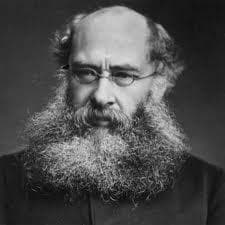
Anthony Trollope was an English novelist and civil servant of the Victorian era. Among his best-known works is a series of novels collectively known as the Chronicles of Barsetshire, which revolves around the imaginary county of Barsetshire. He also wrote novels on political, social, and gender issues, and other topical matters.
Similar books
- Pride and Prejudice
Jane Austen
4.3 (3M) average on GoodreadsHistorical FictionFeatures social satire, witty dialogue, and an examination of class and morality within a specific societal context.
- Bleak House
Charles Dickens
4.0 (97k) average on GoodreadsHistorical FictionWhile both The Warden and Bleak House (1852-53) critique institutional failings, Dickens' novel offers a far more expansive and scathing indictment of the legal system, encompassing a vast array of social classes and intricate subplots. Dickens's critique is often more overtly passionate and caricatured, whereas Trollope's is typically more measured and focused on the internal moral struggles of individuals within the system. Bleak House's 'fog' metaphor pervades the entire narrative, symbolizing systemic corruption, while The Warden's focus is more on the specific ethical dilemmas of a few key players. As Patricia Ingham (1987) argues, Dickens aims for panoramic social critique, Trollope for specific moral inquiry.
- Middlemarch
George Eliot
4.0 (136k) average on GoodreadsHistorical FictionGeorge Eliot's Middlemarch (1871-72) shares Trollope's interest in provincial life and the complexities of human motivation, but it operates on a much grander scale. Eliot's novel delves into a broader spectrum of social issues, including marriage, politics, scientific reform, and education, through a multi-layered plot and a larger cast of interconnected characters. While The Warden explores a singular ethical dilemma, Middlemarch examines the 'web' of social and personal relationships in a much more intricate and philosophical manner, often exploring the limitations and aspirations of individuals within their societal context. Eliot's psychological realism is perhaps deeper and more analytical, while Trollope's is often more sympathetic and character-driven in a less overtly philosophical way (Levine, 1986).
- To Kill a Mockingbird
Harper Lee
4.3 (4.5M) average on GoodreadsHistorical FictionIn the 1930s Jim Crow South, Harper Lee writes about racial injustice, moral growth, and the quiet courage of a lawyer father, Atticus Finch, as seen through his young daughter's eyes.
- The Great Gatsby
F. Scott Fitzgerald
3.9 (3.8M) average on GoodreadsHistorical FictionIn the opulent Roaring Twenties, a mysterious millionaire's lavish parties hide his desperate, tragic pursuit of a lost love, exposing the emptiness within the American Dream.
- Angels & Demons
Dan Brown
3.9 (2.7M) average on GoodreadsThrillerA Harvard symbologist races through Rome's ancient sites, deciphering cryptic clues to unmask the Illuminati and stop a vengeful plot to destroy the Vatican with a stolen antimatter weapon.





Enjoyed the summary?
A summary gives you the shape of the book. The book itself has the detail, the examples and the voice.
Find The Warden on AmazonAs an Amazon Associate, BookBrief earns from qualifying purchases. How we're funded