

Synopsis
Covers the whole plot, including the ending.
- Difficulty
- Easy
- Pacing
- Moderate
- Mood
- Heartwarming, Reflective, Nostalgic, Empowering
- Read it if
- You enjoy character-driven stories about female friendship, set against a backdrop of significant historical change.
- Skip it if
- You prefer fast-paced plots with high stakes or don't enjoy stories focused on domestic life and personal growth.
The Wednesday Sisters Plot Summary
Covers the whole plot, including the ending.
First Meeting in the Park
In 1967, Frankie, a lively, outspoken woman, meets Linda, Kath, Ally, and Brett at a park in Palo Alto, California, while their children play. Frankie, the most unconventional of the group, immediately questions the usual norms of suburban mothers. Linda, a quiet aspiring writer, watches the others, while Kath, a former teacher, brings order. Ally, beautiful but unsure, and Brett, practical and grounded, complete the group. Despite their initial differences, a shared love for books and the common experience of motherhood in a changing era bring them together, forming a deep friendship that will shape their lives for decades.
The Birth of the Writing Society
One evening in 1967, while watching the Miss America Pageant at Linda's house, they talk about their unfulfilled dreams. Linda, always observant and a dreamer, admits she wants to write a novel. Inspired by the moment and a shared desire for more than just domestic life, she suggests they all commit to writing and sharing their work. Frankie, with her natural storytelling, is excited, while Kath is practical, Ally hesitant, and Brett doubtful. Despite their individual doubts, they agree to meet weekly, calling themselves 'The Wednesday Sisters Writing Society.' This marks the start of their creative journey and mutual support.
Early Struggles and Self-Discovery
As the Wednesday Sisters begin writing, they face many challenges. Linda struggles with self-doubt and home pressures, often finding her creative time interrupted. Frankie, with her imagination, puts her life into her stories, often revealing more than she intends. Kath, disciplined, initially writes stiff, academic pieces, while Ally, unsure of her intellect, slowly finds her voice, often through poetry. Brett, realistic, questions the point of their pursuit. Their early shared critiques are often direct but honest, forcing each woman to face her vulnerabilities, ambitions, and the societal expectations placed on them as wives and mothers in the late 1960s.
The World Changes Around Them
The late 1960s and early 1970s bring big social and political changes that affect the Wednesday Sisters. The Vietnam War impacts Frankie's husband, a veteran, and influences the group's talks on peace and protest. The growing women's movement challenges their traditional roles, making them rethink their identities beyond wife and mother. The moon landing captures their attention, symbolizing a future of possibilities. These outside events fuel their writing and conversations as they deal with changing social norms, personal freedoms, and shifting gender roles, all while trying to find their place in this new world.
Personal Crises and Support
As their friendship grows, the Wednesday Sisters become an essential support system through various personal problems. Linda deals with her husband's infidelity, which shakes her sense of self and marriage, finding comfort and advice from her friends. Kath faces work disappointments and rethinks her career goals outside of teaching. Ally struggles with self-worth and body image, often feeling overshadowed by her husband's success. Brett, always practical, endures family illnesses and money troubles. Frankie, despite her outward confidence, confronts her own past traumas. Through these deep challenges, the group offers strong emotional support, practical help, and a safe space for vulnerability, strengthening their bond.
Writing and Publication Dreams
Over the years, the sisters' writing paths diverge. Linda, with her steady effort, eventually sees her novel published, bringing joy and new pressures. Frankie, a natural storyteller, also finds success with her unique voice, though with its own challenges and public scrutiny. Kath, after much refinement, finds her place in non-fiction, exploring educational topics. Ally, initially hesitant, discovers her talent for poetry, which brings her quiet recognition. Brett, while supportive, ultimately prioritizes her family and practical duties, finding fulfillment outside of traditional publication. The varied outcomes test their individual definitions of success and their shared dream, sometimes leading to jealousy but ultimately confirming their mutual encouragement.
Frankie's Bold Choices
Frankie, with her unconventional spirit and strong opinions, consistently pushes boundaries in her personal life and writing. Her outspoken nature and willingness to challenge social norms often put her at odds with expectations. When her writing gains public attention, it sometimes causes controversy, forcing her to defend her artistic choices and beliefs. She navigates complex relationships and makes unconventional life decisions, finding strength and validation within the Wednesday Sisters. Her journey shows the spirit of artistic freedom and the pursuit of an authentic self, even when facing public scrutiny and personal sacrifices, always with her friends' strong support.
Linda's Quiet Persistence
Linda, initially the most reserved of the group, shows quiet persistence and strong dedication to her writing. Despite facing significant personal challenges, including her husband's infidelity and the demands of motherhood, she consistently makes time for her craft. Her stories often show her sharp observations of human nature and her own inner journey. While others might experience more immediate success or public recognition, Linda's steady commitment eventually pays off when her novel is published. This achievement shows her quiet strength and the power of sustained effort, fulfilling the dream that first inspired the Wednesday Sisters Writing Society and validating her lifelong ambition.
Ally's Search for Identity
Ally, beautiful and seemingly perfect, struggles with deep insecurities about her intelligence and worth, often feeling overshadowed by her successful husband and the more outspoken sisters. She initially struggles to find her writing voice, feeling inadequate compared to the others. However, with the group's encouragement, she begins to explore poetry, a form that allows her to express her emotions and observations. Her journey is one of gradual self-discovery, as she lets go of expectations and embraces her artistic talent. Her eventual recognition as a poet marks her triumph over insecurity and her growth into a confident woman.
Kath's Evolution
Kath, with her teaching background, initially approaches writing with a structured, academic mindset. She is the practical and organized anchor of the group, often providing a grounded view. As life unfolds, she faces career disappointments and adapts to new situations, showing great resilience. Her writing changes from rigid narratives to more insightful non-fiction pieces, reflecting her intellectual curiosity and her ability to learn and grow. Kath shows the theme of adaptation and finding new purpose, proving that one's path can change significantly while still leading to fulfillment. Her contributions to the group are often intellectual and supportive, offering stability and measured advice.
Brett's Practicality and Family Focus
Brett, the most practical and grounded of the Wednesday Sisters, consistently prioritizes her family and home duties. While she participates in the writing group, her goals are less about literary fame and more about providing a stable, loving environment for her children. She often brings reality to the group's more idealistic discussions, reminding them of everyday concerns. Although she writes, her creative outlet is often tied to her family life, and she finds deep satisfaction in her role as a mother and wife. Her journey highlights that fulfillment can come in many forms, and that traditional success is not the only measure of a well-lived life, reinforcing the diverse paths the sisters take.
The Enduring Bond
As years turn into decades, the Wednesday Sisters continue to meet, their bond growing stronger through marriages, divorces, births, deaths, successes, and failures. They watch each other's children grow, careers succeed or falter, and society change. The writing group, initially a shared hobby, becomes a vital support system—a source of strong support, honest critique, and deep understanding. They reflect on how their journey, sparked by a simple desire to write, allowed them to navigate the complexities of womanhood, motherhood, and self-discovery. Their lasting friendship shows the power of shared dreams and the strength found in female unity.
The Wednesday Sisters Characters
Frankie
Protagonist/Supporting
The bohemian, outspoken, and fiercely independent spirit of the group.
Frankie is the most unconventional and spirited of the Wednesday Sisters. She is outspoken, artistic, and often challenges societal norms, embodying the free spirit of the late 1960s. Her background as a military brat gives her a unique perspective, and she often uses her writing to explore themes of freedom, identity, and social justice. She is fiercely loyal to her friends but can also be impulsive and sometimes controversial. Frankie's energy and passion are infectious, inspiring the others to be bolder, but her choices sometimes lead to personal complications and public scrutiny.
Relationships: Linda (Close friend, often contrasts Linda's quietness with her own boldness); Kath (Friend, sometimes clashes due to differing personalities but respects her intellect); Ally (Supportive friend, often encourages Ally to find her voice); Brett (Friend, sometimes finds Brett's practicality a foil to her idealism)
Linda
Protagonist/Supporting
The quiet, introspective dreamer who initiates the writing group and later achieves her dream of publication.
Linda is the quiet observer and the catalyst for the Wednesday Sisters Writing Society. She harbors a deep, lifelong ambition to write a novel, often feeling stifled by domestic duties and her husband's expectations. Linda is introspective, sensitive, and often struggles with self-doubt, but she possesses a quiet persistence that ultimately leads to her achieving her dream of becoming a published author. Her experiences with infidelity and the challenges of motherhood deeply influence her writing, making her stories resonate with authenticity and emotional depth.
Relationships: Frankie (Close friend, often looks to Frankie for inspiration and boldness); Kath (Friend, values Kath's grounded perspective); Ally (Close friend, shares vulnerabilities and artistic aspirations); Brett (Friend, appreciates Brett's practical advice); Her Husband (Initially supportive but later strained due to infidelity)
Kath
Protagonist/Supporting
The intellectual, pragmatic former teacher who brings structure and a grounded perspective to the group.
Kath is the most intellectual and organized of the group, a former teacher who values structure and knowledge. She often approaches life and writing with a pragmatic and analytical mindset, providing a grounded perspective amidst the others' more emotional or artistic leanings. Kath grapples with professional disappointments and the challenges of re-entering the workforce, eventually finding her niche in non-fiction. She is a loyal friend, offering thoughtful advice and a steady presence, often acting as a stabilizing force within the dynamic group.
Relationships: Frankie (Friend, sometimes contrasts Frankie's impulsiveness with her own logic); Linda (Friend, offers practical advice and support); Ally (Supportive friend, encourages Ally's intellectual growth); Brett (Close friend, shares a practical outlook on life)
Ally
Protagonist/Supporting
The beautiful but insecure woman who finds her voice and confidence through poetry.
Ally is outwardly beautiful and seemingly perfect, yet she struggles with deep-seated insecurities about her intelligence and self-worth. She often feels overshadowed by her successful husband and the more outspoken members of the group. Ally's journey is one of gradual self-discovery, as she overcomes her shyness and finds her artistic voice through poetry. Her delicate and insightful poems become a powerful medium for expressing her inner world and her observations on life, ultimately leading her to a newfound confidence and recognition.
Relationships: Frankie (Friend, inspired by Frankie's confidence); Linda (Close friend, shares artistic vulnerabilities and support); Kath (Friend, looks to Kath for intellectual guidance); Brett (Friend, appreciates Brett's grounded nature); Her Husband (Initially a source of insecurity, later she asserts her independence)
Brett
Protagonist/Supporting
The grounded, practical mother who prioritizes family and finds fulfillment outside of traditional literary success.
Brett is the most practical and grounded of the Wednesday Sisters. She is a devoted mother and wife, often bringing a dose of reality and common sense to the group's more artistic or idealistic discussions. While she participates in the writing group, her primary focus remains her family and domestic responsibilities. Brett's journey highlights that fulfillment can be found in various forms, not solely through literary achievement. She is a loyal and supportive friend, always ready with practical advice and unwavering support through life's challenges, embodying resilience and dedication to her loved ones.
Relationships: Frankie (Friend, sometimes contrasts Frankie's idealism with her practicality); Linda (Friend, offers practical support and advice); Kath (Close friend, shares a practical outlook and mutual support); Ally (Friend, provides grounded perspective)
Michael
Supporting
Linda's husband, whose infidelity causes significant strain in their marriage.
Michael is Linda's husband. Initially, he seems supportive of Linda's domestic role, but his infidelity becomes a major source of conflict and pain for Linda. His actions force Linda to re-evaluate her marriage, her self-worth, and her aspirations. While he represents a challenge to Linda's personal happiness, his character also serves to highlight the societal expectations and marital dynamics prevalent during the era, and how women like Linda had to navigate personal betrayals amidst their burgeoning self-discovery.
Relationships: Linda (Husband, their relationship faces significant strain due to his infidelity)
David
Supporting
Ally's successful and initially overshadowing husband.
David is Ally's husband, a successful and seemingly perfect man. His professional achievements and confident demeanor, while admirable, initially contribute to Ally's feelings of insecurity and inadequacy. He embodies a certain type of conventional male success of the era, and his presence often highlights Ally's struggle to find her own voice and identity outside of her role as his wife. As Ally grows, her relationship with David evolves, and she learns to assert her independence and artistic value, challenging the dynamic they once had.
Relationships: Ally (Husband, their relationship evolves as Ally gains confidence)
The Children
Mentioned
The various children of the Wednesday Sisters, whose needs and growth shape their mothers' lives.
The children of Frankie, Linda, Kath, Ally, and Brett are a constant presence throughout the novel, representing the primary domestic responsibilities that often compete with their mothers' creative aspirations. Their growth from toddlers to teenagers and young adults mirrors the passage of time and the evolving challenges the women face. While not individual characters in the traditional sense, their needs, milestones, and occasional crises profoundly influence their mothers' decisions, time management, and emotional states, highlighting the complex balance between motherhood and personal ambition during a transformative era.
Relationships: Frankie, Linda, Kath, Ally, Brett (Children, their primary care and concern)
The Wednesday Sisters Themes
Female Friendship and Solidarity
The heart of 'The Wednesday Sisters' is the lasting and transforming power of female friendship. The five women, initially strangers, form a bond that goes beyond their differences and societal expectations. They provide an essential support system, offering emotional comfort, honest feedback, and strong encouragement through infidelity, illness, career setbacks, and personal successes. Their weekly meetings become a safe place where they can be themselves, creating a sense of unity that empowers each woman to pursue her dreams and handle the complexities of life in a changing world. For instance, when Linda struggles with her husband's affair, the sisters gather around her, offering practical advice and emotional comfort, showing the strength of their collective bond.
“What they had together was rare, a kind of love that came from seeing each other through the worst and best of things, and knowing, absolutely, that they would always be there.”
The Pursuit of Creative Dreams and Self-Discovery
A main theme is the women's struggle and eventual success in pursuing their creative goals amid the demands of home life and societal expectations. The writing group provides an outlet for self-expression and intellectual stimulation, allowing each woman to explore her identity beyond her roles as wife and mother. Linda's path to publication, Ally's growth as a poet, and Frankie's controversial yet successful writing all show this theme. Their writing becomes a way to find themselves, helping them understand their desires, fears, and strengths, and ultimately shaping who they become. Writing forces them to face their inner selves and express their unique views on the world.
“They were all trying to write their way into lives that felt more their own, to carve out space for themselves in a world that often forgot they existed as anything but wives and mothers.”
Changing Roles of Women in the Late 20th Century
The novel is set in the late 1960s and early 1970s, a time of big social change and the rise of the women's movement. The Wednesday Sisters deal with the changing expectations placed on women, moving from traditional home roles toward more independence and professional ambition. They discuss the Vietnam War, the space race, and feminist ideas, reflecting on how these larger social changes affect their personal lives and choices. The women navigate the tension between traditional expectations of marriage and motherhood and the growing desire for personal fulfillment and careers outside the home, illustrating the deep social transformation of the era.
“The world was opening up, or maybe it was just that they were finally opening up to the world, seeing possibilities they'd never dared to imagine before.”
Balancing Ambition and Motherhood
The struggle to balance personal ambition, especially creative ambition, with the demanding realities of motherhood is a recurring theme. Each woman faces unique challenges in finding time and mental space for her writing while raising young children and maintaining a household. Linda, for example, constantly battles interruptions and guilt when trying to write. The novel honestly shows the compromises, sacrifices, and moments of frustration in this balancing act. It highlights how the women support each other in this effort, understanding the unique pressures they face as mothers striving for something more than just domestic fulfillment, ultimately finding that both roles can coexist, though with difficulty.
“Every word written was a small rebellion against the endless demands of motherhood, a claim on a part of themselves that was just their own.”
Plot Devices & Literary Techniques
The Wednesday Sisters Writing Society
The central gathering point and catalyst for the women's personal and creative growth.
The writing society itself is a crucial plot device. It serves as the framework for the narrative, providing a consistent setting for the women's interactions and development. It's not just a club; it's a safe space for vulnerability, honest critique, and mutual support. The commitment to writing forces each character to confront her inner world and articulate her experiences, driving individual character arcs. It also acts as a narrative device to showcase the passage of time and the evolution of their lives, as their shared works reflect their changing perspectives and challenges over decades.
First-Person Plural Narration (Implied)
A collective 'we' perspective that emphasizes the shared experience and bond of the group.
While not strictly first-person plural throughout, the novel often employs a collective 'we' or 'they' perspective that strongly emphasizes the shared experience and deep bond of the five women. This narrative choice highlights the solidarity and collective journey of the Wednesday Sisters, making their friendship feel like a singular entity. It allows the author to convey a sense of shared history and mutual understanding, reinforcing the idea that their individual stories are intricately woven together. This perspective underscores the theme of female friendship as the central force of the narrative.
Historical Context as Character
The social and political landscape of the late 1960s and 1970s acts as a dynamic force shaping the characters' lives.
The specific historical period, primarily the late 1960s and 1970s, functions almost as an additional character in the novel. Events like the Vietnam War, the space race, and the burgeoning women's movement are not just background details; they actively influence the characters' beliefs, choices, and the themes they explore in their writing. The changing social norms regarding marriage, gender roles, and personal freedom directly impact the women's struggles and triumphs, making their personal journeys deeply intertwined with the broader historical narrative. This device grounds the story in a specific time, adding depth and relevance to their experiences.
Epistolary Elements (Journal Entries/Manuscripts)
The women's actual writings, shared within the group, reveal their inner thoughts and drive the plot.
The sharing of journal entries, short stories, and novel excerpts by the sisters within their group meetings serves as an important plot device. These 'writings within the writing' allow the reader direct access to the characters' deepest thoughts, fears, and aspirations, often revealing plot points, character motivations, and emotional states that might otherwise remain hidden. It also demonstrates their individual artistic voices and how they evolve over time. The critique sessions around these works propel character development and sometimes create friction, further developing their relationships and individual arcs.
The Wednesday Sisters Quotes
“Perhaps the truth was that you could not go back. You could not step into the same river twice.”
“Friendship isn't about being inseparable; it's about knowing you always have a place.”
“Sometimes the bravest thing you can do is just keep going, even when you don't know where you're headed.”
“We were all just trying to make sense of a world that didn't always make sense.”
“There was a certain freedom in being underestimated. You could surprise people.”
“A good story, like a good friend, could make you feel less alone.”
“The past was a river, and we were all just trying to navigate its currents.”
“It was amazing how much you could learn about yourself by trying to understand someone else.”
“Life had a way of pulling you in directions you never expected, and sometimes those were the best ones.”
“We were connected not just by our shared Wednesdays, but by the quiet understanding that grew between us.”
“Sometimes the greatest acts of rebellion are the quiet ones, the ones that change your own world first.”
“The beauty of friendship was that it didn't demand perfection, only presence.”
“We were all just trying to find our voice in a world that often tried to silence us.”
“The hardest part of growing up wasn't leaving things behind, but learning what to carry forward.”
Quiz
10 questions on the plot and the characters. Each answer comes with a short explanation.
Question 1
In what decade do the five young mothers, who eventually form the Wednesday Sisters Writing Society, first meet?
- 1950s
- 1960s
- 1970s
- 1980s
Show answer
B. 1960s The book explicitly states that the five young mothers first meet in a neighborhood park in the late 1960s.
Question 2
Which of the Wednesday Sisters first admits her aspiration to write a novel, leading to the formation of their writing group?
- Frankie
- Kath
- Linda
- Ally
Show answer
C. Linda Linda is the character who admits her aspiration to write a novel during a gathering to watch the Miss America Pageant, directly initiating the group's purpose.
Question 3
What common interest, besides marriage and raising children, initially binds the five women together before they form their writing group?
- A shared love of gardening
- A shared love of books
- A shared interest in politics
- A shared passion for cooking
Show answer
B. A shared love of books The text states that their initial conversations centered on marriage, raising children, and a shared love of books.
Question 4
Beyond personal struggles, what major historical event of the 1960s and 70s is specifically mentioned as influencing the women's changing world?
- The Cold War
- The Vietnam War
- The Civil Rights Movement
- The Watergate Scandal
Show answer
B. The Vietnam War The summary explicitly lists 'the Vietnam War, the race to the moon, and a women’s movement' as aspects of the changing world around them.
Question 5
What significant social movement of the era challenges the Wednesday Sisters' beliefs about themselves?
- The environmental movement
- The anti-war movement
- The women’s movement
- The free love movement
Show answer
C. The women’s movement The text mentions 'a women’s movement that challenges everything they believe about themselves' as a key influence.
Question 6
The friends support each other through various personal changes. Which of the following is NOT listed as one of these challenges in the summary?
- Infidelity
- Financial ruin
- Illness
- Failure
Show answer
B. Financial ruin The summary mentions 'infidelity, longing, illness, failure, and success' but does not specifically list 'financial ruin.'
Question 7
What is the primary role of the Wednesday Sisters Writing Society for its members?
- To publish a collective novel under a pseudonym
- To provide a structured critique group for professional writers
- To offer mutual support and encouragement for personal and creative growth
- To escape their family responsibilities by focusing solely on writing
Show answer
C. To offer mutual support and encouragement for personal and creative growth The core theme is how 'With one another’s support and encouragement, the Wednesday Sisters begin to embrace who they are and what they hope to become,' implying personal and creative growth.
Question 8
How do the women primarily engage with their writing within the group?
- By attending formal writing workshops and seminars
- By submitting their work to literary magazines anonymously
- By filling journals, sliding pages into typewriters, and sharing their work
- By collaborating on a single story, each writing a chapter
Show answer
C. By filling journals, sliding pages into typewriters, and sharing their work The description states they 'start filling journals, sliding pages into typewriters, and sharing their work,' indicating their hands-on writing process.
Question 9
The phrase 'the power of dreaming big' in the summary most closely relates to which central theme of the novel?
- The importance of financial independence for women
- The struggle for political influence in a patriarchal society
- The pursuit of personal aspirations and self-discovery through creative expression
- The collective effort required to raise successful children
Show answer
C. The pursuit of personal aspirations and self-discovery through creative expression The summary links 'dreaming big' to embracing 'who they are and what they hope to become' through their writing and mutual support, highlighting personal aspirations and self-discovery.
Question 10
What specific piece of pop culture served as the catalyst for Linda to voice her writing ambition, leading to the group's formation?
- A popular TV show
- The Miss America Pageant
- A famous author's interview
- A local community event
Show answer
B. The Miss America Pageant The summary clearly states, 'Then one evening, as they gather to watch the Miss America Pageant, Linda admits that she aspires to write a novel herself, and the Wednesday Sisters Writing Society is born.'
The Wednesday Sisters FAQ
What is the central premise of 'The Wednesday Sisters'?
The novel centers on five young mothers—Frankie, Linda, Kath, Ally, and Brett—who form a writing group in the late 1960s. They support each other as they navigate personal challenges like infidelity and illness, and societal shifts such as the Vietnam War and the women's movement, all while pursuing their dreams of becoming writers.
Who are the five main characters and what initially brings them together?
The five main characters are Frankie, Linda, Kath, Ally, and Brett. They initially meet in a neighborhood park in the late 1960s, bonding over shared experiences of marriage, raising children, and a mutual love for books. Their connection deepens when Linda proposes forming a writing group.
How does the Miss America Pageant play a role in the formation of the writing group?
The Miss America Pageant serves as a catalyst for the writing group's formation. While watching it, Linda admits her aspiration to write a novel, which sparks the idea among the friends to create the 'Wednesday Sisters Writing Society' and begin sharing their literary endeavors.
What major historical events shape the backdrop of the women's lives?
The women's lives are significantly shaped by major historical events of the era, including the ongoing Vietnam War, the intense race to the moon, and the burgeoning women's movement. These societal changes challenge their existing beliefs and influence their personal growth and perspectives.
What kinds of personal struggles do the Wednesday Sisters face throughout the book?
The Wednesday Sisters confront a range of deeply personal struggles, including infidelity within their marriages, feelings of longing and unfulfillment, serious illnesses, professional failures, and the complex emotions accompanying success. Their shared experiences provide mutual support through these difficult times.
Are there subtle hints about which sister might achieve significant literary success early on?
While the book doesn't explicitly state who will achieve significant success early, Linda's initial confession about wanting to write a novel and her drive to form the group often subtly position her as a key figure with strong literary aspirations, hinting at her potential for greater achievement.
How do the women's chosen writing genres or styles reflect their personalities or hidden desires?
Each woman's writing often subtly reflects her personality and hidden desires. For example, a sister feeling constrained in her life might gravitate towards adventurous or romantic fiction, while one grappling with societal norms might explore more introspective or critical non-fiction, revealing their inner worlds.
Is there a recurring symbol or motif throughout the novel that deepens its meaning?
The recurring motif of the 'blank page' or 'empty journal' often symbolizes both the daunting challenge and immense potential facing each woman. It represents their unwritten futures, untold stories, and the courage required to fill those spaces with their authentic voices and experiences.
How does the communal act of sharing their writing impact each woman's self-perception and identity?
The communal act of sharing their writing profoundly impacts each woman's self-perception. It forces them to articulate their inner thoughts, receive feedback, and confront their vulnerabilities, leading to a stronger sense of self, validation of their experiences, and a more defined personal identity beyond their roles as wives and mothers.
What psychological barriers do the women face in embracing their creative aspirations?
The women face significant psychological barriers, primarily self-doubt, fear of judgment, and internalized societal expectations that prioritize their domestic roles over personal ambition. They struggle with guilt over pursuing individual dreams and the belief that their voices might not be valuable or worthy of being heard.
How does the dynamic of female friendship provide a unique form of therapy or support for their individual struggles?
The dynamic of female friendship provides a unique therapeutic space where the women can openly share vulnerabilities without fear of judgment. Their mutual encouragement, empathy, and shared experiences offer emotional resilience, helping them process personal setbacks and reinforce their self-worth, which is crucial for their creative and personal growth.
In what ways do the women's evolving perspectives on marriage and motherhood reflect the broader societal changes of the era?
The women's evolving perspectives on marriage and motherhood directly mirror the societal shifts of the 1960s and 70s. They grapple with traditional expectations versus the emerging ideas of female independence and fulfillment beyond domestic roles, reflecting the broader feminist movement's challenge to established norms.
Which character undergoes the most significant transformation and why?
While all characters evolve, Linda arguably undergoes the most significant transformation. Starting with the initial courage to voice her writing dream, she consistently pushes boundaries, not only inspiring the group but also confronting personal and societal limitations directly, leading to profound changes in her life and aspirations.
How does the novel challenge or uphold traditional notions of success for women in the mid-20th century?
The novel challenges traditional notions of success by depicting women finding fulfillment and purpose outside of purely domestic spheres, through creative and intellectual pursuits. It upholds these notions to some extent by showing their continued dedication to family, but ultimately prioritizes self-discovery and personal ambition as valid forms of success.
Could the Wednesday Sisters' story be seen as a microcosm of the broader women's liberation movement?
Yes, the Wednesday Sisters' story can certainly be viewed as a microcosm of the women's liberation movement. Their individual and collective journey from traditional roles to seeking personal and creative fulfillment mirrors the broader societal shift where women began to challenge patriarchal norms and demand greater autonomy and opportunities.
What is the ultimate message the author conveys about the power of female friendship and shared dreams?
The author conveys a powerful message that female friendship and shared dreams are transformative forces. The novel illustrates that through mutual support, encouragement, and a safe space for vulnerability, women can overcome personal obstacles, challenge societal expectations, and ultimately realize their deepest aspirations, regardless of life's complexities.
How does the ending of the book resolve the individual journeys of the sisters, or does it leave them open-ended?
The ending of the book generally provides a sense of resolution for the individual journeys of the sisters, often showing them having achieved various forms of personal or professional fulfillment. While not every detail is tied up neatly, there's a clear indication of growth and progress, leaving readers with a hopeful, rather than entirely open-ended, sense of their futures.
About the author

Meg Waite Clayton is an American author known for her fiction, including the novel "The Wednesday Sisters." Her works often explore themes of friendship and resilience, particularly among women. Clayton's writing has garnered attention for its emotional depth and engaging storytelling.
Similar books
- The Joy Luck Club
Amy Tan
3.9 (598k) average on GoodreadsHistorical FictionExplores complex female friendships and intergenerational stories against a cultural backdrop.
- Divine Secrets of the Ya-Ya Sisterhood
Rebecca Wells
3.8 (523k) average on GoodreadsHistorical FictionFocuses on the enduring, often dramatic, bonds between a group of women over decades.
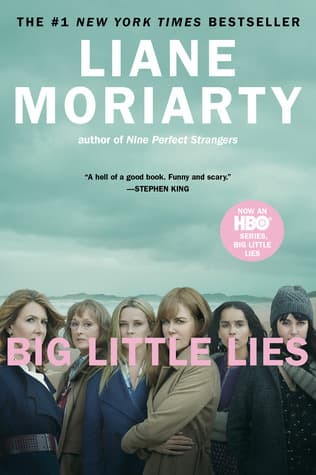
- Big Little Lies
Liane Moriarty
4.3 (748k) average on GoodreadsThrillerFeatures a group of mothers whose lives become intertwined, though with a darker, suspenseful tone.
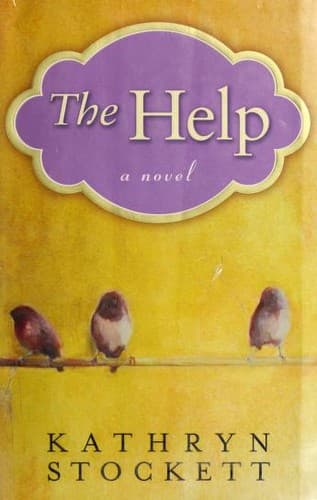
- The Help
Kathryn Stockett
4.5 (2.2M) average on GoodreadsHistorical FictionBoth "The Wednesday Sisters" and "The Help" are historical fiction set in the 1960s, exploring women's roles and societal prejudices. However, Stockett's novel directly confronts racial injustice and segregation in Mississippi through the lens of Black maids and a white aspiring journalist, making it a more overt and often controversial commentary on race relations. "The Wednesday Sisters," while acknowledging the broader historical context, primarily focuses on the personal and artistic liberation of white middle-class women, offering a less direct, though still present, engagement with the era's social upheavals from a different vantage point.
- Little Fires Everywhere
Celeste Ng
4.1 (713k) average on GoodreadsLiterary FictionCeleste Ng's "Little Fires Everywhere" also explores the complexities of female relationships and motherhood in a seemingly idyllic suburban setting, though in the 1990s. While Ng's novel delves into class, race, and the secrets that unravel communities, often with a more suspenseful and morally ambiguous tone, "The Wednesday Sisters" maintains a generally more optimistic and affirming portrayal of female solidarity and artistic pursuit. Ng's work often challenges the very foundations of suburban perfection, whereas Clayton's celebrates the resilience found within it.
- To Kill a Mockingbird
Harper Lee
4.3 (4.5M) average on GoodreadsHistorical FictionIn the 1930s Jim Crow South, Harper Lee writes about racial injustice, moral growth, and the quiet courage of a lawyer father, Atticus Finch, as seen through his young daughter's eyes.




Enjoyed the summary?
A summary gives you the shape of the book. The book itself has the detail, the examples and the voice.
Find The Wednesday Sisters on AmazonAs an Amazon Associate, BookBrief earns from qualifying purchases. How we're funded