
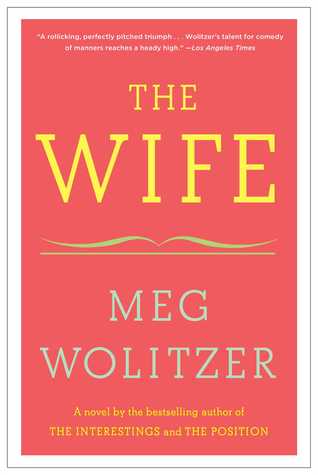
Synopsis
Covers the whole plot, including the ending.
- Difficulty
- Medium
- Pacing
- Moderate
- Mood
- Reflective, Introspective, Sharp, Subversive
- Read it if
- You enjoy character-driven literary fiction exploring themes of marriage, ambition, gender roles, and authorship with a strong, reflective female voice.
- Skip it if
- You prefer fast-paced plot-driven thrillers or stories with unequivocally happy endings.
The Wife Plot Summary
Covers the whole plot, including the ending.
The Flight to Helsinki
The novel begins with Joan Castleman deciding to leave her husband, Joseph Castleman, while they are on a plane to Helsinki. Joseph, a famous American novelist, will receive the 'Finsberg Prize,' a literary award. Joan thinks about their forty-year marriage, a union she sees as a carefully built illusion, like the stillness of the plane hiding its fast movement. Her thoughts show a deep resentment and a feeling of her own suppressed identity. She watches Joseph, unaware in his self-absorption, and strengthens her resolve to end their life together, even as they approach what should be a celebratory peak in his career.
Flashback to Smith College, 1950s
The story goes back to Joan's time at Smith College in the 1950s. She is an aspiring writer, bright and ambitious, but also somewhat naive. Joseph Castleman, then her English professor, is a magnetic and unconventional figure, known for his affairs and bohemian lifestyle. He leads a writing workshop where he encourages his female students to be bold, yet subtly undermines their ambition by suggesting they will marry and lose their creative drive. Joan is drawn to his charm and intelligence, despite sensing his manipulative nature and his reputation for seducing students, including her roommate, Carol.
The Affair Begins
Joseph divorces his first wife, Enid, a quiet and traditional woman, after openly pursuing Joan. He gives Joan much attention, praises her writing, and presents himself as a troubled genius who needs her intellectual and emotional support. Joan, flattered and captivated, falls deeply in love with him, despite the scandal and her family and friends' disapproval. This period starts their intense and complicated relationship, setting the stage for Joan's gradual absorption into Joseph's world and career. She sees herself as his muse and intellectual equal, ignoring the warning signs of his self-centeredness.
Greenwich Village and Early Marriage
After Joseph's divorce, he and Joan move to Greenwich Village. Joan continues to write, but her efforts are increasingly overshadowed by Joseph's growing career and his need for her constant attention and validation. She finds herself editing his manuscripts, offering feedback, and managing their household, while her own creative work is put aside. The literary scene of the Village, which first seemed to promise creative freedom, becomes a backdrop for Joan's slow retreat from her personal writing ambitions, as she finds more satisfaction in supporting Joseph's work.
The Secret Agreement
A moment occurs when Joseph, facing writer's block and the pressure to write his next novel, struggles intensely. Joan, already his uncredited editor and sounding board, steps in more directly. They eventually make an unspoken, then explicit, agreement: Joan will write his books, and he will publish them under his name. This decision comes from Joseph's desperation, Joan's talent, and the societal expectations that would have made it hard for a woman to achieve the same literary success and recognition on her own. This secret becomes the foundation of their marriage and Joseph's career.
Raising a Family
As Joseph's career grows with Joan's ghostwritten novels, they start a family, having three children: David, Susannah, and Glenn. Joan balances the demands of motherhood and domestic life with the secret pressure of writing Joseph's acclaimed books. She finds a strange satisfaction in her hidden role, feeling the power and creativity, even if unacknowledged. The children grow up mostly unaware of their mother's true contribution to their father's fame, seeing her as a supportive wife and mother, while Joseph enjoys the spotlight, embodying the celebrated author persona.
The Journalist's Intrusion
Nathaniel Bone, a young, ambitious journalist and aspiring biographer, approaches Joseph, wanting to write an authorized biography. Joseph, always eager for public admiration, agrees. Nathaniel's presence in their lives creates tension for Joan. She sees him as a threat to their guarded secret, as his questions and observations bring her hidden literary contributions uncomfortably close to the surface. Nathaniel's admiration for Joseph is clear, but his keen eye also catches glimpses of the complex dynamics within the Castleman marriage, especially Joan's quiet yet strong presence.
Arrival in Helsinki
The family arrives in Helsinki for the Finsberg Prize ceremony. The atmosphere is full of excitement and anticipation for Joseph's achievement. Joan, however, feels increasingly alienated and resentful. She watches Joseph's exaggerated performance of the 'great author,' and the fawning attention he receives only increases her feelings of invisibility and the injustice of her unacknowledged talent. The approaching ceremony, meant to be a pinnacle of shared success, instead worsens the cracks in their marriage, pushing Joan closer to her decision to finally confront the truth.
The Award Ceremony and Joan's Revelation
During the Finsberg Prize ceremony, Joseph gives an uninspired and self-congratulatory acceptance speech, which further angers Joan. After the ceremony, back in their hotel room, Joan finally confronts Joseph, saying she intends to leave him. She also tells Nathaniel Bone, the biographer, that she, not Joseph, wrote all his acclaimed novels. This confession shatters the facade of Joseph's career and their marriage, leaving Nathaniel stunned and Joseph devastated by the exposure of his deception.
The Aftermath
Following Joan's confession and declaration, Joseph suffers a fatal heart attack. The immediate aftermath is chaotic and emotional. The family, especially their children, struggle to process their father's sudden death and the revelation about his literary legacy. Joan, though at first firm, is left to navigate the complex emotions of grief, liberation, and the weight of her now exposed secret. Nathaniel Bone, knowing the truth, faces a moral dilemma about how to proceed with his biography, understanding that the entire literary world has been fooled.
The Unwritten Biography
In the final pages, it is revealed that Nathaniel Bone's biography of Joseph Castleman was never published with the truth about Joan's authorship. Nathaniel, perhaps out of respect for the family or fear of destroying Joseph's legacy posthumously, chose to leave out the most scandalous revelation. Joan, now a widow, lives a quieter life, finally free from the burden of her secret and Joseph's overwhelming presence. She finds peace and a different kind of agency, having finally asserted her own identity, even if the public truth of her literary genius remains largely unacknowledged.
The Wife Characters
Joan Castleman
Protagonist
The unacknowledged literary genius behind her famous husband's success.
Joan is a sharp, intelligent, and deeply observant woman who sacrifices her own considerable literary talent to ghostwrite her husband Joseph's acclaimed novels. Initially an ambitious writer at Smith College, she becomes entangled with Joseph, an older, charismatic professor, and gradually subsumes her identity into his. She possesses a keen wit and a profound understanding of human nature, which she channels into Joseph's fiction. Her outward composure often masks a simmering resentment and a sense of betrayal, both by Joseph and by the patriarchal literary world that limited her own opportunities.
Relationships: Joseph Castleman (Husband, literary partner, and the object of her lifelong resentment and love.); Nathaniel Bone (Biographer who becomes privy to her secret, a catalyst for her confession.); David Castleman (Son, whose disapproval and concern she navigates.); Susannah Castleman (Daughter, whose perspective on her parents' marriage she considers.)
Joseph Castleman
Antagonist/Supporting
The celebrated novelist whose fame is built on his wife's uncredited work.
Joseph is a charming, self-absorbed, and highly charismatic English professor turned famous author. He embodies the archetypal 'great man' of letters, demanding adoration and attention. While he possesses a certain intellectual appeal, he is fundamentally a narcissist who exploits Joan's talent and devotion. He is oblivious to the depth of Joan's resentment, genuinely believing in his own genius and his entitlement to her support. His insecurities about his own writing ability lead him to accept and perpetuate the deceit that defines his career and marriage.
Relationships: Joan Castleman (Wife, muse, ghostwriter, and emotional caretaker.); Enid (First wife, whom he leaves for Joan.); Nathaniel Bone (His fawning biographer, whom he manipulates for his own glorification.)
Nathaniel Bone
Supporting
The ambitious biographer who uncovers the truth of the Castlemans' marriage.
Nathaniel is a young, earnest, and somewhat naive journalist and aspiring biographer who initially idolizes Joseph Castleman. He is driven by a desire to uncover the 'truth' of Joseph's genius and legacy, believing in the romantic ideal of the tortured artist. His presence acts as a catalyst for Joan's eventual confession, as his persistent questioning and observations create pressure on her to reveal the long-held secret. He grapples with the ethical implications of the truth he discovers, ultimately choosing to protect the family's secret posthumously.
Relationships: Joseph Castleman (His subject and initial idol.); Joan Castleman (The source of his most profound biographical discovery, and a figure he comes to respect.)
David Castleman
Supporting
The Castlemans' son, a psychiatrist, who is critical of his father.
David is the eldest son of Joan and Joseph, a psychiatrist who often struggles with his father's egocentricity and public persona. He represents a more modern, critical perspective on the patriarchal dynamics of his parents' marriage. He is protective of his mother and often voices his disapproval of Joseph's behavior, though he remains unaware of the full extent of his mother's sacrifice. His profession gives him a unique insight into human psychology, making him an astute, if sometimes judgmental, observer of his family.
Relationships: Joan Castleman (Son, protective and concerned.); Joseph Castleman (Son, often critical and resentful of his father's narcissism.)
Susannah Castleman
Supporting
The Castlemans' daughter, who views her mother's role differently.
Susannah is the Castlemans' daughter, who, unlike David, seems to accept her parents' dynamic more readily, or perhaps is less prone to questioning it. She is presented as a supportive and loving daughter, though her understanding of her mother's internal life is limited by the secret. She represents the children who grew up in the shadow of Joseph's fame, accustomed to their mother's quiet support and their father's grand pronouncements. Her reactions to the revelations are those of shock and grief, typical of a child suddenly confronted with a hidden reality.
Relationships: Joan Castleman (Daughter, loving and supportive.); Joseph Castleman (Daughter, affectionate but perhaps less critical than David.)
Carol
Mentioned
Joan's college roommate and Joseph's former student and mistress.
Carol is Joan's roommate at Smith College, and a former student of Joseph Castleman. She was one of Joseph's earlier conquests, a detail that initially shocks Joan but also serves as a subtle warning about Joseph's predatory nature. Her brief appearance highlights Joseph's pattern of seducing his female students and underscores the societal vulnerability of young women to such charismatic male figures in academia. She represents the path Joan almost took, or a potential fate Joan avoided by becoming Joseph's wife rather than just another affair.
Relationships: Joan Castleman (College roommate and friend.); Joseph Castleman (Former student and mistress.)
Enid
Mentioned
Joseph's first wife, whom he divorces to marry Joan.
Enid is Joseph Castleman's first wife, a quiet, unassuming woman whom he leaves for Joan. Her character serves primarily to highlight Joseph's ruthlessness and his willingness to discard people once they no longer serve his needs or desires. She represents the conventional domesticity that Joseph rejected in favor of a more bohemian and intellectually stimulating, albeit deceptive, partnership with Joan. Her presence in the narrative is brief but significant, illustrating the collateral damage of Joseph's self-serving ambition.
Relationships: Joseph Castleman (First wife, discarded.)
The Wife Themes
Unacknowledged Female Genius and Sacrifice
The novel explores female intellectual and creative talent being suppressed or absorbed by patriarchal structures. Joan Castleman, a brilliant writer, sacrifices her own career to secretly write her husband Joseph's acclaimed novels. Her talent goes into his fame, giving her the power of creation but no recognition. This is clear in her long internal monologue on the plane, where she laments the 'invisible work' women do, and in the flashback to Smith College, where male professors like Joseph subtly undermine female students' ambitions. The theme highlights how women's contributions often go uncredited, and the psychological cost of this.
“What do women want? We want to be listened to. We want to be taken seriously. We want to be acknowledged for what we do.”
The Nature of Marriage and Partnership
Wolitzer examines the complex and often deceptive nature of marriage, especially when power is imbalanced. The Castleman marriage is a partnership built on a lie, yet it also has genuine intellectual connection and codependency. Joan and Joseph are linked, with Joan finding satisfaction in her secret creative role, and Joseph relying on her for his success. The novel questions what makes a 'successful' or 'loving' marriage when one partner's identity is sacrificed for the other's, as seen in Joan's decision to leave Joseph, recognizing the illusion of their shared life.
“Just like our marriage. It had the illusion of stillness and tranquility, but it was hurtling forward, rapidly.”
Fame, Authenticity, and Deception
The book critiques the superficiality of fame and questions what makes true authenticity in the literary world. Joseph Castleman is a celebrated author, but his career is built on a deception. His public image is a performance, while Joan, the real artist, remains hidden. This theme is highlighted through Nathaniel Bone's naive pursuit of Joseph's 'genius' for his biography, and the shattering of that illusion when Joan tells the truth. The novel suggests that the stories we create about ourselves and others, especially in public life, can be far from reality, and that society often values the performance of genius over true talent.
“He was a performance artist, Joseph. He performed 'the writer,' and he did it very well.”
Patriarchy and Gender Roles
The novel comments on the influence of patriarchy and rigid gender roles in mid-20th century society and the literary world. Joan's decision to ghostwrite Joseph's books is not just personal; it is a product of a time when ambitious women faced barriers to professional recognition, especially in creative fields. Joseph embodies this patriarchy, through his exploitation of female students and his acceptance of Joan's hidden labor. The story implies that Joan's talent, if openly expressed, would likely not have achieved the same acclaim as Joseph's, simply because of her gender. This is evident in the casual dismissal of female writers at Smith College, and the ease with which Joseph takes credit for Joan's work.
“A woman's place was to inspire, to support, to nurture. Not to create her own damn novels.”
Plot Devices & Literary Techniques
First-Person Narrator (Unreliable)
Joan Castleman's subjective and often resentful perspective shapes the entire narrative.
The story is told entirely from Joan Castleman's first-person perspective, providing intimate access to her thoughts, feelings, and long-held resentments. While she is the only window into the events, her narrative is deeply colored by her personal grievances and the psychological toll of her secret. This makes her a subtly unreliable narrator, not in terms of factual events, but in her interpretations and the emotional weight she assigns to them. The reader is invited to question the nuances of her motivations and the extent of Joseph's complicity versus her own choices, creating a complex portrait of victimhood and agency. Her interiority allows for a deep dive into the psychological impact of her sacrifices.
Flashback Narrative Structure
The story constantly shifts between the present and the past, revealing the origins of the central deception.
The novel employs a non-linear narrative, frequently flashing back from the present-day flight to Helsinki to pivotal moments in Joan and Joseph's past, starting from their meeting at Smith College in the 1950s. This structure gradually reveals the evolution of their relationship, the genesis of Joseph's career, and the circumstances that led to Joan's decision to ghostwrite his novels. By interweaving past and present, the author builds suspense around the central secret and allows the reader to understand the deep historical roots of Joan's present-day discontent and her eventual breaking point. Each flashback adds another layer to the complex tapestry of their shared history.
Irony
The contrast between appearance and reality, particularly regarding Joseph's literary genius.
Irony is a pervasive device, most notably in the stark contrast between Joseph Castleman's public image as a literary genius and the private reality that his wife, Joan, is the true author of his celebrated works. This fundamental irony underpins the entire narrative, creating a sense of dramatic tension and injustice. Further irony lies in the fact that Joseph is receiving a prestigious award for books he didn't write, while Joan, the actual talent, remains invisible. The 'stillness and tranquility' of their marriage, as described by Joan on the plane, is also deeply ironic, masking decades of turmoil and deceit. This device highlights the societal blindness to unacknowledged female talent.
Symbolism (The Flight)
The airplane journey symbolizes the Castlemans' marriage and Joan's emotional state.
The opening scene on the airplane to Helsinki serves as a powerful symbol for Joan and Joseph's marriage. The plane, hurtling forward at thirty-five thousand feet while giving 'the illusion of stillness and tranquility,' perfectly mirrors Joan's perception of their relationship. It suggests a journey that is outwardly stable and successful but inwardly fraught with hidden momentum and underlying tension. The confined space of the plane also symbolizes Joan's trapped feeling within the marriage and her decision to finally break free, a pivotal moment of internal liberation during an outward trajectory towards Joseph's public triumph. The destination, a celebratory award, ironically marks the beginning of the end.
The Wife Quotes
“A novelist's talent is to make things seem inevitable.”
“Marriage is a long conversation, which is why it's so important to marry someone who is a good conversationalist.”
“Every writer is a failed actor, and every actor is a failed writer. That's the way it goes.”
“The secret to a long marriage is to ignore the bad things and remember the good things.”
“I was a muse, and then I was a ghost. And now I am a woman who has finally found her own voice.”
“The greatest trick the devil ever pulled was convincing the world he didn't exist. The greatest trick a writer ever pulled was convincing the world they were a man.”
“It's not that I didn't love him. It's that I loved him too much to let him destroy me.”
“A writer’s greatest skill is not in writing, but in observing.”
“Sometimes the best way to keep a secret is to tell everyone, but tell it in such a way that no one believes you.”
“I was the wife. The silent partner. The one who made it all possible, but never took the credit.”
“To be a writer, you need a room of your own. And a husband who isn't always in it.”
“He didn't steal my words. He just borrowed them, indefinitely.”
“The story of a great man is never just his own. It's also the story of the women who made him.”
“You can't be a great writer if you're not a little bit of a monster.”
Quiz
10 questions on the plot and the characters. Each answer comes with a short explanation.
Question 1
At what significant moment does Joan Castleman decide to leave her husband, Joseph?
- During his acceptance speech for a literary award.
- While they are on a flight to Helsinki.
- After a particularly harsh critique of her own writing.
- Upon discovering his infidelity.
Show answer
B. While they are on a flight to Helsinki. The novel opens with Joan deciding to leave Joseph while they are on a flight to Helsinki, where he is to receive a prestigious award.
Question 2
What is Joseph Castleman's profession, for which he is about to receive an international award?
- A renowned literary critic
- An esteemed university professor
- One of America's preeminent novelists
- A successful publisher
Show answer
C. One of America's preeminent novelists Joseph Castleman is described as 'one of America's preeminent novelists' and is traveling to receive an award for his accomplishments in this field.
Question 3
Which specific location is mentioned as the starting point of the Castleman relationship in the 1950s flashbacks?
- Harvard University
- Smith College and Greenwich Village
- A literary salon in New York City
- A writers' workshop in Vermont
Show answer
B. Smith College and Greenwich Village The novel flashes back fifty years to 1950s Smith College and Greenwich Village, marking the beginning of their relationship.
Question 4
How long has Joan spent 'subjugating her own literary talents to fan the flames of his career'?
- Ten years
- Twenty years
- Forty years
- Fifty years
Show answer
C. Forty years The description states that Joan 'has spent forty years subjugating her own literary talents' to support Joseph's career.
Question 5
What literary figure is Joseph Castleman said to derive much of his style from, regarding personal hygiene and etiquette?
- Ernest Hemingway
- Dylan Thomas
- F. Scott Fitzgerald
- J.D. Salinger
Show answer
B. Dylan Thomas Joseph is described as deriving 'much of his style from the Dylan Thomas Handbook of Personal Hygiene and Etiquette,' highlighting his disheveled, artistic persona.
Question 6
What is the primary theme explored through Joan's character arc and her decision to leave Joseph?
- The importance of financial independence in marriage.
- The sacrifices women make for marriage and career, and confronting one's choices.
- The challenges of maintaining a long-distance relationship.
- The difficulty of artistic collaboration between spouses.
Show answer
B. The sacrifices women make for marriage and career, and confronting one's choices. The novel is described as 'a wise, sharp-eyed, compulsively readable story about a woman forced to confront the sacrifices she's made in order to achieve the life she thought she wanted,' directly addressing this theme.
Question 7
The novel culminates in a 'shocking ending' that reveals what about the Castleman marriage?
- Joseph's secret family in another country.
- That Joan has been writing Joseph's novels all along.
- Joseph's long-standing gambling addiction.
- Joan's own secret affair with a younger man.
Show answer
B. That Joan has been writing Joseph's novels all along. The synopsis mentions a 'shocking ending that outs a carefully kept secret,' which, for those familiar with the book, is the revelation that Joan has been ghostwriting Joseph's acclaimed novels.
Question 8
What specific phrase does Joan use to describe the illusion of their marriage while on the airplane?
- A fragile truce
- A carefully constructed facade
- Stillness and tranquility. Just like our marriage.
- A turbulent yet stable partnership
Show answer
C. Stillness and tranquility. Just like our marriage. Joan reflects, 'hurtling forward but giving the illusion of stillness and tranquility. Just like our marriage,' directly comparing the plane's movement to their relationship.
Question 9
The novel is described as raising intriguing questions about 'the precarious position of an ambitious woman in a man's world.' How does this relate to Joan's journey?
- It highlights her struggle to gain recognition in a male-dominated corporate environment.
- It underscores how her own literary ambitions were sidelined and subsumed by her husband's career.
- It focuses on her efforts to break into a political career despite gender bias.
- It details her fight for equal pay in her professional life.
Show answer
B. It underscores how her own literary ambitions were sidelined and subsumed by her husband's career. The novel's premise is Joan subjugating her own literary talents for Joseph's career, directly illustrating 'the precarious position of an ambitious woman in a man's world' within the literary sphere.
Question 10
Based on the description, what kind of husband is Joseph Castleman portrayed as?
- Supportive and nurturing of Joan's talents.
- Self-absorbed and reliant on Joan, with little regard for her needs.
- A meticulous planner and caretaker for his family.
- A quiet intellectual who prefers solitude.
Show answer
B. Self-absorbed and reliant on Joan, with little regard for her needs. Joseph is characterized as 'one of those men who own the world...who has no idea how to take care of himself or anyone else,' indicating a self-absorbed and reliant personality, contrasting with Joan's sacrifices.
The Wife FAQ
What is the central conflict that drives Joan Castleman's decision to leave Joseph at the beginning of the novel?
Joan's central conflict stems from decades of emotional subjugation and the suppression of her own significant literary talent to foster Joseph's career. She realizes the profound imbalance in their marriage, where her contributions have been invisible while he reaps all the public accolades, culminating in her breaking point on their flight to Helsinki.
How did Joan and Joseph Castleman first meet, and what was the initial dynamic of their relationship?
Joan met Joseph when she was a student at Smith College and he was her charismatic, older creative writing professor. Their initial dynamic was one of a brilliant, rebellious student captivated by her seemingly equally brilliant and unconventional teacher, an affair that led to Joseph divorcing his first wife and Joan dropping out of college.
What is the 'shocking ending' alluded to in the synopsis, and how does it redefine the Castlemans' literary legacy?
The shocking ending reveals that Joan, not Joseph, is the true author of all of Joseph's acclaimed novels. This revelation completely redefines their literary legacy, exposing Joseph as a fraud and positioning Joan as the unacknowledged genius behind his entire career, a secret she has protected for decades.
Beyond the immediate plot, what larger themes does 'The Wife' explore regarding gender and ambition in the mid-20th century?
The novel deeply explores the societal constraints placed on ambitious women in the mid-20th century, particularly how women's intellectual and creative contributions were often undervalued or outright invisible in a male-dominated literary world. It questions the sacrifices women were expected to make for marriage and family, often at the expense of their own professional aspirations.
Who is Nathaniel Bone, and what role does he play in the unraveling of the Castlemans' secrets?
Nathaniel Bone is a persistent biographer determined to write Joseph Castleman's authorized life story. His inquiries and probing questions, particularly his increasing suspicions about the true authorship of Joseph's work, act as a catalyst for Joan's decision to finally expose the truth and reclaim her identity.
How does the novel subtly hint at Joan's true literary talent and her role as the author before the final reveal?
The novel provides subtle clues throughout, such as Joan's keen observations of human nature, her precise and evocative internal monologues, and her intimate knowledge of the literary world and writing process. There are also moments where Joseph seems oddly detached from the creative process or relies heavily on Joan's feedback, suggesting her deeper involvement.
What is the significance of the 'Dylan Thomas Handbook of Personal Hygiene and Etiquette' description used for Joseph?
This description highlights Joseph's persona as a bohemian, self-absorbed artist who is brilliant but utterly impractical and dependent on others for basic care. It subtly foreshadows his reliance on Joan not just for domestic support, but for the intellectual and creative labor he claims as his own, positioning him as a 'genius' whose talent is largely unrefined without her.
Are there any characters besides Joan who might have suspected the truth about Joseph's authorship?
While not explicitly stated, some characters, particularly those close to the Castlemans over many years, might have harbored subconscious suspicions. Their daughter, Susannah, for instance, might have sensed the imbalance, and critics or editors might have noted an unusual consistency or lack of evolution in Joseph's 'voice' over decades, though none vocalize it directly.
How does Joan's initial attraction to Joseph evolve into resentment, and what specific moments mark this shift?
Joan's initial attraction to Joseph was rooted in admiration for his intellect and charisma, seeing him as an escape from conventional expectations. The shift to resentment likely began when she started writing his books, realizing her own talent was being subsumed, and solidified as she witnessed his public acclaim grow while her sacrifices remained invisible and unacknowledged.
What psychological factors allowed Joan to maintain the secret of her authorship for so many decades?
Psychological factors include a complex mix of love, loyalty, a desire for stability, and perhaps a deep-seated fear of challenging patriarchal norms. Her own ambition might have been channeled into Joseph's success, providing a vicarious outlet, alongside a sense of control and power derived from being the 'true' genius behind the scenes.
How does Joseph Castleman's narcissism contribute to the success of the deception and his inability to truly acknowledge Joan?
Joseph's profound narcissism allows him to genuinely believe he deserves the accolades, even for work he didn't write. He is so self-absorbed that he can't truly empathize with Joan's sacrifices or acknowledge her talent, viewing her contributions as merely supportive rather than foundational, thus perpetuating the deception without apparent guilt.
Discuss the psychological impact of Joan's decision to 'leave' Joseph on the plane, contrasting it with her final, more public 'leaving' through the revelation.
The initial 'leaving' on the plane is an internal psychological break, a private declaration of independence after decades of suppressed frustration. The final, public 'leaving' through the revelation is an external, definitive act of reclaiming her identity and agency, transforming her internal rebellion into an outward, irreversible assertion of self.
Was Joan truly a victim, or did she actively participate in her own subjugation, and what does the novel suggest about this nuance?
The novel suggests a nuanced perspective: Joan was a victim of societal expectations and Joseph's exploitation, but she also actively participated by choosing to continue the deception. Her choices, driven by love, ambition, and a desire for a certain life, highlight the complexities of agency within constraining circumstances, making her neither purely victim nor purely complicit.
How does the novel challenge the traditional narrative of the 'great male artist' and the 'supportive wife'?
The novel completely subverts this traditional narrative by revealing the 'great male artist' to be a facade, a construct entirely dependent on the unacknowledged genius of his 'supportive wife.' It forces readers to question the origins of creative output and the often-invisible labor that underpins male success, particularly in the arts.
Could Joan have achieved her own literary success independently in the 1950s/60s, and what does her choice to write under Joseph's name imply about her perception of her options?
It's highly debatable if Joan could have achieved similar independent success given the era's pervasive sexism in publishing. Her choice implies a pragmatic, albeit painful, assessment that her work would be more readily accepted and celebrated under a male pseudonym (Joseph's name), reflecting the limited avenues available to ambitious women at the time.
What is the significance of the novel's title, 'The Wife,' and how does it evolve in meaning throughout the story?
Initially, 'The Wife' refers to Joan's societal role and identity as Joseph's spouse, a seemingly secondary figure. As the story progresses and the truth is revealed, the title takes on a profound irony, highlighting how 'the wife' was, in fact, the creative force, the author, and the central figure whose identity was obscured by the very title she bore.
Was Joseph aware of the full extent of Joan's resentment, or was he genuinely oblivious until the very end?
Joseph appears largely oblivious to the depth of Joan's resentment, blinded by his own self-importance and the convenience of her arrangement. While he might have sensed occasional discontent, his narcissism prevented him from truly understanding the profound emotional and professional toll the deception took on her, making her final act a genuine shock.
How does the novel's exploration of authorship intersect with themes of ownership and legacy?
The novel intricately links authorship with ownership, demonstrating how Joseph 'owned' Joan's creative output, and thus her legacy. By revealing the truth, Joan reclaims ownership of her work and, by extension, her own legacy, challenging the patriarchal systems that allowed for such intellectual theft and reappropriation of creative credit.
About the author

Meg Wolitzer is an American author known for her fiction, particularly exploring themes of identity and relationships. Her notable works include "The Interestings," which follows a group of friends over several decades, and "The Wife," a novel that delves into the complexities of marriage and ambition. Wolitzer's writing often examines the lives of women and the societal expectations they face.
Similar books
- A Severed Head
Iris Murdoch
3.8 (7k) average on GoodreadsFictionExplores complex marital relationships and intellectual lives with sharp psychological insight.
- Gilead (Oprah's Book Club)
Marilynne Robinson
3.9 (126k) average on GoodreadsFictionA deeply introspective narrative voice reflecting on a life's journey and hidden truths.
- Stoner
John Williams
4.3 (103k) average on GoodreadsLiterary FictionWhile both 'The Wife' and 'Stoner' explore the lives of academics and the complexities of marriage, 'Stoner' primarily focuses on the internal world and quiet resilience of its male protagonist amidst professional disappointments and personal struggles. 'The Wife,' in contrast, explicitly centers on the overlooked female genius and the appropriation of her work by her more famous husband, offering a direct critique of patriarchal literary structures that 'Stoner' does not overtly address. Wolitzer's novel is more overtly feminist in its agenda and scope.
- The Old Man and the Sea
Ernest Hemingway
3.8 (831k) average on GoodreadsLiterary FictionA Cuban fisherman's long struggle with a giant marlin becomes a story of endurance and dignity, now retold for young adults with illustrations, phonetic guides, and writing prompts in Traditional Chinese.
- One Hundred Years of Solitude
Gabriel García Márquez
4.1 (753k) average on GoodreadsLiterary FictionThrough the multi-generational story of the Buendía family, a mythical town deals with the repeating patterns of time, love, and solitude, as the extraordinary mixes with the ordinary.
- The Goldfinch
Donna Tartt
3.9 (720k) average on GoodreadsLiterary FictionHaunted by a tragic explosion and clutching a stolen Dutch masterpiece, a young orphan navigates the opulent drawing rooms of New York and the gritty underbelly of the art world, desperately seeking connection and redemption amidst a life spiraling into crime and obsession.



Enjoyed the summary?
A summary gives you the shape of the book. The book itself has the detail, the examples and the voice.
Find The Wife on AmazonAs an Amazon Associate, BookBrief earns from qualifying purchases. How we're funded