
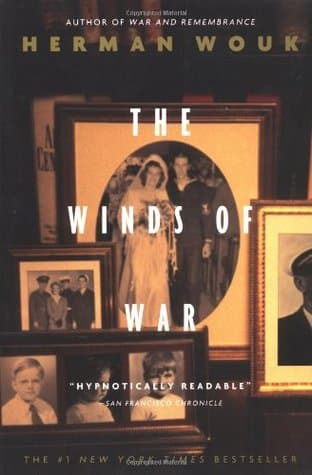
Synopsis
Covers the whole plot, including the ending.
- Difficulty
- Medium
- Pacing
- Moderate
- Mood
- Epic, Sweeping, Historical, Dramatic, Intense
- Read it if
- You love meticulously researched historical fiction, grand narratives spanning multiple continents, and a deep dive into the political and personal impacts of World War II through a single family's eyes.
- Skip it if
- You prefer fast-paced thrillers, dislike lengthy descriptions of military strategy and political maneuvering, or are not interested in detailed historical accounts.
The Winds of War Plot Summary
Covers the whole plot, including the ending.
Pug Henry's European Assignment and the Gathering Storm
In March 1939, Captain Victor 'Pug' Henry, a U.S. Navy officer, is reassigned from sea command to be a naval attaché in Berlin. President Roosevelt arranged this posting, putting Pug in a place to see Nazi Germany's aggressive actions. He travels through Europe, meeting political and military figures, including Hitler, and learns about the coming conflict. In Europe, Pug also meets Pamela Tudsbury, a British journalist, and they develop a relationship. His wife, Rhoda, stays in Washington D.C., and their marriage already shows stress. Pug's oldest son, Byron, an intellectual, moves to Italy to study. His younger son, Warren, pursues a naval aviation career.
Byron's European Entanglements and Natalie Jastrow
Byron Henry, uninterested in American materialism, goes to Italy to study under Professor Aaron Jastrow, a Jewish-American historian. There, Byron meets and falls in love with Natalie Jastrow, Aaron's intelligent niece. Natalie, also Jewish, works as her uncle's assistant. Their romance grows in Italy, but their different personalities and Byron's impulsiveness cause early problems. Natalie is unsure at first because Byron lacks direction and because of the threat to Jews in Europe. Despite her doubts, they marry in Italy, which complicates their lives as the war gets closer and the danger to Jewish people grows across the continent.
Warren's Naval Career and the Pacific Fleet
Warren Henry, Pug's younger son, is a more traditional and ambitious young man. He follows his father into the U.S. Navy. He becomes a naval aviator, training and eventually serving with the Pacific Fleet. Warren's career advances, and he is dedicated to his service. He marries Janice Lacey, a kind woman. His assignments place him in the center of American defense against potential Japanese aggression. This shows the growing tensions in the Pacific. Warren's experiences contrast with Byron's European problems, showing the two fronts of the coming global conflict and the Henry family's involvement.
Pug's Diplomatic Missions and the Road to War
Pug Henry's diplomatic role takes him to European capitals like Moscow, London, and Rome. He sees the Nazi-Soviet Non-Aggression Pact, the invasion of Poland, and Britain and France's declarations of war. Pug's reports to President Roosevelt give important information about the German war machine and the changing political situation. He is present for events like the Battle of Britain. He gets a deep, if grim, understanding of the war's brutality and size. During these travels, his relationship with Pamela Tudsbury grows, adding a personal part to his observations. His marriage to Rhoda continues to get worse because of distance and his focus on global events.
Natalie and Aaron's Struggle in Europe
As the war gets worse, Natalie and Aaron Jastrow, who are Jewish, are in a dangerous situation in Europe. They are in Italy at first, but as Mussolini joins Hitler, the situation for Jews becomes bad. They try to leave Europe, but paperwork and closing borders make escape hard. Byron, despite his recklessness, tries hard to get them passage out. Their situation shows the terrible realities faced by millions of Jews caught by the Nazis. It shows the personal cost of the war and the efficiency of the genocidal policies starting to happen across the continent. Their struggle is a central part of the story, representing the wider Jewish experience.
Rhoda's Affair and the Henry Family's Disintegration
While Pug is busy abroad, his wife Rhoda, feeling ignored and alone, starts an affair with Palmer Kirby, an influential industrialist in Washington D.C. This shows the stress the war puts on families and the emotional distance that has grown between Pug and Rhoda. Their already fragile marriage nears a breaking point. The affair symbolizes the home front of the war, where personal lives are disrupted and traditional structures are challenged. Pug mostly does not know the full extent of the affair, though he feels the growing gap in their relationship. This adds to his personal burden during the global disaster.
Pearl Harbor and America's Entry into the War
The story leads to the attack on Pearl Harbor on December 7, 1941. Warren Henry, with the Pacific Fleet, sees the Japanese assault firsthand. He participates in the defense efforts. The attack is a brutal awakening for the United States, officially bringing the nation into World War II. Pug, who had been warning of the conflict, is reassigned to sea duty. He finally gets the command he wanted, but under the worst conditions. The attack changes the lives of all the Henry family members. It moves them from observers of the war to active participants, with immediate consequences for their futures.
Byron and Natalie's Escape Attempts and Imprisonment
After Pearl Harbor, Byron and Natalie, with Aaron Jastrow, are in Vichy France. They try to get passage to America. Their efforts are complicated by Natalie's pregnancy and the strict anti-Jewish laws put in place by the French government. Despite Byron's frantic attempts to arrange their escape, authorities catch them. Aaron Jastrow's fame offers some protection at first, but it is short-lived. They are interned in a camp. This shows the systematic persecution and the efficiency of the Nazi regime and its collaborators in gathering Jewish populations across Europe. Their imprisonment is a stark depiction of the Holocaust's reach.
Pug's Naval Command and Wartime Engagements
Following Pearl Harbor, Captain Pug Henry commands the heavy cruiser USS Northampton. He participates in naval engagements in the Pacific, including the Battle of Midway, a turning point against Japan. Pug shows his leadership and strategic skill, navigating the dangers of naval warfare. His experiences at sea are hard and dangerous. These battles are depicted in detail, showing the technological advancements and human cost of modern warfare. Pug's command solidifies his reputation as a skilled naval officer, but the war takes a heavy toll on him.
Family Separations and the Uncertainty of War
As the war continues into 1942, the Henry family is spread out and facing big personal challenges. Pug is at sea in the Pacific; Warren is flying missions; Byron tries to free Natalie and Aaron from internment; and Rhoda continues her affair, thinking about divorce. Pamela Tudsbury is still important in Pug's life, offering companionship. The story emphasizes the uncertainty and fear in daily life for those in the war, both on the front lines and at home. The fate of Natalie and Aaron, trapped in Europe, remains a central concern, leaving the family, and the reader, wondering about their survival during the growing Holocaust.
Principal Figures
Victor 'Pug' Henry
Protagonist
Career U.S. Navy officer, a keen observer of pre-WWII events.
Captain Victor 'Pug' Henry is a dedicated and highly competent U.S. Navy officer, initially serving as a naval attaché in Europe. He is intelligent, observant, and deeply loyal to his country, often providing accurate, though unheeded, warnings about the impending war. Pug is a man of integrity, but his professional focus often creates distance in his personal relationships, particularly with his wife, Rhoda. He is a pragmatic and stoic figure, embodying the traditional military virtues of duty and honor. His assignments place him at the heart of the global conflict, giving him a unique perspective on the political and military machinations leading to World War II.
Relationships: Rhoda Henry (Strained marriage, growing apart); Byron Henry (Father-son, often at odds due to differing worldviews); Warren Henry (Father-son, more traditional and aligned); Pamela Tudsbury (Developing romantic relationship, intellectual companion); President Roosevelt (Confidant and source of intelligence)
Rhoda Henry
Supporting
Pug's wife, struggling with loneliness and marital dissatisfaction.
Rhoda Henry is Pug's wife, a socially active woman who feels increasingly neglected and unfulfilled in her marriage to the often-absent and professionally absorbed Pug. She is initially presented as a supportive, if somewhat superficial, Navy wife. As the war progresses and Pug is abroad, her loneliness and desire for companionship lead her into an affair with Palmer Kirby. Rhoda represents the domestic front of the war and the personal toll it takes on those left behind, highlighting themes of marital strain and the search for personal happiness amidst global upheaval. She is complex, not entirely unsympathetic, but her actions further complicate the Henry family dynamics.
Relationships: Victor 'Pug' Henry (Strained marriage, growing apart); Palmer Kirby (Extramarital affair); Byron Henry (Mother-son); Warren Henry (Mother-son)
Byron Henry
Supporting
Pug's eldest son, an intellectual and passionate, but often reckless, young man.
Byron Henry is Pug's eldest son, an intellectual and somewhat bohemian young man who initially eschews military life. He is passionate, impulsive, and often at odds with his father's pragmatic worldview. Byron travels to Italy to study, where he falls deeply in love with Natalie Jastrow. His character represents the idealism and restlessness of youth, but also the challenges faced by those caught in the maelstrom of war without a clear military role. He demonstrates fierce loyalty and determination in his efforts to protect Natalie and Aaron, despite his earlier aimlessness. His European experiences immerse him directly in the human cost of the Holocaust.
Relationships: Victor 'Pug' Henry (Father-son, often strained); Natalie Jastrow (Deeply in love, later husband and wife); Aaron Jastrow (Son-in-law, student); Warren Henry (Brother)
Natalie Jastrow
Supporting
Intelligent and cultured Jewish-American woman, Aaron Jastrow's niece and Byron's wife.
Natalie Jastrow is the intelligent, beautiful, and cultured niece of Professor Aaron Jastrow. She is a sophisticated young woman working as her uncle's assistant in Italy when she meets and falls in love with Byron Henry. Natalie is initially cautious, aware of the growing anti-Semitism in Europe and Byron's lack of direction. Her Jewish heritage places her and her uncle in extreme peril as the war progresses, making their escape from Europe a central dramatic element. She is resilient and resourceful, but ultimately becomes a victim of the Nazi regime's systematic persecution, representing the plight of European Jews during the Holocaust.
Relationships: Byron Henry (Deeply in love, later wife and husband); Aaron Jastrow (Niece and assistant, deeply devoted); Victor 'Pug' Henry (Daughter-in-law)
Aaron Jastrow
Supporting
Renowned Jewish-American historian and author, Natalie's uncle.
Professor Aaron Jastrow is a celebrated Jewish-American historian and author, known for his work 'A Philosophy of History.' He is an elderly, distinguished, and somewhat naive intellectual who initially believes his fame and American citizenship will protect him from the rising tide of anti-Semitism in Europe. His character embodies the intellectual and cultural contributions of European Jewry, and his gradual realization of the existential threat facing them is a poignant aspect of the narrative. He relies heavily on Natalie for practical matters and faces increasing desperation as he becomes trapped in Axis-controlled territory, ultimately representing the targeted intellectual and cultural elite of the Jewish population.
Relationships: Natalie Jastrow (Uncle, deeply devoted to his niece); Byron Henry (Uncle-in-law, student); Berel Jastrow (Relative (cousin), connection to his Polish roots)
Warren Henry
Supporting
Pug's younger son, a dedicated U.S. Navy aviator.
Warren Henry is Pug's younger son, who follows directly in his father's footsteps by pursuing a career as a naval aviator. Unlike Byron, Warren is more conventional, disciplined, and ambitious. He embodies the traditional American military spirit and is committed to his service. He marries Janice Lacey and is stationed in the Pacific, putting him directly in the path of Japanese aggression, particularly during the attack on Pearl Harbor. Warren's experiences highlight the realities of aerial combat and the bravery of the young men fighting in the Pacific theater. He represents the direct military involvement of the American youth in the war.
Relationships: Victor 'Pug' Henry (Father-son, traditional and respectful); Janice Lacey (Wife); Byron Henry (Brother)
Pamela Tudsbury
Supporting
Sharp British journalist, developing a bond with Pug Henry.
Pamela Tudsbury is an intelligent, independent, and insightful British journalist who covers the escalating European crisis. She first encounters Pug Henry in Europe and develops a strong intellectual and emotional connection with him. Pamela is well-traveled, perceptive, and provides a civilian's perspective on the war's development, often offering Pug valuable insights. Her relationship with Pug becomes a source of emotional support and companionship for him, contrasting sharply with his troubled marriage to Rhoda. She represents the informed, engaged international observer and the potential for new connections amidst the global chaos.
Relationships: Victor 'Pug' Henry (Developing romantic relationship, intellectual companion)
Palmer Kirby
Supporting
Influential American industrialist, Rhoda Henry's lover.
Palmer Kirby is a successful and charming American industrialist and political figure in Washington D.C. He becomes involved in an extramarital affair with Rhoda Henry, offering her the attention and companionship she feels is missing from her marriage to Pug. Kirby represents the powerful civilian figures influencing wartime industry and politics, as well as the societal changes occurring on the home front. His relationship with Rhoda highlights the theme of marital infidelity and the personal freedoms sought by individuals during a time of global crisis, further complicating the Henry family's personal struggles.
Relationships: Rhoda Henry (Extramarital affair)
President Franklin D. Roosevelt
Mentioned
U.S. President, a key figure in Pug Henry's career and America's entry into WWII.
President Franklin D. Roosevelt is a significant figure in the novel, though not a direct character in the family's personal narrative. He is the one who initially assigns Pug Henry to his diplomatic post in Berlin, recognizing Pug's keen intellect and observational skills. Roosevelt serves as a high-level confidant for Pug, receiving his insightful reports on the European situation. His character represents the ultimate decision-maker, grappling with the immense pressures of leading a nation through a global crisis. The book portrays him as a shrewd and far-sighted leader, trying to prepare America for an inevitable war while navigating domestic isolationist sentiments.
Relationships: Victor 'Pug' Henry (Superior officer, recipient of intelligence)
Janice Lacey
Supporting
Warren Henry's wife, a supportive and loving partner.
Janice Lacey is Warren Henry's wife, a kind and supportive young woman. She represents the home front wives and sweethearts who stand by their military husbands during the war. Her character provides a contrast to Rhoda, showing a more stable and traditional marital relationship that endures despite the challenges of wartime separation. Janice's role is primarily to support Warren and represent the domestic life that the soldiers are fighting to protect. She is a symbol of hope and steadfastness amidst the global conflict.
Relationships: Warren Henry (Wife)
Themes & Insights
The Inevitability and Devastation of War
The novel shows the slow, steady movement towards World War II. It highlights the war's inevitability despite diplomatic efforts. Pug Henry's early observations in Europe, his warnings to President Roosevelt, and Germany's actions all show the forces pushing the world to conflict. The destruction is seen in battles like Pearl Harbor and Midway, and in the personal suffering of characters like Natalie and Aaron Jastrow, who become victims of the Holocaust. This theme shows the human cost and the big societal changes global conflict brings.
“What had begun in 1914 as 'the war to end war' had ended by making the whole world a battlefield for the next one.”
Duty vs. Personal Desire
This theme looks at the tension between a person's duty, especially military duty, and their desires for happiness, love, and family. Pug Henry shows this struggle, often putting his naval career and service to country before his failing marriage to Rhoda, which leads to his affair with Pamela. Byron's early aimlessness and later dedication to Natalie also show this. The war's demands force characters to make hard choices, sacrificing personal happiness for what they see as a greater good. Or, they pursue personal happiness despite societal expectations or wartime pressures, as with Rhoda's affair.
“A man's life was not his own, but his country's, especially in wartime.”
The Holocaust and the Persecution of Jews
A central and terrible theme is the persecution and genocide of European Jews. Through Natalie and Aaron Jastrow, the novel shows the growing anti-Semitism, the closing borders, and the efficiency of the Nazi regime in gathering Jewish populations. Their attempts to escape, their internment in Vichy France, and their growing understanding of their fate give a personal and devastating picture of the Holocaust's reach. This theme reminds readers of the human cost of hatred and intolerance, making the war's moral stakes clear.
“This was the new world, where Jews were becoming a commodity, to be shipped and sorted and destroyed.”
Family Dynamics Under Strain
The Henry family shows the war's impact on society. It shows how global events break and change personal relationships. Pug and Rhoda's marriage breaks down under distance and neglect, leading to infidelity. Their sons, Byron and Warren, take different paths, showing generational differences and varied responses to duty. The struggle to keep the family connected and safe, especially Byron's efforts to protect Natalie and Aaron, shows the pressure on family bonds during a time of global upheaval. The war makes each member face their own values and priorities.
“The war was tearing families apart, not just by distance, but by the very fabric of their lives.”
The Nature of Leadership and Power
The novel explores leadership and power through historical figures like President Roosevelt, Hitler, and Churchill, and military leaders like Pug Henry. It looks at the decisions made by those in power, their foresight (or lack of it), and their big responsibility. Roosevelt's use of Pug as an observer, Hitler's ambition, and the tactical decisions in naval battles all show different parts of leadership. The theme also examines how power corrupts or empowers, and how individual leaders can shape the destiny of nations and millions of lives.
“The leader of a nation must be a prophet, a gambler, and a butcher, all in one.”
Plot Devices & Literary Techniques
Omniscient Narrator with Multiple Perspectives
Provides a panoramic view of the war through various characters' experiences.
The novel employs an omniscient narrator who shifts perspectives among the main characters, primarily the Henry family, and occasionally historical figures. This allows for a comprehensive understanding of the war's global scope, from diplomatic maneuvering in Berlin to naval battles in the Pacific, and the personal struggles on the home front. By moving between Pug's strategic insights, Byron and Natalie's harrowing experiences in Europe, and Rhoda's domestic drama, the narrative achieves a panoramic yet intimate portrayal of World War II. This device highlights the interconnectedness of individual lives with grand historical events.
Historical Documents and Fictional Commentary
Integrates 'World Holocaust' by 'Herzog' to provide historical context and foreshadowing.
Wouk cleverly intersperses the main narrative with excerpts from a fictional book titled 'World Holocaust' by 'Victor Henry' (under the pseudonym 'Armin von Roon'). These 'historical documents' provide strategic and philosophical commentary on the war's events, often offering a meta-narrative perspective that foreshadows developments or explains their broader significance. This device allows Wouk to present his own historical analysis and insights without breaking the flow of the fictional plot, adding depth and a layer of scholarly authority to the narrative. It also subtly reinforces Pug's role as a keen observer and future historian.
Parallel Plotlines
Tracks distinct and geographically separate storylines of the Henry family members.
The novel utilizes parallel plotlines to follow the disparate experiences of the Henry family members across different theaters of war. Pug's diplomatic missions in Europe, Byron and Natalie's struggle for survival in Italy and France, and Warren's naval career in the Pacific unfold simultaneously. This device effectively demonstrates the global reach of World War II and how it impacted individuals in vastly different ways. The constant shifting between these storylines creates narrative tension and emphasizes the pervasive nature of the conflict, while eventually converging to show the family's shared fate.
Dramatic Irony
Readers often know more about impending dangers than the characters.
Dramatic irony is frequently used, particularly concerning the fate of Natalie and Aaron Jastrow. The reader, possessing knowledge of the Holocaust's full extent, understands the true danger they face much earlier and more acutely than the characters themselves, who initially cling to hopes of escape or protection. This creates a profound sense of dread and suspense, amplifying the tragedy of their situation. Similarly, Pug's early warnings about the war, often dismissed by others, resonate with dramatic irony for readers who know the full historical outcome, highlighting the blindness of those in power.
Symbolism of the USS Northampton
Represents America's entry into the war and Pug's command.
The heavy cruiser USS Northampton, which Pug Henry eventually commands, serves as a powerful symbol. Initially, Pug yearns for a sea command, representing his desire for active participation in the defense of his country. When he finally gets the Northampton after Pearl Harbor, it symbolizes America's full entry into the war and Pug's transition from observer to direct combatant. The ship itself, a formidable instrument of war, embodies the technological might and destructive power of modern naval warfare. Its fate and the battles it engages in reflect the broader struggle and sacrifices of the U.S. Navy in the Pacific.
The Winds of War Quotes
“The beginning of the end of war lies in remembrance.”
“A man who has no imagination has no wings.”
“The only thing new in the world is the history you don't know.”
“War is the unfolding of miscalculations.”
“In war, truth is the first casualty.”
“The sea does not forgive mistakes.”
“Love in wartime is a luxury and a necessity.”
“History is a relentless master. It has no present, only the past rushing into the future.”
“To try to understand is to begin to forgive.”
“The wind of war blows where it will, and no man can set its course.”
“Courage is not the absence of fear, but the judgment that something else is more important.”
“In the end, we are all prisoners of our time.”
“The difference between a hero and a fool is often just luck.”
“Peace is not the absence of war, but the presence of justice.”
Quiz
10 questions on the plot and the characters. Each answer comes with a short explanation.
Question 1
What is the primary profession of Victor 'Pug' Henry, the central character of 'The Winds of War'?
- A U.S. Army general
- A U.S. Navy captain
- A U.S. State Department diplomat
- A war correspondent
Show answer
B. A U.S. Navy captain Victor 'Pug' Henry is a U.S. Navy captain who serves as a naval attaché in Berlin and later in Moscow, providing a military perspective on the unfolding events of World War II.
Question 2
Which historical event does Pug Henry witness firsthand in Berlin at the beginning of the novel?
- The invasion of Poland
- The Kristallnacht pogrom
- The signing of the Molotov-Ribbentrop Pact
- The Battle of Britain
Show answer
B. The Kristallnacht pogrom Pug Henry is in Berlin as a naval attaché when he witnesses Kristallnacht (the Night of Broken Glass) in November 1938, a key event highlighting Nazi persecution of Jews.
Question 3
Which member of the Henry family becomes romantically involved with a Jewish American artist in Italy?
- Warren Henry
- Madeline Henry
- Natalie Jastrow
- Rhoda Henry
Show answer
C. Natalie Jastrow Natalie Jastrow, the niece of Aaron Jastrow (a scholar and family friend), falls in love with Leslie Slote, a Jewish American artist, while in Italy, adding a personal dimension to the rising anti-Semitism in Europe.
Question 4
What key role does Pug Henry play during the Moscow Conference in 1941?
- He negotiates a secret treaty between the U.S. and Soviet Union
- He serves as President Roosevelt's personal interpreter and advisor
- He commands a U.S. naval fleet in the Pacific
- He leads a rescue mission for trapped Allied soldiers
Show answer
B. He serves as President Roosevelt's personal interpreter and advisor Pug Henry is assigned as President Franklin D. Roosevelt's naval aide and interpreter during the Moscow Conference, where he gains insights into high-level Allied strategy and Soviet demands.
Question 5
Why does Byron Henry, Pug's son, initially travel to Europe in the novel?
- To enlist in the British Royal Air Force
- To work as a war correspondent for an American newspaper
- To study under Aaron Jastrow in Siena, Italy
- To join the French Resistance
Show answer
C. To study under Aaron Jastrow in Siena, Italy Byron Henry goes to Europe to study under the scholar Aaron Jastrow in Siena, but his journey becomes entangled with the war as he falls for Natalie Jastrow and faces the dangers of rising fascism.
Question 6
Which theme is most prominently explored through the character of Aaron Jastrow and his niece Natalie?
- The glory of military combat
- The impact of anti-Semitism and the Holocaust
- The economic causes of World War II
- The role of technology in modern warfare
Show answer
B. The impact of anti-Semitism and the Holocaust Aaron Jastrow, a Jewish scholar, and his niece Natalie face increasing persecution in Europe, highlighting the theme of anti-Semitism and the looming Holocaust as central to the novel's historical narrative.
Question 7
What significant personal conflict does Rhoda Henry, Pug's wife, experience during the novel?
- She struggles with alcoholism due to the stress of war
- She has an affair with a British diplomat
- She joins the Red Cross as a nurse in the Pacific
- She becomes a spy for the Soviet Union
Show answer
B. She has an affair with a British diplomat Rhoda Henry engages in an affair with Palmer Kirby, a British diplomat, reflecting the strains on personal relationships and marriages during the prolonged separations caused by war.
Question 8
How does Herman Wouk incorporate actual historical figures into the narrative of 'The Winds of War'?
- They appear only in fictionalized dialogues created by the author
- They are presented through detailed biographical excerpts at the start of each chapter
- They interact directly with fictional characters like Pug Henry in key scenes
- They are mentioned only in news reports read by the characters
Show answer
C. They interact directly with fictional characters like Pug Henry in key scenes Wouk blends history and fiction by having characters like Pug Henry meet and interact with real figures such as Franklin D. Roosevelt, Winston Churchill, and Adolf Hitler, adding authenticity to the epic scope.
Question 9
What critical mistake does Warren Henry, Pug's older son, make during the attack on Pearl Harbor?
- He disobeys orders to scramble fighter planes, leading to greater losses
- He fails to recognize the incoming Japanese aircraft as hostile until it is too late
- He accidentally sinks an American ship while trying to defend the harbor
- He leaks classified information to a Japanese spy
Show answer
B. He fails to recognize the incoming Japanese aircraft as hostile until it is too late As a naval officer at Pearl Harbor, Warren Henry initially mistakes the approaching Japanese planes for American aircraft on a training exercise, a tragic error that underscores the surprise and confusion of the attack.
Question 10
Which literary device does Wouk primarily use to provide historical context and analysis throughout the novel?
- Footnotes with citations from historical documents
- A fictional German general's memoir inserted between chapters
- Newsreel transcripts broadcast to the characters
- Poetic interludes describing battles in verse
Show answer
B. A fictional German general's memoir inserted between chapters Wouk includes excerpts from the fictional memoir of German General Armin von Roon, which offers a strategic and historical perspective on the war's events, complementing the personal stories of the Henry family.
The Winds of War FAQ
What is 'The Winds of War' about?
The novel follows the Henry family, particularly naval officer Victor 'Pug' Henry, as they navigate the lead-up to World War II from 1939 to 1941. Through Pug's diplomatic assignments in Berlin, Moscow, and Washington, and his children's experiences across Europe and the Pacific, the story intertwines personal drama with major historical events like the Nazi invasion of Poland, the Battle of Britain, and the attack on Pearl Harbor.
Why should I read 'The Winds of War'?
It offers a compelling blend of meticulously researched historical detail and engaging family saga, making complex global events accessible through relatable characters. Herman Wouk's balanced perspective humanizes both Allied and Axis figures while capturing the moral ambiguities and personal sacrifices of the era, providing a comprehensive yet intimate portrait of World War II's origins.
What is the background/setting of 'The Winds of War'?
The novel spans from 1939 to 1941 across multiple continents, including key locations like Nazi Germany (where Pug serves as a naval attaché), Washington D.C., Moscow during the German invasion, and the Pacific theater. It incorporates real historical figures like Franklin D. Roosevelt, Winston Churchill, and Adolf Hitler, blending fictional narratives with actual events such as diplomatic negotiations and military campaigns.
What are the most memorable quotes?
Notable quotes include Pug Henry's reflection, 'War is the unfolding of miscalculations,' highlighting the novel's theme of human error in conflict, and a character's observation that 'The world is a fine place and worth fighting for,' which underscores the moral stakes. Wouk also uses historical speeches, like Churchill's 'We shall fight on the beaches' address, to anchor the narrative in authenticity.
What writing style does the author use?
Herman Wouk employs a dense, realistic prose style with extensive historical detail and multiple third-person perspectives, shifting between the Henry family members and incorporating fictionalized documents like memos and letters. This approach creates an epic scope while maintaining character-driven intimacy, balancing dramatic dialogue with analytical passages on military and political strategy.
What minor details add significant meaning?
Small details like Pug Henry's meticulous note-taking during meetings with Hitler foreshadow his role as an observer who pieces together intelligence. The recurring motif of weather—such as storms at sea—symbolizes the uncontrollable forces of war, while minor characters like a Jewish shopkeeper in Berlin personalize the escalating persecution under the Nazis.
What are some subtle foreshadowing moments?
Early descriptions of Japan's militarism and the vulnerability of Pearl Harbor hint at the eventual attack, while Byron Henry's romance with Natalie Jastrow in Italy subtly foreshadows her later peril as a Jew in occupied Europe. Pug's strained marriage to Rhoda also foreshadows her infidelity and the family's fragmentation under war pressures.
What unexpected character connections exist?
Pug Henry's interactions with high-level figures like Roosevelt and Stalin create unlikely bridges between fictional and historical worlds, while his son Warren's pilot training connects to the broader air war narrative. Natalie Jastrow's relationship with Leslie Slote, a diplomat, later intertwines with rescue efforts for Jews, showing how personal ties influence political actions.
What are unspoken character motivations?
Pug Henry's drive for career advancement masks a deeper desire for purpose and control in a chaotic world, while Rhoda Henry's social climbing and affair stem from loneliness and disillusionment with military life. Byron Henry's apparent passivity hides a fierce loyalty to Natalie, motivating his risky journeys across war zones to protect her.
What psychological complexities do characters exhibit?
Pug grapples with duty versus morality, as seen in his conflicted admiration for German efficiency despite abhorring Nazism. Natalie Jastrow faces trauma and resilience as a Jewish woman trapped in Europe, while Warren Henry embodies the youthful bravado that masks the psychological toll of combat. Rhoda's superficiality contrasts with moments of vulnerability, revealing the era's gendered pressures.
What are the major emotional turning points?
Key moments include the attack on Pearl Harbor, which shocks the Henry family into full wartime commitment; Pug discovering Rhoda's affair, leading to marital breakdown; and Natalie's capture in Italy, heightening the stakes for Byron. The death of minor characters in battle scenes also punctuates the narrative with grief and loss.
How do relationship dynamics evolve?
Pug and Rhoda's marriage deteriorates under distance and infidelity, symbolizing the war's domestic toll, while Byron and Natalie's love deepens through shared danger, reflecting hope amid chaos. Sibling rivalries between Warren, Byron, and Madeline Henry shift as war assignments pull them apart, emphasizing family bonds strained by global conflict.
Which parts remain ambiguous or open-ended?
The novel ends ambiguously with the U.S. entering the war after Pearl Harbor, leaving character fates unresolved to be continued in the sequel 'War and Remembrance.' Moral questions, such as the Allies' initial inaction toward the Holocaust, are presented without clear judgments, inviting reader reflection on historical complexity and ethical dilemmas.
What are controversial scenes or decisions?
Debatable elements include Wouk's nuanced portrayal of Hitler and other Nazis, which some critics argue risks humanizing villains, and the depiction of American isolationism as pragmatic rather than purely cowardly. Characters like Pug sometimes prioritize military duty over moral objections, sparking discussions on complicity and the compromises of wartime leadership.
'The Winds of War' ending explained: how it ends & what it means
The novel concludes with the Japanese attack on Pearl Harbor on December 7, 1941, propelling the United States into World War II and the Henry family into the full maelstrom of conflict. This ending symbolizes the end of American innocence and isolationism, setting the stage for the sequel while underscoring the theme that personal lives are irrevocably shaped by historical forces beyond individual control.
About the author
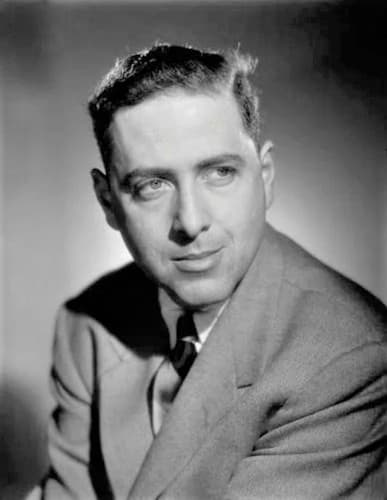
Herman Wouk was an American author known for his works of fiction that often explore themes of war and human experience. His notable books include "The Caine Mutiny," which examines military life during World War II, and the sweeping historical novels "The Winds of War" and "War and Remembrance," which delve into the impact of the war on personal lives. He also wrote "Marjorie Morningstar," a coming-of-age story set in the 1950s.
Similar books
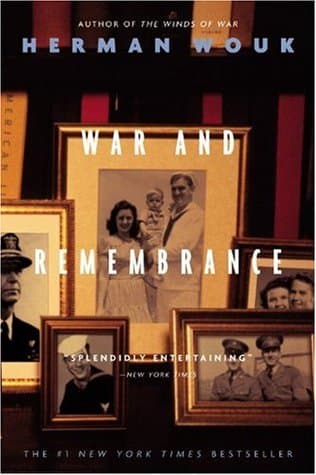
- War and Remembrance
Herman Wouk
4.4 (32k) average on GoodreadsHistorical FictionThe direct sequel, continuing the story of the Henry family through the remainder of WWII.
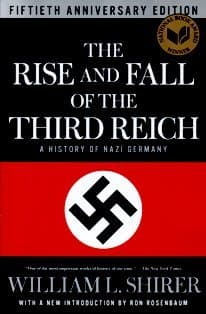
- The Rise and Fall of the Third Reich: A History of Nazi Germany
William L. Shirer
4.2 (101k) average on GoodreadsPoliticsA comprehensive non-fiction account of the historical events that form the backdrop of 'The Winds of War'.
- Hawaii
James A. Michener
4.2 (72k) average on GoodreadsLifestyleAnother epic historical saga by a master storyteller, focusing on the sweep of history and generations of families.
- From Here to Eternity
James Jones
4.1 (16k) average on GoodreadsHistorical FictionJones's novel, while also set during the lead-up to WWII and involving military life, is much more focused on the internal struggles and social dynamics within a single military unit (the US Army in Hawaii). The Winds of War, in contrast, offers a far broader scope, spanning multiple continents, diverse characters, and the highest echelons of political and military leadership, providing a global perspective on the war's origins, unlike Jones's more localized and character-driven narrative about the 'lost' generation of soldiers.
- To Kill a Mockingbird
Harper Lee
4.3 (4.5M) average on GoodreadsHistorical FictionIn the 1930s Jim Crow South, Harper Lee writes about racial injustice, moral growth, and the quiet courage of a lawyer father, Atticus Finch, as seen through his young daughter's eyes.
- The Great Gatsby
F. Scott Fitzgerald
3.9 (3.8M) average on GoodreadsHistorical FictionIn the opulent Roaring Twenties, a mysterious millionaire's lavish parties hide his desperate, tragic pursuit of a lost love, exposing the emptiness within the American Dream.



Enjoyed the summary?
A summary gives you the shape of the book. The book itself has the detail, the examples and the voice.
Find The Winds of War on AmazonAs an Amazon Associate, BookBrief earns from qualifying purchases. How we're funded