
Synopsis
Covers the whole plot, including the ending.
- Difficulty
- Easy
- Pacing
- Moderate
- Mood
- Adventurous, Whimsical, Courageous, Magical
- Read it if
- You love adventurous stories about brave children, loyal animals, and fighting for freedom against injustice, set in a magical, snow-covered Russian landscape.
- Skip it if
- You prefer realistic fiction without fantasy elements or stories without animal protagonists.
The Wolf Wilder Plot Summary
Covers the whole plot, including the ending.
Feo's Life as a Wolf Wilder in Training
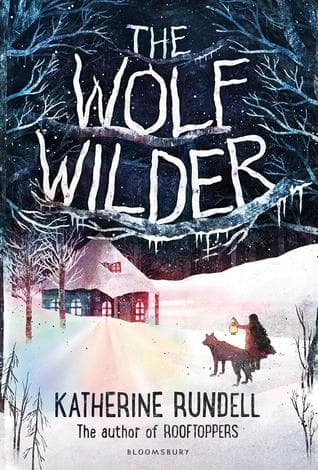
Feodora lives with her mother, Marina, in a remote, snow-covered house in the Russian wilderness. They work as 'wolf wilders,' teaching tamed wolves, often pets from the Russian aristocracy, to survive in the wild again. Feo is Marina's apprentice, learning to understand and communicate with wolves, observe their instincts, and prepare them for freedom. Their life is simple but deeply connected to nature and the wolves they care for. Marina teaches Feo about resilience, courage, and the importance of wildness. Their home is a safe place, filled with warmth and the presence of their loyal, re-wilded wolves, who often visit the nearby ruined chapel.
The Arrival of the Russian Army
General Rakov and the Russian Army arrive, ending Feo and Marina's peaceful life. Rakov, a rigid man, declares wolf wilding illegal and orders all wolves killed. He arrests Marina, planning to imprison her in St. Petersburg. This action threatens their profession and the lives of all the wolves they've cared for. Feo is left alone, heartbroken but determined to save her mother and protect the wolves. Rakov's actions come from a desire for control and order, seeing wildness as a threat to his power.
Feo's Escape and the Pack's Loyalty
After Marina's capture, Feo, though young, makes a brave decision. She refuses to abandon her mother or the wolves. With three loyal wolves—Grey, White, and Black—who were among the first Marina re-wilded, Feo escapes the soldiers. She begins a dangerous journey through the harsh Russian winter, determined to follow the army's trail to St. Petersburg and rescue her mother. The wolves are not just companions but her protectors and guides, their instincts helping her in the wilderness. Feo's journey brings danger, uncertainty, and the constant threat of being found by Rakov's soldiers.
Encountering Ilya and the Orphanage
During her journey, Feo meets Ilya, a kind soldier in Rakov's army. Ilya dislikes the army's cruelty and secretly sympathizes with Feo. He gives her important information and supplies, becoming an unexpected ally. Feo also finds a desolate orphanage, where she meets children who have been mistreated. Among them is Alexei, a resourceful boy who dreams of freedom. Feo's courage and her bond with the wolves inspire these children, giving them hope and ideas of rebellion. Ilya's quiet acts of defiance contrast sharply with Rakov's tyranny.
Journey to St. Petersburg and Growing Resistance
Feo, her wolves, Alexei, and other children from the orphanage continue their journey to St. Petersburg. Their path has many challenges—blizzards, hunger, and the constant threat of Rakov's patrols. They meet different people along the way, some fearful, some kind. Feo's determination and her wolves' presence start to inspire a quiet resistance among ordinary people, who are tired of the General's oppressive rule. The children, previously downtrodden, find purpose and courage in Feo's quest, forming a unique and resilient group.
Infiltrating the City and Planning the Rescue
In the grand, but oppressive, city of St. Petersburg, Feo and her companions must adapt to an urban environment, a change from their wild home. They find refuge in hidden parts of the city, carefully avoiding detection. With Ilya's help, they learn Marina is imprisoned in the Winter Palace. Feo, Alexei, and the other children plan Marina's rescue, understanding the great risks. Their plan relies on stealth, timing, and surprise as they prepare to challenge Rakov's power.
The Rescue Attempt and Confrontation
The rescue mission begins. Feo and her team use their combined skills and bravery to enter the Winter Palace. The wolves create a distraction, drawing attention away from the children. Inside, they navigate the palace's complex layout and find Marina. However, they are discovered, leading to a dramatic confrontation with General Rakov and his soldiers. Rakov is angry at Feo's defiance and the wolves' presence in the city. The tension grows as Feo faces Rakov, refusing to back down, her love for her mother and the wolves fueling her courage.
The Uprising and Rakov's Downfall
During the confrontation, the discontent among the people of St. Petersburg grows into open defiance. Inspired by Feo's bravery and the sight of the wild wolves, citizens begin to oppose Rakov and his soldiers. Ilya, at a key moment, turns against Rakov, further weakening the General's power. The uprising creates chaos, letting Feo and her allies free Marina. Rakov, overwhelmed by the rebellion and loss of control, is defeated, and his power crumbles. The people, embracing freedom, celebrate their liberation from his tyranny.
Aftermath and a New Beginning
With Rakov's defeat, Feo and Marina are reunited. The freed children from the orphanage choose to stay with Feo and Marina, forming a new, unconventional family. The wolves, having played a role in the events, are seen as symbols of freedom. While the immediate danger is over, the group must decide their next steps. The world has changed, and their way of life needs to find a new place. There is hope, but also the understanding that their work of protecting wildness and encouraging freedom continues. They have not just saved wolves, but inspired a revolution of spirit.
Embracing Wildness and the Future
Feo, Marina, and their expanded family, including Ilya and the children, make a new home where they continue their wolf wilding work, but with a broader purpose. They speak for wildness, for animals and for the human spirit. Feo, having shown courage and leadership, fully accepts her role as a wolf wilder. She understands that it is about more than animals; it is about fighting for what is right, protecting the vulnerable, and inspiring freedom. Their story becomes a legend, reminding people that wildness is a powerful and necessary force, capable of inspiring change and hope.
Principal Figures
Feodora (Feo)
Protagonist
A fierce and courageous young wolf wilder, determined to save her mother and her wolves.
Feo is a spirited and resilient young girl, raised in the Russian wilderness by her mother, Marina. She possesses an innate understanding and deep connection with wolves, having been trained in the art of wolf wilding since birth. Despite her youth, Feo is incredibly brave, resourceful, and fiercely loyal. Her journey to save her mother forces her to confront immense challenges, demonstrating remarkable courage and leadership. She is driven by a profound love for her mother and a deep-seated belief in the importance of wildness and freedom, both for animals and humans.
Relationships: Marina (Mother and mentor); Grey, White, Black (Loyal wolf companions); Ilya (Ally and friend); Alexei (Friend and fellow rebel)
Marina
Supporting
Feo's mother and a wise, experienced wolf wilder.
Marina is Feo's loving and wise mother, the original wolf wilder. She is a strong, independent woman with a deep respect for nature and a profound understanding of wolves. Marina teaches Feo not only the practical skills of wolf wilding but also the philosophy behind it: the importance of freedom, wildness, and standing up for what you believe in. Her capture by General Rakov is the catalyst for Feo's adventure, and her memory and teachings guide Feo throughout her journey. She represents the spirit of wildness that Rakov seeks to suppress.
Relationships: Feodora (Daughter and apprentice); General Rakov (Antagonist, her captor)
General Rakov
Antagonist
The cruel and authoritarian leader of the Russian Army, who seeks to eradicate wildness.
General Rakov is the primary antagonist of the story. He is a rigid, cruel, and humorless military leader who embodies oppressive authority and a fear of anything wild or untamed. He sees wolf wilding as an act of defiance against order and seeks to crush it, along with any other form of freedom or individuality. Rakov's actions, from arresting Marina to ordering the killing of wolves, are driven by a desire for absolute control and a belief that wildness is dangerous and must be eradicated. He is a symbol of tyranny and the suppression of natural instincts.
Relationships: Feodora (Oppressor and enemy); Marina (His prisoner); Ilya (His soldier, who eventually betrays him)
Ilya
Supporting
A kind-hearted young soldier in Rakov's army who secretly aids Feo.
Ilya is a young soldier in General Rakov's army who, unlike his peers, possesses a conscience and a sense of empathy. He is conflicted by the cruelty he witnesses and secretly disapproves of Rakov's methods. Ilya becomes an unexpected ally to Feo, providing her with information, supplies, and guidance, risking his own safety to help her. His quiet acts of defiance and eventual open betrayal of Rakov highlight the theme of moral choice and the power of individual goodness even within a corrupt system. He represents the potential for compassion within a harsh world.
Relationships: Feodora (Ally and friend); General Rakov (His superior, whom he eventually defies)
Alexei
Supporting
A resourceful and rebellious boy from the orphanage who joins Feo's quest.
Alexei is a sharp-witted and pragmatic boy who lives in a desolate orphanage, suffering under harsh conditions. He is initially cynical and wary but is quickly inspired by Feo's bravery and her connection to the wolves. Alexei joins Feo on her journey to St. Petersburg, proving to be a valuable member of her team with his street smarts and ability to navigate the urban environment. He represents the downtrodden and neglected children who find hope and purpose through Feo's rebellion, embodying the spirit of resilience and the desire for a better life.
Relationships: Feodora (Friend and fellow rebel); Other Orphan Children (Companions from the orphanage)
Grey
Supporting
One of Feo's loyal and protective re-wilded wolves.
Grey is one of the three principal wolves who accompany Feo on her journey. He is a powerful and intelligent wolf, representing the strength and wisdom of the wild. Grey acts as a protector and guide for Feo, his instincts proving invaluable in navigating the wilderness and sensing danger. He is deeply loyal to Feo and Marina, embodying the strong bond between the wolf wilders and their charges. His presence, along with White and Black, is a constant reminder of the wildness they are fighting to protect.
Relationships: Feodora (Loyal companion); Marina (His re-wilder)
White
Supporting
One of Feo's loyal and protective re-wilded wolves.
White is another of Feo's three loyal wolf companions. She is portrayed as agile and swift, often taking the lead in tracking or scouting. White's keen senses and speed are crucial for the group's survival and evasion of Rakov's soldiers. Her presence emphasizes the different strengths within the wolf pack and their collective contribution to Feo's quest. Like Grey and Black, she embodies the untamed spirit and is a testament to Marina's successful wolf wilding.
Relationships: Feodora (Loyal companion); Marina (Her re-wilder)
Black
Supporting
One of Feo's loyal and protective re-wilded wolves.
Black completes the trio of wolves accompanying Feo. He is often depicted as the most cautious or observant, providing a balanced perspective to the pack's movements. Black's watchful nature helps the group avoid traps and anticipate threats. Together, Grey, White, and Black form a formidable and intelligent unit, demonstrating the complex social dynamics and intelligence of wolves. Their unwavering loyalty and wild spirit are central to the story's themes.
Relationships: Feodora (Loyal companion); Marina (His re-wilder)
The Orphan Children
Supporting
A group of neglected children who join Feo's rebellion.
These are the various children Feo encounters at the orphanage, including Alexei. They are initially depicted as downtrodden, hungry, and hopeless, victims of neglect and the harsh societal conditions under Rakov's rule. Inspired by Feo's courage and the sight of her wolves, they find renewed purpose and join her quest. They represent the collective suffering of the innocent and their potential for rebellion when given a leader and a cause. Their transformation from passive victims to active participants underscores the theme of finding hope and fighting for freedom.
Relationships: Feodora (Leader and inspiration); Alexei (Fellow orphan, their unofficial leader)
Themes & Insights
Wildness vs. Control
This is the main theme, shown through the conflict between the wolf wilders and General Rakov. Wildness means freedom, natural instinct, and an untamed spirit, in both animals and humans. Marina and Feo support this, believing all creatures should be wild. Rakov, by contrast, represents strict control and the suppression of anything outside his authority. His desire to kill wolves and imprison Marina is an attempt to remove wildness. The story suggests that true strength and happiness come from being one's wild, authentic self, not from conforming to oppressive control.
“Wildness, she knew, was a choice, not a condition. It was a refusal to be tamed, a defiance of cages, a hunger for the wind.”
Courage and Rebellion
The novel shows the courage needed to oppose injustice. Feo, a young girl, shows this by going on a dangerous journey to rescue her mother from the Russian Army. Her actions inspire others, from the disillusioned soldier Ilya to the neglected children in the orphanage, to defy Rakov's rule. The theme suggests that courage is not the absence of fear, but the decision to act despite it. Small acts of defiance can start a larger rebellion and lead to significant change. The uprising in St. Petersburg results directly from collective courage.
“Courage, Feo's mother had told her, was a muscle. You had to use it, or it would wither.”
The Power of Connection and Loyalty
The deep bonds between Feo, Marina, and their wolves are central to the story. The loyalty of Grey, White, and Black to Feo is constant, helping her survive and succeed. This theme extends to Feo's connections with characters like Ilya and Alexei, who become her allies because of shared values and growing loyalty. The story emphasizes that strength comes not just from individual bravery but from the support, trust, and love in meaningful relationships, forming an unconventional family that overcomes difficulty.
“A pack, she thought, was not just teeth and fur. It was trust, and loyalty, and a promise to stand by each other, even in the deepest snow.”
Freedom and Self-Determination
The idea of freedom is explored on many levels: the freedom of wolves to live wild, the freedom of people from oppressive rule, and the freedom to choose one's own path. Marina and Feo's work gives freedom to tamed animals. General Rakov's government tries to deny this freedom, imposing strict control. Feo's journey becomes a quest for her mother's freedom and the freedom of everyone oppressed by Rakov. The book supports the right to self-determination and living authentically without undue restriction.
“The wild was not a place. It was a state of mind. It was a hunger for freedom, a refusal to be caged.”
Nature as a Source of Strength and Guidance
The natural world, especially the harsh but beautiful Russian wilderness, is more than just a setting; it is a character and a source of wisdom. Feo and Marina get their strength, skills, and moral guidance from their deep connection to nature. The wolves, as examples of wildness, guide Feo and teach her about instinct, survival, and pack behavior. The story contrasts nature's life-giving power with the sterile, oppressive environment of Rakov's regime, suggesting that connecting with the natural world provides true resilience and understanding.
“The forest was a teacher, a protector, a secret keeper. It held more wisdom than any book.”
Plot Devices & Literary Techniques
The Wolf Wilders' Craft
A unique profession that serves as the central conflict and theme.
The craft of 'wolf wilding' is a foundational plot device. It's not just a job but a philosophy. It immediately establishes the core conflict: the natural, wild way of life versus the desire for control and domestication. By teaching tamed animals to be wild again, Marina and Feo directly challenge the established order that values human dominance over nature. This unique profession provides the impetus for the entire plot, as Rakov's attempt to eradicate it drives Feo's quest. It also serves as a powerful metaphor for human freedom and self-determination.
The Journey Motif
Feo's physical and emotional journey from the wilderness to St. Petersburg.
Feo's perilous journey from her remote home in the snowbound woods to the grand, oppressive city of St. Petersburg is a classic journey motif. This physical journey serves as a vehicle for her emotional and moral development. Along the way, she faces external obstacles (blizzards, soldiers) and internal challenges (fear, doubt), gathering allies and gaining wisdom. The journey highlights the vastness of Russia and the diverse people within it, while also symbolizing Feo's transition from childhood innocence to courageous leadership.
Symbolism of Wolves
Wolves represent wildness, freedom, loyalty, and resistance.
The wolves in the story are not merely animals; they are powerful symbols. They embody wildness, freedom, and untamed spirit, directly opposing General Rakov's desire for absolute control and order. The loyalty of Feo's wolf companions (Grey, White, Black) symbolizes the strength of natural bonds and the importance of trust. As the story progresses, the wolves become symbols of rebellion and hope, inspiring the oppressed people of St. Petersburg to rise up against tyranny. Their presence in the city signifies the triumph of wildness over artificial control.
The Oppressive Regime (General Rakov)
The tyrannical government, personified by General Rakov, as the antagonist.
The oppressive regime, primarily personified by General Rakov, functions as the primary antagonistic force. It's not just a personal villain but a symbol of societal control, fear of the unknown, and the suppression of individuality and natural instinct. Rakov's strict rules, arbitrary arrests, and desire to eradicate wolves represent the forces that seek to tame and diminish the human spirit. This device provides a clear external conflict for Feo to overcome, driving the plot and highlighting the themes of freedom and rebellion.
The Wolf Wilder Quotes
“A wolf is not a dog. A wolf is a wild thing, and it belongs to the wild.”
“Sometimes, to be brave is to be still.”
“The world is not a fair place, but it is a beautiful one.”
“You cannot tame a wolf. You can only befriend it.”
“Snow is a blanket that covers everything, but it cannot hide the truth.”
“Fear is a wolf that eats you from the inside out.”
“Home is not a place. It is the people and animals you love.”
“In the wild, you learn to listen with your whole body.”
“A revolution starts with a single howl.”
“The heart is a wild thing too. It cannot be caged.”
“Winter teaches you what you are made of.”
“Do not mistake kindness for weakness.”
“The stars are the eyes of the wolves who have gone before us.”
“To be free is to choose your own pack.”
Quiz
10 questions on the plot and the characters. Each answer comes with a short explanation.
Question 1
What is the primary role of a wolf wilder in the book?
- To tame wild wolves for circus performances
- To teach tamed wolves to be independent and wary of humans
- To breed wolves for military use in the Russian Army
- To rescue wolves from zoos and release them into cities
Show answer
B. To teach tamed wolves to be independent and wary of humans In the book, a wolf wilder is explicitly described as 'the opposite of an animal tamer'—they retrain wolves that have been domesticated to survive in the wild and distrust humans, which is central to Feo's and her mother's work.
Question 2
Where do Feodora and her mother live at the start of the story?
- In a bustling Russian city near St. Petersburg
- In a snowbound house in the woods of Russia
- In a remote village on the steppes of Siberia
- In a military barracks with the Russian Army
Show answer
B. In a snowbound house in the woods of Russia The book opens with Feo and her mother living in a house full of food and fireplaces in the snowbound woods of Russia, setting the isolated, wintry scene for the adventure.
Question 3
What event forces Feo to go on the run?
- A harsh winter storm destroys their home
- The murderous hostility of the Russian Army threatens her existence
- Her mother abandons her to join a revolution
- The wolves turn against her and attack
Show answer
B. The murderous hostility of the Russian Army threatens her existence Feo's journey begins when the Russian Army, opposed to the wolf wilders' work, becomes a direct threat, compelling her to flee for survival and sparking the story's revolution and adventure.
Question 4
Where do the wolves that Feo and her mother work with live?
- In a cave deep in the forest
- In a ruined chapel ten minutes from their house
- In the basement of their home
- In a fenced enclosure built by the Army
Show answer
B. In a ruined chapel ten minutes from their house The wolves reside in a ruined chapel just a short distance from Feo's house, which serves as their den and a key location for the wolf wilding activities.
Question 5
What is Feo's relationship to wolf wilding at the beginning of the book?
- She is a fully trained wolf wilder leading her own pack
- She is a wolf wilder in training under her mother
- She has no interest in wolf wilding and wants to leave
- She is a captive forced to assist the Russian Army with wolves
Show answer
B. She is a wolf wilder in training under her mother Feo is described as 'a wolf wilder in training,' learning the craft from her mother, which establishes her growing skills and sets up her character development throughout the story.
Question 6
Which theme is most directly explored through Feo's journey?
- The importance of technological advancement in rural areas
- Standing up for the things you love and fighting back
- The inevitability of fate and destiny in human lives
- The superiority of urban life over wilderness living
Show answer
B. Standing up for the things you love and fighting back The book's description highlights themes of revolution and adventure, specifically about 'standing up for the things you love and fighting back,' which Feo embodies as she protects the wolves and resists oppression.
Question 7
What does the story combine elements of, based on its genres?
- Science fiction and modern romance
- Fantasy, historical fiction, and adventure
- Horror and political thriller
- Mystery and contemporary drama
Show answer
B. Fantasy, historical fiction, and adventure The book is categorized as Fantasy, Children's, Historical Fiction, and Young Adult, blending magical or imaginative elements with a historical Russian setting and an adventurous plot.
Question 8
Why might the Russian Army be hostile to wolf wilders like Feo and her mother?
- They believe wolf wilders are stealing Army supplies
- Wolf wilders teach wolves to be wary of humans, which could undermine control and order
- The Army wants to recruit wolf wilders for their own taming programs
- Wolf wilders are known to be spies for foreign governments
Show answer
B. Wolf wilders teach wolves to be wary of humans, which could undermine control and order Since wolf wilders encourage independence and wariness of humans in wolves, this could be seen as subversive to the Army's authority, especially in a historical context of revolution and control in Russia.
Question 9
How does the setting contribute to the story's atmosphere?
- The tropical climate symbolizes growth and renewal
- The snowbound woods create a sense of isolation and harsh survival
- Urban noise and crowds highlight Feo's desire for connection
- Desert landscapes emphasize themes of scarcity and drought
Show answer
B. The snowbound woods create a sense of isolation and harsh survival The snowbound Russian woods establish a cold, remote environment that mirrors Feo's struggles and the wild, untamed nature of the wolves, enhancing themes of survival and resistance.
Question 10
What broader historical context might influence the plot's conflict with the Russian Army?
- The Industrial Revolution's impact on wildlife
- Political tensions and revolutionary movements in Russia
- The colonization of the Americas by European powers
- The rise of digital technology in the 21st century
Show answer
B. Political tensions and revolutionary movements in Russia As a historical fiction set in Russia, the story likely draws on real historical periods of unrest, such as pre-revolutionary times, where the Army's hostility could symbolize broader state oppression and the fight for change.
The Wolf Wilder FAQ
What is 'The Wolf Wilder' about?
The story follows Feodora (Feo), a young girl training as a wolf wilder in the snowy Russian woods with her mother. When the Russian Army threatens their way of life, Feo must flee with her wolves, embarking on a dangerous journey that becomes a tale of revolution, friendship, and fighting for what you love.
Why should I read 'The Wolf Wilder'?
It's a thrilling adventure that blends fantasy, historical fiction, and themes of resilience and rebellion. With vivid descriptions of the Russian wilderness, heartwarming bonds between humans and wolves, and a courageous young protagonist, it appeals to readers who enjoy stories about nature, freedom, and standing up against oppression.
What is the background/setting of 'The Wolf Wilder'?
Set in early 20th-century Russia, the story takes place in the snowbound woods where Feo and her mother live in a remote house. The setting includes a ruined chapel housing a wolf pack, and later expands to villages and military outposts, reflecting the turbulent pre-revolutionary era.
What are the most memorable quotes?
Key quotes include: 'A wolf wilder is the opposite of an animal tamer' and 'Sometimes the right path is not the easiest.' These lines capture the book's themes of untaming nature and courage. Feo's reflections on wolves, like 'They are not pets; they are wild,' emphasize the respect for wildness central to the story.
What writing style does the author use?
Katherine Rundell employs lyrical, descriptive prose that vividly paints the Russian landscape and wolf behavior. The style blends adventure with emotional depth, using concise chapters and poetic imagery to create a fast-paced yet thoughtful narrative suitable for young adult and children's audiences.
What minor details add significant meaning?
Details like the ruined chapel where the wolves live symbolize decay and resilience, while the food and fireplaces in Feo's house represent warmth and safety contrasted with the harsh outside world. Small acts, such as Feo leaving food for the wolves, highlight the subtle bonds that drive the plot.
What are some subtle foreshadowing moments?
Early mentions of the Russian Army's hostility hint at the coming conflict, and Feo's training in wolf wilding foreshadows her need to rely on these skills during her escape. The wolves' wariness of humans subtly predicts the betrayal and dangers Feo will face from people.
What unexpected character connections exist?
Feo forms alliances with unlikely characters, such as soldiers who defect to her cause, revealing shared values against oppression. The wolves themselves become almost familial characters, with specific wolves like Black and White showing distinct personalities that influence Feo's decisions.
What are unspoken character motivations?
Feo's mother is driven by a deep-seated belief in animal freedom, which she passes to Feo without overt explanation. The Russian soldiers' cruelty often stems from fear and obedience rather than pure malice, adding layers to their actions as Feo encounters them.
What psychological complexities do characters exhibit?
Feo grapples with fear and bravery, often masking her vulnerability with determination. The wolves display a mix of wild instinct and learned trust, reflecting themes of nature vs. nurture. Supporting characters, like defecting soldiers, show internal conflicts between duty and morality.
What are the major emotional turning points?
Key moments include Feo's separation from her mother, which forces her into independence, and her first successful wilding of a wolf, boosting her confidence. The climax involves a confrontation with the army, where Feo must choose between flight and fight, solidifying her resolve.
How do relationship dynamics evolve?
Feo's bond with the wolves deepens from training to mutual protection, becoming almost symbiotic. Her interactions with humans shift from distrust to forming alliances, as she learns that not all people are enemies. The mother-daughter relationship evolves through separation, highlighting themes of legacy and letting go.
Which parts remain ambiguous or open-ended?
The fate of some secondary characters, like certain soldiers or villagers, is left unclear, allowing readers to imagine their outcomes. The long-term impact of Feo's rebellion on the wider Russian revolution is hinted at but not fully resolved, leaving room for interpretation.
What are controversial scenes or decisions?
Feo's decision to involve the wolves in violent confrontations with humans sparks debate about animal agency and risk. Some readers might question the portrayal of the Russian Army as uniformly hostile, though it serves the story's themes of resistance and freedom.
'The Wolf Wilder' ending explained: how it ends & what it means
The ending sees Feo and her allies achieving a temporary victory against the army, with the wolves returning to the wild. It symbolizes the triumph of freedom and resilience, suggesting that standing up for loved ones, even against great odds, can lead to change. The open-ended nature implies that the struggle for justice continues.
About the author

Katherine Rundell is a British author known for her children's and young adult fiction. Her notable works include "Rooftoppers," which won the Waterstones Children's Book Prize, "The Wolf Wilder," "The Explorer," and "The Good Thieves." Rundell's writing often features themes of adventure and resilience, appealing to a wide range of young readers.
Similar books
- The Sword in the Stone
T.H. White
3.9 (23k) average on GoodreadsFantasyBoth blend historical elements with fantasy and a strong connection to nature. However, White often uses animal transformations to teach explicit moral lessons, whereas Rundell explores inherent wildness and instinctual wisdom through direct, empathetic interactions with animals, emphasizing connection over instruction.
- Harry Potter and the Sorcerer's Stone
J.K. Rowling
4.5 (7M) average on GoodreadsFantasyRescued from a miserable life under the stairs, an orphaned boy discovers he's a wizard destined for a magical school, where he uncovers a dangerous secret tied to the dark wizard who murdered his parents.
- The Hunger Games
Suzanne Collins
4.3 (6.4M) average on GoodreadsFantasyIn a future where children fight to the death on live television, Katniss Everdeen volunteers for the arena, turning a death sentence into a fight for survival and a spark of rebellion.
- 1984
George Orwell
4.2 (3.1M) average on GoodreadsPoliticsIn a future where surveillance and thought control are absolute, a man's search for truth clashes with the Party, showing that hope can be a form of rebellion.
- Divergent
Veronica Roth
4.2 (2.9M) average on GoodreadsFantasyIn a society divided by virtues, a sixteen-year-old's difference from the norm starts a rebellion that threatens her world.
- The Hobbit, or There and Back Again
J.R.R. Tolkien
4.3 (2.9M) average on GoodreadsFantasyA comfort-loving hobbit named Bilbo Baggins is whisked away by a mischievous wizard and a band of dwarves on an unexpected journey to reclaim stolen treasure from a fearsome dragon, discovering courage and a magical ring along the way.





Enjoyed the summary?
A summary gives you the shape of the book. The book itself has the detail, the examples and the voice.
Find The Wolf Wilder on AmazonAs an Amazon Associate, BookBrief earns from qualifying purchases. How we're funded