
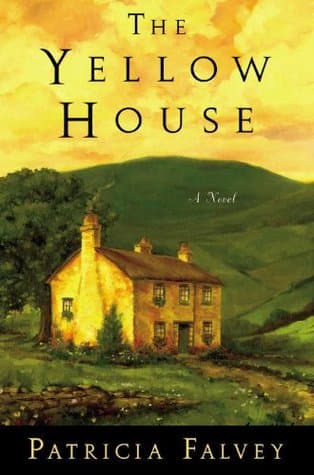
Synopsis
Covers the whole plot, including the ending.
- Difficulty
- Medium
- Pacing
- Moderate
- Mood
- Atmospheric, Emotional, Reflective, Hopeful
- Read it if
- You enjoy historical fiction set in early 20th-century Northern Ireland, featuring themes of family secrets, religious conflict, and forbidden romance.
- Skip it if
- You prefer fast-paced thrillers or are not interested in detailed explorations of historical sectarian tensions.
The Yellow House Plot Summary
Covers the whole plot, including the ending.
A Family Divided
The story opens in 1901 with young Eileen O'Neill living in the Northern Irish village of Ballynahown. Her family, once prosperous and united, is now fractured. Her mother, Mary, a devout Catholic, struggles to raise Eileen and her younger brother, Michael, after her husband, Patrick, a Protestant, abandoned them years prior. Patrick's departure was spurred by religious tensions in the community and a tragic incident involving their ancestral home, 'The Yellow House,' which burned down. Eileen often visits her maternal grandmother, Granny O'Neill, who gives her a strong sense of family history and a longing for the lost unity and prosperity represented by their former home. The pervasive sectarianism constantly affects their daily lives.
Working at the Mill
As Eileen grows older, her family's financial strain becomes unbearable. Determined to contribute and save money to eventually reclaim 'The Yellow House,' she gets a job at the local linen mill. The work is grueling and dangerous, with long hours and meager pay, but Eileen is resilient. She quickly learns the ropes and observes the harsh conditions faced by the working class, both Catholic and Protestant. At the mill, she befriends other young women, sharing their dreams and struggles. She also encounters the mill owner, Mr. Thompson, a Protestant, and his son, David, who represents a different social class and a potential for both conflict and connection.
The Protestant Family
Eileen's father, Patrick O'Neill, is reintroduced, now living with his Protestant family, the Thompsons, who are prominent mill owners. It is revealed that Patrick, under the name 'Peter Thompson,' is married to Mr. Thompson's daughter and has children with her. This revelation deepens the mystery surrounding his abandonment of Eileen's mother and the burning of 'The Yellow House.' Eileen learns that Patrick/Peter carries his own burdens and secrets, including a past involvement with the Orange Order and a desire to distance himself from his Catholic heritage. The intertwined histories of the O'Neills and Thompsons, and the role of 'The Yellow House' in their past, begin to unravel, hinting at a darker truth.
A Budding Romance
While working at the mill, Eileen finds herself drawn to David Thompson, the mill owner's son and her half-brother. Initially, their interactions are formal and strained due to their differing social statuses and the unspoken tensions between their families. However, as they spend more time together, a mutual respect and attraction develop. David, though Protestant and from a privileged background, shows a genuine interest in the welfare of the mill workers and a more open-minded perspective than his father. Their budding romance is complicated by the deep-seated sectarian divides, the secrets of their shared family history, and the potential for scandal should their true connection be revealed.
Political Unrest and Strikes
The political landscape of Northern Ireland becomes increasingly volatile. Tensions between Catholics and Protestants escalate, fueled by economic hardship and the ongoing struggle for Home Rule. The mill workers, including Eileen and her friends, become involved in strikes demanding better working conditions and fairer wages. These industrial actions further highlight the class divisions and sectarian loyalties within Ballynahown. Eileen finds herself caught between her loyalty to her community and her growing feelings for David, who, as the mill owner's son, is on the opposing side of these disputes. The strikes bring both solidarity among the workers and violent clashes with authorities.
Uncovering the Truth
Driven by her desire to understand her family's past and reclaim her heritage, Eileen meticulously gathers clues about 'The Yellow House' and her father's abandonment. Through conversations with her grandmother, old family acquaintances, and even cautious inquiries with David, she uncovers the full, tragic story. It is revealed that 'The Yellow House' was not simply burned by sectarian violence, but was involved in a more personal betrayal linked to Patrick's desperate attempts to navigate the sectarian divide and protect his family. The truth involves a secret marriage, a forced conversion, and the desperate actions of a man caught between two worlds, ultimately leading to the destruction of his family home and his initial family.
Confrontation and Betrayal
Armed with the full truth, Eileen confronts her father, Patrick/Peter. The confrontation is emotionally charged, as Patrick is forced to reckon with the consequences of his past choices. He reveals the circumstances that led him to abandon Mary and Eileen, including pressure from the Thompson family and the desperate measures he took to survive in a religiously divided society. This revelation, while providing answers, also brings a sense of betrayal and further complicates Eileen's feelings towards him. The truth about his second family and his identity as Peter Thompson further solidifies the deep-seated pain and secrets that have plagued both sides of the family for years.
The Thompson Family's Role
As Eileen looks deeper, she uncovers the extent of the Thompson family's involvement in her family's misfortunes. Mr. Thompson, David's father, played a significant role in coercing Patrick to abandon his Catholic family and assume a Protestant identity to marry his daughter. Their desire to maintain social standing and consolidate power within the Protestant community led to the systematic disinheritance and marginalization of the O'Neills. This revelation casts a shadow over David and his family, forcing Eileen to grapple with the moral complexities of her relationship with him and the legacy of injustice she is fighting against. The Thompsons are revealed to be more than just powerful mill owners; they are architects of family division.
A New Beginning
With all the truths laid bare, Eileen faces a crossroads. She must decide whether to pursue her relationship with David, despite the deep-seated family animosity and the class divide, or to prioritize her family's reclamation and her own independence. She ultimately chooses a path that honors her heritage and her sense of justice. She works tirelessly, saving money and gathering support from her community. Her resolve to rebuild 'The Yellow House' becomes a symbol not just of a physical structure, but of healing and unity for her family and a rejection of the sectarianism that tore them apart. Her decision marks a step towards forging a new, stronger identity for herself and her lineage.
Rebuilding and Reconciliation
Eileen begins the arduous process of rebuilding 'The Yellow House.' This act symbolizes her efforts to mend the fractured pieces of her family and community. While the physical reconstruction is challenging, the emotional and social rebuilding is even more complex. She works to bridge the divide between her Catholic and Protestant relatives, seeking understanding and forgiveness. Her actions slowly start to inspire others in Ballynahown to look beyond sectarian hatred. David, despite the challenges, remains by her side, offering support and working towards his own reconciliation with his family's past actions. The rebuilding of the house becomes a beacon of hope for a more unified future.
Love Across Divides
Eileen and David's relationship deepens, showing love's ability to transcend societal and religious divides. They face prejudice and disapproval from both sides of their communities, but their commitment to each other remains strong. Their love story is not without its challenges, as they must constantly confront the lingering bitterness and historical wounds. However, their shared vision for a more tolerant future and their mutual respect help them overcome obstacles. Their union becomes a powerful symbol of hope, demonstrating that reconciliation and unity are possible even in a deeply fractured society like Northern Ireland. They represent a new generation trying to break free from the past.
A Future Forged
The novel concludes with Eileen having successfully reclaimed and rebuilt 'The Yellow House,' transforming it into a symbol of resilience and reconciliation. She has reunited her fragmented family and has also played a role in fostering greater understanding within her community. Her relationship with David flourishes, representing a future where love and shared humanity can overcome historical animosities. Eileen's journey is one of personal growth, determination, and an unwavering commitment to justice and unity. The story ends on a hopeful note, suggesting that while the scars of the past remain, a new generation is capable of forging a more inclusive and peaceful future in Northern Ireland, beginning with the foundation of 'The Yellow House'.
Principal Figures
Eileen O'Neill
Protagonist
A determined young woman fighting to reclaim her family's legacy and unite her fractured family.
Eileen O'Neill is a strong-willed and intelligent young Catholic woman from Ballynahown, Northern Ireland. She is deeply devoted to her family, particularly her mother and younger brother, Michael. Driven by a fierce sense of justice and a longing for the past prosperity represented by 'The Yellow House,' she works tirelessly at the linen mill. Eileen is observant, resilient, and possesses a keen understanding of the social and political complexities surrounding her. She is not afraid to challenge authority or confront uncomfortable truths, even when they involve her own family. Her journey is defined by her quest for identity, truth, and reconciliation.
Relationships: Mary O'Neill (Daughter, deeply loving and protective); Michael O'Neill (Older sister, caring and responsible); Patrick O'Neill (Peter Thompson) (Daughter, complicated by abandonment and betrayal, but ultimately seeks understanding); Granny O'Neill (Granddaughter, close bond, source of family history and strength); David Thompson (Romantic interest, eventually partner, navigating family and sectarian divides)
Patrick O'Neill (Peter Thompson)
Supporting/Antagonist
Eileen's father, a man torn between two families and two religions, haunted by past decisions.
Patrick O'Neill, later known as Peter Thompson, is Eileen's father. He is a complex and tragic figure, forced by circumstances and societal pressure to abandon his Catholic family and assume a Protestant identity within the powerful Thompson family. His actions stem from a desperate attempt to survive and protect himself in a deeply sectarian society, but they leave a lasting legacy of pain and division. He carries immense guilt and regret, but is initially unable to fully confront his past. He is intelligent and once held radical views but was ultimately broken by the pressures of his time. His story highlights the devastating personal cost of religious intolerance.
Relationships: Mary O'Neill (Estranged husband, source of deep pain and betrayal); Eileen O'Neill (Father, deeply complicated by abandonment and later by the truth of his identity); Mr. Thompson (Father-in-law, a powerful and manipulative figure who coerced him); David Thompson (Step-father/biological father, complex and strained)
Mary O'Neill
Supporting
Eileen's devout Catholic mother, who endures hardship with quiet strength and resilience.
Mary O'Neill is Eileen's mother, a devout Catholic woman who struggles to raise her two children after her husband, Patrick, abandons them. She embodies quiet strength, resilience, and unwavering faith in the face of immense hardship and social ostracism. Despite her pain, she instills strong values in Eileen and Michael. She carries the emotional scars of her husband's betrayal and the loss of 'The Yellow House,' but her focus remains on providing for her children. She represents the enduring spirit of the Catholic community in Northern Ireland and the personal toll of sectarian conflict.
Relationships: Eileen O'Neill (Mother, close and loving bond); Michael O'Neill (Mother, caring and protective); Patrick O'Neill (Estranged husband, source of deep emotional pain); Granny O'Neill (Daughter, relies on her mother for support and advice)
David Thompson
Supporting/Romantic Interest
The mill owner's son, a progressive Protestant who challenges family expectations and societal norms.
David Thompson is the son of the powerful Protestant mill owner, Mr. Thompson, and is also Eileen's half-brother. Unlike his conservative father, David is more open-minded, progressive, and empathetic towards the mill workers. He is intelligent and observant, often questioning the social injustices and sectarian divides that his family perpetuates. His growing attraction to Eileen forces him to confront his family's past and the ethical implications of their actions. He struggles to reconcile his loyalty to his family with his growing sense of justice and his love for Eileen. He represents the possibility of bridging divides.
Relationships: Eileen O'Neill (Romantic interest, eventually partner, navigating family and sectarian divides); Mr. Thompson (Son, strained relationship due to differing views and the father's manipulative nature); Patrick O'Neill (Peter Thompson) (Step-son/biological son, complex and strained); Mill Workers (Employer, but with growing empathy and desire for fair treatment)
Granny O'Neill
Supporting
Eileen's maternal grandmother, a fount of family history and a symbol of traditional Catholic resilience.
Granny O'Neill is Eileen's maternal grandmother, a wise and resilient old woman. She serves as a crucial link to the past, holding the memories and stories of the O'Neill family's history, including the prosperity of 'The Yellow House' and the circumstances surrounding its loss. She is a devout Catholic and a strong proponent of maintaining family heritage and fighting for justice. Her stories and wisdom inspire Eileen's quest to reclaim her ancestral home and understand her family's fragmented past. She embodies the enduring spirit and historical memory of the Irish Catholic community.
Relationships: Eileen O'Neill (Grandmother, close bond, mentor figure); Mary O'Neill (Mother, supportive and advising); O'Neill Family (Matriarch, preserver of family history and traditions)
Mr. Thompson
Antagonist
The powerful Protestant mill owner, a symbol of industrial wealth and sectarian prejudice.
Mr. Thompson is the patriarch of the Protestant Thompson family and the owner of the local linen mill. He is a formidable and often ruthless businessman, driven by a desire for wealth, social standing, and the perpetuation of Protestant dominance. He embodies the entrenched sectarian prejudices of the time, using his power to manipulate and control. His actions directly contributed to Patrick O'Neill's abandonment of his Catholic family and the subsequent suffering of Eileen and Mary. He is an antagonist not through overt malice, but through his rigid adherence to class and religious hierarchy, and his willingness to exploit others to maintain his position.
Relationships: David Thompson (Father, strained by differing views and David's growing rebellion); Patrick O'Neill (Peter Thompson) (Father-in-law/employer, manipulative and controlling); Mill Workers (Employer, seen as oppressive and exploitative)
Michael O'Neill
Supporting
Eileen's younger brother, who represents the next generation affected by sectarian strife.
Michael O'Neill is Eileen's younger brother. He is a less developed character than Eileen, but his presence highlights the impact of the family's struggles on the younger generation. He looks up to Eileen and is a quiet observer of the hardships his family endures. His future, like Eileen's, is deeply tied to the political and social climate of Northern Ireland. He represents the hope for a future free from the divisions of the past, as well as the vulnerability of children caught in sectarian conflict. His innocence underscores the tragedy of the O'Neill family's situation.
Relationships: Eileen O'Neill (Younger brother, looks up to her); Mary O'Neill (Son, loved and protected); Granny O'Neill (Grandson, cared for)
Themes & Insights
Sectarianism and Religious Intolerance
The pervasive and destructive nature of sectarianism between Catholics and Protestants is a central theme. The novel vividly portrays how religious intolerance tears apart families, dictates social standing, and fuels violence. Eileen's family is directly fractured by it, with her father forced to abandon his Catholic identity to survive in a Protestant-dominated society. The burning of 'The Yellow House' is a direct consequence of these tensions, and the mill's workforce is divided along religious lines, leading to strikes and unrest. The theme highlights the personal cost of such deep-seated prejudice and the struggle to overcome it.
“In Ballynahown, your religion was more than a faith; it was your destiny, your family, your very name.”
Identity and Belonging
Characters grapple with their sense of identity, often defined by their religious and family heritage. Eileen's quest to reclaim 'The Yellow House' is a search for her family's lost identity and her own place within it. Her father, Patrick/Peter, embodies the crisis of identity, forced to shed one name and faith for another, leading to a fragmented self. The longing for belonging, both to a family and a community, drives many of the characters' actions. The struggle to reconcile their personal desires with the expectations and divisions of society is a constant internal conflict.
“The Yellow House wasn't just bricks and mortar; it was the bones of who we were, the memory of a name that had almost been erased.”
The Power of Family and Heritage
Despite being torn apart, the enduring power of family bonds and the significance of ancestral heritage are paramount. Eileen's unwavering determination to reunite her family and reclaim 'The Yellow House' stems from a deep respect for her heritage and a desire to heal generational wounds. Granny O'Neill acts as the keeper of this heritage, passing down stories that fuel Eileen's quest. The novel demonstrates how family history, even painful parts, shapes individuals and communities, and how reclaiming that history can be a powerful act of healing and resistance against forces that seek to divide.
“A house isn't just a place to sleep; it's where your roots grow, where your story begins.”
Social Class and Economic Inequality
The stark differences between the working class, primarily represented by the mill workers, and the wealthy mill owners like the Thompsons, is a significant theme. Eileen's experiences at the mill expose the harsh realities of poverty, dangerous working conditions, and exploitation. The economic disparities often align with sectarian divides, exacerbating tensions. The strikes and labor disputes highlight the struggle for basic rights and fair treatment, showing how class distinctions further complicate the already fractured society of Northern Ireland. The novel illustrates how economic power can be used to perpetuate social control and injustice.
“We worked our fingers raw, breathing lint, while they sat in their grand houses, counting our sweat as profit.”
Reconciliation and Forgiveness
The novel explores the difficult but ultimately hopeful path towards reconciliation and forgiveness. Eileen's journey involves not only uncovering truths but also finding a way to forgive her father and bridge the divide between the O'Neills and Thompsons. Her relationship with David symbolizes the possibility of transcending sectarian hatred through love and understanding. The rebuilding of 'The Yellow House' is a metaphor for rebuilding broken relationships and creating a more inclusive community, suggesting that healing can begin when individuals choose empathy over ingrained prejudice.
“To forgive was not to forget, but to choose a different path forward, away from the bitterness that had consumed generations.”
Plot Devices & Literary Techniques
The Yellow House (Symbolism)
A powerful symbol of family heritage, loss, and the hope for reconciliation.
The Yellow House is not merely a setting but a central symbolic plot device. Initially, it represents the O'Neill family's lost prosperity, unity, and Catholic heritage, having been burned down due to sectarian tensions. Eileen's quest to reclaim and rebuild it drives the entire narrative. As the story progresses, it transforms into a symbol of resilience, healing, and the possibility of reconciliation between divided communities. Its physical reconstruction mirrors Eileen's efforts to mend her fractured family and bridge sectarian divides, ultimately becoming a beacon of hope for a more unified future in Northern Ireland.
Hidden Family Secrets
Secrets surrounding Eileen's father and the burning of the house drive the mystery and plot progression.
The hidden family secrets, particularly those surrounding Patrick O'Neill's abandonment and his new identity as Peter Thompson, serve as a primary plot device. These secrets create suspense, motivate Eileen's investigative efforts, and gradually unravel the complex history of both the O'Neill and Thompson families. The revelation of these secrets exposes the deep-seated prejudices and manipulations that have shaped the characters' lives, providing crucial plot twists and driving the emotional core of the narrative. The slow unveiling of truth allows the reader to piece together the tragic past alongside Eileen.
First-Person Narration (Eileen's Perspective)
The story is told through Eileen's eyes, providing intimate access to her thoughts and struggles.
The use of first-person narration from Eileen O'Neill's perspective is a key plot device, allowing readers to experience the events, emotions, and political climate of Northern Ireland directly through her eyes. This intimate viewpoint fosters empathy for Eileen's struggles, her determination, and her internal conflicts as she navigates family secrets, sectarian divides, and a forbidden romance. It also allows the author to gradually reveal information and build suspense as Eileen herself uncovers the truth, making her quest feel more personal and immediate to the reader. Her voice anchors the historical context in personal experience.
The Mill as a Microcosm
The linen mill functions as a condensed representation of Northern Irish society's class and religious divides.
The linen mill where Eileen works serves as a powerful microcosm of Northern Irish society. It is a place where different social classes (owners vs. workers) and religious groups (Catholic vs. Protestant) are forced to interact, often with friction. The working conditions, labor disputes, and daily interactions within the mill reflect the larger societal tensions, economic inequalities, and sectarian prejudices prevalent in Ballynahown. It is also where Eileen meets David Thompson, highlighting the possibility of connections across divides, even within a system designed to separate. The mill is a stage where societal conflicts play out on a smaller scale.
The Yellow House Quotes
“The past is a stubborn ghost, always lurking, always whispering.”
“Faith is not about having all the answers, but about trusting in the questions.”
“Love, true love, isn't a gentle breeze; it's a storm that uproots everything you thought you knew.”
“Sometimes, the greatest courage is simply to keep breathing, to keep putting one foot in front of the other.”
“A house isn't just bricks and mortar; it's the echoes of laughter and tears, the ghosts of lives lived.”
“Secrets are heavy burdens, and they have a way of poisoning everything they touch.”
“To forgive is not to forget, but to release yourself from the prison of resentment.”
“The heart has reasons that reason knows nothing of.”
“History isn't just written in books; it's etched into the land, into the very stones beneath our feet.”
“We build walls around ourselves, thinking they keep us safe, but often they just keep us lonely.”
“Sometimes the greatest journey is not across oceans, but into the depths of one's own soul.”
“Hope is a fragile thing, easily crushed, but utterly essential for survival.”
“The music of a place, the songs people sing, they carry the spirit of generations.”
“It's not about escaping the past, but learning how to live with its echoes.”
Quiz
10 questions on the plot and the characters. Each answer comes with a short explanation.
Question 1
What is the primary motivation for Eileen O'Neill to work at the local mill?
- To escape her family's difficult situation.
- To earn enough money to reclaim her ancestral home, the Yellow House.
- To find a husband among the mill workers.
- To support her siblings after their parents' deaths.
Show answer
B. To earn enough money to reclaim her ancestral home, the Yellow House. Eileen's main goal in working at the mill is to accumulate the funds necessary to buy back the Yellow House, which represents her family's heritage and a source of stability.
Question 2
What historical period and location does 'The Yellow House' primarily explore?
- Late 19th Century Ireland during the Great Famine.
- Mid-20th Century England during World War II.
- Early 20th Century Northern Ireland.
- Late 18th Century Scotland during the Jacobite Rebellions.
Show answer
C. Early 20th Century Northern Ireland. The novel is set at the beginning of the 20th Century in Northern Ireland, a time marked by significant political and religious tensions.
Question 3
Which of the following themes is central to the conflict experienced by Eileen O'Neill's family?
- Class struggle between factory owners and workers.
- Religious intolerance and long-held family secrets.
- The impact of industrialization on rural communities.
- The fight for women's suffrage.
Show answer
B. Religious intolerance and long-held family secrets. The synopsis explicitly states that Eileen's family is torn apart by 'religious intolerance and secrets from the past,' making these central themes.
Question 4
What does 'The Yellow House' itself symbolize for Eileen?
- A symbol of wealth and social status.
- A place of painful memories she wishes to forget.
- Her ancestral heritage, family unity, and a sense of belonging.
- A potential investment opportunity for her future.
Show answer
C. Her ancestral heritage, family unity, and a sense of belonging. Eileen's determination to reclaim the Yellow House is tied to reuniting her family and restoring their lost heritage, indicating its symbolic importance for family and belonging.
Question 5
How does the political climate of Northern Ireland at the turn of the 20th Century influence Eileen's personal struggles?
- It creates opportunities for her to join political movements.
- The religious and political divisions directly contribute to her family's fragmentation and the loss of their home.
- It forces her to emigrate to a different country for safety.
- It provides a stable environment for her to pursue her romantic interests.
Show answer
B. The religious and political divisions directly contribute to her family's fragmentation and the loss of their home. The synopsis mentions 'the passion and politics of Northern Ireland' and how Eileen's family is 'torn apart by religious intolerance,' directly linking the political climate to her personal and familial struggles.
Question 6
Beyond reclaiming her home, what other significant goal does Eileen pursue as she works towards her objective?
- To become the manager of the mill.
- To expose corruption within the local government.
- To reunite her fractured family.
- To start her own business.
Show answer
C. To reunite her fractured family. The synopsis states Eileen is 'Determined to reclaim her ancestral home and reunite her family,' highlighting family reunification as a key objective.
Question 7
What role does spirituality likely play in the narrative, given the context of early 20th Century Northern Ireland and the genre 'Spirituality'?
- It is a minor background element, rarely affecting characters' decisions.
- It serves as a primary source of conflict due to religious divisions, but also potentially a source of personal strength or guidance for characters.
- It primarily focuses on the decline of religious belief in the era.
- It is depicted as a tool used by the wealthy to control the poor.
Show answer
B. It serves as a primary source of conflict due to religious divisions, but also potentially a source of personal strength or guidance for characters. Given the 'Spirituality' genre and the explicit mention of 'religious intolerance' tearing the family apart in a Northern Irish setting, spirituality is likely a dual force: a source of division and potentially a source of resilience or moral compass for characters.
Question 8
How do the 'secrets from the past' mentioned in the synopsis likely contribute to the family's fragmentation?
- They involve hidden treasure that divides the family.
- They are minor misunderstandings that are quickly resolved.
- They are deep-seated revelations or hidden truths that cause mistrust, shame, or expose past injustices, exacerbating existing tensions.
- They are simply forgotten historical events with no personal impact.
Show answer
C. They are deep-seated revelations or hidden truths that cause mistrust, shame, or expose past injustices, exacerbating existing tensions. For secrets to 'tear apart' a family, they must be significant and have a profound impact, likely revealing uncomfortable truths or past wrongs that lead to mistrust and further division.
Question 9
Considering the genre 'Romance,' how might Eileen's personal journey at the mill intersect with this aspect of the story?
- Her work at the mill prevents her from ever experiencing romance.
- She likely meets a romantic interest at the mill, and their relationship may be complicated by the social, religious, or political divisions of the time.
- The romance element is purely about her love for her family and home, not a romantic partner.
- She uses romance as a manipulative tool to achieve her goals.
Show answer
B. She likely meets a romantic interest at the mill, and their relationship may be complicated by the social, religious, or political divisions of the time. In historical fiction with a romance element, it's common for the protagonist to encounter a romantic interest within their immediate environment, and given the setting, their relationship would likely be tested by the prevailing social and political tensions.
Question 10
What challenge does Eileen face in reuniting her family, beyond simply reclaiming the Yellow House?
- Her family members have all moved to different countries.
- The family members are unwilling to forgive each other due to the 'religious intolerance and secrets from the past' that tore them apart.
- She discovers her family was never truly related.
- They demand she abandon her goal of reclaiming the house.
Show answer
B. The family members are unwilling to forgive each other due to the 'religious intolerance and secrets from the past' that tore them apart. The synopsis states the family was 'torn apart by religious intolerance and secrets from the past.' Reuniting them would therefore require overcoming the deep-seated divisions and resentments caused by these factors, making forgiveness a significant hurdle.
The Yellow House FAQ
What is the central conflict driving Eileen O'Neill's journey in 'The Yellow House'?
Eileen O'Neill's central conflict is her determination to reclaim her ancestral home, the titular Yellow House, which her family lost due to religious intolerance and deep-seated secrets. This quest also fuels her desire to reunite her fractured family, whose lives have been irrevocably altered by the political and religious tensions of early 20th-century Northern Ireland.
Who are the key members of Eileen O'Neill's family and how are they affected by the historical context?
Eileen's family includes her parents and siblings, who are deeply impacted by the sectarian divisions between Catholics and Protestants in Northern Ireland. These divisions lead to their displacement from the Yellow House and create rifts within the family, forcing them to navigate a society where their religious identity often dictates their opportunities and safety.
What role does the local mill play in Eileen's plan to reclaim her home and family?
Eileen begins working at the local mill as a strategic move to gain financial independence and gather information relevant to her family's past and the ownership of the Yellow House. The mill serves as a microcosm of the societal tensions, but also provides her with connections and insights necessary for her broader mission.
What kind of romance can readers expect in 'The Yellow House'?
The romance in 'The Yellow House' is interwoven with the political and social landscape, often challenging the sectarian boundaries prevalent at the time. Eileen finds herself drawn to someone whose background might complicate her family's aspirations, adding another layer of conflict and emotional depth to her journey.
How does the setting of early 20th-century Northern Ireland specifically influence the plot?
The setting directly influences the plot by highlighting the pervasive religious intolerance between Catholics and Protestants, which is the root cause of the O'Neill family losing their home. The political unrest, including the rise of different factions and the fight for Irish self-determination, also creates a dangerous backdrop for Eileen's personal struggles and romantic entanglements.
Are there any subtle clues about the 'secrets from the past' regarding the Yellow House's ownership early in the novel?
Early in the narrative, there are hints through hushed conversations or the reluctance of older family members to discuss the exact circumstances of their eviction, suggesting more than just simple religious intolerance. These subtle cues might involve financial dealings or betrayals that are gradually unveiled as Eileen investigates.
Does the 'spirituality' aspect of the book refer to specific religious practices or a broader sense of faith?
The 'spirituality' in the book encompasses both specific religious practices, particularly Catholicism in the context of Northern Ireland, and a broader sense of enduring faith and hope in the face of adversity. Eileen's personal spiritual journey might involve questioning her beliefs or finding strength in them amidst the turmoil, rather than just adherence to dogma.
Is there a symbolic significance to the 'Yellow House' itself beyond being the ancestral home?
Beyond being a physical home, the Yellow House symbolizes the O'Neill family's identity, heritage, and the lost unity of Northern Ireland. Its vibrant color might also represent hope, resilience, or a beacon of what could be, contrasting with the often-somber political reality of the era. Reclaiming it signifies not just property, but a restoration of dignity and belonging.
How does Eileen's experience at the mill expose her to different facets of Northern Irish society beyond her immediate community?
Working at the mill brings Eileen into contact with people from various backgrounds, including Protestants and those with differing political views, forcing her to confront the complexities of sectarianism firsthand. This exposure challenges her preconceived notions and broadens her understanding of the societal forces at play, moving beyond her family's specific grievances.
How does the trauma of losing her home impact Eileen's psychological development and decision-making?
The trauma of losing the Yellow House instills in Eileen a deep-seated determination and a fierce sense of justice, but also potentially a cautiousness or distrust towards authority figures. This experience shapes her resilience and fuels her ambition, making her more strategic and less naive in her pursuit of justice and family reunification.
What psychological toll do the 'religious intolerance' and 'secrets from the past' take on the O'Neill family as a whole?
Religious intolerance creates an atmosphere of fear and division, leading to psychological stress, paranoia, and fractured relationships within the family, as trust is eroded. The 'secrets from the past' likely breed resentment, silence, and unaddressed grief, preventing healing and perpetuating a cycle of emotional pain across generations.
How does Eileen's romantic relationship challenge her existing beliefs or loyalties?
Eileen's romantic relationship likely involves someone from a different religious or political background, forcing her to confront her own biases and loyalties to her family and community. This challenge can lead to internal conflict, as she grapples with love versus duty, and potentially broadens her perspective on reconciliation and coexistence.
In what ways does Eileen demonstrate resilience and agency despite the overwhelming historical and personal obstacles?
Eileen demonstrates resilience by actively pursuing solutions, such as working at the mill and investigating her family's past, rather than succumbing to despair. Her agency is shown in her refusal to accept her family's fate, her strategic decision-making, and her courage to challenge societal norms and powerful figures in her quest for justice.
Is 'The Yellow House' primarily a story of individual triumph or a broader commentary on historical reconciliation?
While Eileen's journey offers a compelling individual triumph, the novel also serves as a broader commentary on the possibility and challenges of historical reconciliation in Northern Ireland. Her personal quest to reunite her family and reclaim her home mirrors the larger societal need to bridge divides and heal from past injustices, making it both personal and political.
How does the book balance the personal drama of Eileen's family with the larger historical events of early 20th-century Northern Ireland?
The book skillfully weaves Eileen's personal drama into the fabric of larger historical events, using her family's struggles as a microcosm of the era's conflicts. The historical context isn't just a backdrop; it directly shapes the characters' choices, obstacles, and emotional arcs, making the personal story resonate with historical authenticity and significance.
Does the ending offer a definitive resolution for Eileen's family and the Yellow House, or a more nuanced outlook on the future?
The ending likely offers a nuanced outlook, providing a significant resolution for Eileen's immediate goals regarding her family and the Yellow House, but also acknowledging the enduring complexities of Northern Irish society. It may suggest that while personal healing is possible, the broader societal wounds require ongoing effort and understanding, leaving room for hope rather than absolute finality.
How does the theme of 'home' evolve throughout the narrative for Eileen?
Initially, 'home' for Eileen is strictly the physical Yellow House, representing security and identity. As her journey progresses, 'home' likely evolves to encompass a broader sense of belonging, family unity, and perhaps even a personal peace found within herself, regardless of the physical location. It becomes more about emotional connection and less about brick and mortar.
What is the book's stance on the possibility of overcoming deep-seated religious and political divisions?
The book suggests that overcoming deep-seated divisions is challenging but not impossible, often through individual acts of courage, empathy, and cross-community relationships, like Eileen's romance. It highlights the human cost of intolerance but also the resilience of the human spirit to seek understanding and reconciliation, offering a hopeful but realistic perspective.
Similar books
- A Town Like Alice
Nevil Shute
4.1 (49k) average on GoodreadsHistorical FictionExplores romance amidst historical adversity and strong female protagonists.
- Angela's Ashes
Frank McCourt
4.1 (540k) average on GoodreadsBiographyOffers a poignant look at Irish poverty and family struggles, though set later.
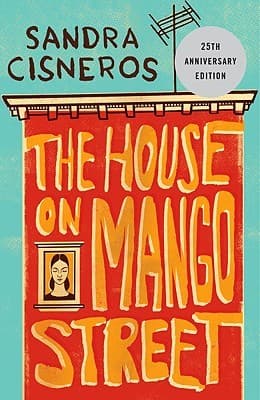
- The House on Mango Street
Sandra Cisneros
3.6 (126k) average on GoodreadsYoung AdultFocuses on a young woman's connection to her home and identity amidst challenging circumstances.
- Paddy Clarke Ha Ha Ha
Roddy Doyle
3.8 (25k) average on GoodreadsFictionWhile different in focus (coming-of-age vs. historical romance), Doyle's work excels at capturing the authentic voice and gritty reality of Irish working-class life. While Falvey describes mill life, Doyle immerses the reader in the daily minutiae and internal world of his characters with an unparalleled specificity that "The Yellow House" sometimes lacks in its broader historical strokes. Falvey's depiction of the working class, though present, doesn't achieve the same level of visceral authenticity.
- To Kill a Mockingbird
Harper Lee
4.3 (4.5M) average on GoodreadsHistorical FictionIn the 1930s Jim Crow South, Harper Lee writes about racial injustice, moral growth, and the quiet courage of a lawyer father, Atticus Finch, as seen through his young daughter's eyes.
- The Great Gatsby
F. Scott Fitzgerald
3.9 (3.8M) average on GoodreadsHistorical FictionIn the opulent Roaring Twenties, a mysterious millionaire's lavish parties hide his desperate, tragic pursuit of a lost love, exposing the emptiness within the American Dream.




Enjoyed the summary?
A summary gives you the shape of the book. The book itself has the detail, the examples and the voice.
Find The Yellow House on AmazonAs an Amazon Associate, BookBrief earns from qualifying purchases. How we're funded