

Synopsis
Covers the whole plot, including the ending.
- Difficulty
- Medium
- Pacing
- Moderate
- Mood
- Emotional, Reflective, Intense, Poignant, Melancholy
- Read it if
- You want a deeply emotional, character-driven novel exploring the human cost of war, the complexities of family relationships, and the power of storytelling.
- Skip it if
- You prefer fast-paced plots, lighthearted themes, or avoid books with significant emotional intensity and war-related trauma.
To the End of the Land Plot Summary
Covers the whole plot, including the ending.
Ofer's Call-Up and Ora's Decision
The novel begins with Ora, a middle-aged Israeli woman, getting ready for her youngest son Ofer's upcoming release from army service. Her plans are ruined when Ofer is unexpectedly called back to the front lines for a major military offensive. Overwhelmed by dread and a belief that if she doesn't hear the news, it won't be true, Ora makes a drastic decision. She will leave her home in Jerusalem, cut off from all news, and go on a long hike in the Galilee. She intends to make herself unreachable by the 'notifiers' – army officials who deliver news of fallen soldiers – believing that if they can't find her, Ofer will stay safe. Her estranged husband, Ilan, remains behind, dealing with his own worries.
Avram's Reluctant Companionship
Before leaving, Ora finds Avram, a childhood friend of hers and Ilan's, and her former lover. Avram has lived as a recluse since his traumatic experience as a prisoner of war during the Yom Kippur War, where he was tortured. He has largely cut himself off from the world, including Ora and Ilan, and has never met Ofer. Ora, with desperation and a long-held affection, convinces a hesitant Avram to join her trek through the Galilee. She believes his presence, perhaps his detachment from their shared past and Ofer's existence, will somehow help her protective spell.
The Journey Begins: Unspooling Ofer's Life
Ora and Avram begin their physically demanding journey, walking through the ancient landscapes of the Galilee. As they walk, Ora starts telling Avram Ofer's life story, carefully detailing every memory, milestone, and moment from his birth to his current age. This storytelling is central to Ora's way of coping; by speaking Ofer's existence, she feels she is keeping him alive and real. Avram, at first quiet and withdrawn, gradually becomes an active listener, his long-dormant emotions slowly stirred by Ora's vivid stories and her deep maternal love. The stories cover everything from the everyday joys of childhood to the worries of raising a child in Israel.
Flashbacks to the Past: Ora, Ilan, and Avram's Youth
Mixed with Ofer's story are flashbacks to Ora, Ilan, and Avram's shared youth, especially their time in the army. Ora remembers the strong bond between the three of them, their youthful idealism, and the carefree days before war's weight fell upon them. A key memory is recounted: a seemingly simple game where Ora drew lots to decide which of Ilan or Avram would get a short leave from the army. Avram drew the short straw, sending him directly into the Yom Kippur War, where he was captured and tortured. This event permanently changed his life and their friendship, casting a long shadow over their current journey and showing the random cruelty of fate in wartime.
Avram's Torture and Isolation
As Ora continues her story, Avram's own fragmented memories and the lasting effects of his torture as a POW emerge. He talks about the brutal physical and psychological torment he endured in Egyptian captivity, the feeling of being completely abandoned, and the difficulty of returning to normal life afterward. His reclusiveness, his inability to form deep connections, and his withdrawal from society are all results of this deep trauma. Ora's patient listening and her steady presence begin to break down the walls Avram has built around himself, offering him a rare space for vulnerability and shared understanding.
Ilan's Perspective and Parallel Journey
While Ora and Avram hike, the story occasionally shifts to Ilan, Ora's estranged husband. He stays in Jerusalem, consumed by the same worries about Ofer's safety. Ilan, a veteran himself, carries his own burdens from past wars and his complex relationship with Avram. He is torn between understanding Ora's desperate act and the practicalities of waiting for news. His perspective offers a different view on how conflict affects generations, showing the silent suffering and anticipation felt by those left behind, unable to control the fate of their loved ones on the battlefield.
The Evolution of Ora and Avram's Relationship
During their journey, Ora and Avram's relationship changes. The shared physical hardship, the intimate act of storytelling, and the raw vulnerability each reveals create a powerful, renewed connection. Ora's unconditional love for Ofer, carefully explained, begins to melt Avram's hardened heart. He starts to see Ofer through Ora's eyes, developing an imagined relationship with the son he never met. Their conversations explore love, loss, memory, and the human capacity for both immense suffering and lasting hope, creating a unique rhythm to their interactions.
Arrival at the Northern Border
Ora and Avram eventually reach Israel's northern border, a symbolically important place. This geographical end marks the culmination of their physical journey and their intense emotional odyssey. The proximity to the border, a constant reminder of the ongoing conflict, increases the tension and the underlying dread that has driven Ora. Despite their efforts to remain isolated from the news, the reality of the war is an inescapable presence, even in the remote beauty of the Galilee. Their arrival prompts a moment of reflection on the arbitrary lines that define nations and conflicts.
The Weight of Anticipation and the Return to Reality
As the military offensive ends, the feeling of impending news becomes unbearable for Ora. Her protective spell, while emotionally vital, cannot indefinitely hold back reality. The vastness of the land they have traveled feels both freeing and suffocating. Avram, now deeply invested in Ofer's story, shares Ora's agonizing anticipation. The bond formed between them, however, provides some strength and comfort. They face the inevitable return to civilization, where news, good or bad, will finally reach them, signaling the end of their self-imposed isolation and the test of Ora's magical thinking.
The Lingering Uncertainty
The novel concludes with Ora and Avram having completed their journey, but without definite news about Ofer's fate. The story leaves the reader in the same state of agonizing suspense as the characters. Ora's storytelling may not have changed external reality, but it has deeply changed her and Avram, creating a new space for connection and healing amid the trauma of war. The ending emphasizes the pervasive uncertainty and the lasting emotional toll of conflict on individuals and families, showing that 'waiting' is often as much a part of the war as the fighting itself. The legacy of war continues to shape their lives.
Principal Figures
Ora
Protagonist
A middle-aged Israeli mother driven by fierce maternal love and a desire to defy fate.
Ora is a resilient and deeply intuitive woman, whose life is defined by her role as a mother, particularly to her son, Ofer. She possesses a vibrant imagination, a sharp wit, and an almost primal connection to her children. Her decision to embark on the hike is an act of desperate, magical thinking, a refusal to accept the possibility of her son's death. She carries the weight of past traumas, particularly the impact of war on her generation, and channels her anxiety into a relentless act of storytelling. She is both pragmatic and deeply superstitious, embodying the complex emotional landscape of a mother in wartime.
Relationships: Ofer (Her youngest son, for whom she undertakes her journey; the object of her fierce maternal love and storytelling.); Ilan (Her estranged husband, a fellow veteran and father of her children; their relationship is strained but deeply rooted.); Avram (Her former lover and Ilan's friend; a traumatized recluse whom she brings on her journey, transforming their bond.)
Avram
Supporting Character / Co-Protagonist
A reclusive, traumatized former POW who finds unexpected connection through Ora's narrative.
Avram is a deeply scarred veteran of the Yom Kippur War, having endured brutal torture as a prisoner of war. This experience has left him emotionally crippled, leading him to withdraw from society and live as a hermit. He is initially taciturn, physically imposing yet internally fragile, haunted by his past. His artistic spirit, once vibrant, has been extinguished by trauma. Through Ora's stories of Ofer, Avram slowly begins to re-engage with human connection and emotions, his long-dormant capacity for empathy and love gradually reawakening. He represents the silent, enduring cost of war on the individual psyche.
Relationships: Ora (His former lover and long-lost friend; his companion on the journey who helps him reconnect with humanity.); Ilan (His closest friend from youth and army service; their bond was broken by Avram's trauma and the fateful lot-drawing.); Ofer (Ora's son, whom he never met but comes to know intimately through her storytelling, forming an imagined bond.)
Ofer
Central Figure (primarily through narrative)
Ora's son, a soldier whose life story is meticulously recounted, becoming the symbolic heart of the novel.
Ofer is Ora's youngest son, a soldier in the Israeli army who is called back to the front lines. Although he is rarely present in the physical narrative, his entire life, from birth to the present, is meticulously recounted by Ora. He is portrayed as a sensitive, artistic, and thoughtful young man, navigating the complexities of growing up in a country perpetually at war. He embodies the next generation of Israelis, carrying the hopes, fears, and burdens inherited from their parents. His existence, as told by Ora, is a testament to the joys and anxieties of parenthood and the profound impact of war on individual lives.
Relationships: Ora (His mother, who recounts his life story to keep him alive and tangible.); Ilan (His father, a veteran himself, who shares a complex bond with his son.); Avram (Ora's companion, who develops a deep, imagined connection to Ofer through her stories.)
Ilan
Supporting Character
Ora's estranged husband, a veteran who struggles with his own anxieties and the legacy of war.
Ilan is Ora's estranged husband and the father of Ofer. A veteran himself, he shares a deep history with Ora and Avram, having served alongside Avram in the army. He is a more grounded, perhaps more resigned, character compared to Ora, dealing with his anxieties about Ofer's safety from their home. He carries his own scars from past conflicts and a complex relationship with Avram, marked by both camaraderie and the unspoken burden of Avram's fate. His perspective highlights the different ways individuals cope with the omnipresent threat of war and the strains it places on family relationships.
Relationships: Ora (His estranged wife, with whom he shares children and a long, complicated history.); Ofer (His son, whose safety he deeply fears for.); Avram (His closest friend from youth, whose trauma deeply affected their relationship.)
Adam
Mentioned Character
Ora and Ilan's eldest son, also a soldier.
Adam is Ora and Ilan's older son, also serving in the army. While not a central figure in the immediate narrative, his existence underscores the generational cycle of military service and the constant anxiety faced by Israeli parents. He represents the continued burden of conflict on families, even as the focus remains on Ofer. He is a reminder that Ofer's situation is not isolated but part of a larger, ongoing societal reality.
Relationships: Ora (His mother, who worries for both her sons.); Ilan (His father.); Ofer (His younger brother, also a soldier.)
Ofer's Grandparents
Mentioned Characters
Ora and Ilan's parents, representing the older generation's experience of war and loss.
Ora and Ilan's parents are mentioned throughout the narrative, providing a multi-generational context for the ongoing conflict. They represent the previous generations who have lived through wars, losses, and the founding of the state. Their stories, often hinted at through Ora's memories, highlight the cyclical nature of trauma and resilience within Israeli society. They serve as a reminder that the anxieties Ora feels are not new, but deeply embedded in the family and national psyche.
Relationships: Ora (Their daughter/daughter-in-law.); Ilan (Their son/son-in-law.); Ofer (Their grandson, whose fate mirrors their past anxieties.)
Themes & Insights
The Enduring Trauma of War
The novel explores the long-term psychological and emotional scars left by war, extending far beyond the battlefield. Avram's character shows this theme; his torture as a POW has made him a recluse, unable to form human connections. His story highlights how trauma can freeze a person in time, distorting their view of the world. Ora and Ilan, though not physically tortured, carry the invisible wounds of constant worry, loss, and the ever-present threat to their children. The generational impact is also clear, as the anxieties of one war affect the next, impacting the children and grandchildren of veterans. The novel suggests that even in peace, the echoes of war remain.
“They say that time heals all wounds, but they don't say that time also creates new ones.”
Maternal Love and Magical Thinking
Ora's journey shows the intensity of maternal love and the desperate actions a mother might take to protect her child. Her decision to hike the Galilee, believing that by not receiving news, she can prevent it from being true, is a central example of magical thinking. This is not shown as irrational, but as an understandable, almost sacred, act of defiance against a reality she cannot control. Her storytelling, carefully recounting Ofer's life, is another form of this protective magic, an attempt to keep him alive through narrative. This theme explores the limits of human control in the face of fate and the deep emotions of parenthood in a conflict zone.
“If I don’t receive the news, it won’t be true.”
The Power of Storytelling and Memory
Storytelling is a central theme, acting as a way to preserve, connect, and heal. Ora's detailed recounting of Ofer's life to Avram serves multiple purposes: it keeps Ofer alive in her mind, allows Avram to form an imagined bond with him, and helps Ora process her fears and memories. Through this narrative act, the past is not just remembered but relived and reinterpreted, creating a new present. Avram's gradual re-engagement with his own memories and emotions through Ora's stories shows the therapeutic power of sharing and listening, suggesting that stories can bridge the deepest divides of trauma and isolation.
“She was giving him Ofer, word by word.”
Friendship, Betrayal, and Forgiveness
The complex relationship between Ora, Ilan, and Avram explores the lasting nature of friendship, the unintentional betrayals that can happen, and the possibility of reconciliation. The shared history of their youth, the fateful lot-drawing that sent Avram to war, and the subsequent breakdown of their bond are central to the novel. Avram's self-imposed exile and his inability to forgive himself or others for his trauma created a deep rift. Ora's act of bringing him on her journey is an attempt to mend these old wounds, offering a space for understanding and a form of forgiveness, not just for Avram but for the circumstances that tore them apart. Their renewed connection highlights the resilience of human bonds.
“They had been three, and then they were two, and now, suddenly, they were three again, in a way.”
The Absurdity and Reality of Life in a Conflict Zone
The novel shows the surreal contrast of everyday life with the constant backdrop of war in Israel. Ordinary events like raising children, having arguments, and going on a hike are filled with an underlying tension and dread. The military is an ever-present force, shaping personal choices, relationships, and even the landscape itself. The 'notifiers' represent the chilling reality of this existence, while Ora's magical thinking is an attempt to escape its absurdity. This theme highlights how individuals adapt, cope, and resist the psychological toll of living in a state of constant readiness for conflict, blurring the lines between the mundane and the existential.
“In this land, even the air you breathe is full of war.”
Plot Devices & Literary Techniques
The Journey/Quest
Ora and Avram's physical trek across the Galilee as a metaphor for their emotional and psychological journey.
The hike serves as a literal and metaphorical journey. Physically, it takes Ora and Avram away from the immediate threat of news, but emotionally and psychologically, it forces them to confront their pasts, their fears, and their relationship with each other. The changing landscape mirrors the shifts in their internal states, allowing for deep conversations and revelations. The arduous nature of the trek symbolizes the difficult emotional terrain they are navigating, and the act of moving forward, despite uncertainty, becomes a form of resilience.
Flashbacks and Non-Linear Narrative
Interweaving past memories with the present journey to reveal character motivations and historical context.
The novel frequently shifts between the present-day hike and detailed flashbacks to Ora, Ilan, and Avram's youth, their army service, and Ofer's childhood. This non-linear structure gradually reveals the complex layers of their relationships, the origins of Avram's trauma, and the historical context of the ongoing conflict. It allows the reader to understand the profound impact of past events on the characters' present actions and anxieties, creating a rich tapestry of personal and national history. The past is not merely prologue but an active, shaping force in their lives.
The 'Ofer' Narrative
Ora's continuous recounting of her son's life as a protective spell and a means of connection.
Ora's relentless, detailed storytelling of Ofer's life to Avram is a central plot device. It serves as her personal 'anti-news' shield, a magical incantation to keep him alive. For Avram, it is a lifeline back to humanity, allowing him to form a surrogate bond with the son he never met. For the reader, it provides a comprehensive portrait of Ofer, making his absence and the threat to his life more poignant. This narrative act highlights the power of memory, the fierce love of a mother, and the human need to create meaning and connection, even in the face of despair.
The Lot-Drawing
A seemingly innocent game that irrevocably alters the course of Avram's life and the trio's friendship.
The scene where Ora playfully draws lots to decide which of Ilan or Avram gets leave from the army is a powerful moment of dramatic irony and a pivotal plot device. It symbolizes the arbitrary nature of fate in wartime and the devastating consequences of seemingly minor decisions. Avram's drawing of the 'short straw' directly leads to his capture and torture, forever scarring him and fracturing the trio's friendship. This event casts a long shadow over their present interactions, highlighting themes of guilt, responsibility, and the enduring impact of a single, chance moment on an entire lifetime.
To the End of the Land Quotes
“The greatest danger we face is not from the enemy, but from ourselves, from our own capacity for self-deception.”
“She wanted to believe that if she just walked long enough, far enough, she could outrun the news, outrun fate itself.”
“Memory is a treacherous thing. It takes what it wants, leaves what it doesn't, and often makes up the rest.”
“How do you tell a story that has no end? A story that just keeps unfolding, day after day, year after year?”
“The world is full of people who are waiting for something to happen, and people who are making things happen. She was trying to be the latter.”
“Sometimes, the only way to hold onto someone is to let them go, to release them into the vastness of your imagination.”
“Every war is a war against children. Against their future, against their innocence, against their very right to exist.”
“There are wounds that never heal, only scar over, and sometimes, even the scars ache.”
“The silence between them was not empty, but filled with all the things they couldn't say, all the things they didn't need to.”
“To love someone is to give them a story, to create a narrative in which they are the hero, the center of your world.”
“He understood that some truths were too heavy to carry alone, and sometimes, the only way to lighten the load was to share the burden.”
“The landscape itself seemed to hold its breath, waiting, just as she was, for an outcome that might never arrive.”
“Perhaps the greatest act of defiance is to continue living, to continue loving, in the face of so much despair.”
“You can't choose your battles, but you can choose how you fight them.”
Quiz
10 questions on the plot and the characters. Each answer comes with a short explanation.
Question 1
Why does Ora embark on her hike through the Galilee, leaving no forwarding information?
- To escape her estranged husband, Ilan.
- As a form of preemptive grief and magical thinking to prevent news of her son's death.
- To reconnect with nature after a long period of urban living.
- To search for Avram, who had been missing for years.
Show answer
B. As a form of preemptive grief and magical thinking to prevent news of her son's death. Ora's journey is an act of 'preemptive grief and magical thinking,' a desperate attempt to outrun potential bad news about her son Ofer by being unreachable by the 'notifiers.'
Question 2
Who is Ora's companion on her hike?
- Her husband, Ilan.
- Her son, Ofer.
- Their former best friend and her former lover, Avram.
- A new acquaintance she meets on the trail.
Show answer
C. Their former best friend and her former lover, Avram. Ora is accompanied by Avram, their former best friend and her former lover, who had become a virtual hermit after his traumatic experience as a POW.
Question 3
What significant past event involving Ora, Ilan, and Avram is revealed early in the novel?
- A shared vacation where they decided to move to Israel.
- A business venture that ultimately failed.
- Ora drawing lots to decide which of Ilan or Avram would get leave, leading to Avram's capture in the Yom Kippur War.
- A secret affair between Ora and Ilan that Avram discovered.
Show answer
C. Ora drawing lots to decide which of Ilan or Avram would get leave, leading to Avram's capture in the Yom Kippur War. A pivotal moment in their past was when Ora jokingly drew lots to determine which of Ilan or Avram would get leave, resulting in Avram being sent into Egypt and the Yom Kippur War, where he was tortured as a POW.
Question 4
How does Ora attempt to keep her son Ofer 'alive' during her journey with Avram?
- By constantly calling him on her cell phone.
- By writing him letters and leaving them along the trail.
- By recounting the entire story of her motherhood and Ofer's life, word by word, to Avram.
- By carrying a large photograph of Ofer and showing it to everyone they meet.
Show answer
C. By recounting the entire story of her motherhood and Ofer's life, word by word, to Avram. Ora 'gives him the gift of Ofer, word by word; she supplies the whole story of her motherhood,' a narrative act that keeps Ofer present and alive for her and helps Avram connect with human bonds.
Question 5
What is Avram's emotional state and relationship with the family before the hike?
- He is a successful artist who regularly visits Ora and Ilan.
- He is a virtual hermit, estranged from the family, and has never met Ofer.
- He is living abroad and has just returned to Israel to reconnect.
- He is a close friend who helps Ora with her family struggles.
Show answer
B. He is a virtual hermit, estranged from the family, and has never met Ofer. Avram, traumatized by his POW experience, had become a 'virtual hermit,' refusing contact with the family and had never met Ofer.
Question 6
The novel's rhythm is described as 'war and peace.' What does this refer to?
- The literal historical periods of war and peace in Israel's history.
- The alternating chapters between battle scenes and domestic life.
- The juxtaposition of the hideous trials of war with the joys and anguish of raising children in their conversations.
- The characters' internal struggles between aggression and pacifism.
Show answer
C. The juxtaposition of the hideous trials of war with the joys and anguish of raising children in their conversations. The 'war and peace' rhythm refers to how their conversation 'places the most hideous trials of war next to the joys and anguish of raising children,' highlighting the constant interplay between these themes.
Question 7
What is the primary thematic concern of 'To the End of the Land' as described in the summary?
- The beauty of the Israeli landscape and its hiking trails.
- The complex dynamics of a love triangle.
- The cost of war on family life and the burdens it places on generations.
- The psychological recovery process for ex-POWs.
Show answer
C. The cost of war on family life and the burdens it places on generations. The summary explicitly states the novel is about 'family life—the greatest human drama—and the cost of war,' culminating in its description as 'one of the great antiwar novels of our time.'
Question 8
How does Avram's experience as a POW in the Yom Kippur War impact his life afterward?
- He becomes a renowned peace activist, advocating against war.
- He becomes a successful politician, leveraging his wartime experience.
- He becomes a virtual hermit, refusing contact with the family and never meeting Ofer.
- He dedicates his life to finding and punishing those responsible for his torture.
Show answer
C. He becomes a virtual hermit, refusing contact with the family and never meeting Ofer. After being 'brutally tortured as POW,' Avram became 'a virtual hermit' and 'refused to keep in touch with the family and has never met the boy,' indicating profound long-term trauma.
Question 9
What specific detail about Ofer's military service prompts Ora's desperate hike?
- He has been captured by the enemy.
- He is about to be released but then returns to the front for a major offensive.
- He has deserted his post and is being sought by the military.
- He has been promoted to a dangerous leadership position.
Show answer
B. He is about to be released but then returns to the front for a major offensive. Ora's anxiety stems from Ofer being 'on the verge of celebrating his son Ofer’s release from army service when he returns to the front for a major offensive,' creating immediate and heightened danger.
Question 10
How does Ora's recounting of Ofer's life affect Avram during their journey?
- It makes him increasingly resentful of his own lost youth.
- It has no discernible effect, as he remains emotionally closed off.
- It opens him to human bonds undreamed of in his broken world.
- It inspires him to write his own memoir of his wartime experiences.
Show answer
C. It opens him to human bonds undreamed of in his broken world. Ora's storytelling 'opens Avram to human bonds undreamed of in his broken world,' indicating a profound emotional shift and healing for him through this shared intimacy.
To the End of the Land FAQ
What is the central premise of 'To the End of the Land'?
The novel follows Ora, an Israeli mother, who, fearing news of her soldier son Ofer's death in a new offensive, embarks on a spontaneous hike through the Galilee. She takes along Avram, her former lover and her husband Ilan's estranged friend, to escape the 'notifiers' and keep Ofer alive through her storytelling.
Who are the primary characters accompanying Ora on her journey?
Ora is accompanied by Avram, a man deeply scarred by his experience as a POW during the Yom Kippur War. Avram, once a brilliant artist, has lived as a virtual hermit, estranged from Ora and Ilan, and has never met Ofer.
Why does Ora choose to hike instead of waiting at home for news about Ofer?
Ora's hike is an act of preemptive grief and magical thinking. By removing herself from her home and avoiding all news, she believes she can prevent the 'notifiers' from delivering bad news about Ofer, thus keeping him alive in her mind and through her stories.
What is the significance of Avram's past and his connection to Ora and Ilan?
Avram, Ilan, and Ora were once best friends. A fateful drawing of lots, orchestrated by Ora, determined that Avram would go to the front during the Yom Kippur War while Ilan got leave. Avram's subsequent brutal torture as a POW shattered him, leading to his self-imposed isolation and estrangement from the couple.
How does Ora's storytelling about Ofer impact Avram?
As Ora recounts the entire story of her motherhood and Ofer's life, word by word, she effectively brings Ofer alive for Avram. This intimate sharing slowly opens Avram to human connection and bonds he had long suppressed in his broken world, offering him a path toward healing.
What is the 'war and peace' rhythm mentioned in the description?
The 'war and peace' rhythm refers to the alternating nature of Ora and Avram's conversations. They juxtapose the horrific trials and traumas of war, particularly Avram's experiences, with the joys, anguish, and mundane details of raising children, highlighting the constant tension between these two realities in Israeli life.
How does the drawing of lots incident between Avram and Ilan foreshadow the novel's themes?
The drawing of lots, a seemingly innocent act orchestrated by Ora, directly sends Avram into the Yom Kippur War where he becomes a POW, while Ilan receives leave. This event tragically illustrates the arbitrary nature of fate in wartime and the profound, lasting consequences of seemingly small decisions on human lives and relationships.
What role does the setting of the Galilee play in the narrative?
The Galilee, with its rugged hills, rivers, and valleys, serves as a physical and symbolic refuge for Ora and Avram. Its natural beauty and isolation allow them to escape the immediate reality of the war and the news, fostering an environment where deep personal stories and healing can unfold, away from the 'surreality of daily life in Israel'.
What is the implied significance of Ora's estrangement from her husband, Ilan, at the start of the novel?
Ora's estrangement from Ilan suggests a deeper marital strain, possibly stemming from the long shadow of Avram's trauma and their shared past, or the cumulative stress of living in a nation perpetually at war. This estrangement makes Avram a more available and perhaps more necessary companion for her journey of remembrance and escape.
How does Avram's past as a POW psychologically affect his present interactions?
Avram's brutal torture as a POW has left him deeply traumatized, leading to extreme isolation and an inability to form new bonds. His initial reluctance to engage with Ora and his past reflects his psychological wounds, but Ora's stories about Ofer gradually chip away at his defenses, allowing him to reconnect with humanity.
What psychological coping mechanisms does Ora employ throughout her journey?
Ora primarily uses storytelling and magical thinking as coping mechanisms. By narrating Ofer's life in meticulous detail and physically removing herself from the potential reach of the 'notifiers,' she attempts to exert control over an uncontrollable situation, believing that as long as she tells his story, he remains alive.
How does the novel explore the concept of intergenerational trauma in the context of Israeli society?
The novel subtly explores intergenerational trauma by showing how the experiences of Avram and Ilan in the Yom Kippur War directly impact Ora's generation and, subsequently, Ofer's generation. The 'burdens that fall on each generation anew' highlight the cyclical nature of conflict and its psychological toll on families in Israel.
In what ways does Ora's act of telling Ofer's story serve as a form of therapy for both herself and Avram?
For Ora, retelling Ofer's story is a way to process her love, fear, and grief, keeping her son's memory vivid and combating the fear of loss. For Avram, hearing about Ofer, a boy he never knew, allows him to experience a connection to life and family that his trauma had denied him, gradually healing his emotional wounds.
How does the novel challenge traditional notions of heroism in wartime?
The novel focuses not on battlefield heroism, but on the quiet, internal struggles of those affected by war – the mothers, the traumatized veterans. It portrays the immense psychological cost of conflict and the quiet bravery of enduring and seeking connection amidst profound suffering, rather than glorifying combat.
Why is 'To the End of the Land' considered an 'antiwar novel' despite its focus on personal narratives?
The novel is an antiwar novel because it vividly illustrates the devastating human cost of conflict, not through political arguments, but through the intimate suffering of its characters. By showing the trauma inflicted on Avram, Ora's preemptive grief, and the constant threat to Ofer, it critiques war's impact on family life and individual psyches.
What is the significance of the title, 'To the End of the Land'?
The title can be interpreted in several ways: the physical journey to the edge of Israel's land, Ora's emotional journey to the limits of her endurance and maternal love, and Avram's journey to the 'end' of his self-imposed isolation. It also evokes the idea of going to the absolute limit for what one loves or believes in.
Does the novel offer a definitive answer regarding Ofer's fate?
The novel deliberately withholds a definitive answer about Ofer's fate. Grossman focuses on the psychological journey of Ora and Avram, the process of coping, and the power of memory and storytelling, rather than a conventional plot resolution. The ambiguity underscores the constant uncertainty faced by families in wartime.
How does Grossman use the Israeli setting to universalize the themes of the novel?
While deeply rooted in the specific realities of Israeli life and military service, Grossman universalizes themes of love, loss, fear, family bonds, and the human cost of war. The specific cultural context provides a powerful backdrop, but the emotional experiences of Ora, Avram, and Ilan resonate with anyone grappling with profound human suffering and resilience.
About the author

David Grossman is an internationally acclaimed Israeli author known for his profound and emotionally resonant novels. His works, including "Someone to Run With" and "To the End of the Land," often explore themes of conflict, love, and the human condition with lyrical prose. Grossman has received numerous prestigious awards for his contributions to literature.
Similar books
- A Tale of Love and Darkness
Amos Oz
4.2 (9k) average on GoodreadsBiographyExplores Israeli history and family dynamics with profound emotional depth.
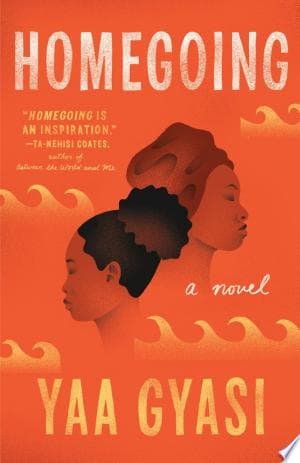
- Homegoing
Yaa Gyasi
4.4 (175k) average on GoodreadsLiterary FictionFollows generations of a family, exploring inherited trauma and historical impact.
- A Little Life
Hanya Yanagihara
4.3 (212k) average on GoodreadsLiterary FictionFocuses on deep friendships and the lingering effects of past trauma, though much darker.
- The Old Man and the Sea
Ernest Hemingway
3.8 (831k) average on GoodreadsLiterary FictionA Cuban fisherman's long struggle with a giant marlin becomes a story of endurance and dignity, now retold for young adults with illustrations, phonetic guides, and writing prompts in Traditional Chinese.
- One Hundred Years of Solitude
Gabriel García Márquez
4.1 (753k) average on GoodreadsLiterary FictionThrough the multi-generational story of the Buendía family, a mythical town deals with the repeating patterns of time, love, and solitude, as the extraordinary mixes with the ordinary.
- The Goldfinch
Donna Tartt
3.9 (720k) average on GoodreadsLiterary FictionHaunted by a tragic explosion and clutching a stolen Dutch masterpiece, a young orphan navigates the opulent drawing rooms of New York and the gritty underbelly of the art world, desperately seeking connection and redemption amidst a life spiraling into crime and obsession.





Enjoyed the summary?
A summary gives you the shape of the book. The book itself has the detail, the examples and the voice.
Find To the End of the Land on AmazonAs an Amazon Associate, BookBrief earns from qualifying purchases. How we're funded