

Synopsis
Covers the whole plot, including the ending.
- Difficulty
- Medium
- Pacing
- Moderate
- Mood
- Reflective, Poignant, Intimate, Thought-provoking
- Read it if
- You're looking for a profound exploration of identity, grief, and unconventional love, told through multiple perspectives after a shocking secret is revealed.
- Skip it if
- You prefer fast-paced plots with clear-cut resolutions or find stories about gender identity and posthumous revelations uncomfortable.
Trumpet Plot Summary
Covers the whole plot, including the ending.
The Death of a Legend
The novel opens with the death of the jazz trumpeter, Joss Moody, in a Glasgow hospital. His wife, Millie, is with him, deeply grieving. As medical staff prepare the body, a nurse discovers that Joss, known to the world as a man, was anatomically female. This discovery shocks the hospital and, soon, the media. Millie, devastated by her loss, immediately faces the public exposure of her husband's lifelong secret, a secret they had carefully guarded for decades. Those around them react with disbelief and confusion, especially the hospital staff who did not know Joss's biological sex.
The Son's Betrayal
Joss and Millie's adopted son, Colman Moody, is called to identify his father's body. Upon learning the truth about Joss's biological sex, Colman is bewildered and angry. He feels betrayed and humiliated; his entire understanding of his father is shattered. His grief quickly turns to anger and a desire for revenge. He contacts Sophie Stones, a tabloid journalist, offering to sell his story and expose the 'truth' about Joss Moody to the world. Colman sees this as a way to reclaim his own identity and process the shock, even if it means publicly shaming his deceased father and his grieving mother.
Millie's Retreat
The news of Joss Moody's biological sex breaks, fueled by Colman's work with Sophie Stones. The media frenzy is immediate and intense, with journalists besieging Millie's home. Overwhelmed and heartbroken, Millie decides to escape the scrutiny. She travels to an isolated village on the Scottish coast, a quiet place, hoping to find peace and process her grief away from the public eye. Here, she begins to think about her life with Joss, cherishing their private memories and the deep love they shared, undisturbed by public judgment.
The Undertaker's Perspective
Mr. Prentice, the undertaker responsible for preparing Joss Moody's body, faces a unique challenge. He is a meticulous and traditional man, and the revelation about Joss's sex presents him with an ethical and professional problem regarding how to best honor the deceased. He considers societal expectations around death and gender, and how Joss's life defied them. Despite the public scandal, Mr. Prentice approaches his task with respect and dignity, ensuring Joss's final presentation reflects the man the world knew, while also acknowledging the private truth he has learned. His thoughts offer insight into the practical and emotional aspects of the secret's aftermath.
Sophie Stones's Ambition
Sophie Stones, the journalist from the *Daily Mail*, is shown as ambitious and opportunistic. She sees the Joss Moody story as her path to fame and career advancement. She encourages Colman's anger and sense of betrayal, manipulating him to provide more details for her articles. Sophie wants to uncover every intimate detail, believing the public has a right to know the 'truth' about a public figure, regardless of the emotional cost to those involved. Her sections highlight the intrusive and often exploitative nature of tabloid journalism, contrasting sharply with Millie's private grief.
Millie's Memories of Love
In her secluded retreat, Millie recalls the early days of her relationship with Joss. She remembers their strong connection, the instant attraction, and the deep understanding they shared. Millie recounts how Joss revealed his secret to her early in their courtship, a moment of trust. Despite social norms, Millie chose to love Joss for who he was, committing to their life together, built on this foundational secret. Her memories paint a picture of a passionate and unconventional love, where gender identity was secondary to their emotional bond and mutual devotion.
The Band Members' Loyalty
Various members of Joss Moody's jazz band, including his drummer, Big Red, and his bassist, Gus, are interviewed or reflect on their experiences. They speak of Joss's talent, his enigmatic presence, and their musical bond. While some may have suspected things over the years, none ever openly questioned Joss's gender identity. Their accounts emphasize their respect for Joss as a musician and a friend, and their loyalty to him, even in death. They express sadness at the public spectacle surrounding his secret, preferring to remember him for his artistry and the joy he brought through his music.
Colman's Regret and Realization
As the tabloid storm rages, Colman starts to see the devastating impact of his actions on Millie and on his father's legacy. The initial anger and sense of righteous indignation begin to fade, replaced by a growing sense of guilt and regret. He sees how the media has twisted the story, reducing his father to a sensational headline rather than celebrating his life and music. Colman begins to understand the depth of his parents' love and the sacrifice Joss made to live authentically. This realization marks a turning point, as he grapples with the irreversible damage he has caused.
Millie's Public Statement
After her period of reflection and grief, Millie decides to confront the media circus. She issues a strong public statement, not to deny the truth, but to reframe it. She speaks of her love for Joss, emphasizing his identity as a man, a husband, and a brilliant musician, regardless of his biological sex. Her statement shows their enduring love and a dignified rejection of the tabloid's sensationalism. She states that Joss's secret was a private matter, not a deception, and that their love was real and unconditional, aiming to restore his dignity and honor his memory.
The Legacy of Joss Moody
The novel concludes with a multifaceted view of Joss Moody's legacy. Despite the scandal, his music continues to resonate, and his story prompts deeper questions about identity, gender, and the nature of love. Millie, now more at peace, cherishes the memory of her husband, his secret becoming a part of their unique bond rather than a source of shame. Colman, humbled and remorseful, begins the long process of reconciliation with his mother and his father's memory. The book leaves readers with an understanding that love and identity can go beyond conventional definitions, and that truth can be found in many forms.
Principal Figures
Joss Moody
Protagonist (posthumous)
A legendary jazz trumpeter whose death reveals a lifelong secret.
Joss Moody is a celebrated and enigmatic jazz musician, known for his incredible talent and powerful stage presence. Throughout his life, he lived as a man, married to Millie, and adopted Colman, all while guarding the secret of his biological female sex. He is deeply private but also intensely passionate, pouring his true self into his music. Joss's character is explored through the memories and perspectives of those who knew him, revealing a man who was both vulnerable and determined to live authentically on his own terms.
Relationships: Millie Moody (Devoted wife, confidante, and partner in maintaining his secret.); Colman Moody (Adopted son, whose initial shock turns to betrayal and later, regret.); Big Red (Loyal drummer and band member.); Gus (Loyal bassist and band member.)
Millie Moody
Protagonist
Joss's devoted widow, who fiercely protects his memory and their shared love.
Millie Moody is the steadfast and loving wife of Joss. She is a woman of immense strength, loyalty, and quiet dignity. For decades, she was Joss's closest confidante, sharing and protecting his secret. After his death and the public revelation, Millie faces intense grief and public scrutiny, but her resolve to honor Joss's memory and their unconditional love remains unbroken. She is the anchor of the story, her memories providing the most intimate insights into Joss's true character and their extraordinary relationship.
Relationships: Joss Moody (Deeply loving and devoted wife, his primary supporter and secret-keeper.); Colman Moody (Adopted son, whose actions cause her pain but whom she eventually seeks to reconcile with.)
Colman Moody
Supporting/Antagonist
Joss's adopted son, whose initial anger and betrayal lead him to expose his father's secret.
Colman Moody is the adopted son of Joss and Millie. He is initially portrayed as a confused and deeply hurt individual upon learning his father's biological sex. His reaction is one of profound betrayal, leading him to collude with a tabloid journalist, Sophie Stones, to expose Joss's secret. Colman struggles with his own identity and place in the world, feeling that his father's secret has somehow undermined his own sense of self. His journey is one of coming to terms with his father's complex identity and the consequences of his own actions.
Relationships: Joss Moody (Adopted son, initially feels betrayed by his father's secret.); Millie Moody (Adopted son, causes her great pain but later seeks reconciliation.); Sophie Stones (Collaborator in exposing Joss's secret, later used by her.)
Sophie Stones
Supporting/Antagonist
A ruthless tabloid journalist eager to sensationalize Joss Moody's story.
Sophie Stones is an ambitious and opportunistic journalist from the *Daily Mail*. She represents the intrusive and often exploitative nature of tabloid media. Driven by career advancement, she sees Joss Moody's story as a golden opportunity for a scoop. She manipulates Colman's vulnerability and anger to extract information, showing little regard for the emotional toll her reporting takes on Millie and the legacy of Joss. Her character serves to highlight the conflict between public sensationalism and private grief.
Relationships: Colman Moody (Source for her tabloid story, whom she exploits.)
Big Red
Supporting
Joss Moody's loyal and long-serving drummer.
Big Red is the drummer in Joss Moody's band. He is a steadfast and observant musician who shared many years on the road with Joss. While he may have noticed subtle peculiarities about Joss over the years, his loyalty and respect for Joss as a bandleader and friend were paramount. His perspective offers an insight into Joss's professional life and the camaraderie within the jazz world, emphasizing Joss's musical genius over any personal secrets. He is a voice of unwavering support for Joss's legacy.
Relationships: Joss Moody (Long-time bandmate and friend.)
Mr. Prentice
Supporting
The meticulous undertaker tasked with preparing Joss Moody's body.
Mr. Prentice is the undertaker who is responsible for Joss Moody's funeral arrangements. He is a traditional and professional man, deeply committed to his work. The revelation about Joss's biological sex presents him with an unusual challenge, forcing him to consider the complexities of identity and presentation in death. His internal monologue reveals his struggle to reconcile the public image of Joss with the private truth, while still maintaining the dignity and respect for the deceased.
Gus
Supporting
Joss Moody's bassist and another loyal band member.
Gus is the bassist in Joss Moody's band, offering another perspective on Joss's life as a musician. Like Big Red, Gus's reflections emphasize Joss's talent and the bond they shared through music. He represents the broader circle of friends and colleagues who valued Joss for his artistry and personality, rather than being concerned with his private life. His narrative contributes to the collective memory of Joss as a respected and beloved figure in the jazz community.
Relationships: Joss Moody (Bandmate and friend.)
Anna
Mentioned
Millie's sister, offering her quiet support.
Anna is Millie's sister, who provides a quiet, supportive presence in Millie's life during the difficult time after Joss's death. She doesn't have a large role in the narrative but represents the family support Millie has, even as Millie chooses to face much of her grief and the public scandal alone. Her presence underscores the emotional toll on Millie and the need for familial comfort.
Relationships: Millie Moody (Supportive sister.)
Themes & Insights
Identity and Authenticity
The novel explores identity, how it is built and seen, both inside and out. Joss Moody's life as a man, despite his biological sex, challenges common ideas of gender and self. His authenticity is not in his biology, but in his lived experience, his love for Millie, and his passion for music. The secret, while a deception to the outside world, was key to Joss living his truth. Conflict arises when society tries to impose a single, biological definition of identity, ignoring the chosen and lived identity. Millie's acceptance of Joss's chosen identity highlights that true identity goes beyond physical traits. Colman's struggle with his father's identity reflects society's difficulty in accepting non-binary forms of selfhood.
“He chose to be a man, and he was a man. What's the fuss?”
Love and Deception
At the heart of 'Trumpet' is the exploration of a deep and unconventional love between Joss and Millie, built on a foundation of shared secrecy. Their 'deception' was not malicious but a necessary act to preserve their union and Joss's chosen way of life in a world that might not have understood or accepted them. The novel asks if a secret, even a lifelong one, can exist with genuine love. For Millie, Joss's secret was an intimate part of their bond, showing their deep trust and commitment. The book suggests that their love was made stronger by the unique challenges they faced, proving that love can go beyond social norms. This theme is contrasted with the 'deception' spread by the tabloid journalist, which is driven by exploitation rather than love.
“Our secret was our own. It was a part of us, not something that separated us.”
The Power of Music
Joss Moody's identity as a jazz trumpeter is central to the story, showing music as a strong form of expression and a way to overcome personal struggles. For Joss, his trumpet was his voice, allowing him to communicate his deepest emotions and connect with the world without words. Music gave him a space where his identity was solely defined by his talent and passion, free from societal judgments about gender. The memories of his band members and fans consistently highlight his musical genius, suggesting that his artistry is his most lasting legacy, overshadowing the posthumous scandal. Music acts as a unifying force, bringing people together and providing comfort, especially for Millie, who finds solace in Joss's recordings.
“His music was him, more than any body could ever be.”
Public vs. Private Life
'Trumpet' contrasts private life with public scrutiny, especially through tabloid journalism. Joss and Millie carefully kept their private world, built on trust and mutual understanding. The novel shows the devastating impact when this private world is violently exposed by the media, driven by sensationalism and a disregard for personal dignity. Sophie Stones represents the public's desire for 'truth,' even when that truth is deeply personal and potentially damaging. Millie's retreat and public statement are attempts to regain control over their story, asserting the right to privacy and the difference between public interest and curiosity.
“They want to pick at him, like vultures on a carcass. But he's not theirs.”
Grief and Memory
The novel deals with grief, especially Millie's deep mourning for Joss. Her grief is made worse by the public scandal, forcing her to deal with loss on both a personal and public level. Memory is a key way to process this grief, allowing Millie to relive cherished moments and confirm the validity of their love. The story's structure, which jumps between various characters' recollections, emphasizes how collective and individual memories shape the legacy of the deceased. For Millie, memory is a source of comfort and strength, enabling her to keep Joss alive in her heart and to defend his honor against the sensationalism of the press. Colman's journey also involves dealing with his memories of his father, which are initially tainted by betrayal but gradually move towards understanding.
“Grief is a ghost. It lingers and whispers, but it never leaves.”
Plot Devices & Literary Techniques
Multiple Perspectives
The story is told through the eyes of various characters, offering a kaleidoscopic view of Joss Moody.
The novel employs a shifting narrative perspective, with different chapters narrated by Millie, Colman, Sophie Stones, Mr. Prentice, Big Red, and others. This allows the reader to piece together Joss Moody's life and the aftermath of his death from various angles. Each character's unique relationship with Joss or the events surrounding his secret offers a distinct interpretation of his identity, the nature of his 'deception,' and the meaning of love and authenticity. This device creates a rich, nuanced portrait of Joss, preventing a single, authoritative judgment and encouraging empathy for the diverse reactions to his secret.
Non-Linear Narrative
The story unfolds through flashbacks and present-day reflections.
The plot does not follow a strict chronological order. Instead, it frequently jumps between the present-day aftermath of Joss's death and various points in his past, often triggered by Millie's memories or the reflections of other characters. This non-linear structure mirrors the process of grief and memory itself, where past events resurface and intermingle with current experiences. It allows the author to gradually reveal Joss's story and the depth of his relationship with Millie, building suspense and understanding by withholding full information until later in the novel.
The 'Secret' as a Catalyst
Joss's biological sex serves as the central inciting incident and driving force of the plot.
The revelation of Joss Moody's biological sex after his death acts as the primary catalyst for the entire narrative. This 'secret' is not merely a plot point but a fundamental element that exposes the characters' true natures, societal prejudices, and the complexities of identity. It drives Colman's anger, Sophie's sensationalism, and Millie's unwavering devotion. The secret forces all characters to confront their understanding of gender, love, and what it means to live an authentic life, making it the engine that propels the story forward and unearths deeper thematic explorations.
Symbolism of the Trumpet
The trumpet symbolizes Joss's voice, identity, and freedom of expression.
Joss Moody's trumpet is more than just a musical instrument; it is a powerful symbol of his true self and his chosen identity. Through his music, Joss found a voice that transcended societal expectations and biological definitions. The trumpet allowed him to express emotions, passion, and a sense of self that might have been stifled in other aspects of his life. It represents freedom, artistry, and the ability to communicate on a profound, non-verbal level, solidifying his identity as a man and a musician regardless of his biological sex.
Trumpet Quotes
“The past is not a package one can lay at the door of the present and say, 'Here, I'm done with it.'”
“It's the love that gets you in the end, not the secrets.”
“You can't really know a person, can you? Not really. Not even the person you live with.”
“Music is the only thing that makes sense of the world sometimes.”
“Every secret has its own weight, its own pressure. And eventually, something has to give.”
“Grief is a strange country, with its own rules and its own language.”
“What does it mean to be a man? What does it mean to be a woman? Where do these lines blur?”
“To be truly free, you have to be able to be yourself, no matter what.”
“Memory is a funny thing. It plays tricks on you. It fills in the gaps.”
“Sometimes you have to invent yourself, just to survive.”
“The world isn't ready for some truths, even when they're staring it in the face.”
“Love isn't always neat and tidy. It's often messy, complicated, and full of surprises.”
“A life lived in secrecy is still a life lived.”
“Music was his language, his way of telling the world who he was, even when he couldn't use words.”
“The stories we tell ourselves about others, and about ourselves, define us.”
Quiz
10 questions on the plot and the characters. Each answer comes with a short explanation.
Question 1
What is the primary secret revealed after the death of the legendary jazz trumpeter Joss Moody?
- He had a secret family in another country.
- He was deeply in debt to a criminal organization.
- He was a woman living as a man.
- He faked his own death to escape public life.
Show answer
C. He was a woman living as a man. The core secret of the novel is that Joss Moody, the acclaimed jazz trumpeter, was assigned female at birth and lived his adult life as a man.
Question 2
Who is Colman in relation to Joss Moody?
- His biological nephew
- His adopted son
- His band manager
- His childhood best friend
Show answer
B. His adopted son Colman is Joss Moody's adopted son, and his reaction to the secret is a major plot point, leading him to collaborate with a tabloid journalist.
Question 3
What is Millie's reaction to the public exposure of Joss's secret?
- She immediately publishes a tell-all memoir.
- She holds a press conference to defend Joss.
- She flees to a remote Scottish village.
- She disowns Joss's memory and moves on.
Show answer
C. She flees to a remote Scottish village. Besieged by the press after the secret is revealed, Joss's widow Millie seeks refuge and solace in a remote Scottish village.
Question 4
What is the primary emotion Colman experiences upon learning Joss's secret?
- Relief
- Enragement
- Amusement
- Indifference
Show answer
B. Enragement The synopsis explicitly states that the secret 'enrages his adopted son, Colman,' leading him to take action against his father's memory.
Question 5
What role does the 'tabloid journalist' play in the unfolding of the story?
- They help Millie write Joss's official biography.
- They expose Joss's secret in collaboration with Colman.
- They investigate Joss's musical influences.
- They offer support to Millie during her grief.
Show answer
B. They expose Joss's secret in collaboration with Colman. Colman, enraged by the secret, 'collude[s] with a tabloid journalist' to publicly expose Joss's true identity.
Question 6
What is the central theme explored through Millie's memories of her marriage to Joss?
- The fleeting nature of fame and fortune.
- The challenges of maintaining a public image.
- The enduring power of unconditional love despite an intricate lie.
- The dangers of deception in any relationship.
Show answer
C. The enduring power of unconditional love despite an intricate lie. The synopsis highlights 'a shared life founded on an intricate lie, one that preserved a rare, unconditional love,' indicating that the theme of love's resilience despite deception is central.
Question 7
Which instrument is Joss Moody famous for playing?
- Saxophone
- Piano
- Drums
- Trumpet
Show answer
D. Trumpet The book title itself is 'Trumpet', and the synopsis refers to him as 'legendary jazz trumpeter Joss Moody', clearly indicating his instrument.
Question 8
The narrative structure of the book is characterized by what?
- A linear chronological progression from Joss's birth to death.
- A series of flashbacks and reminiscences from multiple characters.
- A dual perspective following Colman and the journalist's investigation.
- An epistolary format, told entirely through letters.
Show answer
B. A series of flashbacks and reminiscences from multiple characters. The synopsis states, 'The reminiscences of those who knew Joss Moody render a moving portrait,' implying a fragmented narrative built from various perspectives and memories.
Question 9
What does the phrase 'loving deception' in the book's description primarily refer to?
- Joss's infidelity to Millie.
- Millie's secret attempts to boost Joss's career.
- The decision by Joss and Millie to maintain Joss's true gender identity as a secret for their life together.
- Colman's hidden motives for colluding with the journalist.
Show answer
C. The decision by Joss and Millie to maintain Joss's true gender identity as a secret for their life together. The 'loving deception' refers to the intricate lie of Joss's gender identity, which was maintained throughout his marriage to Millie and was foundational to their 'rare, unconditional love.'
Question 10
The setting of the 'remote Scottish village' serves what primary purpose for Millie?
- To start a new career away from music.
- To escape the press and find solace in memories.
- To confront those who knew Joss's secret.
- To write a confessional novel about her life.
Show answer
B. To escape the press and find solace in memories. Millie 'flees to a remote Scottish village, where she seeks solace in memories of their marriage,' indicating it's a place of refuge from public scrutiny and for private reflection.
Trumpet FAQ
What is the central secret revealed after Joss Moody's death?
After the death of the renowned jazz trumpeter Joss Moody, it is revealed that Joss was assigned female at birth and lived his entire adult life as a man. This posthumous discovery shocks many, especially his adopted son, Colman, and becomes the core conflict of the novel.
How does Millie Moody react to the public revelation of Joss's secret?
Millie Moody, Joss's widow, is deeply distressed by the public exposure of Joss's secret, which she had protected for decades. She flees to a remote Scottish village to escape the relentless press intrusion, seeking refuge in her memories and the quiet solace of her grief.
What role does Colman Moody play in the aftermath of his father's death?
Colman Moody, Joss's adopted son, reacts with profound anger and betrayal upon learning his father's secret. He actively collaborates with a tabloid journalist, Sophie Stones, to expose and sensationalize the story, driven by a desire for revenge and a distorted sense of justice.
Who is Sophie Stones and what is her motivation?
Sophie Stones is a tabloid journalist who sees Joss Moody's story as a sensational scoop. Her motivation is primarily professional ambition and a desire to capitalize on the shocking nature of the revelation, regardless of the emotional toll it takes on the Moody family.
How does the novel explore themes of identity and gender?
The novel profoundly explores themes of identity and gender through Joss's life, showing how his chosen identity as a man was central to his existence and relationships. It delves into the complexities of living authentically in a society that often struggles to accept non-binary or gender-nonconforming identities, highlighting the performance and lived experience of gender.
What is the significance of the trumpet as a recurring symbol?
The trumpet symbolizes Joss's voice, his artistry, and his true self, which he expressed most fully through his music. It represents his masculine identity and his ability to communicate profound emotions beyond words, serving as a powerful emblem of his life and legacy.
Are there any clues to Joss's secret before his death that readers might overlook?
While the secret is largely concealed, subtle hints might be observed in Joss's extreme privacy, his discomfort with certain social situations, or Millie's unusually protective nature regarding his personal history. These details, retrospectively, can suggest a deeper layer to his identity.
How do the different narrative voices contribute to the overall understanding of Joss?
The novel uses multiple narrative perspectives, including Millie, Colman, Sophie Stones, and various acquaintances, to construct a multifaceted portrait of Joss. Each voice offers a unique, often conflicting, interpretation of Joss, revealing the subjective nature of truth and memory, and ultimately enriching the reader's understanding of his complex character.
What is the implied fate or consequence for Sophie Stones after her involvement?
The novel doesn't explicitly detail Sophie Stones's long-term fate, but her portrayal suggests that her journalistic actions, while successful in the short term, come at the cost of ethical integrity. The focus remains more on the impact of her actions on the Moody family rather than her personal consequences.
How does Millie's grief differ from Colman's anger?
Millie's grief is characterized by a deep, unconditional love and a profound sense of loss for her husband, focusing on the beautiful life they shared despite the secret. Colman's anger, conversely, stems from a feeling of deception and betrayal, leading him to lash out and seek to dismantle his father's legacy.
What psychological motivations drive Colman's actions against his father's memory?
Colman's actions are driven by a complex mix of betrayal, resentment, and perhaps an identity crisis of his own, feeling that his entire upbringing was a lie. His anger might also stem from a subconscious fear or discomfort with his father's gender identity, leading him to externalize his confusion through destructive means.
How does Millie's unwavering devotion to Joss reflect her own psychological strength?
Millie's unwavering devotion to Joss, even in the face of public scrutiny and his secret's revelation, showcases her immense psychological strength and capacity for unconditional love. Her ability to prioritize their shared life and Joss's happiness above societal norms or personal judgment highlights her resilience and deep understanding of her husband.
How does the novel explore the concept of 'truth' versus 'reality'?
The novel constantly questions the nature of 'truth,' suggesting that Joss's chosen reality as a man was his lived truth, regardless of biological facts. It contrasts this with the 'truth' as perceived by society or exposed by the media, highlighting how different truths can coexist and shape individual experiences.
Is Joss Moody meant to be seen as a transgender man by contemporary understanding?
While the term 'transgender' might not have been widely used in the historical period Joss lived, his life story aligns closely with the experience of a transgender man. The novel depicts his unwavering internal sense of male identity and his commitment to living authentically as a man, which resonates strongly with contemporary understandings of gender identity.
Does the novel ultimately condemn or celebrate Joss Moody's 'lie'?
The novel leans heavily towards celebrating Joss Moody's life and the 'lie' that allowed him to live authentically and achieve profound love. It frames the secret as a necessary act of self-preservation and a foundation for a rare, unconditional love, rather than something to be condemned.
How does the setting of the remote Scottish village impact Millie's journey?
The remote Scottish village provides Millie with a sanctuary from the relentless press and public judgment, allowing her the space and quiet needed to process her grief and reconnect with her memories of Joss. Its isolation fosters introspection and offers a stark contrast to the chaotic world she fled.
What is the novel's stance on the role of media in personal lives?
The novel presents a critical view of the media, particularly tabloids, portraying them as invasive, exploitative, and destructive to personal lives. Sophie Stones's character embodies this critique, highlighting the media's disregard for privacy and its sensationalist approach to human stories.
Could Colman's reaction be interpreted as a form of internalized transphobia?
Yes, Colman's extreme anger and desire to expose Joss could be interpreted as a form of internalized transphobia, or at least a deep discomfort with gender non-conformity. His inability to accept his father's chosen identity reflects societal prejudices that he has absorbed, leading him to lash out at the perceived 'otherness' of his father.
How does the novel explore the concept of memory and its reliability?
Through the multiple perspectives, the novel demonstrates the subjective and often unreliable nature of memory. Each character's recollection of Joss is filtered through their own experiences and biases, showing how memory can be shaped by love, resentment, or a desire to protect or expose, creating a fragmented but rich portrait of Joss.
About the author

Jackie Kay is a Scottish poet and fiction writer known for her exploration of identity, race, and belonging. Her novel "Trumpet" tells the story of a transgender jazz musician and has received significant recognition for its themes and narrative style. Kay's work often blends elements of poetry and prose, reflecting her background in both fields.
Similar books
- Orlando
Virginia Woolf
3.9 (61k) average on GoodreadsFantasyExplores gender fluidity and identity across centuries, though in a different narrative style.
- Middlesex
Jeffrey Eugenides
4.0 (581k) average on GoodreadsLiterary FictionFeatures an intersex protagonist and delves into the complexities of gender, family secrets, and identity over generations.
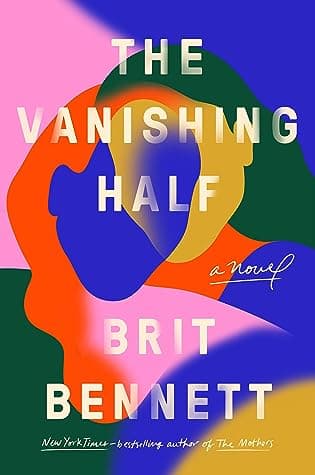
- The Vanishing Half
Brit Bennett
4.3 (132k) average on GoodreadsLiterary FictionExamines identity, secrets, and the lives built on hidden truths, with a focus on family relationships.
- The Old Man and the Sea
Ernest Hemingway
3.8 (831k) average on GoodreadsLiterary FictionA Cuban fisherman's long struggle with a giant marlin becomes a story of endurance and dignity, now retold for young adults with illustrations, phonetic guides, and writing prompts in Traditional Chinese.
- One Hundred Years of Solitude
Gabriel García Márquez
4.1 (753k) average on GoodreadsLiterary FictionThrough the multi-generational story of the Buendía family, a mythical town deals with the repeating patterns of time, love, and solitude, as the extraordinary mixes with the ordinary.
- The Goldfinch
Donna Tartt
3.9 (720k) average on GoodreadsLiterary FictionHaunted by a tragic explosion and clutching a stolen Dutch masterpiece, a young orphan navigates the opulent drawing rooms of New York and the gritty underbelly of the art world, desperately seeking connection and redemption amidst a life spiraling into crime and obsession.





Enjoyed the summary?
A summary gives you the shape of the book. The book itself has the detail, the examples and the voice.
Find Trumpet on AmazonAs an Amazon Associate, BookBrief earns from qualifying purchases. How we're funded