
Synopsis
Covers the whole plot, including the ending.
- Difficulty
- Easy
- Pacing
- Moderate
- Mood
- Heartwarming, Wholesome, Nostalgic, Gentle
- Read it if
- You enjoy classic children's literature about character growth, rural life, and the benefits of responsibility and independence. Great for young readers transitioning to chapter books.
- Skip it if
- You prefer fast-paced, modern stories or dislike historical settings and themes of traditional country life.
Understood Betsy Plot Summary
Covers the whole plot, including the ending.
A Sheltered Life and Unexpected Illness
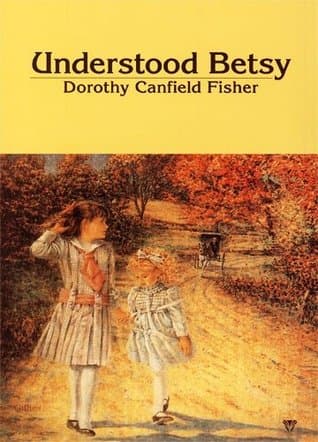
Nine-year-old Elizabeth Ann lives a highly structured and over-protected life in a city apartment with her Aunt Frances and Uncle Henry. Aunt Frances, a nervous and doting woman, shields Elizabeth Ann from all perceived dangers, dictating her every move, from her play to her diet, and creating a deep sense of helplessness. Elizabeth Ann is a timid, anxious child, constantly worried about doing things 'the right way' according to her aunt's strictures. One day, Aunt Frances falls ill with a serious case of pneumonia, requiring hospitalization. With no other immediate family in the city, the decision is made to send Elizabeth Ann to live with her 'horrid Putney cousins' in Vermont, a prospect Aunt Frances has always spoken of with dread and disapproval, filling Elizabeth Ann with terror.
The Journey to Putney Farm
The journey to Vermont is a terrifying ordeal for Elizabeth Ann. Aunt Frances, before her illness, had always handled all travel arrangements, leaving Elizabeth Ann utterly dependent. Now, she is put on a train alone, with only a tag around her neck and strict instructions from a well-meaning but brusque neighbor. The train ride is a blur of anxiety and new experiences, from the sights out the window to the confusing process of changing trains. She arrives in a small, busy country station, overwhelmed by the noise and activity, feeling utterly lost and helpless. There, she is met by Cousin Ann, a large, calm woman with a kind smile, who is nothing like the 'horrid' image Aunt Frances had painted. The ride in the buggy to the farm is equally bewildering, filled with new sights, sounds, and the fresh, open air.
Arrival at the Putney Farm
Upon arriving at the Putney farm, Elizabeth Ann is immediately struck by the stark contrast to her orderly city life. The farmhouse is large, old, and full of activity, with children and animals moving freely, a stark difference from her quiet, spotless apartment. She meets Cousin Ann, Cousin Caleb, and their children, the boisterous Molly and the quiet Daniel. The house seems chaotic and a little dirty by her standards, and she is particularly horrified to see a cat on the kitchen table and a dog sleeping by the stove. The family's direct and practical manner is a shock to her, especially when she is asked to perform simple tasks or make small decisions, something she has never been allowed to do. She feels utterly out of place and deeply uncomfortable, longing for the familiar routines and restrictions of her old life.
The First Chores and Independence
The morning after her arrival, Elizabeth Ann is introduced to 'chores,' a foreign idea to her. Cousin Ann, with gentle firmness, assigns her the task of feeding the chickens. Elizabeth Ann is initially terrified, having never interacted with farm animals, but Cousin Ann simply explains what needs to be done and trusts her to do it. This simple act marks the beginning of her forced independence. She fumbles through the task, feeling a sense of both fear and a strange, nascent satisfaction. Later, she is given other small responsibilities, like helping with the dishes or fetching water. Each task, no matter how small, requires her to think for herself, make decisions, and experience the direct consequences of her actions, slowly chipping away at her ingrained helplessness.
Learning to 'Understand' Things
Life on the Putney farm is a constant lesson in practical understanding. Elizabeth Ann, now often called 'Betsy' by the family, learns that tasks aren't done out of arbitrary rules, but for logical, understandable reasons. She observes Molly and Daniel effortlessly managing their responsibilities and asking 'why' things are done in certain ways. Cousin Caleb, a man of few words but deep wisdom, often explains the mechanics of the farm, from how a pump works to the importance of weather patterns for crops. Betsy begins to see how things connect and the purpose behind every action. This newfound comprehension, in contrast to the blind obedience expected by Aunt Frances, empowers her, making the world less frightening and more manageable. She starts to understand that knowing 'why' makes any task easier and less daunting.
School at the One-Room Schoolhouse
Betsy's experience at the one-room schoolhouse in Putney is another significant departure from her city life. Accustomed to a rigid curriculum and formal instruction, she finds the country school initially chaotic and bewildering. Children of all ages are taught together by a single teacher, Miss Lovell. The teaching methods are less about memorization and more about practical application and understanding. Betsy, despite her prior 'good' education, struggles with some of the practical arithmetic and spelling that the country children find easy. However, the individualized attention and the emphasis on truly grasping concepts, rather than just reciting them, slowly begin to resonate with her. She also starts to form friendships with other children, especially with the kind and patient Molly, who helps her navigate the social dynamics and academic challenges of the new environment.
Building Confidence and Friendship
As Betsy becomes more skilled at her chores and more comfortable with the rhythms of farm life, her confidence grows. She learns to milk the cow, gather eggs, and even help in the garden, tasks that once seemed impossible. The other children at school, initially wary of the 'city girl,' begin to accept her as she participates in games and proves herself capable. Her friendship with Molly deepens, and she also forms a bond with the quiet Daniel. These relationships teach her about give-and-take, cooperation, and the joy of shared experiences. She starts to appreciate the simple pleasures of rural life – playing in the fields, listening to the sounds of nature, and feeling the warmth of genuine affection from her new family. Her timid, anxious demeanor slowly gives way to a more assertive and joyful personality.
A Day of Responsibility and Crisis
One day, Cousin Ann and Cousin Caleb have to leave the farm for an unexpected trip, entrusting Betsy and Molly with the responsibility of running the household and caring for Daniel. A minor crisis arises when a storm threatens the crops, and a critical piece of farm equipment breaks. Instead of panicking, Betsy, drawing on her observations and newly acquired 'understanding,' works with Molly to devise a solution. She helps fix the equipment, showing a practical ingenuity she never knew she possessed. This experience is a turning point, proving to herself and to her cousins that she is no longer the helpless Elizabeth Ann. She feels a deep sense of accomplishment and pride in her ability to contribute meaningfully and solve problems independently, solidifying her transformation.
Aunt Frances Returns
After nearly a year, a letter arrives from Aunt Frances, announcing her full recovery and her impending return to take Elizabeth Ann back to the city. The news brings mixed emotions for Betsy. While a part of her remembers the comfort of her old life, she also feels a strong pull to the independence and freedom she has found on the farm. When Aunt Frances finally arrives, she is shocked by the transformation in her niece. The timid, pale Elizabeth Ann is gone, replaced by a healthy, tan, and self-assured 'Betsy' who moves with purpose and speaks with confidence. Aunt Frances struggles to reconcile this child with the delicate girl she sent away, finding her new nickname 'Betsy' particularly unsettling.
The Choice and the Future
Aunt Frances, still clinging to her old ways, attempts to reassert her control over Betsy, trying to dictate her clothes, her food, and her activities. However, Betsy, now 'understood' and understanding, gently but firmly resists. She states her desire to stay on the farm, explaining how she has learned to do things for herself and how much she loves her new life and family. Cousin Ann and Cousin Caleb support Betsy's wishes, explaining to Aunt Frances the positive changes they have witnessed. Faced with a confident, articulate niece and the undeniable evidence of her well-being, Aunt Frances reluctantly agrees to let Betsy stay. The book concludes with Betsy joyfully embracing her life on the farm, looking forward to her future as a capable and independent young woman, forever changed from the helpless Elizabeth Ann.
Understood Betsy Characters
Elizabeth Ann (Betsy)
Protagonist
A timid, over-protected city girl who transforms into a self-reliant country child.
At the beginning of the story, Elizabeth Ann is a frail, anxious nine-year-old, entirely dependent on her Aunt Frances. She is accustomed to a life of strict rules, constant supervision, and a complete lack of personal agency, making her fearful of the unknown and incapable of making decisions. Her mind is filled with 'rules' rather than understanding. Her journey to the Putney farm forces her to confront her fears and develop practical skills and independence. She slowly sheds her timidity, learns to understand the 'why' behind actions, and renames herself 'Betsy,' symbolizing her embrace of her new, capable identity.
Relationships: Aunt Frances (Overprotective guardian, initially stifling); Cousin Ann (Kind, practical, and nurturing guardian figure); Cousin Caleb (Wise, quiet, and understanding mentor); Molly (Cousin and close friend, role model for independence); Daniel (Younger cousin, subject of Betsy's care)
Aunt Frances
Supporting
Elizabeth Ann's overprotective and nervous city aunt, who inadvertently stifles her niece's development.
Aunt Frances is a well-meaning but misguided guardian. She loves Elizabeth Ann dearly but expresses it through excessive worry, strict rules, and a constant fear for her niece's safety and well-being. She believes she is protecting Elizabeth Ann from the 'horrid' outside world, particularly from her rural relatives, but in doing so, she fosters helplessness and anxiety. She is a creature of habit and social convention, valuing cleanliness and decorum above practical experience. Her illness is the catalyst for Elizabeth Ann's journey to the farm, and her eventual return highlights the stark contrast between her old way of raising Elizabeth Ann and the Putney family's approach.
Relationships: Elizabeth Ann (Betsy) (Overprotective aunt, later struggles to accept her niece's independence); Uncle Henry (Husband, largely silent and agreeable); Cousin Ann (Distant relative, disapproved of)
Cousin Ann
Supporting
Elizabeth Ann's kind, practical, and understanding country cousin.
Cousin Ann is the matriarch of the Putney farm, a woman of warmth, wisdom, and practicality. She possesses a calm demeanor and a deep understanding of human nature, especially children. Unlike Aunt Frances, she believes in learning through doing and encourages independence and responsibility. She doesn't coddle Elizabeth Ann but gently guides her, explaining the 'why' behind tasks and trusting her to figure things out. Her non-judgmental approach and patient teaching are instrumental in Betsy's transformation. She represents the nurturing, sensible aspects of rural life and provides a stable, loving environment for Betsy.
Relationships: Elizabeth Ann (Betsy) (Nurturing guardian, mentor); Cousin Caleb (Husband, partner in raising the children); Molly (Daughter); Daniel (Son)
Cousin Caleb
Supporting
Elizabeth Ann's quiet, wise, and observant country cousin.
Cousin Caleb is a man of few words but deep insight. He is a farmer who understands the natural world and the importance of practical knowledge. He rarely gives direct instructions but instead leads by example and offers quiet, thoughtful explanations when Betsy asks 'why.' His calm presence and unshakeable common sense provide a solid foundation for the farm and for Betsy's education. He helps Betsy understand the practical workings of the world, fostering her ability to think logically and solve problems independently. He represents the quiet strength and grounded wisdom of rural life.
Relationships: Elizabeth Ann (Betsy) (Mentor, provides practical understanding); Cousin Ann (Wife, partner in raising the children); Molly (Daughter); Daniel (Son)
Molly
Supporting
Elizabeth Ann's energetic and self-sufficient country cousin and first true friend.
Molly is Elizabeth Ann's cousin, a few years older, and a vibrant, capable country girl. She is accustomed to farm life, performing chores with ease and possessing a natural independence. Molly initially finds Elizabeth Ann's helplessness puzzling but quickly becomes a patient and encouraging friend. She serves as a role model for Betsy, demonstrating how to handle tasks, interact with animals, and navigate the social dynamics of the one-room schoolhouse. Her friendship is crucial in helping Betsy overcome her shyness and adapt to her new environment, providing companionship and practical lessons.
Relationships: Elizabeth Ann (Betsy) (Cousin and close friend, role model); Cousin Ann (Mother); Cousin Caleb (Father); Daniel (Brother)
Daniel
Supporting
Elizabeth Ann's quiet and observant younger cousin.
Daniel is the youngest of the Putney children, a quiet and perceptive boy. He observes Elizabeth Ann's initial struggles and gradual transformation with a child's innocent curiosity. While he doesn't have as active a role in Betsy's direct education as Molly, his presence on the farm and Betsy's responsibility for his care during moments of crisis contribute to her development of nurturing instincts and practical problem-solving. He represents the younger generation of the Putney family, embodying the natural self-sufficiency of children raised in that environment.
Relationships: Elizabeth Ann (Betsy) (Cousin, later a charge for her care); Cousin Ann (Mother); Cousin Caleb (Father); Molly (Sister)
Miss Lovell
Supporting
The kind and effective teacher at the one-room schoolhouse.
Miss Lovell is the teacher at the Putney one-room schoolhouse. She is a patient, understanding, and highly effective educator who uses practical, engaging methods to teach children of various ages. Unlike Elizabeth Ann's previous teachers who relied on rote learning, Miss Lovell encourages her students to 'understand' concepts rather than just memorize them. She quickly recognizes Elizabeth Ann's intelligence despite her initial academic struggles in the country setting and helps her integrate into the school environment. She represents the positive influence of a thoughtful and adaptable educational approach.
Relationships: Elizabeth Ann (Betsy) (Teacher, mentor); Molly (Student); Daniel (Student)
Uncle Henry
Mentioned
Elizabeth Ann's mostly silent and agreeable city uncle.
Uncle Henry is Aunt Frances's husband and Elizabeth Ann's uncle. He is largely a background character, overshadowed by Aunt Frances's dominant personality. He is kind but passive, usually deferring to his wife's decisions regarding Elizabeth Ann's upbringing. His agreement to send Elizabeth Ann to Vermont, albeit reluctantly, is a necessary plot point, but his direct influence on Elizabeth Ann's character is minimal.
Relationships: Aunt Frances (Husband); Elizabeth Ann (Betsy) (Uncle)
Understood Betsy Themes
Independence and Self-Reliance
The core theme of the book is Elizabeth Ann's journey from total dependence to robust self-reliance. Under Aunt Frances, she is forbidden to make decisions or perform tasks, creating helplessness. On the Putney farm, she is gently but firmly forced to take responsibility for chores like feeding chickens, milking cows, and helping with household tasks. These experiences teach her competence and build her confidence, culminating in her ability to manage the farm during a crisis. Her transformation into 'Betsy' is a direct result of her newfound independence, showing that true growth comes from facing challenges and solving problems for oneself.
“What a girl needs is to be given a chance to understand things for herself, and to do things for herself.”
The Value of Practical Knowledge vs. Rote Learning
The novel contrasts two educational philosophies. Elizabeth Ann's city education emphasizes memorization and adherence to rules without understanding. Her experience on the farm and at the one-room schoolhouse, however, shows the importance of practical knowledge and understanding the 'why' behind actions. Cousin Caleb explains the mechanics of the farm, and Cousin Ann encourages Betsy to figure things out for herself. Miss Lovell's teaching methods at the country school also prioritize comprehension over rote learning. This shift in education allows Betsy to truly grasp concepts, making her adaptable, capable, and genuinely intelligent, rather than just well-schooled.
“The important thing is not what you know, but what you understand.”
Nature vs. Nurture / Environment's Impact on Character
The book strongly argues that environment plays a role in shaping a child's character. Elizabeth Ann, raised in a sterile, overprotective city environment, becomes timid, anxious, and helpless. When placed in the demanding and nurturing rural environment of the Putney farm, she quickly sheds her inhibitions and develops into a confident, capable, and happy child. The contrast between her pale, nervous city self and her healthy, self-assured country self (Betsy) illustrates how a child's surroundings and the expectations placed upon them can fundamentally alter their personality and capabilities. The farm provides the 'chance' for her true self to emerge.
“It was as though the country air, the country food, and above all, the country life, had begun to work a miracle.”
The Meaning of Family and Belonging
Initially feeling like an unwanted burden, Elizabeth Ann gradually finds a true sense of belonging and family with her Putney cousins. Her relationship with Aunt Frances, though loving, is stifling and based on fear. With Cousin Ann, Cousin Caleb, Molly, and Daniel, Betsy experiences unconditional acceptance, trust, and the joy of contributing to a communal effort. She learns that family is not just about blood, but about shared experiences, mutual support, and the freedom to be oneself. Her ultimate choice to stay on the farm signifies her embrace of this new, more authentic family unit where she feels truly 'understood.'
“She had never known before what it was to feel that she belonged, truly belonged, to a family.”
Childhood Anxiety and Empowerment
Elizabeth Ann's initial state is one of childhood anxiety, stemming from her inability to understand the world and her constant fear of displeasing Aunt Frances. She is afraid of making mistakes, of animals, of open spaces, and of any deviation from her strict routines. The book details how gaining understanding and practical skills systematically removes these anxieties. Each chore she masters, each 'why' she comprehends, and each decision she makes independently empowers her. This empowerment allows her to overcome her fears and develop a resilient, joyful spirit, showing a path from anxiety to confident self-possession.
“It was a wonderful thing, Elizabeth Ann thought, to understand about things. It made them so much less scary.”
Plot Devices & Literary Techniques
The Nickname 'Betsy'
A symbolic renaming representing Elizabeth Ann's transformation and new identity.
The shift from 'Elizabeth Ann' to 'Betsy' is a powerful symbol of the protagonist's transformation. Elizabeth Ann represents her former timid, helpless, and overly-protected self, bound by Aunt Frances's rules. 'Betsy,' a name given casually by her Putney cousins, signifies her embrace of independence, practicality, and confidence. It marks her acceptance into the country family and her shedding of her old anxieties. When Aunt Frances returns and struggles to use the new name, it highlights the profound change in her niece and the irreconcilability of her old self with her new, empowered identity. The name change is not just a label; it's an embodiment of her personal growth and self-discovery.
The Journey to Putney Farm
A literal and metaphorical journey into self-discovery and a new way of life.
Elizabeth Ann's train journey to the Putney farm serves as both a literal plot device and a powerful metaphor. Literally, it transports her from her old, stifling environment to a new one. Metaphorically, it represents her transition from childhood dependence to burgeoning independence. The initial terror and confusion of navigating the journey alone force her first steps towards self-reliance. The train itself is a vehicle of change, taking her to a place where she will be forced to grow. The unfamiliar landscape flashing by symbolizes the new world she is entering and the vast, unknown possibilities awaiting her beyond her sheltered existence.
Contrast between City and Country Life
A central literary device highlighting the benefits of practical, independent living over overprotection.
The stark contrast between Elizabeth Ann's life with Aunt Frances in the city and her life on the Putney farm is a foundational plot device. The city life is portrayed as sterile, overly regulated, and stifling, fostering anxiety and helplessness. The country life, conversely, is depicted as vibrant, practical, and liberating, encouraging independence and understanding. This contrast is shown through details like the cleanliness of the city apartment versus the bustling farm, the emphasis on appearances versus utility, and the different approaches to child-rearing and education. This juxtaposition serves to underscore the novel's central message about the importance of practical experience and self-reliance in a child's development.
Learning by Doing / Experiential Learning
A pedagogical approach integrated into the narrative to demonstrate character growth.
The concept of 'learning by doing' is a pervasive plot device throughout the story. Elizabeth Ann's growth is not achieved through lectures or books, but through direct, hands-on experience. Whether it's feeding chickens, milking cows, helping with dishes, or solving a farm crisis, each task requires her to engage actively, make decisions, and learn from the consequences. This practical engagement, guided by the gentle wisdom of Cousin Ann and Cousin Caleb, is what transforms her. The narrative demonstrates that true understanding and competence come from active participation and solving real-world problems, rather than passive reception of information or adherence to arbitrary rules.
Understood Betsy Quotes
“Why, I'm not a little girl any more. I'm Elizabeth Ann!”
“You can't learn to do things without making mistakes.”
“It's a great thing to be able to do something for yourself.”
“The world isn't such a dreadful place after all.”
“People are kind, if you give them a chance.”
“Work isn't a punishment; it's a way to make things better.”
“Sometimes the hardest things turn out to be the best.”
“You don't have to be afraid of new things.”
“Home isn't just a place; it's where you feel you belong.”
“Learning comes from doing, not just from books.”
“It's good to have someone to depend on, but better to depend on yourself.”
“Happiness is often found in simple things.”
“Fear shrinks when you face it.”
“Every child needs a chance to blossom in their own way.”
Quiz
10 questions on the plot and the characters. Each answer comes with a short explanation.
Question 1
What is the main character's original name at the beginning of the book?
- Betsy Putney
- Elizabeth Ann
- Frances Elizabeth
- Annabelle Putney
Show answer
B. Elizabeth Ann The protagonist begins the story as Elizabeth Ann, a fragile, sheltered girl who later transforms and adopts the name Betsy after gaining independence in Vermont.
Question 2
Why does Elizabeth Ann have to leave her Aunt Frances to live with the Putney cousins?
- Her aunt is moving to Europe for work
- Her aunt can no longer care for her
- She wants to experience country life
- Her parents have returned to claim her
Show answer
B. Her aunt can no longer care for her Aunt Frances, who has been whispering about the 'horrid Putney cousins,' reaches a point where she is unable to continue caring for Elizabeth Ann, forcing the move to Vermont.
Question 3
What is one of the first things that shocks Elizabeth Ann about country living in Vermont?
- Children are expected to do chores
- There are no schools nearby
- The cousins refuse to speak to her
- They use horses instead of cars
Show answer
A. Children are expected to do chores Coming from a sheltered life, Elizabeth Ann is surprised that children in the country are expected to contribute through chores, which contrasts with her previous pampered existence.
Question 4
What new name does Elizabeth Ann adopt during her time in Vermont?
- Lizzy
- Beth
- Betsy
- Annie
Show answer
C. Betsy As she gains confidence and a new identity, Elizabeth Ann starts going by Betsy, symbolizing her transformation from a fragile girl to an independent young person.
Question 5
How does Aunt Frances initially describe the Putney cousins to Elizabeth Ann?
- As loving and generous relatives
- In whispers as 'horrid Putney cousins'
- As strict but fair guardians
- As distant and forgetful family members
Show answer
B. In whispers as 'horrid Putney cousins' Aunt Frances refers to them in whispers as 'horrid Putney cousins,' creating fear and apprehension in Elizabeth Ann before she even meets them, which contrasts with their actual supportive nature.
Question 6
What aspect of country living helps Elizabeth Ann develop independence and responsibility?
- Attending a one-room schoolhouse
- Being allowed to have pets sleep in the house
- The expectation to do chores and take on tasks
- Learning to drive a horse-drawn carriage
Show answer
C. The expectation to do chores and take on tasks The Putney cousins expect Elizabeth Ann to participate in chores and daily tasks, which initially shocks her but ultimately fosters her growth into a more capable and self-reliant individual.
Question 7
When Aunt Frances returns after a year to retrieve Elizabeth Ann, what does she discover about her niece?
- She has become ill from the harsh Vermont weather
- She refuses to leave the Putney farm
- A healthier, prouder girl with a new name and outlook
- She has forgotten all about her previous life
Show answer
C. A healthier, prouder girl with a new name and outlook Aunt Frances finds that Elizabeth Ann has transformed into Betsy—a healthier, prouder girl with a new outlook on life, showcasing the positive impact of her time in Vermont.
Question 8
What is a key theme illustrated by Elizabeth Ann's transformation into Betsy?
- The importance of formal education over practical skills
- The dangers of rural life for children
- How independence and responsibility foster personal growth
- The necessity of strict discipline in child-rearing
Show answer
C. How independence and responsibility foster personal growth The book emphasizes that through taking on responsibilities and gaining independence in the country, Elizabeth Ann evolves from a fragile, sheltered child into a confident and capable Betsy.
Question 9
How does the setting of Vermont contrast with Elizabeth Ann's previous life to drive the story's plot?
- Vermont is depicted as a place of luxury and ease, unlike her stressful old home
- The wilds of Vermont force her to rely on others completely, stifling her growth
- It provides a sheltered environment similar to her aunt's home, with no changes
- Its country living demands self-sufficiency, challenging her sheltered upbringing
Show answer
D. Its country living demands self-sufficiency, challenging her sheltered upbringing Vermont's rural setting, with its expectations of chores and practical living, directly challenges Elizabeth Ann's previously sheltered and dependent life, catalyzing her development into Betsy.
Question 10
What does the change from 'Elizabeth Ann' to 'Betsy' symbolize in the context of the book?
- A rejection of her family and past
- A simple nickname with no deeper meaning
- Her desire to fit in with new friends in Vermont
- Her transformation into a more independent and self-assured person
Show answer
D. Her transformation into a more independent and self-assured person The adoption of the name Betsy represents Elizabeth Ann's internal growth and newfound identity, marking her shift from a fragile, overseen child to a resilient and self-reliant individual.
Understood Betsy FAQ
What is 'Understood Betsy' about?
The story follows nine-year-old Elizabeth Ann, a sheltered, anxious girl raised by her overprotective Aunt Frances in the city. When circumstances force her to live with her 'horrid Putney cousins' on a Vermont farm, she confronts a world of chores, animals, and independence. Through this transformative year, she sheds her fragility, gains confidence, and reinvents herself as 'Betsy,' ultimately choosing to stay with her new family.
Why should I read 'Understood Betsy'?
This classic children's novel offers a timeless, heartwarming exploration of personal growth and resilience. It contrasts overprotective parenting with the benefits of practical responsibility, showing how challenges can build character. Readers will root for Betsy's journey from fear to self-reliance, making it an inspiring tale for both young audiences and adults reflecting on childhood development.
What is the background/setting of 'Understood Betsy'?
Set in early 20th-century America, the story begins in a restrictive urban environment with Aunt Frances, then shifts to a rural Vermont farm. The Putney homestead embodies self-sufficiency, with its farm animals, household chores, and one-room schoolhouse, reflecting the era's country life where children contributed meaningfully to daily tasks and community.
What are the most memorable quotes?
Key quotes include Aunt Harriet's warning, 'Don't cross the street alone, and don't speak to strangers,' highlighting Elizabeth Ann's sheltered upbringing. Later, Betsy declares, 'Why, I'm not afraid of anything!' showcasing her newfound courage. The Putneys' practical wisdom, like 'If you don't know how to do a thing, the best way is to begin to do it,' underscores the book's themes of learning through experience.
What writing style does the author use?
Dorothy Canfield Fisher employs a clear, descriptive prose that vividly contrasts urban and rural life, with a focus on sensory details like the smells of the farm or the chaos of the one-room school. The narrative is gently didactic, emphasizing moral lessons about independence and responsibility, while maintaining an engaging, accessible tone for young readers through Betsy's relatable perspective.
What minor details add significant meaning?
Small details like the Putneys allowing pets to sleep in the house symbolize their welcoming, natural approach to life, unlike Aunt Frances's sterile rules. Betsy's initial inability to tie her own shoes or make decisions reflects her learned helplessness, while later, her success in churning butter or caring for animals marks her growing competence and integration into farm life.
What are some subtle foreshadowing moments?
Early on, Aunt Frances's constant whispers about the 'horrid Putney cousins' create an expectation of negativity that is subverted when they turn out to be kind and supportive. Betsy's gradual enjoyment of simple tasks, like feeding the chickens, foreshadows her eventual preference for country life over returning to the city, hinting at her deeper connection to the Putneys.
What unexpected character connections exist?
Aunt Frances and the Putneys, though distant relatives, represent opposing parenting philosophies—overprotection versus fostering independence. Their clash culminates when Aunt Frances visits and barely recognizes the confident Betsy. Additionally, Betsy's bond with her cousin Ann highlights how shared experiences in the one-room school and farm chores bridge initial shyness, deepening their familial ties.
What are unspoken character motivations?
Aunt Frances's overprotectiveness stems from her own fears and a desire to shield Elizabeth Ann from hardship, but it inadvertently stifles the child's growth. The Putneys, by contrast, are motivated by a belief in practical learning and self-reliance, allowing Betsy to make mistakes and learn from them, which they see as essential for her development into a capable individual.
What psychological complexities do characters exhibit?
Elizabeth Ann/Betsy undergoes a profound psychological shift from anxiety and dependence to confidence and autonomy, grappling with identity as she embraces her new name. Aunt Frances exhibits a mix of love and control, her motivations rooted in good intentions but leading to unintended consequences. The Putneys demonstrate emotional intelligence by providing structure without smothering, fostering Betsy's internal growth.
What are the major emotional turning points?
Key moments include Betsy's first successful solo task on the farm, which boosts her self-esteem; her decision to adopt the nickname 'Betsy,' symbolizing her new identity; and when she stands up to a bully at school, showing newfound courage. The climax occurs when Aunt Frances returns, and Betsy confidently chooses to stay with the Putneys, solidifying her emotional independence.
How do relationship dynamics evolve?
Initially, Betsy views the Putneys with fear and suspicion, but through shared chores and kindness, she grows to see them as a nurturing family. Her relationship with Aunt Frances shifts from one of blind obedience to a more balanced dynamic where Betsy asserts her own desires. Bonds with cousins and schoolmates deepen as Betsy participates in community life, moving from isolation to belonging.
Which parts remain ambiguous or open-ended?
The story leaves some aspects open, such as the exact reasons for Aunt Frances's initial departure or the long-term impact on her relationship with Betsy. It also doesn't detail Betsy's future beyond her decision to stay, allowing readers to imagine how she continues to grow on the farm. The Putneys' past and their full history with Aunt Frances are hinted at but not fully explored.
What are controversial scenes or decisions?
Some readers might debate Aunt Frances's parenting as overly harsh or neglectful in sending Elizabeth Ann away, though it leads to positive change. Betsy's choice to stay with the Putneys could be seen as rejecting her original caregiver, raising questions about loyalty and family bonds. The book's emphasis on rural self-reliance over urban comfort might also spark discussion on values and upbringing.
'Understood Betsy' ending explained: how it ends & what it means
The novel concludes with Aunt Frances returning after a year to retrieve Elizabeth Ann, only to find a transformed 'Betsy' who is healthier, prouder, and more independent. Betsy chooses to stay with the Putneys, symbolizing her full embrace of her new identity and values. This ending underscores themes of self-discovery and the idea that true understanding comes from experience, not sheltering, leaving readers with a message of growth and resilience.
About the author
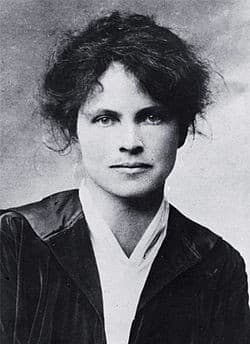
Dorothy Canfield Fisher was a prominent American educator and novelist. She is best known for her children's novel 'Understood Betsy,' which explored progressive education and child psychology. Fisher was a significant figure in the literary and educational circles of the early 20th century, advocating for child-centered learning.
Similar books
- Heidi
Johanna Spyri
4.0 (173k) average on GoodreadsChildren'sA young orphan finds happiness and health in a simple, natural environment after living a constrained life.
- A Little Princess
Frances Hodgson Burnett
4.2 (4k) average on GoodreadsFantasyA resilient girl faces adversity and adapts to changed circumstances, demonstrating inner strength and character.
- Harry Potter and the Sorcerer's Stone
J.K. Rowling
4.5 (7M) average on GoodreadsFantasyRescued from a miserable life under the stairs, an orphaned boy discovers he's a wizard destined for a magical school, where he uncovers a dangerous secret tied to the dark wizard who murdered his parents.
- The Hobbit, or There and Back Again
J.R.R. Tolkien
4.3 (2.9M) average on GoodreadsFantasyA comfort-loving hobbit named Bilbo Baggins is whisked away by a mischievous wizard and a band of dwarves on an unexpected journey to reclaim stolen treasure from a fearsome dragon, discovering courage and a magical ring along the way.
- Harry Potter and the Goblet of Fire
J.K. Rowling
4.6 (2.6M) average on GoodreadsFantasyA bewildered Harry Potter, underage and thrust into a deadly Triwizard Tournament, must brave dragons, mermaids, and a resurgent dark magic to survive a year that will forever alter the wizarding world.
- Harry Potter and the Order of the Phoenix
J.K. Rowling
4.5 (2.5M) average on GoodreadsFantasyIn a year of oppressive secrets and the threat of Voldemort, Harry Potter and Dumbledore's Army secretly train for war, shown through Jim Kay and Neil Packer's dark illustrations.





Enjoyed the summary?
A summary gives you the shape of the book. The book itself has the detail, the examples and the voice.
Find Understood Betsy on AmazonAs an Amazon Associate, BookBrief earns from qualifying purchases. How we're funded