
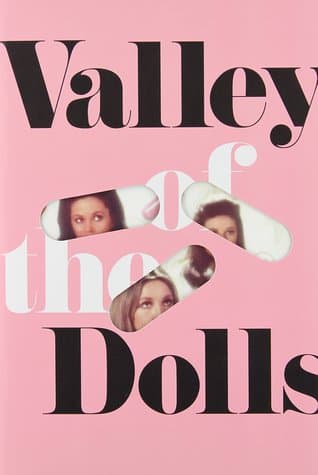
Synopsis
Covers the whole plot, including the ending.
- Difficulty
- Easy
- Pacing
- Fast
- Mood
- Glamorous, Tragic, Melancholy, Decadent, Dramatic
- Read it if
- You enjoy dramatic sagas about the dark side of fame, addiction, and the lives of women in the mid-20th century entertainment industry.
- Skip it if
- You prefer lighthearted stories, or are sensitive to themes of drug abuse, suicide, and the objectification of women.
Valley of the Dolls Plot Summary
Covers the whole plot, including the ending.
Anne Welles Arrives in New York
Anne Welles, a young woman from Lawrenceville, Massachusetts, arrives in New York City in 1945, looking for a new life. She gets a job as a secretary at a law firm, Sterling and Bellow, where she meets Lyon Burke, a charming junior lawyer. Anne is drawn to the world of Broadway and its promises of success. She soon befriends Helen Lawson, an aging Broadway star, Neely O'Hara, a chorus girl, and Jennifer North, a showgirl. Anne's first experiences in the city are full of hope as she starts her career and new relationships, especially her growing interest in Lyon.
Neely's Meteoric Rise and Jennifer's Struggles
Neely O'Hara, a chorus girl, gets her big break in a Broadway show. She quickly becomes a star because of her talent and drive. Her success, however, brings a demanding schedule and the pressures of fame, leading her to start using 'dolls' (pills) to cope. Meanwhile, Jennifer North, admired for her beauty but insecure about her acting, struggles to establish herself in entertainment. She is always judged for her looks and wants to be taken seriously, but her career is mostly about her appearance. Jennifer dates different men, including the rich Tony Polar, a singer. She worries about not having talent and about getting older, which makes her think about cosmetic surgery to stay appealing.
Anne's Whirlwind Romance and Advertising Career
Anne Welles falls in love with Lyon Burke, and their passionate romance becomes central to her life. Lyon is ambitious and often puts his career and desires before Anne, which causes emotional distance and uncertainty. Despite this, Anne does well professionally, moving from her secretarial job to a successful advertising career. She becomes the face of a popular cosmetic campaign. While her career thrives, Anne deals with Lyon's inconsistent commitment and his decision to move to Hollywood for his own dreams, leaving Anne heartbroken. This separation makes Anne face her independence.
Neely's Downward Spiral and Addiction
As Neely O'Hara's career grows in Hollywood, her use of 'dolls'—sedatives and stimulants—increases a lot. The pressures of fame, demanding film schedules, and a difficult personal life, including bad marriages and affairs, push her deeper into addiction. Her behavior becomes erratic and self-destructive, pushing away friends, colleagues, and family. Despite her talent, Neely's professional reputation suffers because of her unpredictable moods, missed appointments, and frequent breakdowns. She gains weight, loses roles, and goes through periods of sobriety and relapse. Her once-promising career is now overshadowed by her struggles.
Jennifer's Tragic Marriage and Desperation
Jennifer North marries the singer Tony Polar, hoping for stability. Their marriage has many problems. Tony is diagnosed with a brain disease, which causes him to lose his memory and thinking abilities, eventually needing to be in a hospital. Jennifer is left to care for him and pay his medical bills, which quickly use up their money. At the same time, Jennifer's career stops as she struggles to find roles that do not exploit her body. Desperate to make money and facing the realities of aging in Hollywood, she starts acting in French art films (softcore pornography). This decision, made out of need, deeply shames her and makes her feel more despair.
Anne and Lyon's Tumultuous Reunion
Anne Welles eventually moves to Hollywood to be near Lyon Burke, hoping to restart their relationship. They do get back together, and Anne continues her successful advertising career, becoming important in the industry. However, Lyon's ambition and his inability to fully commit still trouble their relationship. He struggles with his own career goals in Hollywood and has affairs, including one with a starlet, which hurts Anne more. Despite their love, their relationship has cycles of passion, conflict, and separation. Anne wants a stable home and family, but Lyon's restless nature and career distractions stop him from fully committing, leaving Anne feeling alone.
Jennifer's Ultimate Despair and Suicide
Jennifer North's life becomes full of despair. With Tony Polar in a hospital and her career limited to exploitative films, she feels trapped and shamed. She has a mastectomy for breast cancer, which further hurts her self-image, as her beauty was her main asset. Facing financial ruin, a terminal illness, and a complete loss of self-worth, Jennifer sees no way out. In a moment of deep desperation, she commits suicide by overdose. Her tragic death shows the destructive pressures and superficiality of the entertainment industry, and the bad consequences for those who cannot cope, leaving Anne and Neely shocked.
Neely's Rock Bottom and Rehabilitation
Neely O'Hara's addiction to 'dolls' reaches a bad point. Her career is ruined, her relationships are broken, and her health is very bad. She has a public breakdown and is found incoherent. Forced to face her situation, Neely is admitted to a sanitarium for rehabilitation. There, she begins the difficult process of detoxing and trying to understand her addiction. While recovery is hard, this time marks a possible turning point for Neely, offering hope that she might regain some of her former self and escape the destructive cycle that has consumed her.
Anne's Return to Lawrenceville
After years of Lyon Burke's infidelity, his inability to commit, and the superficiality of Hollywood, Anne Welles finally gives up. She realizes that the glamorous life she wanted has brought her little happiness and much heartache. Disappointed with her relationship and the entertainment world, Anne decides to leave Hollywood and return to Lawrenceville, Massachusetts, her hometown. She seeks peace and a simpler life, hoping to get away from the constant pressures and betrayals. Her return shows a complete change, as she leaves the world she once embraced, showing deep disappointment with the American Dream and the emptiness that can come with fame.
The Lingering Shadows of the Dolls
Back in Lawrenceville, Anne Welles thinks about her life, her failed relationship with Lyon, and the tragic lives of Neely O'Hara and Jennifer North. She finds some peace in her hometown but is always affected by her time in the 'Valley of the Dolls.' Lyon Burke eventually returns to Lawrenceville, hoping to get Anne back, but she rejects him, knowing their relationship is too broken. Neely, despite her rehabilitation, struggles with sobriety and the lasting damage of her addiction; her career never fully recovers. The novel ends with Anne, a survivor, considering the high cost of fame, beauty, and ambition, and the lasting impact of the 'dolls' on the women she knew. She feels a bittersweet sense of acceptance.
Principal Figures
Anne Welles
Protagonist
Beautiful and naive small-town girl who seeks glamour and love in New York City.
Anne Welles is introduced as a stunningly beautiful and innocent young woman from Lawrenceville, Massachusetts, who yearns for a life beyond her quiet hometown. She moves to New York and quickly finds success in advertising, becoming the face of a cosmetic campaign. Anne is deeply romantic and falls passionately in love with Lyon Burke, her primary motivation throughout much of the story. She represents the 'good girl' trying to navigate a corrupting world, often torn between her moral compass and the allure of fame and wealth. Her journey is one of disillusionment, as she experiences heartache and betrayal.
Relationships: Lyon Burke (Fiancé/lover, tumultuous and on-again-off-again); Neely O'Hara (Close friend, fellow aspiring star); Jennifer North (Close friend, fellow aspiring star); Kevin Gillmore (Brief romantic interest/confidant)
Neely O'Hara
Protagonist
A talented but volatile chorus girl who achieves immense stardom but succumbs to drug addiction.
Neely O'Hara is a powerhouse of raw talent, a gifted singer and performer with an insatiable ambition. She rises from a struggling chorus girl to a major Hollywood star, but her success is quickly overshadowed by her volatile personality and a spiraling addiction to 'dolls' (pills). Neely is fiercely independent, often ruthless in her pursuit of fame, and struggles with self-control. Her character embodies the destructive side of ambition and the pressures of the entertainment industry, leading to erratic behavior, professional ruin, and personal devastation. She is a tragic figure, consumed by her own demons.
Relationships: Anne Welles (Close friend); Jennifer North (Friend, fellow aspiring star); Helen Lawson (Rival, mentor at times); Ted Casablanca (Manager/husband (briefly))
Jennifer North
Protagonist
Stunningly beautiful but insecure showgirl who yearns for love and respect beyond her looks.
Jennifer North is exquisitely beautiful, a quality that defines her public persona but also traps her. She is deeply insecure about her perceived lack of talent and constantly seeks validation and love. Jennifer struggles to be seen as more than just a body, and her career choices are often dictated by her beauty rather than her acting ability. Her journey is marked by a series of unfortunate relationships, including her tragic marriage to Tony Polar, and a desperate struggle to maintain her livelihood as she ages. She represents the vulnerability of women in an industry that commodifies their appearance, leading to ultimate despair.
Relationships: Anne Welles (Close friend); Neely O'Hara (Friend, fellow aspiring star); Tony Polar (Husband, mentally ill singer); Kevin Gillmore (Brief romantic interest)
Lyon Burke
Supporting
Ambitious and charming lawyer who becomes Anne's primary love interest.
Lyon Burke is a handsome, ambitious, and ultimately unreliable lawyer who captures Anne Welles's heart. He is driven by his career aspirations, first in law and then as a film producer in Hollywood, often prioritizing his professional goals over his personal relationships. While he genuinely loves Anne, he is unable to commit fully, engaging in affairs and maintaining an emotional distance. Lyon embodies the flawed male figure in the novel, representing the elusive and often disappointing nature of male commitment and the self-serving ambition that can pervade the entertainment industry. His actions cause Anne significant heartache.
Relationships: Anne Welles (Lover/fiancé, tumultuous); Miriam (One of his affairs); Kevin Gillmore (Colleague/friend)
Helen Lawson
Supporting
Aging, formidable Broadway star who is both a mentor and rival to the younger women.
Helen Lawson is a legendary, sharp-tongued Broadway diva whose career is on the decline. She is a formidable figure, known for her sharp wit, her demanding nature, and her intense rivalry with Neely O'Hara. Helen represents the old guard of the entertainment industry, fiercely protective of her status and often cynical about the younger generation. She is both a cautionary tale and a survivor, having navigated the cutthroat world of show business for decades. Despite her harsh exterior, she occasionally offers glimpses of vulnerability and wisdom, particularly to Anne Welles.
Relationships: Neely O'Hara (Bitter rival); Anne Welles (Acquaintance, occasional confidante)
Tony Polar
Supporting
Aspiring singer who marries Jennifer North and suffers from a degenerative brain disease.
Tony Polar is an attractive and talented singer who marries Jennifer North. Their relationship, initially promising, quickly devolves into tragedy when Tony is diagnosed with a degenerative brain disease, a hereditary condition that causes him to lose his memory and mental faculties. His illness becomes a major burden for Jennifer, both emotionally and financially, contributing significantly to her despair. Tony represents the fragility of life and the unpredictable cruelties that can befall even those with talent and charm, highlighting the transient nature of success and happiness.
Relationships: Jennifer North (Husband); Miriam Polar (Mother, also afflicted with the disease)
Kevin Gillmore
Supporting
Hollywood agent and friend to Anne and Jennifer, offering a degree of stability.
Kevin Gillmore is a kind and steady Hollywood agent, a stark contrast to many of the more volatile characters in the book. He is a genuine friend to Anne and Jennifer, offering them advice and support without ulterior motives. Kevin is often the voice of reason and a source of quiet strength. He has unrequited feelings for Anne, providing a stable alternative to the tumultuous Lyon Burke. Kevin represents a more grounded and compassionate aspect of the entertainment world, a rare individual who genuinely cares for the well-being of others amidst the pervasive ambition and superficiality.
Relationships: Anne Welles (Friend, unrequited love interest); Jennifer North (Friend, agent); Lyon Burke (Colleague/friend)
Miriam
Mentioned
A starlet who has an affair with Lyon Burke.
Miriam is a minor character, a starlet in Hollywood who has an affair with Lyon Burke. She represents the readily available temptations and casual infidelity prevalent in the entertainment industry, contributing to Anne's heartache and disillusionment with Lyon. Miriam serves as a catalyst for further conflict in Anne and Lyon's already strained relationship, highlighting Lyon's inability to remain faithful and his susceptibility to the allure of other women in Hollywood.
Relationships: Lyon Burke (Affair)
Ted Casablanca
Supporting
Neely's ambitious first husband and manager.
Ted Casablanca is Neely O'Hara's first husband and manager. He is ambitious and initially helps Neely's career, but their relationship is tumultuous and ultimately destructive. Ted struggles to control Neely's erratic behavior and growing addiction, eventually becoming another casualty of her self-destructive path. He represents the men who are drawn to Neely's talent and fame but are ultimately overwhelmed by her demons. Their marriage is short-lived, marked by arguments and Neely's infidelity.
Relationships: Neely O'Hara (Husband/manager)
Themes & Insights
The Destructive Nature of Fame and Ambition
The novel shows how pursuing stardom in entertainment can corrupt and destroy people. Neely O'Hara's quick rise to fame comes with a pill addiction and erratic behavior, leading to her ruin. Jennifer North, desperate to keep her career, sacrifices her dignity and ultimately her life. Even Anne Welles, though successful in advertising, finds her personal life troubled by the superficiality of the glamorous world. The book suggests that the 'Valley of the Dolls' is a state of being where fame's pressures lead to self-destruction.
“You don't need a man, honey. You need a hit record.”
Addiction and Escapism
A main theme is the use of 'dolls' (pills) to cope with the pressures, anxieties, and emptiness the characters feel. Neely O'Hara's story is the clearest example, showing a full addiction that destroys her life. The pills offer a temporary escape from reality, a way to sleep, wake up, feel, or not feel. This escape, however, leads to deeper entrapment, as the characters become dependent, isolating them more and making their problems worse. The 'dolls' symbolize the false promises of quick fixes in a demanding world.
“Take a doll, Anne. It'll make you feel better. They always do.”
The Commodification of Women's Bodies and Beauty
The novel shows how women in entertainment are valued mostly for their looks, often over their talent or intelligence. Jennifer North's entire career and self-worth are tied to her beauty. Her desperation to keep it leads to cosmetic surgery and her tragic end when she faces aging and illness. Anne Welles also finds success as a model because of her looks. The story criticizes a society that reduces women to objects, showing the immense pressure to meet beauty standards and the bad psychological impact when those standards are no longer met.
“Beauty is a curse in this business. It's all they ever see.”
Disillusionment with the American Dream
The 'American Dream' of success, fame, and happiness is shown as mostly false and ultimately damaging. The three main characters come to New York hoping for glory, love, and fulfillment, but instead find a world of betrayal, addiction, and despair. Anne's return to Lawrenceville, disappointed by Hollywood and her failed romance, means she rejects the dream. Neely's fall and Jennifer's suicide are strong criticisms of the emptiness that can be under the glittering surface of success. The novel suggests that pursuing this dream can lead to deep unhappiness and moral decay.
“It's a beautiful dream, Anne. But it's just a dream.”
Friendship and Betrayal
The friendship between Anne, Neely, and Jennifer is important to the story, at first offering support. However, as their careers and personal struggles grow, their friendships are tested and often broken by jealousy, competition, and self-destructive behavior from addiction. Neely's erratic actions push away her friends, and the pressures of their lives often stop them from truly supporting each other when needed. The theme explores how fragile human connection is in a cutthroat environment, showing how even strong friendships can break under the forces of fame and personal problems.
“We were sisters, in a way. Sisters in the Valley.”
Plot Devices & Literary Techniques
The 'Dolls' (Pills)
Symbolic representation of escapism and addiction.
The 'dolls' are a recurring motif and a central plot device. They refer to various prescription pills (sedatives, stimulants) that the characters use to cope with the pressures and anxieties of their lives. They function as a symbol of escapism, false comfort, and ultimately, addiction. The narrative uses the 'dolls' to drive plot points, such as Neely's breakdowns and subsequent hospitalizations, and to illustrate the destructive cycle of drug abuse. Their presence is constant, underscoring the pervasive nature of addiction within the entertainment industry and its devastating consequences for the characters.
Parallel Character Arcs
Three women's stories mirroring the different facets of fame's toll.
The novel uses parallel character arcs for Anne, Neely, and Jennifer to explore different facets of the same central theme: the destructive nature of fame and ambition. While their paths diverge in terms of success and personal choices, their stories are interwoven and reflect upon each other. Anne represents the disillusionment, Neely the self-destruction through addiction, and Jennifer the tragedy of physical objectification. This device allows Susann to present a comprehensive, multi-faceted critique of the entertainment industry and its impact on women, showing the varied ways in which the 'Valley' consumes its inhabitants.
Setting as Character
New York and Hollywood as living, breathing forces shaping the characters' destinies.
New York City and Hollywood are not merely backdrops but act as powerful, almost sentient characters in the novel. New York represents the initial promise and excitement of opportunity, while Hollywood embodies the ultimate seductive, yet corrupting, pinnacle of fame. The cities' glitter and glamour are juxtaposed with their harsh realities, driving the characters' ambitions, fueling their addictions, and ultimately contributing to their downfall. The 'Valley of the Dolls' itself is less a physical place than a metaphorical landscape of despair and addiction, deeply intertwined with the identities and fates of the protagonists.
Foreshadowing and Irony
Hints of future tragedy and the contrast between aspiration and reality.
The novel frequently employs foreshadowing, subtly hinting at the tragic fates awaiting the characters, particularly Neely and Jennifer. For instance, early descriptions of Neely's ambition or Jennifer's insecurity often carry an ominous tone. Irony is also a prominent device, especially situational irony. The very things the characters strive for—fame, beauty, love—often become the instruments of their destruction. The glamorous facade of Hollywood sharply contrasts with the inner turmoil and despair experienced by the characters, highlighting the bitter irony of their 'success'.
Valley of the Dolls Quotes
“You don't have to be a genius to be a star. You just have to be yourself.”
“Every woman wants to be wanted, even if it's by the wrong man.”
“The only thing worse than being talked about is not being talked about.”
“It's always better to be looked over than overlooked.”
“Happy endings are just stories that haven't finished yet.”
“You can't have everything. Where would you put it?”
“The pills make you feel like you're floating, like nothing can touch you.”
“Love is a funny thing. It can make you do things you never thought you'd do.”
“When you're famous, people only see what they want to see.”
“You can always tell a woman by her shoes.”
“The trouble with success is that it's always followed by failure.”
“There are no second acts in American lives.”
“I'm not going to let them break me. Not this time.”
“Sometimes you have to be a bitch to get what you want.”
Quiz
10 questions on the plot and the characters. Each answer comes with a short explanation.
Question 1
Which character is initially a small-town girl from Lawrenceville, Massachusetts, who comes to New York seeking a new life?
- Neely O'Hara
- Jennifer North
- Anne Welles
- Helen Lawson
Show answer
C. Anne Welles Anne Welles is introduced as the beautiful, innocent girl from Lawrenceville, Massachusetts, who arrives in New York and quickly becomes a successful model.
Question 2
What is the primary reason Neely O'Hara turns to 'dolls' (pills) throughout her career?
- To enhance her singing voice for performances.
- To cope with the pressures of fame, insecurity, and her tumultuous personal life.
- To maintain a strict diet for her acting roles.
- To celebrate her many successes in Hollywood.
Show answer
B. To cope with the pressures of fame, insecurity, and her tumultuous personal life. Neely's use of 'dolls' escalates as she struggles with the immense pressure of her career, constant criticism, failed relationships, and her own self-destructive tendencies.
Question 3
Jennifer North's tragic struggle primarily revolves around her constant battle with:
- Finding meaningful acting roles.
- Her physical appearance and the demands of Hollywood's beauty standards.
- Managing her finances and extravagant lifestyle.
- Competing with Neely O'Hara for roles.
Show answer
B. Her physical appearance and the demands of Hollywood's beauty standards. Jennifer, despite her beauty, constantly feels insecure and is exploited for her looks. Her career is defined by her physical appeal, leading to a tragic end due to her obsession with maintaining her appearance.
Question 4
What is the significance of the term 'Valley of the Dolls' in the novel?
- It refers to a specific geographic location in California where the stars live.
- It's a metaphor for the addictive cycle and destructive world of prescription drug abuse in the entertainment industry.
- It describes a children's toy line that becomes popular in the story.
- It's the title of a successful movie starring Anne Welles.
Show answer
B. It's a metaphor for the addictive cycle and destructive world of prescription drug abuse in the entertainment industry. The 'Valley of the Dolls' is a powerful metaphor for the dark, drug-fueled underbelly of show business, where characters like Anne, Neely, and Jennifer become dependent on pills ('dolls') to cope with their lives.
Question 5
Which male character is Anne Welles's on-again, off-again love interest and manager?
- Ted Casablanca
- Lyon Burke
- Tony Polar
- Kevin Gillmore
Show answer
B. Lyon Burke Lyon Burke is Anne's primary love interest throughout the book, representing her desire for a stable, loving relationship amidst the chaos of her career.
Question 6
What ultimately happens to Jennifer North as a result of her struggles with her appearance and relationship with Tony Polar?
- She retires from acting to become a successful fashion designer.
- She finds happiness in a quiet life away from Hollywood.
- She commits suicide after being diagnosed with breast cancer and facing the end of her career.
- She marries a wealthy European prince and leaves the entertainment industry.
Show answer
C. She commits suicide after being diagnosed with breast cancer and facing the end of her career. Jennifer's story ends tragically. After a breast cancer diagnosis and the realization that her career, which relied heavily on her looks, was over, she takes her own life.
Question 7
How does Neely O'Hara's relationship with Helen Lawson evolve throughout the novel?
- They become close friends and collaborators.
- Helen becomes Neely's mentor and guides her career.
- Their relationship is marked by intense rivalry, jealousy, and public feuds.
- They have a brief romantic affair that ends amicably.
Show answer
C. Their relationship is marked by intense rivalry, jealousy, and public feuds. Helen Lawson, an aging Broadway star, sees Neely as a threat and a rival. Their interactions are consistently hostile, culminating in a famous, dramatic confrontation.
Question 8
What is the overarching theme explored through the characters' reliance on 'dolls'?
- The importance of pharmaceutical advancements in modern medicine.
- The superficiality and destructive nature of fame, addiction, and the pressures of the entertainment industry.
- The benefits of self-medication for creative individuals.
- The strong bonds of female friendship despite personal struggles.
Show answer
B. The superficiality and destructive nature of fame, addiction, and the pressures of the entertainment industry. The 'dolls' symbolize the characters' attempts to escape the harsh realities and demands of their lives in show business, highlighting the detrimental effects of fame and addiction.
Question 9
At the end of the novel, what is Anne Welles's ultimate fate regarding her career and personal life?
- She finds lasting happiness with Lyon Burke and retires to a quiet life.
- She successfully overcomes her addiction and becomes a respected producer.
- Despite her success, she remains unfulfilled, alone, and increasingly dependent on pills, mirroring the fate of her friends.
- She moves back to Lawrenceville, finding peace away from the spotlight.
Show answer
C. Despite her success, she remains unfulfilled, alone, and increasingly dependent on pills, mirroring the fate of her friends. Anne, despite achieving fame, ends up deeply unhappy, alone, and addicted to 'dolls,' demonstrating that even the 'good girl' can be consumed by the 'Valley of the Dolls.'
Question 10
Which of these is NOT a significant male figure who influences Neely O'Hara's career or personal life?
- Mel Anderson (her first husband/manager)
- Ted Casablanca (her publicist/lover)
- Kevin Gillmore (her director/lover)
- Allen Cooper (Jennifer North's agent)
Show answer
D. Allen Cooper (Jennifer North's agent) Allen Cooper is primarily associated with Jennifer North's career and personal struggles, not Neely O'Hara's. Mel, Ted, and Kevin all played significant roles in Neely's tumultuous journey.
Valley of the Dolls FAQ
What is Valley of the Dolls about?
Valley of the Dolls follows the intertwined lives of three young women—Anne Welles, Neely O'Hara, and Jennifer North—as they navigate the cutthroat world of New York City and Hollywood entertainment in the 1940s, 50s, and 60s. Their rise to fame and fortune is paralleled by their increasing reliance on 'dolls' (pills) to cope with the pressures, heartbreaks, and betrayals of their glamorous but ultimately destructive lives.
Why should I read Valley of the Dolls?
You should read Valley of the Dolls for its unvarnished look at the dark side of fame, its compelling character studies of women grappling with ambition and addiction, and its scandalous, fast-paced narrative. It offers a fascinating, albeit tragic, glimpse into the entertainment industry of its era, exploring themes of beauty, talent, and the price of success.
What is the background/setting of Valley of the Dolls?
The book is primarily set in the glamorous yet ruthless worlds of New York City's theater and advertising scenes, and Hollywood's film industry, spanning from the late 1940s through the early 1960s. This backdrop provides a vivid contrast between the glittering public image of its stars and their private struggles with addiction and emotional turmoil.
What are the most memorable quotes?
Some memorable quotes include 'You've got to climb on top in this world, or you'll be on the bottom' reflecting the cutthroat ambition, and 'The dolls are for when you want to forget everything' which encapsulates the characters' dependency. Another notable line is 'Happy women don't need pills,' highlighting the tragic irony of their pursuit of happiness.
What writing style does the author use?
Jacqueline Susann employs a direct, sensational, and often melodramatic writing style, characterized by a rapid pace, vivid descriptions of glamour and excess, and an unflinching portrayal of her characters' flaws and addictions. Her prose is highly accessible, focusing on plot-driven narratives and emotional drama, making it a quintessential page-turner.
What minor details add significant meaning?
The recurring motif of the 'dolls' themselves—the specific colors (red or black) and forms (capsules or tablets)—subtly emphasizes the characters' increasing dependency and the insidious nature of their addiction. The casual way they are introduced and then become central to the women's lives highlights the societal acceptance and dangers of prescription drug abuse at the time.
What are some subtle foreshadowing moments?
Early in the novel, the initial carefree attitude towards the 'dolls' by characters like Helen Lawson subtly foreshadows the later, much more severe addictions of Anne, Neely, and Jennifer. Also, the repeated warnings from characters like Lyon Burke about the ephemeral nature of fame and beauty hint at the eventual downfalls and tragedies awaiting the protagonists.
What unexpected character connections exist?
An unexpected connection is the enduring, albeit tumultuous, bond between Anne, Neely, and Jennifer, despite their wildly different paths and the betrayals they inflict upon each other. Another is the complex, almost paternalistic relationship between Anne and Helen Lawson, which evolves from mentorship to rivalry and back to a grudging respect, revealing the cyclical nature of their industry.
What are unspoken character motivations?
Neely O'Hara's unspoken motivation is a deep-seated insecurity and a desperate need for validation, masked by her aggressive ambition. Anne Welles, despite her seemingly composed exterior, is driven by a profound longing for unconditional love and stability, which she constantly seeks in flawed men like Lyon Burke, often at the expense of her own happiness.
What psychological complexities do characters exhibit?
Jennifer North exhibits a profound psychological complexity in her struggle with her identity, constantly defined by her physical beauty and her relationships with men rather than her own aspirations. Her deep-seated insecurity and inability to see herself beyond her physical appeal ultimately contribute to her tragic end, despite her kindness.
What are the major emotional turning points?
A major emotional turning point is Neely O'Hara's descent into full-blown addiction and erratic behavior, which alienates her from everyone who truly cares about her. For Anne Welles, realizing Lyon Burke will never truly commit to her, despite her devotion, marks a significant emotional shift, forcing her to confront the emptiness of her own romantic ideals.
How do relationship dynamics evolve?
The friendship between Anne, Neely, and Jennifer evolves from a supportive, sisterly bond into one strained by jealousy, competition, and resentment as they achieve varying degrees of success. Anne's relationship with Lyon Burke cycles through passionate romance, bitter separation, and regretful reconciliation, never achieving the stable love she craves.
Which parts remain ambiguous or open-ended?
The ultimate fates of Anne Welles and Neely O'Hara are left somewhat ambiguous. While Neely is trapped in a cycle of addiction, her exact long-term future isn't definitively sealed. Anne's decision to return to New England leaves her future open-ended, suggesting a potential for peace but not guaranteeing it, after her tumultuous life.
What are controversial scenes or decisions?
Jennifer North's decision to undergo a mastectomy due to fear of breast cancer, and her subsequent suicide, remains a controversial and deeply tragic scene, highlighting the extreme pressures placed on women's physical appearance. Neely O'Hara's public outbursts and self-destructive behavior, fueled by drugs and alcohol, were also considered scandalous and shocking at the time of publication.
Valley of the Dolls ending explained: how it ends & what it means
The novel ends with Jennifer North's tragic suicide after a mastectomy, driven by the fear of losing her beauty and relevance. Neely O'Hara is last seen spiraling further into addiction, her career and personal life in ruins. Anne Welles, disillusioned by fame, love, and the 'dolls,' retreats from Hollywood back to her quiet New England hometown. The ending signifies that despite achieving fame and fortune, the characters ultimately find no true happiness or escape from their inner demons, with the 'Valley of the Dolls' representing a destructive, inescapable trap.
About the author
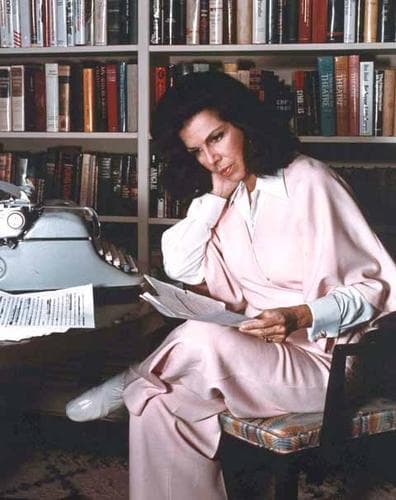
Jacqueline Susann was an American author known for her contributions to fiction in the mid-20th century. Her most notable works include "Valley of the Dolls," a novel exploring the lives of women in the entertainment industry, and "Once Is Not Enough," which delves into themes of love and ambition. Susann's writing often addressed societal issues and the complexities of personal relationships.
Similar books
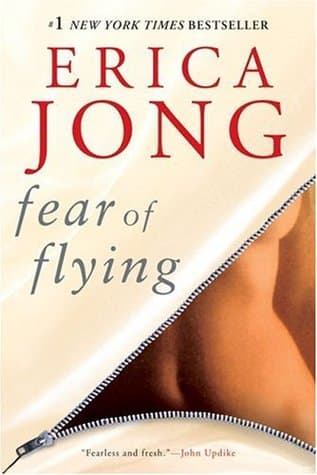
- Fear of Flying
Erica Jong
3.5 (19k) average on GoodreadsRomanceExplores female sexuality and societal expectations with a frank, confessional style.
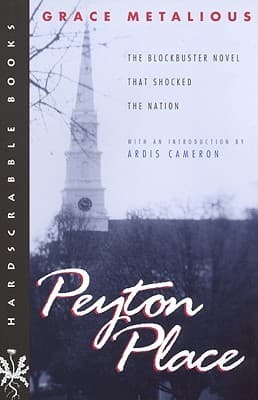
- Peyton Place
Grace Metalious
3.8 (10k) average on GoodreadsHistorical FictionReveals the scandalous secrets and hidden lives beneath a seemingly idyllic surface.
- The Bell Jar
Sylvia Plath
4.0 (591k) average on GoodreadsPsychologyWhile both novels explore female disillusionment and mental health struggles in the mid-20th century, The Bell Jar offers a far more introspective, psychologically complex, and literary examination of a young woman's descent into depression, rooted in societal and personal pressures. Susann's novel, by contrast, externalizes these struggles through plot-driven drama and the tangible 'dolls,' making it more accessible but less profound in its psychological depth.
- Play It as It Lays
Joan Didion
3.9 (29k) average on GoodreadsLiterary FictionDidion's novel, also set in the entertainment world of California and featuring a disillusioned female protagonist, shares thematic elements of alienation and the search for meaning amidst superficiality. However, Didion employs a minimalist, detached prose style and a fragmented narrative to evoke a sense of existential despair and a more incisive critique of Hollywood's emptiness, making it a more 'literary' and less melodramatic exploration compared to Susann's more commercially driven narrative.
- The Hunger Games
Suzanne Collins
4.3 (6.4M) average on GoodreadsFantasyIn a future where children fight to the death on live television, Katniss Everdeen volunteers for the arena, turning a death sentence into a fight for survival and a spark of rebellion.
- The Great Gatsby
F. Scott Fitzgerald
3.9 (3.8M) average on GoodreadsHistorical FictionIn the opulent Roaring Twenties, a mysterious millionaire's lavish parties hide his desperate, tragic pursuit of a lost love, exposing the emptiness within the American Dream.




Enjoyed the summary?
A summary gives you the shape of the book. The book itself has the detail, the examples and the voice.
Find Valley of the Dolls on AmazonAs an Amazon Associate, BookBrief earns from qualifying purchases. How we're funded