

Synopsis
Covers the whole plot, including the ending.
- Difficulty
- Medium
- Pacing
- Moderate
- Mood
- Passionate, Melancholy, Tragic, Eloquent
- Read it if
- You enjoy classical mythology retellings, Shakespearean poetry beyond his plays, or narratives exploring unrequited love and tragic passion.
- Skip it if
- You prefer modern, fast-paced narratives or find extensive mythological allusions and florid language challenging.
Venus and Adonis Plot Summary
Covers the whole plot, including the ending.
Venus's Ardent Pursuit
The poem begins with Venus seeing Adonis, a very handsome mortal youth, as he prepares to hunt. Immediately drawn to his beauty, Venus leaves her divine duties and goes to Earth, determined to win his love. She confronts him, wrapping her arms around him and telling him she loves him. Adonis, however, cares more about hunting and is clearly uncomfortable with her advances. He tries to pull away, but Venus, full of passion, holds him tight, praising him and promising pleasure, despite his clear reluctance and wish to escape and hunt a boar.
A Horse's Distraction
As Venus continues her attempts to charm Adonis, his stallion, left alone for a moment, sees a beautiful jennet nearby. Driven by instinct, the stallion breaks free and gallops towards the mare, much to Adonis's annoyance. This event provides a brief break from Venus's pursuit. Adonis tries to get his horse, giving him an excuse to briefly escape Venus's physical embrace and constant talking. Venus, though bothered by the interruption, uses it to press her case further, seeing the horse's passion as a reflection of her own desires and a lesson for Adonis.
Venus's Eloquent Plea
Venus uses many ways to persuade Adonis, using elegant language and clear images to make him love her back. She argues that his beauty should be shared and passed on through children, not kept to himself. She compares his youthful beauty to a rose that will fade if it does not bloom and bear fruit. She stresses that youth is short and that one should seize the moment for love. Despite her strong words and the appeal of a goddess, Adonis remains unmoved, his heart seemingly untouched by her charms, stubbornly preferring the thrill of the hunt over romance.
The Kiss and the Fainting Spell
Frustrated by Adonis's coldness and rejection, Venus becomes more desperate. In a dramatic show of her pain, she faints, falling into Adonis's arms. This sudden event surprises Adonis, who, seeing her unconscious, feels a moment of worry. He thinks she might be dead and, in a rare moment of gentleness, kisses her to wake her. This act, however, comes more from pity and alarm than true affection. When she wakes up, Venus, always looking for an advantage, sees his kiss as a sign of growing love, further fueling her hopes and renewed efforts to win him over, much to Adonis's annoyance.
Adonis's Rejection
Adonis, after reviving Venus, makes his feelings very clear. He explains that he is too young for the kind of passionate, physical love she offers, preferring instead the simple joys of hunting and nature. He describes love as a torment, a source of pain and deceit, and contrasts it with the pure joy he finds in his activities. He tells her directly that her beauty, while real, does not affect him. His rejection is firm, leaving Venus heartbroken and confused by his lack of interest in her divine charms and passionate words. He insists he will not change his chosen path.
The Prediction of Sorrow
After Adonis's clear rejection, Venus falls into deep sadness and despair. Her divine power seems to lessen in the face of unreturned love. In her grief, she makes a prophecy, foretelling a future where love will no longer be pure and joyful, but will instead be troubled by jealousy, suspicion, and pain. She predicts that lovers will be tormented by doubt, that trust will be hard to find, and that love's sweetness will always come with a bitter sting. This statement changes the poem's mood, moving from a lighthearted pursuit to a darker, more tragic view of love.
Adonis's Departure and Venus's Warning
Despite Venus's pleas and the increasingly dark mood, Adonis remains set on hunting. He says he will go after a wild boar, a dangerous creature. Venus, still upset by his rejection and now filled with growing dread, tries to stop him. She warns him about the dangers of hunting such a powerful beast, her words full of a sense of coming disaster. She begs him to stay, to choose safety over the thrill of the chase, but Adonis, driven by youthful bravery and his love for hunting, ignores her warnings and leaves, leaving Venus alone with her fears.
The Search for Adonis
Soon after Adonis leaves, Venus hears the sounds of hunting dogs in distress, their cries echoing through the woods. A terrible fear grips her heart, confirming her earlier worries. Convinced that something bad has happened to Adonis, she rushes through the forest, desperate to find him. Her search is full of anxiety and growing dread as she goes through the rough land, calling his name. The sounds of the hunt, once annoying, now fill her with terror, signaling the possible loss of the youth she so strongly desired.
The Tragic Discovery
Venus's worst fears come true when she finds Adonis's lifeless body. He lies in a pool of blood, badly gored by the wild boar he had pursued. The scene is one of brutal destruction, a sharp contrast to his earlier vibrant beauty. Venus is overcome with terrible grief, her earlier passion turning into deep sorrow. She holds his body, mourning his early death and the cruel irony of fate. The image of Adonis, once the picture of youthful beauty, now damaged and destroyed, highlights the tragic results of his stubborn independence and her unreturned love.
Venus's Lament and Curse
Overwhelmed with despair, Venus gives a heartbreaking speech over Adonis's body. She grieves not only for his loss but also for the unfulfilled promise of their love. In her pain, she curses Love itself, declaring that from that day forward, love will always include jealousy, sorrow, and pain. She says that love will be a source of torment, a bittersweet experience forever marked by the memory of her loss. This curse makes her earlier prediction real, turning it into a definite decree that will forever shape the nature of love in the world, ensuring that joy in love will always be shadowed by the chance of grief.
The Birth of the Anemone
As Venus continues her mournful speech, a miraculous change happens. From Adonis's blood, a beautiful purple flower, the anemone, grows. This delicate, short-lived flower becomes a symbol of Adonis's temporary beauty and tragic end. Venus takes the flower, a sad reminder of her lost love, and cherishes it. This transformation offers a small, bittersweet comfort amid her overwhelming grief, ensuring that Adonis's memory will live on, not through children as she had wished, but through the lasting beauty of nature, forever linked to his tragic story and the goddess's sorrow.
Venus's Retreat to Paphos
With Adonis's body turned into a flower, Venus, deeply changed by her experience of unreturned love and tragic loss, withdraws from the world. She gathers the anemone and returns to her sacred place in Paphos, Cyprus. Her departure means the end of her direct involvement in the mortal world for a time, and her retreat into a state of continuous mourning. The poem ends with Venus carrying her grief and the symbolic flower, leaving the reader with the lasting impression of the pain of lost love and the goddess's change from a figure of passionate pursuit to one of deep sorrow and acceptance, forever marked by Adonis's rejection and death.
Principal Figures
Venus
Protagonist
The goddess of love, beauty, and desire, who falls desperately in love with Adonis.
Venus is portrayed as a powerful and passionate goddess, accustomed to having her desires fulfilled. She is bold, persistent, and eloquent in her pursuit of Adonis, using both physical force and rhetorical skill to win him over. Her love is all-consuming, bordering on obsessive, and she is deeply affected by rejection. She embodies sensual desire and the power of feminine allure, but also the vulnerability and pain of unrequited love. Her character undergoes a transformation from confident pursuer to heartbroken mourner, forever changed by her experience.
Relationships: Adonis (Unrequited love interest, object of her intense desire.)
Adonis
Antagonist/Love Interest
A beautiful mortal youth who rejects Venus's advances, preferring hunting.
Adonis is depicted as exceptionally handsome, but also youthful, chaste, and stubborn. He is indifferent to Venus's passionate advances, preferring the thrill of the hunt and the purity of nature over romantic entanglement. He views love as a source of pain and deceit, and his innocence is a stark contrast to Venus's worldly experience. His resistance to Venus's charms is central to the poem's conflict. He is ultimately tragic, dying a violent death, which underscores the fragility of youth and beauty.
Relationships: Venus (Object of her desire, but he rejects her advances.)
Adonis's Horse
Supporting/Symbolic
A wild stallion whose escape distracts Venus and Adonis, symbolizing instinctual passion.
Adonis's horse, a spirited stallion, plays a brief but significant role. Its sudden escape to pursue a jennet provides a momentary diversion from Venus's relentless pursuit of Adonis. More importantly, the horse's unbridled, instinctive passion for the mare serves as a symbolic parallel to Venus's own overwhelming desire, and a contrast to Adonis's coldness. Its actions highlight the natural, undeniable force of sexual attraction, which Venus attempts to use as an example to sway Adonis, though to no avail. The horse's freedom and pursuit mirror Venus's own desires, but also the untamed nature that Adonis prefers.
Relationships: Adonis (His owner, from whom it temporarily escapes.)
The Wild Boar
Antagonist/Plot Device
The ferocious animal that ultimately kills Adonis, fulfilling Venus's dark premonition.
The wild boar is not a character in the traditional sense but acts as a crucial antagonist and plot device. It is the object of Adonis's fatal hunt, and its ferocity is emphasized by Venus's warnings. The boar represents the uncontrolled, dangerous aspects of nature and fate. Its brutal attack on Adonis is the tragic climax of the poem, directly leading to Adonis's death and Venus's profound grief. Its role underscores the theme of the destructive power of unchecked passion, both human and animal, and the futility of trying to control destiny.
Themes & Insights
The Nature of Love and Desire
The poem explores different kinds of love: Venus embodies passionate, physical, and somewhat aggressive desire, while Adonis represents a pure, almost detached resistance to such love. Venus argues that love leads to children and a lasting name, while Adonis sees it as painful and corrupt. The poem contrasts Venus's strong, instinctive passion (and that of the horses) with Adonis's youthful indifference. It suggests that love, especially when one-sided or pursued too much, can lead to sadness and destruction. Venus's final curse on love highlights its bittersweet nature.
“Love is a spirit all compact of fire, / Not gross to sink, but light, and will aspire.”
Beauty and Its Transience
Adonis's great beauty is key to the poem, as it causes Venus's desire. However, Venus repeatedly warns him that beauty is short-lived and should be used to have children before it fades, like a rose that dies without bearing fruit. Adonis's tragic death, which disfigures his perfect form, shows how quickly physical beauty can disappear. The transformation of his blood into the delicate, short-lived anemone flower further emphasizes this idea, showing that even the most beautiful things are meant to pass away, leaving only a fragile memory.
“But having made thee, he most proud of all, / For that he made objects for thy fall.”
Youthful Innocence vs. Worldly Experience
The poem contrasts Adonis's youthful innocence and lack of experience with Venus's ancient wisdom and worldly knowledge. Adonis rejects love because of his naivety and his preference for simple activities like hunting. He has not yet learned the complexities and pains of romantic attachment. Venus, on the other hand, understands desire's power and problems, trying to guide him towards what she believes is his natural purpose. His inability to understand her passion ultimately leads to his downfall, suggesting that innocence, while good, can also be a type of ignorance that leads to tragic outcomes when faced with life's strong forces.
“I hate not love, but your device in love, / That lends enchantment to the thing you prove.”
Fate and Free Will
The poem subtly explores how fate and free will interact. Venus's predictions of sorrow and her specific warning about the boar suggest that destiny is at work. Despite her divine status and desperate pleas, she cannot stop Adonis from following his chosen path, nor can she change the tragic outcome. Adonis's stubborn insistence on hunting, despite the goddess's warnings, can be seen as an act of his free will, yet it ultimately leads him to a fate that Venus foresaw. This suggests that even powerful beings cannot fully control events, and that individual choices can align with or speed up an inevitable destiny.
“For in his looks I see it is my doom; / My heart will break, and I must yield to him.”
Plot Devices & Literary Techniques
Personification
Attributing human qualities or actions to abstract concepts or inanimate objects.
Shakespeare extensively uses personification, especially when Venus describes Love itself. She talks about Love as a living entity with its own will, desires, and even flaws. For example, she describes 'Love' as a 'spirit all compact of fire' and later curses it, giving it agency and responsibility for future sorrows. This device helps to elevate the abstract concept of love into a tangible force that impacts the characters' lives and the world at large, making the theme more vivid and impactful. It allows Venus to externalize her feelings and attribute the pain she experiences to a greater, more universal entity.
Foreshadowing
Hints or warnings about future events in the story.
The poem uses foreshadowing to build suspense and tragedy. Venus's repeated warnings to Adonis about the dangers of hunting, particularly her specific premonition about the wild boar, directly hint at his eventual demise. Her earlier lament about love being intertwined with sorrow also foreshadows the tragic ending and her subsequent curse. These subtle clues create a sense of impending doom, making Adonis's death feel both inevitable and deeply tragic, as the audience is prepared for the unfortunate outcome long before it occurs. It highlights the futility of trying to escape one's destiny.
Symbolism
The use of objects, people, or ideas to represent something else.
Symbolism is prevalent throughout the poem. Adonis's horse, in its unbridled pursuit of the jennet, symbolizes instinctual, untamed passion, contrasting with Adonis's chaste nature. The wild boar symbolizes the dangerous, destructive aspects of nature and fate, as well as the potential for beauty to be marred. Most significantly, the anemone flower, which springs from Adonis's blood, symbolizes his transient beauty, his tragic death, and the fragile, short-lived nature of life and love. These symbols enrich the poem's themes, providing deeper layers of meaning without explicit explanation.
Dramatic Irony
A situation in which the audience knows more about what is happening than a character in the story.
Dramatic irony is employed when Venus, a goddess, faints from despair, and Adonis, believing her dead, kisses her to revive her. The irony lies in Adonis's lack of true affection for Venus, yet his actions momentarily give her false hope that he might be awakening to love. The audience understands that Adonis's kiss is born of pity and alarm, not reciprocated passion, highlighting the tragic disconnect between Venus's desires and Adonis's reality. This device underscores the depth of Venus's delusion and the futility of her efforts, making her eventual heartbreak more poignant.
Venus and Adonis Quotes
“Lo, here the gentle lark, weary of rest, / From his moist cabinet mounts up on high, / And wakes the morning, from whose silver breast / The sun ariseth in his majesty.”
“For shame, he says, you send me back in vain; / Leave to pursue me, lest I fly my fill, / And, in my flight, I be o'ertook again.”
“But when the fox hath once his teeth all fast, / What canst thou help, or whither canst thou fly?”
“Had I no eyes but ears, my ears would be / For ever deaf to all sweet melody, / Unless I heard the praises of thy worth.”
“Sorrow on love hereafter shall attend: / It shall be waited on with jealousy, / Find sweet beginning but unsavoury end, / Ne'er settled equally, but high or low.”
“And having felt the sweetness of the spoil, / With blindfold fury she begins to forage.”
“For he being dead, with him is beauty slain, / And beauty dead, black chaos comes again.”
“Nought can we call our own but death, / And that small portion of an empty breath.”
“Pity, she cries, some favour show to me, / A heavy burden on my soul I bear.”
“The iron bit, the spur, the curb, the rein, / When thou wouldst put me off, I'll bite and kick.”
“O, what a war of looks was then between / Their eyes that yet did feed on his sweet looks!”
“But when the heart's attorney once is mute, / The client's cause in his suit is overthrown.”
“By this, poor Adonis, that doth shun each kiss, / Was by the boar's tusk gored with a mortal wound.”
“The rose and lily, on his pale cheek died, / And in his blood that colour died whose hue / Was sometimes Venus's, now his.”
Quiz
10 questions on the plot and the characters. Each answer comes with a short explanation.
Question 1
Which mythological figure is the object of Venus's affection in the poem?
- Apollo
- Mars
- Adonis
- Cupid
Show answer
C. Adonis The poem explicitly details Venus's love and pursuit of the mortal youth, Adonis.
Question 2
What animal does Adonis prefer to hunt, despite Venus's warnings?
- Deer
- Wild boar
- Hare
- Bear
Show answer
B. Wild boar Adonis's passion for hunting the wild boar ultimately leads to his tragic demise, despite Venus's pleas.
Question 3
What is Venus's initial reaction when Adonis rejects her advances?
- She accepts his decision gracefully.
- She becomes enraged and curses him.
- She responds with jealousy and attempts to persuade him further.
- She immediately gives up and leaves him alone.
Show answer
C. She responds with jealousy and attempts to persuade him further. The poem describes Venus's persistent and sometimes forceful attempts to woo Adonis, coupled with her jealousy when he resists.
Question 4
Which of the following best describes Venus's method of persuasion towards Adonis?
- Gentle reasoning and patient waiting.
- Using her divine power to force his affection.
- Passionate speeches, physical advances, and appeals to his youth and beauty.
- Sending Cupid to strike him with an arrow.
Show answer
C. Passionate speeches, physical advances, and appeals to his youth and beauty. Venus employs a range of highly vocal and physical tactics, often overwhelming Adonis with her passion and arguments about the nature of love and procreation.
Question 5
What is the ultimate fate of Adonis in the poem?
- He eventually falls in love with Venus and they live happily ever after.
- He is transformed into a constellation by the gods.
- He is killed by the wild boar he was hunting.
- He runs away from Venus and is never seen again.
Show answer
C. He is killed by the wild boar he was hunting. The poem culminates in the tragic death of Adonis, gored by the wild boar, fulfilling Venus's earlier ominous premonitions.
Question 6
What natural phenomenon is described as originating from Adonis's blood after his death?
- The creation of the rose.
- The formation of dew on leaves.
- The birth of the anemone flower.
- The color of the sunset.
Show answer
C. The birth of the anemone flower. Upon finding Adonis's body, Venus transforms his blood into a purple and white flower, traditionally identified as the anemone.
Question 7
Which of the following themes is most prominent in 'Venus and Adonis'?
- The glory of war and conquest.
- The destructive nature of unrequited love and lust versus chaste affection.
- The importance of filial duty and obedience.
- The celebration of platonic friendship.
Show answer
B. The destructive nature of unrequited love and lust versus chaste affection. The poem extensively explores the overwhelming and often aggressive nature of Venus's lust, contrasted with Adonis's youthful innocence and resistance, leading to tragic consequences.
Question 8
How does Venus's perception of love differ significantly from Adonis's initial understanding?
- Venus sees love as a spiritual connection, while Adonis views it as a social obligation.
- Venus views love primarily as physical desire and procreation, whereas Adonis sees it as a distraction from his pursuits and a source of potential pain.
- Venus believes love should be earned through heroic deeds, while Adonis believes it's a matter of fate.
- Venus prioritizes intellectual compatibility, while Adonis values emotional intimacy.
Show answer
B. Venus views love primarily as physical desire and procreation, whereas Adonis sees it as a distraction from his pursuits and a source of potential pain. Venus repeatedly argues for the necessity of procreation and physical love, while Adonis remains focused on his hunting and expresses a youthful aversion to such passionate entanglements.
Question 9
At one point, Venus compares Adonis's refusal to love her to what, in terms of its effect on the world?
- A drought causing famine across the land.
- A 'murderous shame' that prevents nature's increase and makes him a 'profitless usurer'.
- A plague that decimates humanity.
- A storm that destroys ships at sea.
Show answer
B. A 'murderous shame' that prevents nature's increase and makes him a 'profitless usurer'. Venus chastises Adonis for hoarding his beauty and not using it for procreation, comparing him to a 'profitless usurer' who lets his 'treasure lie' and commits 'murderous shame' against nature's purpose.
Question 10
After Adonis's death, what is Venus's prophetic declaration regarding the future of love?
- Love will forever be a source of pure joy and everlasting happiness.
- Love will always be accompanied by sorrow, jealousy, and fear, making it a 'bitter sweet'.
- Love will cease to exist among mortals, only remaining with the gods.
- Love will transform into a selfless devotion to duty and honor.
Show answer
B. Love will always be accompanied by sorrow, jealousy, and fear, making it a 'bitter sweet'. Devastated by Adonis's death, Venus curses love to be forever intertwined with bitterness, jealousy, and sorrow, declaring it will be 'a bitter sweet'.
Venus and Adonis FAQ
What is the central conflict in 'Venus and Adonis'?
The central conflict revolves around Venus's overwhelming, passionate desire for Adonis and Adonis's complete lack of interest in love, instead preferring the thrill and purity of the hunt. This fundamental incompatibility drives the entire narrative, with Venus's persistent advances clashing against Adonis's steadfast rejections.
How does Venus attempt to persuade Adonis to reciprocate her love?
Venus employs a variety of persuasive techniques, including flattering his beauty, recounting her own divine power, describing the joys of lovemaking, and even physically restraining him. She argues for procreation and the natural order of love, contrasting it with the barrenness of his solitary pursuits.
What is Adonis's primary reason for rejecting Venus's advances?
Adonis is portrayed as an innocent youth who finds love to be a burdensome and distracting pursuit, preferring the active and chaste sport of hunting. He expresses a youthful disdain for Venus's overly aggressive passion, finding it suffocating and unappealing.
What tragic event ultimately concludes the poem?
The poem concludes with Adonis's untimely death, gored by a wild boar during a hunt, despite Venus's earlier premonitions and warnings. This tragic event leaves Venus heartbroken and leads to her curse on love, making it forever intertwined with sorrow and jealousy.
How does the poem connect to Shakespeare's Sonnets, specifically regarding the 'Fair Youth'?
Many scholars believe the dedication to the Earl of Southampton, Shakespeare's patron, and the poem's themes of beauty, procreation, and fleeting youth echo the themes found in the 'Fair Youth' sonnets. The poem can be seen as an elaborate plea for a beautiful young man to embrace love and procreation, much like the speaker in the sonnets urges the youth.
What is the significance of the wild boar in the narrative?
The wild boar is not just a random animal; it serves as a symbolic representation of uncontrolled, destructive passion and perhaps even a twisted mirror of Venus's own aggressive desire. Its death of Adonis, the object of Venus's desire, tragically underscores the dangers of unrestrained pursuit, whether of love or the hunt.
Are there any allusions to classical mythology beyond Venus and Adonis themselves?
Yes, the poem makes several allusions, such as Venus recounting her past loves like Mars, and Adonis's eventual transformation into a flower, which is a common motif in classical mythology for dying youths. These details ground the narrative within a broader mythological tradition.
What psychological state does Venus exhibit throughout her pursuit of Adonis?
Venus displays an intense, almost obsessive psychological state characterized by unbridled desire, possessiveness, and increasing desperation. Her emotional swings range from seductive charm to frustrated anger and ultimately, profound grief and despair after Adonis's death.
How can Adonis's aversion to love be psychologically interpreted?
Adonis's aversion can be interpreted as a psychological state of youthful innocence and perhaps a fear of vulnerability or the loss of autonomy that love entails. His preference for the hunt suggests a desire for control and a simpler, less complicated existence away from the messy emotions of passion.
What is the psychological impact of rejection on Venus?
The repeated rejection from Adonis deeply wounds Venus's divine pride and intensifies her desire, leading to jealousy and ominous premonitions. Psychologically, it fuels her desperation and ultimately contributes to her overwhelming grief and the subsequent curse she casts upon love.
How does Venus's character evolve or devolve throughout the poem?
Venus devolves from a confident, alluring goddess of love to a desperate, almost pathetic figure consumed by unrequited passion and ultimately, by profound sorrow. Her initial playful pursuit transforms into a frantic attempt to control fate, ending in a heartbroken curse.
Is 'Venus and Adonis' a celebration of love or a cautionary tale?
The poem serves as both a celebration of love's intense beauty and a cautionary tale about its destructive potential when unbalanced. While Venus's passion is vibrant, its unrequited nature and tragic outcome highlight the perils of obsessive desire and the pain of loss, suggesting love's inherent connection to sorrow.
How does the poem's ending, with Venus cursing love, alter our understanding of the goddess of love?
The ending significantly darkens Venus's traditional portrayal, transforming her from a benevolent goddess of love into a figure whose personal suffering leads her to infuse love with bitterness, jealousy, and sorrow. It suggests that even divine love is vulnerable to human-like pain and vengefulness.
What societal or philosophical message might Shakespeare be conveying about desire and moderation?
Shakespeare seems to be exploring the destructive nature of unchecked desire, both Venus's sexual passion and Adonis's passion for the hunt. The tragedy suggests that extremes, whether of love or its rejection, can lead to devastating consequences, implicitly advocating for moderation or balance in human pursuits.
Could Adonis's death be interpreted as a symbolic victory for chastity over lust?
While Adonis's death is tragic, it could be interpreted as a symbolic, albeit extreme, affirmation of his chaste nature. His refusal to yield to Venus's lust is maintained until his death, suggesting a purity that remains untainted by the goddess's advances, even if it costs him his life.
To what extent does the poem critique or endorse conventional gender roles of its time?
The poem subverts conventional gender roles by presenting Venus as the aggressor and Adonis as the coy, resistant object of desire, challenging the passive female and active male stereotypes. However, it also shows the tragic consequences of this reversal, leaving room for debate on whether it's a critique or an exploration of such dynamics.
How does the poem's rich descriptive language contribute to its overall themes?
The poem's vivid and sensual descriptive language, particularly in detailing Venus's beauty and her attempts at seduction, immerses the reader in the intensity of her desire. This lushness contrasts sharply with Adonis's coldness and the brutal reality of his death, enhancing the themes of passion, beauty, and tragedy.
What is the significance of Adonis's transformation into a flower at the end?
Adonis's transformation into a flower, specifically an anemone, symbolizes the ephemeral nature of beauty and life, and the enduring power of love's memory, albeit tinged with sorrow. It provides a touch of classical mythology's cyclical nature, where death often leads to a new form of life or remembrance.
About the author
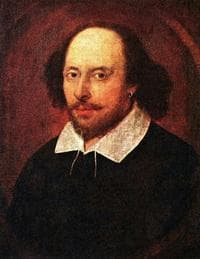
William Shakespeare was an English playwright, poet and actor. He is widely regarded as the greatest writer in the English language and the world's pre-eminent dramatist. He is often called England's national poet and the "Bard of Avon". His extant works, including collaborations, consist of some 39 plays, 154 sonnets, three long narrative poems, and a few other verses, some of uncertain authorship. His plays have been translated into every major living language and are performed more often than those of any other playwright. Shakespeare remains arguably the most influential writer in the English language, and his works continue to be studied and reinterpreted.
Similar books
- The Hunger Games
Suzanne Collins
4.3 (6.4M) average on GoodreadsFantasyIn a future where children fight to the death on live television, Katniss Everdeen volunteers for the arena, turning a death sentence into a fight for survival and a spark of rebellion.
- The Great Gatsby
F. Scott Fitzgerald
3.9 (3.8M) average on GoodreadsHistorical FictionIn the opulent Roaring Twenties, a mysterious millionaire's lavish parties hide his desperate, tragic pursuit of a lost love, exposing the emptiness within the American Dream.
- The Fault in Our Stars
John Green
4.2 (3.6M) average on GoodreadsYoung AdultA girl with a terminal illness finds her story rewritten when a charming boy with a similar past enters her life at a cancer support group, leading to a star-crossed romance.
- Pride and Prejudice
Jane Austen
4.3 (3M) average on GoodreadsHistorical FictionIn a society focused on status and money, Elizabeth Bennet navigates love and pride, challenging Mr. Darcy and social expectations to find true affection.
- Divergent
Veronica Roth
4.2 (2.9M) average on GoodreadsFantasyIn a society divided by virtues, a sixteen-year-old's difference from the norm starts a rebellion that threatens her world.
- Catching Fire
Suzanne Collins
4.3 (2.5M) average on GoodreadsFantasyAfter defying the Capitol and starting a rebellion, Katniss and Peeta are forced on a dangerous Victory Tour, navigating political schemes, a fake romance, and the constant threat of a government eager to crush the uprising they began.






Enjoyed the summary?
A summary gives you the shape of the book. The book itself has the detail, the examples and the voice.
Find Venus and Adonis on AmazonAs an Amazon Associate, BookBrief earns from qualifying purchases. How we're funded