

Core Idea
- Difficulty
- Easy
- Read it if
- You are struggling with a personal tragedy or loss and grappling with questions about faith, suffering, and God's role in a world where bad things happen to good people. This book offers a compassionate, non-dogmatic perspective on reconciling faith with adversity.
- Skip it if
- You prefer a strictly literal interpretation of scripture, believe in a God who directly intervenes to prevent all harm, or are seeking a definitive, logical explanation for suffering rather than a framework for coping and finding meaning within it.
Key Takeaways from When Bad Things Happen to Good People
God Isn't All-Powerful (And That's Okay)
The traditional view of an omnipotent, benevolent God is incompatible with suffering.
Kushner challenges the idea of a good God allowing evil by suggesting God is not all-powerful in the way we usually think. He argues that the traditional view of an omnipotent God who could prevent suffering but chooses not to is unsatisfying and morally troubling for those experiencing tragedy. Instead, Kushner proposes a God who is entirely good and loving, but whose power is limited in intervening with natural laws or individual free will. This reframing removes God's responsibility for suffering and lets us see God as a compassionate presence with us in our pain, rather than a distant, controlling deity who causes it.
“God does not cause our misfortunes. What God does is stand by us in our misfortunes.”
In the book: Kushner's personal experience of his son Aaron's progeria diagnosis, which forced him to reconcile his faith with a reality where a good God did not intervene to prevent immense suffering.
Try this: When faced with tragedy, release the need to understand *why* God allowed it. Instead, seek God's presence and comfort within the suffering itself, focusing on the support and love available.
Related ideas: theodicy, divine-benevolence, divine-omnipotence
Suffering is Random, Not Retribution
Bad things happen due to the amoral nature of the universe, not as punishment for sins.
A common and harmful belief, especially in religious settings, is that suffering is divine punishment or a test for personal failings. Kushner strongly rejects this, stating that such a belief only adds guilt and unworthiness to the pain of the afflicted. He argues that the universe follows natural laws, and sometimes, those laws lead to unfortunate outcomes. Illness, accidents, and other disasters are often random events that affect both 'good' and 'bad' people. Blaming God for suffering misrepresents God's character and prevents people from finding true comfort and healing, trapping them in self-blame.
“The belief that God punishes us for our sins is a cruel and inaccurate one.”
In the book: Kushner points to the common human experience of observing virtuous people suffer immensely, while seemingly wicked individuals prosper, directly contradicting the 'suffering as punishment' paradigm.
Try this: When experiencing hardship, actively resist the impulse to ask 'What did I do to deserve this?' or to believe it's a divine punishment. Instead, acknowledge the randomness and focus on coping and rebuilding.
Related ideas: karma, divine-justice, moral-luck
The Purpose of Faith is Comfort, Not Explanation
Faith's true value lies in providing solace and community during crises, not in offering logical answers.
Kushner redefines faith's role in tragedy. He says many people expect faith to provide a rational explanation for suffering, a 'why' that makes sense of the senseless. However, he argues that such explanations are often insufficient, unhelpful, or even cruel. The true gift of faith, according to Kushner, is its ability to offer comfort, support, and a framework for resilience. It connects individuals to a caring community, reminds them of lasting love, and provides meaning not in the cause of suffering, but in the response to it. Faith helps us endure, not understand.
“The question is not 'Why did this happen to me?' but 'What can I do about it now that it has happened?'”
In the book: Kushner’s observation that elaborate theological explanations for suffering rarely bring actual comfort to grieving individuals, whereas the presence of a loving community or a sense of divine companionship often does.
Try this: During times of distress, lean into the supportive aspects of your faith or community. Seek out people who offer empathetic presence rather than those who offer simplistic explanations for your pain.
Related ideas: spiritual-resilience, pastoral-care, meaning-making
Focus on What You Can Control: Response
While we can't control what happens to us, we can always choose how we respond.
A main theme in Kushner's work is the power of choice, even in the worst situations. He stresses that while we often cannot prevent tragic events, our power lies in how we react. This shifts the focus from the unanswerable 'why me?' to the actionable 'what now?' By focusing on our response, we regain control and purpose, moving from victimhood to resilience. This does not lessen the pain, but it empowers us to deal with it with dignity and to find ways to rebuild or find new meaning, rather than being paralyzed by unfairness. It is about finding strength in adapting.
“We can't always choose what happens to us, but we can choose how we react to it.”
In the book: Kushner's own journey of processing his son's illness, where he shifted from questioning God's fairness to finding ways to live meaningfully within his new reality and help others.
Try this: When overwhelmed by uncontrollable circumstances, identify one small action or attitude you *can* control. This could be seeking support, practicing gratitude, or offering help to someone else.
Related ideas: locus-of-control, resilience, agency
Don't Blame the Victim (or Yourself)
The idea that suffering is deserved or a result of personal failing is cruel and unfounded.
Kushner systematically dismantles the tendency to blame victims for their suffering, whether through direct accusation or the subtle idea that they somehow 'brought it upon themselves' or lacked enough faith. This victim-blaming comes from discomfort with randomness and a desire to believe in a perfectly just world where good deeds are always rewarded and bad ones punished. However, Kushner argues that such a worldview is flawed and harmful. It adds insult to injury, isolating those who are already struggling and preventing them from getting the empathy and support they need. Accepting life's inherent unfairness is essential for true compassion.
“The world is not fair. And that is why we need God and each other.”
In the book: The author references the common human tendency to create a 'moral order' in the universe, where suffering must have a cause linked to personal behavior, even when it clearly doesn't.
Try this: When you hear someone attributing misfortune to a person's character or actions, challenge that assumption. Offer empathy and practical support instead of judgment or theological explanations.
Related ideas: just-world-hypothesis, empathy, compassion
God Needs Us as Much as We Need God
God's work in the world is often accomplished through human hands and hearts.
Kushner's theology implies a partnership between humanity and the divine. If God's power to prevent suffering is limited, then God relies on us—on our compassion, our actions, and our willingness to help each other—to bring comfort, healing, and justice into the world. This view changes God from an all-powerful puppeteer into a loving leader who inspires and empowers us to be agents of good. It shifts responsibility from a distant deity to a shared human duty. When we are kind, offer support, or work for positive change, we are, in essence, doing God's work, becoming the hands and feet of divine love in a world that needs it.
“God asks us to be His partners in making the world a better place.”
In the book: Kushner's interpretation of biblical narratives where God empowers prophets and leaders, rather than directly intervening, suggesting a pattern of working through human agency.
Try this: When feeling helpless in the face of suffering, ask 'How can I be a source of comfort or help?' Volunteer, support a friend, or contribute to a cause that alleviates pain. Be God's partner.
Related ideas: tikkun-olam, human-agency, divine-partnership
Embrace Imperfection and the 'Brokenness' of Life
Life is inherently imperfect, and true wisdom lies in accepting this reality.
Much human suffering comes from expecting a perfect world, or a world where justice always wins and good people are always spared hardship. Kushner gently but firmly breaks down this illusion. He states that life is messy, unpredictable, and often unfair. Natural laws do not bend to our desires, and existence includes joy and sorrow, health and illness, life and death. Accepting this fundamental imperfection of the world is not surrender but a freeing act. It allows us to let go of unrealistic expectations and to find peace and meaning within the reality of our imperfect lives, rather than constantly seeking an unattainable ideal.
“We can love the world and still recognize its imperfections.”
In the book: Kushner's personal experience with his son's illness, which forced him to confront the reality that good people are not exempt from suffering, and that life, despite its beauty, is not always fair.
Try this: When frustrated by life's setbacks or injustices, remind yourself that imperfection is part of the human condition. Practice acceptance and focus on finding gratitude and joy amidst the flaws.
Related ideas: stoicism, acceptance, impermanence
Miracles Are About Resilience, Not Intervention
True miracles are found in human strength, compassion, and the will to persevere.
Kushner redefines 'miracle' from a supernatural event that defies natural law to an internal or community phenomenon. He suggests that true miracles are not about God suspending the rules of the universe to prevent a tragedy or cure an illness, but about the extraordinary ability of humans to find strength, hope, and connection in adversity. This includes the resilience of the suffering person, the steady support of loved ones, the dedication of caregivers, and the spontaneous acts of kindness that appear during hard times. These are the 'miracles' that truly matter, offering real comfort and showing the lasting power of the human spirit and divine presence working through people.
“A miracle is not God's breaking the laws of nature, but God's making us stronger so that we can cope with what has happened.”
In the book: Kushner's observations of how families cope with severe illness, finding profound strength and love, which he considers more miraculous than a sudden, unexplainable cure.
Try this: Instead of waiting for a divine intervention to solve your problems, look for the 'miracles' in your daily life: acts of kindness, your own inner strength, or unexpected sources of hope.
Related ideas: inner-strength, human-spirit, communal-support
Love is the Ultimate Answer
In the face of unanswerable questions, love remains the most powerful and meaningful response.
When logical explanations fail and theological ideas crumble under suffering, Kushner points to love as the most profound truth. He argues that in a world where bad things happen, the most meaningful response is not to seek intellectual answers, but to embrace and express love—for God, for others, and for oneself. Love offers comfort, builds community, inspires compassion, and gives life its deepest meaning. It is the force that connects us, heals us, and sustains us through our darkest hours. This is not a simple answer, but a deep shift toward what truly matters when everything else seems to fall apart.
“The one thing that is never taken away from us, even in the midst of tragedy, is our ability to love and be loved.”
In the book: Kushner's personal experience, where the love for his son and the support of his community were the primary sources of strength and comfort, far surpassing any theological explanation.
Try this: When feeling lost or overwhelmed by life's unfairness, actively seek opportunities to give and receive love. Connect with loved ones, offer comfort to others, or engage in acts of self-care rooted in self-love.
Related ideas: agape, compassion, human-connection
The Importance of Asking 'Why?' (Even Without an Answer)
Asking difficult questions is a vital part of faith and the human experience, not a sign of doubt.
While Kushner ultimately guides readers away from expecting clear answers to 'why bad things happen,' he validates the human need to ask that question. He acknowledges that anger, confusion, and doubt are natural and healthy responses to tragedy. Suppressing these questions or feeling guilty for questioning God or faith only adds more suffering. Instead, Kushner encourages an honest engagement with these difficult emotions and questions. The process of grappling with 'why' can lead to a more mature, resilient, and authentic faith—one not based on simple answers but on a lasting search for meaning and a deeper understanding of God's role in a complex world. The process, not just the answer, has value.
“It is not a sin to be angry at God.”
In the book: Kushner's own journey, which began with his desperate 'Why, God?' after his son's diagnosis, demonstrating that even a spiritual leader grapples with these questions.
Try this: Allow yourself to feel and express your anger, confusion, or doubt when tragedy strikes. Don't suppress these emotions; instead, journal about them, talk to a trusted friend or counselor, or even direct them towards your spiritual beliefs as part of a deeper dialogue.
Related ideas: spiritual-crisis, existential-questioning, honest-doubt
When Bad Things Happen to Good People Quotes
“I want to believe that life is not a random occurrence, that there is a purpose to it, and that my suffering has meaning.”
“God does not make bad things happen. God does not cause cancer or car accidents or birth defects.”
“God does not have the power to prevent the laws of nature from taking their course.”
“God is not the one who inflicts the suffering; God is the one who helps us to bear the suffering.”
“The question is not 'Why did this happen to me?' The question is 'Now that this has happened, what am I going to do about it?'”
“We can't always understand why bad things happen, but we can always choose how we will respond to them.”
“When we honestly ask ourselves which person in our lives means the most to us, we often find that it is those who, instead of giving advice, solutions, or cures, have chosen rather to share our pain and touch our wounds with a warm and tender hand.”
“It is not God's will that we suffer. It is God's will that we triumph over suffering.”
“To be human is to feel pain. To be a saint is to feel it with compassion for others.”
“The world is not a perfect place. It is a world where things break down, where accidents happen, where people get sick and die.”
“The ultimate test of a person's character is not where he stands in moments of comfort and convenience, but where he stands at times of challenge and controversy.”
“When tragedy strikes, we look for reasons. We want to know why. And when we don't find a satisfactory answer, we often blame God.”
“God can't prevent the bad things from happening, but God can give us the strength and the courage to get through them.”
“There are times when the only thing that helps is to stop asking 'why me?' and start asking 'what now?'”
Quiz
10 questions on the main ideas. Each answer comes with a short explanation.
Question 1
What personal tragedy primarily motivated Rabbi Kushner to write 'When Bad Things Happen to Good People'?
- The loss of his wife to a sudden illness.
- His synagogue being destroyed by a natural disaster.
- His three-year-old son being diagnosed with a degenerative disease.
- A personal crisis of faith after a community tragedy.
Show answer
C. His three-year-old son being diagnosed with a degenerative disease. The book was directly inspired by Rabbi Kushner's personal experience of his son's diagnosis with progeria, a degenerative disease, which led him to grapple with the question of why suffering befalls innocent people.
Question 2
Which traditional theological explanation for suffering does Kushner explicitly reject in the book?
- Suffering is a test of faith from God.
- Suffering is a punishment for sins committed.
- Suffering is a mystery beyond human comprehension.
- Suffering is a natural part of the human condition.
Show answer
B. Suffering is a punishment for sins committed. Kushner strongly refutes the idea that suffering, especially innocent suffering, is a direct punishment from God, as this would imply a cruel or unjust deity.
Question 3
According to Kushner, what is the most problematic attribute of God to reconcile with innocent suffering?
- God's omnipresence (being everywhere).
- God's omnipotence (all-powerful).
- God's omniscience (all-knowing).
- God's immutability (unchanging).
Show answer
B. God's omnipotence (all-powerful). Kushner argues that if God were truly all-powerful, He could prevent suffering. His solution involves re-evaluating God's omnipotence, suggesting God might not be able to prevent all bad things, but is always present to help us cope.
Question 4
What alternative understanding of God's role does Kushner propose in the face of tragedy?
- God directly causes all events, good and bad, for a higher purpose.
- God is a distant observer who does not intervene in human affairs.
- God is limited in power and cannot prevent all suffering, but offers comfort and strength.
- God rewards the righteous and punishes the wicked in this life.
Show answer
C. God is limited in power and cannot prevent all suffering, but offers comfort and strength. Kushner suggests that God's power is not absolute in preventing suffering, but God's role is to provide strength, love, and comfort to those who suffer, helping them endure and find meaning.
Question 5
What is one of the key practical messages Kushner conveys to those experiencing sorrow?
- To immediately find a reason for the suffering to accept it.
- To isolate oneself to process grief privately.
- To focus on what good can be created or found despite the tragedy.
- To blame God for allowing the bad things to happen.
Show answer
C. To focus on what good can be created or found despite the tragedy. Kushner encourages readers to move beyond blaming and to focus on finding meaning, purpose, and good within the confines of their tragedy, often through human connection and acts of kindness.
Question 6
Kushner argues that much suffering is a result of what aspect of existence, rather than divine punishment?
- The inherent evil in human nature.
- The random, impersonal nature of the universe and its laws.
- Astrological alignments and cosmic forces.
- A lack of sufficient prayer and devotion.
Show answer
B. The random, impersonal nature of the universe and its laws. A central argument is that many bad things are not God's will or punishment, but rather the result of the natural, often random, workings of the universe, including laws of physics and biology.
Question 7
How does Kushner suggest we should interpret the phrase 'God works in mysterious ways'?
- As a literal statement that God's actions are always beyond human understanding and intervention.
- As a way to avoid questioning God's justice or benevolence.
- As a recognition that God's help often comes through human kindness and support, which can feel miraculous.
- As an endorsement of the idea that God deliberately causes suffering for unknown reasons.
Show answer
C. As a recognition that God's help often comes through human kindness and support, which can feel miraculous. Kushner reinterprets this phrase not as God directly causing suffering, but as God's presence and comfort manifesting through the love, support, and compassion of other human beings during times of crisis.
Question 8
What is one of the dangers Kushner identifies with believing that God sends suffering as a lesson?
- It encourages people to seek out suffering.
- It can lead to feelings of guilt and unworthiness in the sufferer.
- It discourages acts of charity and compassion.
- It makes people too dependent on divine intervention.
Show answer
B. It can lead to feelings of guilt and unworthiness in the sufferer. Kushner argues that telling someone their suffering is a 'lesson' from God can be deeply damaging, making them feel guilty, responsible, or that they haven't learned the 'lesson' if their suffering continues.
Question 9
According to Kushner, what is the value of 'anger at God' when experiencing tragedy?
- It is a sign of deep sinfulness and should be suppressed.
- It demonstrates a lack of faith and trust in divine providence.
- It is a natural and often healthy stage of grief that acknowledges a relationship with God.
- It proves that God does not exist.
Show answer
C. It is a natural and often healthy stage of grief that acknowledges a relationship with God. Kushner acknowledges anger at God as a valid and even understandable emotion for someone in deep pain, suggesting that it's a form of engagement with God, rather than a rejection.
Question 10
What primary consolation does Kushner offer to those who are suffering?
- That God will eventually reverse all tragedies.
- That suffering builds character and makes one a better person.
- That God is with us in our suffering, offering comfort and strength through human connection.
- That all suffering is part of a grand, unknowable divine plan.
Show answer
C. That God is with us in our suffering, offering comfort and strength through human connection. Kushner's core message of consolation is that while God may not prevent bad things, God is present with us in our pain, providing comfort, love, and support, often through the kindness of others.
When Bad Things Happen to Good People FAQ
What is the main premise of 'When Bad Things Happen to Good People'?
The book grapples with the age-old question of why suffering occurs, particularly for those who are righteous or innocent. Rabbi Kushner, drawing from his personal tragedy, explores the nature of God and evil, offering a compassionate perspective that challenges traditional theological explanations.
Does God cause bad things to happen to people?
Kushner argues that God does not cause suffering or send tragedies as punishment. Instead, he proposes that God is a force for good, who suffers alongside humanity and empowers us to cope with life's challenges, rather than being an all-powerful deity who orchestrates every event.
What is 'the problem of evil' as addressed in the book?
The problem of evil refers to the difficulty of reconciling the existence of an all-good, all-powerful God with the presence of suffering and evil in the world. Kushner confronts this theological dilemma directly, suggesting that perhaps God is not all-powerful in the way we often conceive.
How does 'When Bad Things Happen to Good People' differ from other books on suffering?
Unlike some theological texts that offer explanations rooted in divine will or punishment, Kushner's book provides a more human-centered and comforting perspective. It emphasizes God's compassion and our capacity for resilience, rather than seeking to justify suffering as part of a grand divine plan.
Is this book only for religious readers?
While written by a rabbi and rooted in spiritual reflection, the book's themes of coping with loss, finding meaning in adversity, and understanding human suffering resonate with readers of all backgrounds, religious or not. It offers universal insights into grief and resilience.
How can this book help someone going through a personal tragedy?
The book offers solace by validating feelings of anger, confusion, and despair, assuring readers they are not alone in their questions. It provides a framework for understanding suffering that can alleviate guilt and foster a sense of hope and resilience in the face of adversity.
What is Kushner's view on free will and suffering?
Kushner implies that much suffering arises from the natural laws of the universe and human free will, rather than direct divine intervention. While God may not prevent all suffering, God provides the strength and wisdom to navigate it.
Does the book offer practical steps for dealing with grief?
While not a step-by-step guide, the book provides profound philosophical and spiritual comfort that can aid in the grieving process. It helps readers reframe their understanding of tragedy, which can be a crucial step in healing and moving forward.
About the author
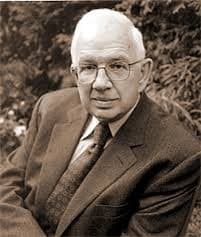
Harold S. Kushner is an American rabbi and author, best known for his work in the field of theology and philosophy. His notable book, "When Bad Things Happen to Good People," explores the problem of evil and suffering from a religious perspective, offering insights into coping with life's challenges. He has written several other non-fiction works that address similar themes.
Similar books
- Man's Search for Meaning
Viktor E. Frankl
4.4 (401k) average on GoodreadsBiographyExplores finding meaning and purpose amidst extreme suffering, focusing on human resilience and choice in response to adversity.
- A Grief Observed
C.S. Lewis
4.2 (58k) average on GoodreadsBiographyA raw and honest reflection on faith, doubt, and the pain of loss after the death of a spouse, questioning traditional religious comfort.
- The Problem of Pain
C.S. Lewis
4.1 (47k) average on GoodreadsSpiritualityA more theological and philosophical examination of why an omnipotent and benevolent God allows suffering, though with a different conclusion than Kushner's.
- The Perks of Being a Wallflower
Stephen Chbosky
4.2 (1.3M) average on GoodreadsPsychologyThrough letters, a shy high school freshman learns to navigate first love, trauma, and self-discovery, stepping off the sidelines and into life.
- Eleanor Oliphant Is Completely Fine
Gail Honeyman
4.3 (708k) average on GoodreadsLiterary FictionA lonely woman's structured life changes when an IT guy and an elderly man help her learn to open her heart.
- One Flew Over the Cuckoo's Nest
Ken Kesey
4.2 (631k) average on GoodreadsPsychologyIn a mind-bending asylum, the boisterous Randle McMurphy wages a defiant war against the tyrannical Nurse Ratched, inspiring his fellow inmates, including the seemingly catatonic Chief Bromden, to reclaim their lost humanity.






Enjoyed the summary?
A summary gives you the shape of the book. The book itself has the detail, the examples and the voice.
Find When Bad Things Happen to Good People on AmazonAs an Amazon Associate, BookBrief earns from qualifying purchases. How we're funded